In October 2023 I had the chance to visit Mozambique during a business trip. The main goal was to see two of our WWF projects supported by German public donors and perform an internal evaluation. Although the itinerary was very busy with not that much free time, I traveled to remote places and could interact with the communities supported by the projects.
Visit in Inhambane Province
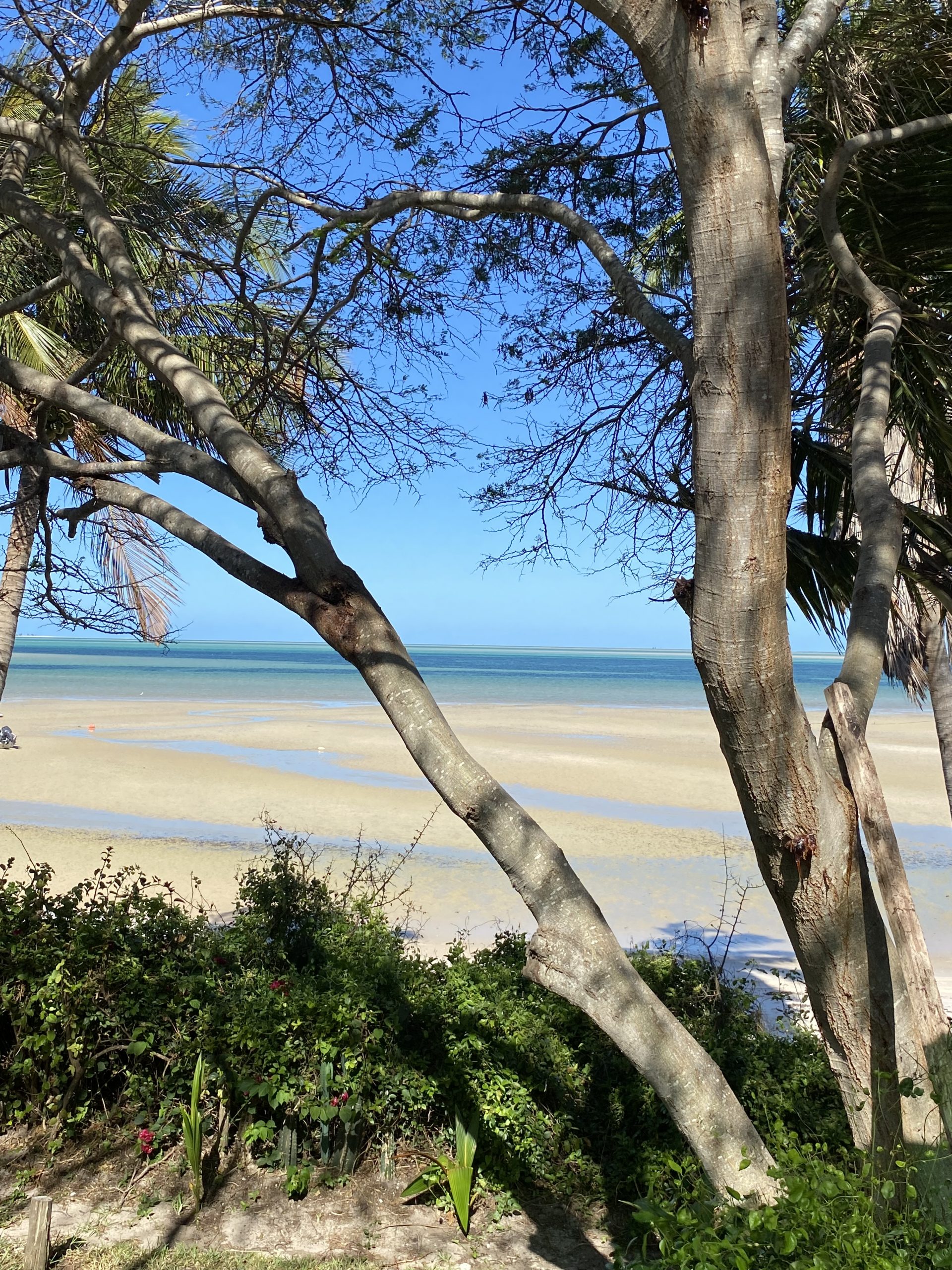
Our first destination was Vilanculos in the province of Inhambane, where one of the projects is located. The city and the area have a relatively developed tourist infrastructure. Its beautiful beaches, crystal clear water, and marine fauna attract tourists mainly from South Africa and Europe.
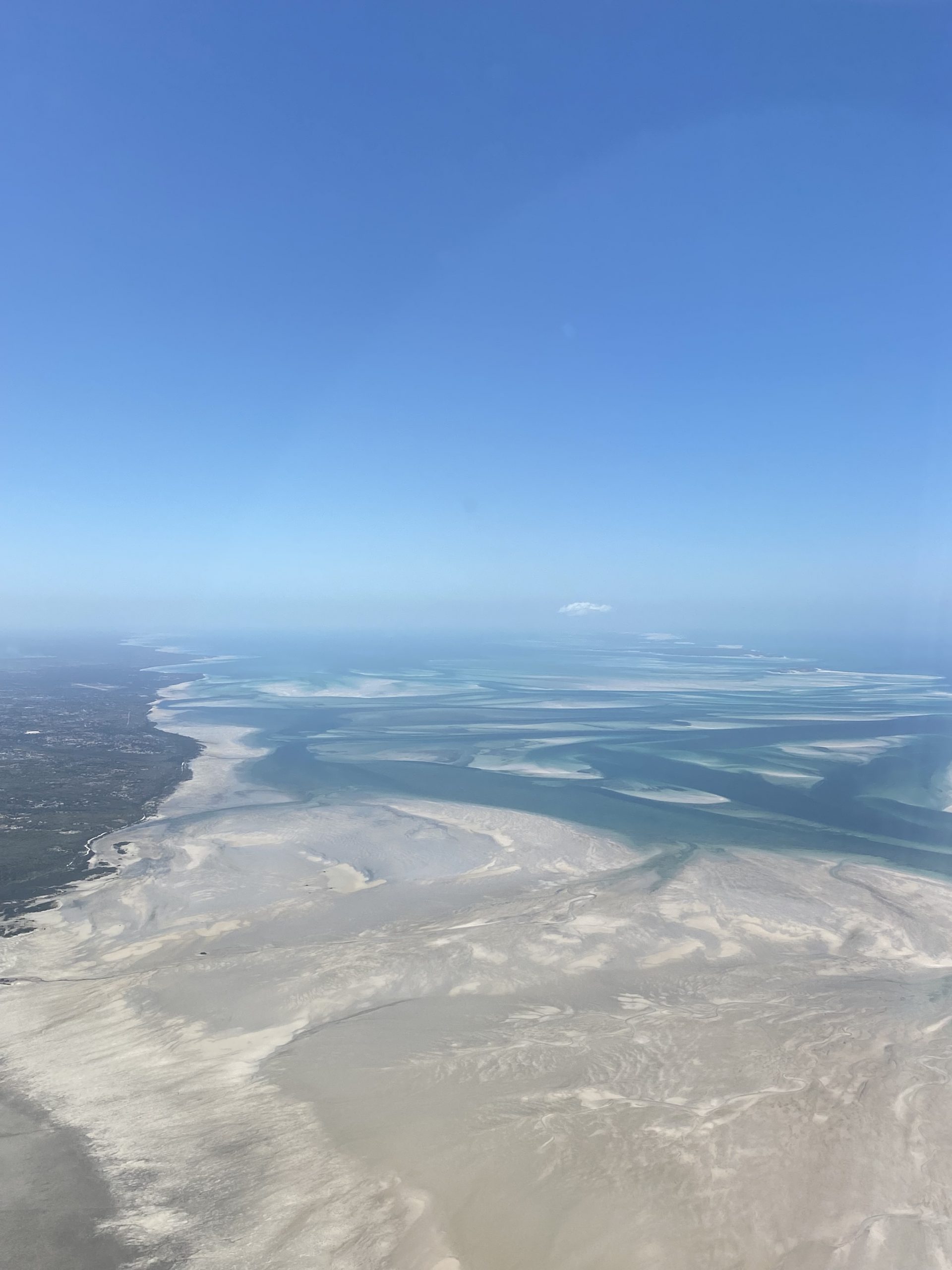
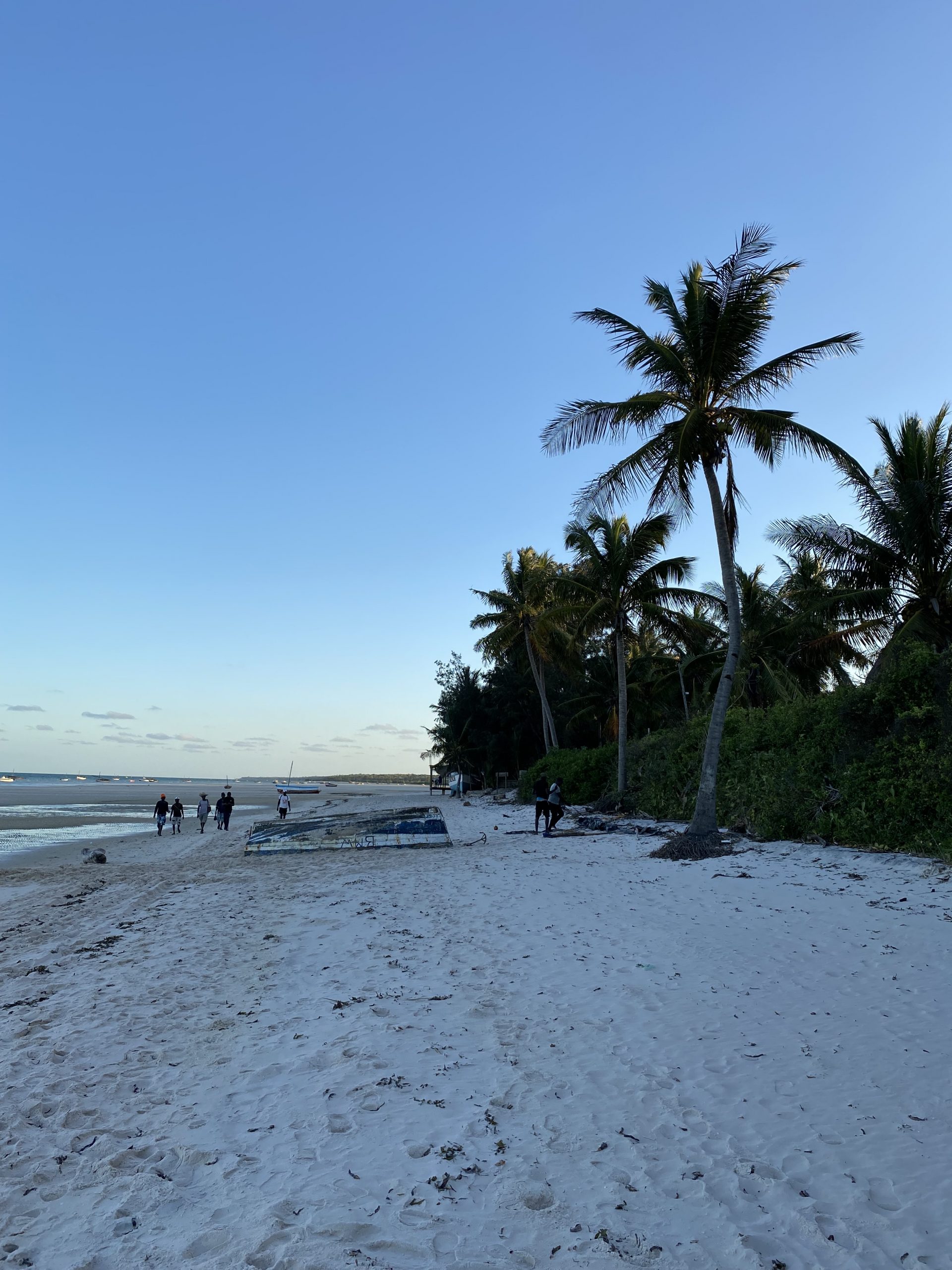
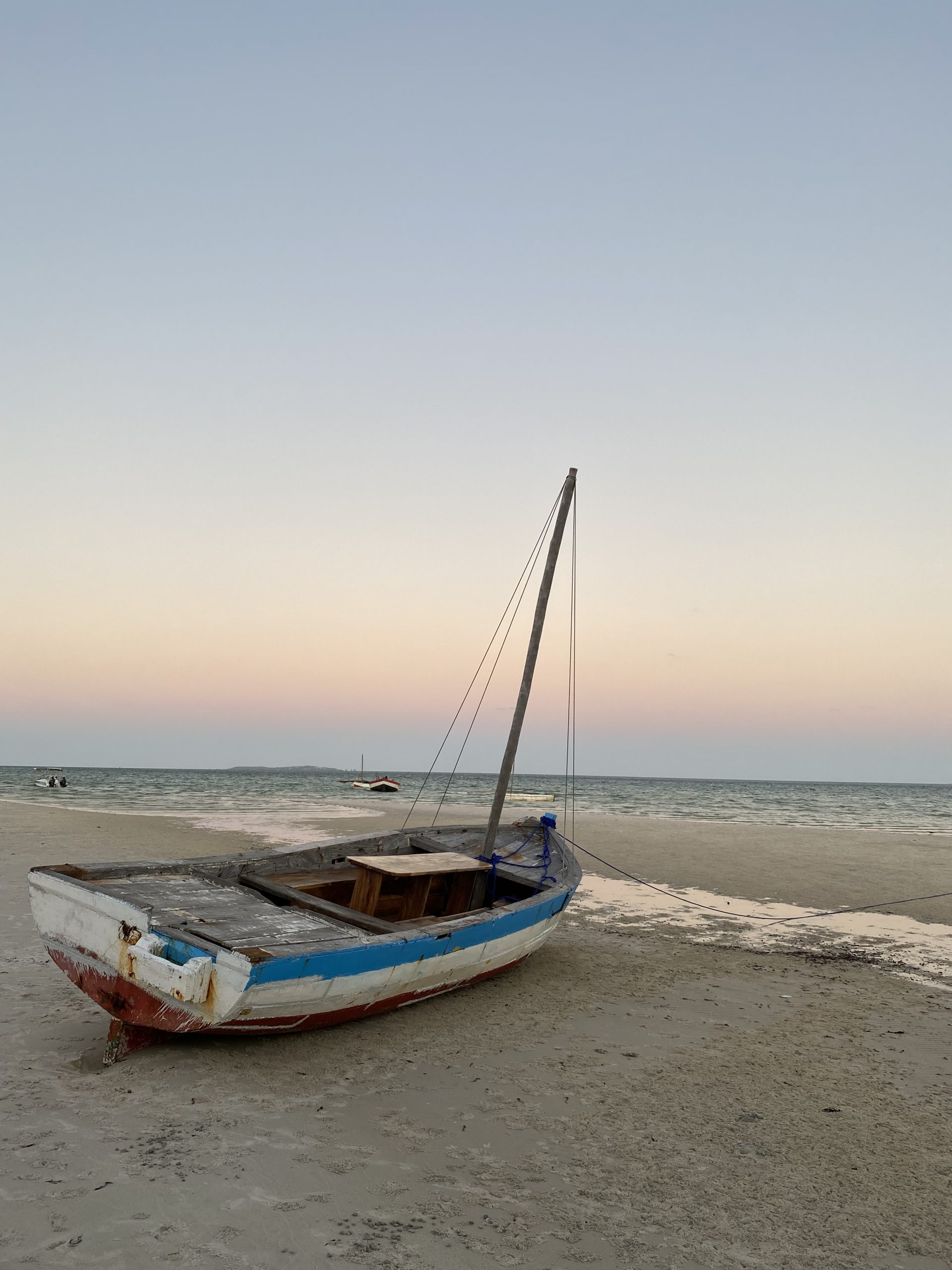
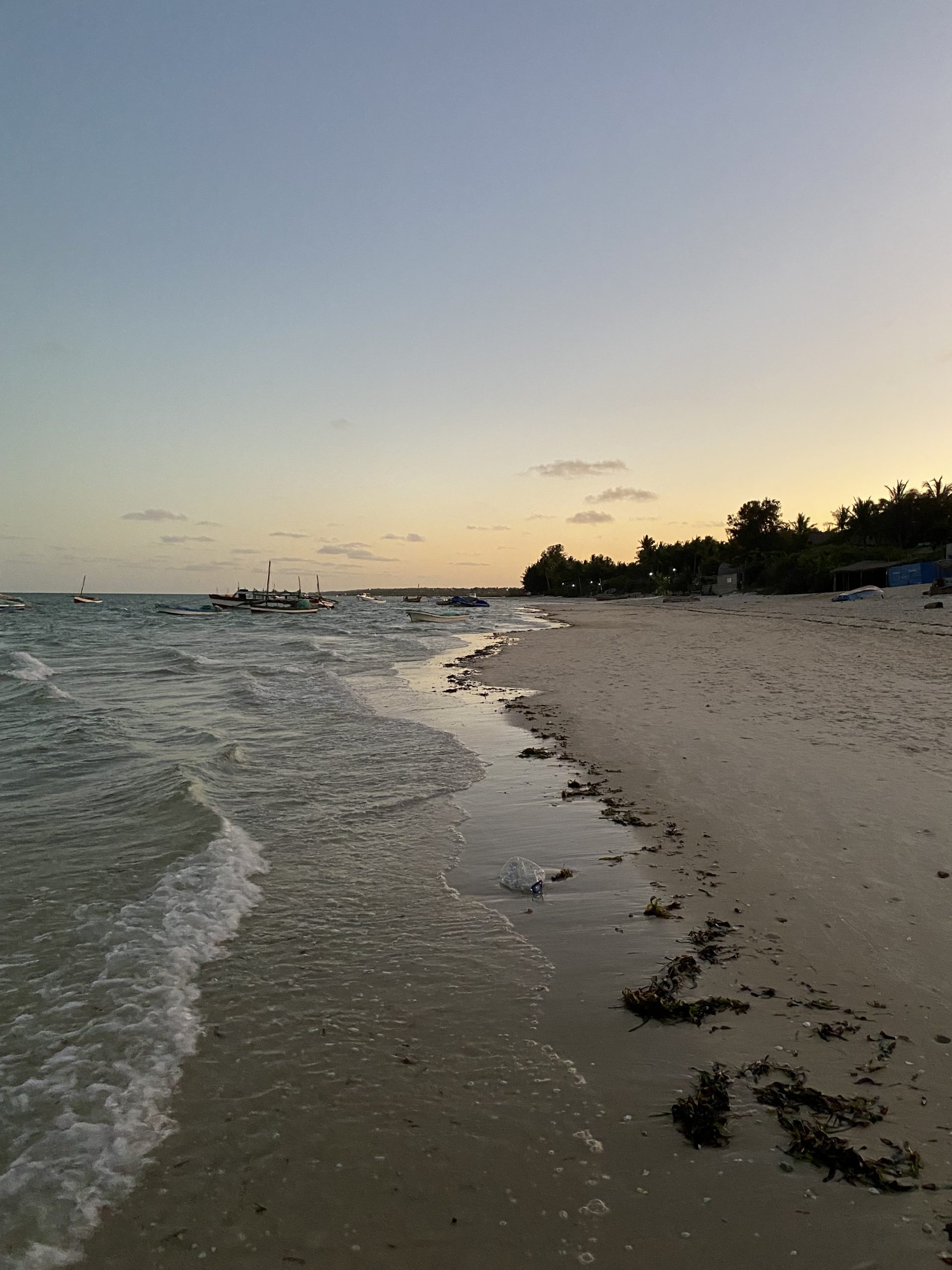
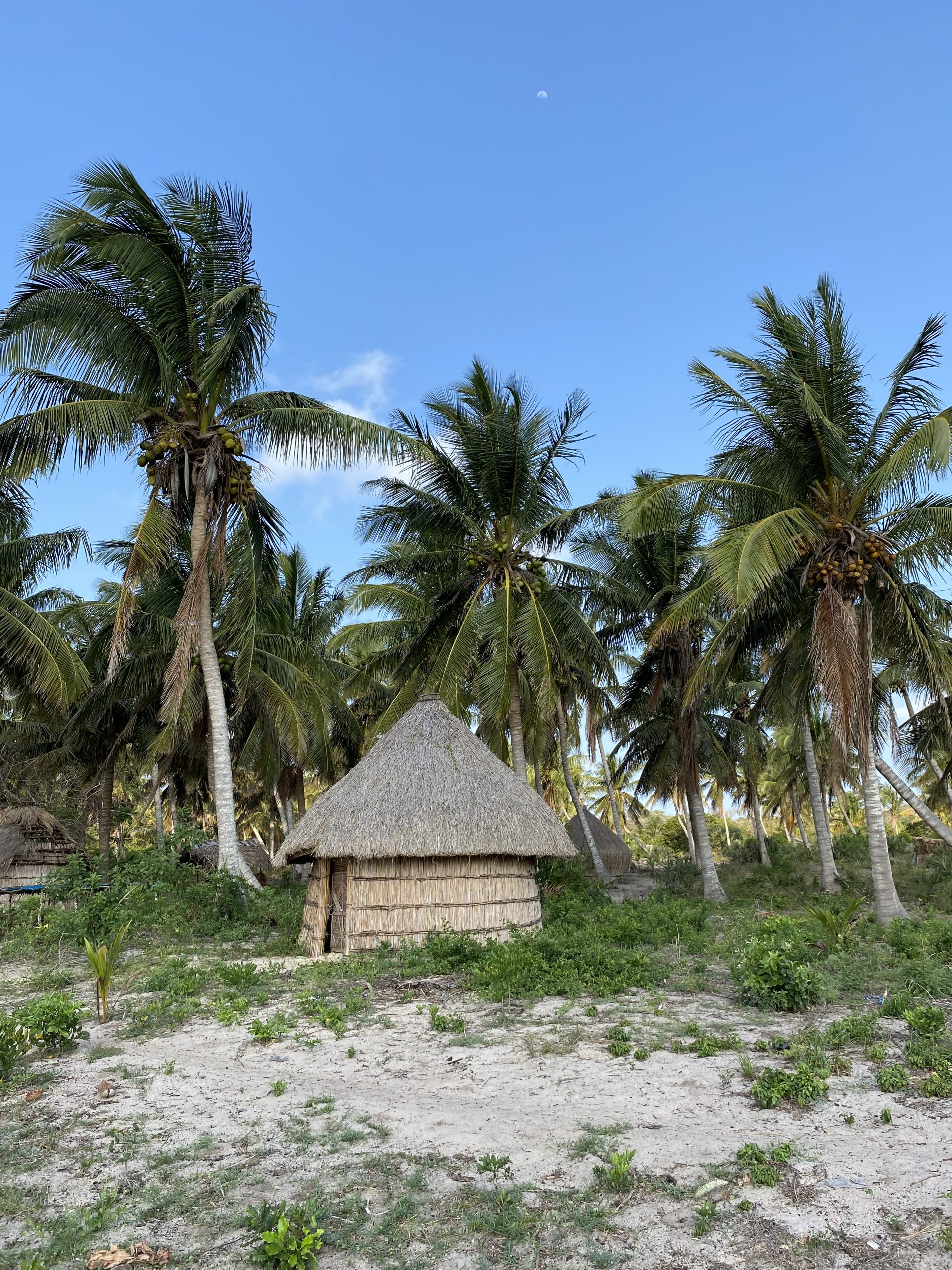
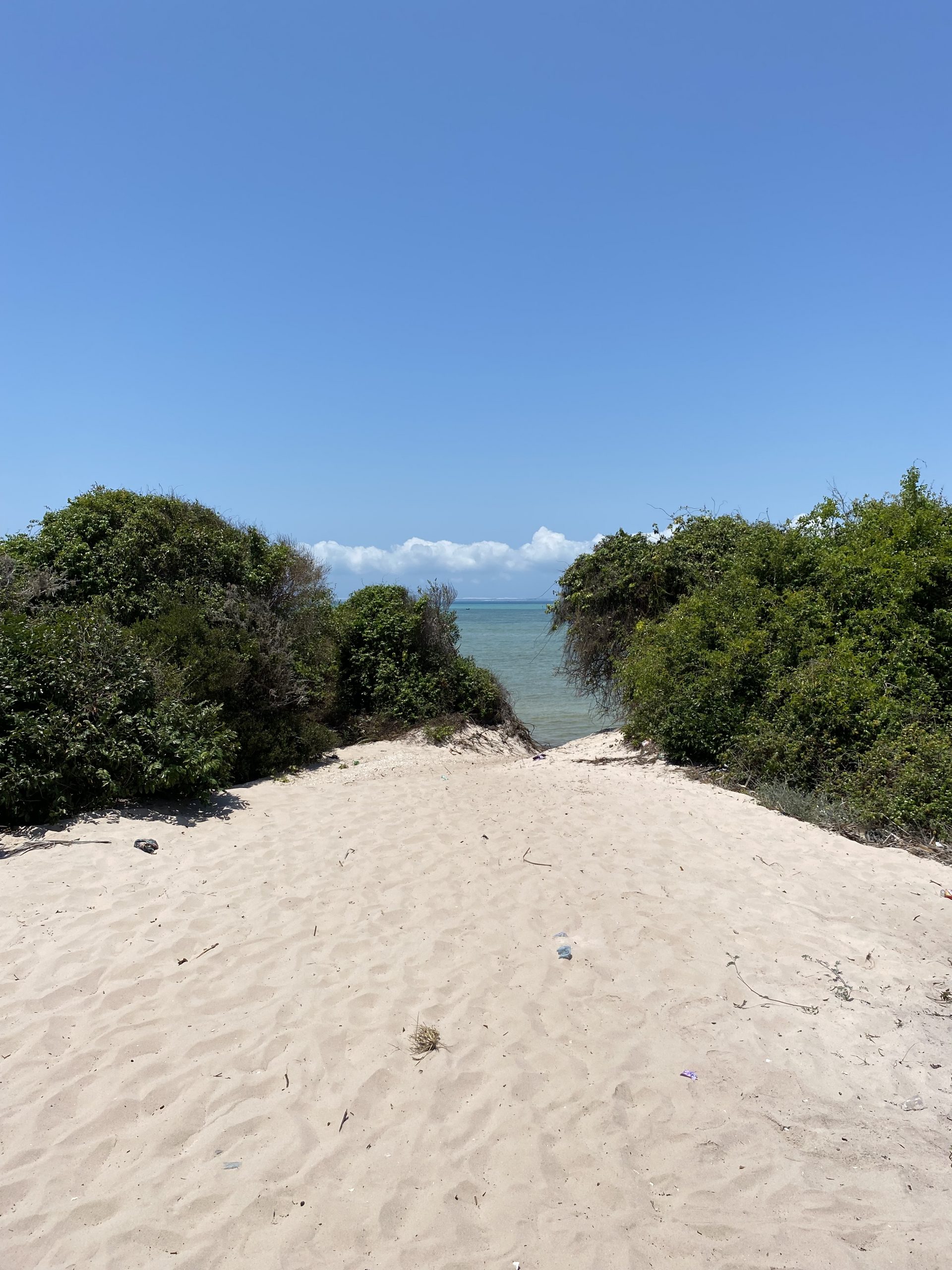
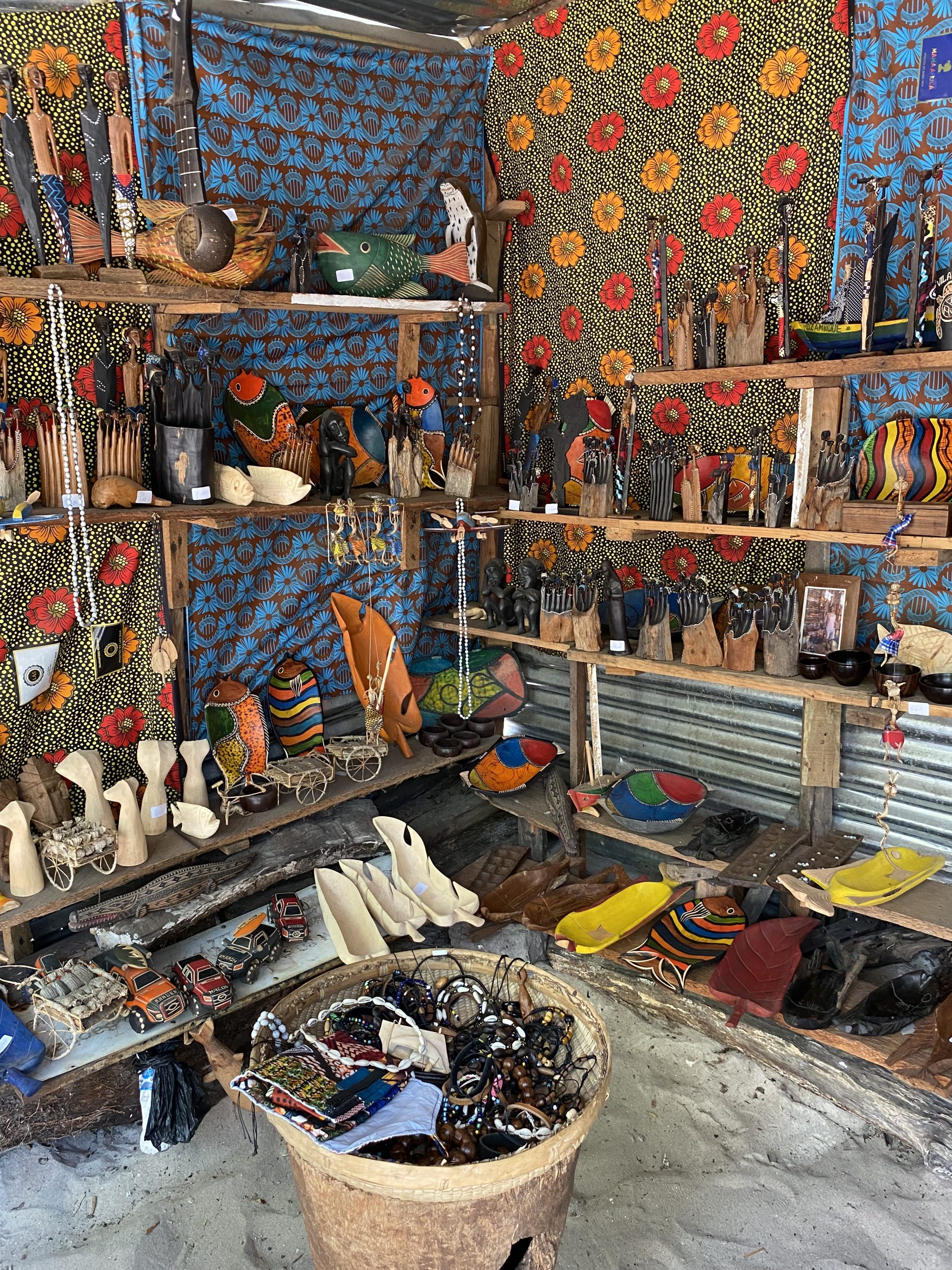
The nearby Bazaruto National Park and the legends around Santa Carolina Island also contribute to the region’s popularity. The Park is one positive example of effective protection and law enforcement: corals, endemic fish species, and sea turtles are under protection and can be encountered easily. However, the nearby planned gas and oil exploitations are threatening the flora and fauna.
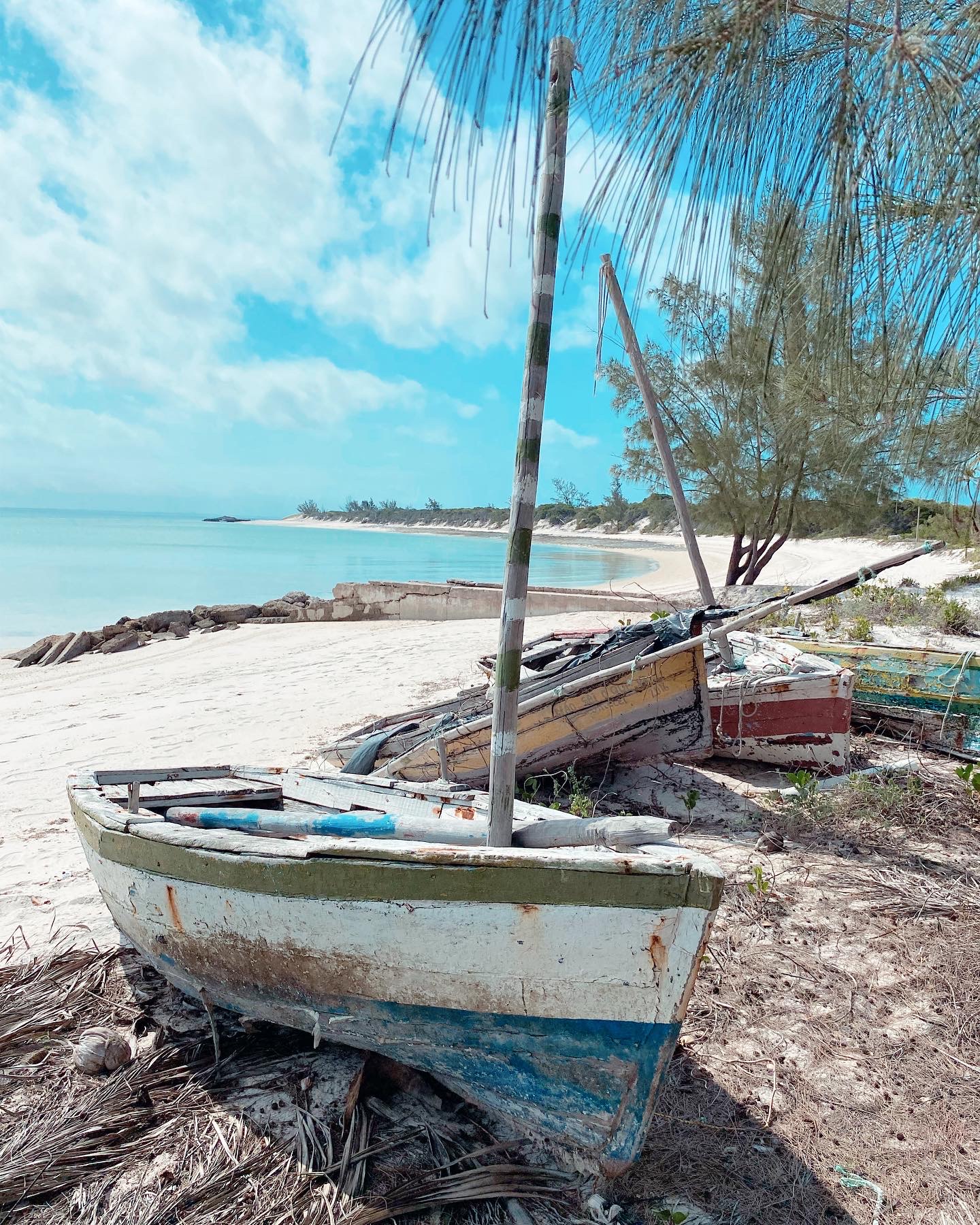
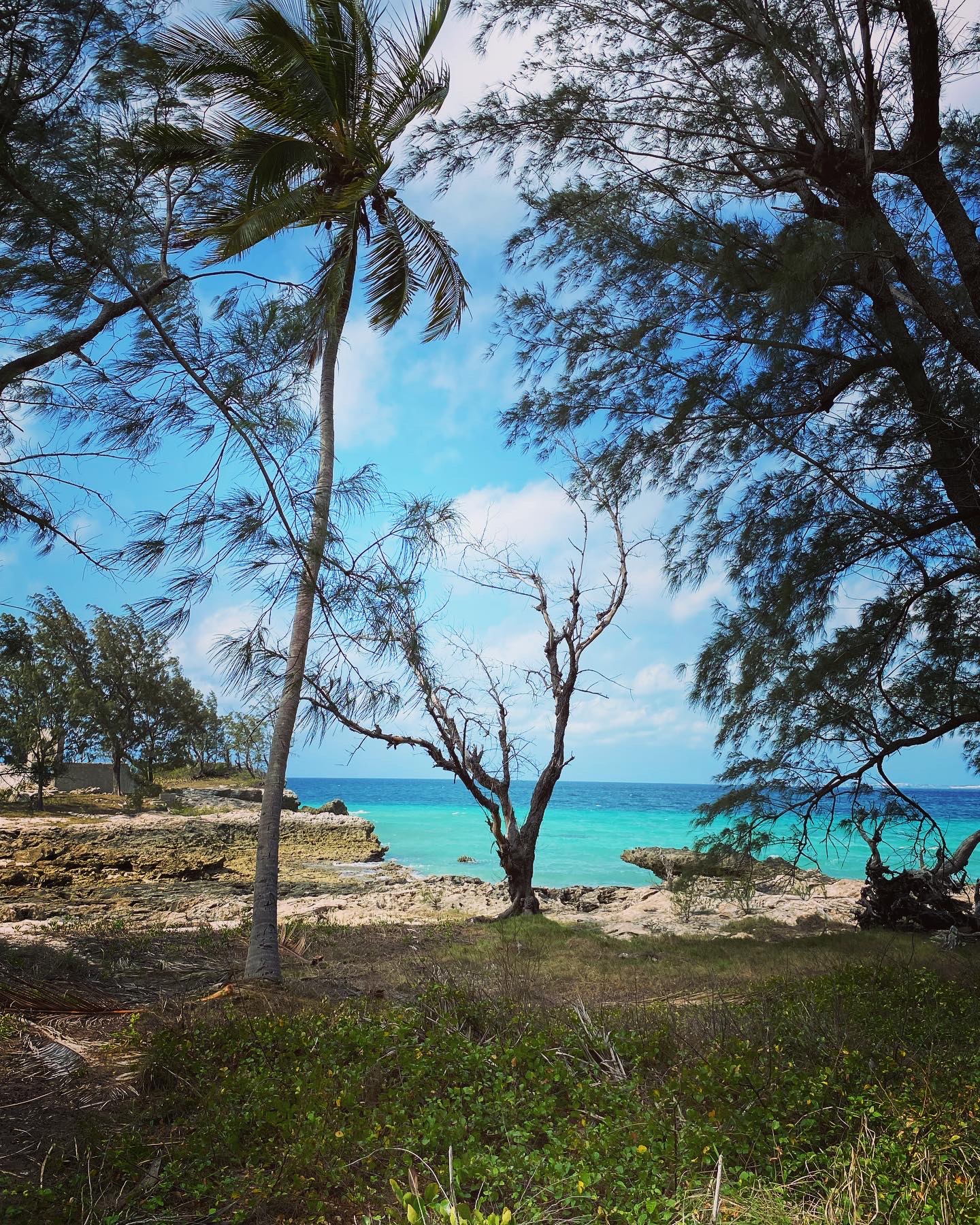
Talking about Santa Carolina, or Paradise Island, it is famous for its white sandy beaches, the blue water and coral reefs. Also, lots of protected marine species are living in the waters around the island.
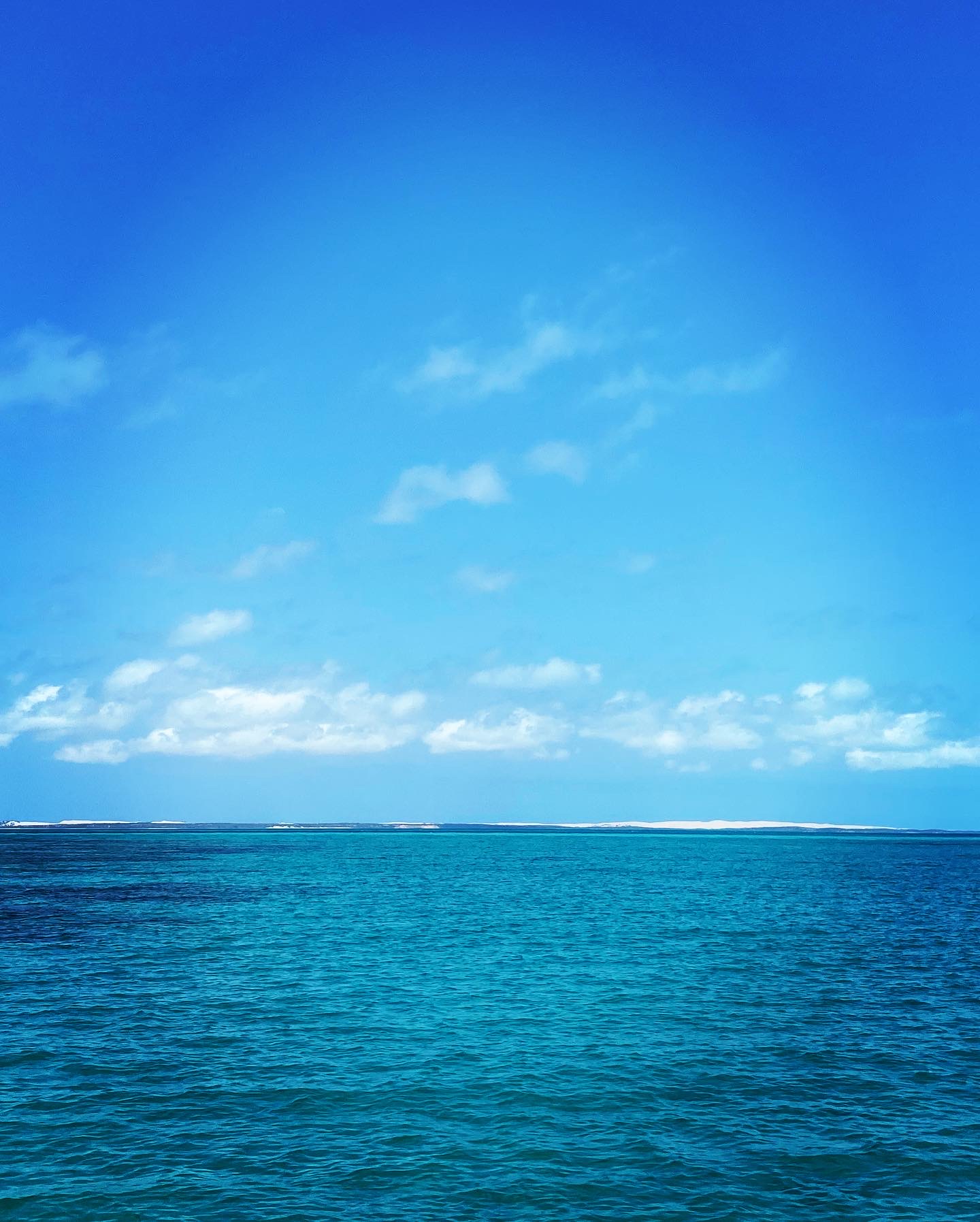
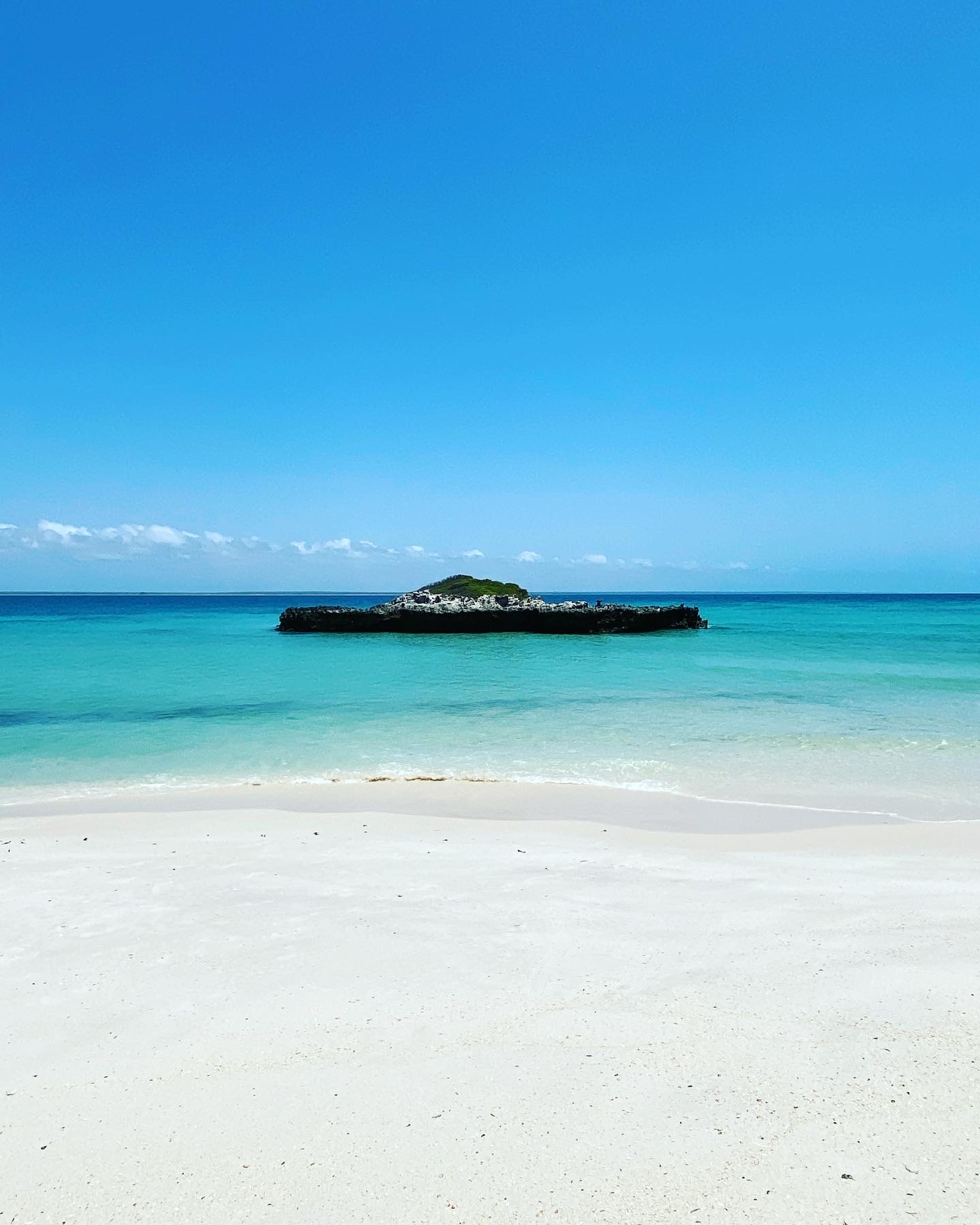
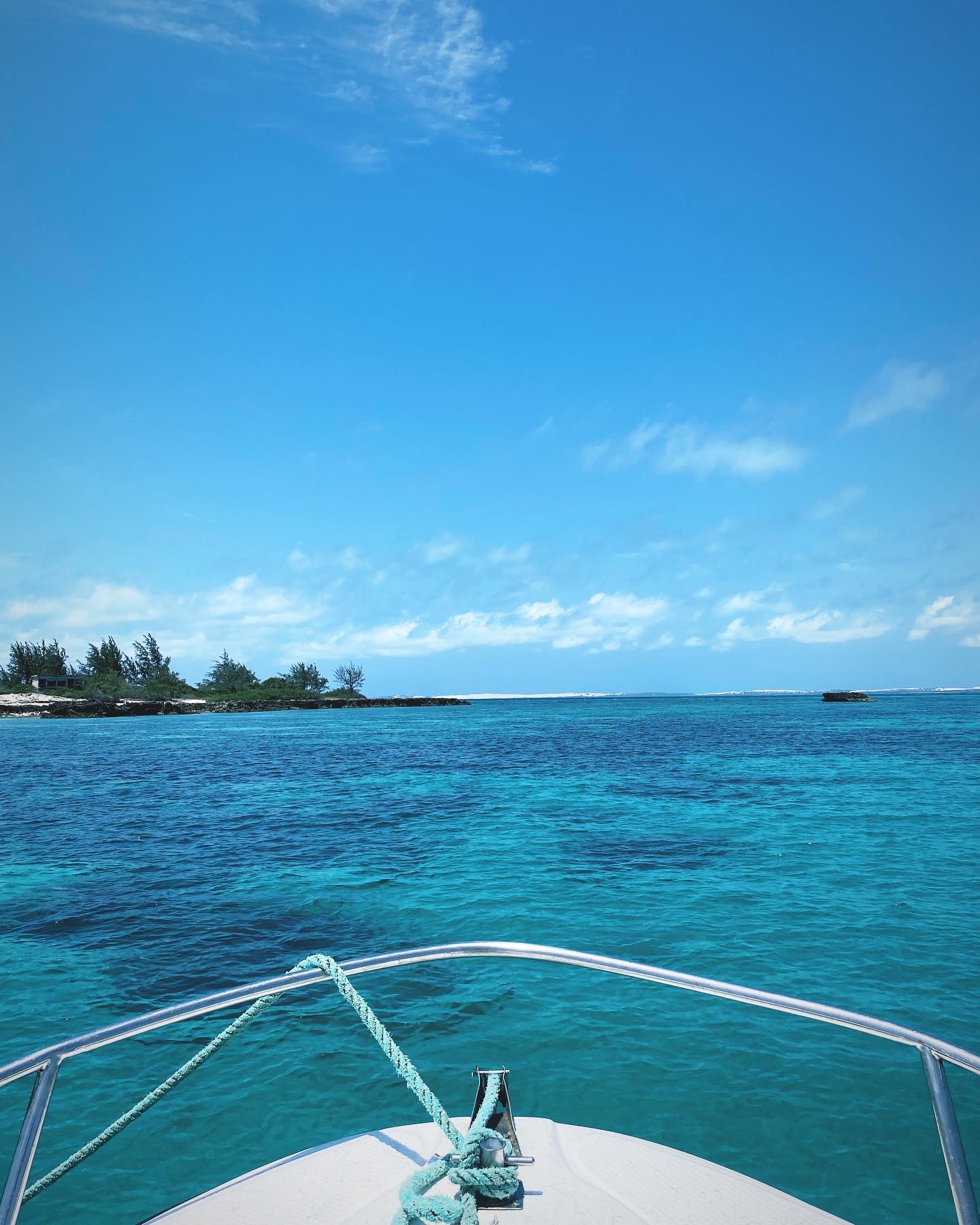
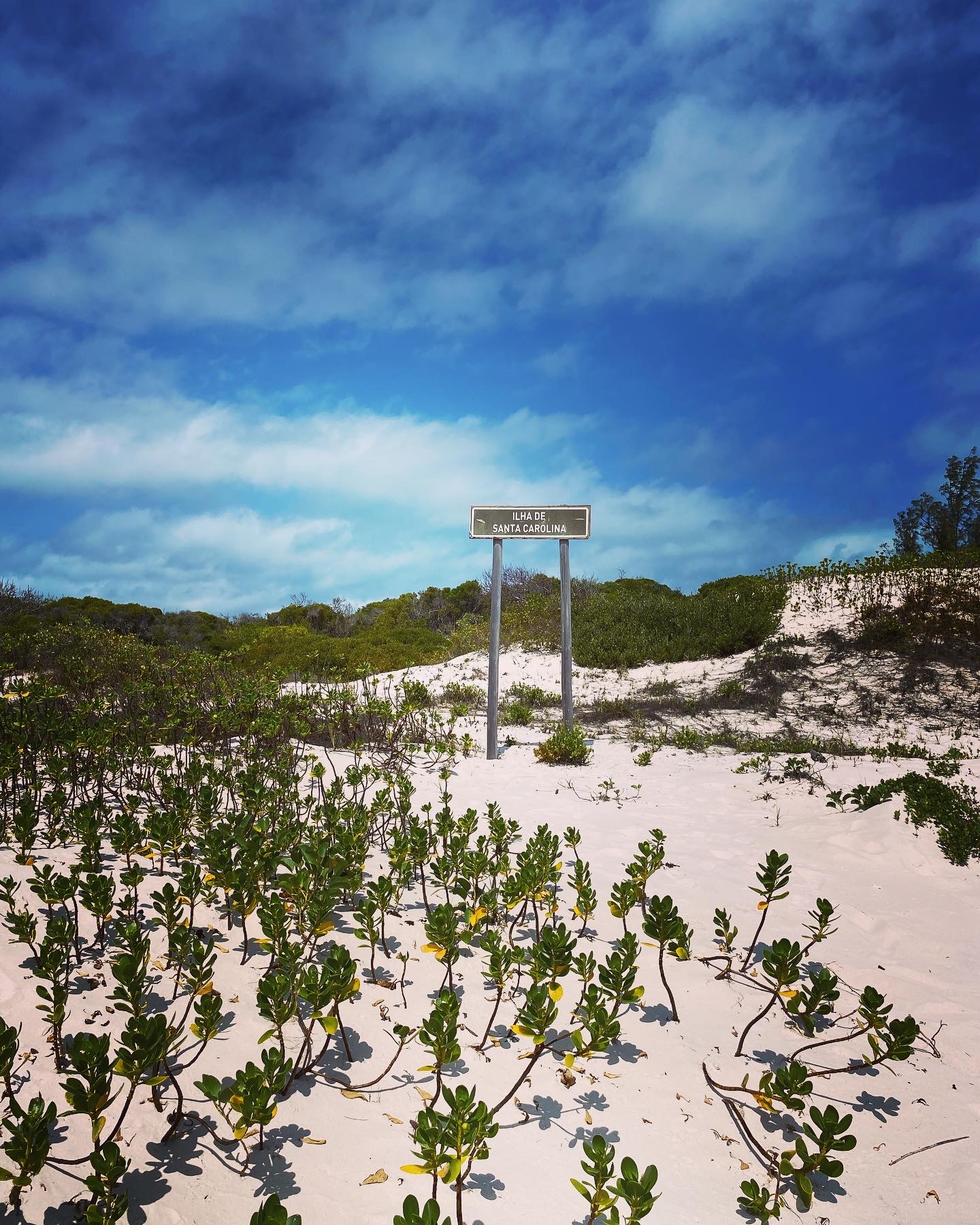
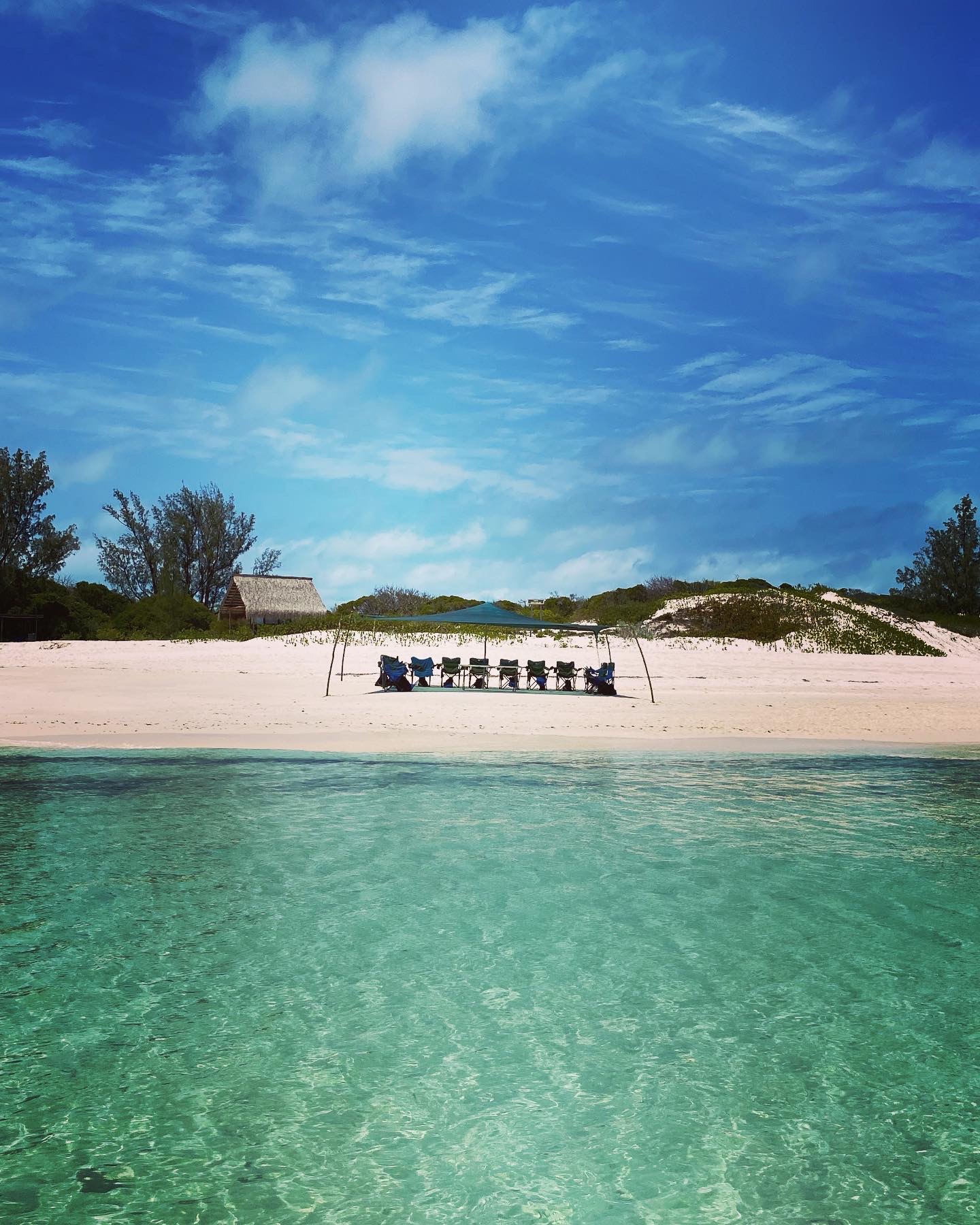
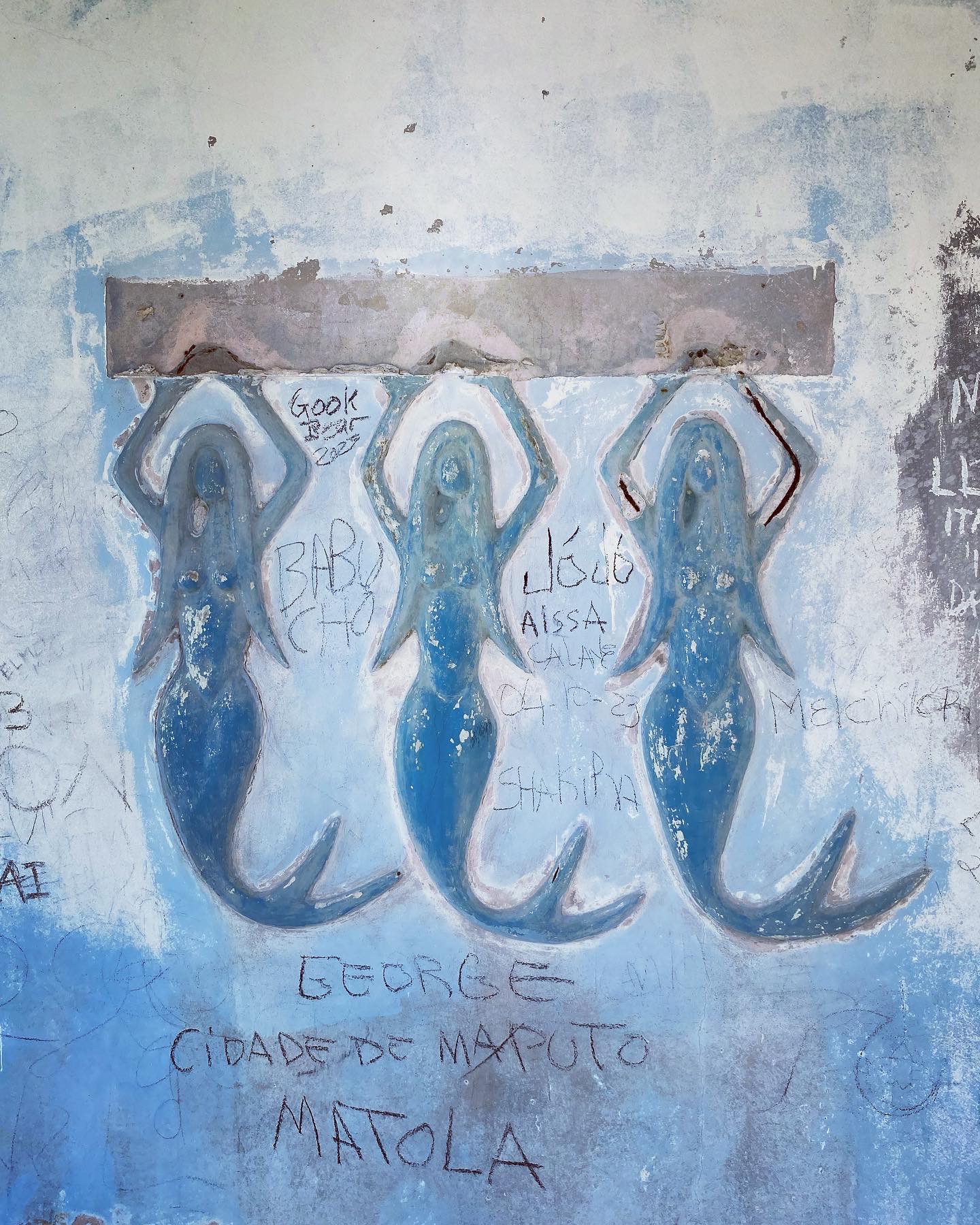
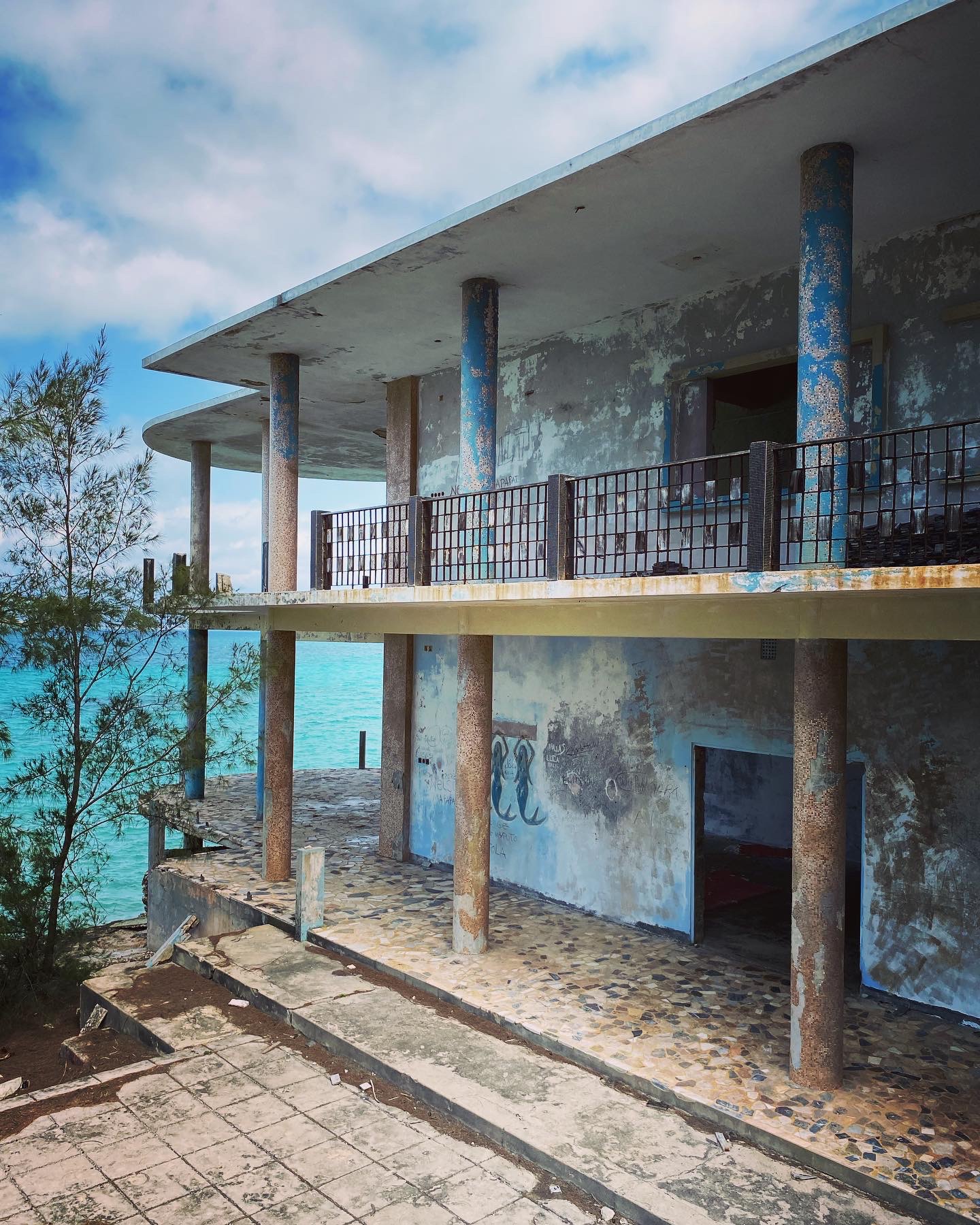
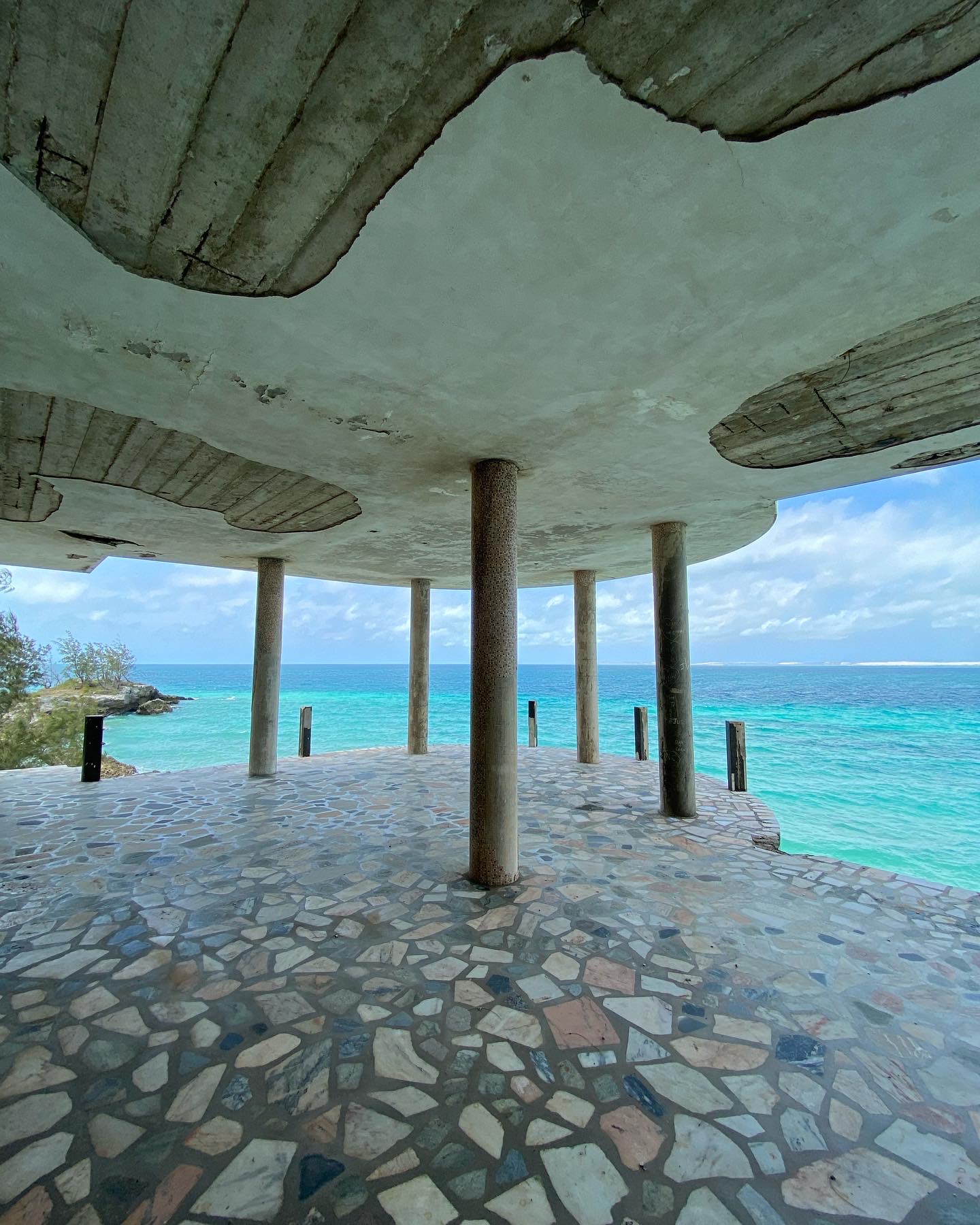
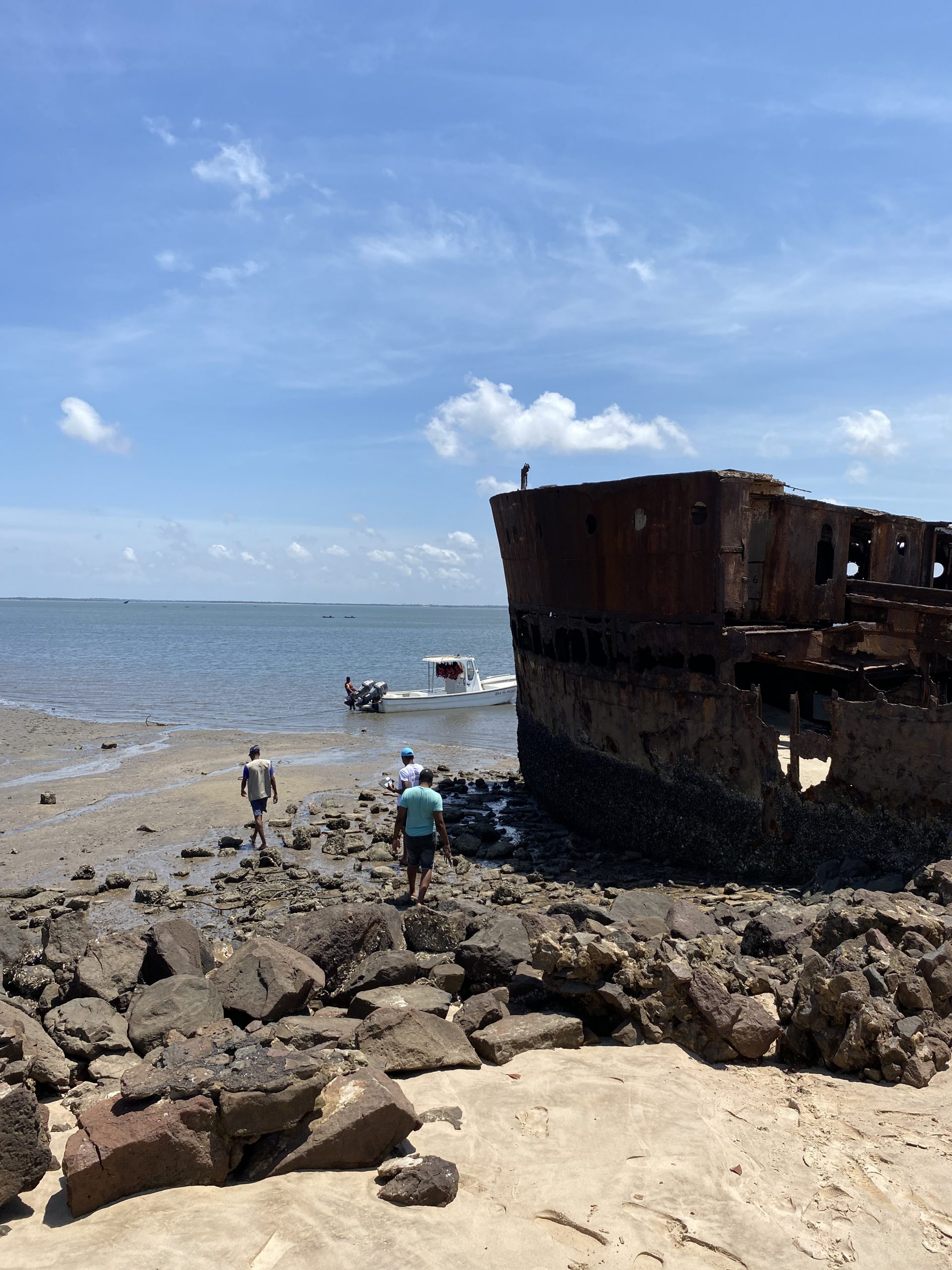
Another „attraction“ is a hotel ruin in the middle of the island. Built in the 1950‘s by a Portuguese businessman, was supposedly also visited by celebrities like Elton John and Bob Dylan. Judged by the view from the ruins on the Island of Bazaruto and the beautiful blue water, the guests might enjoy more than a pleasant stay there…After the independence of Mozambique, the hotel was gradually abandoned. Decades later there were plans to renovate it, but with the establishment of the National Park, is no further development allowed. Today only a few Park rangers live on the Island, ensuring the protection of the area.
Maputo – the Capital City
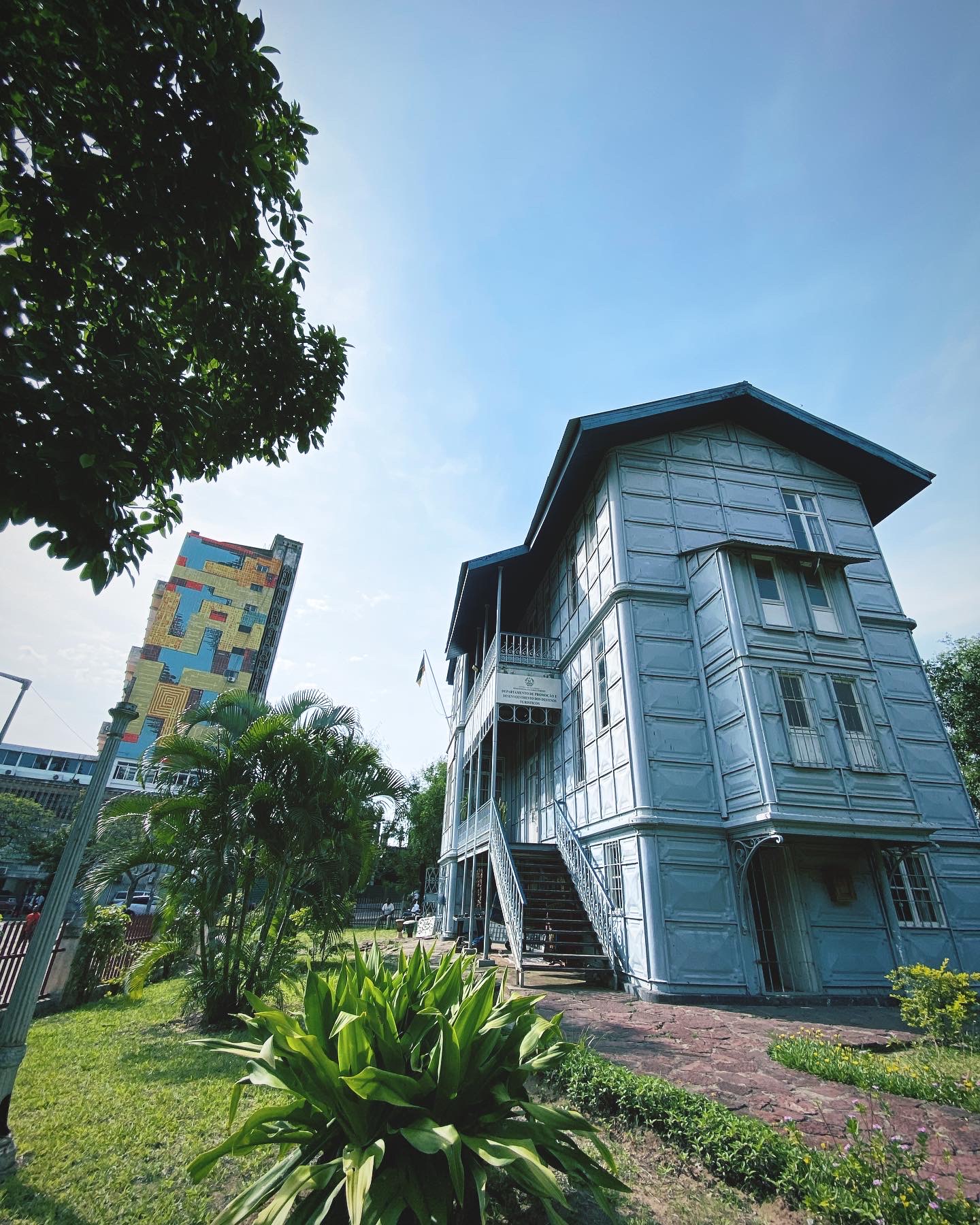
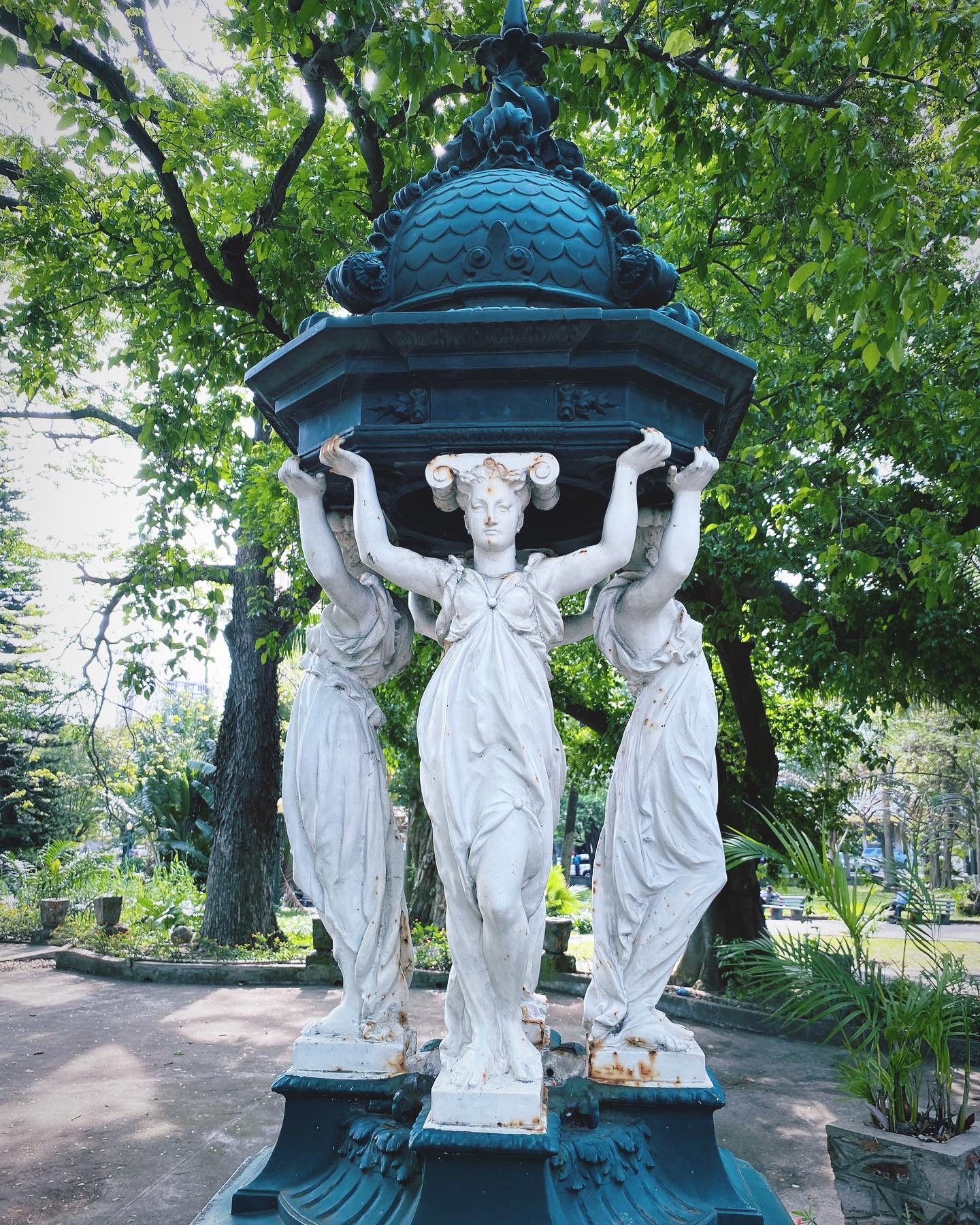
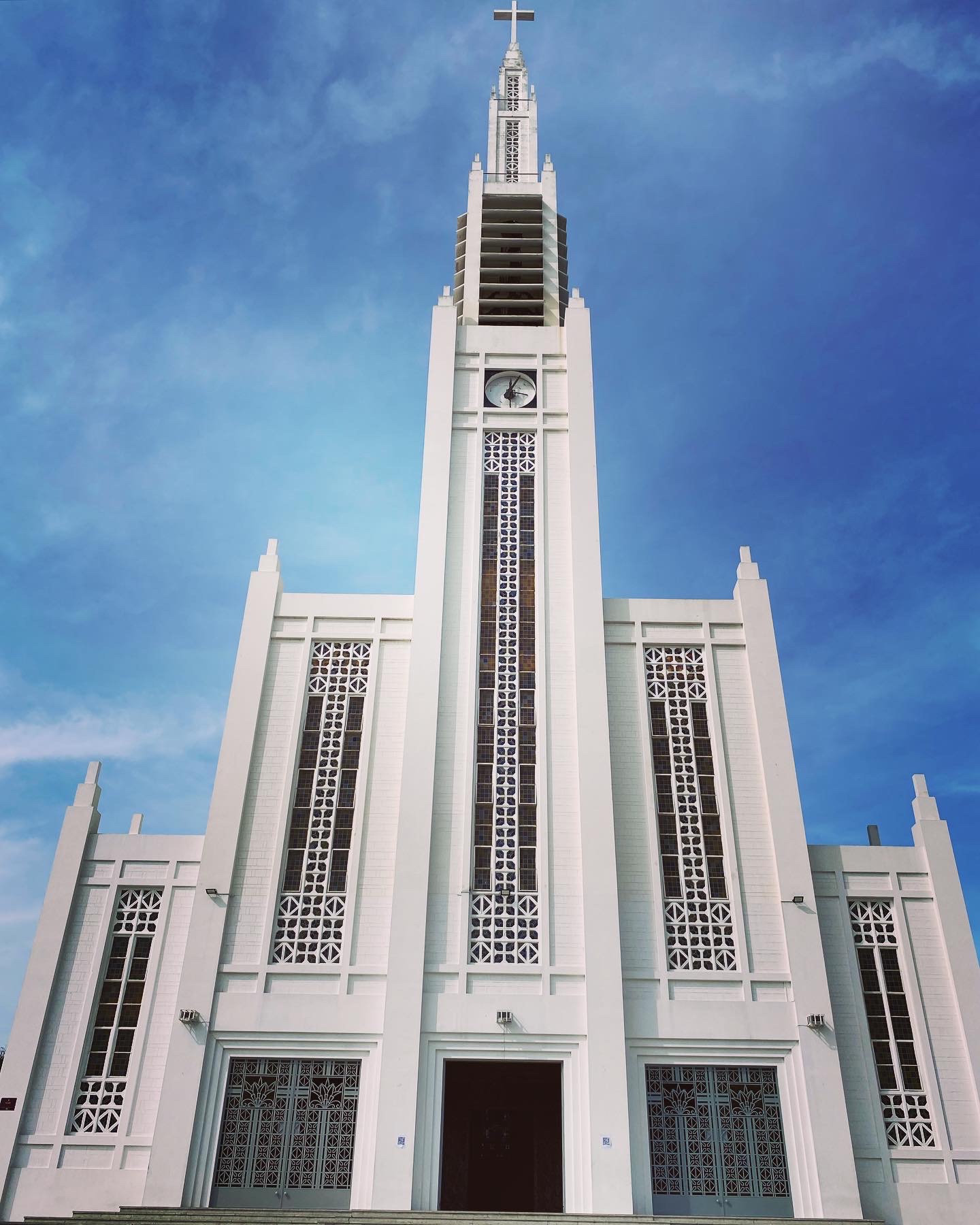
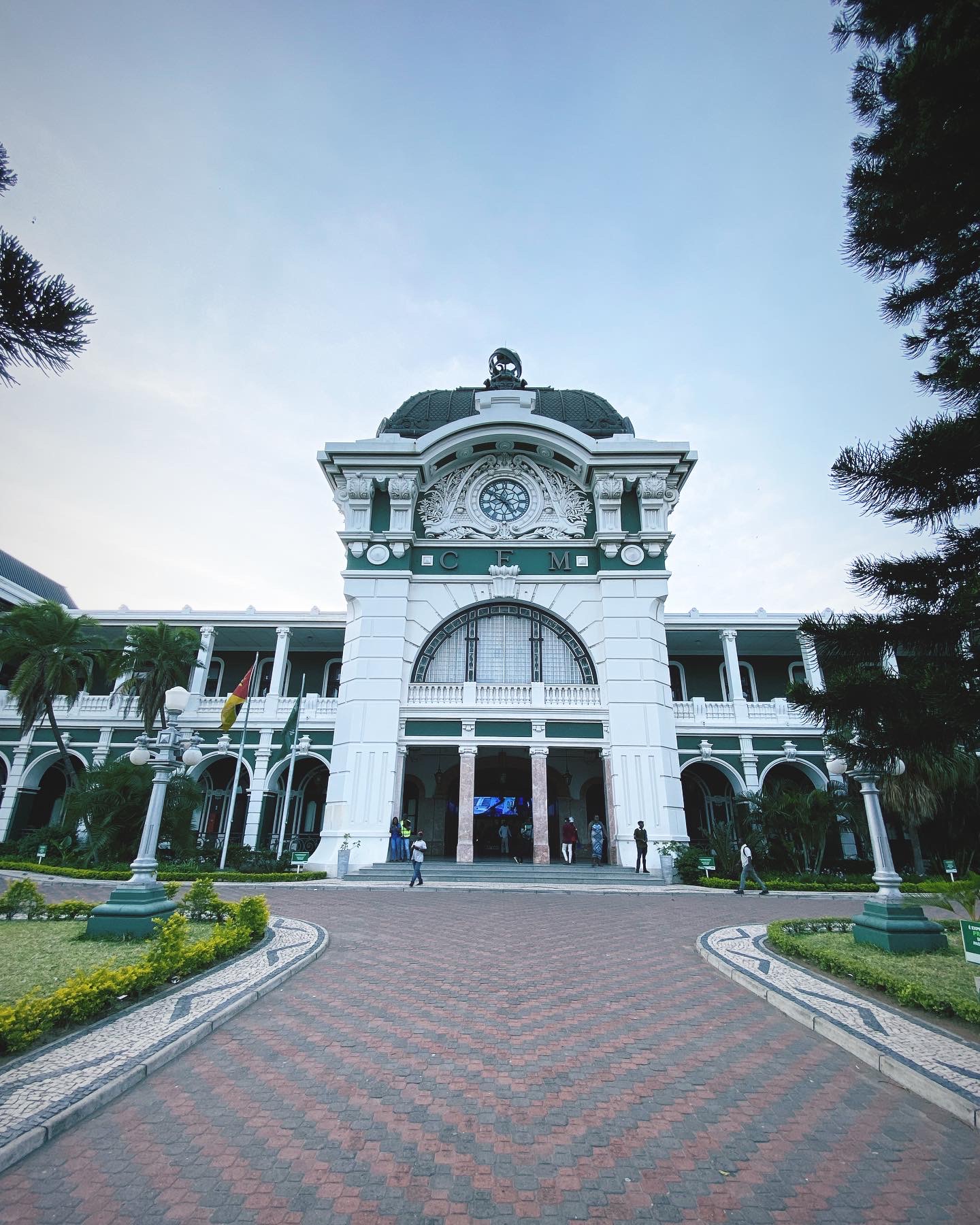
We also visited the capital Maputo and our colleagues in the main office of WWF Mozambique. Maputo (until 1976 known as Lourenço Marques), surprised me with its eclectic but at the same time original architecture. Walking around the city is like a travel through the Portuguese colonial past, independence struggle, civil war and its own reinvention in the last decades.
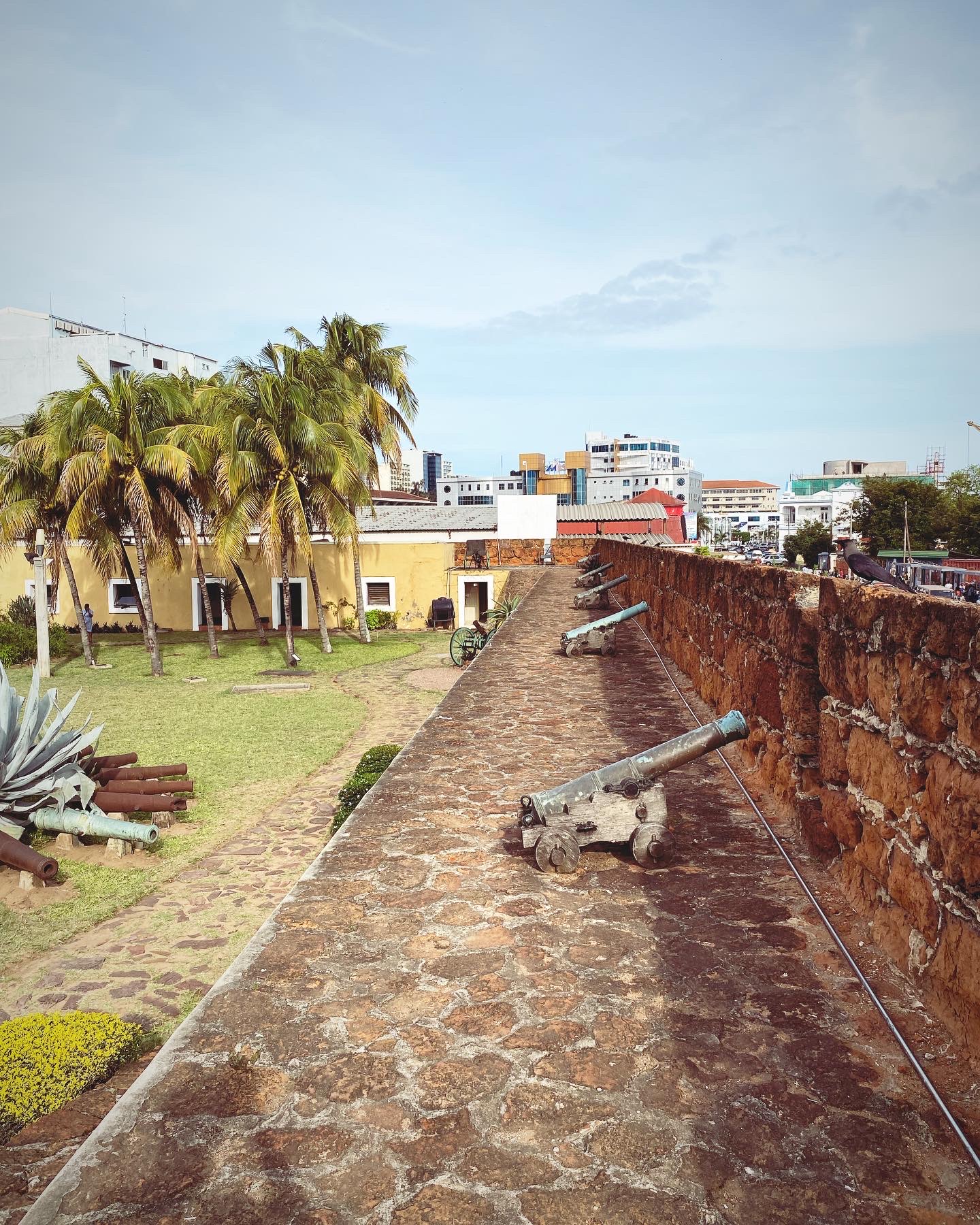
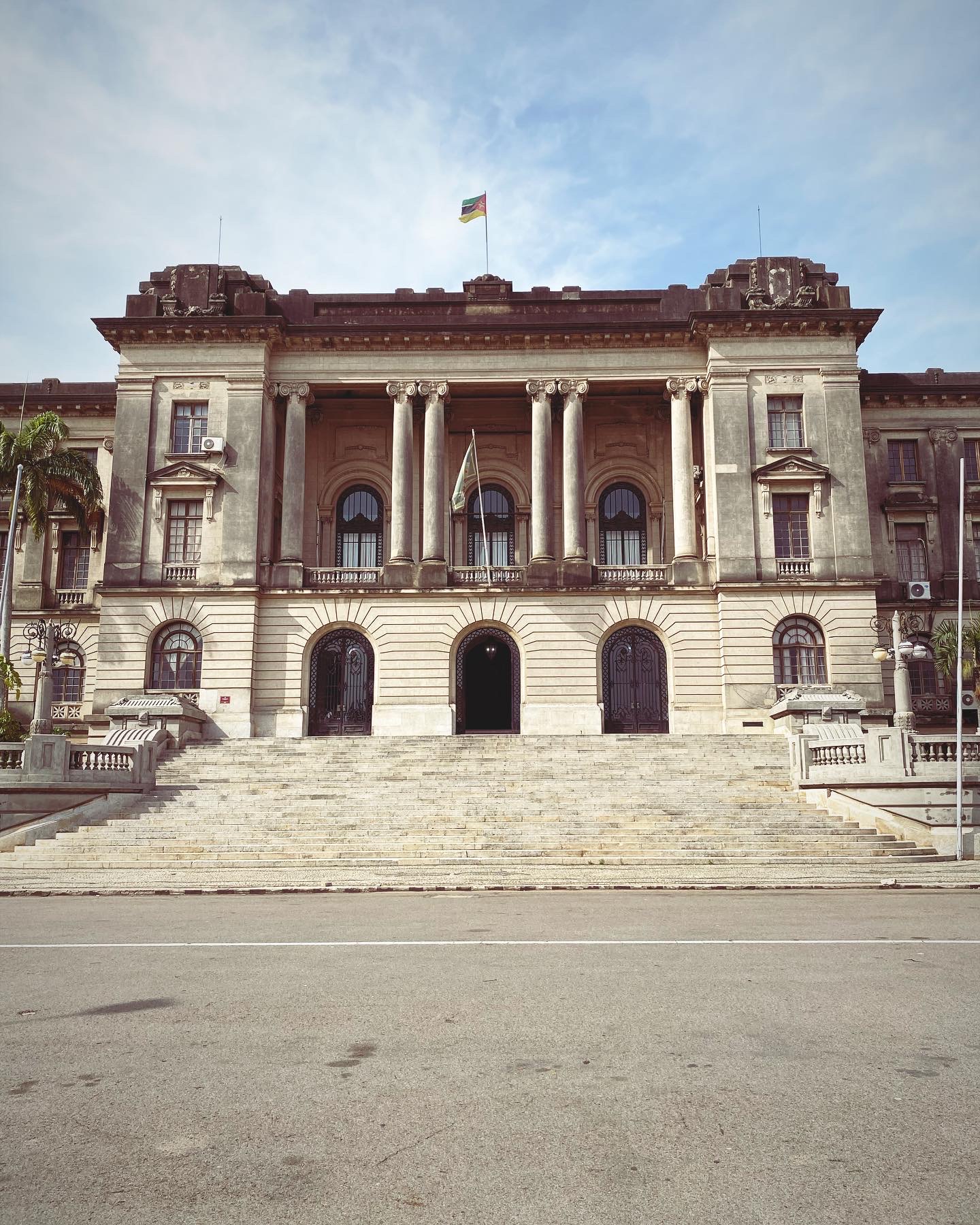
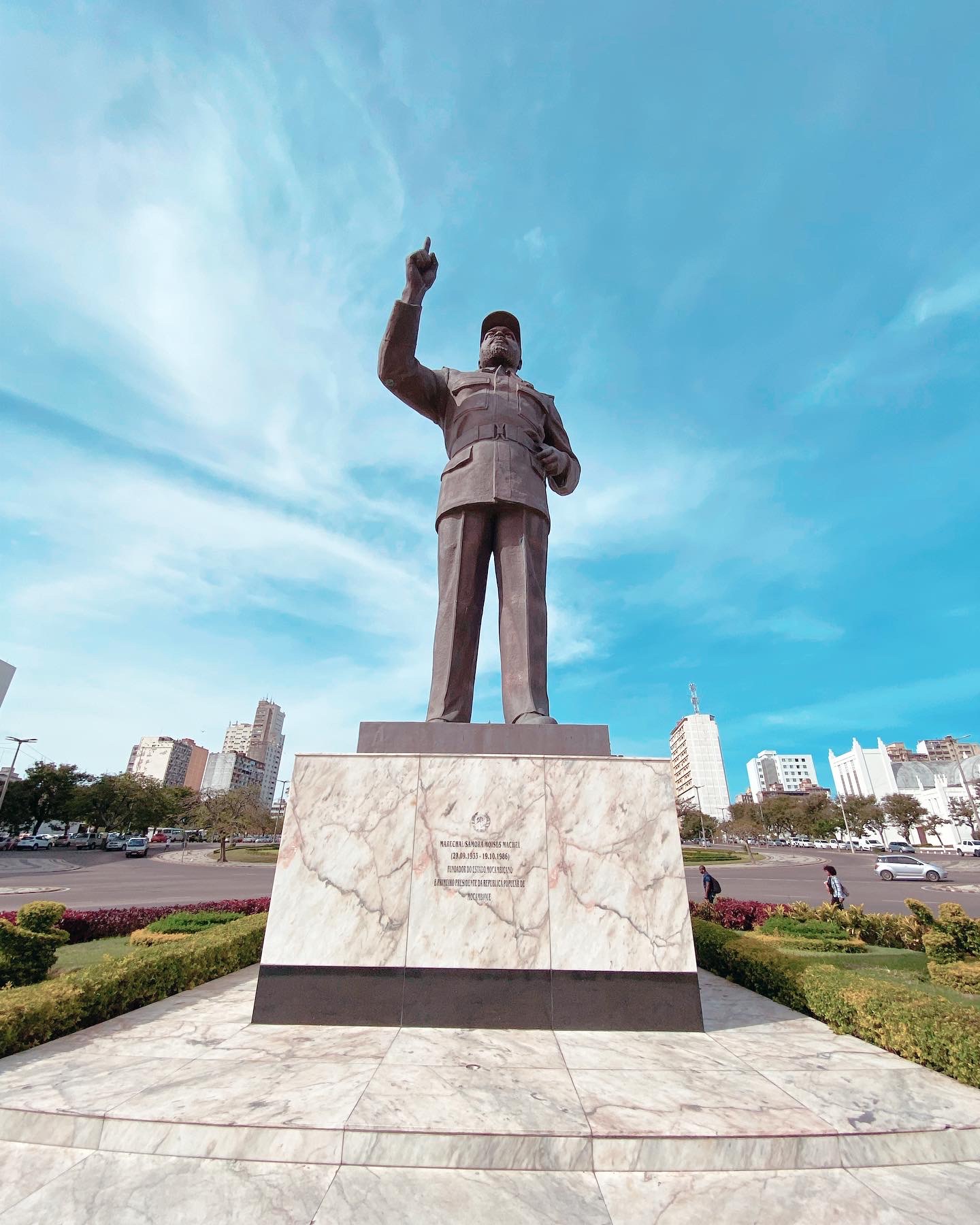
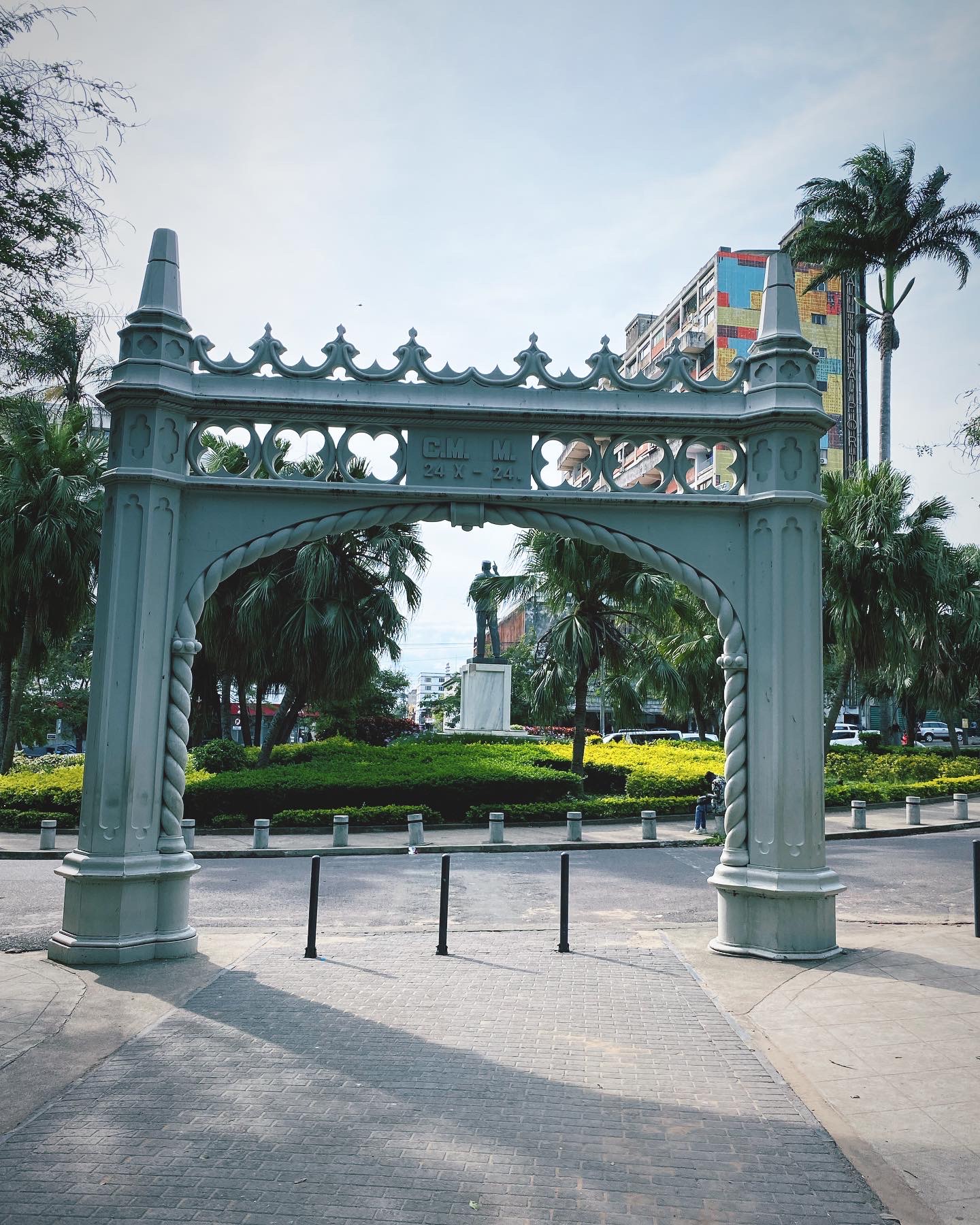
Colonial buildings like the Fortress, coexist with art deco and beaux-art buildings like the Central Train Station and the Town Hall. Neomanuelistic style can be encountered in the Tunduru Gardens, side by side with modernist (Cathedral, Iron House) and brutalist elements, like the statue of Samora Machel, the first president of Mozambique, designed and constructed in Pyongyang.
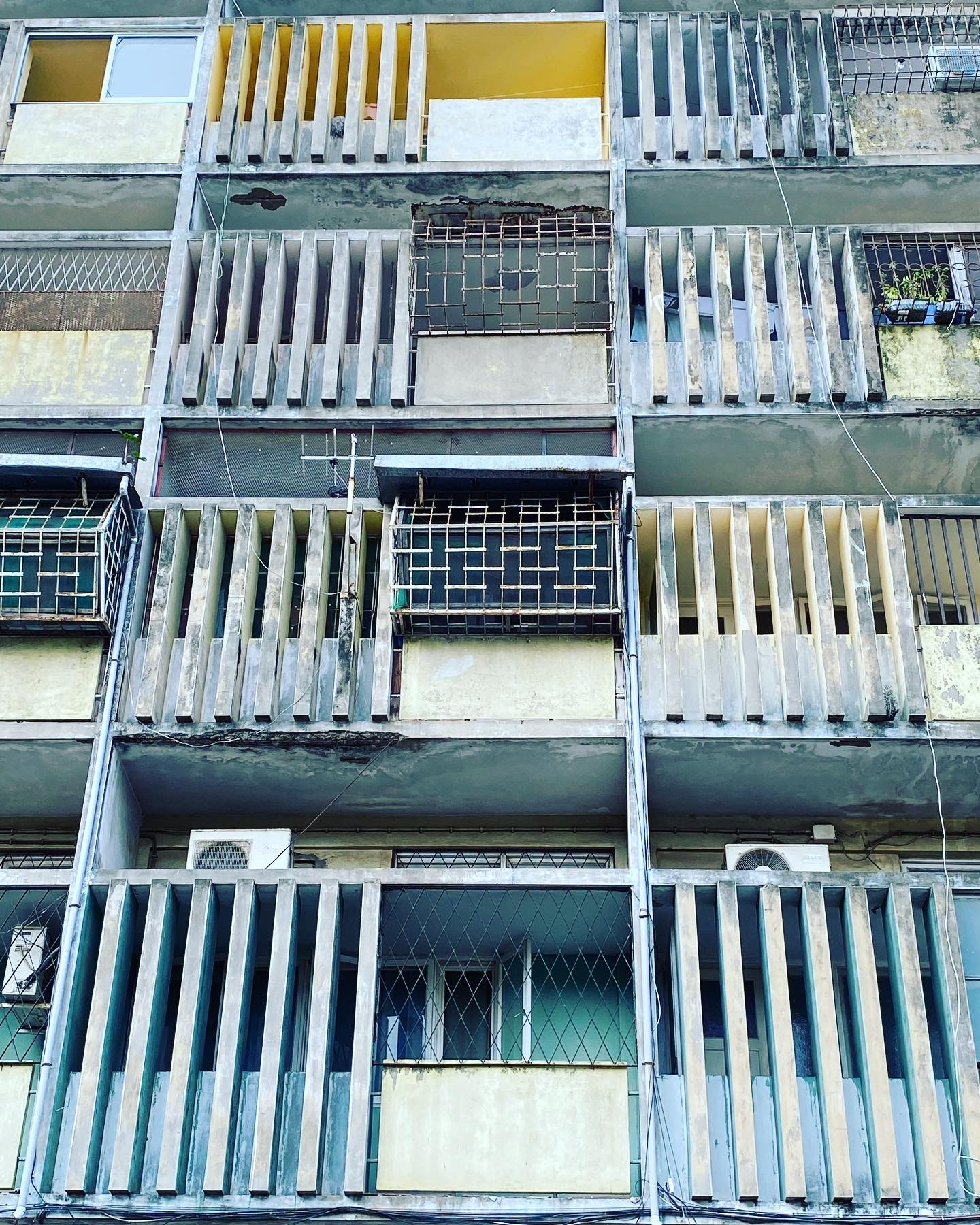
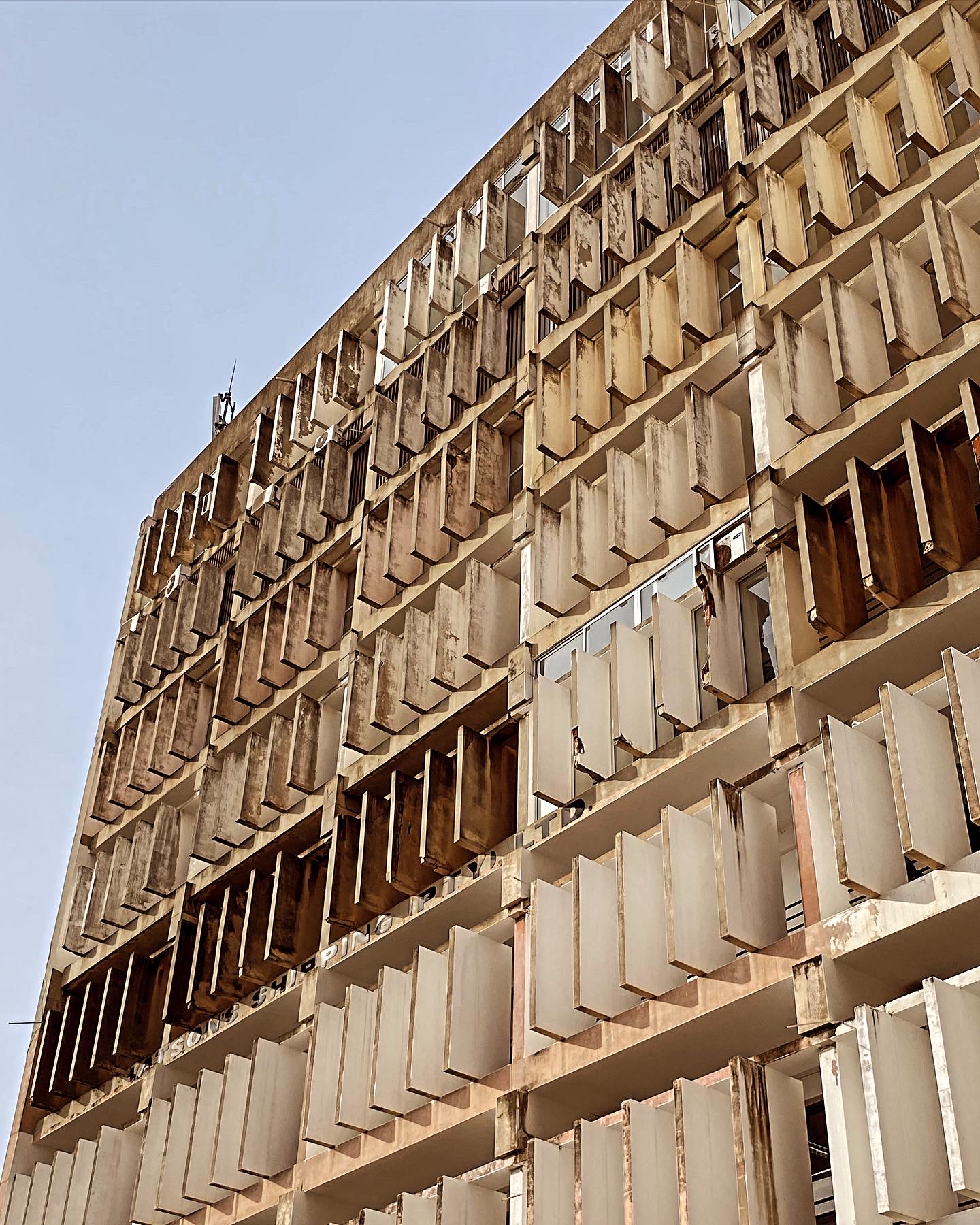
To mention is also the international style architecture with local variations. You can recognize it from the use of minimal decoration, straight lines, and use of “brise soleil” on the facades to reduce solar irradiation.
Visit in Nampula Province
The other project area we visited lies north from Inhambane, in the province of Nampula. Primeiras and Segundas Protected Area (PSEPA) was established in 2012, to preserve and protect a highly biodiverse coastal and marine area in Mozambique. PSEPA is formed by a chain of ten islands and two coral reef complexes of high biological importance, spanning 205 km of coastline. Our project supported both local communities in establishing sustainable fishing practices and the administration of the protected area.
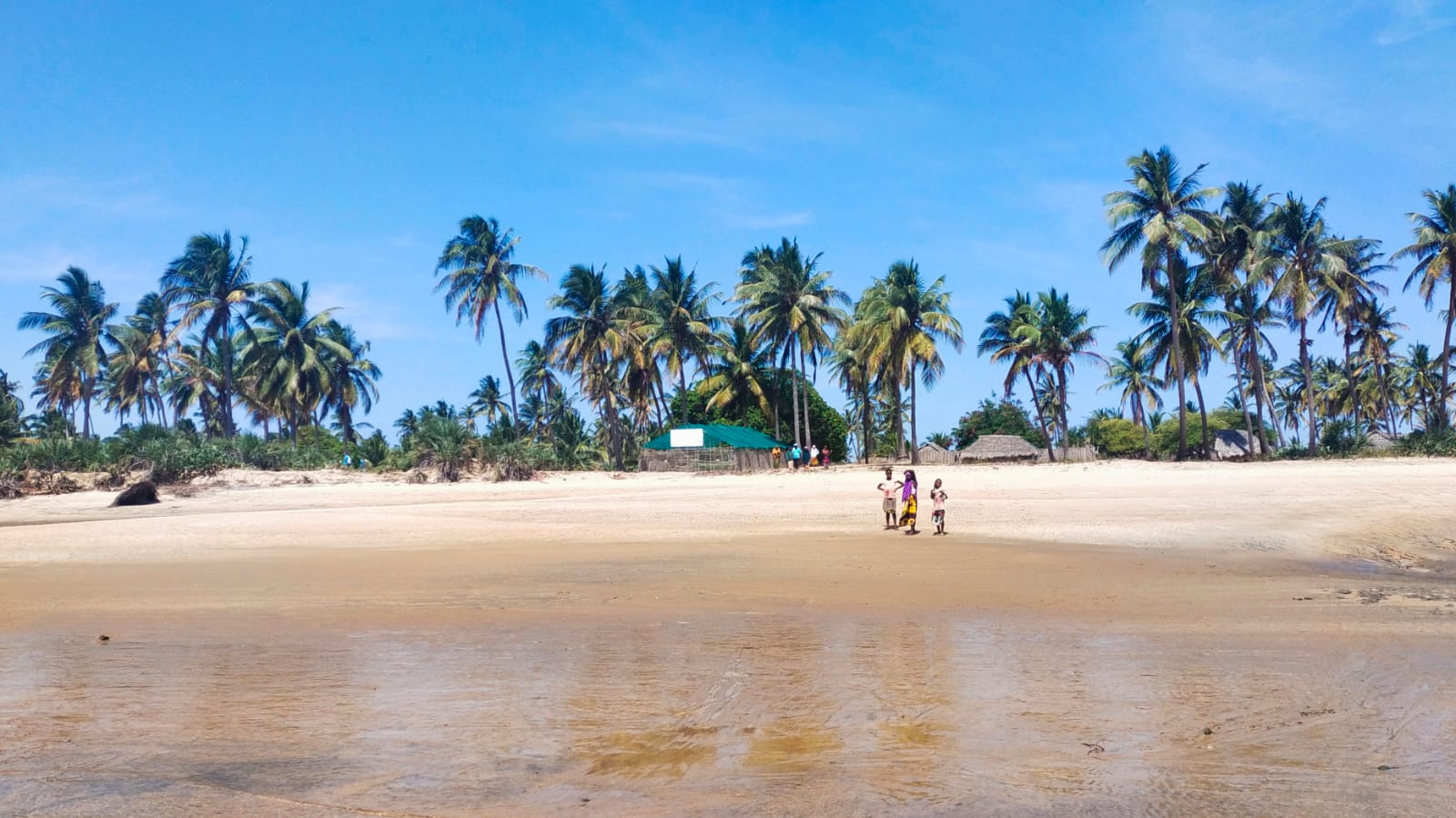
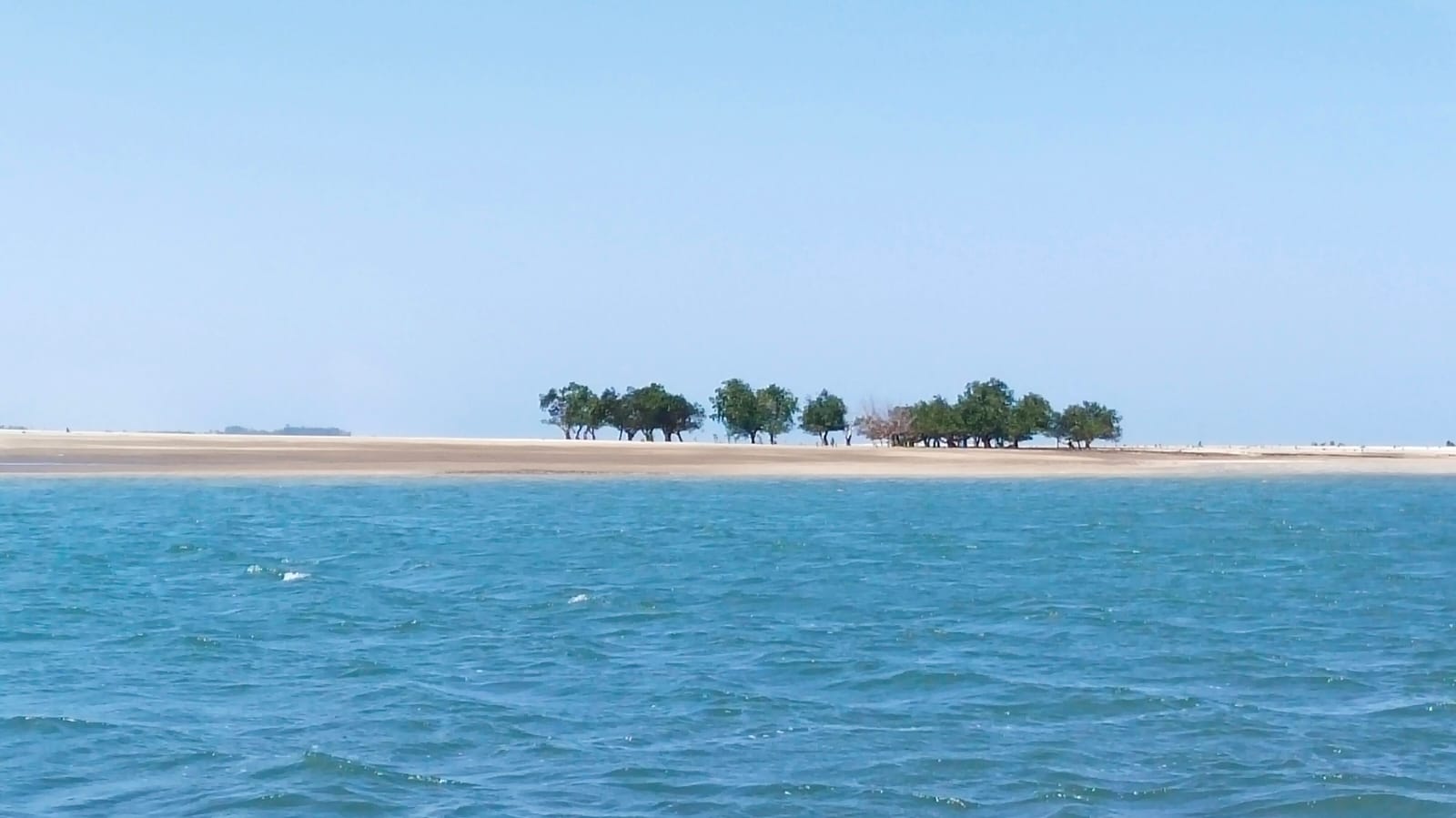
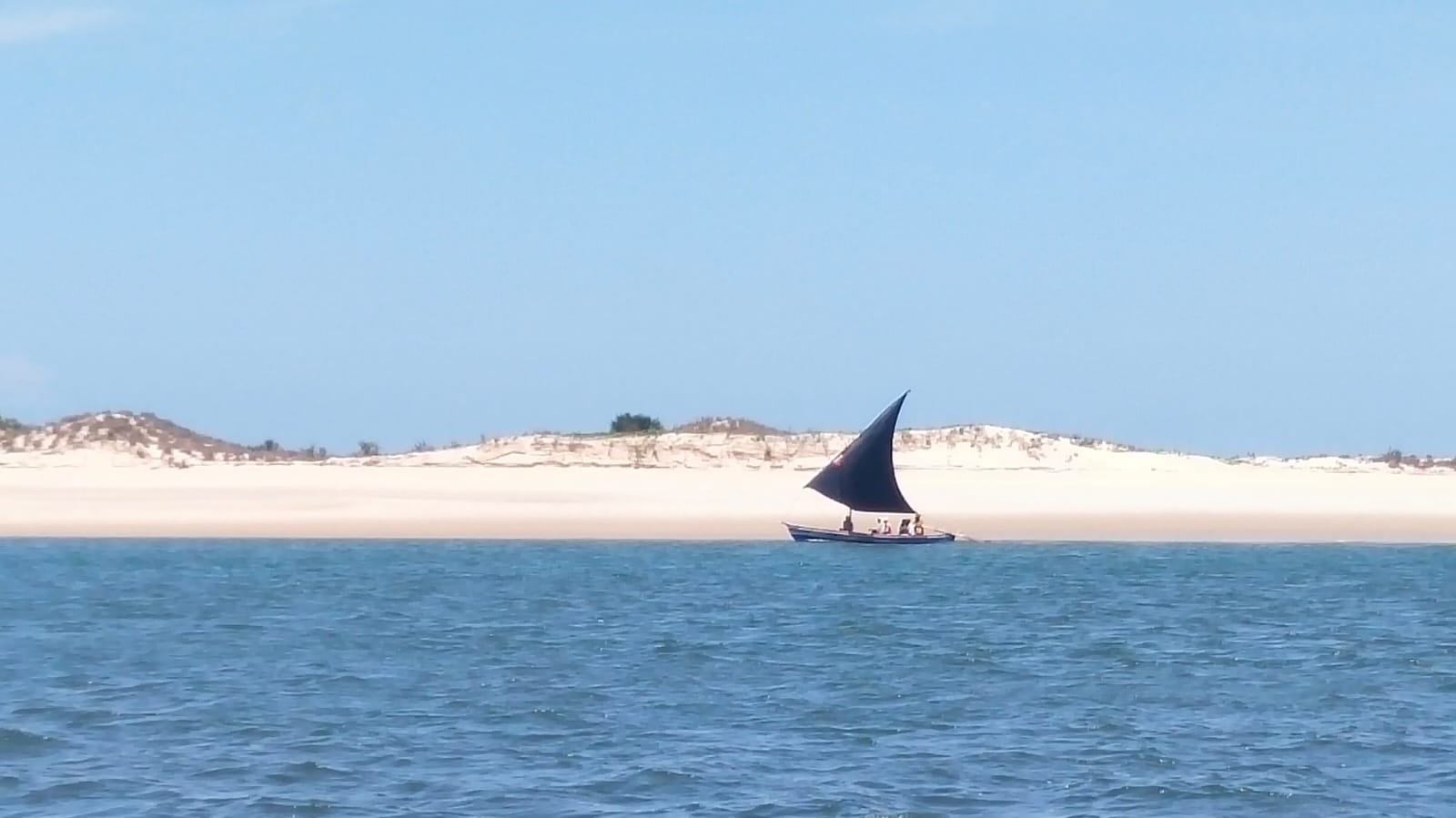
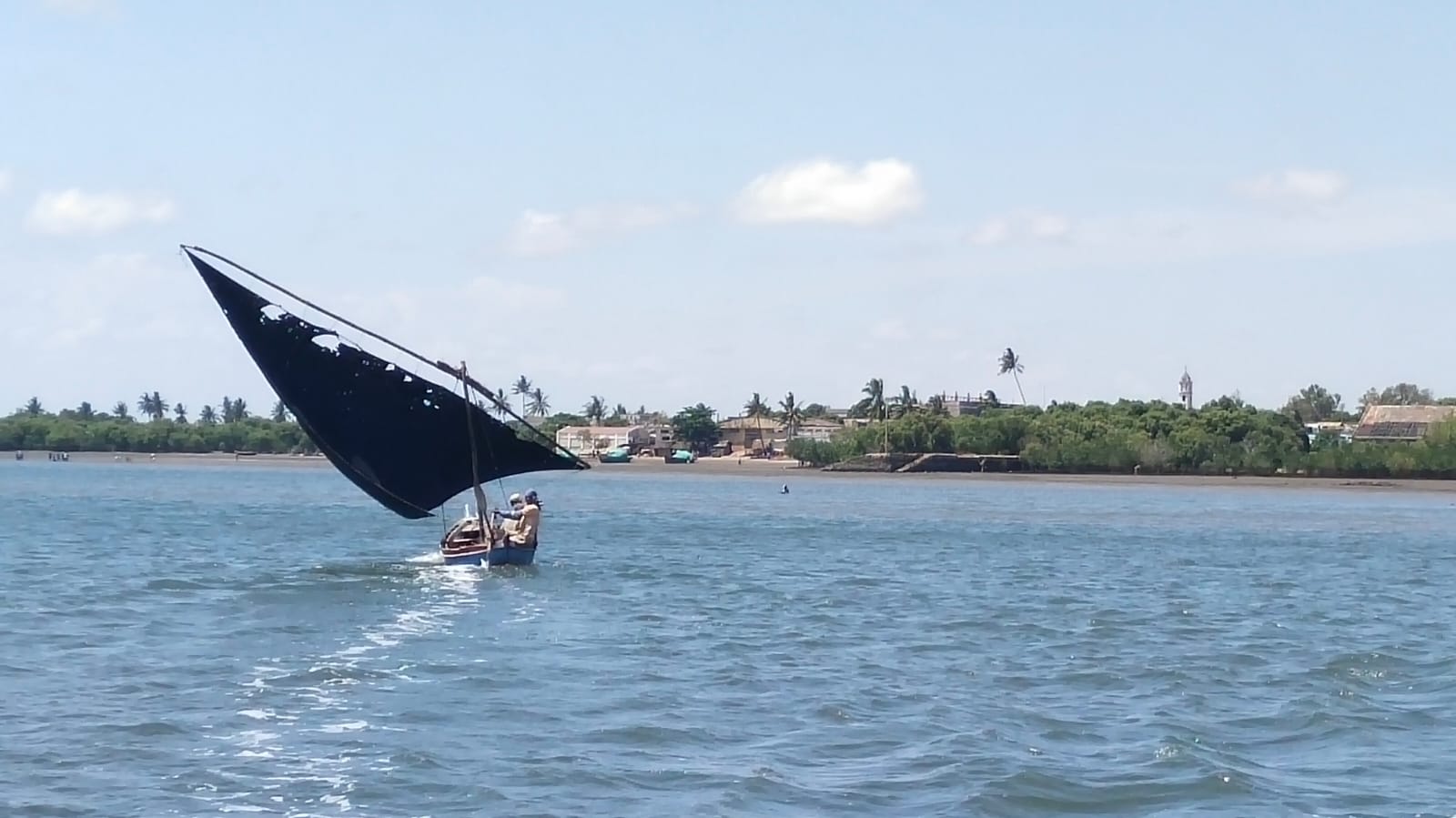
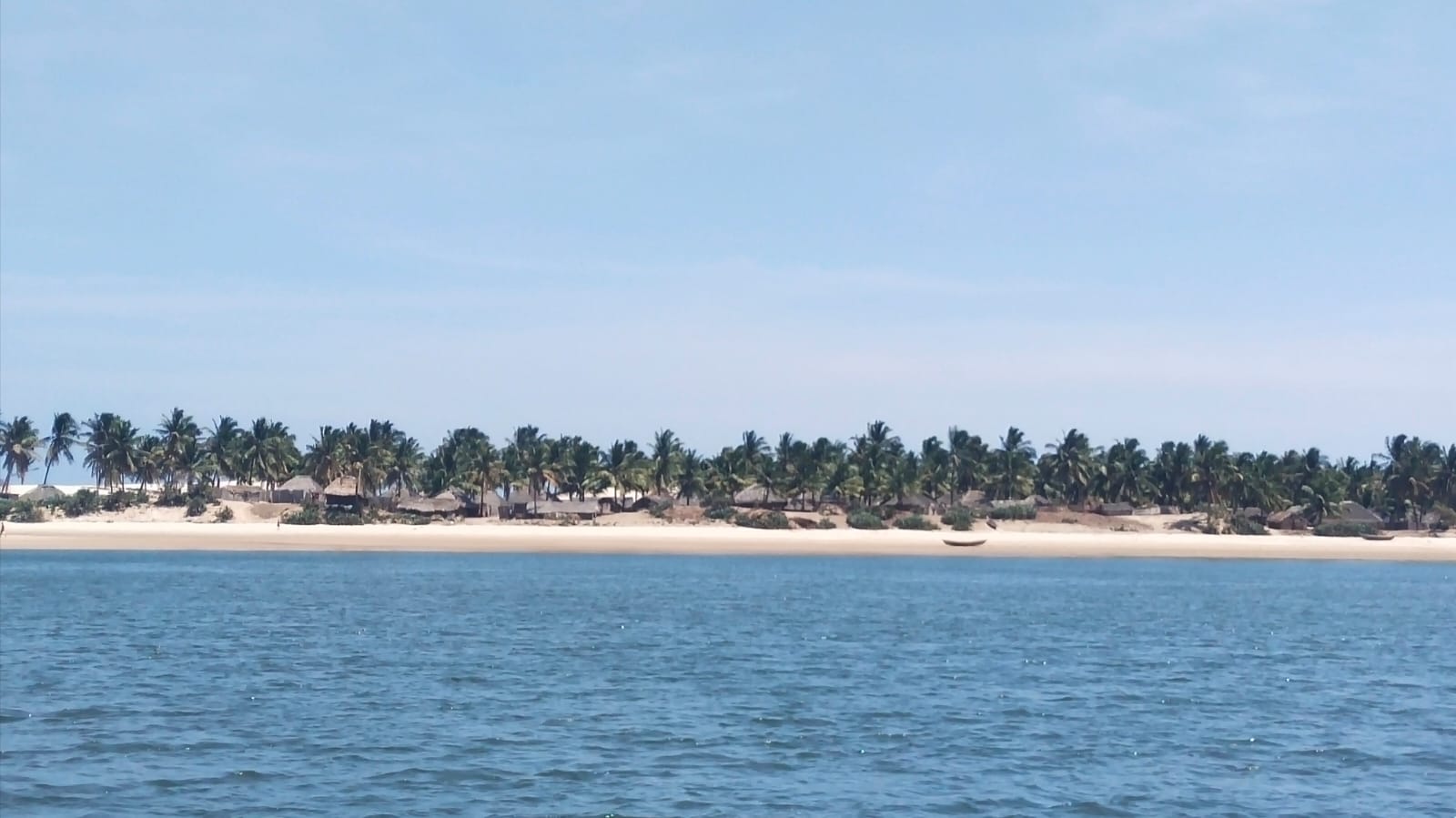
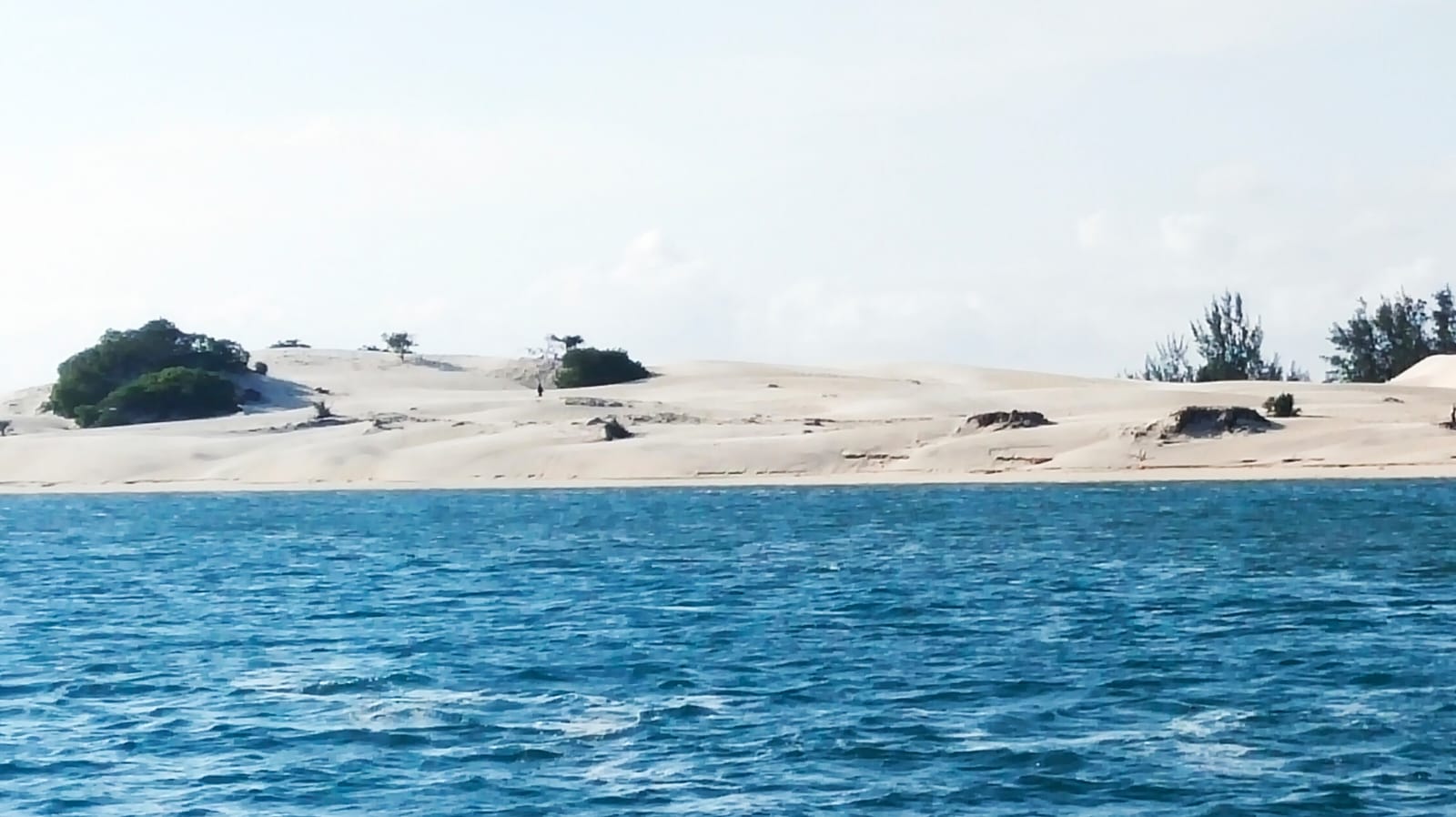
The project sites are very remote, and you can reach them (in good weather) after hours of traveling by car on bumpy roads and by boat. That means everything here is also very authentic and not touristic at all. People are very open and friendly; however, the area is one of the poorest in the whole country.
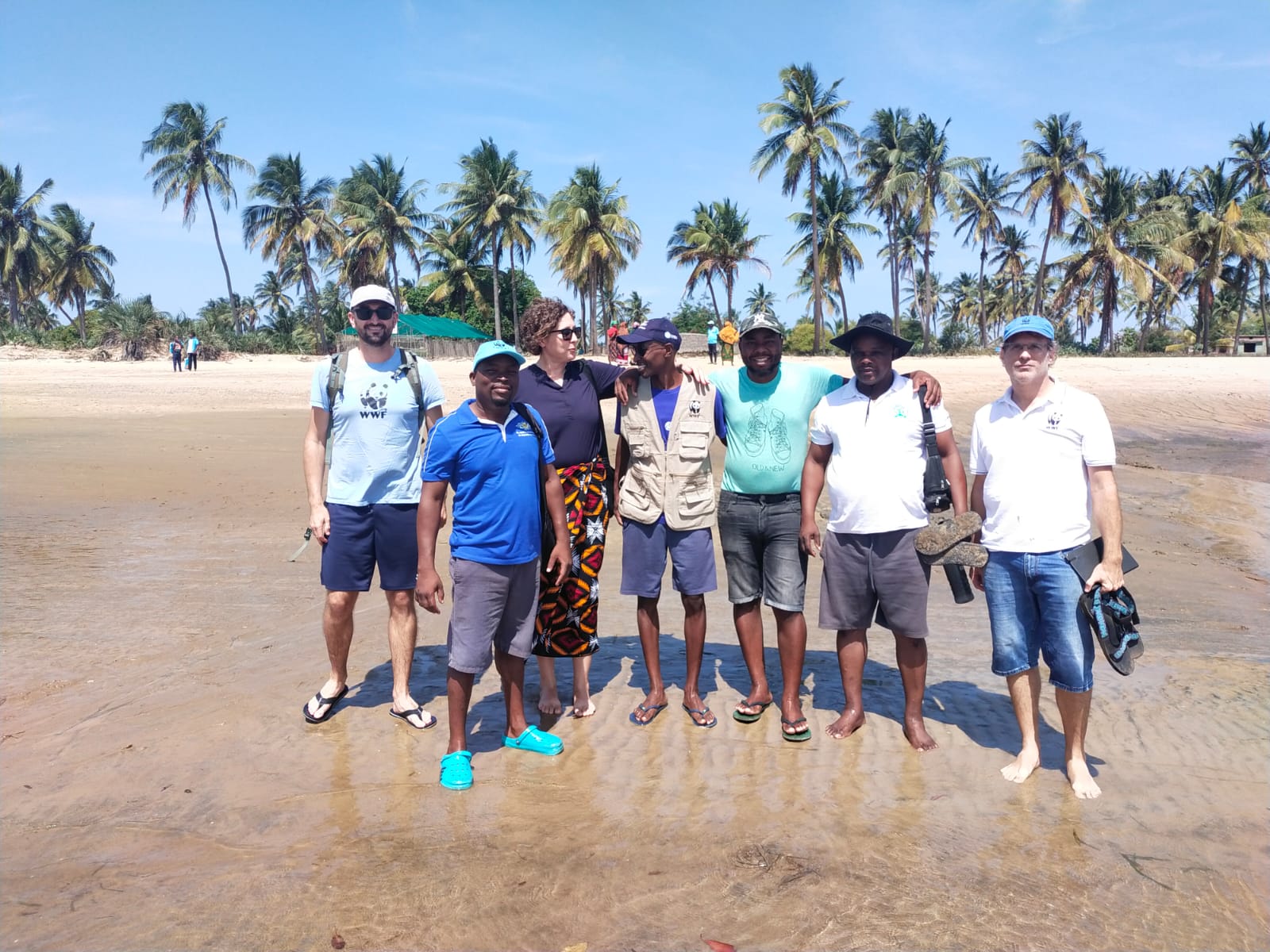
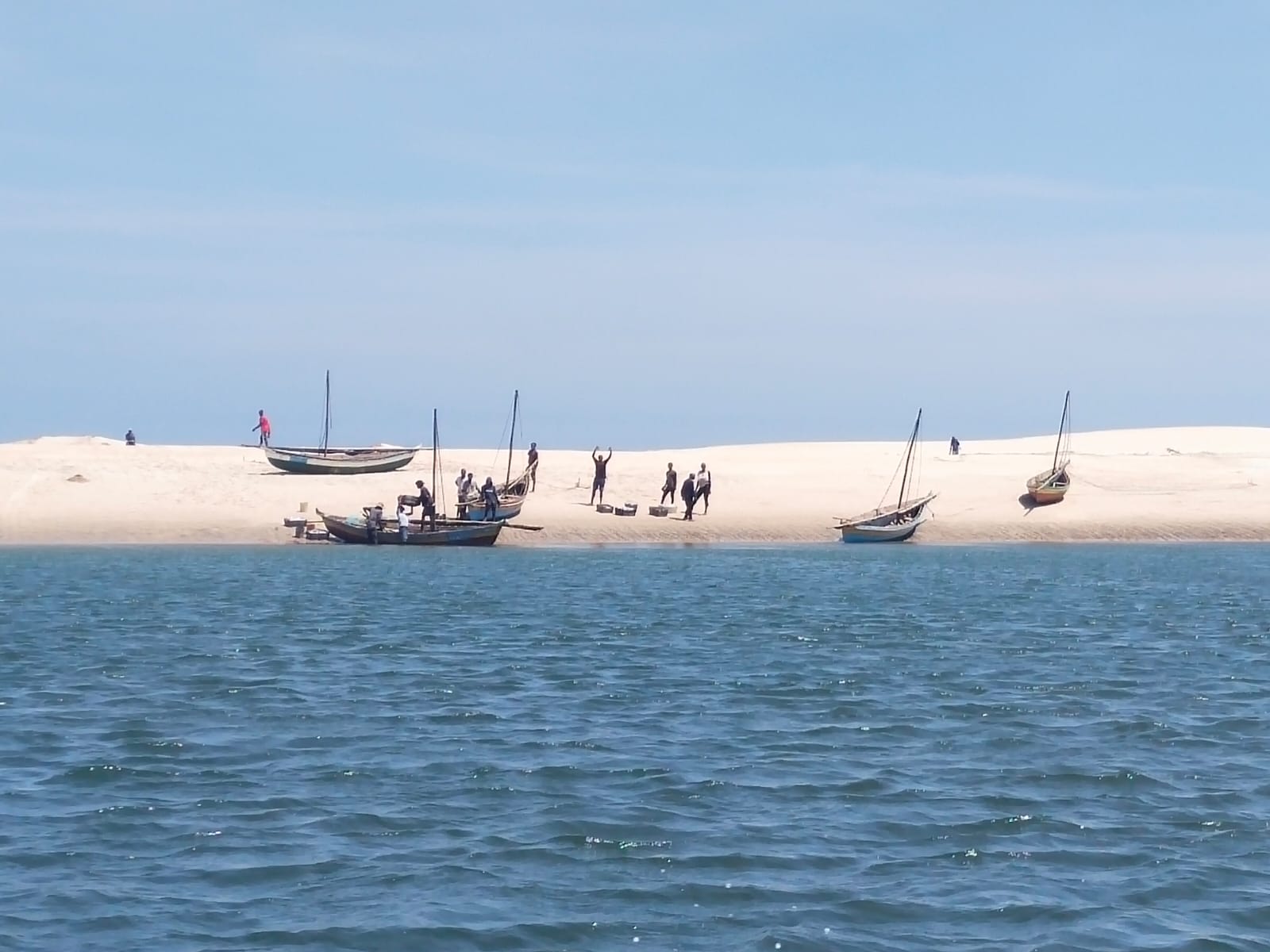
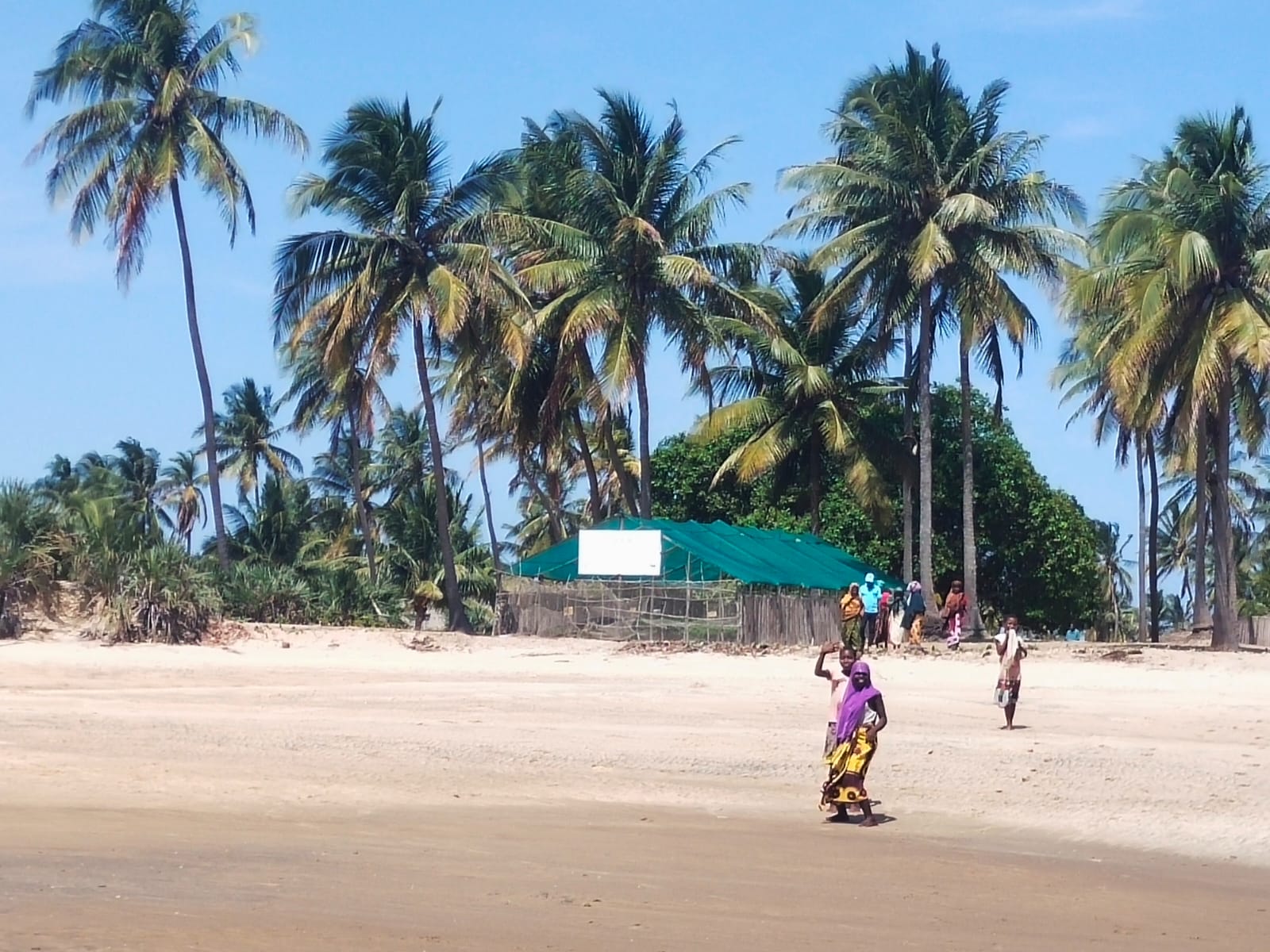
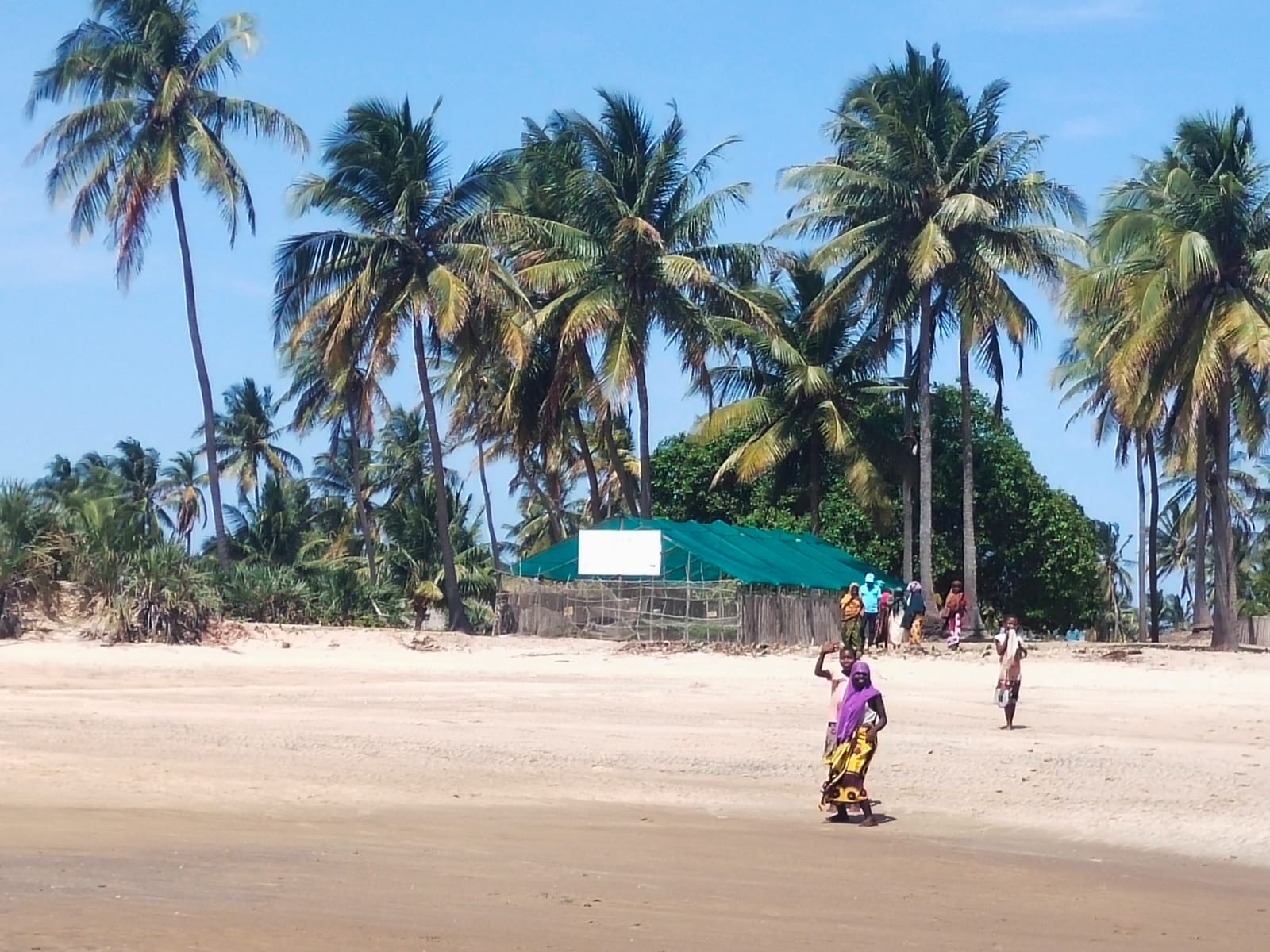
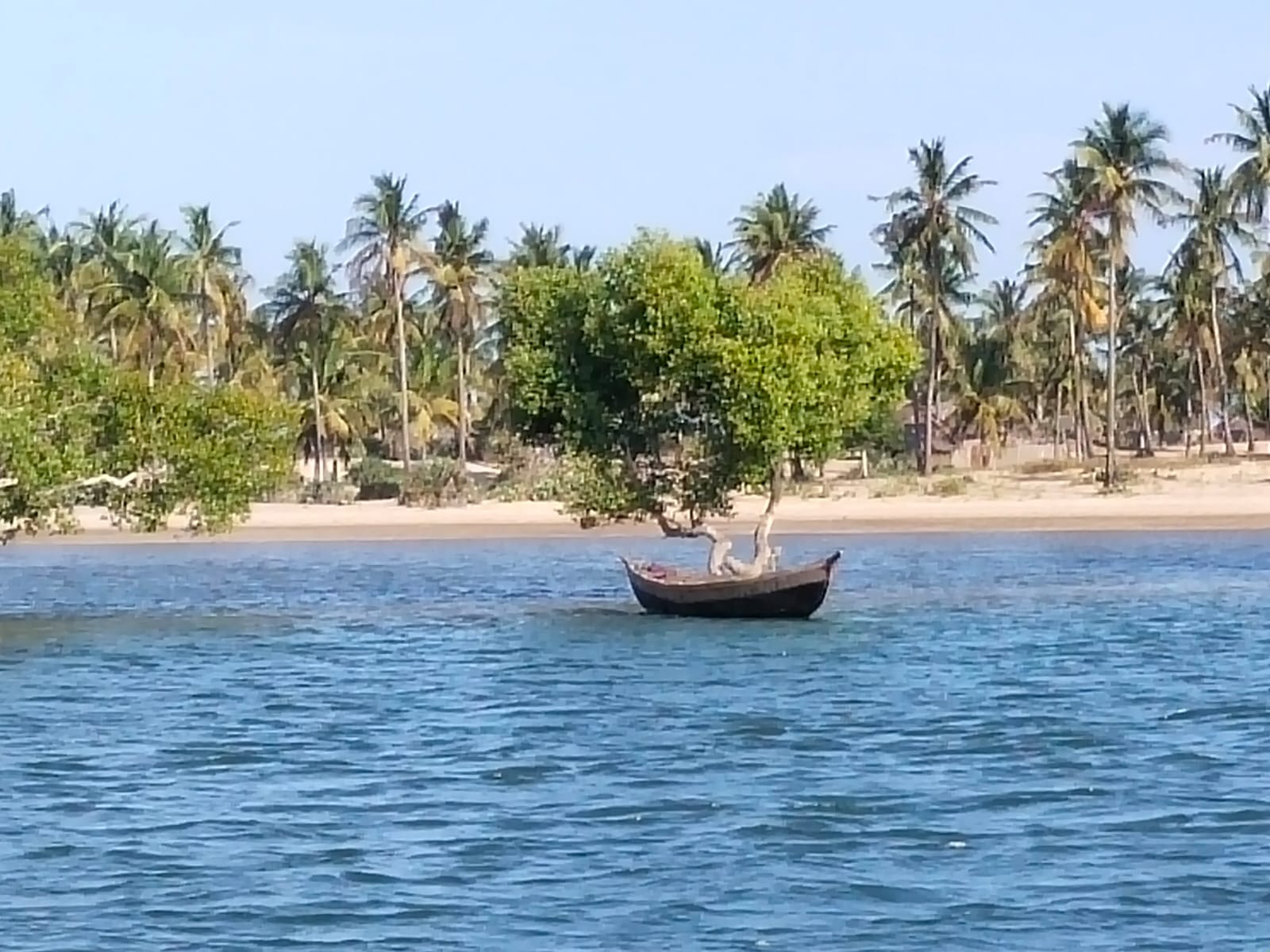
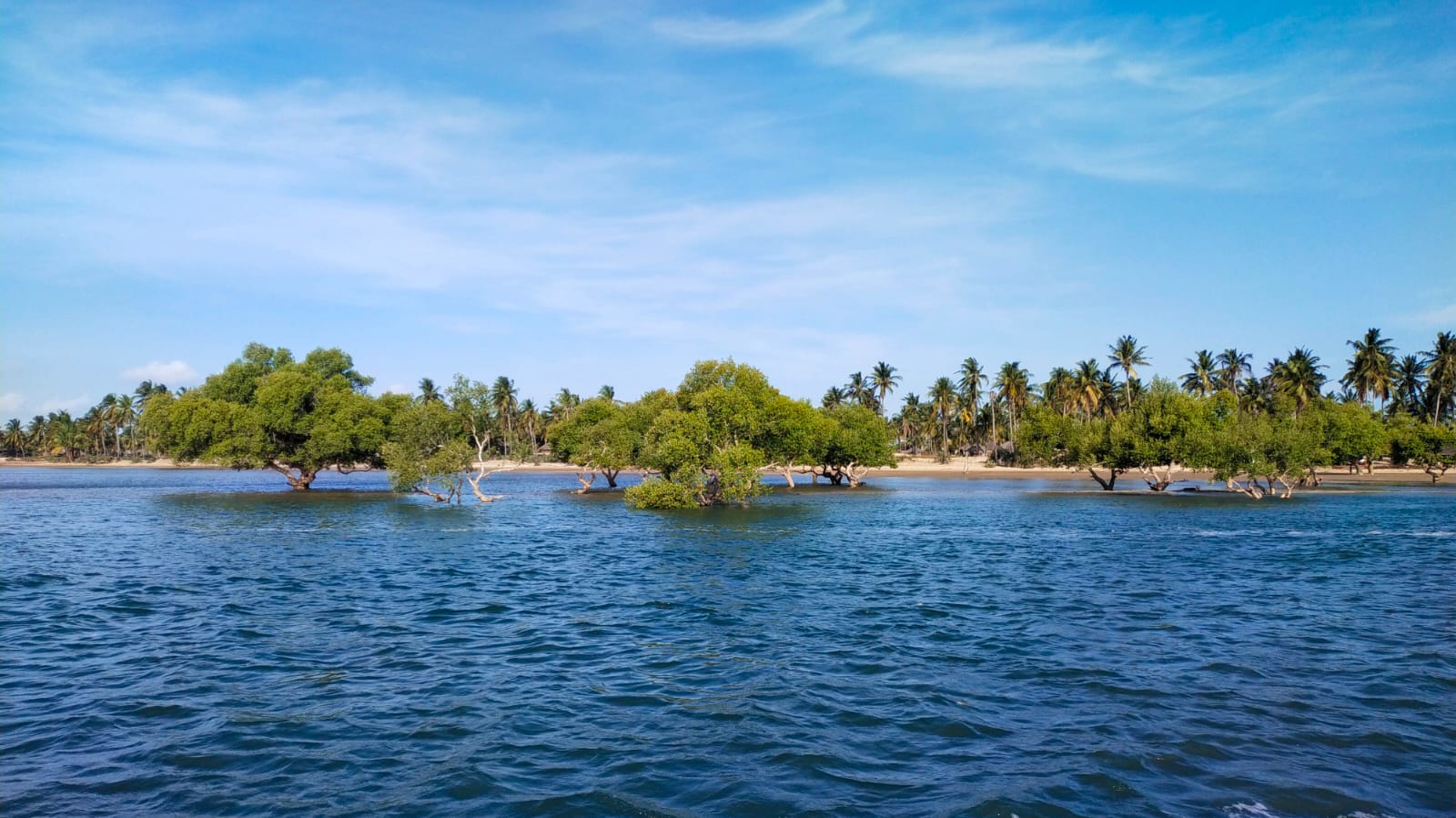
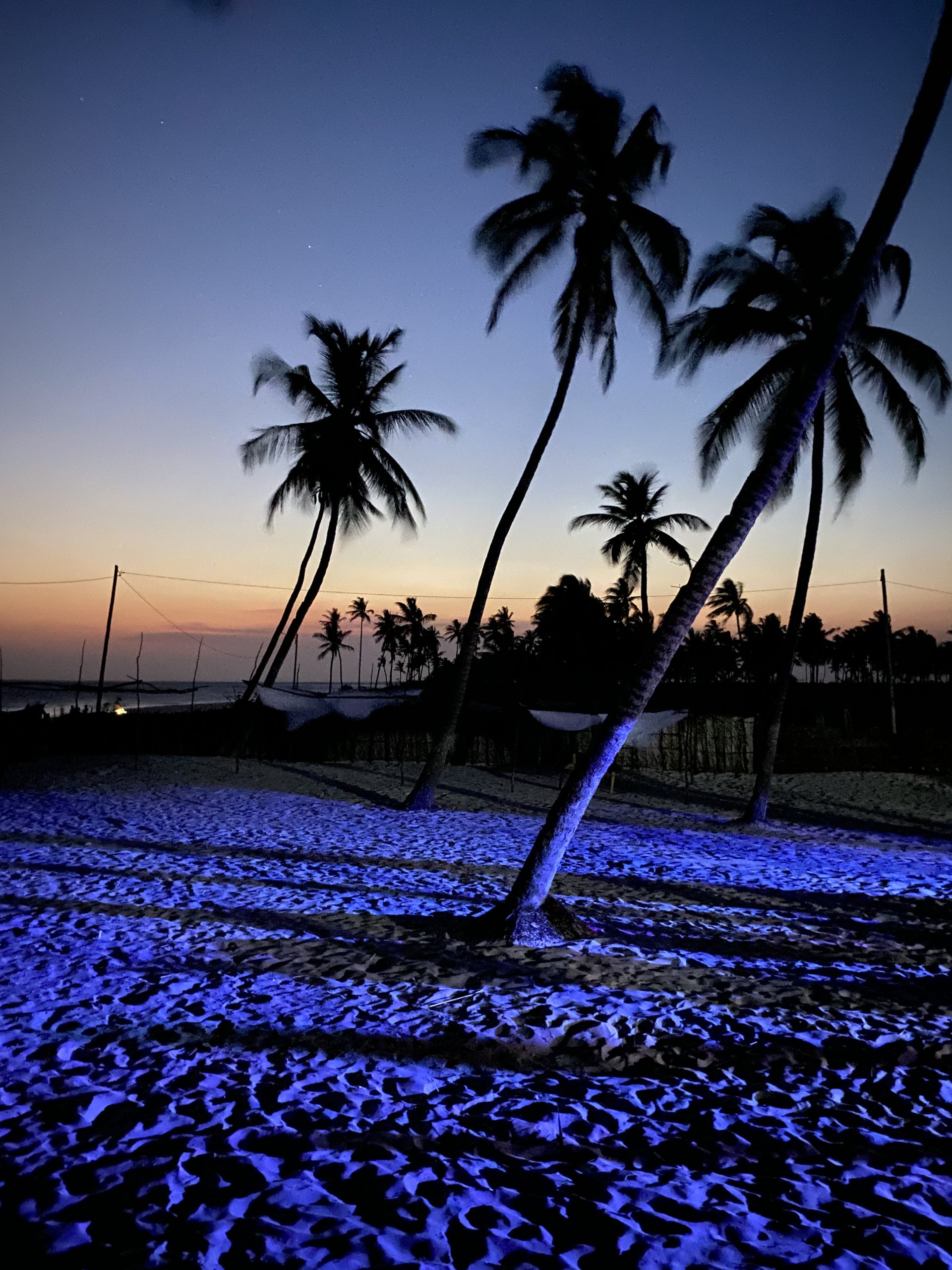
Especially the gatherings underneath big trees, mostly the mythical baobab tree, the welcome and farewell singing of the locals, and the incredible scenery of white beaches, green mangroves, and blue water impressed me!
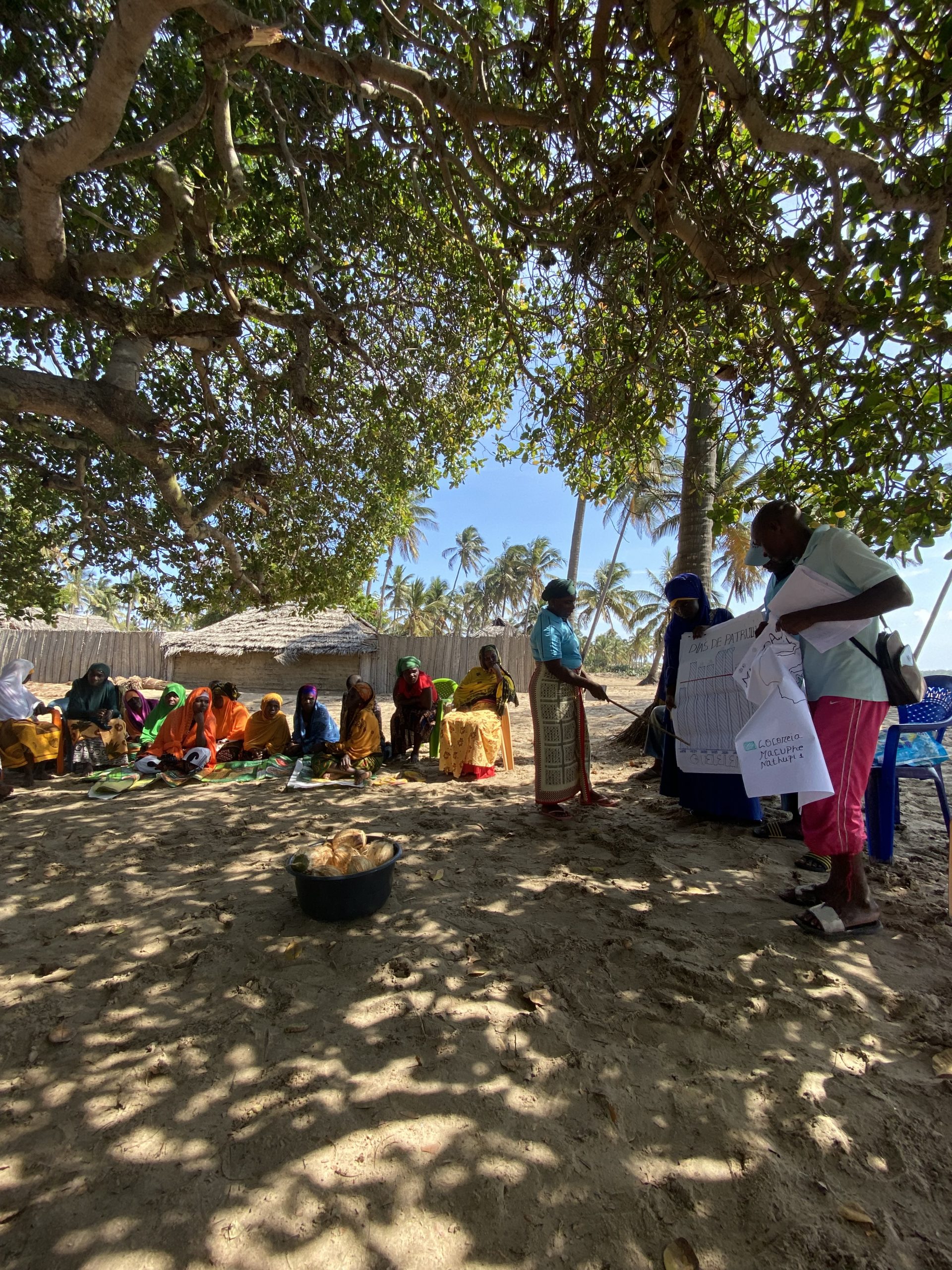
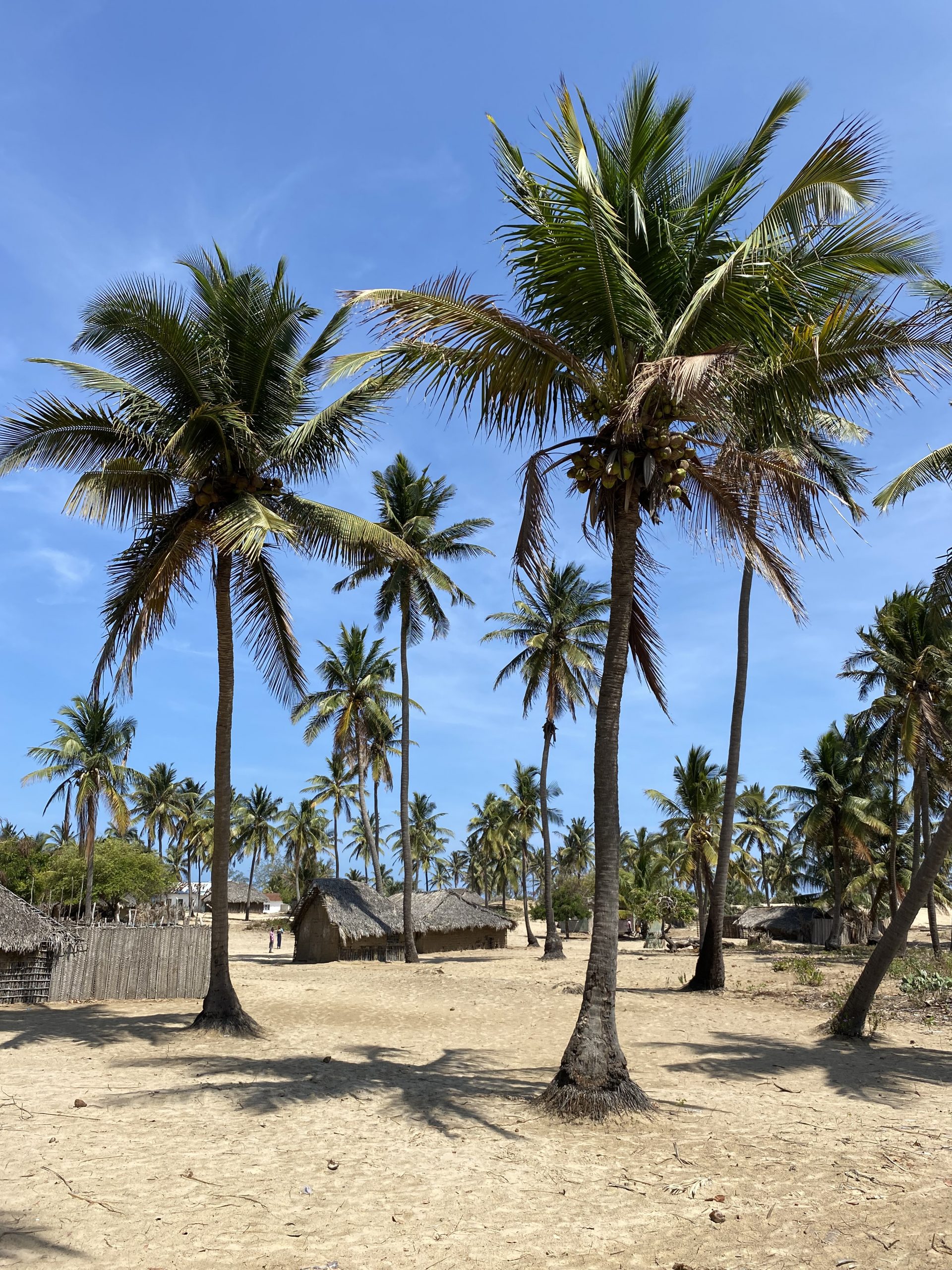
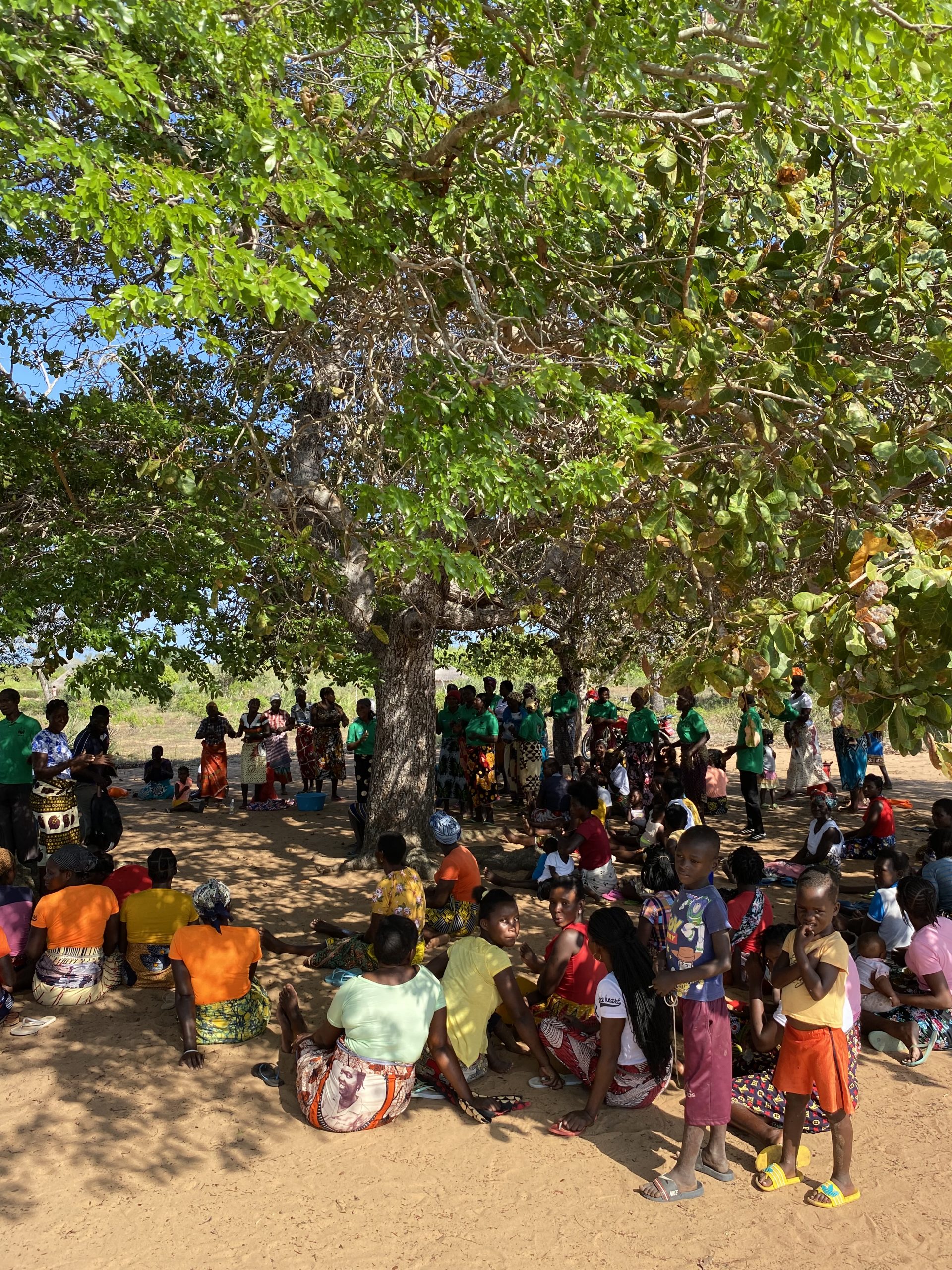
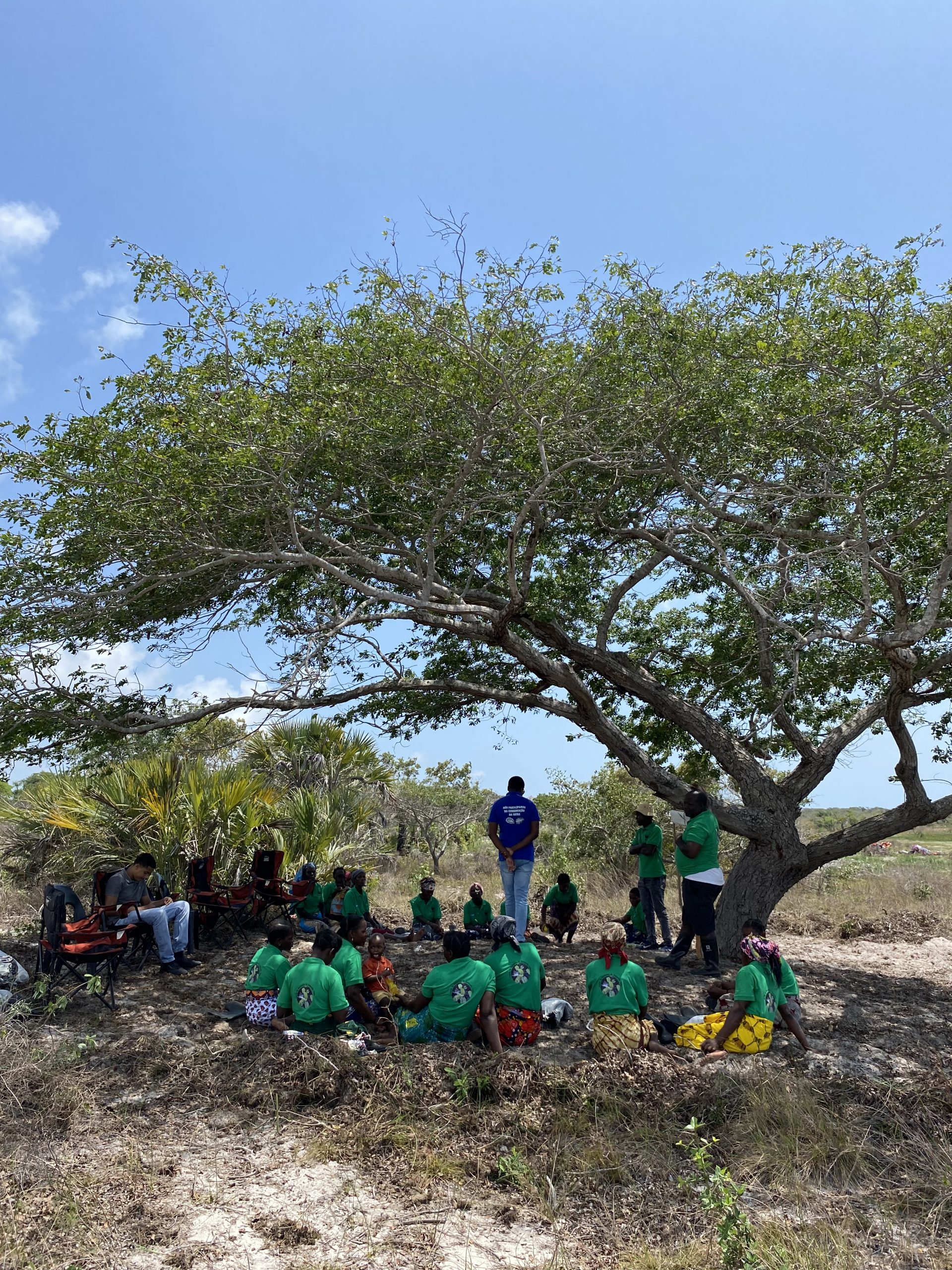
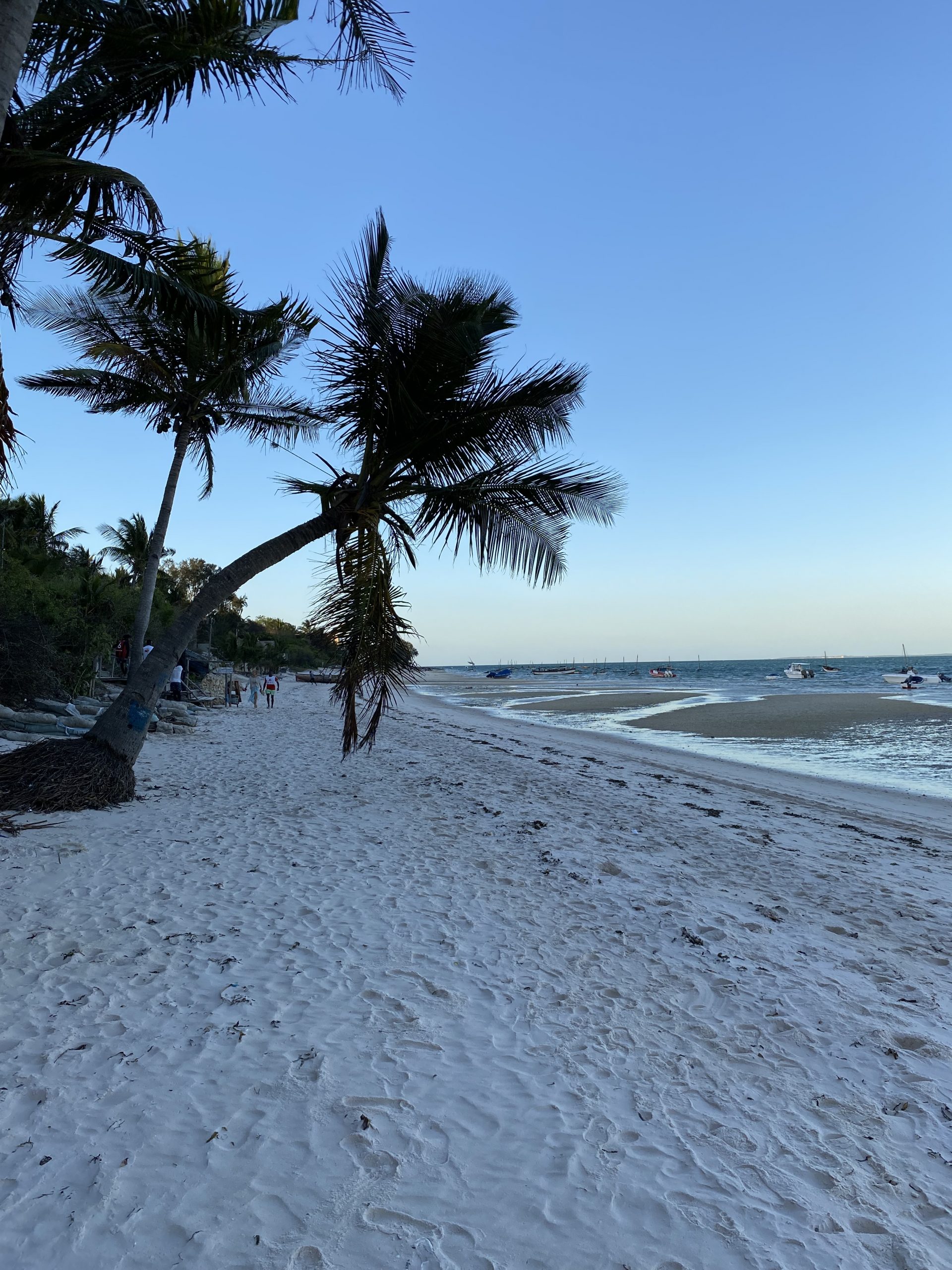
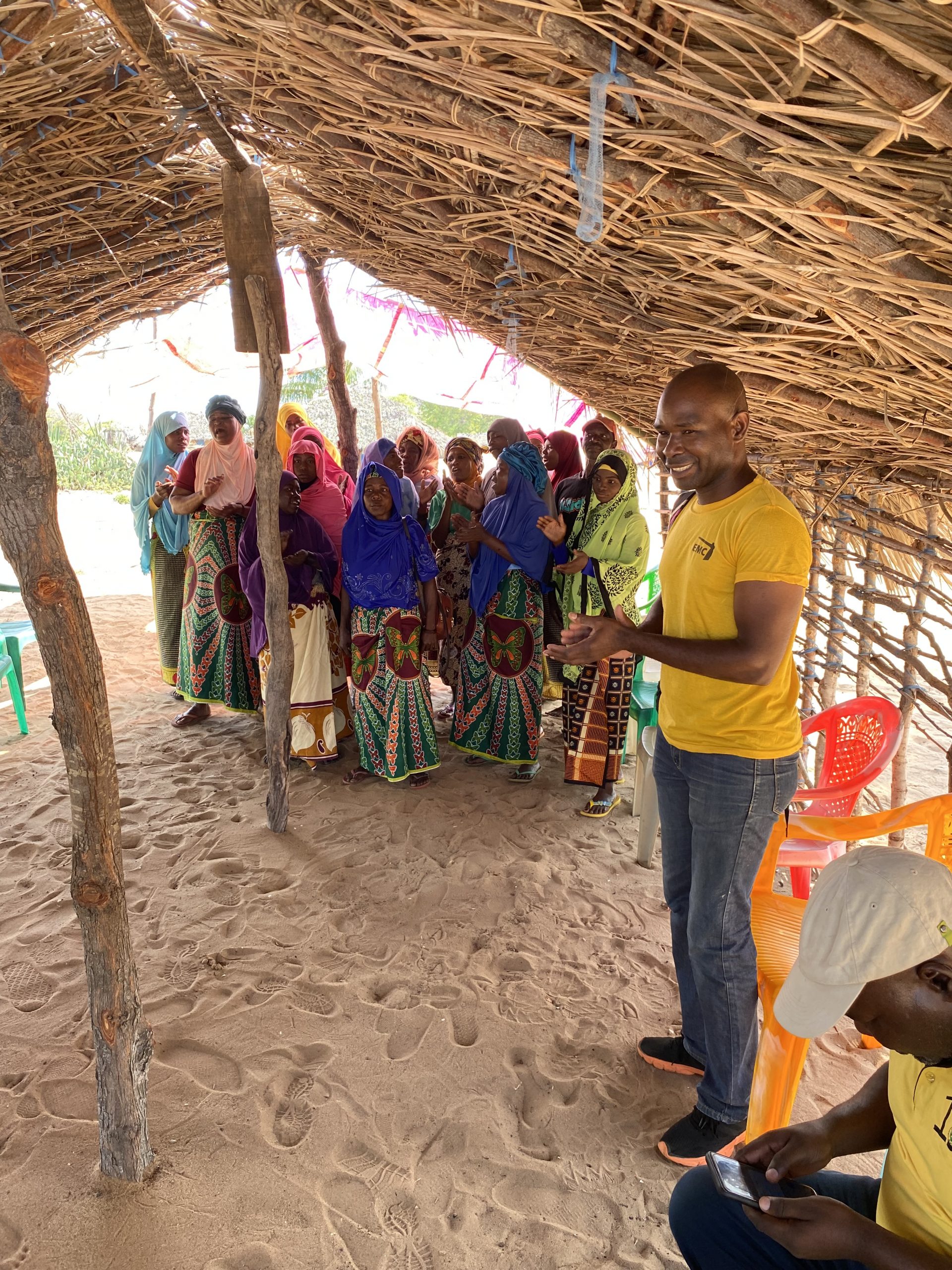
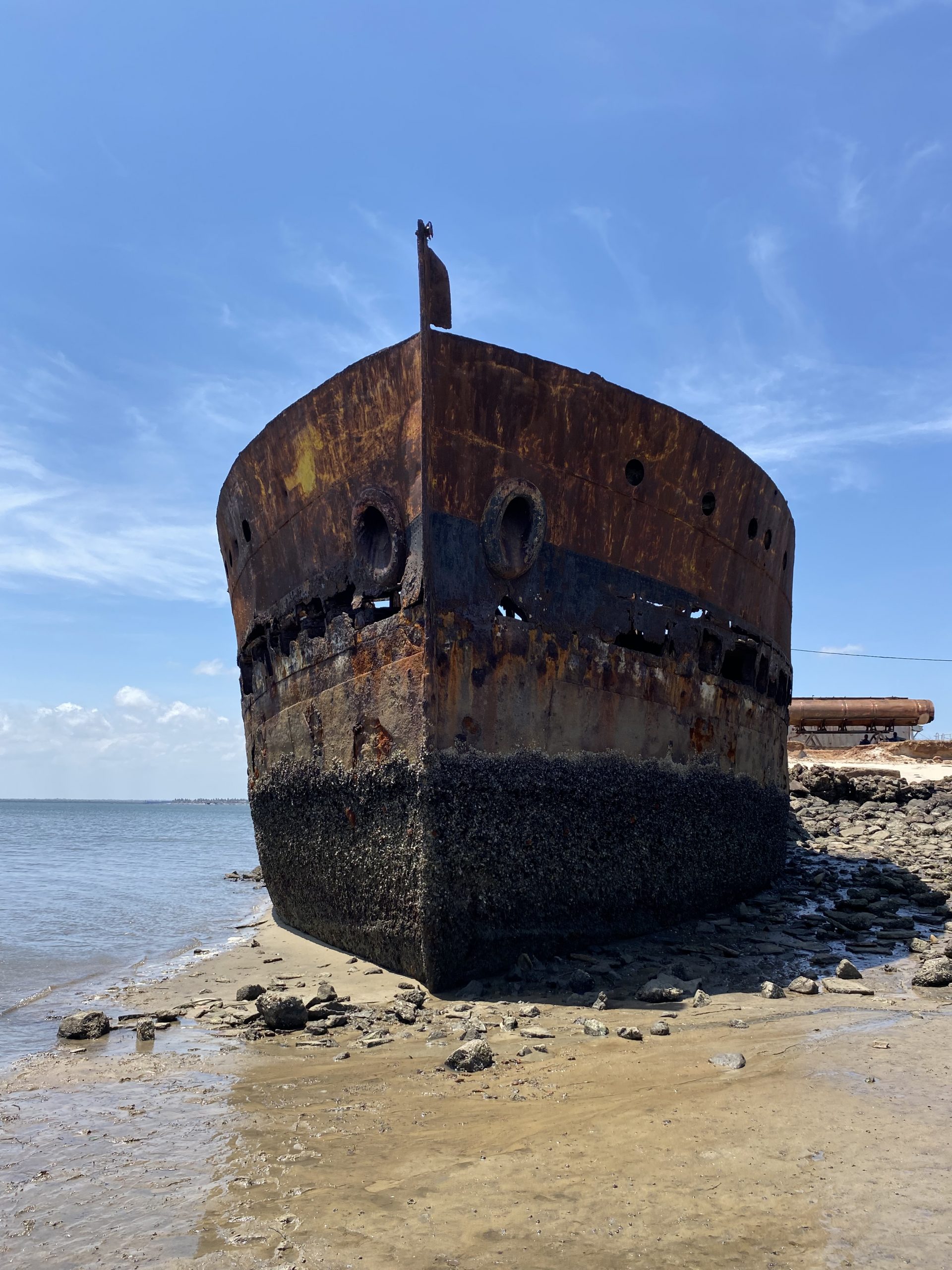
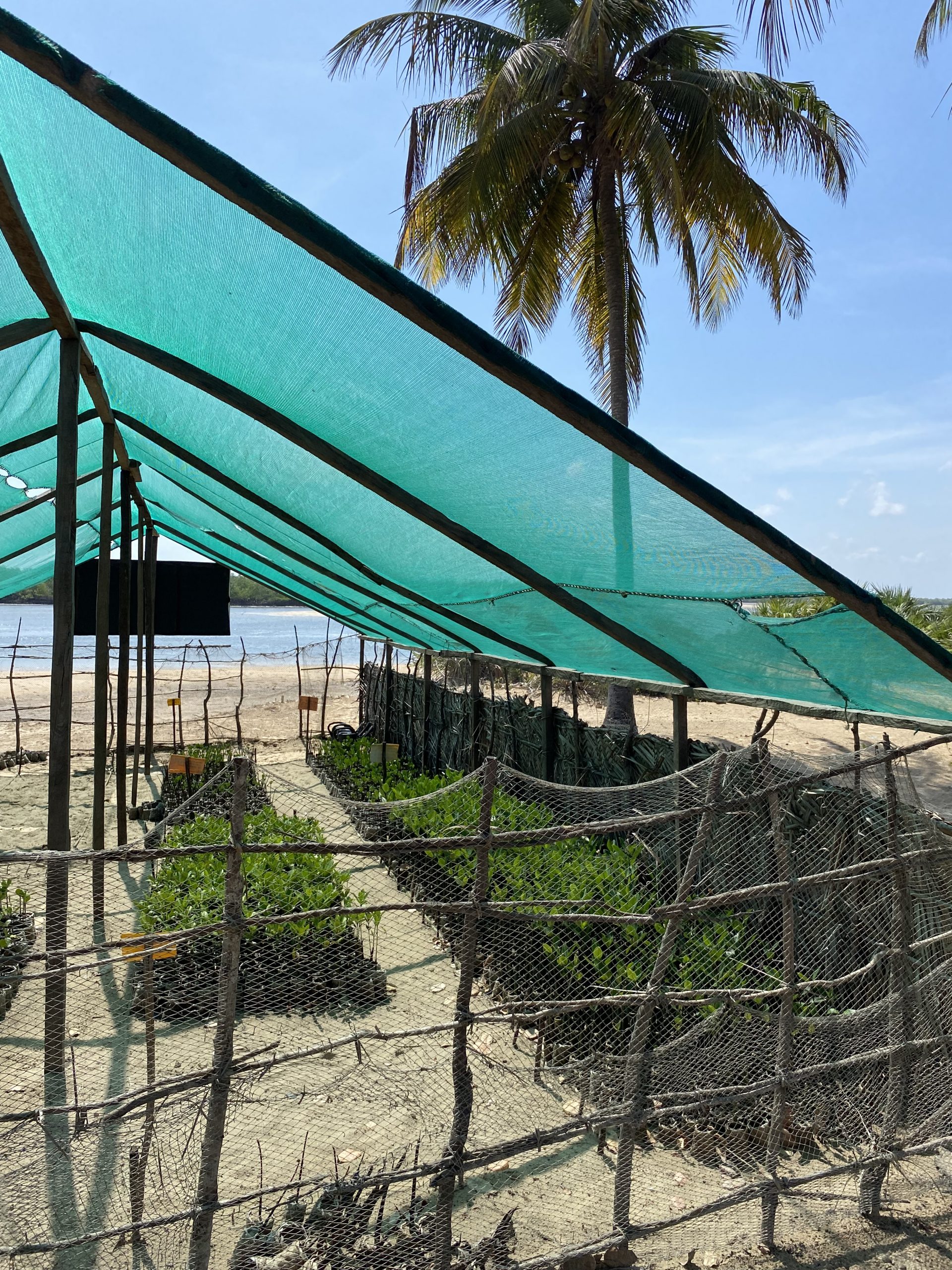
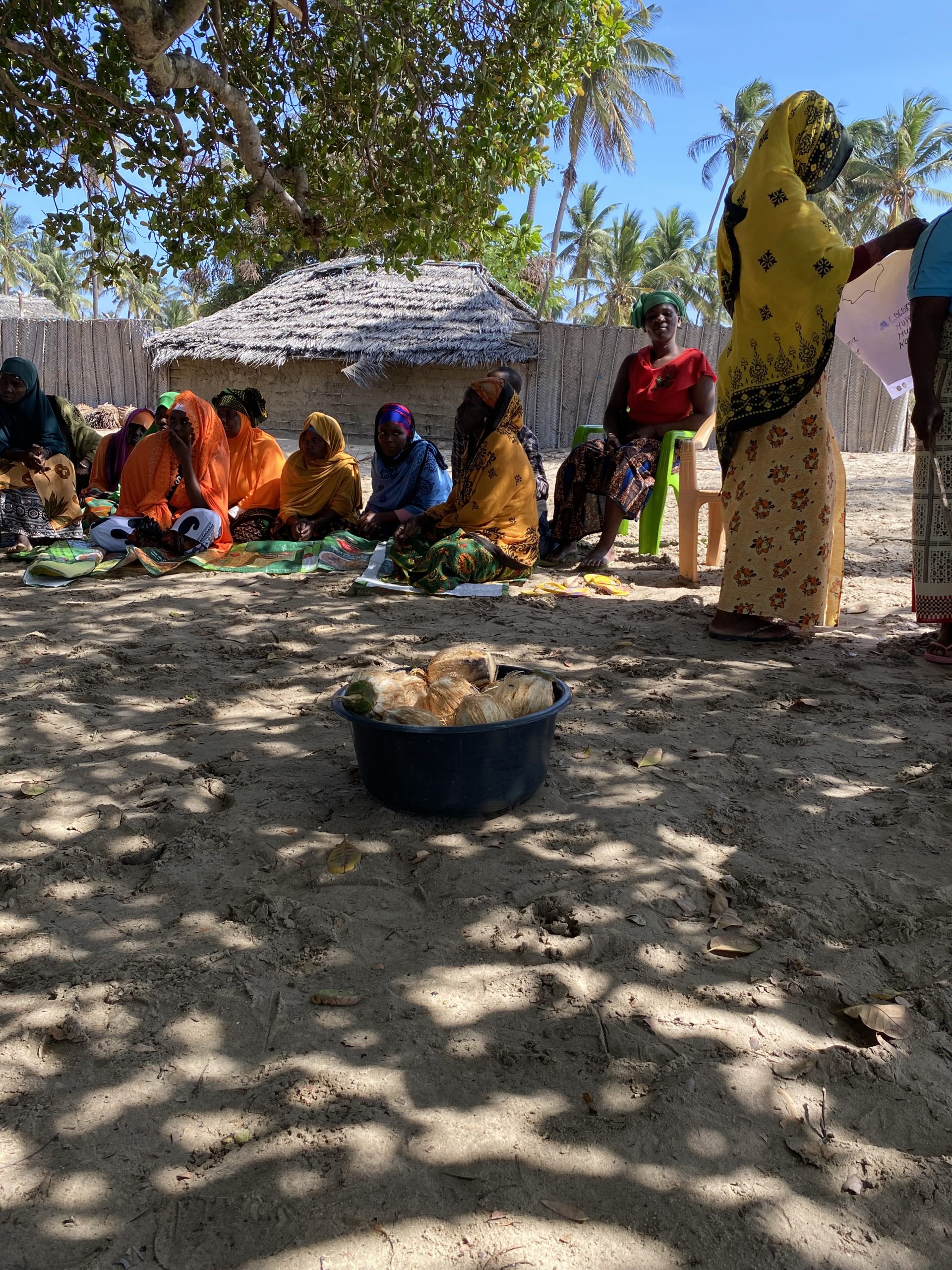
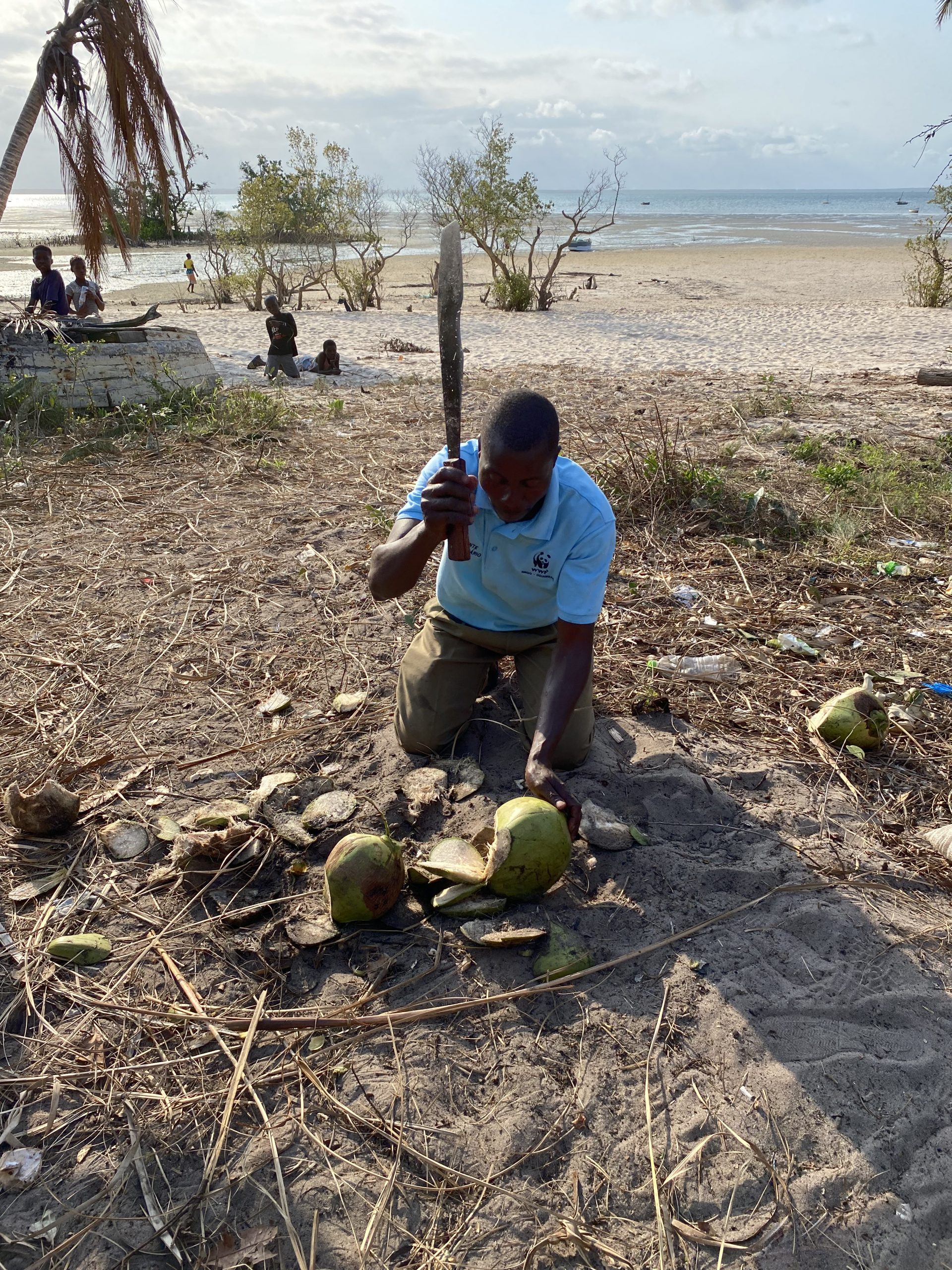
People always welcomed us warmly, and offered some local refreshments, such as delicious coconut. In one community the women’s business group also prepared a delicious meal for us! Part of it was a traditional bread, called “sanana”, which caught immediately my attention.
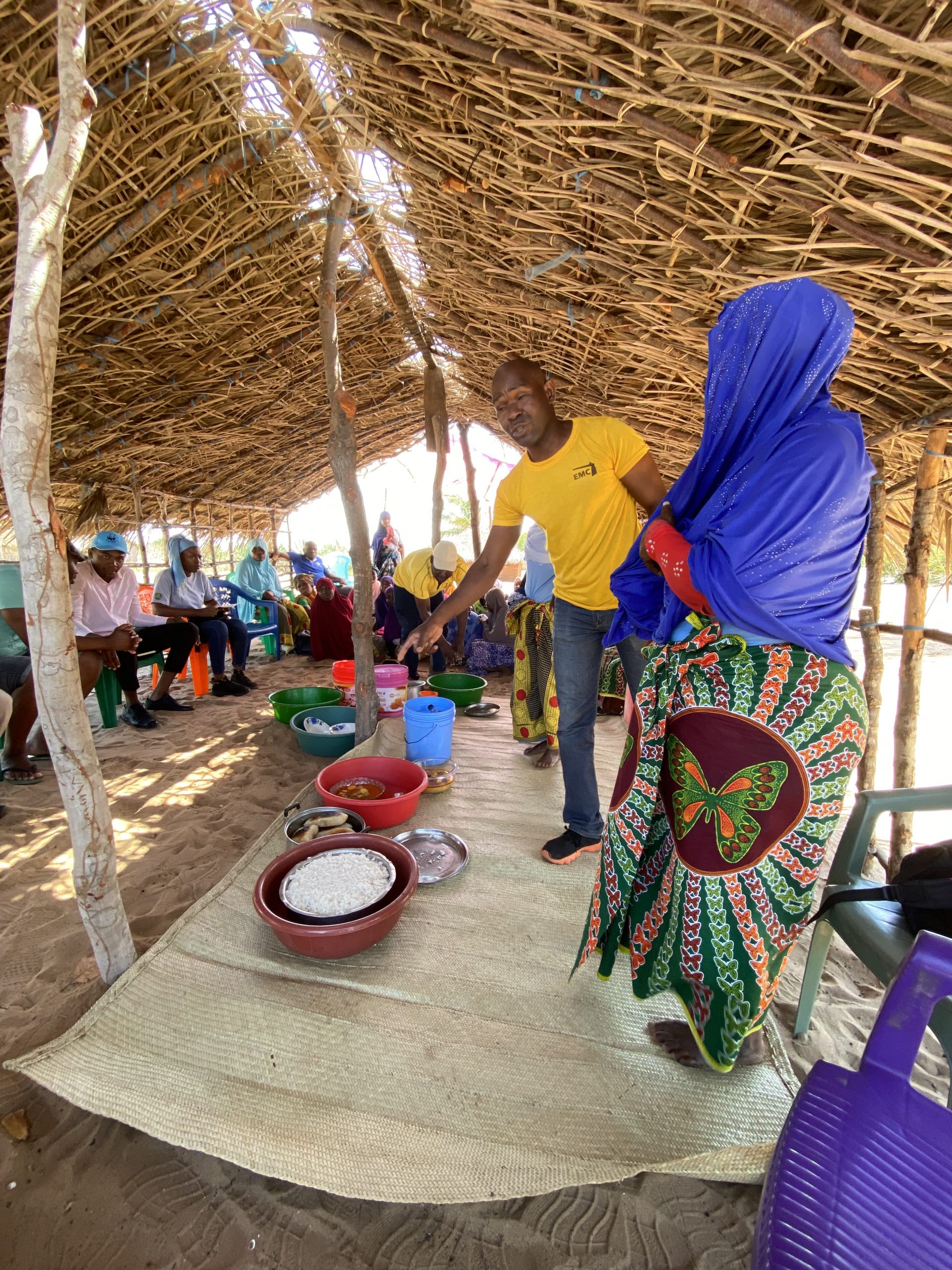
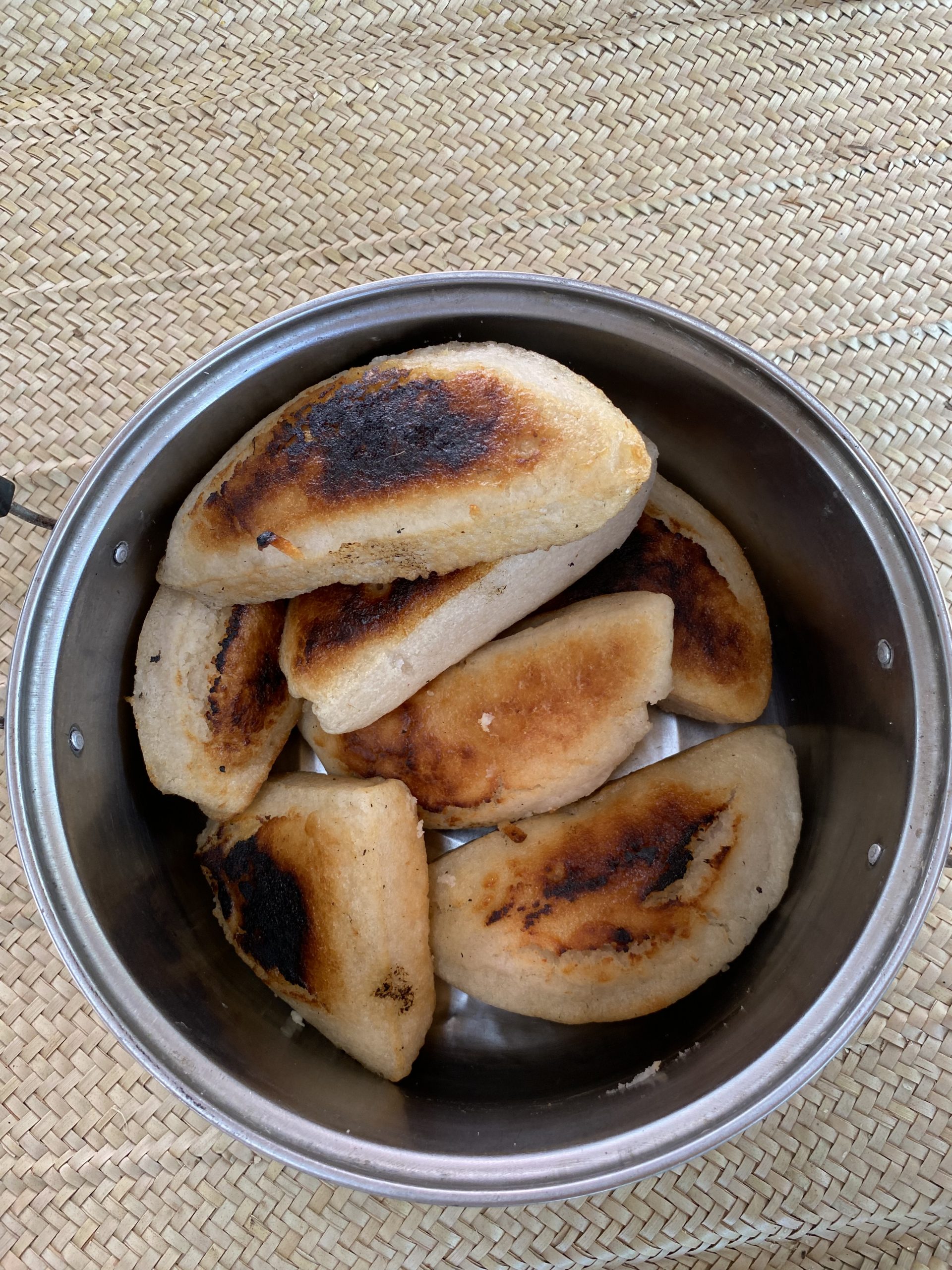
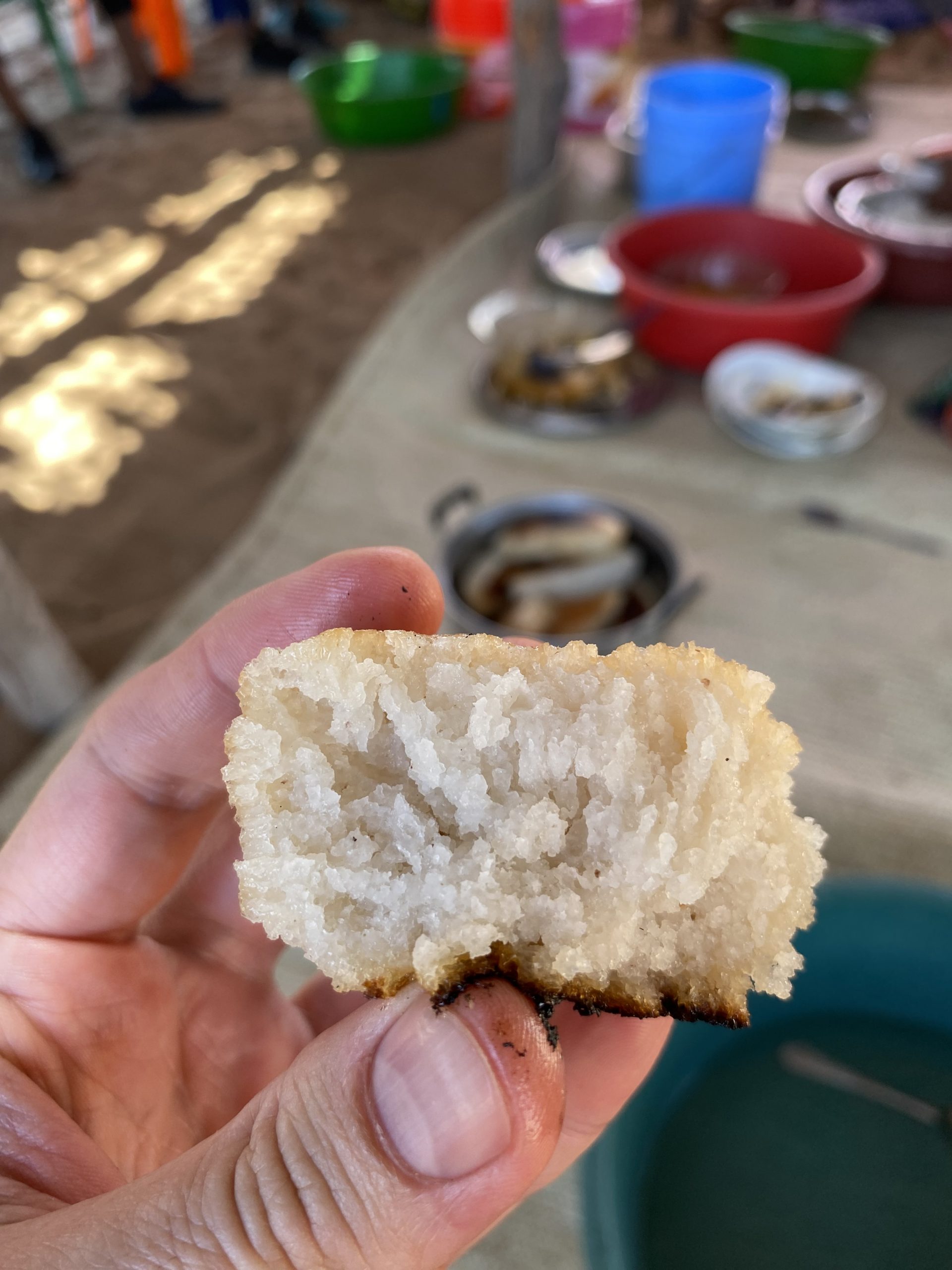
What is Sanana?
Sanana is a homemade dense “cake” style bread with coconut, rice flour, sugar, and some leaven as ingredients. There is not much to find about it on the internet, but according to my research, it is thought that sanana emerged as one of the ways of preserving and consuming rice. In the past, women prepared the cake and gave it to their husbands as a travel provision.
It is not clear what leaven was used in the past since nowadays people use commercial yeast to prepare it. One source mentioned that probably due to the high temperature, the coconut milk fermented in the dough, producing enough “air” to leaven the bread.
Let’s try to bake Sanana!
Immediately after my return, I could not wait to bake my version of sanana with sourdough. Since I did not have a rice sourdough starter, I was also using wheat flour in the dough to have a gluten structure to hold the gas the microorganisms were producing. Besides that, I replaced the fresh coconut flake with a dried one. Accordingly, I had to raise the amount of liquid in the dough since the dried coconut flakes absorb a lot!
Here are the ingredients you need for a (sourdough) sanana bread:
- 100 g of active sourdough starter
- 200 g coconut milk (unsweetened)
- 200 g all-purpose white wheat flour (Type 550 in Germany)
- 100 g whole grain rice flour
- 50 g grated coconut
- 30 g sugar
- 6 g salt
- some extra water, if needed (if the dough is too stiff)
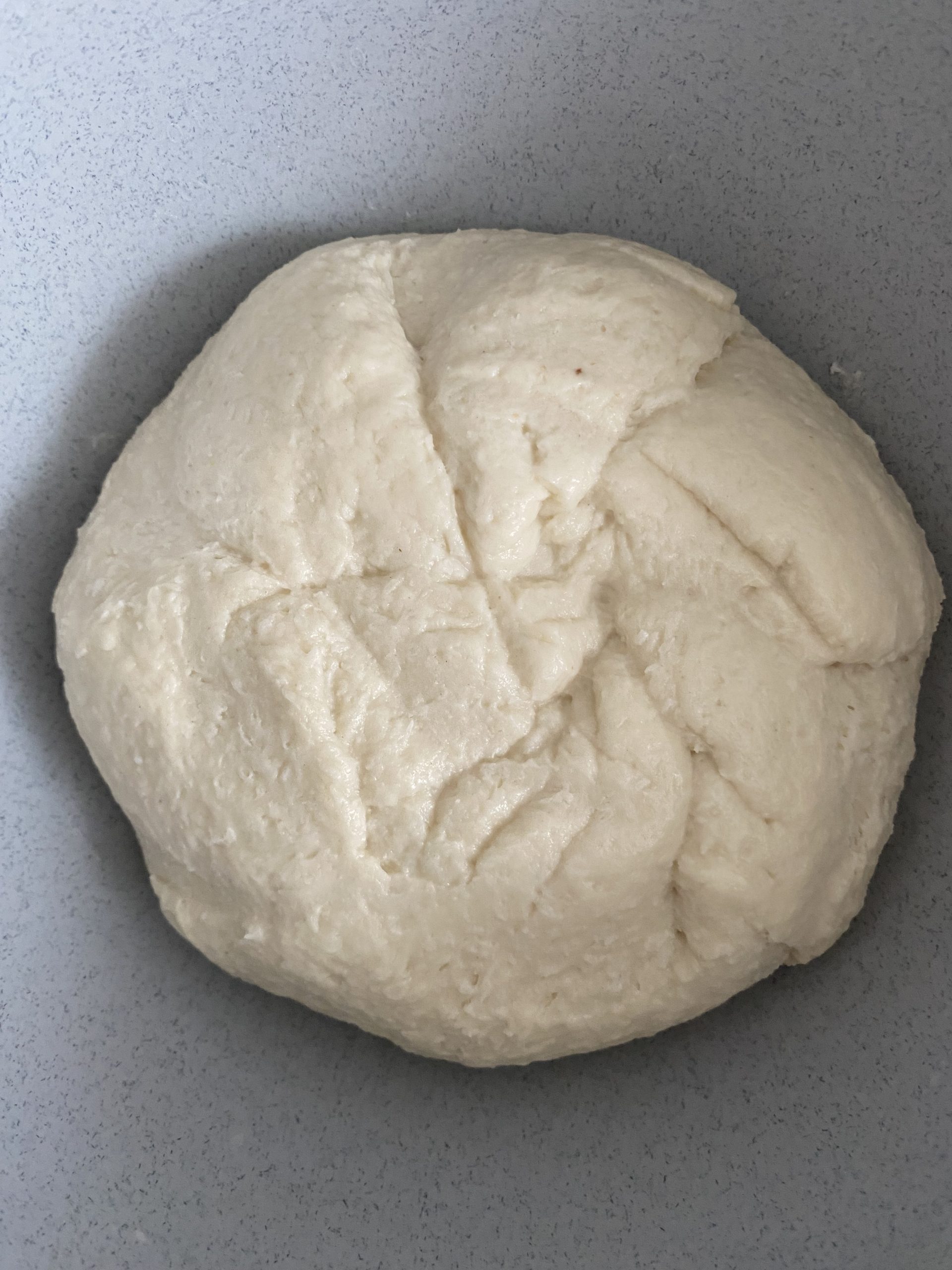
Mix all the ingredients in a stand mixer for 10 minutes. Always check if the dough is not too stiff. If so, add small amounts of water from the bassinage. It should be a relatively dense dough though.
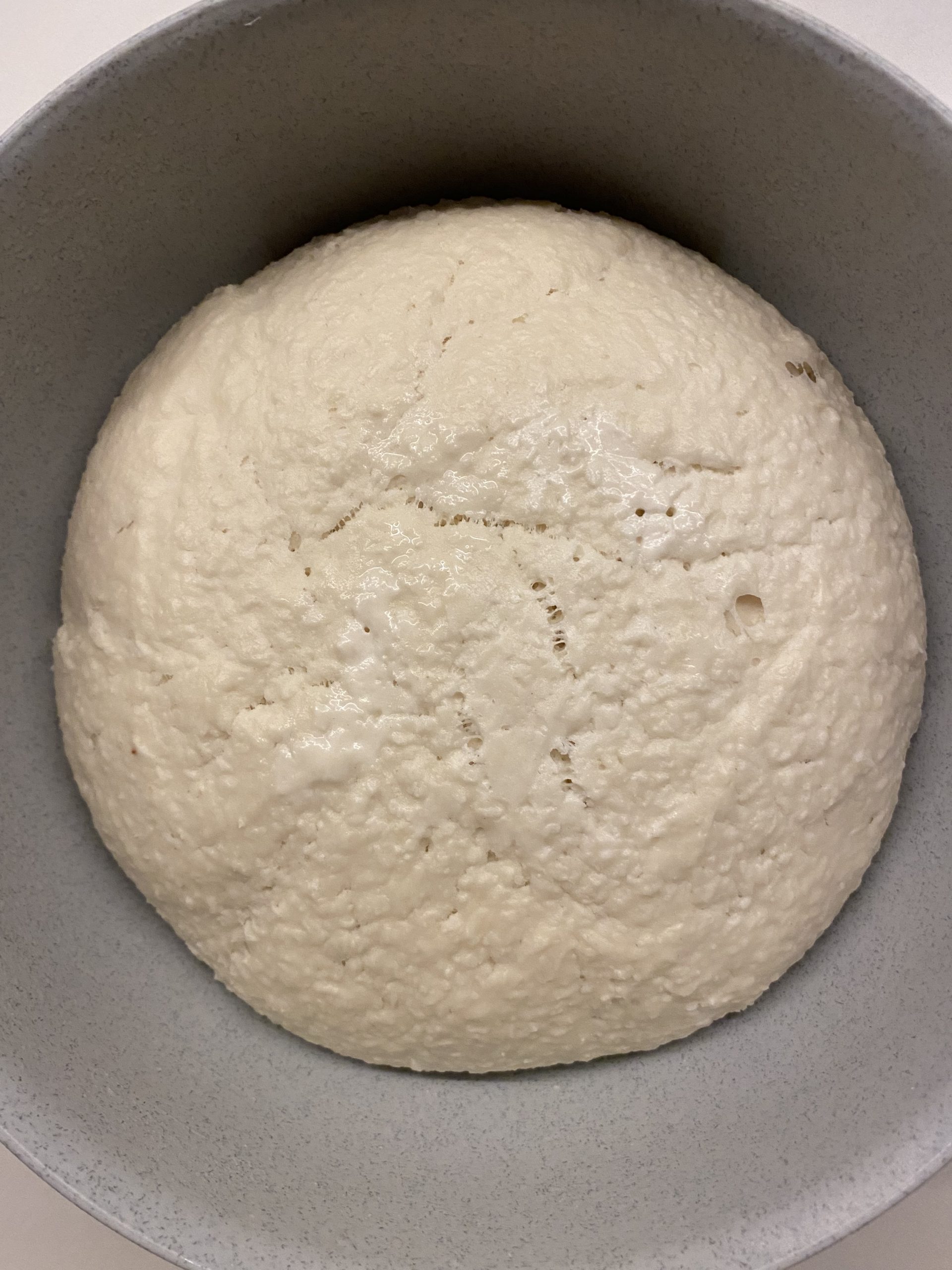
Place the dough in a bowl, cover it, and leave it to proof for about 3-4 hours at room temperature. It should be a visible rise in this time.
Now is the time for the cold proof. Place the bowl in the refrigerator and leave it until the evening before the morning you want to bake the sanana bread.
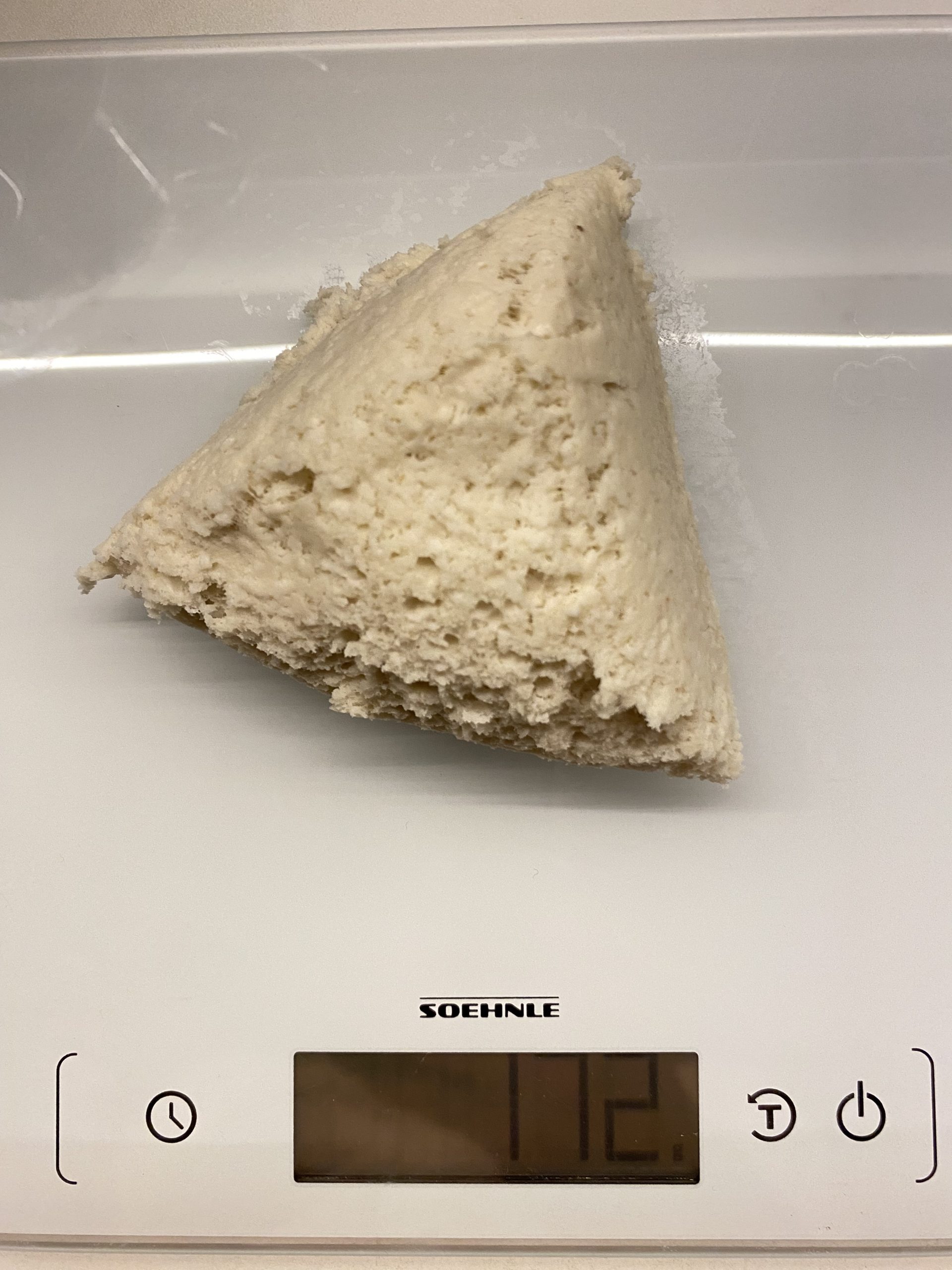
Take out the dough from the bowl on the counter, and divide it in 4 equal pieces.
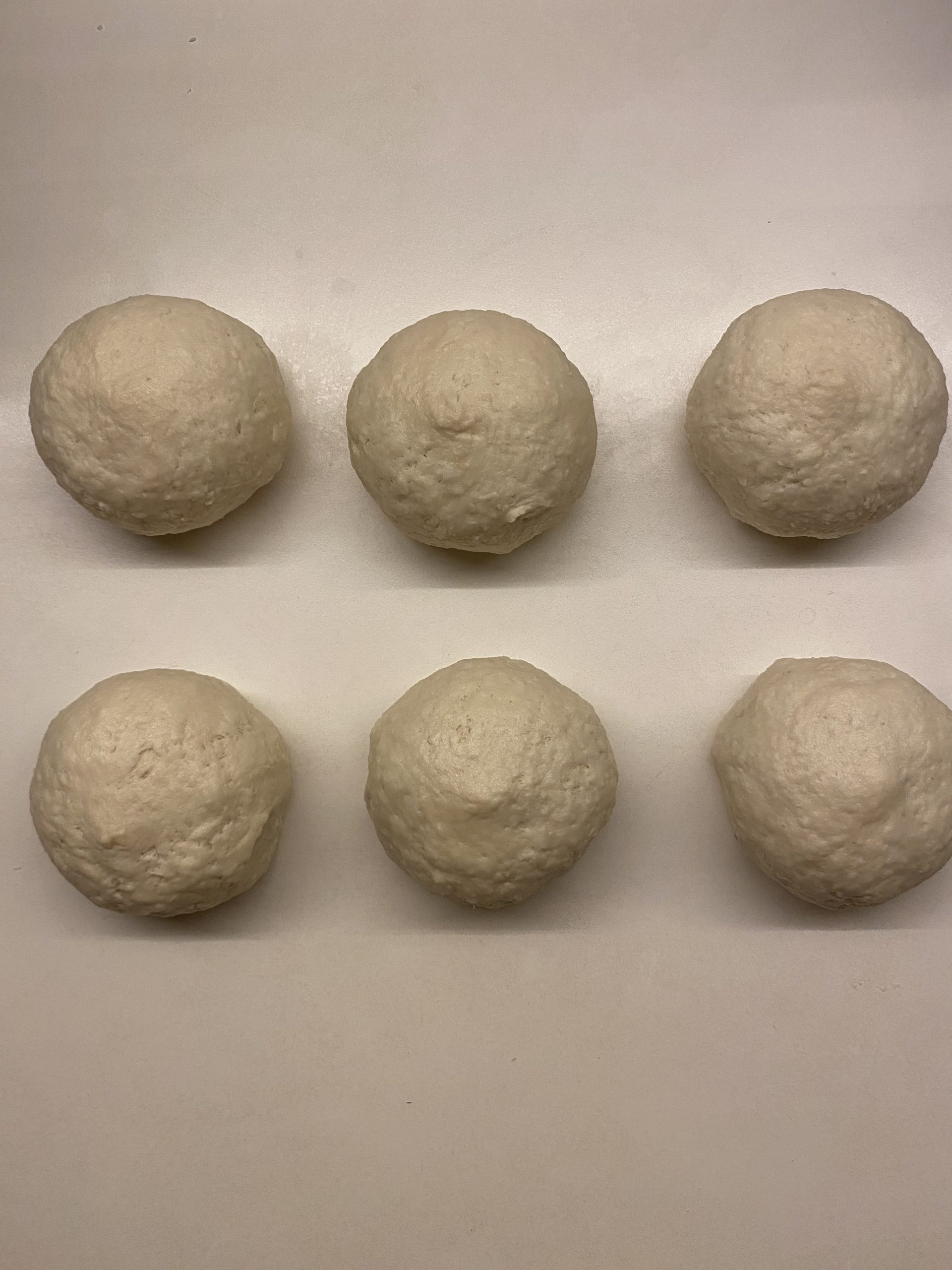
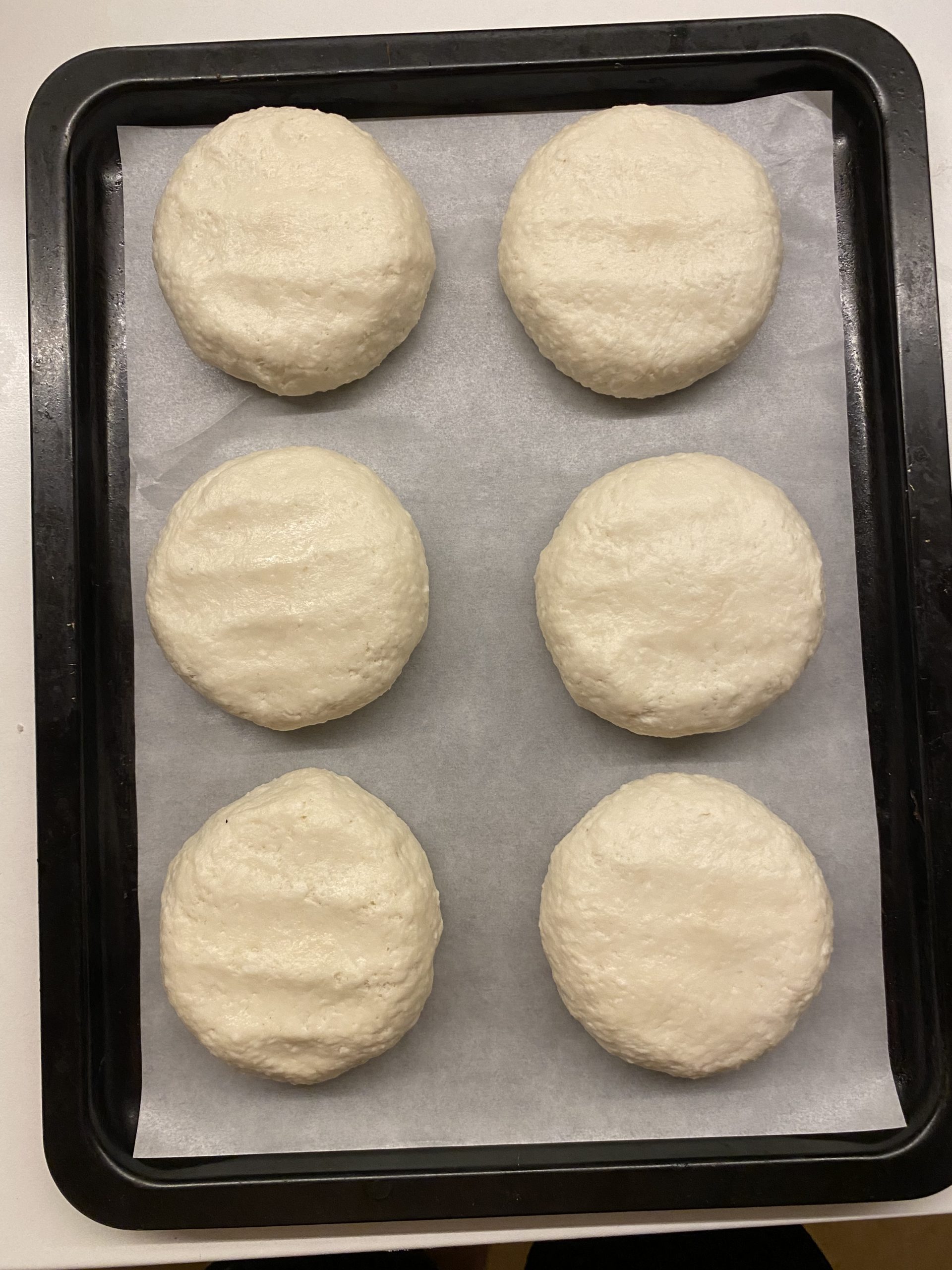
Now shape the dough pieces into balls, place them on a baking sheet, and press the top of the balls to flatten them a bit. You can also use round forms to put the balls inside.
Place the sheets covered with plastic wrap in the refrigerator until the next morning, or at least for 6-8 hours.
Preheat the oven to 220 C. Brush the top of the raised sanana bread with coconut oil.
Bake them gold brown, which should take 30-40 minutes, depending on your oven.
Leave the bread to cool down for at least 30 minutes, even if it is hard to resist not biting in the fresh sanana with that incredible coconut fragrance.
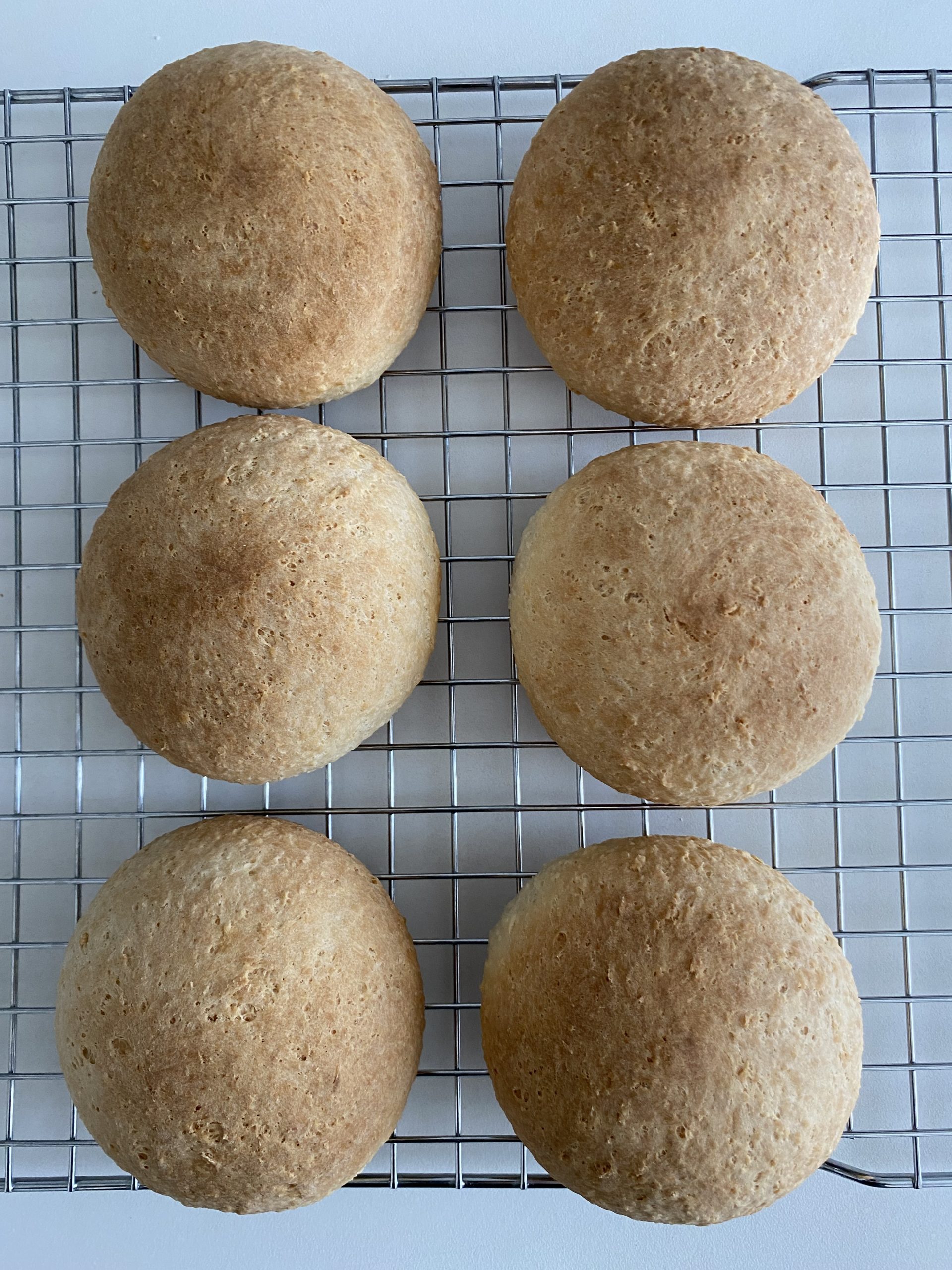
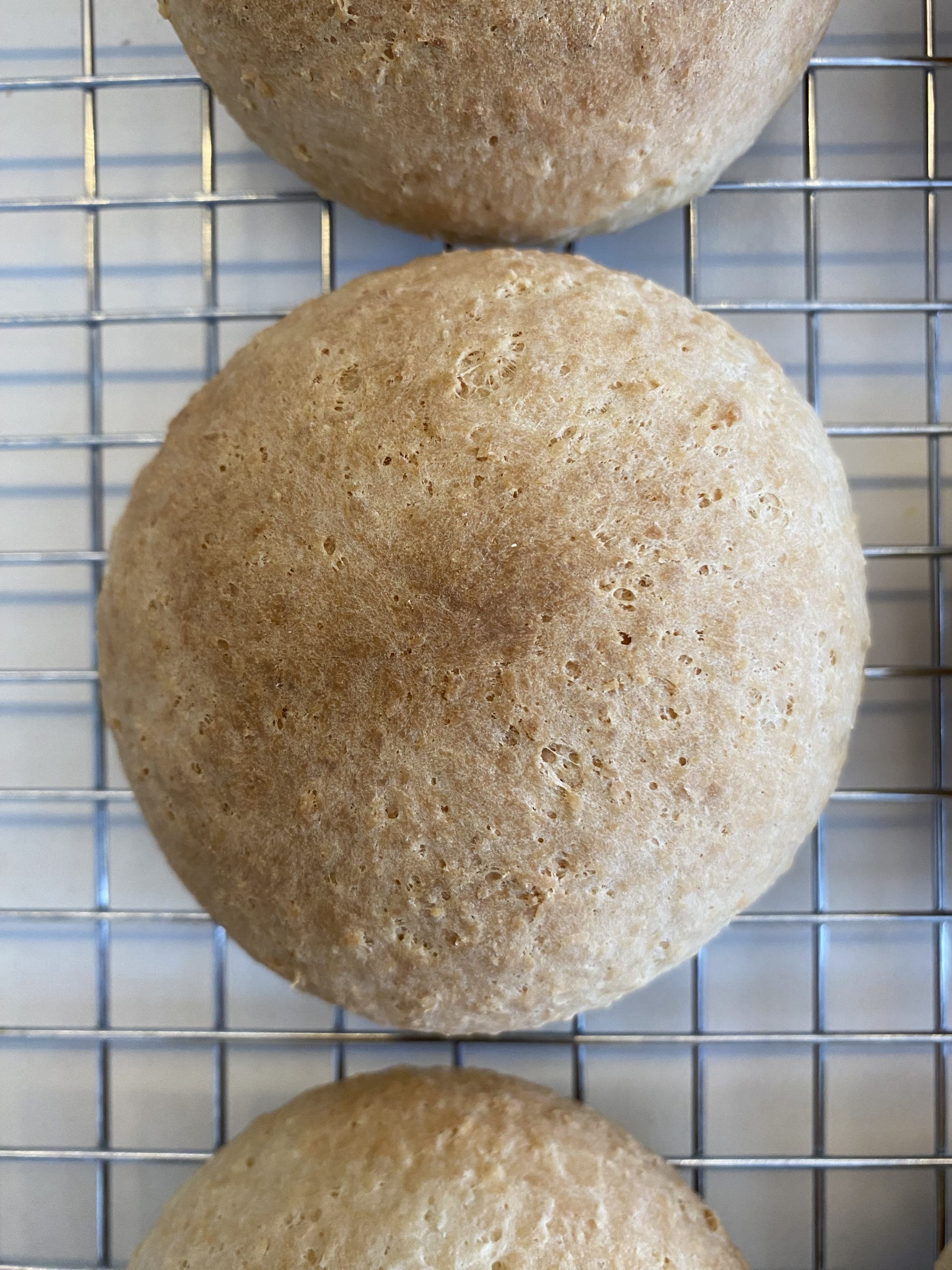
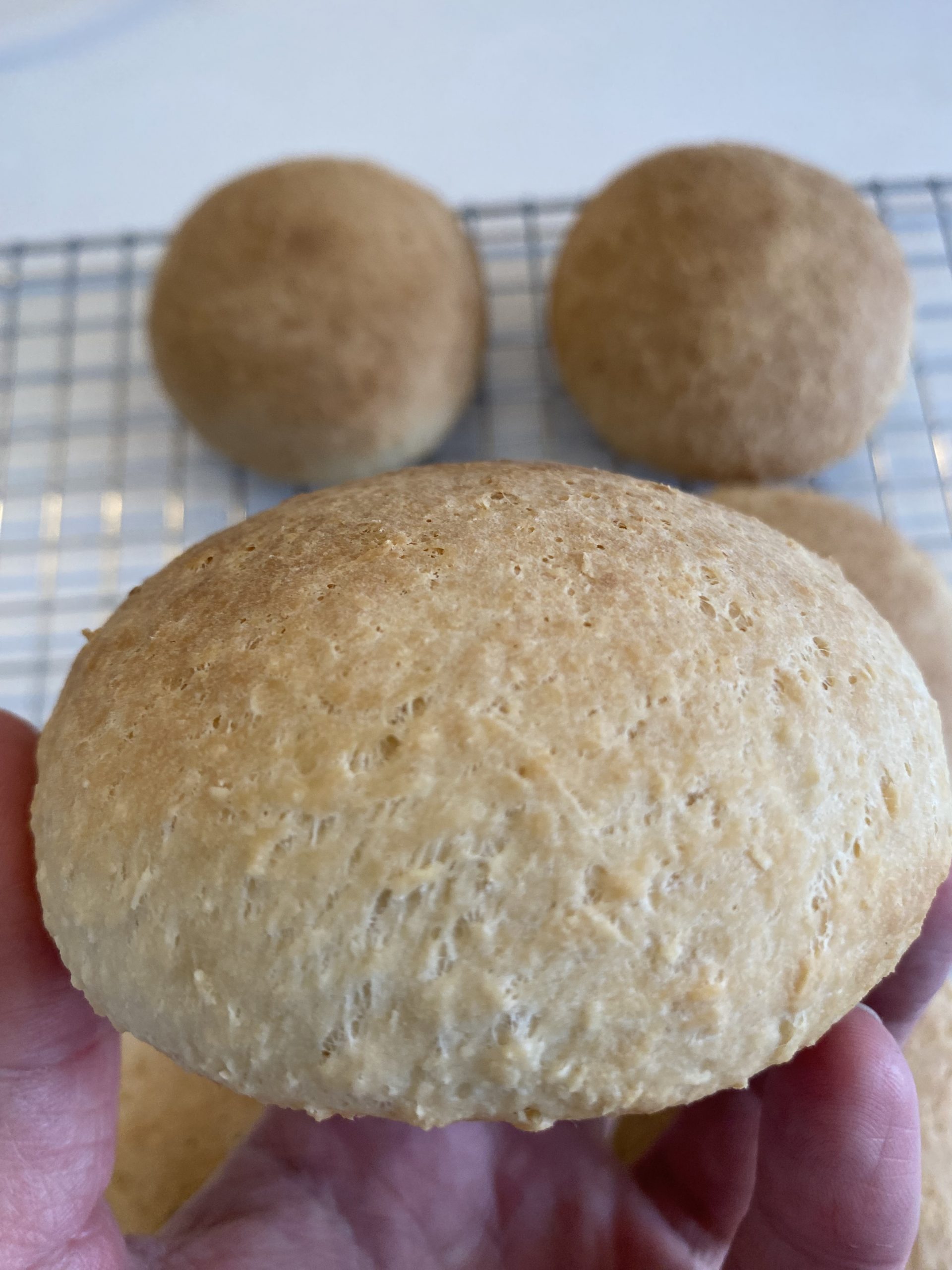
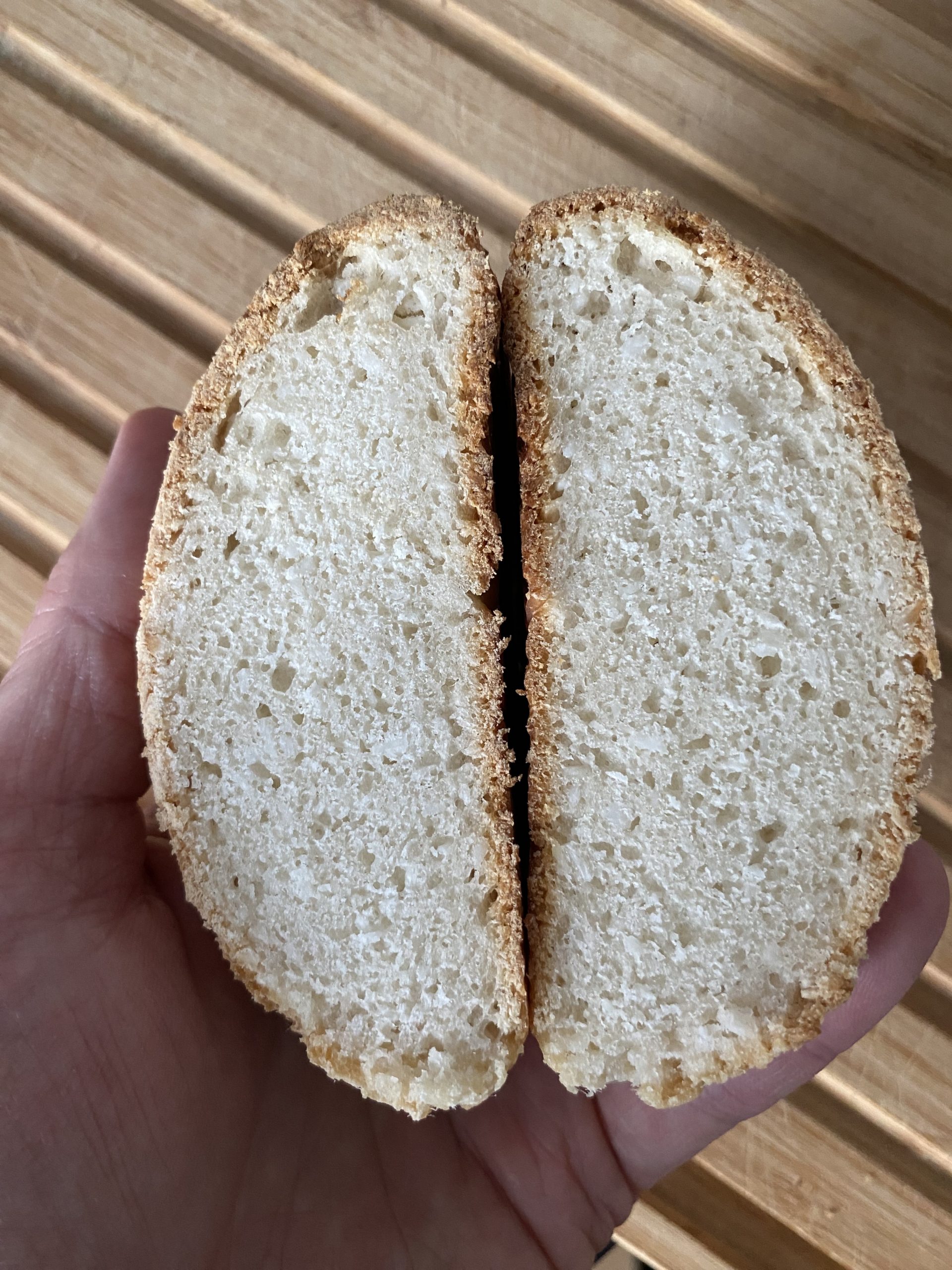
The bread is quite dense and has a light sweet taste, so it goes very well with butter and jam. But you can use it also to consume it with savory dishes, such as fish!
If you tried to bake this traditional Mozambican bread, please let me know about your experience!