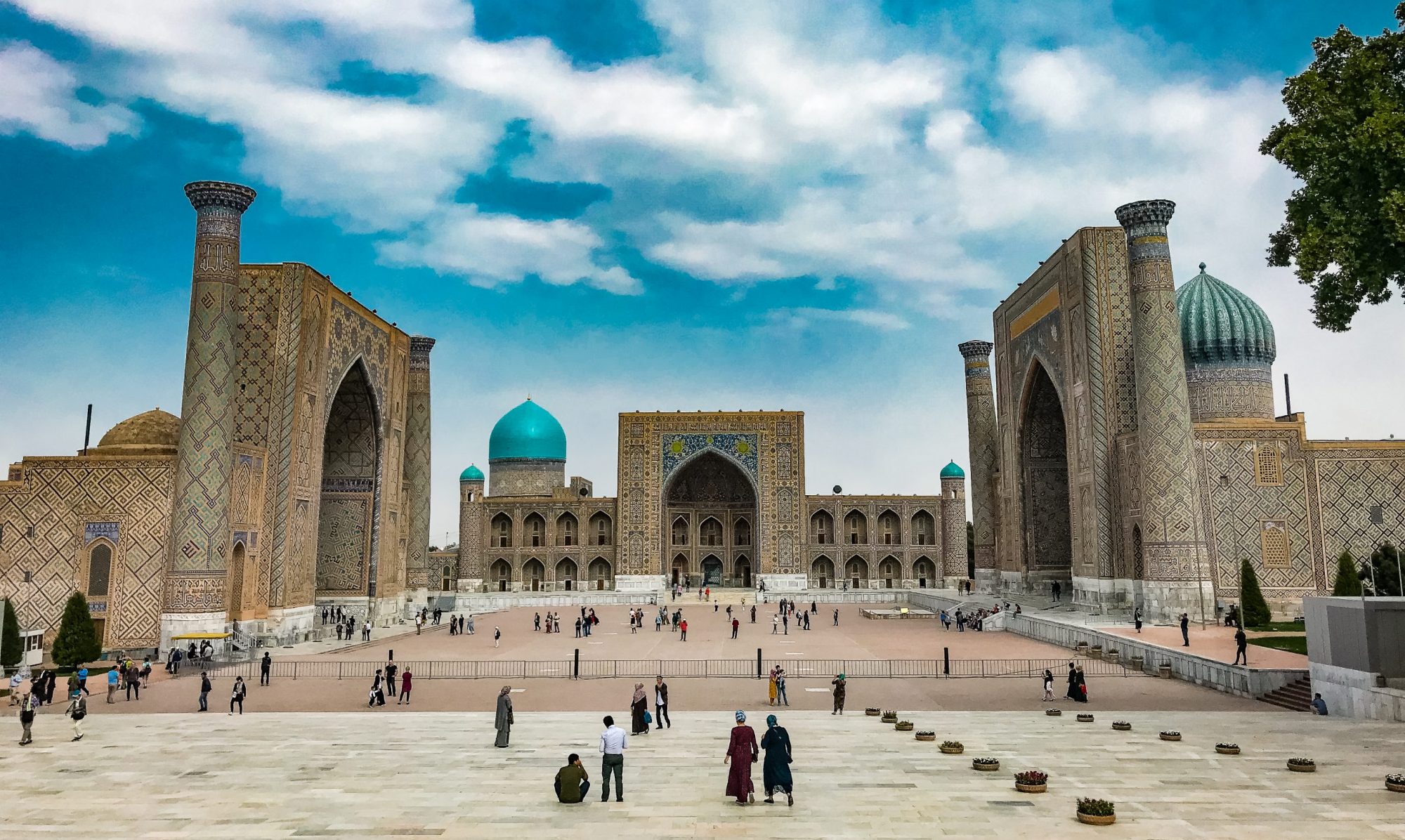
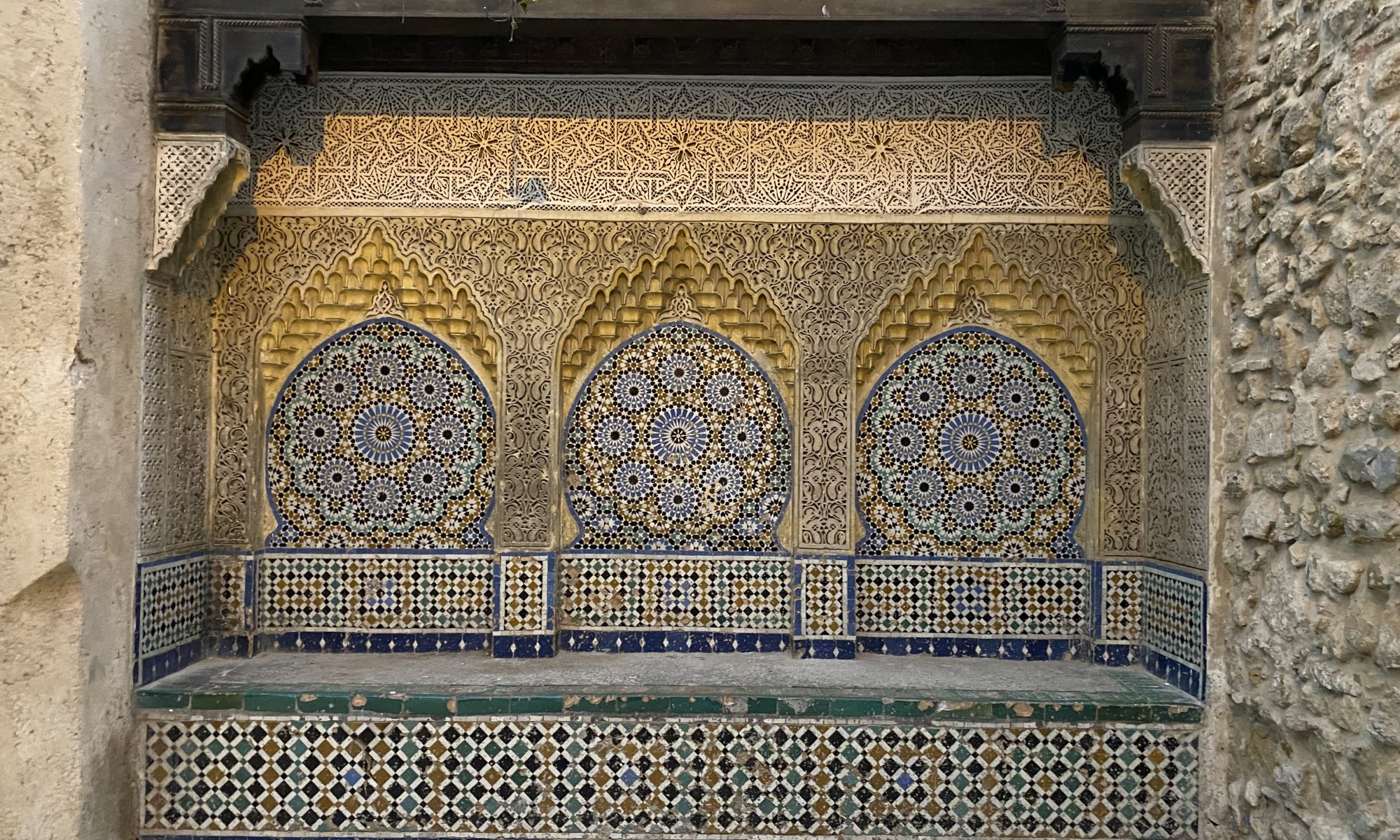
When my friends Matthias and Ana told me that they would move temporarily to Morocco for work reasons, I already knew I would visit them and travel through the country for a while. During my first visit to Morocco some years ago I only explored the region around Agadir, doing day trips to Essaouira, the wind city, and Tiznit, a lovely town known for its jewelry.
This time I decided to start in Marrakesh and travel northward, passing through Casablanca, Rabat, Fez, and Chefchaouen, and flying back to Europe from Tangier.
Traveling through Morocco
Marrakesh is a crowded city and a mass tourism destination. Although in the city there are many notable monuments and museums, it is not pleasant to visit them because of the huge crowds. However, there are luckily less hyped places where you can find peace.
My favorite was the House of Photography of Marrakesh, a beautiful location, with a very interesting collection of Moroccan photography and a relaxing restaurant on the terrace with a beautiful view of the Atlas Mountains.
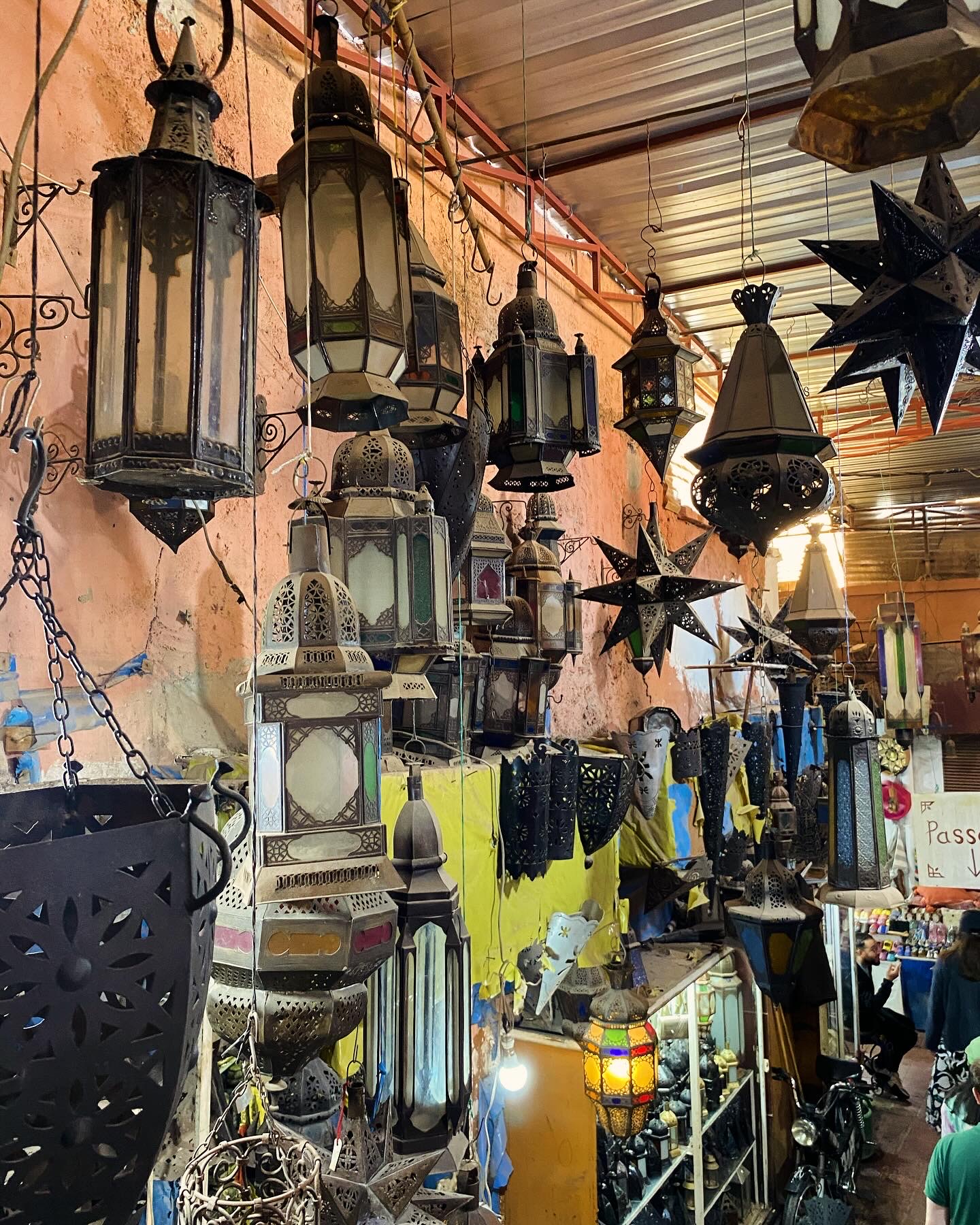
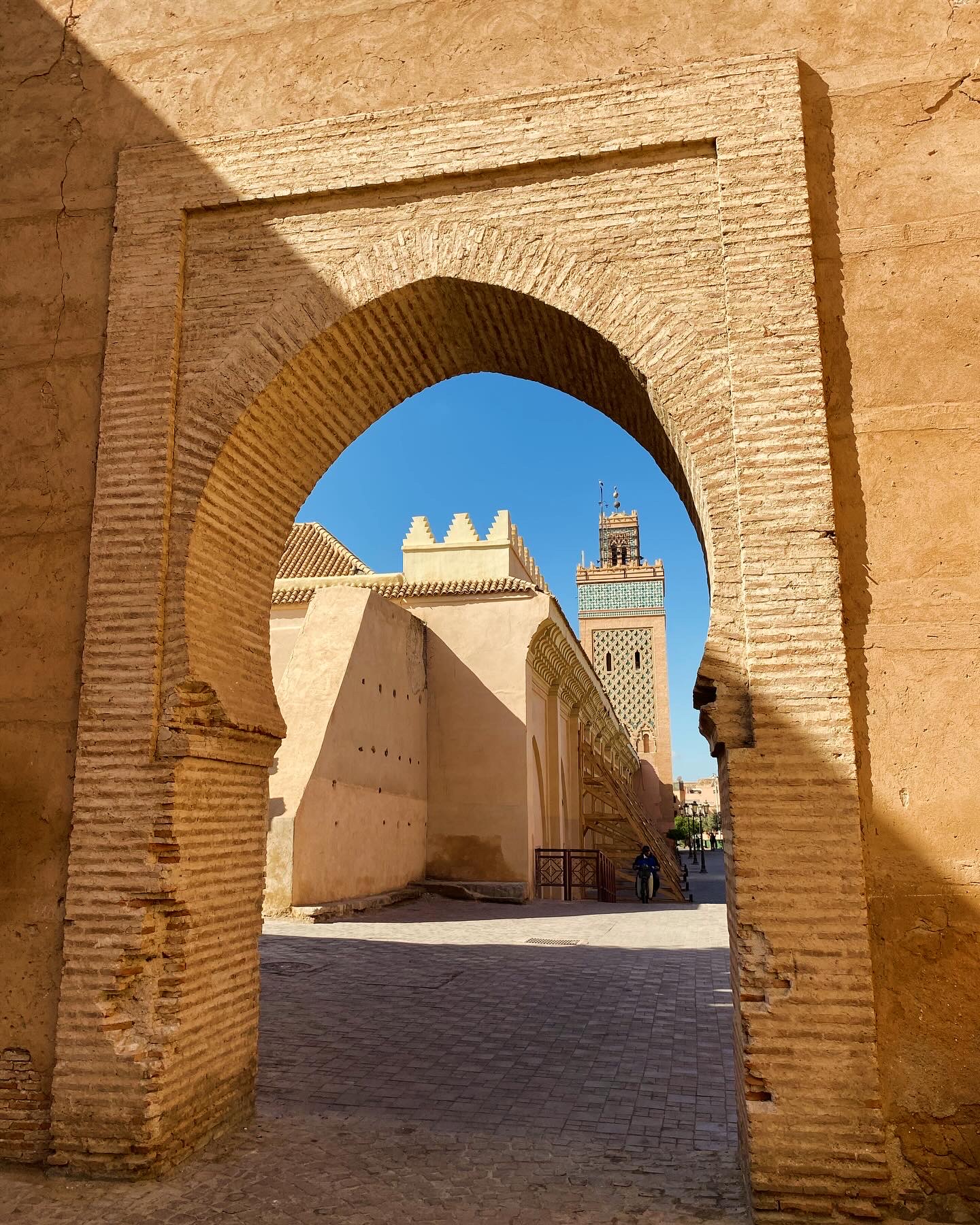
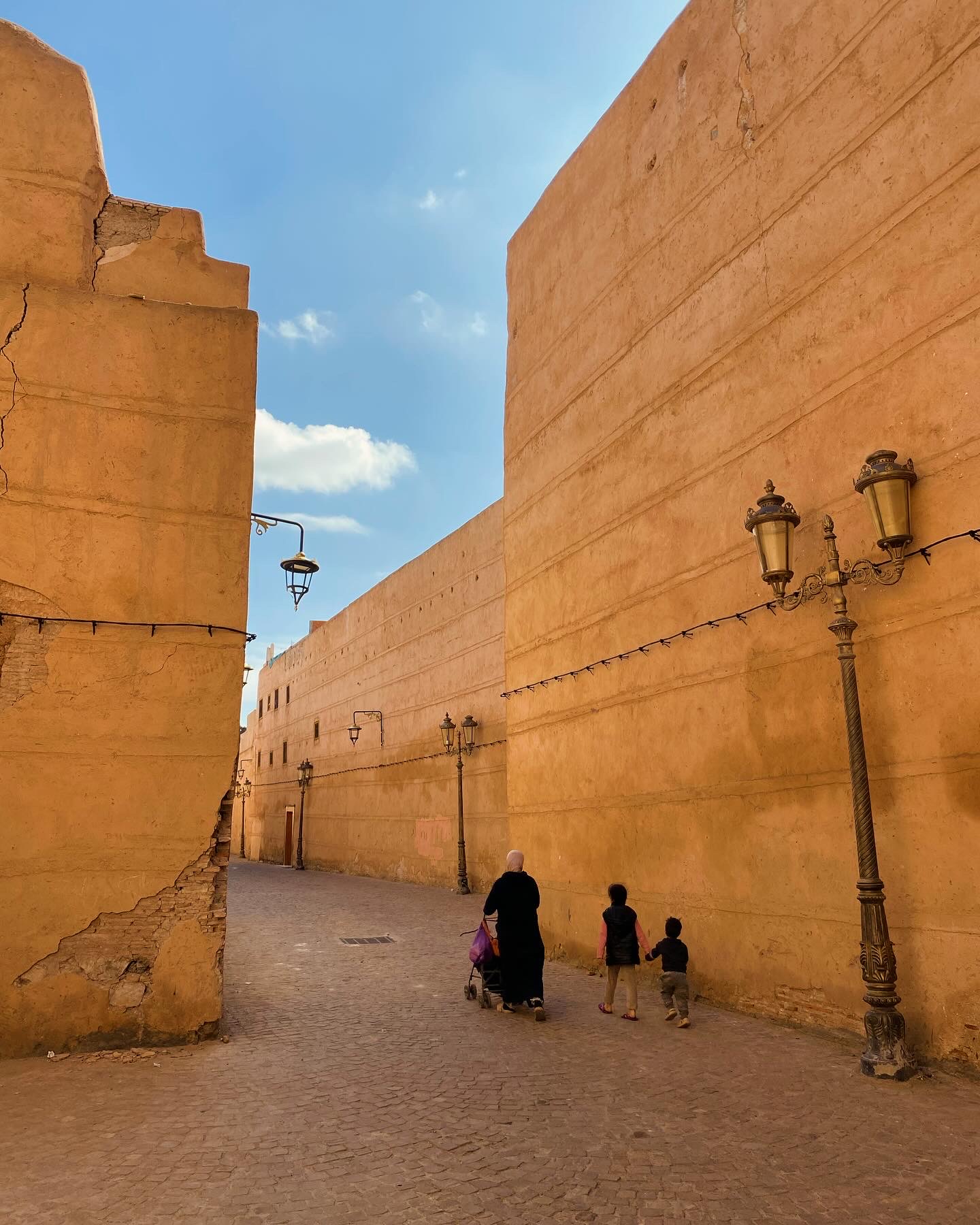
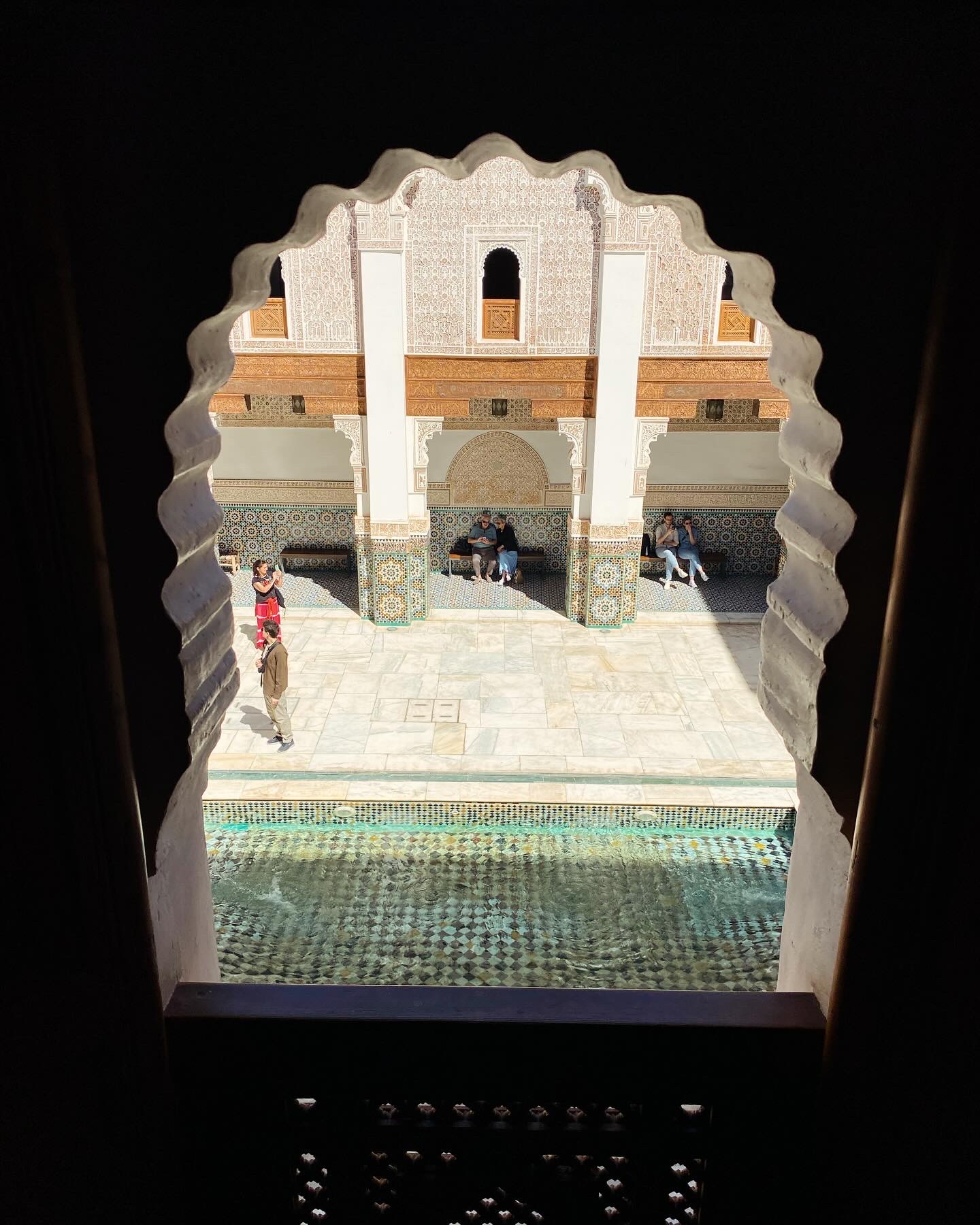
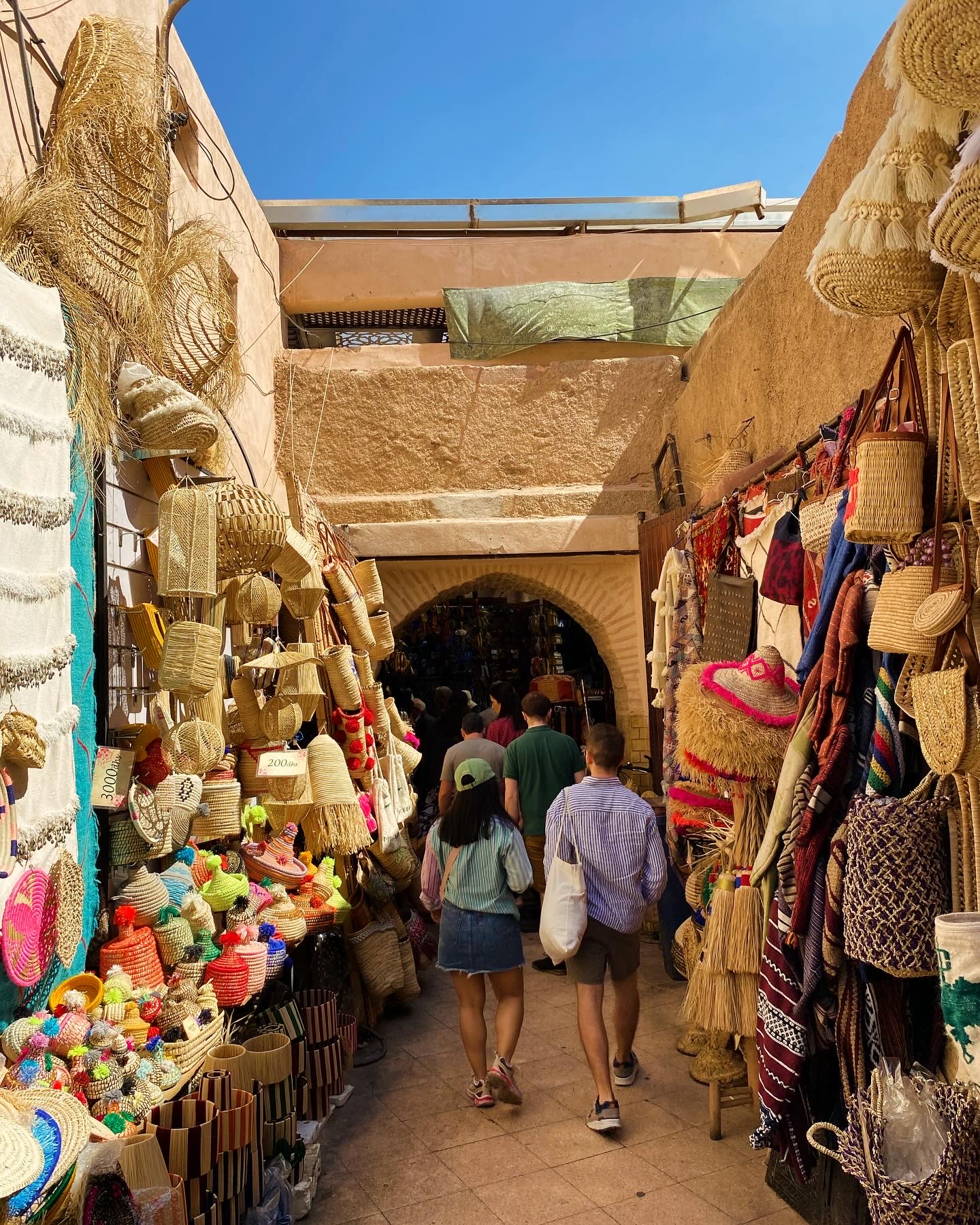
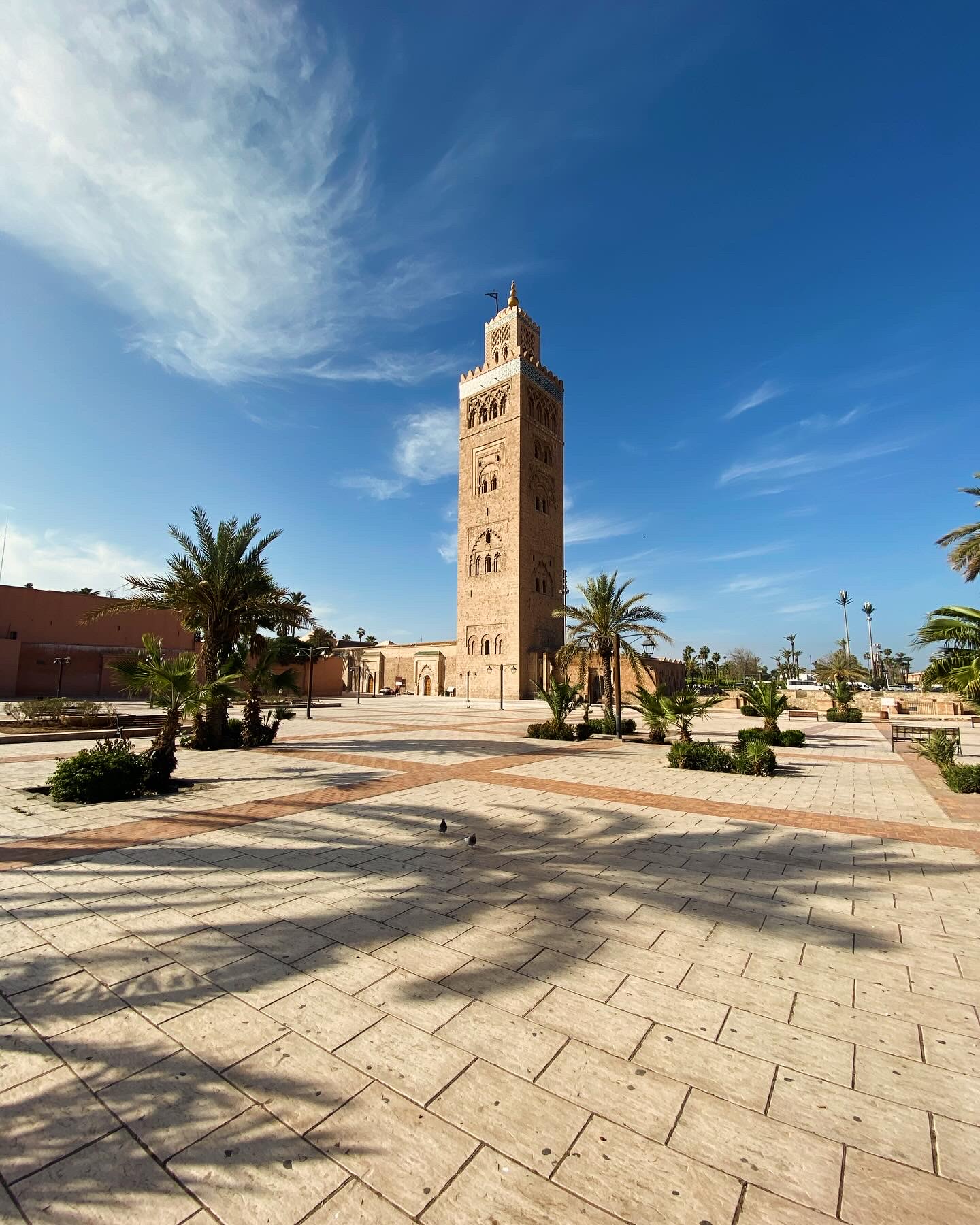
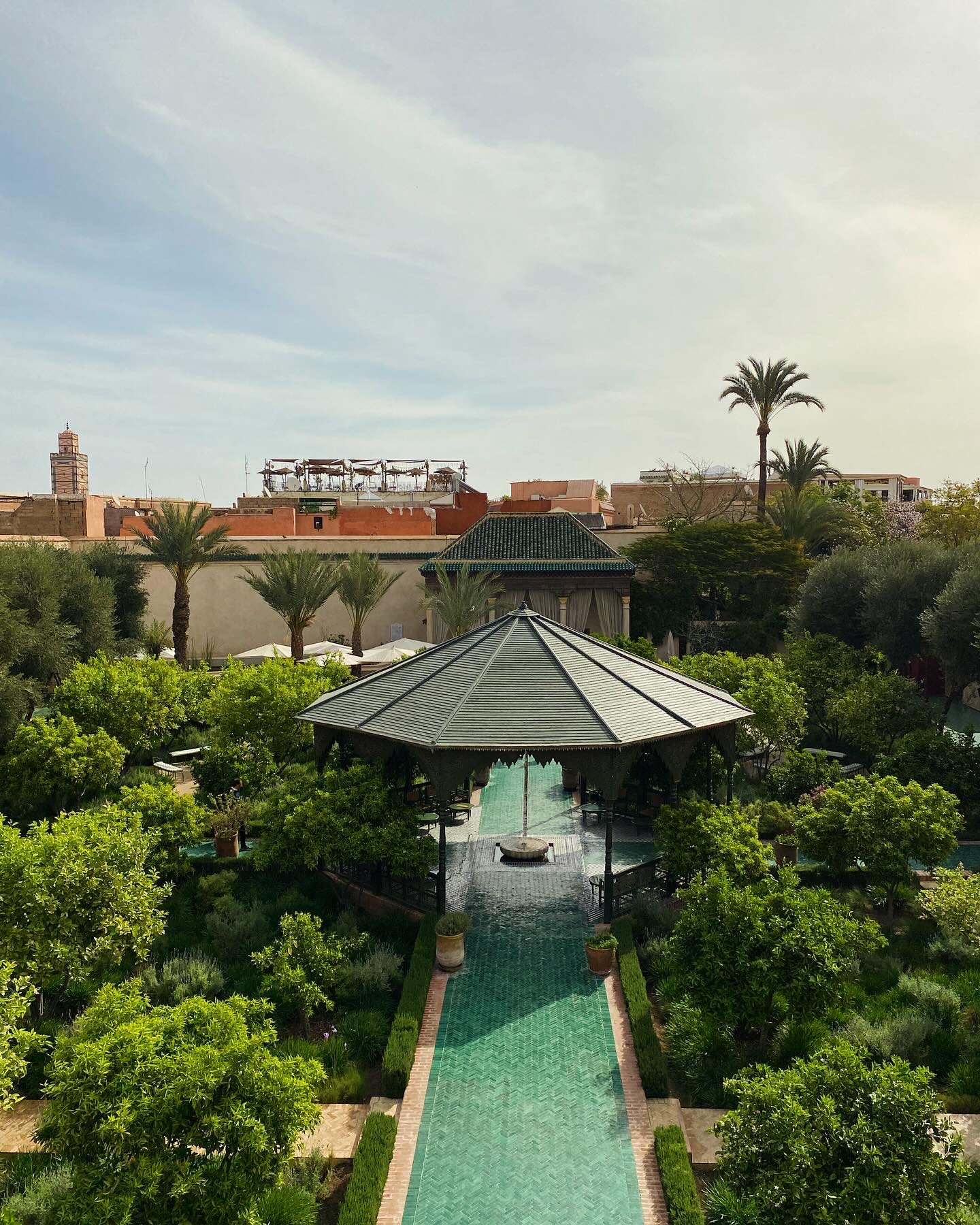
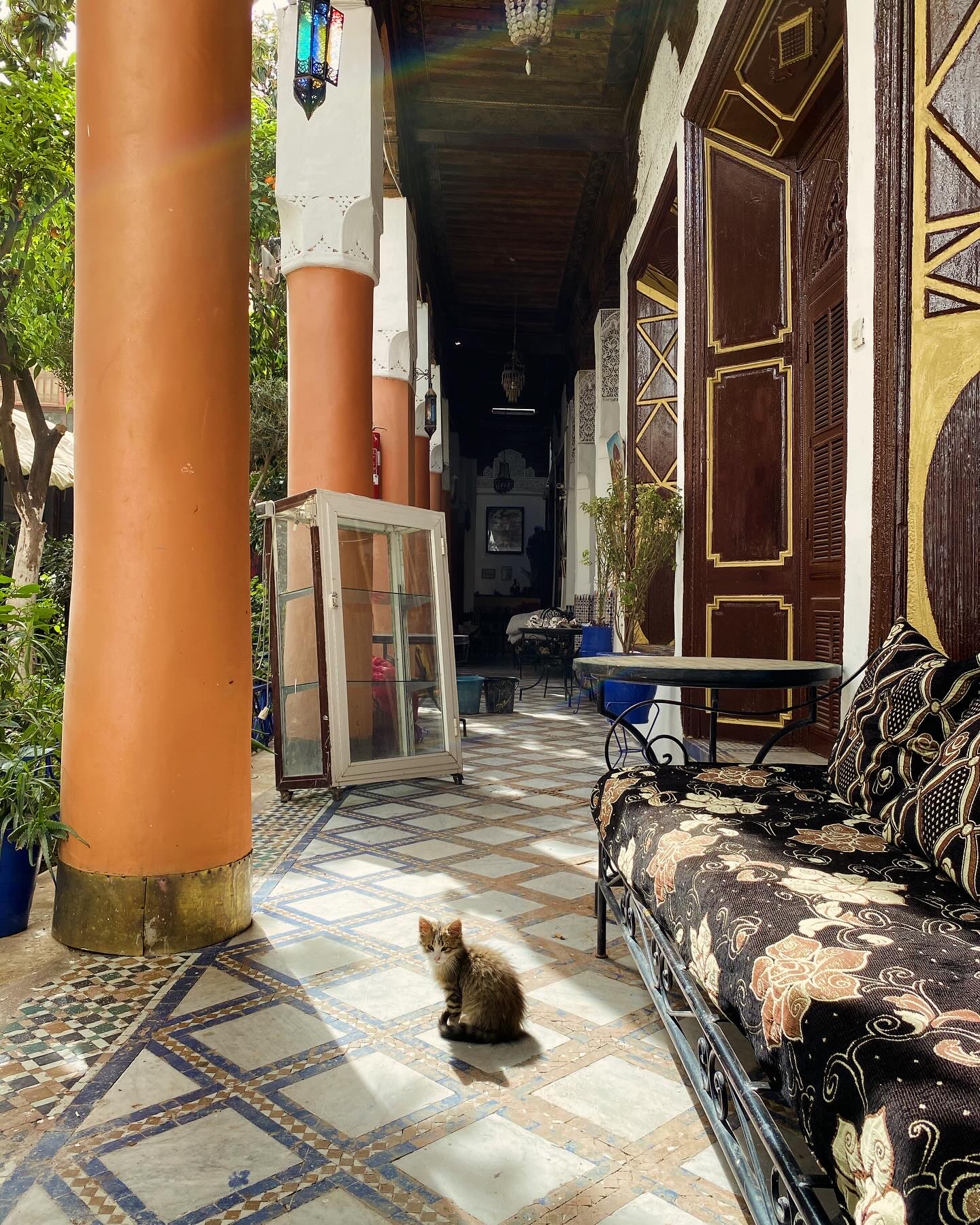
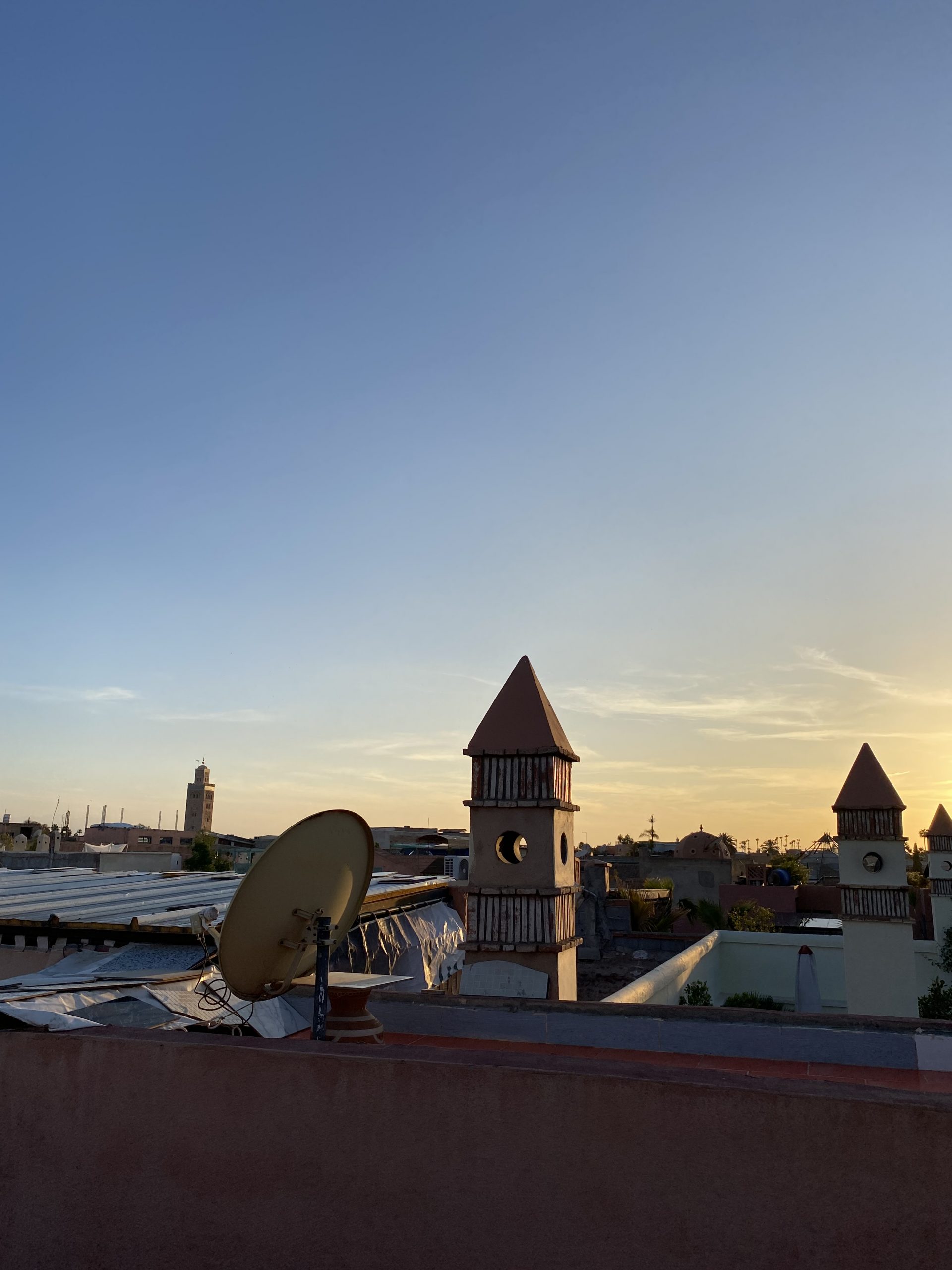
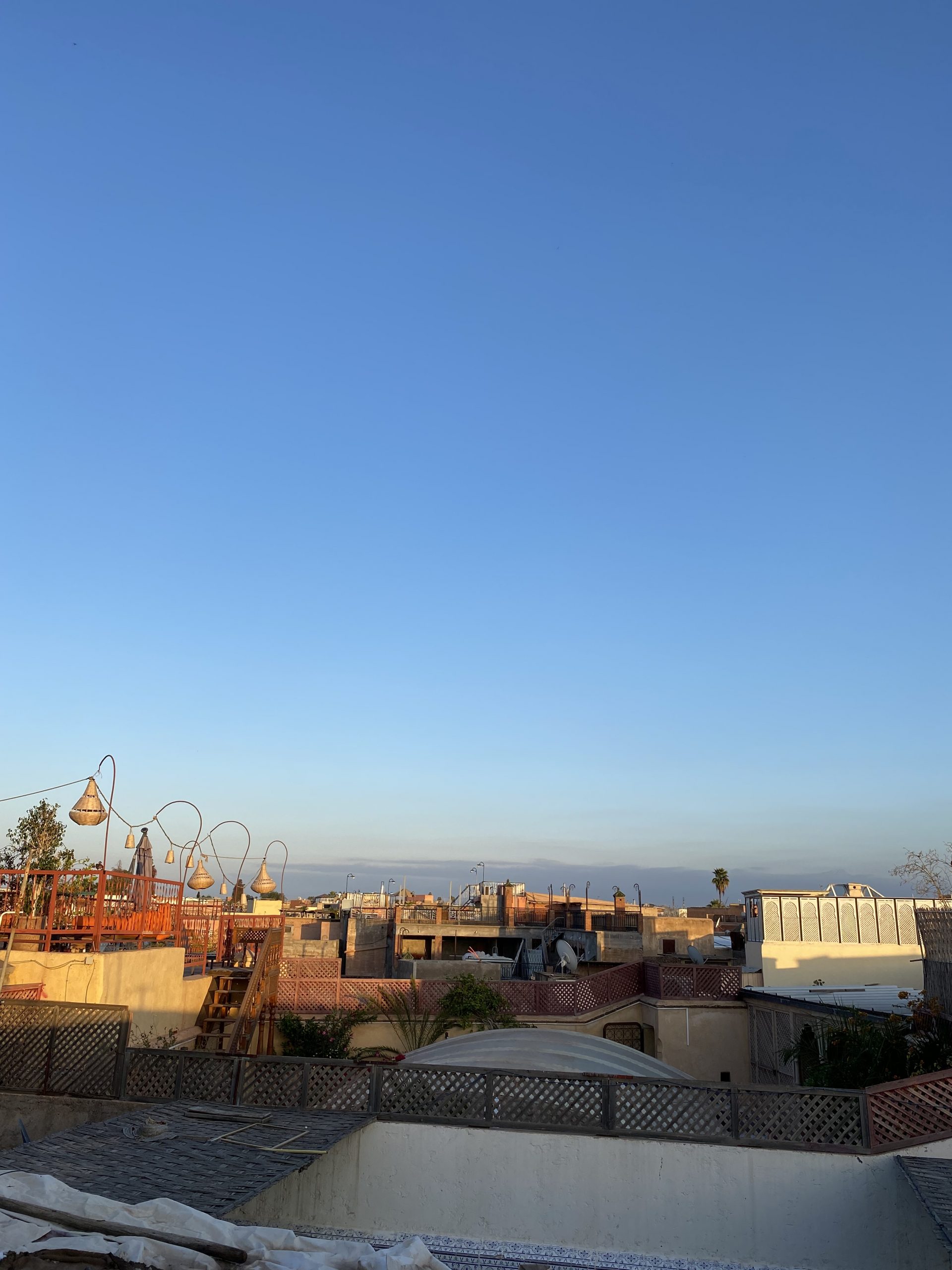
Also, if you are lucky, you might choose as accommodation a traditional “dar” or “riad” in the medina (old town), located in the labyrinth of the tight alleys, away from the busy souks. I enjoyed sitting in the evenings on the terrace of my dar and letting my senses free to capture the colors of the sunset and the horizon with the Atlas Mountains, the call of the muezzin for the evening prayer, the smell of orange flowers in the air…
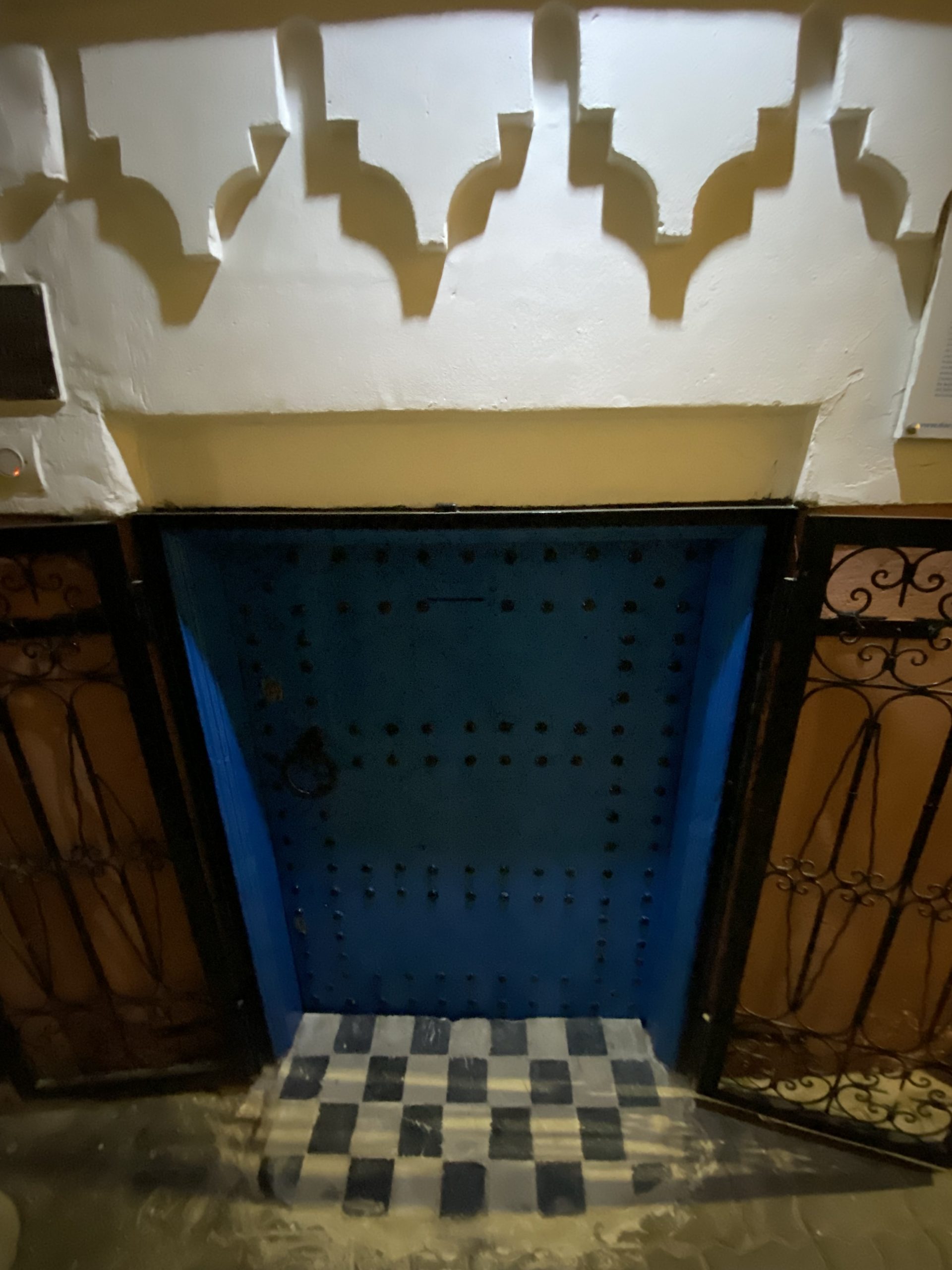
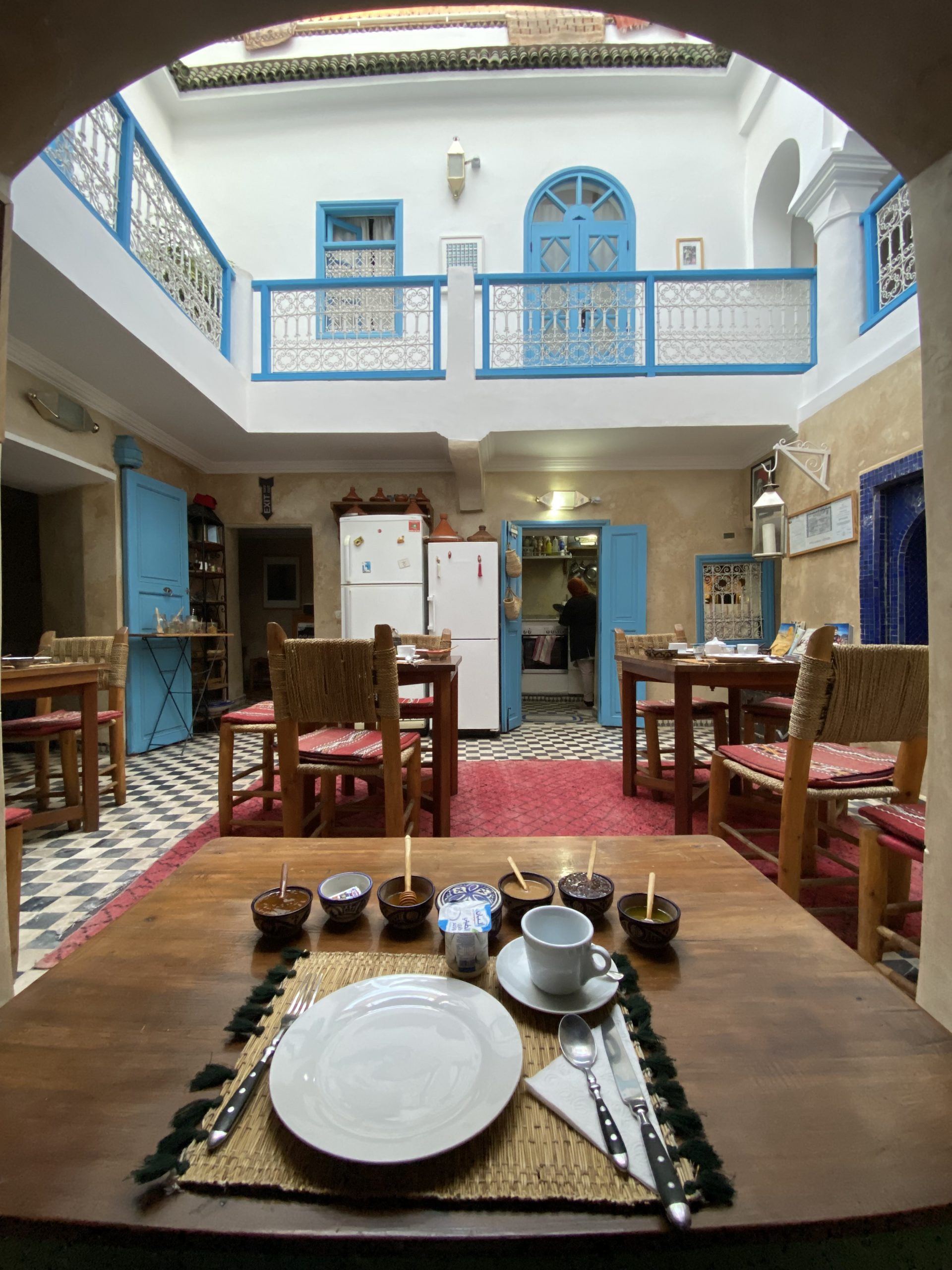
If you have the time for a day trip outside of the city, in the mountains, do not hesitate to book it. Most of them will be quite touristic, even though in the advertisement there is nothing mentioned about commercial stops. However, a trip is a good way to get some impressions from the countryside, breathe fresh air, and meet new people. Next time I would probably spend more days in the region and do multiple-day hikes in the mountains.
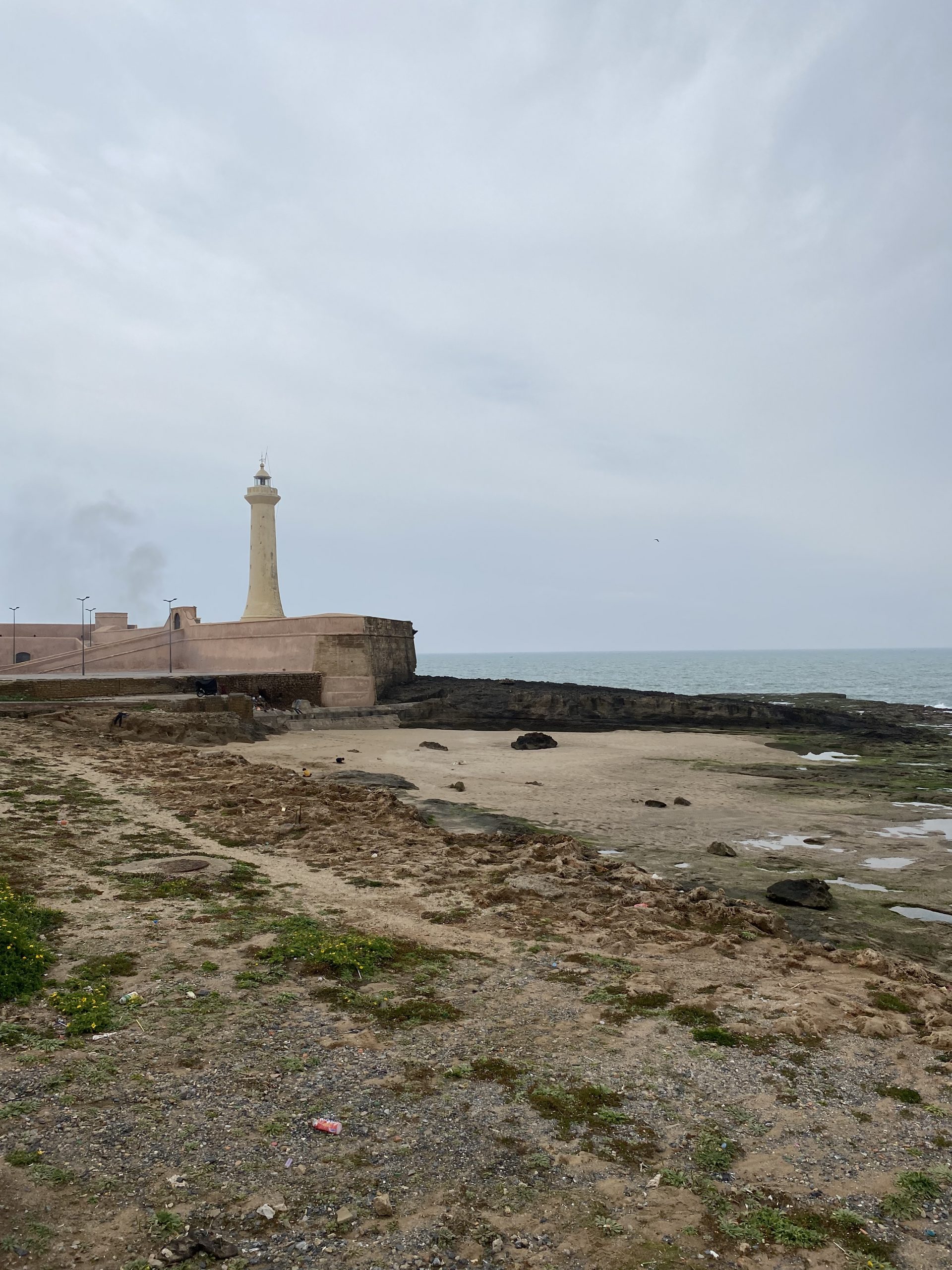
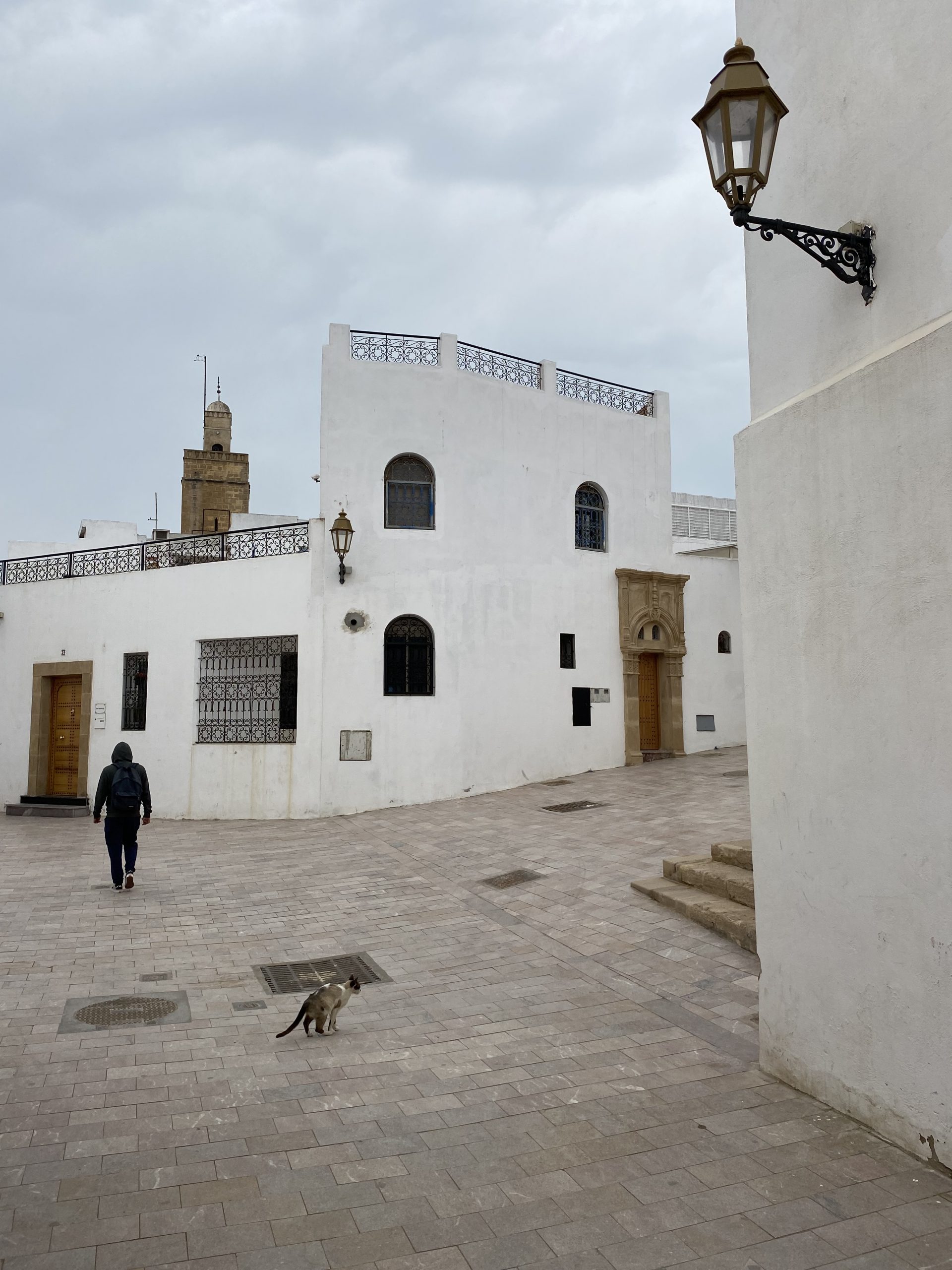
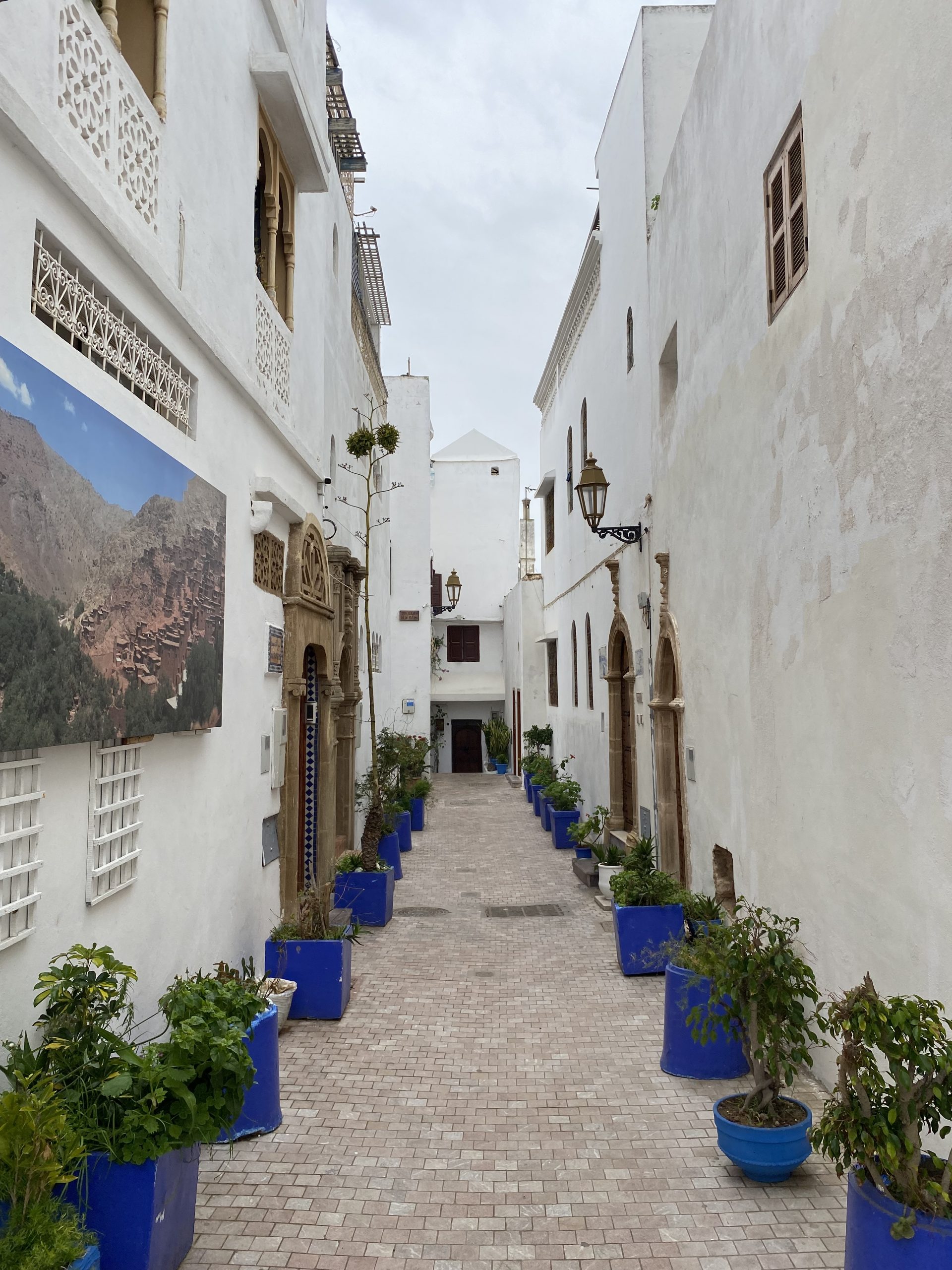
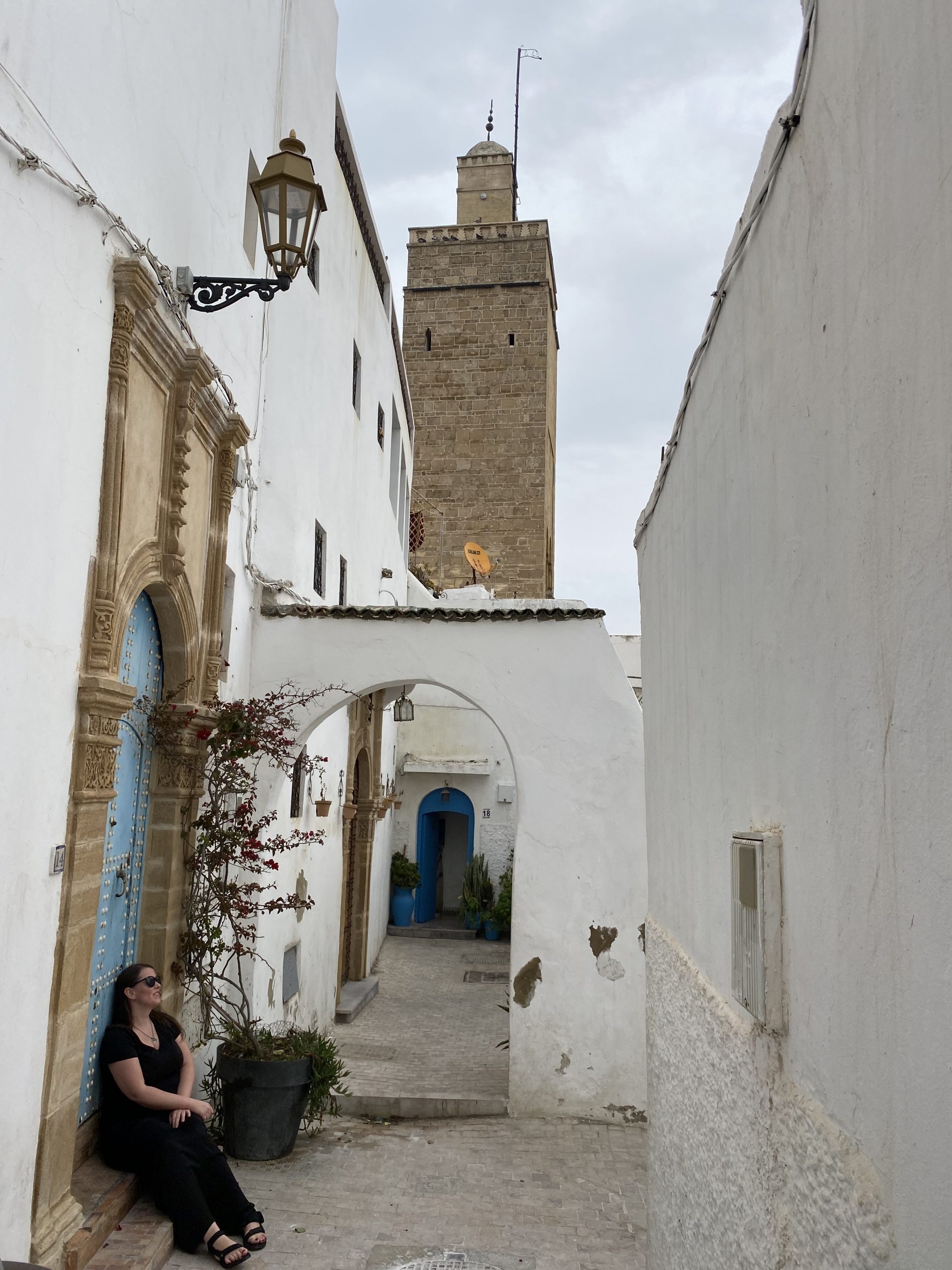
Rabat, the capital, impressed me with its modern occidental infrastructure and look. There are good museums, modern public transportation, and very few tourists. That means, that you can explore a more authentic medina and enjoy the “normal” life of a city.
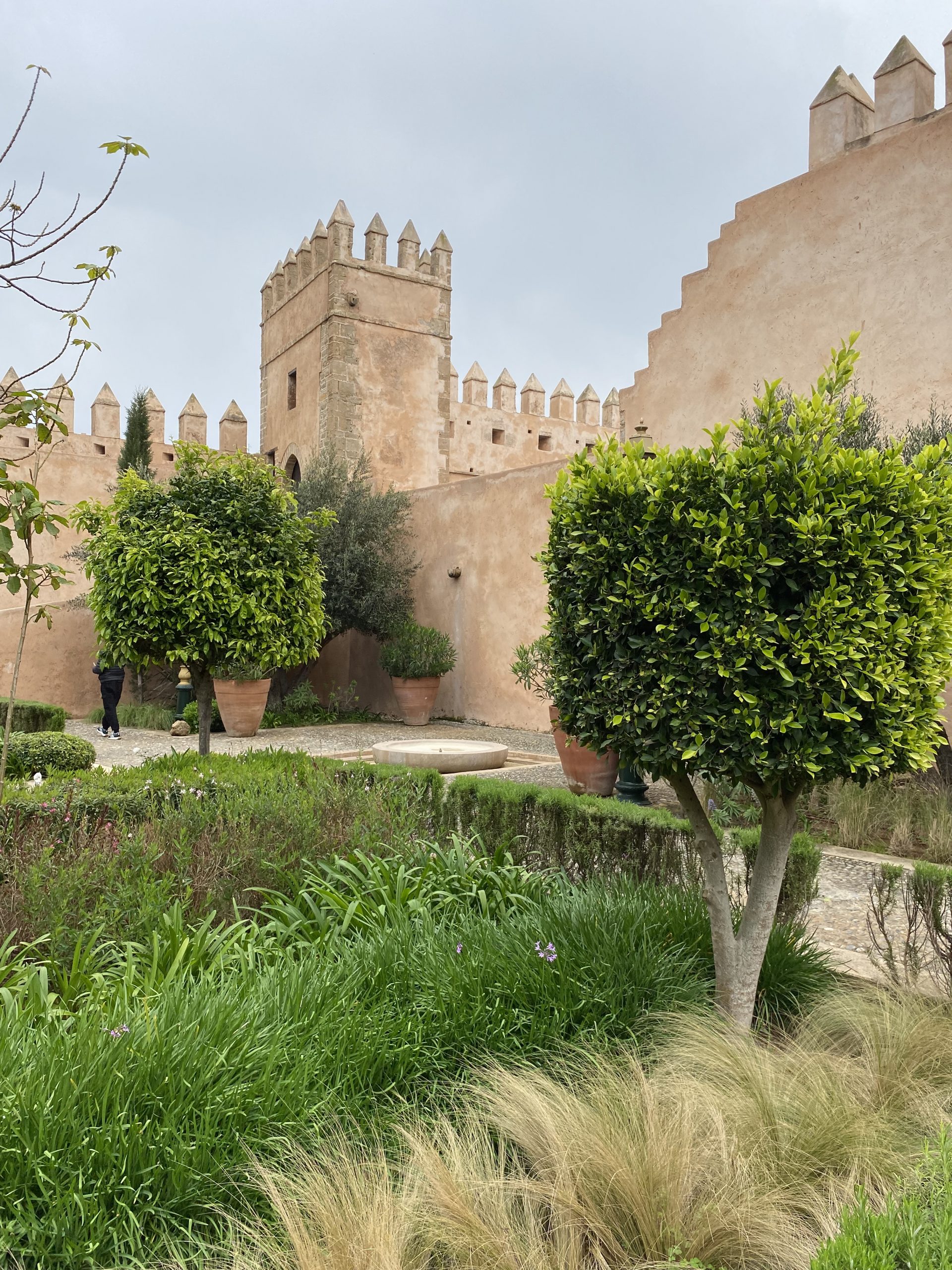
The Kasbah and the Corniche are just great to go for a walk. Another landmark you should visit is the Tower of Hassan. In the area with the same name, you can walk on broad boulevards, relax in nice gardens, or visit museums. My recommendation is the Museum for Contemporary Art Mohammed VI.
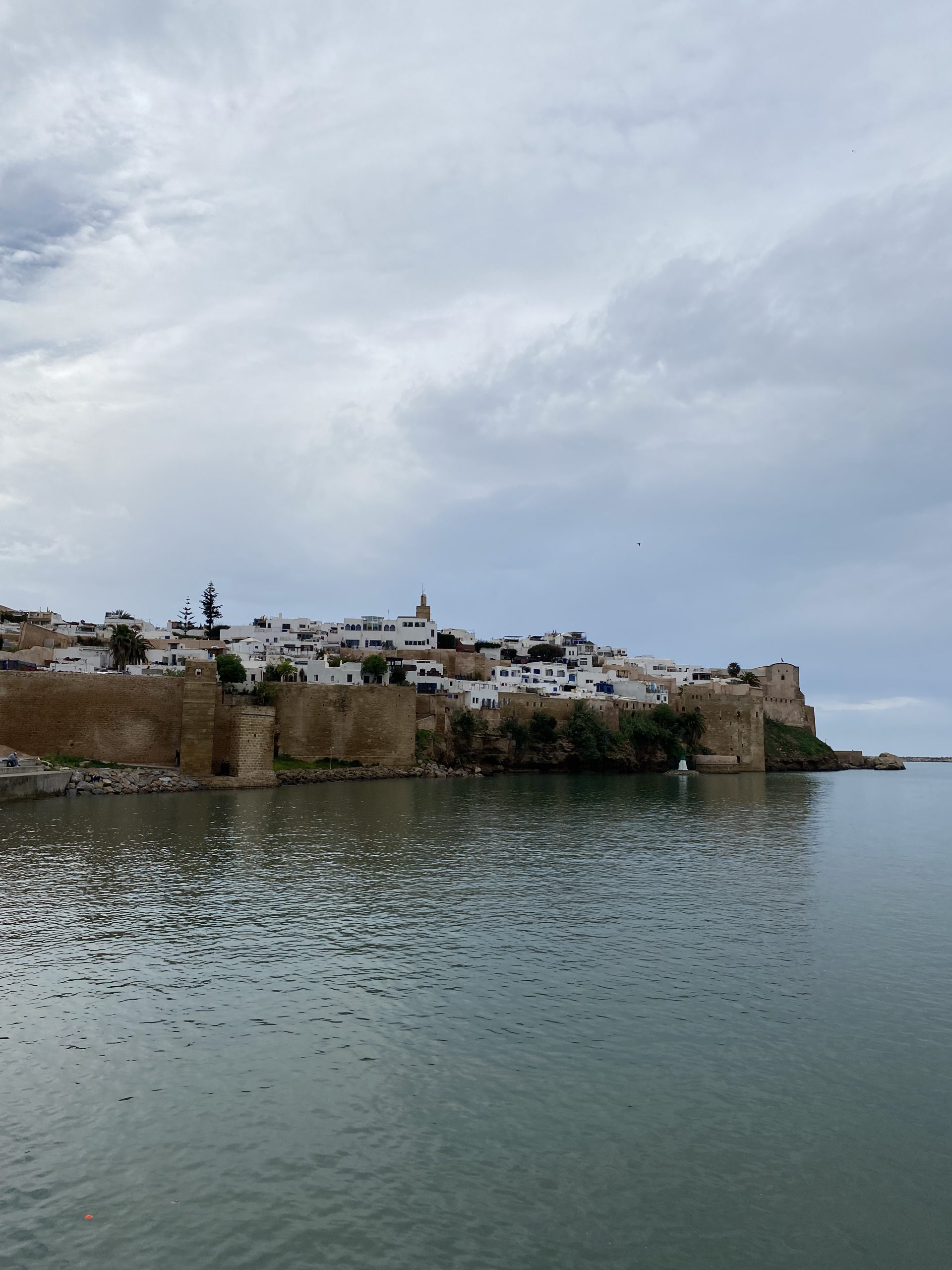
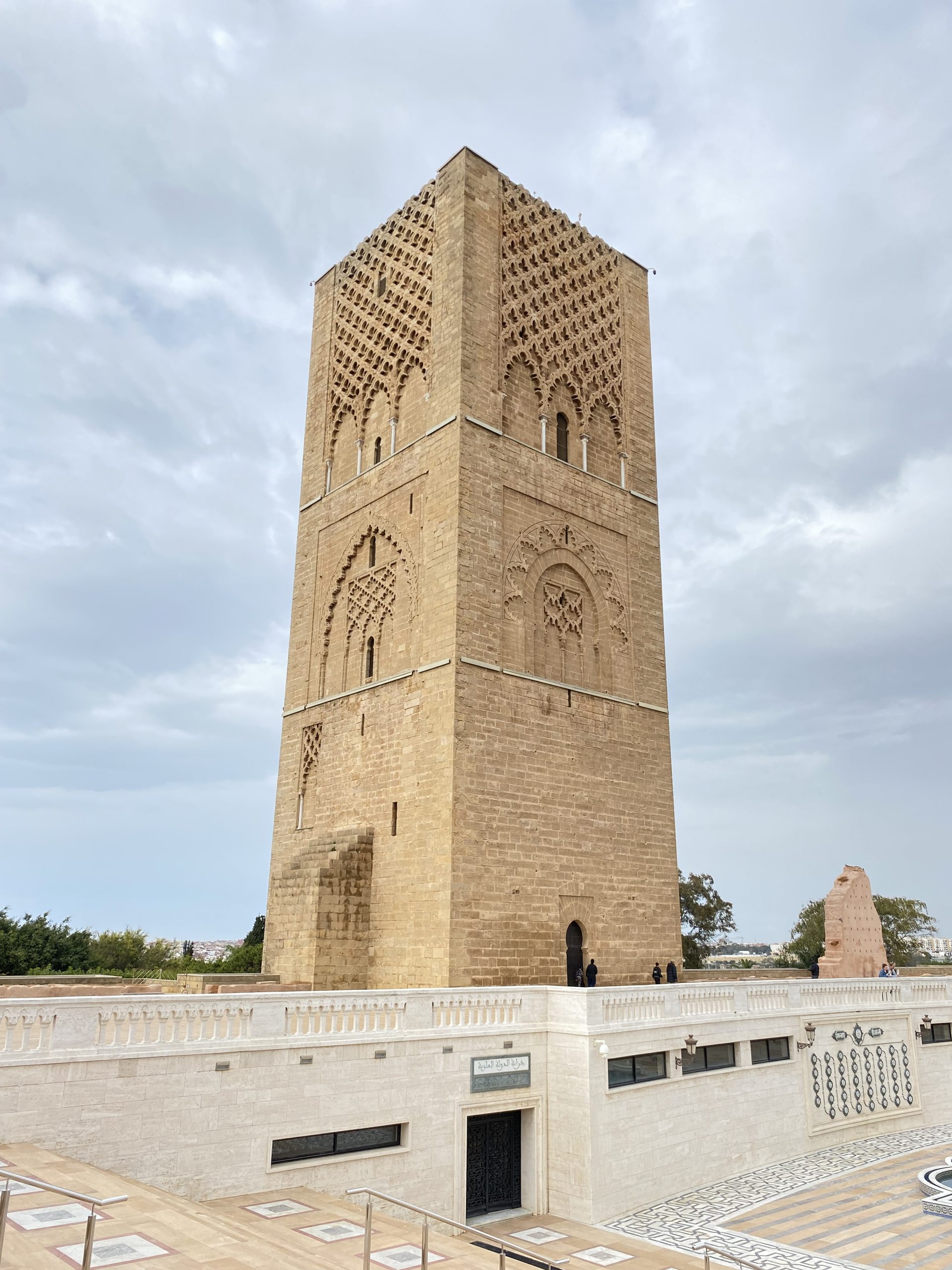
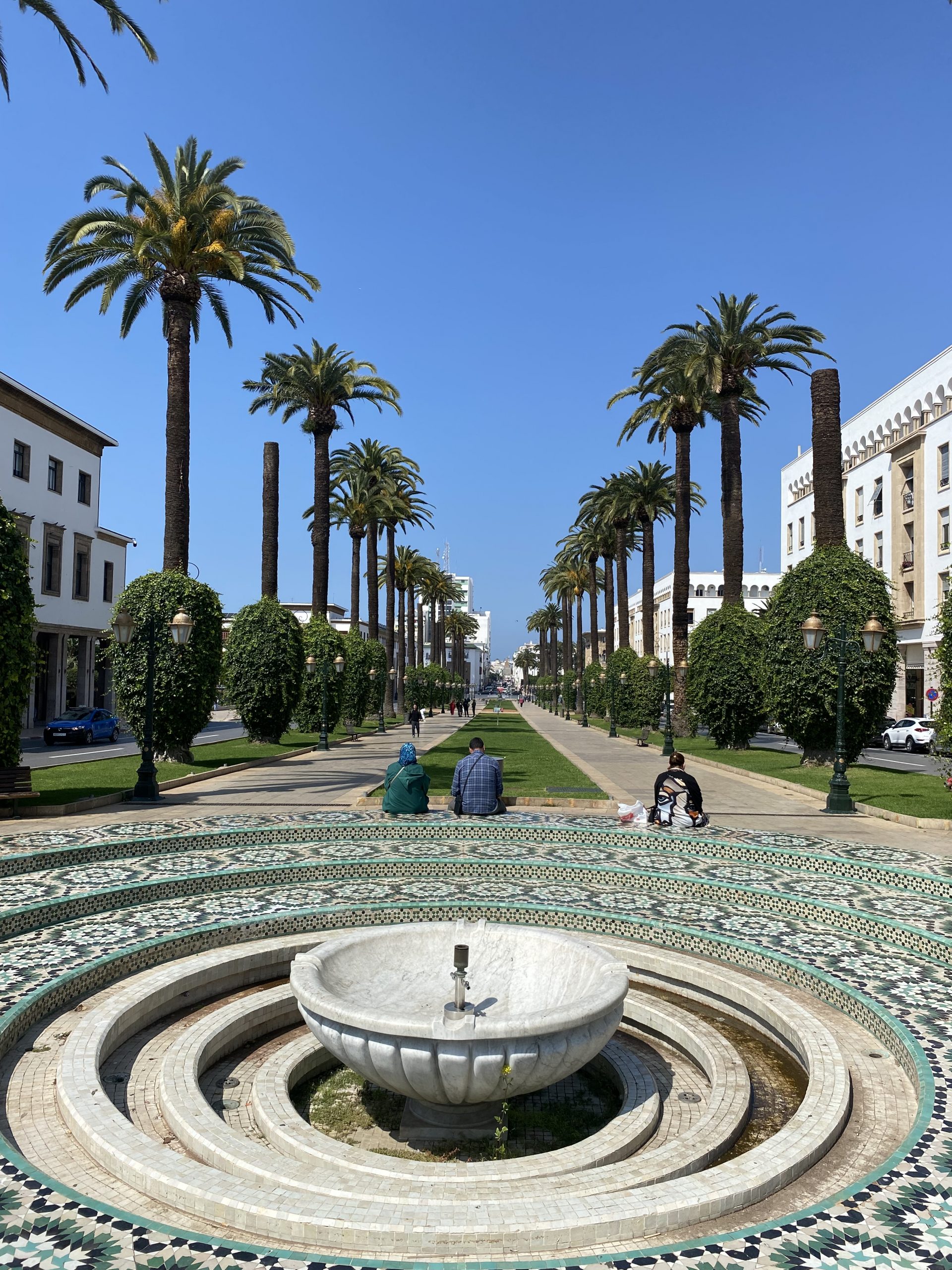
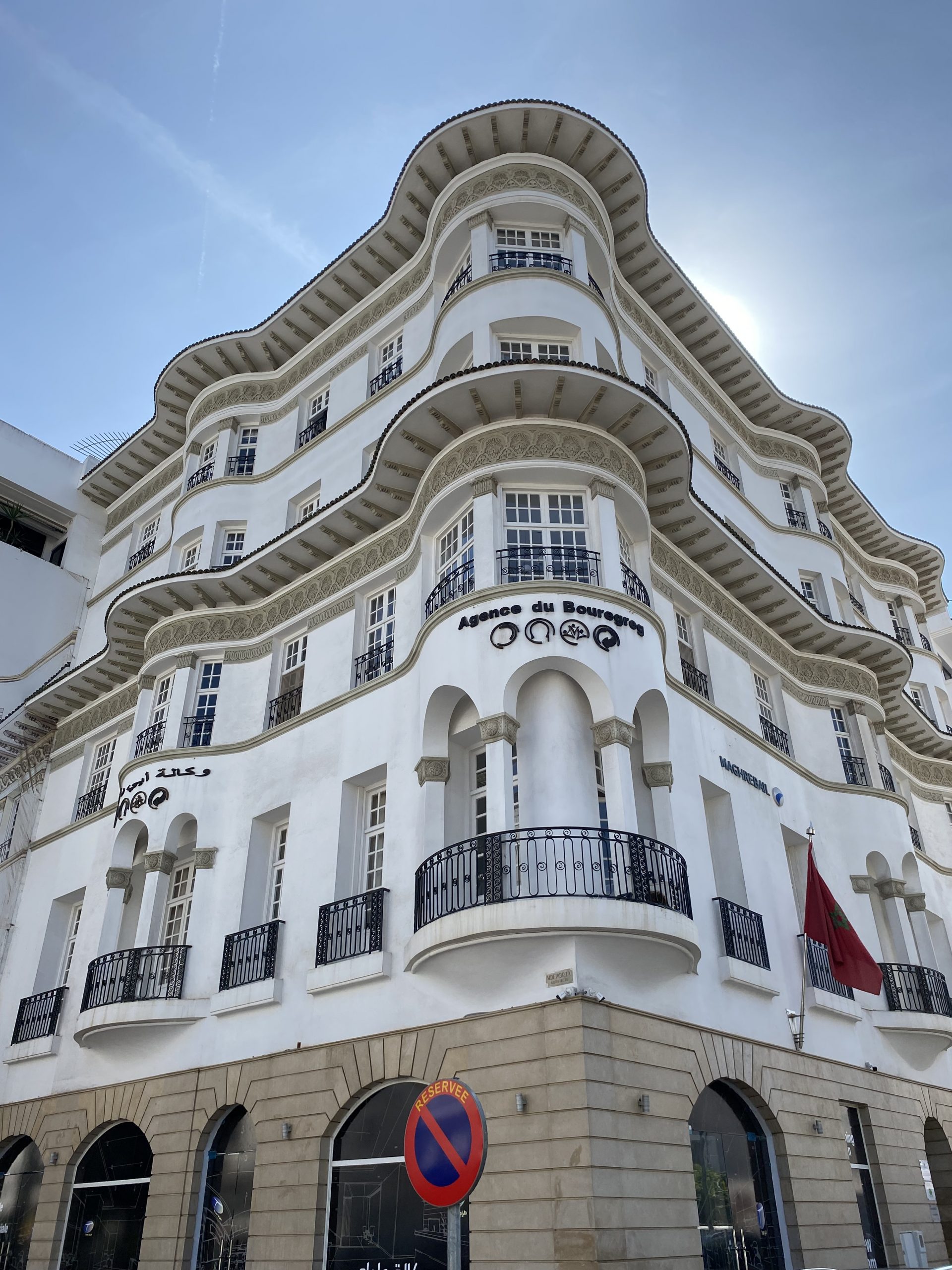
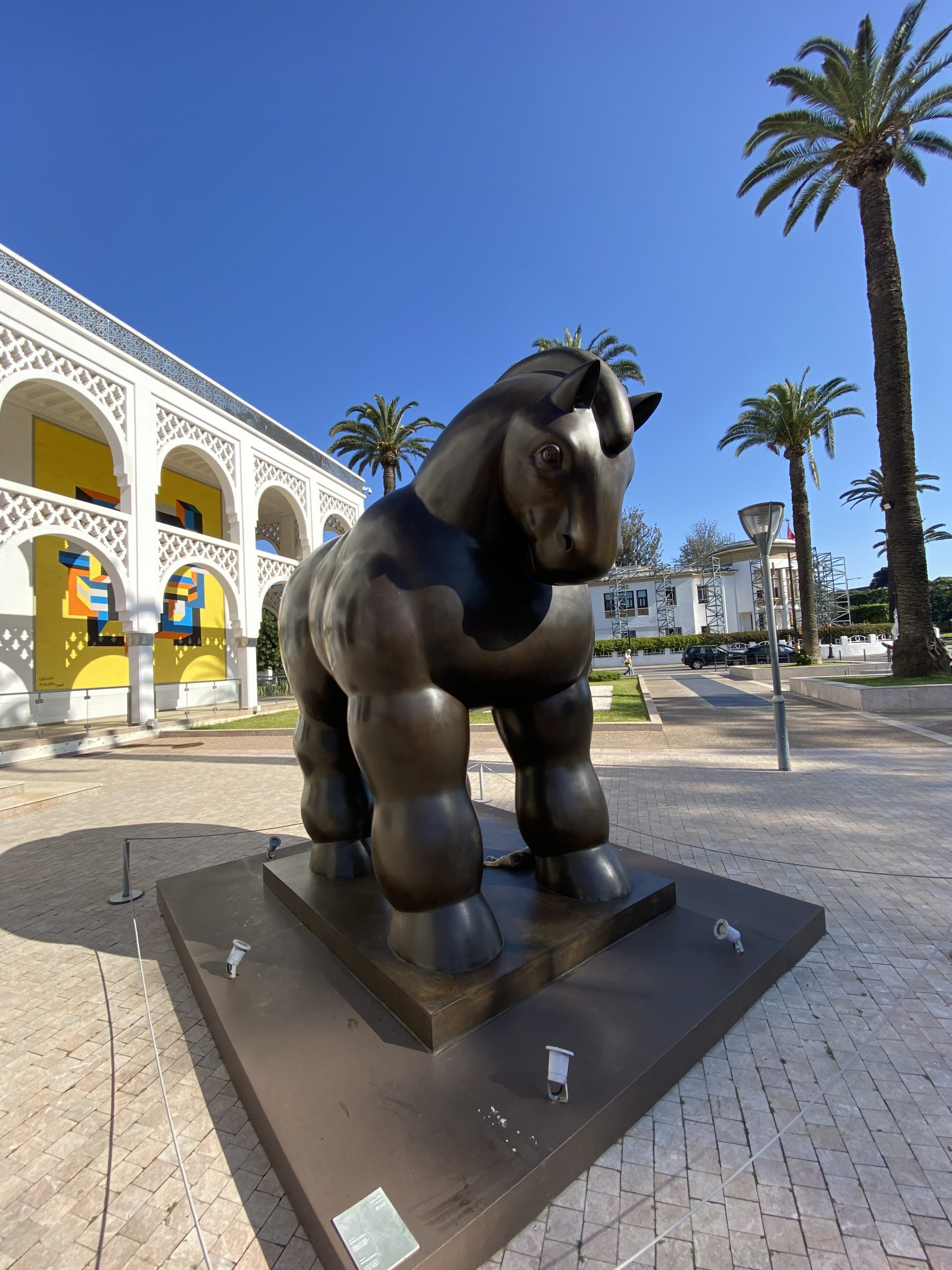
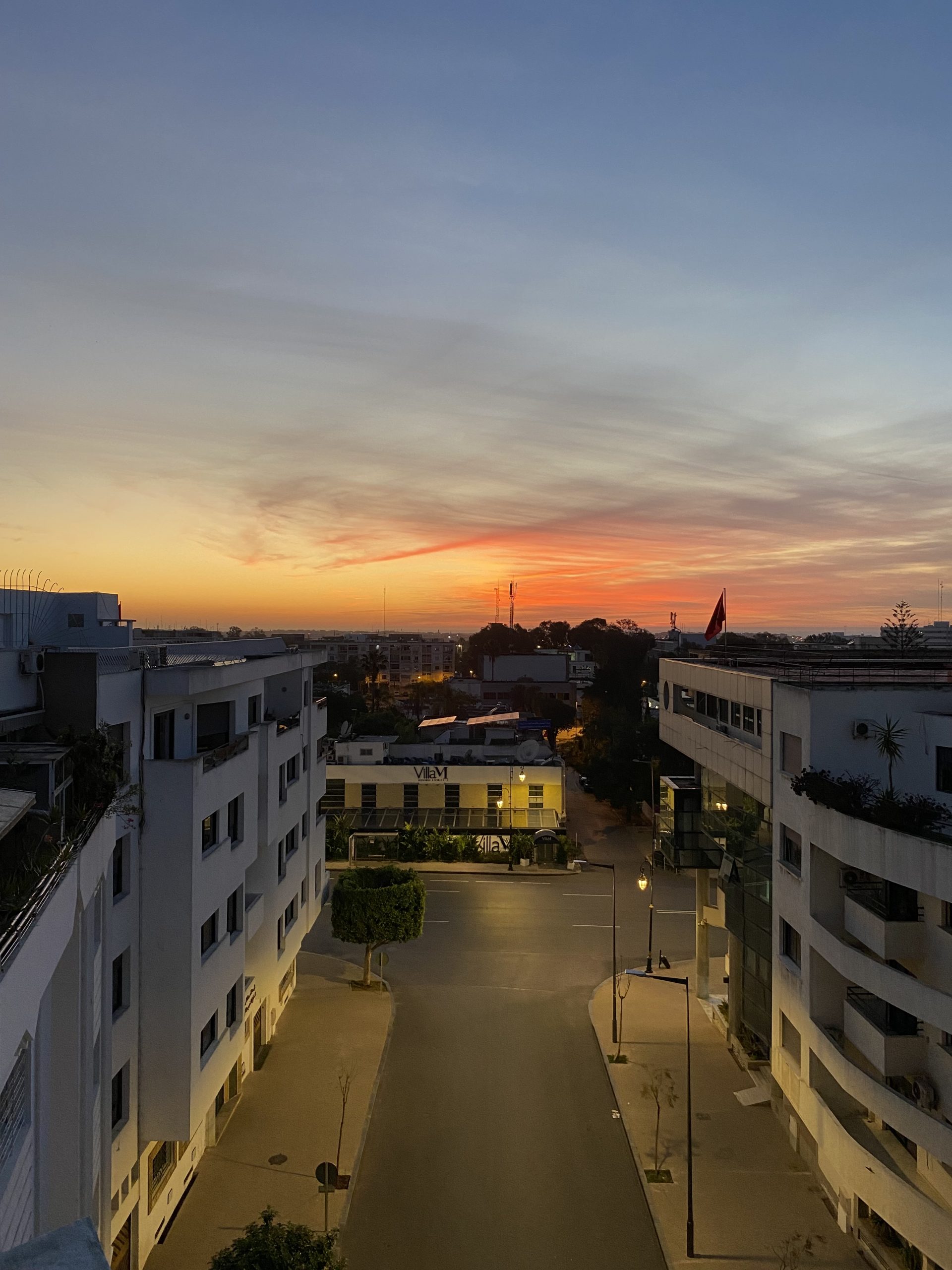
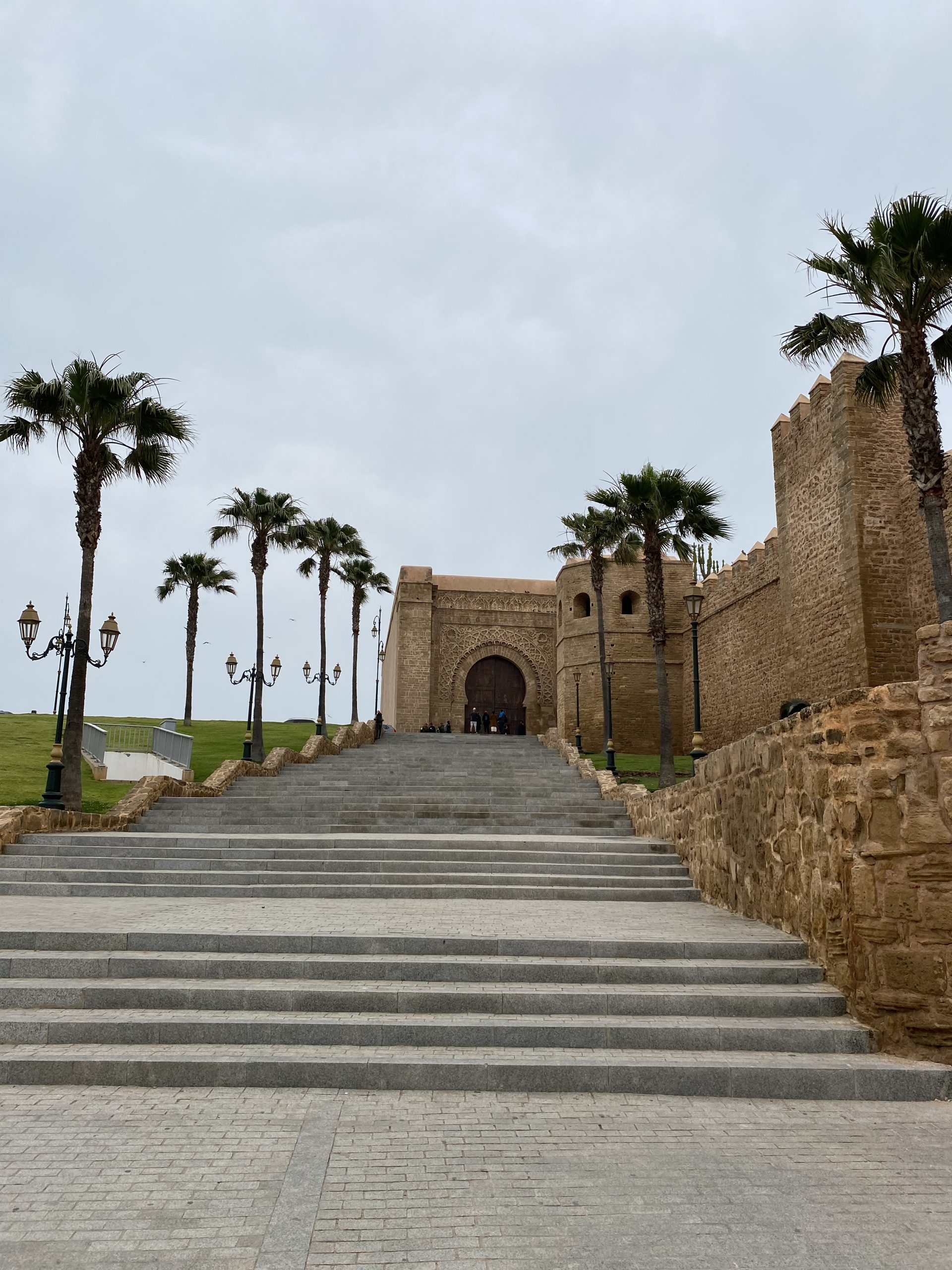
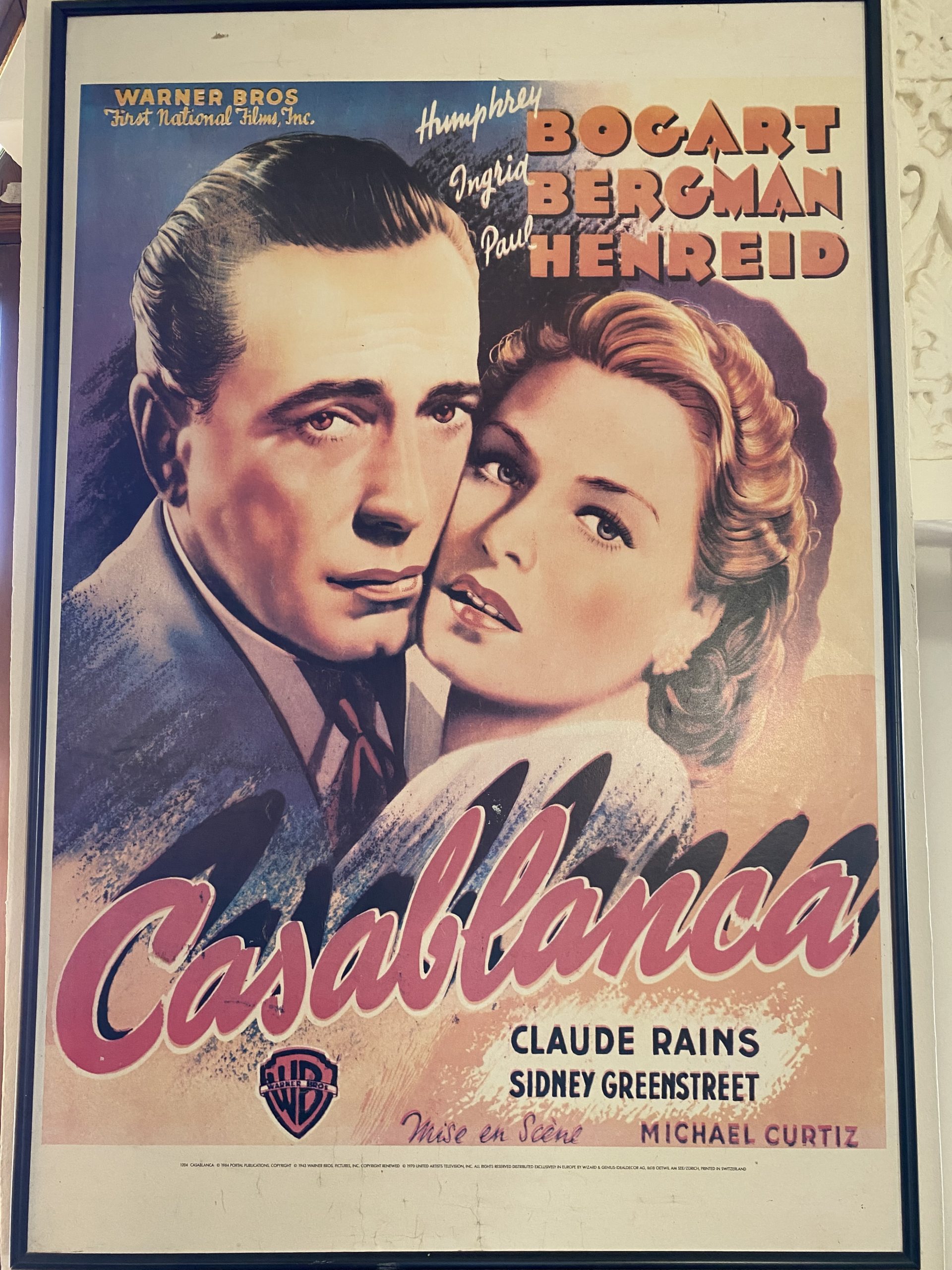
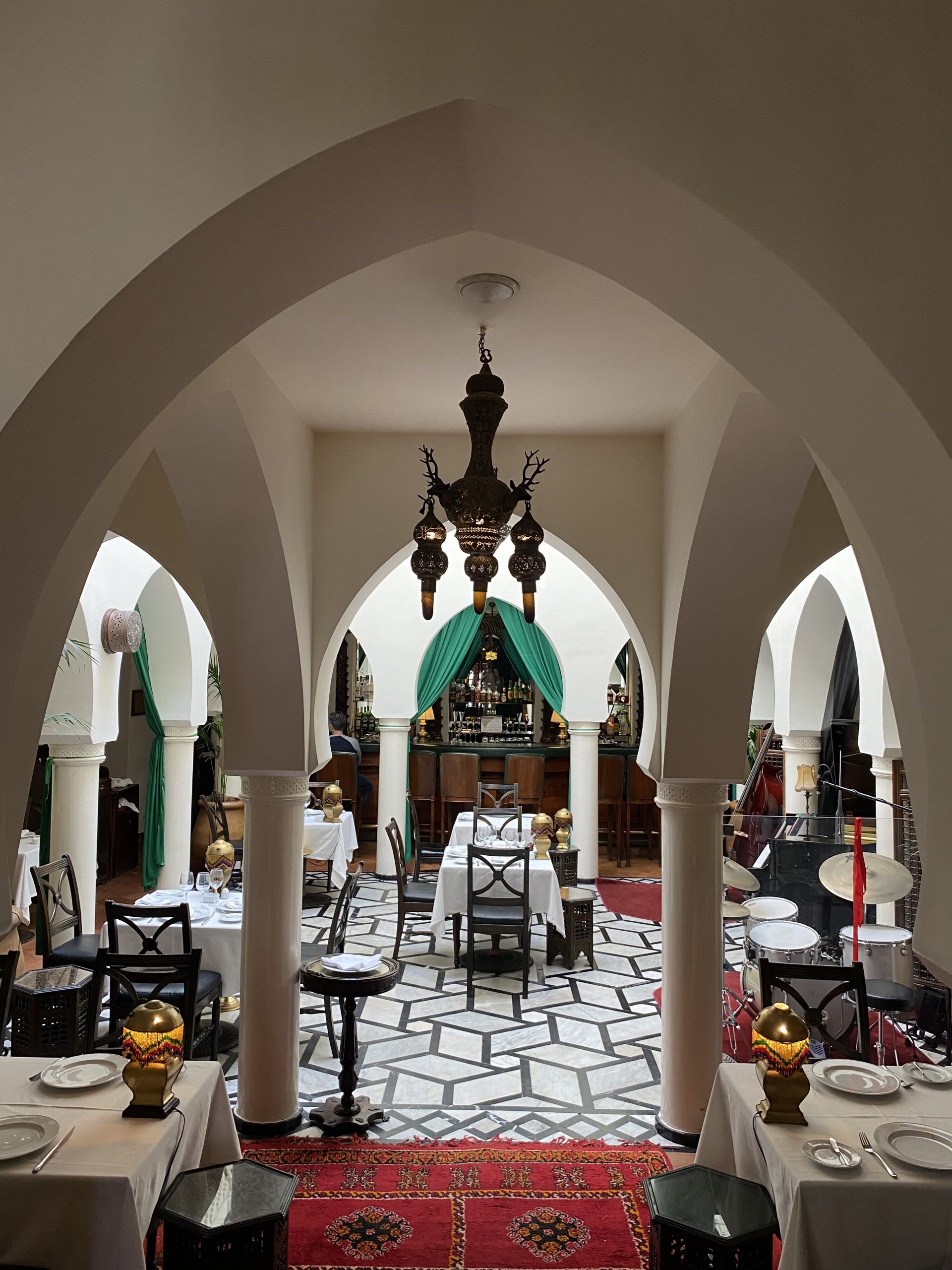
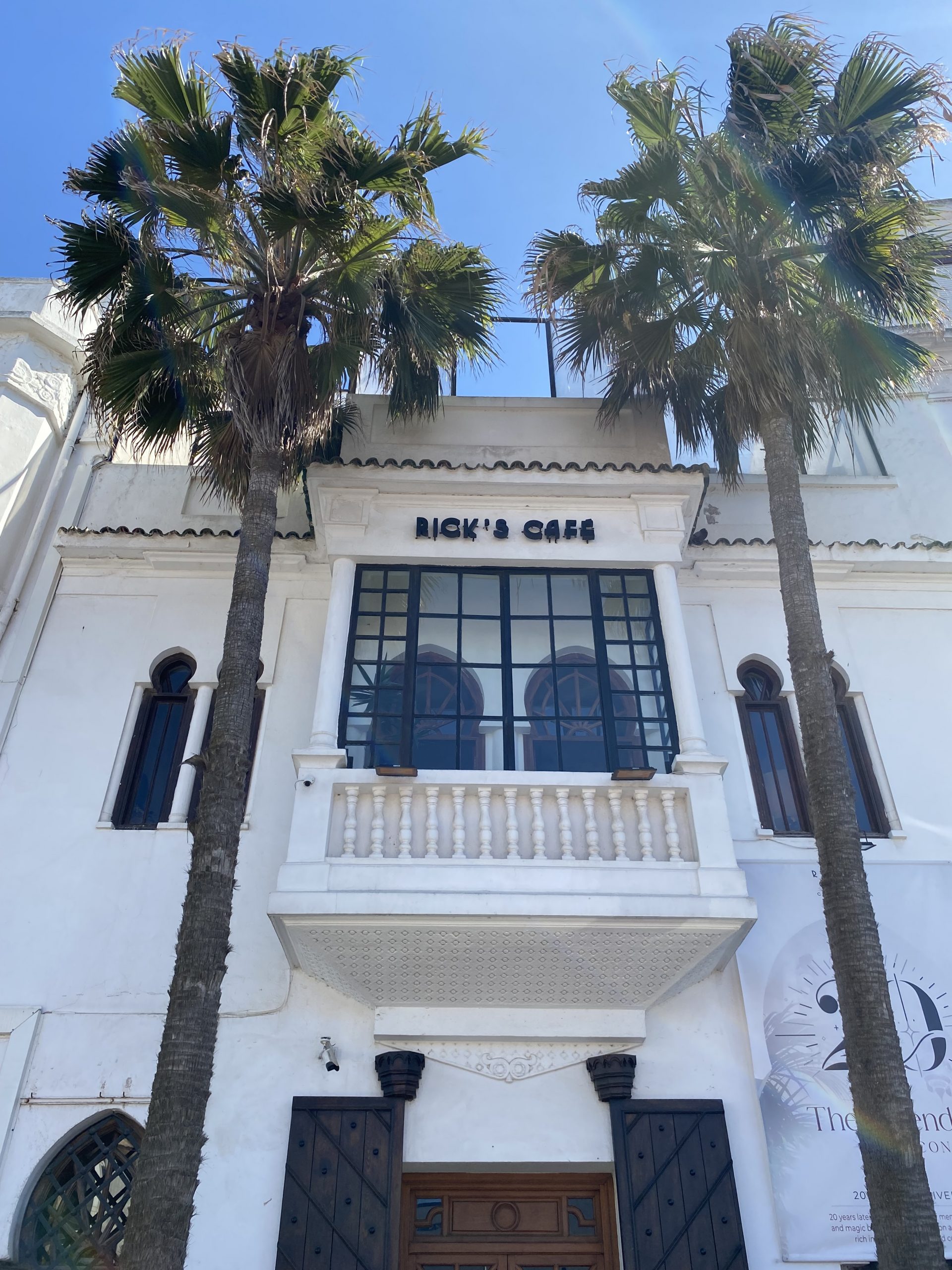
Casablanca is a one-hour distance by train from Rabat. It is the economic capital of Morocco mainly because of its port and other industries. The main attractions can be visited during a day trip from Rabat. I liked to get lost in the narrow street of the not-at-all touristic medina and finally to find myself in front of the famous Rick´s Café from the movie Casablanca… It is worth to go inside and have a drink. It feels like a time travel and what is behind the doors is a disruption from the surrounding area.
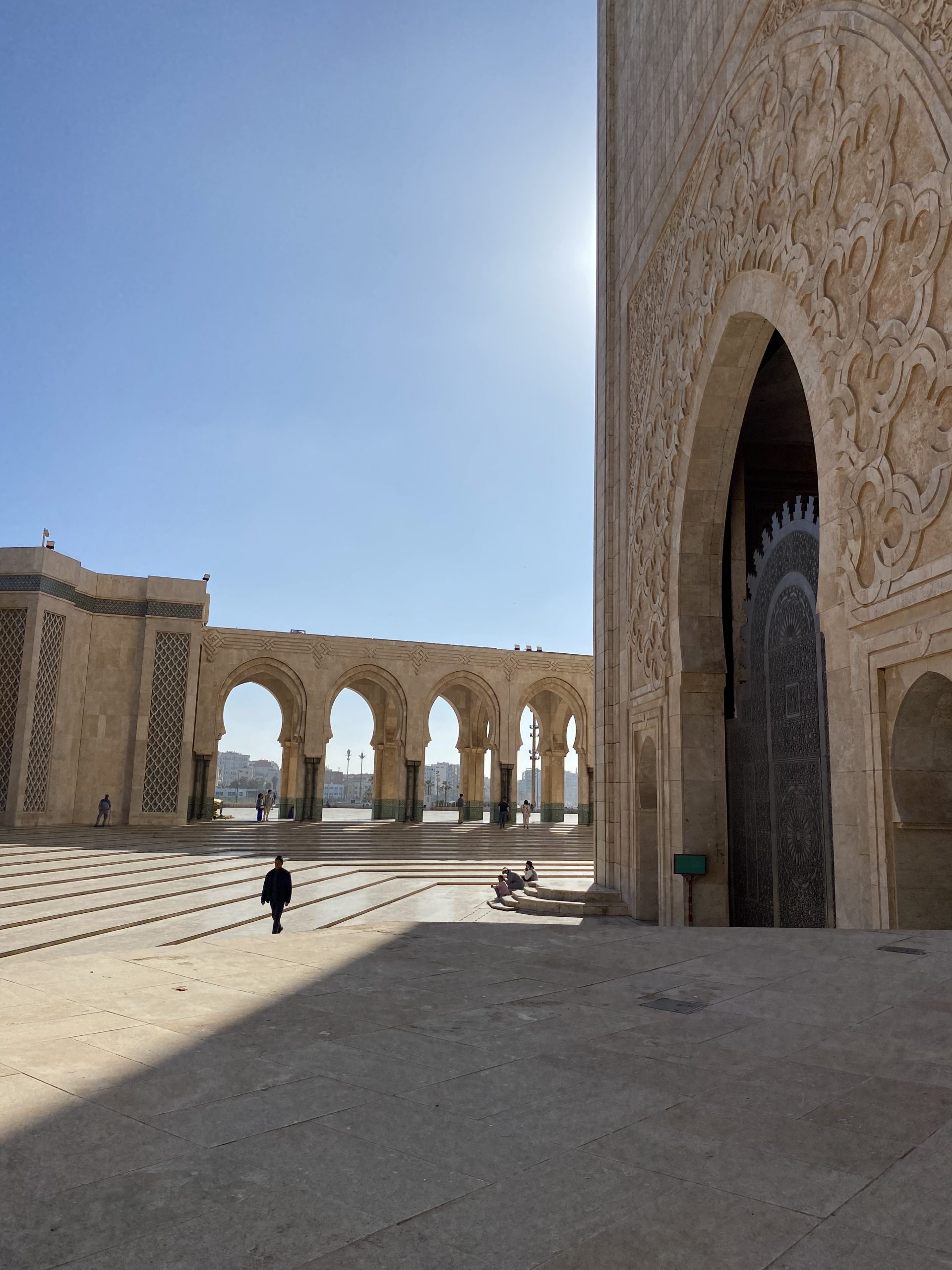
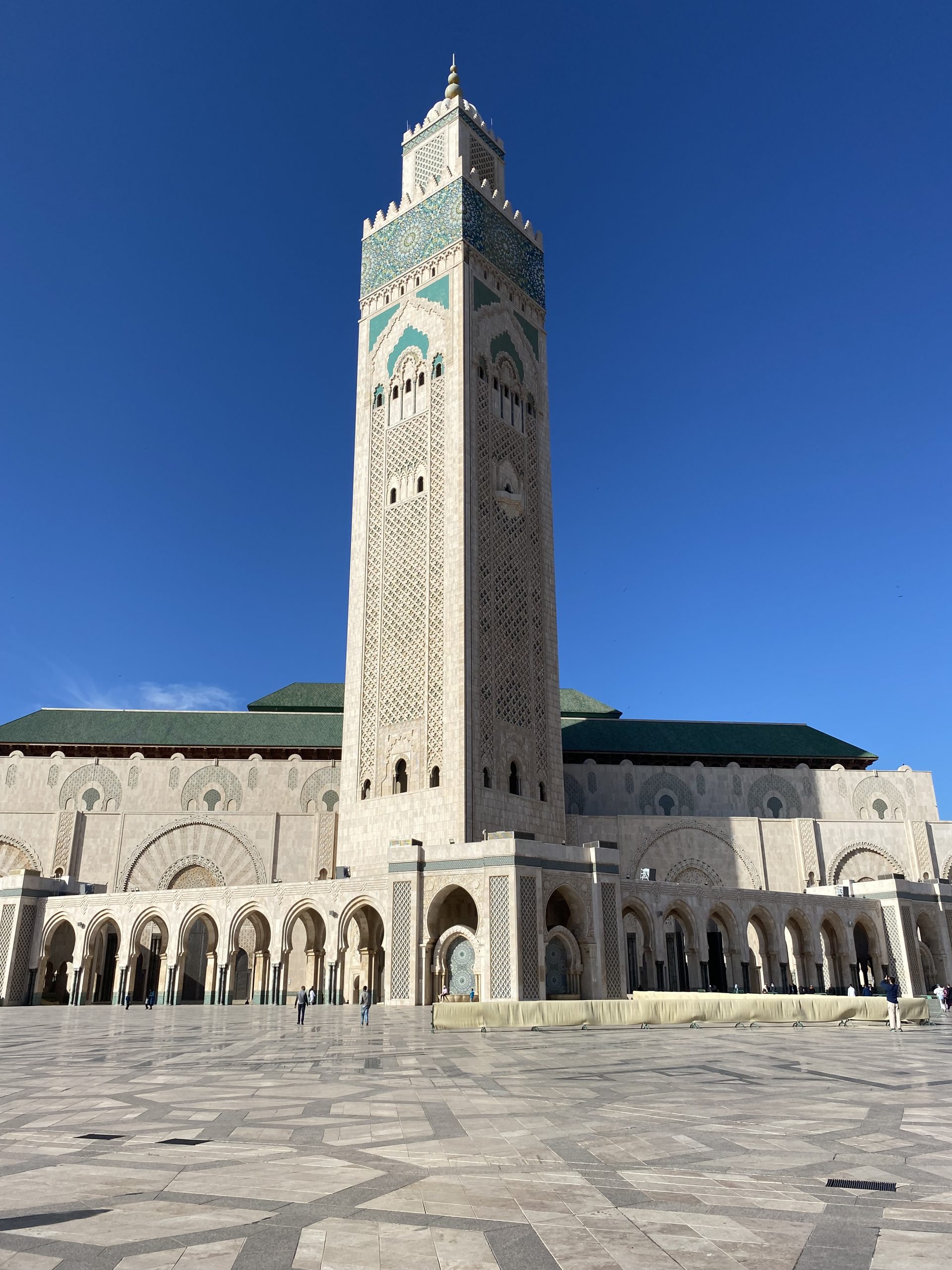
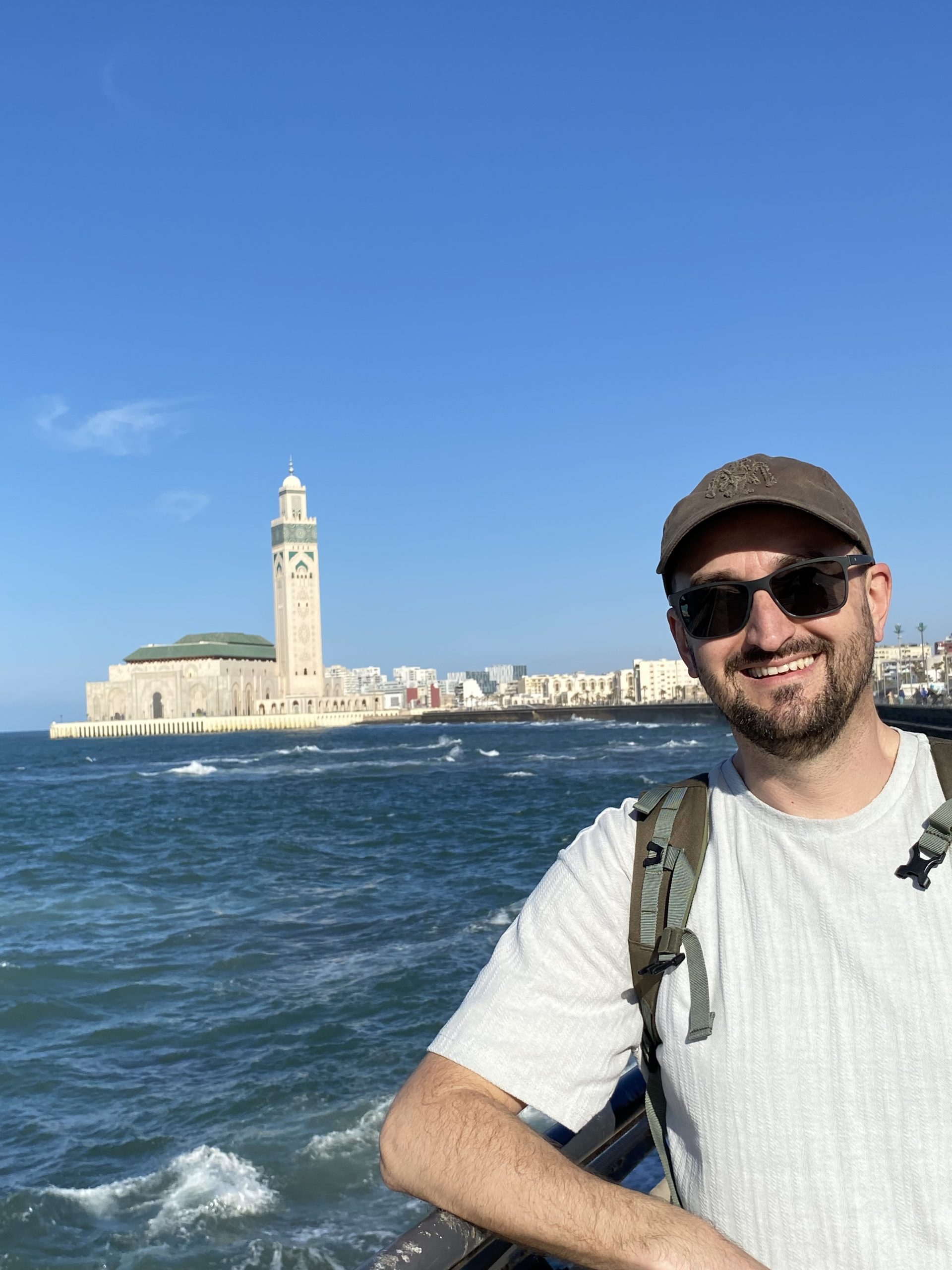
From there, the impressive Hassan II Mosque is just 10 minutes’ walk away. After admiring the architecture and dimensions of the mosque, I recommend a walk on the seaside. Don´t forget to look back from time to time! There are nice views of the mosque from the Corniche.
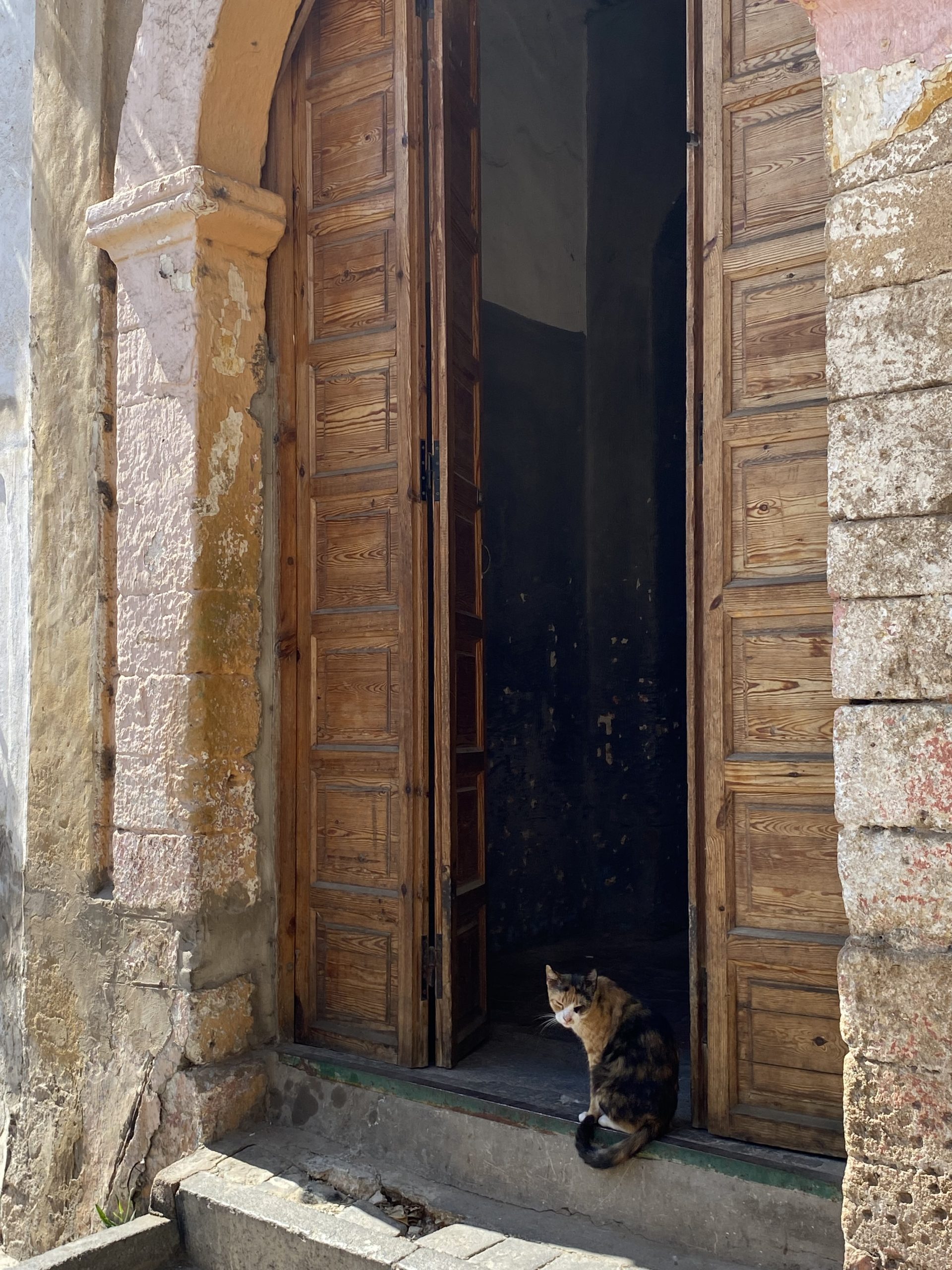
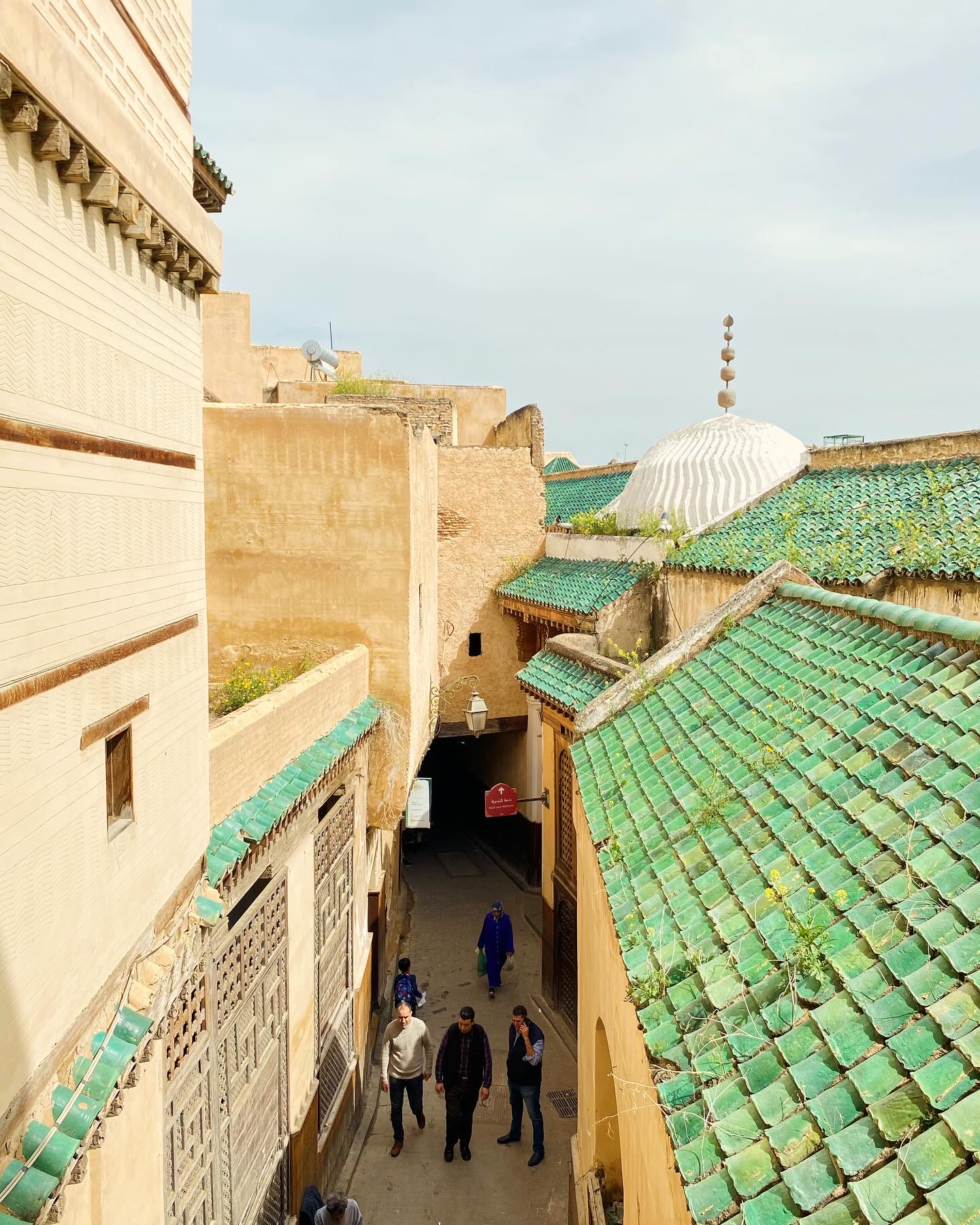
Fez, the cultural and spiritual capital of Morocco holds several “world records”. It has the largest medina, the oldest university, and one of the oldest tanneries in the world, dating back to the 11th century. Besides its mosques and medresses, there are also important Sufi worship places and a large Jewish quarter (“mellah”). You can get easily lost in the endless labyrinth of souks, shops, and craft workshops!
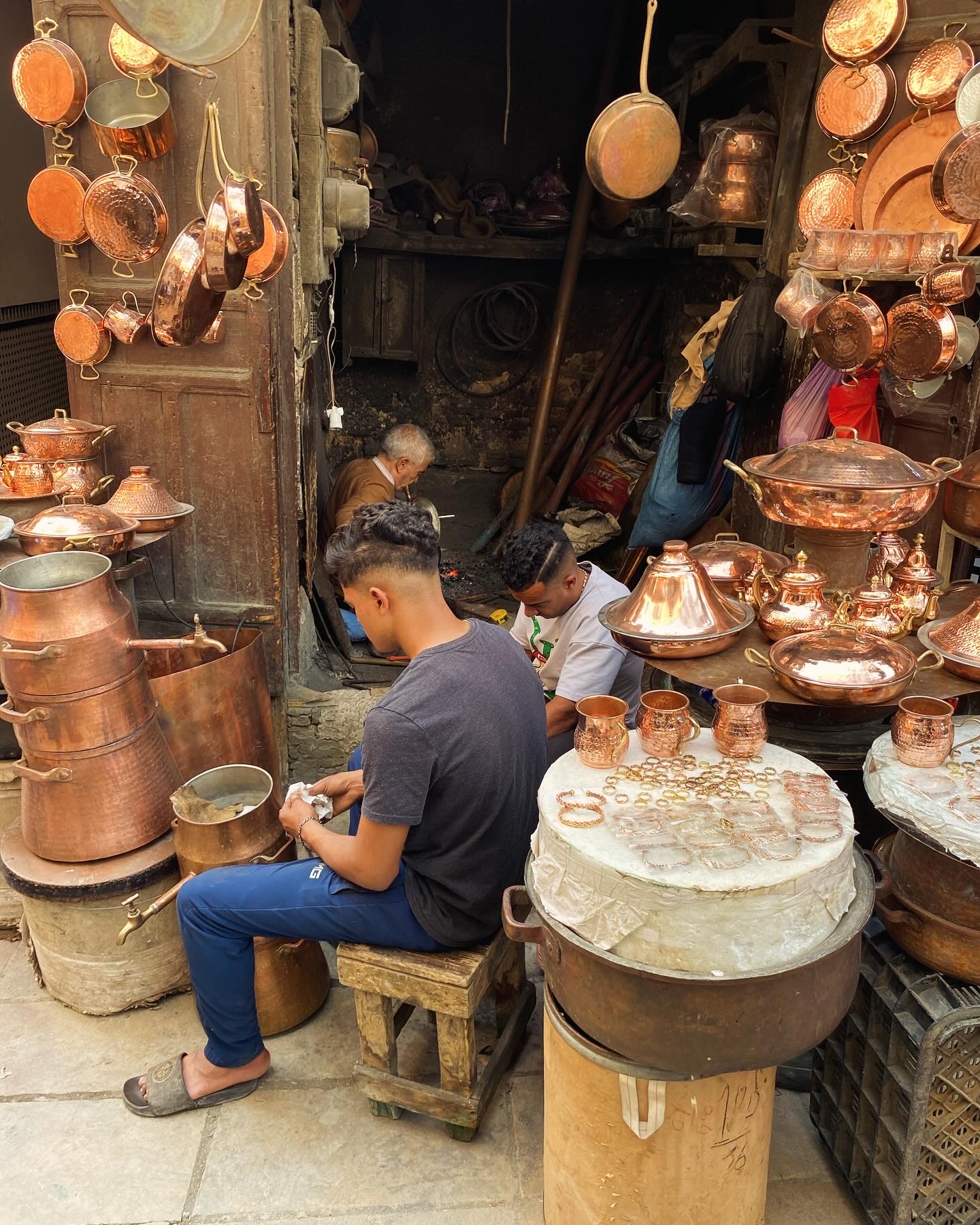
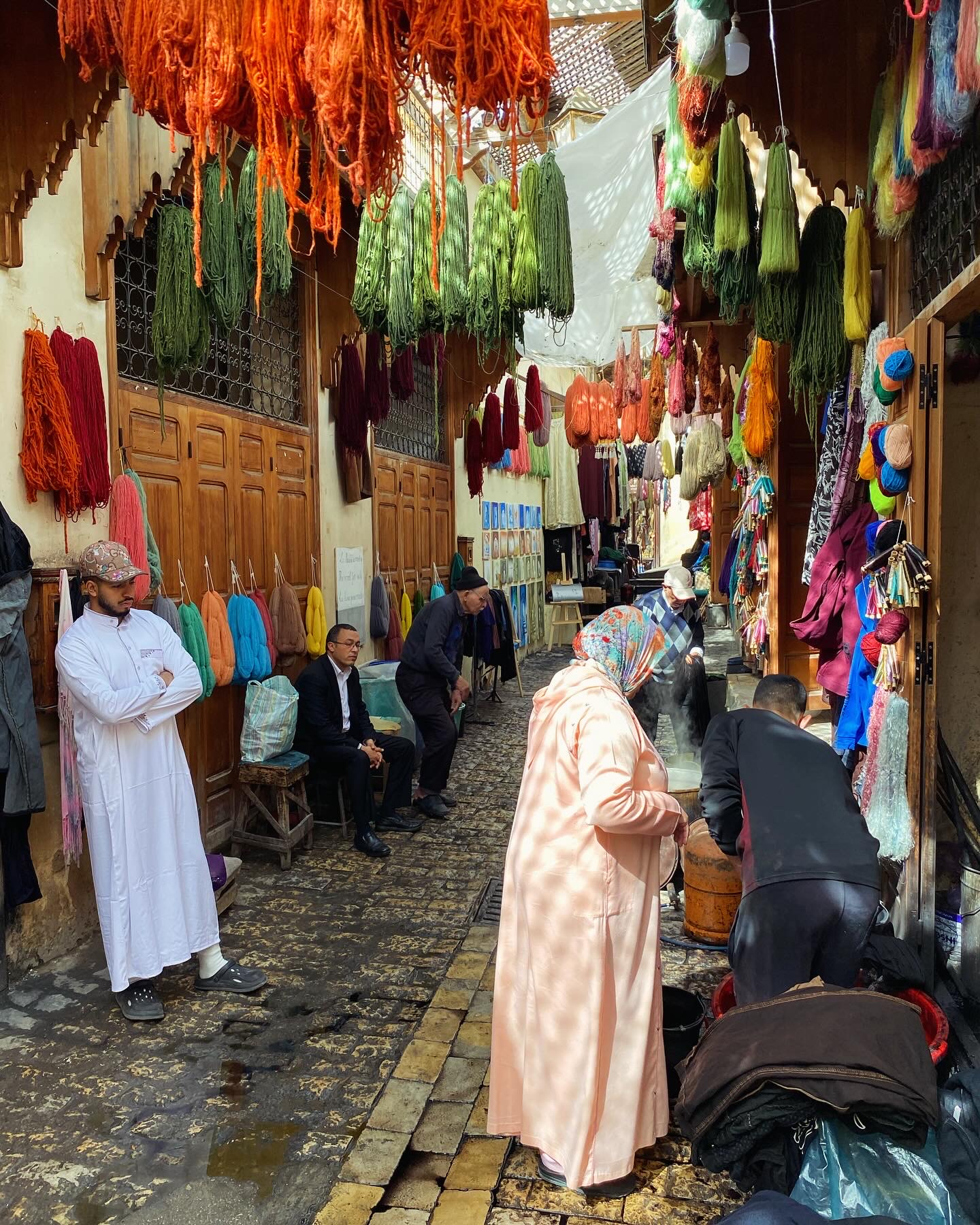
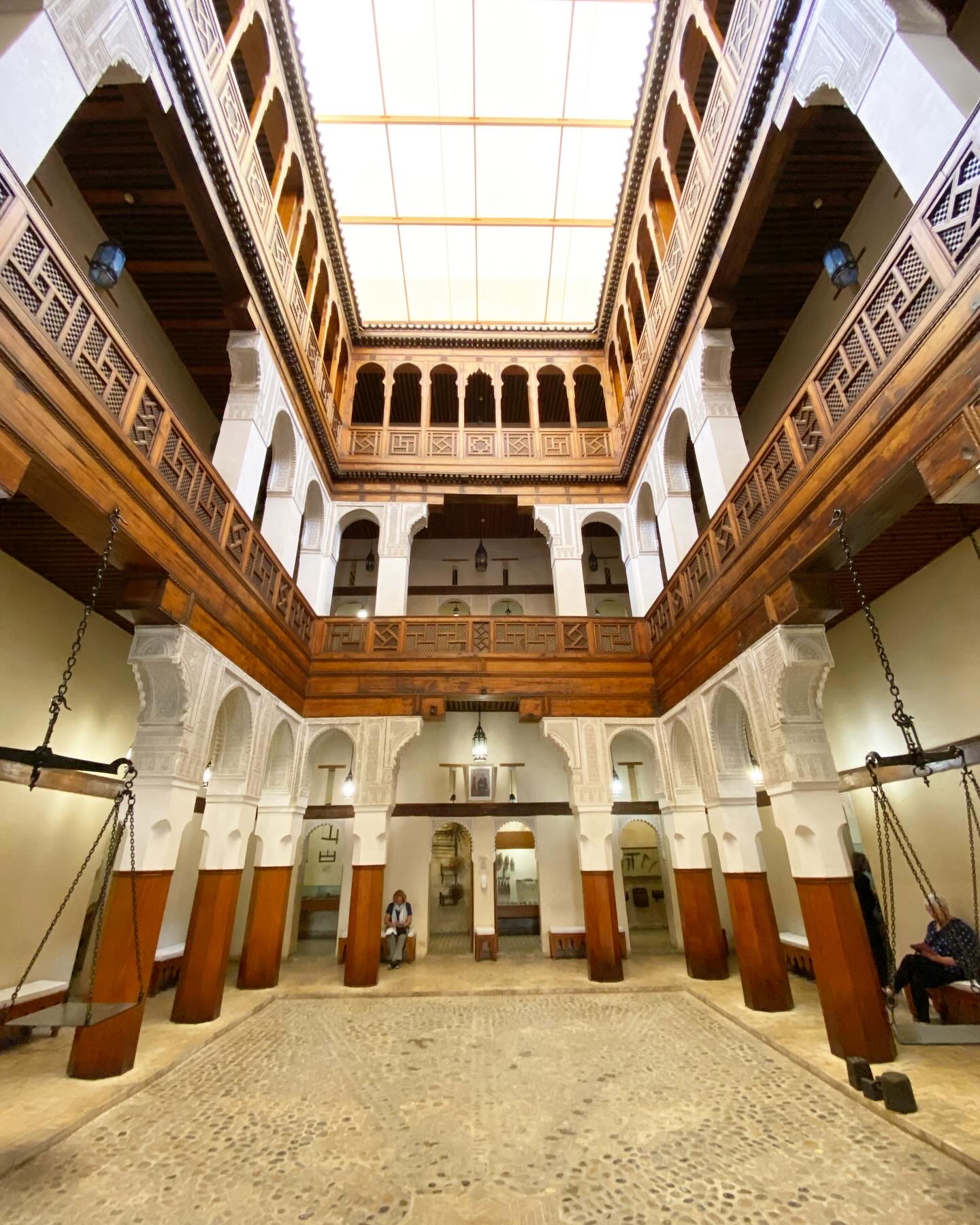
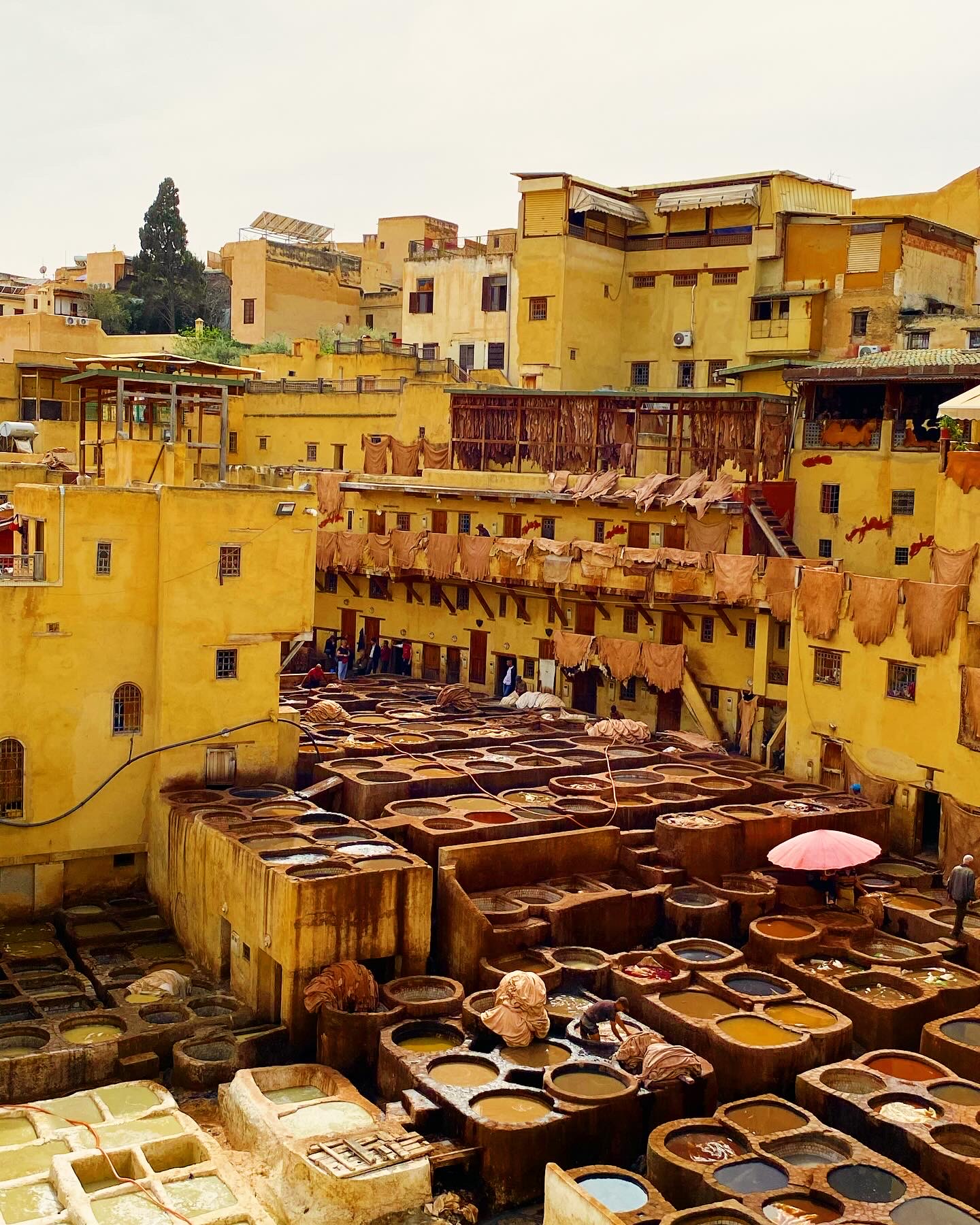
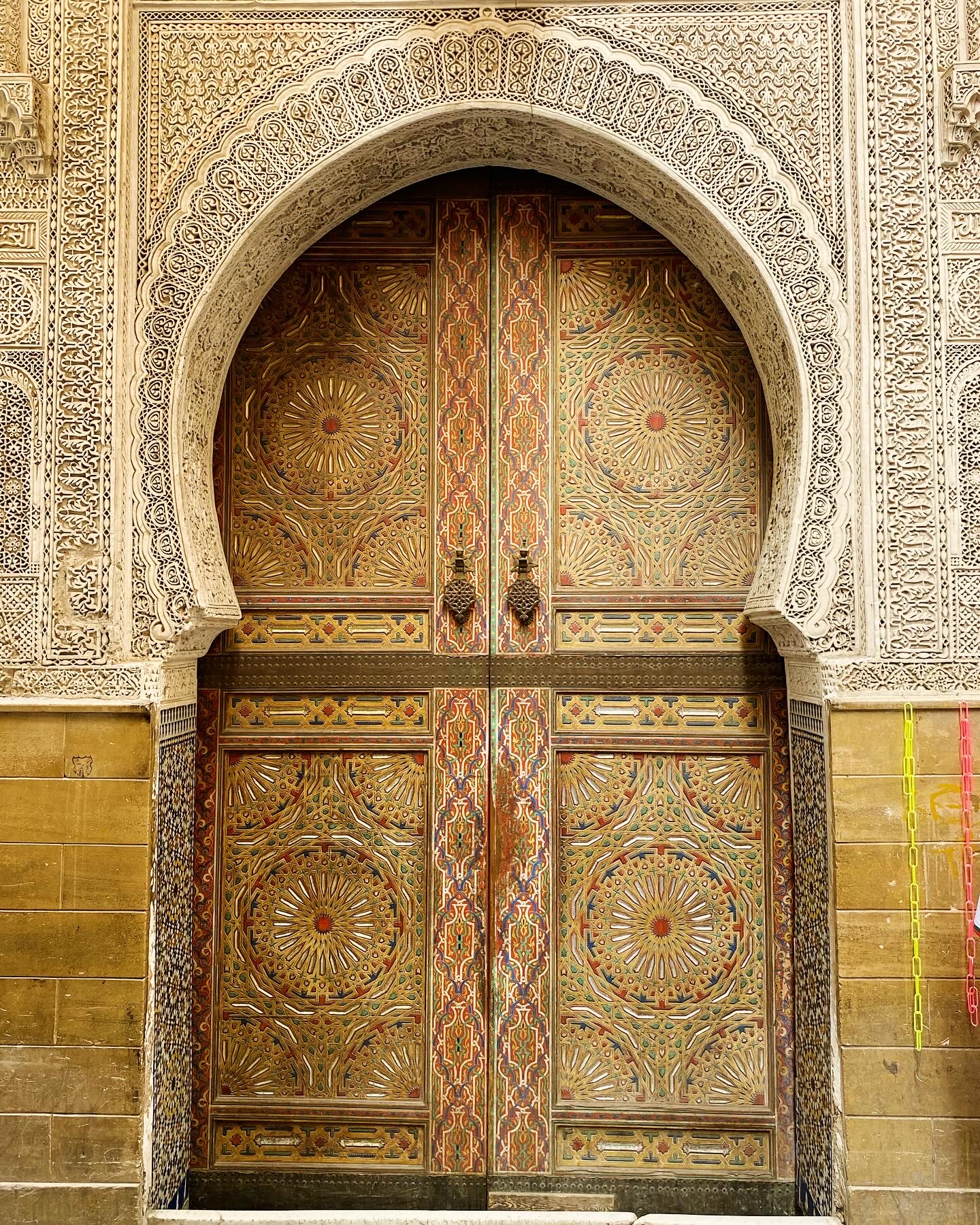
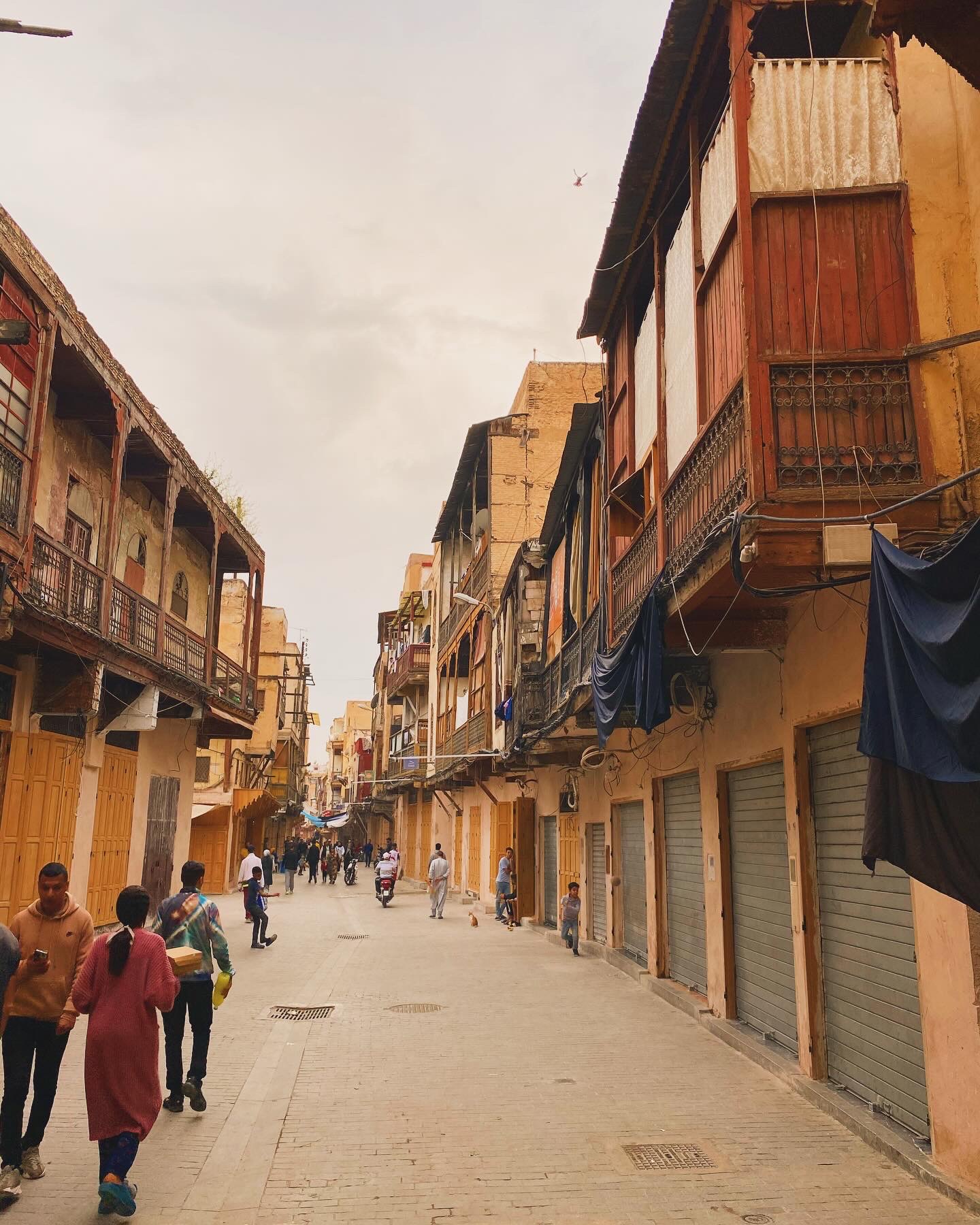
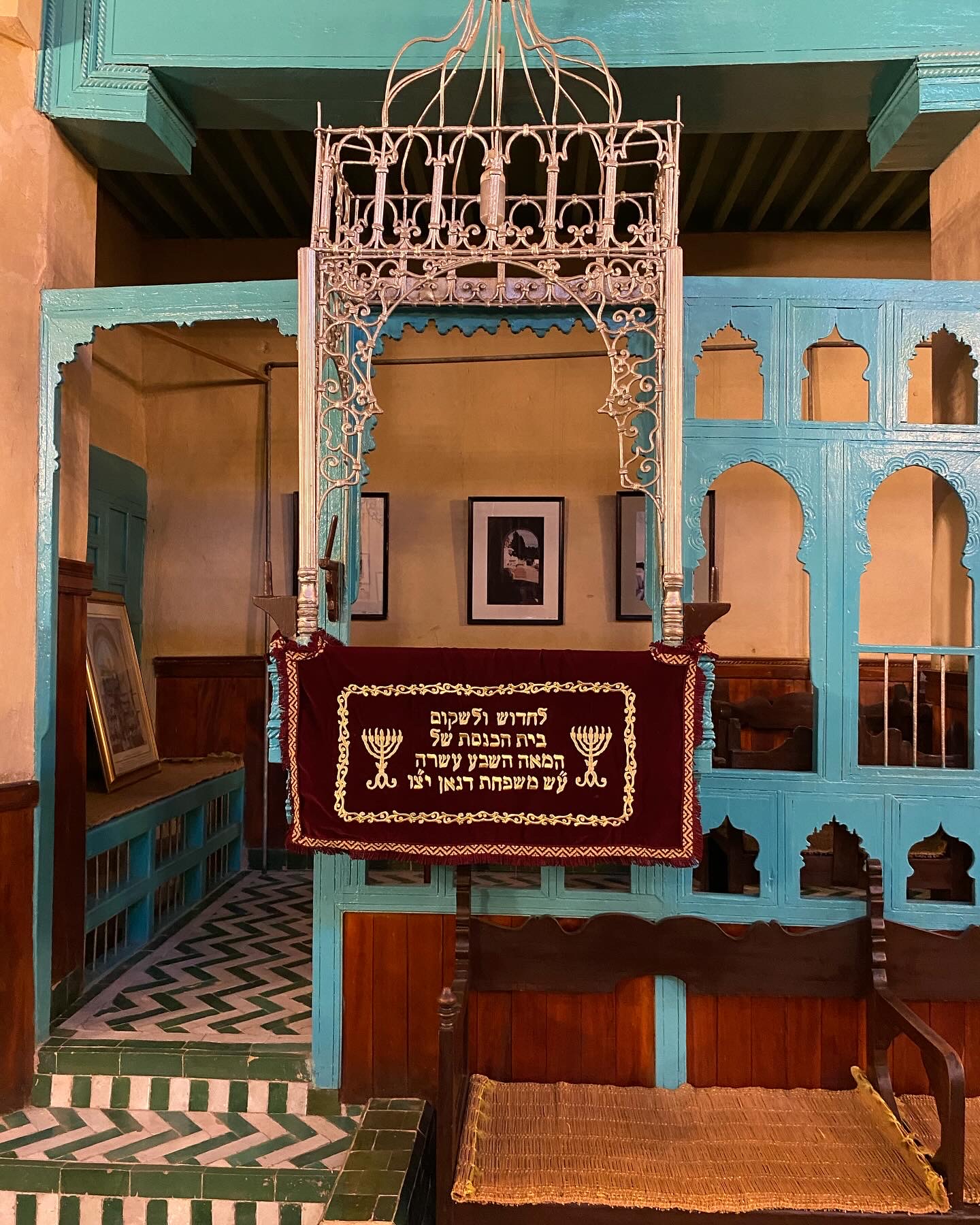
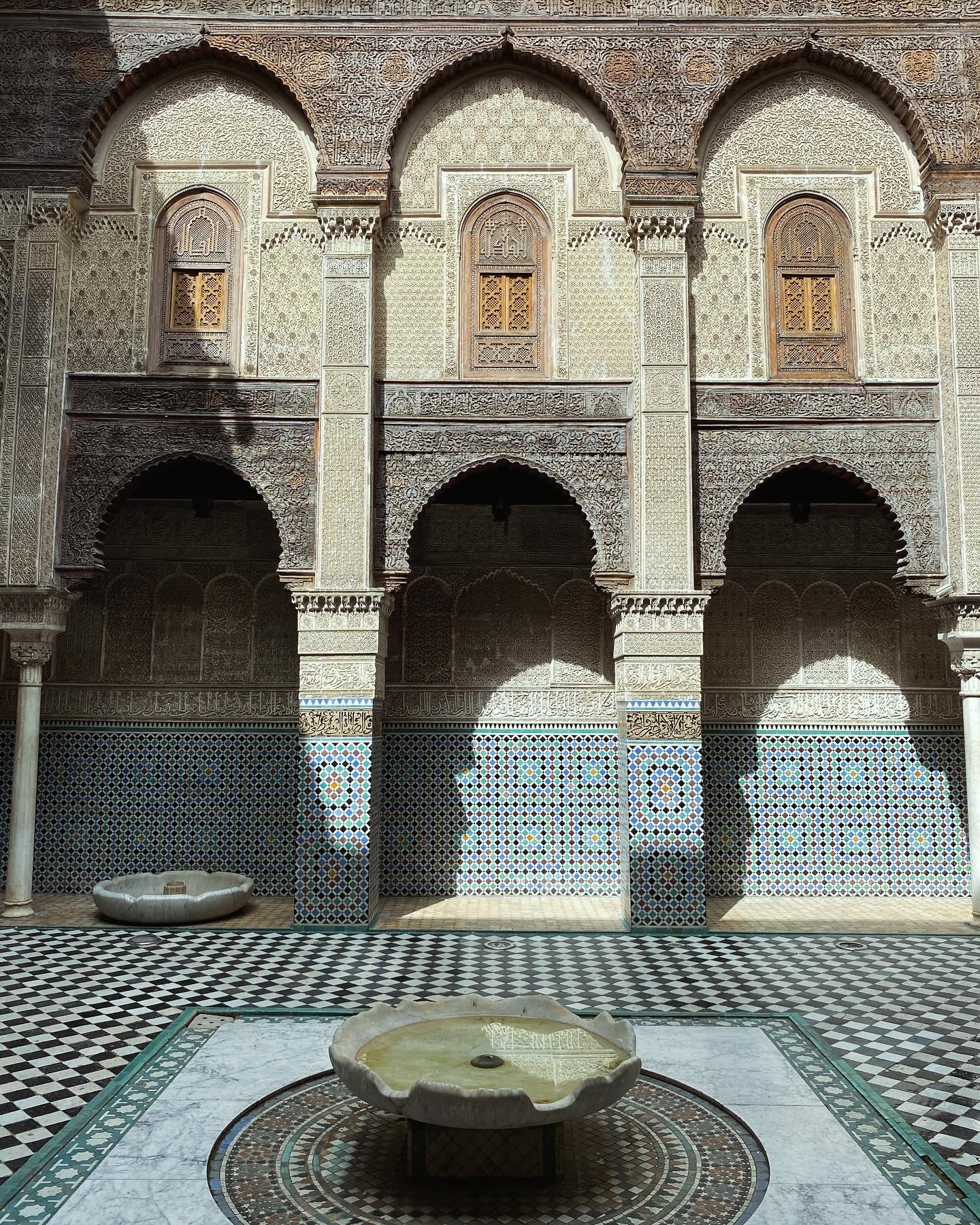
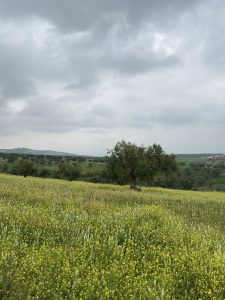
Since the medina can get overwhelming with its loud and busy life, I recommend hiking outside the walls. In just a few minutes you can reach the countryside, enjoy the silence and the green landscape (at least in March, when I was there) and breathe fresh air!
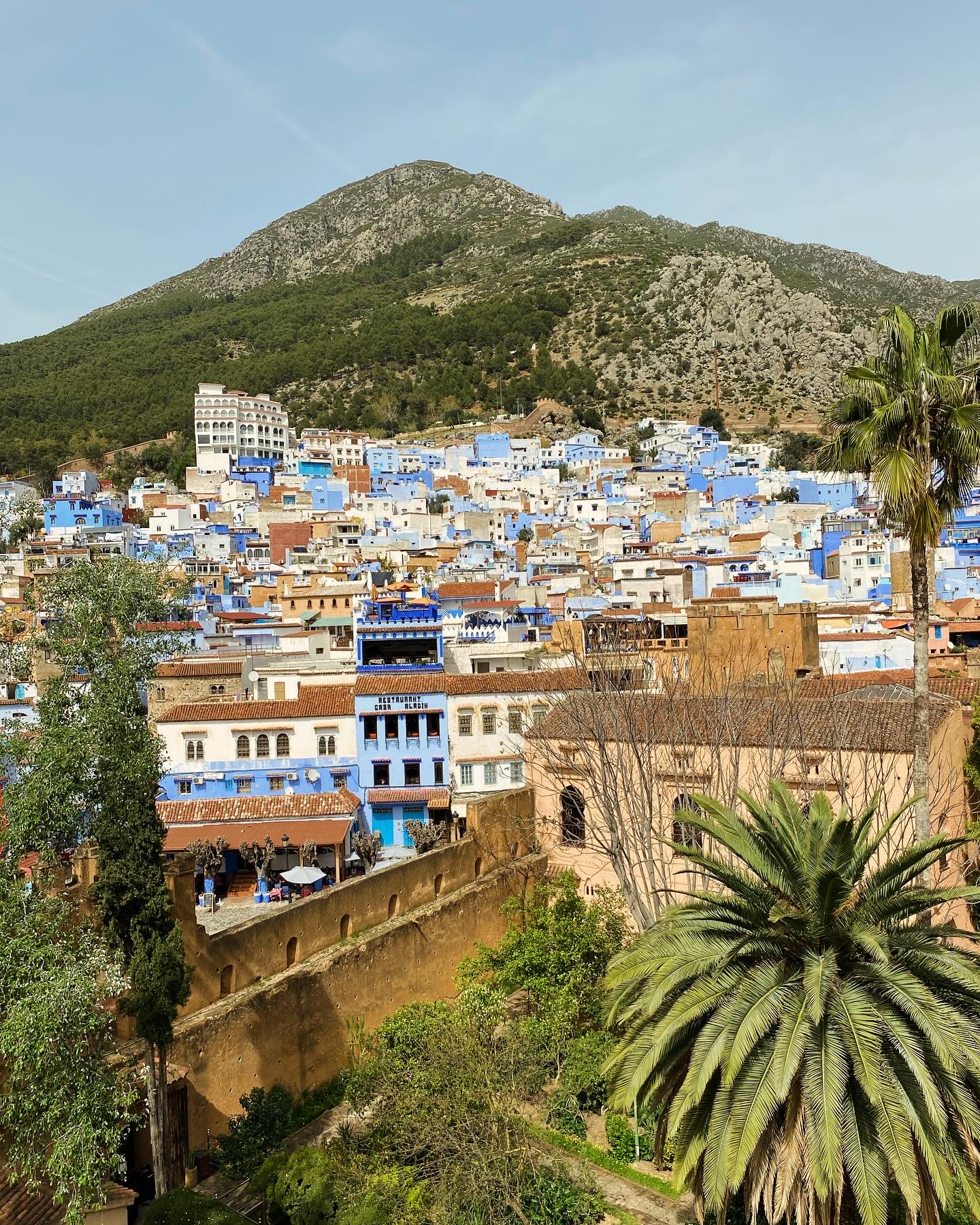
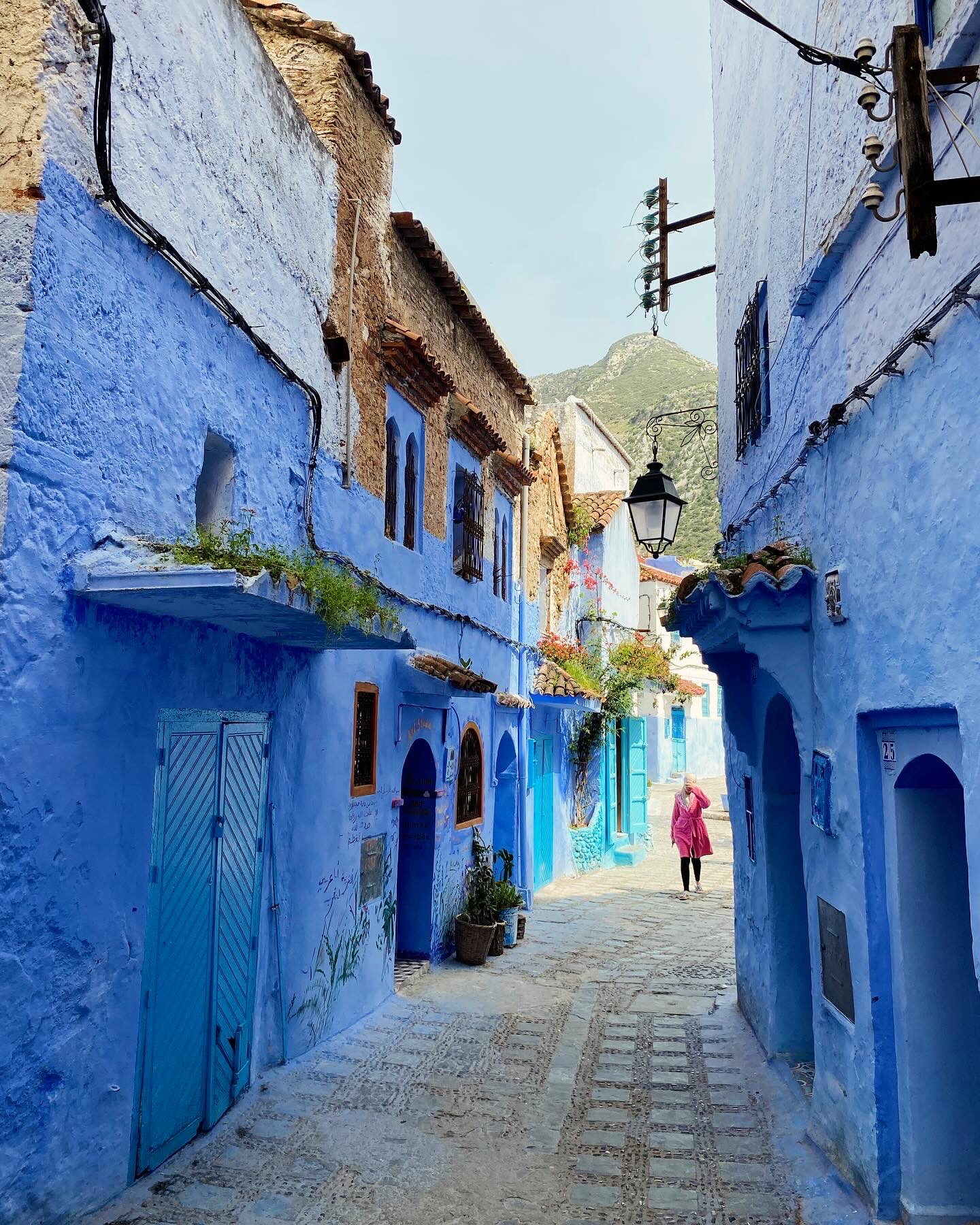
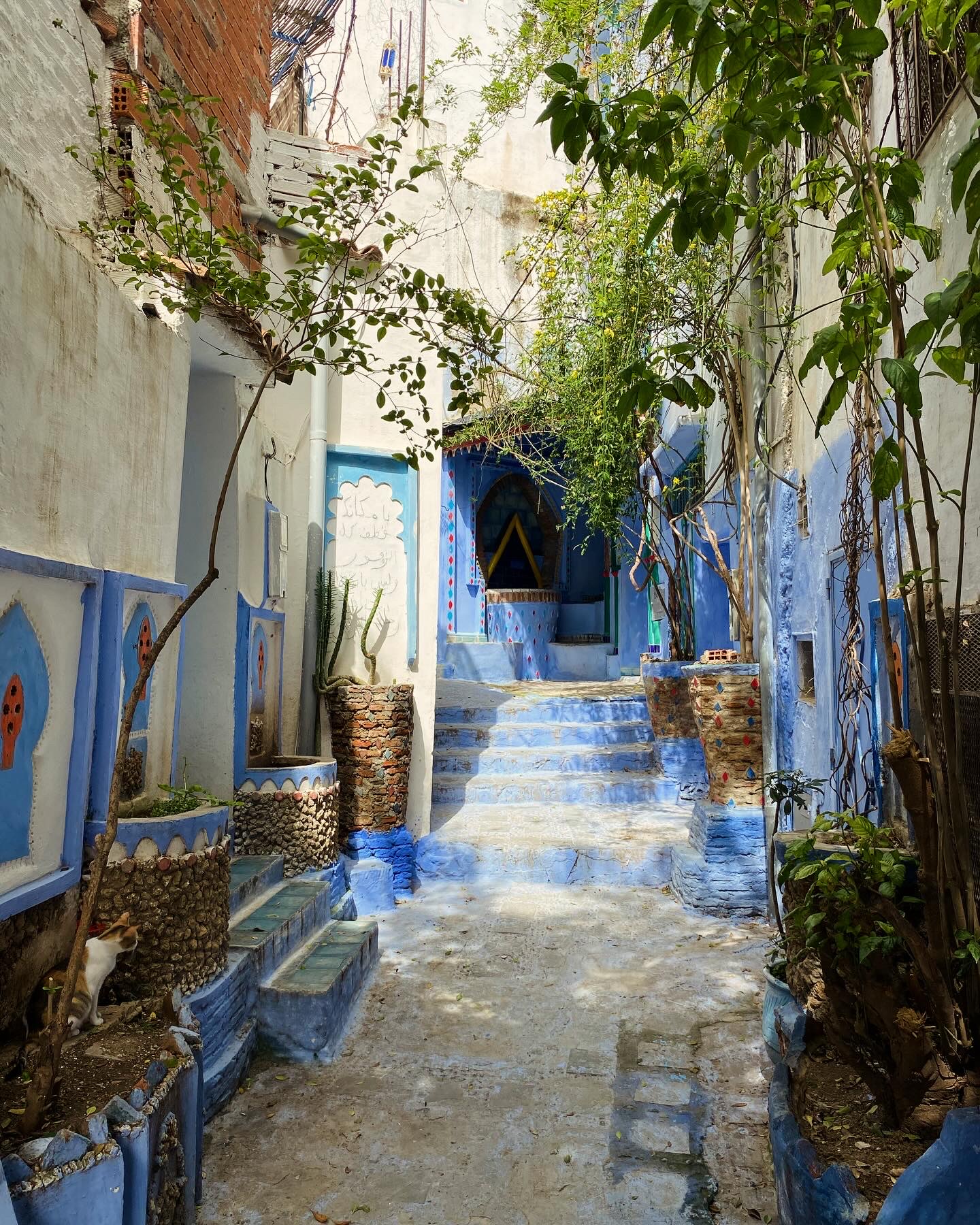
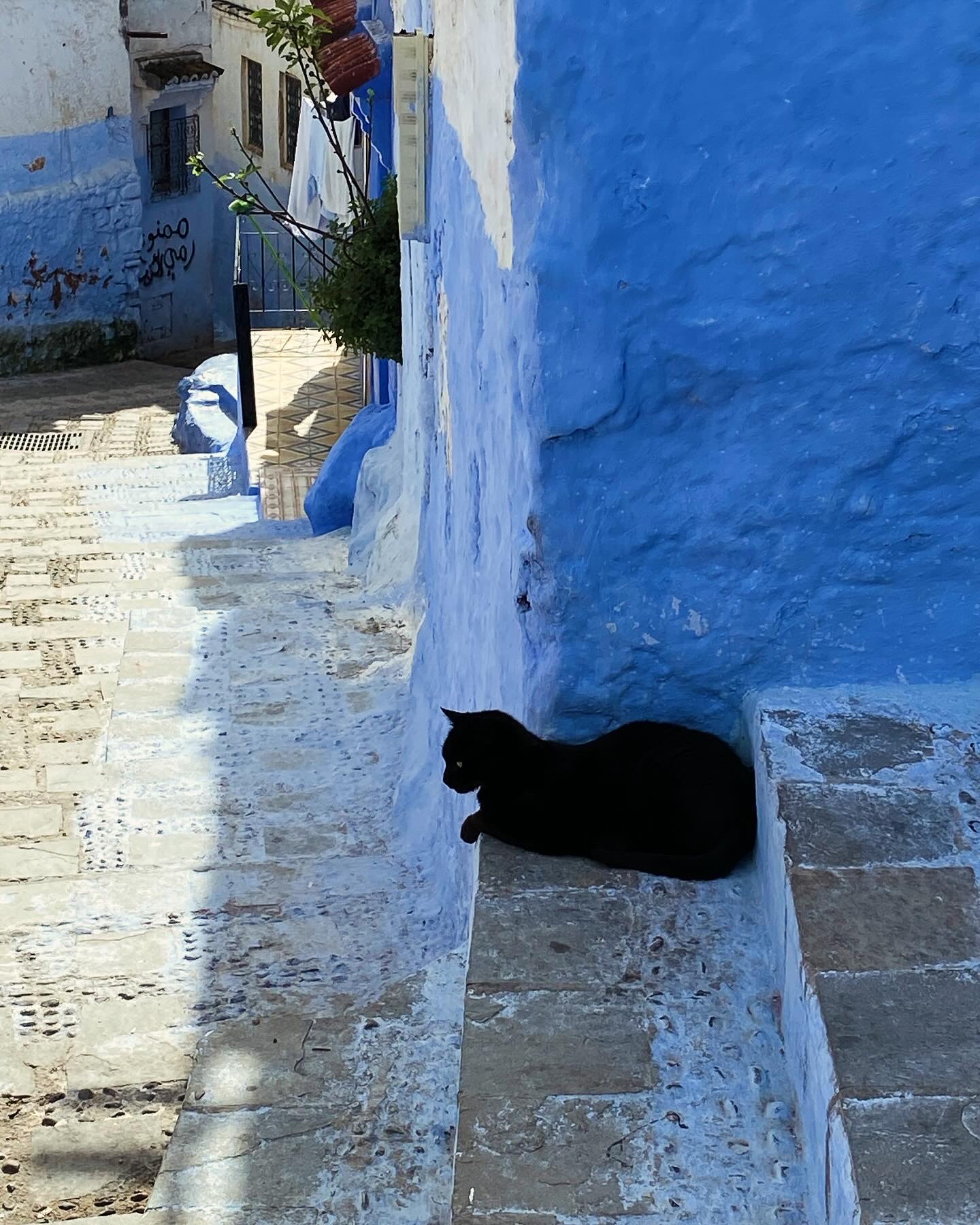
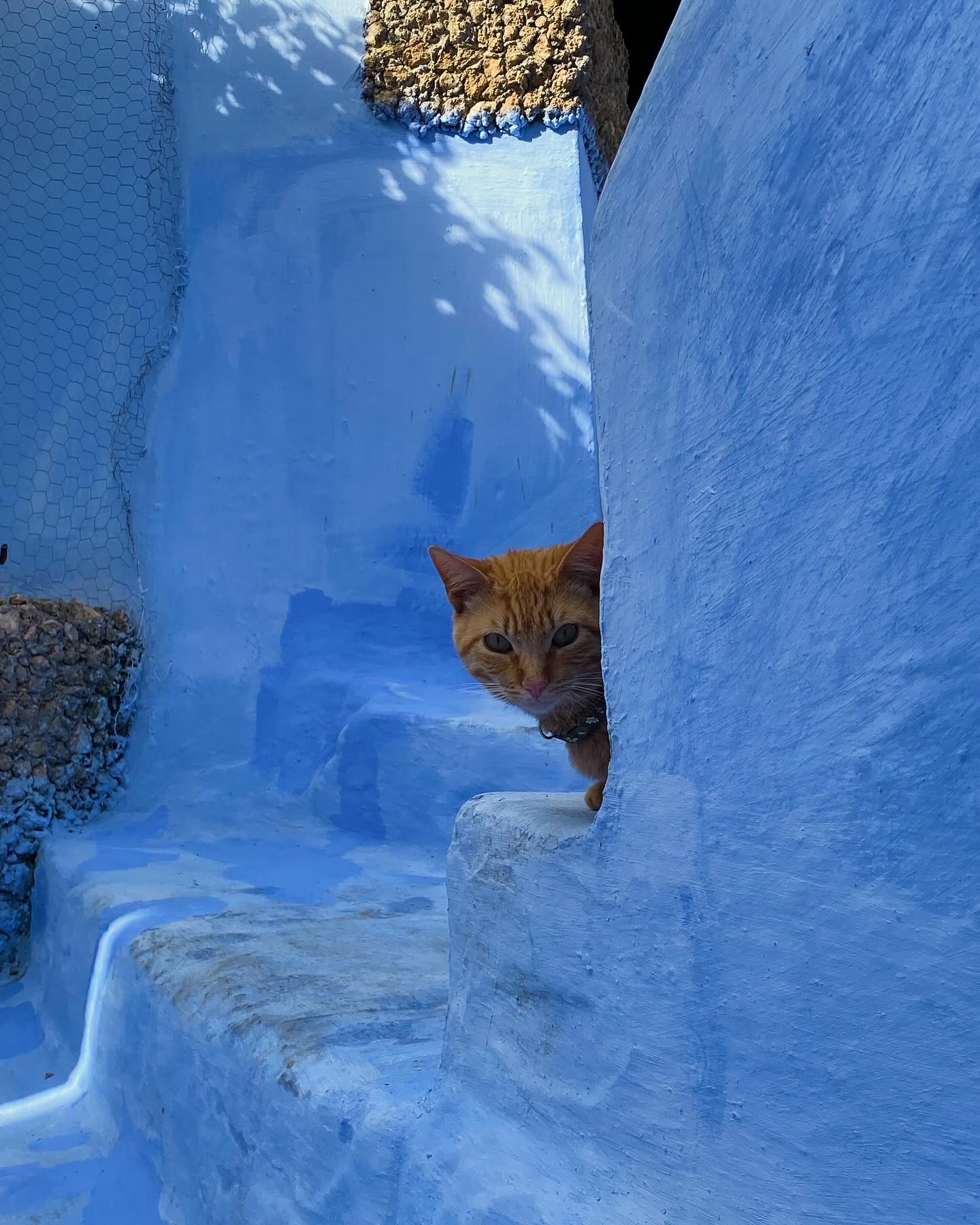
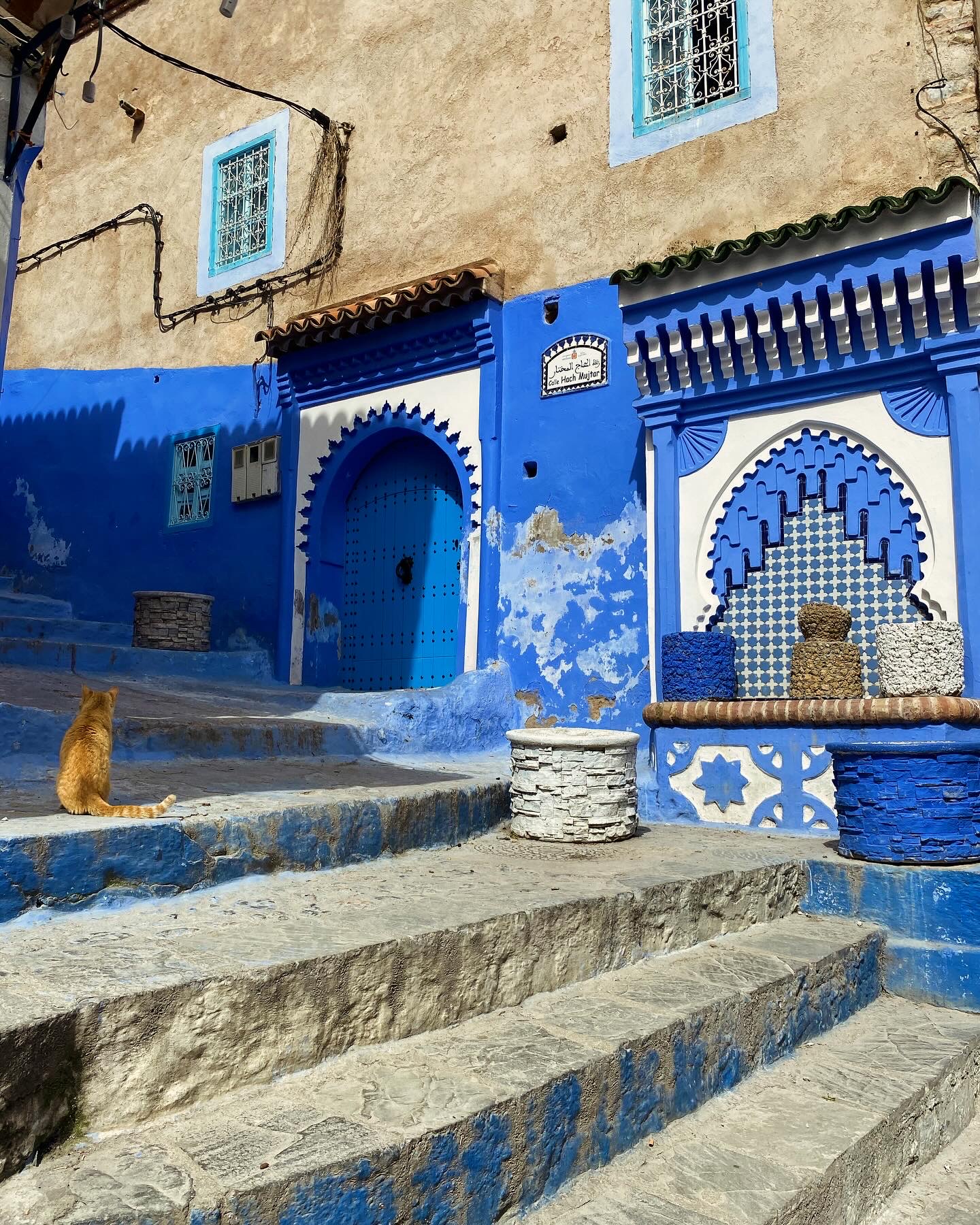
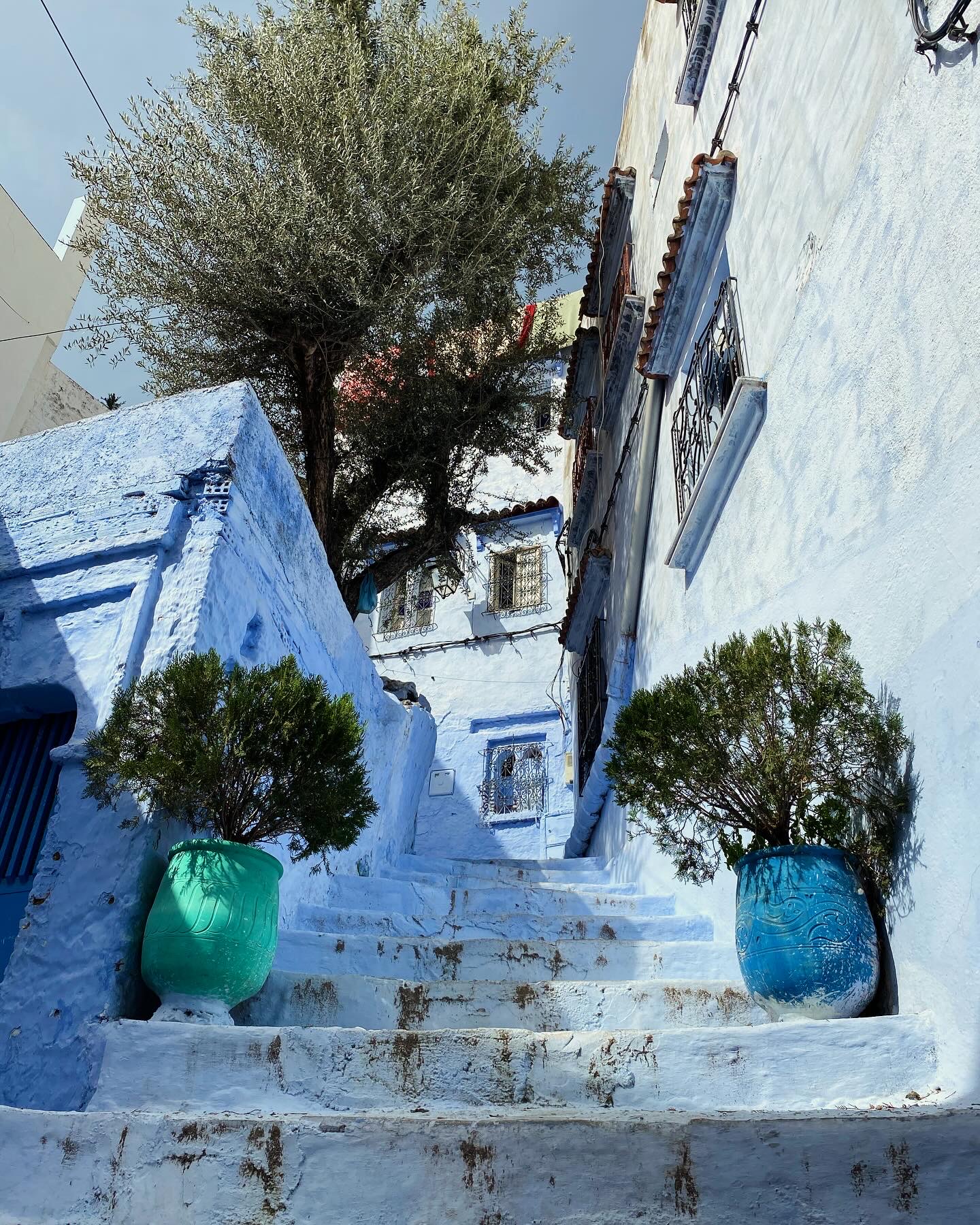
Chefchaouen can be visited as a day trip from Fez or Tangier, however, if you would like to enjoy the surrounding nature is worth spending some more days there. There are many theories as to why the houses are painted blue in the city. To keep the mosquitos away, to protect from the evil eye, or just simply out of an idea to attract tourists. The city offers besides the fifty shades of blue a rich heritage of Berber, Andalusian, Muslim, Jewish, and Spanish culture. And do not forget about the cats!
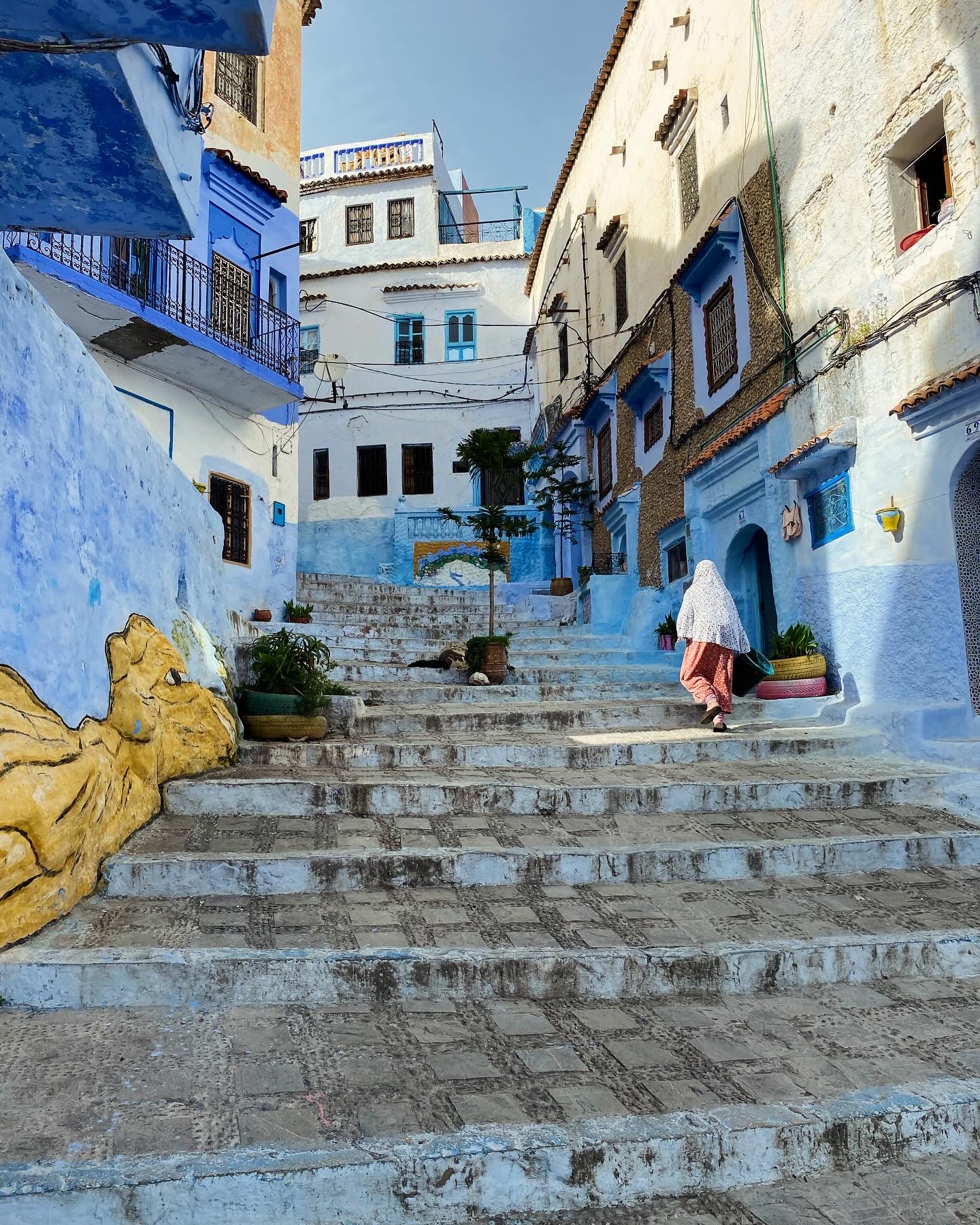
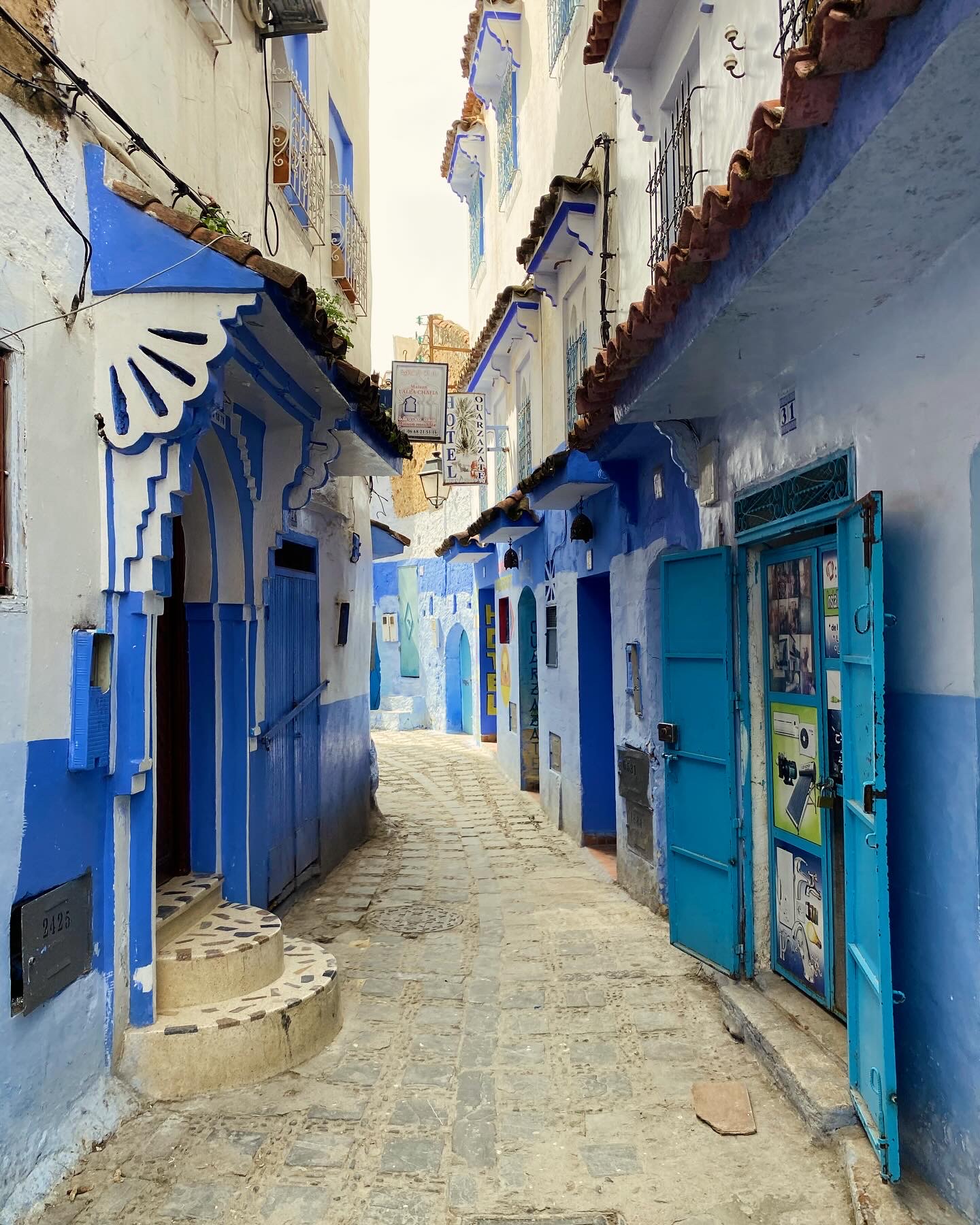
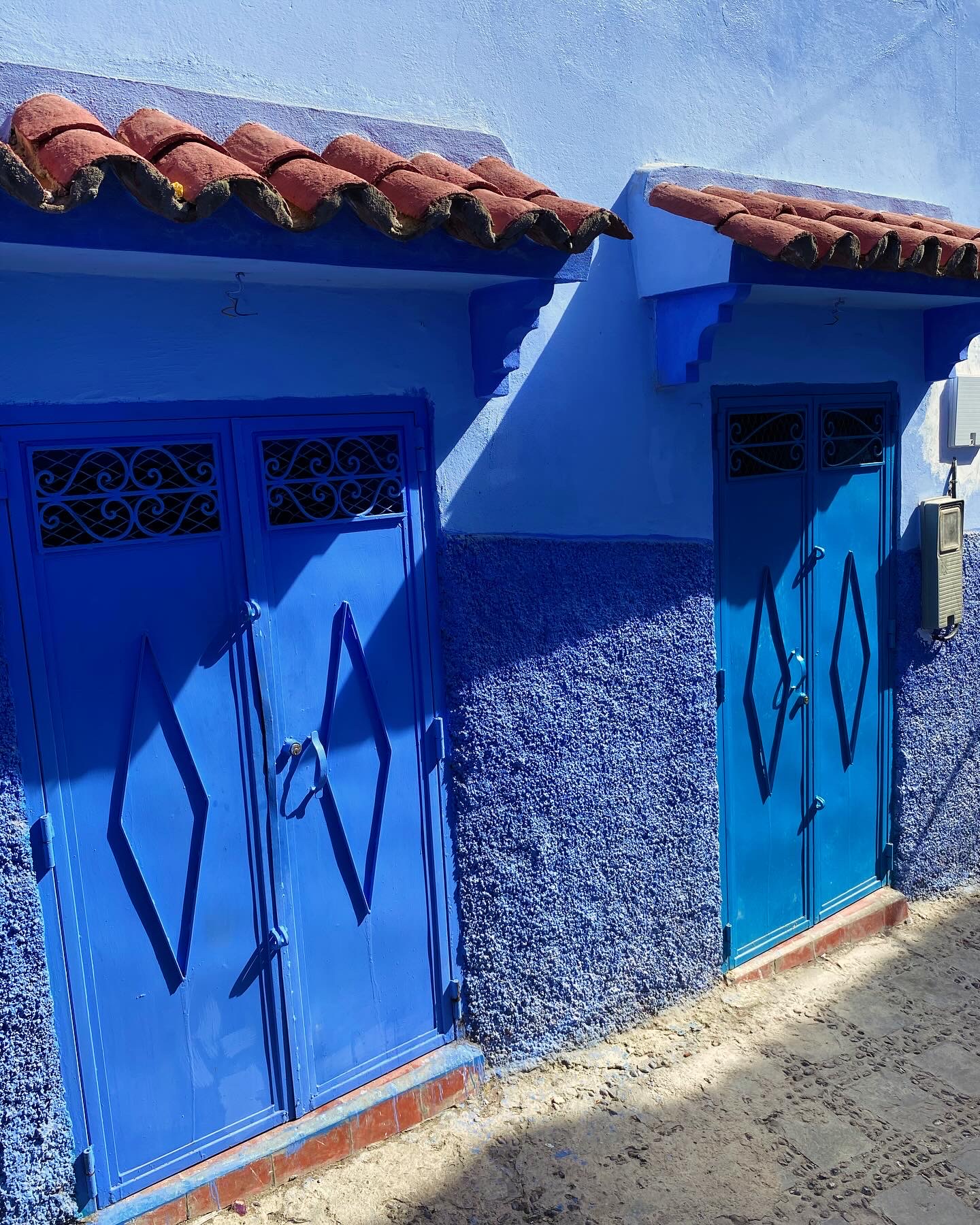
Tangier I reached via high-speed train from Rabat. The Al Boraq train brings you in just one hour with a speed up to 300 km/h there!
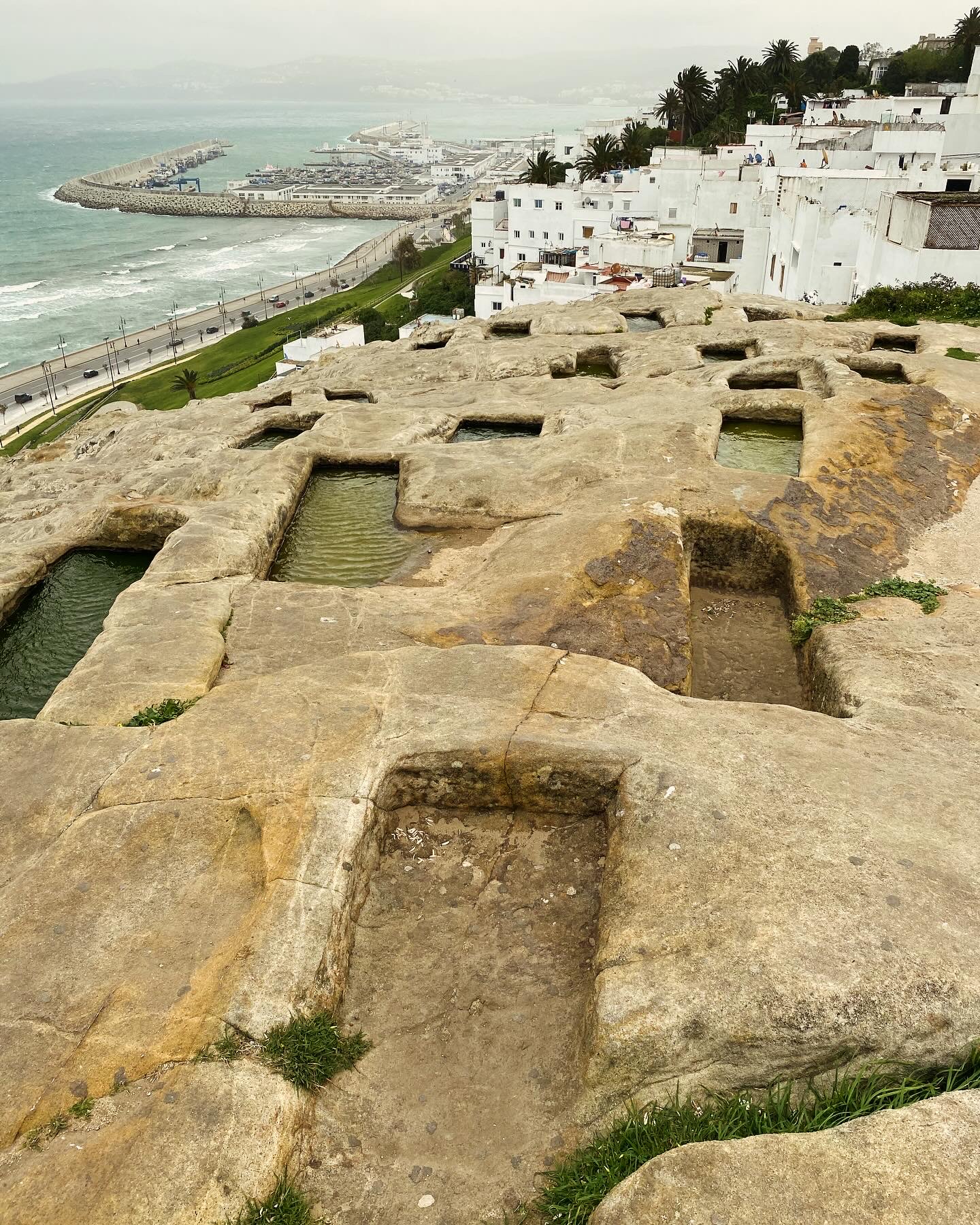
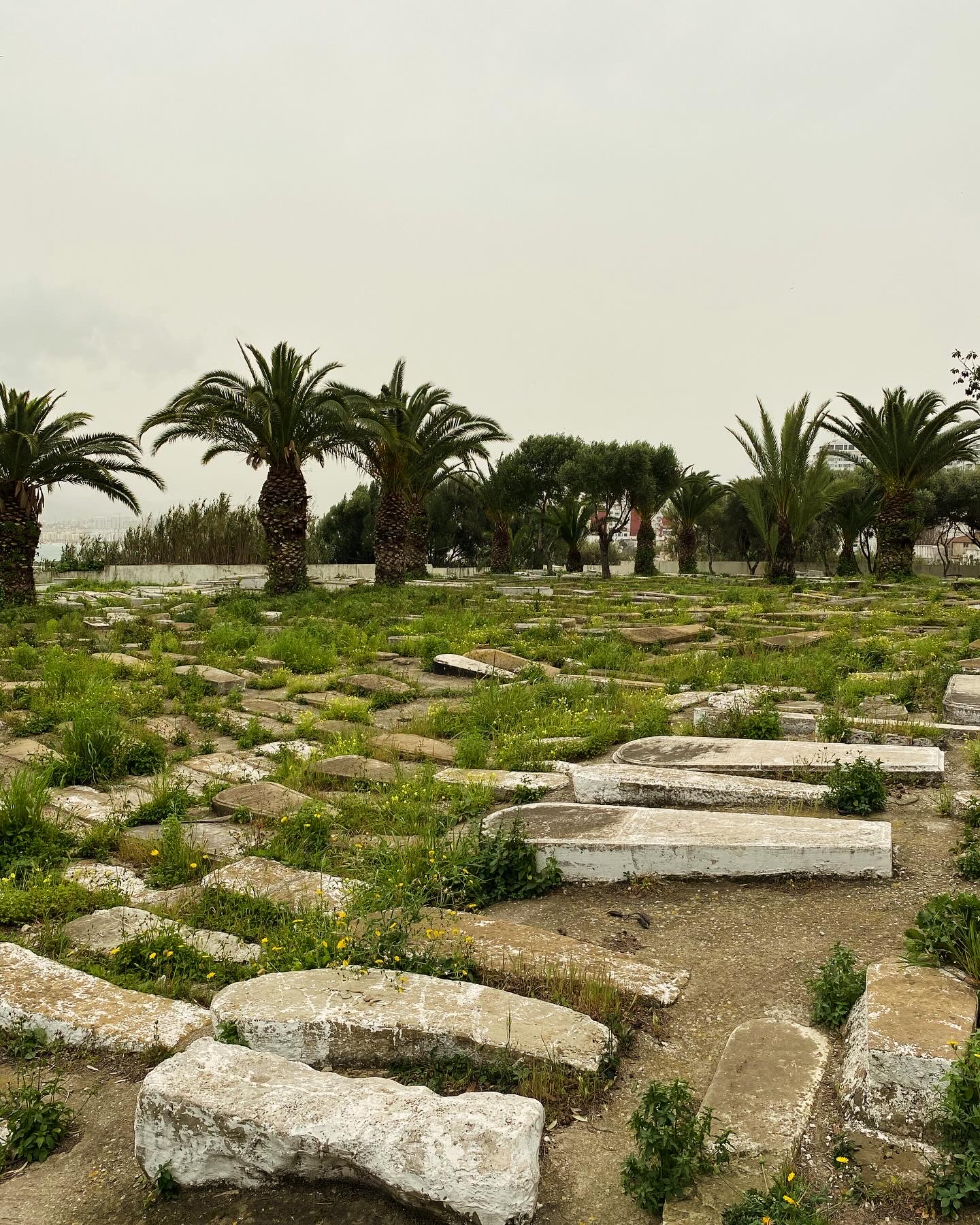
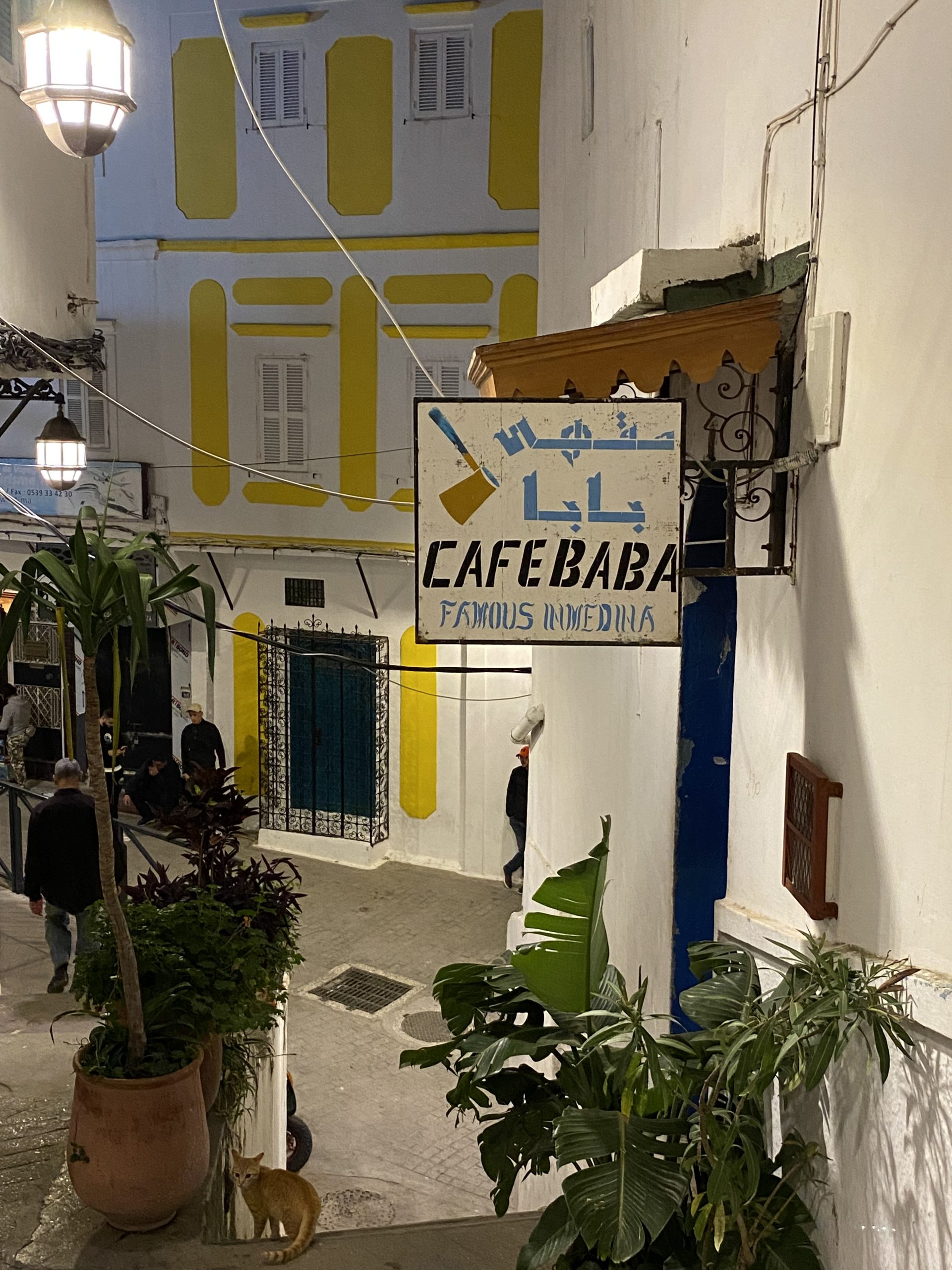
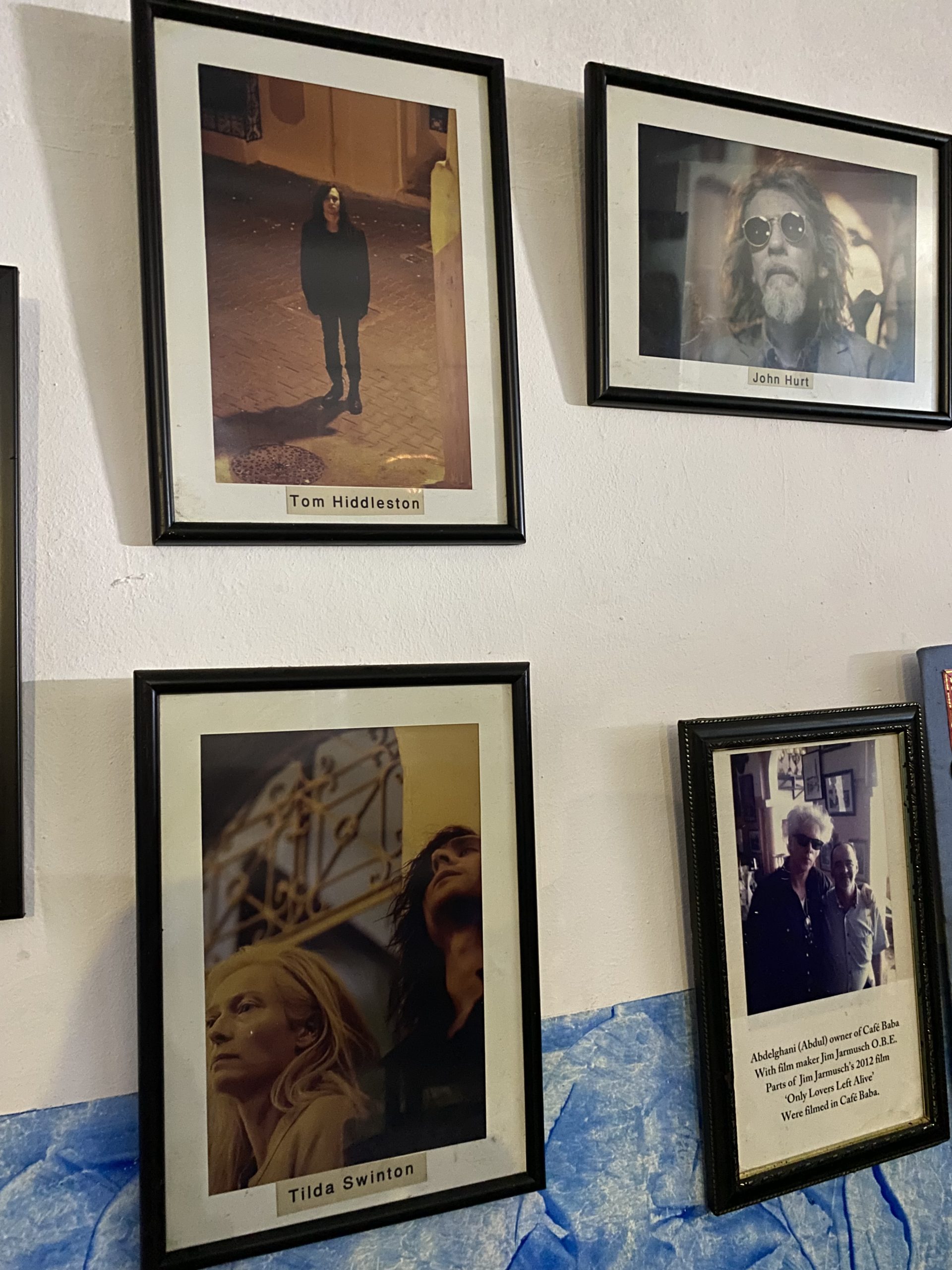
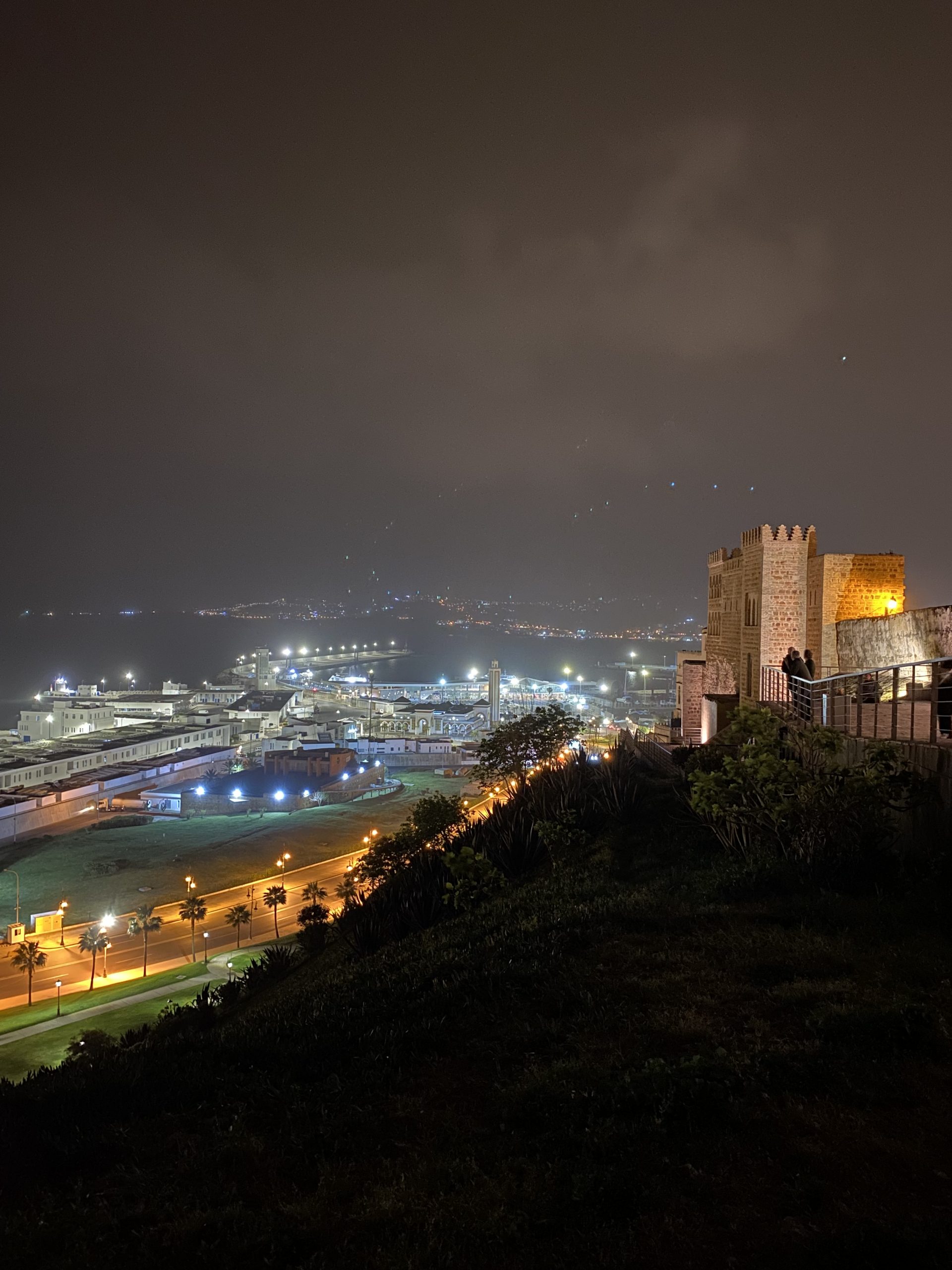
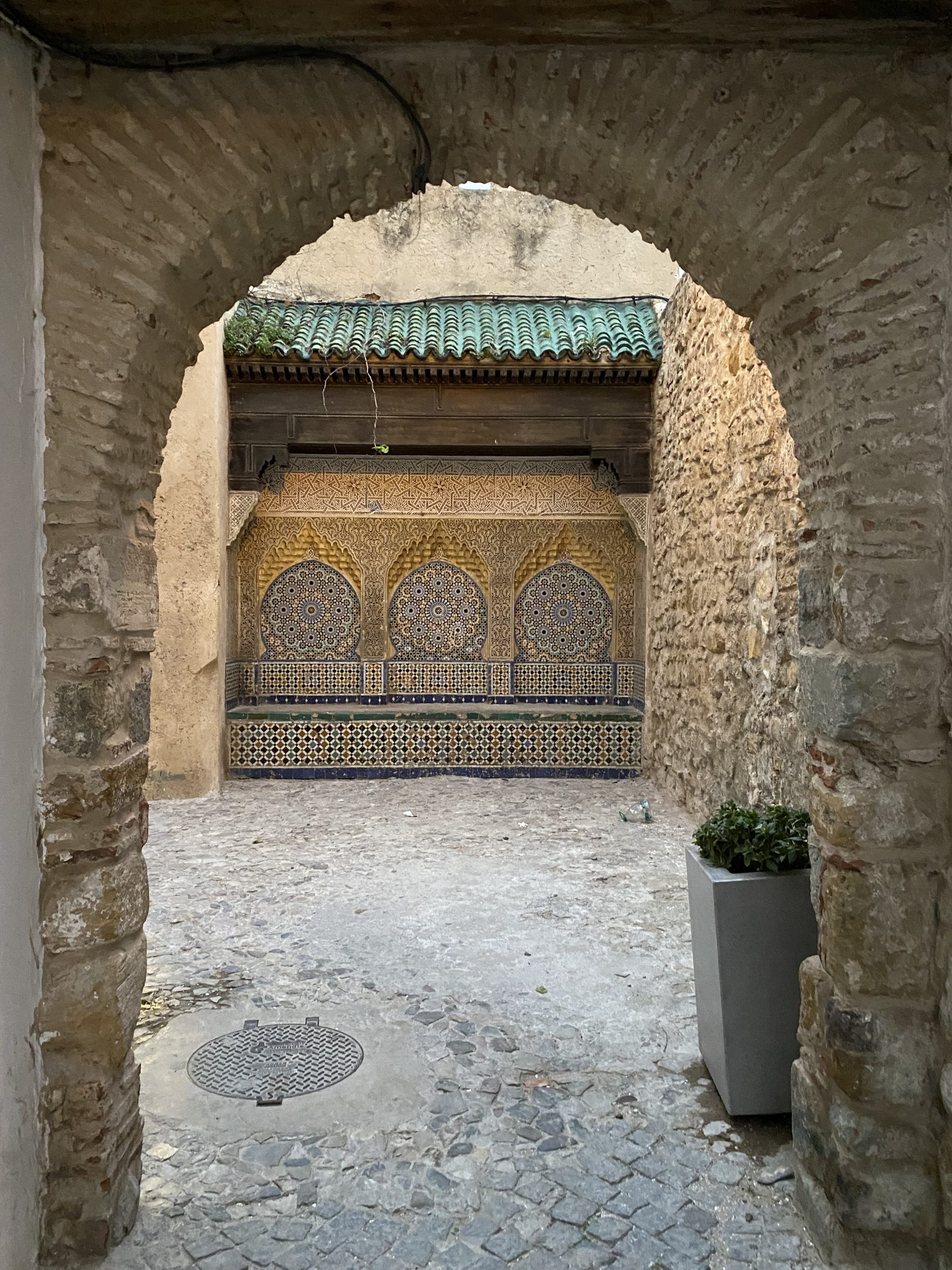
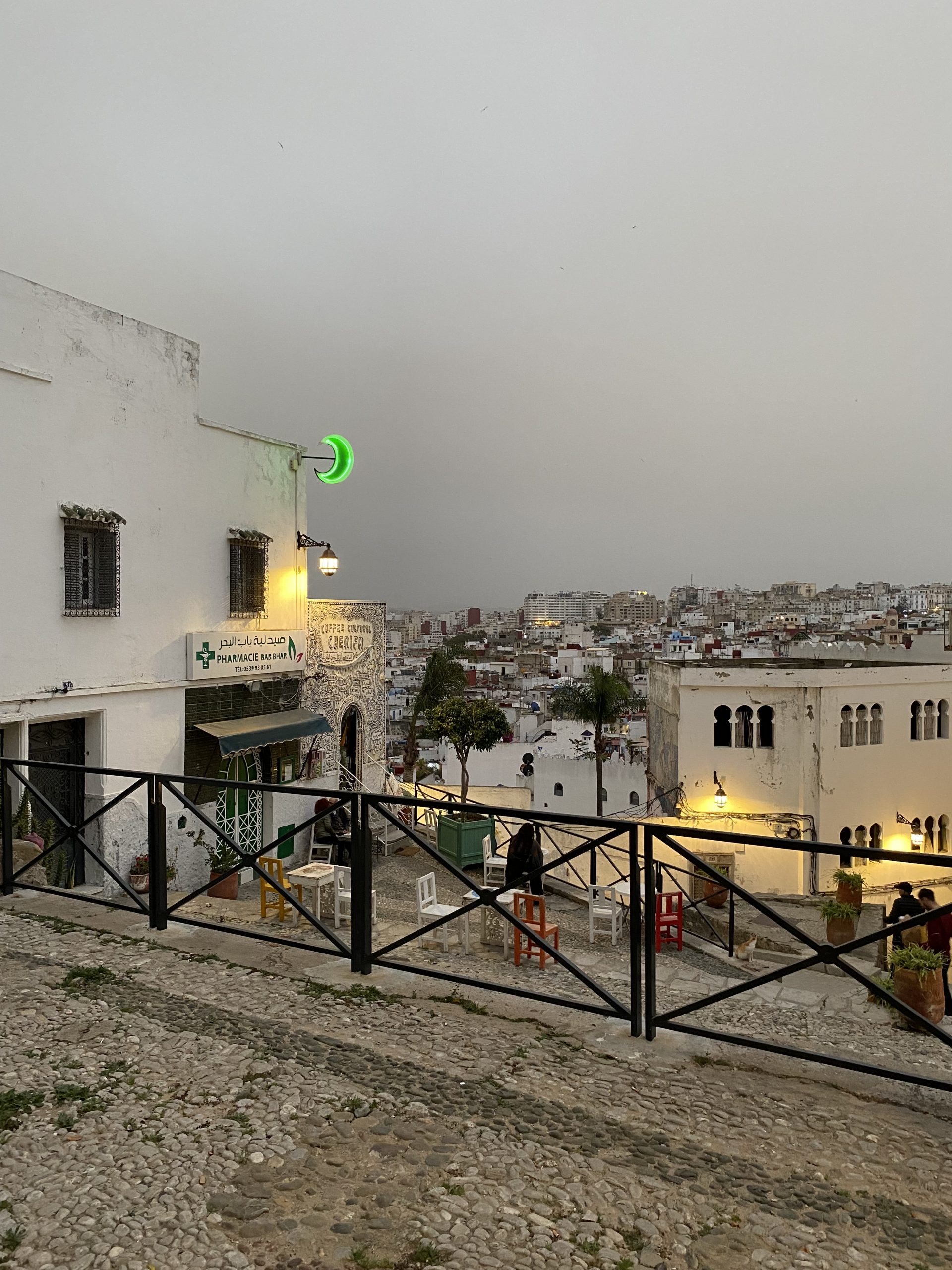
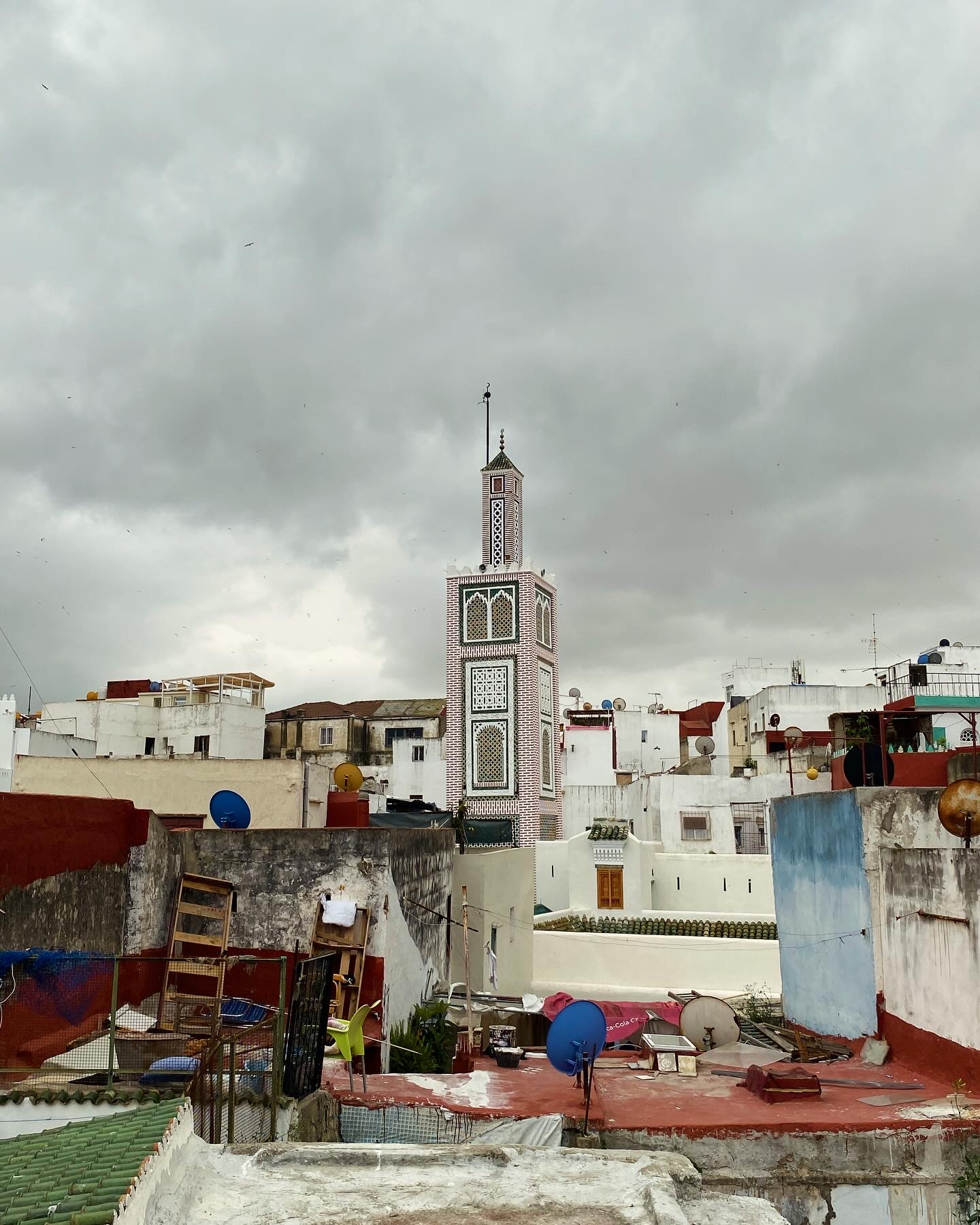
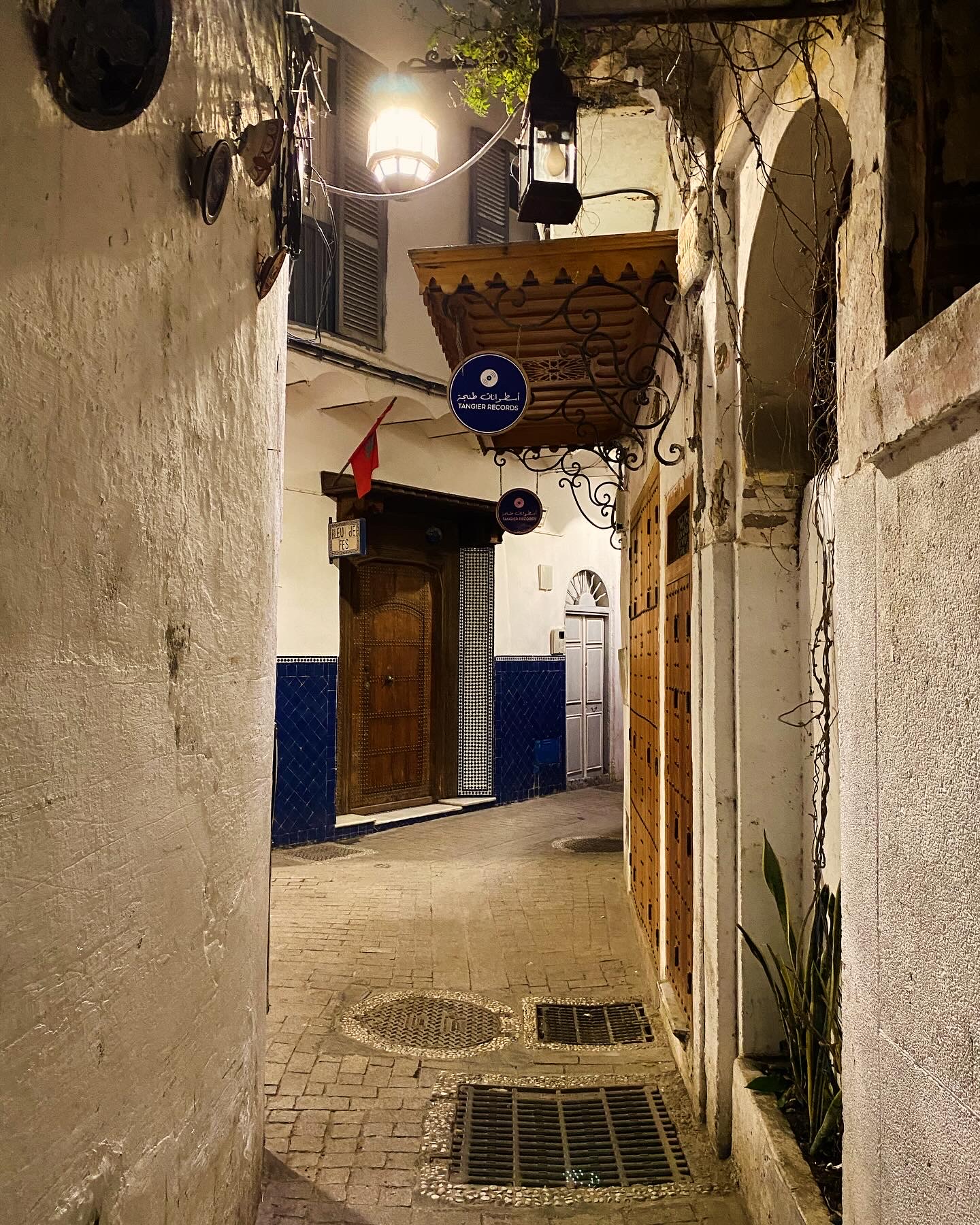
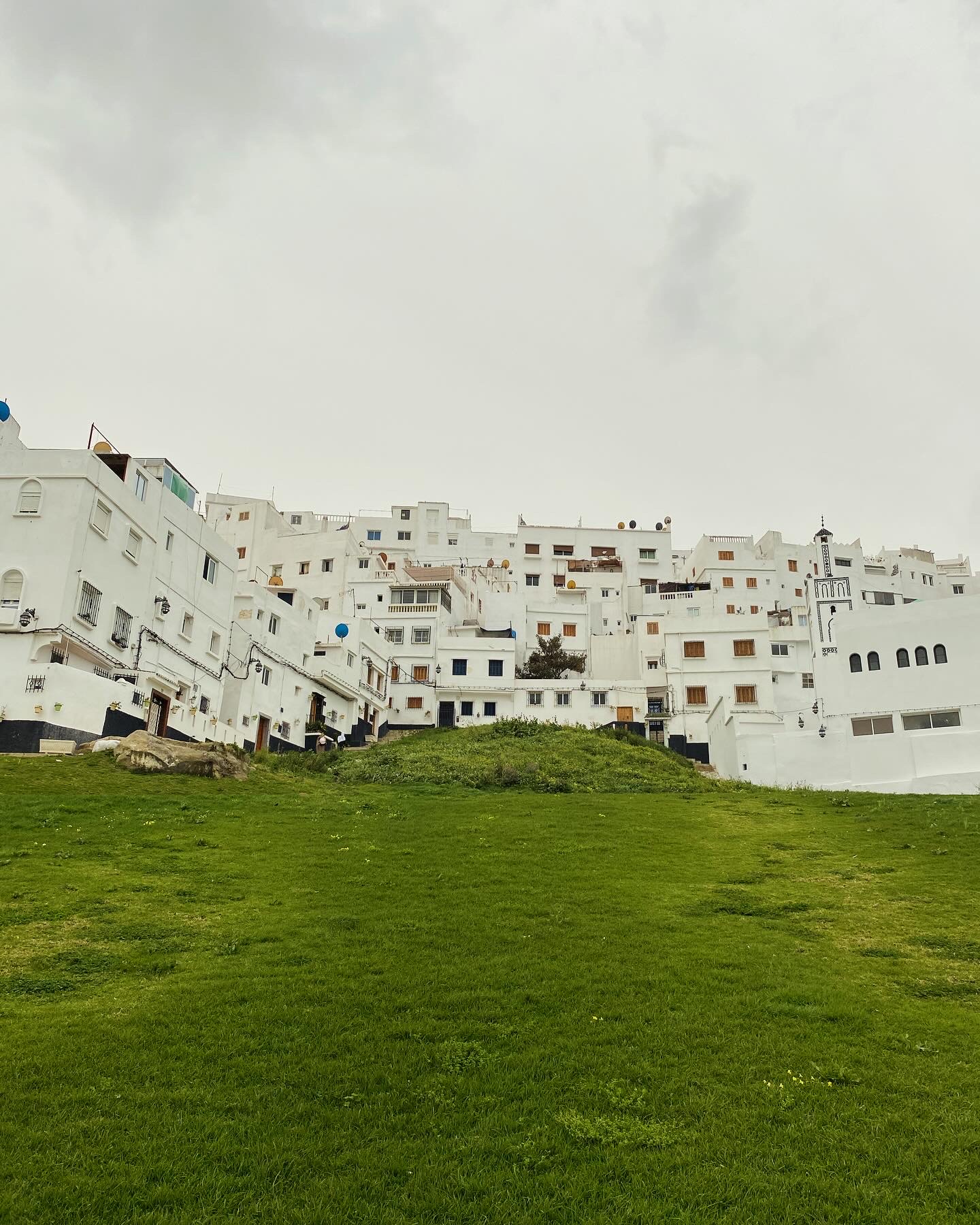
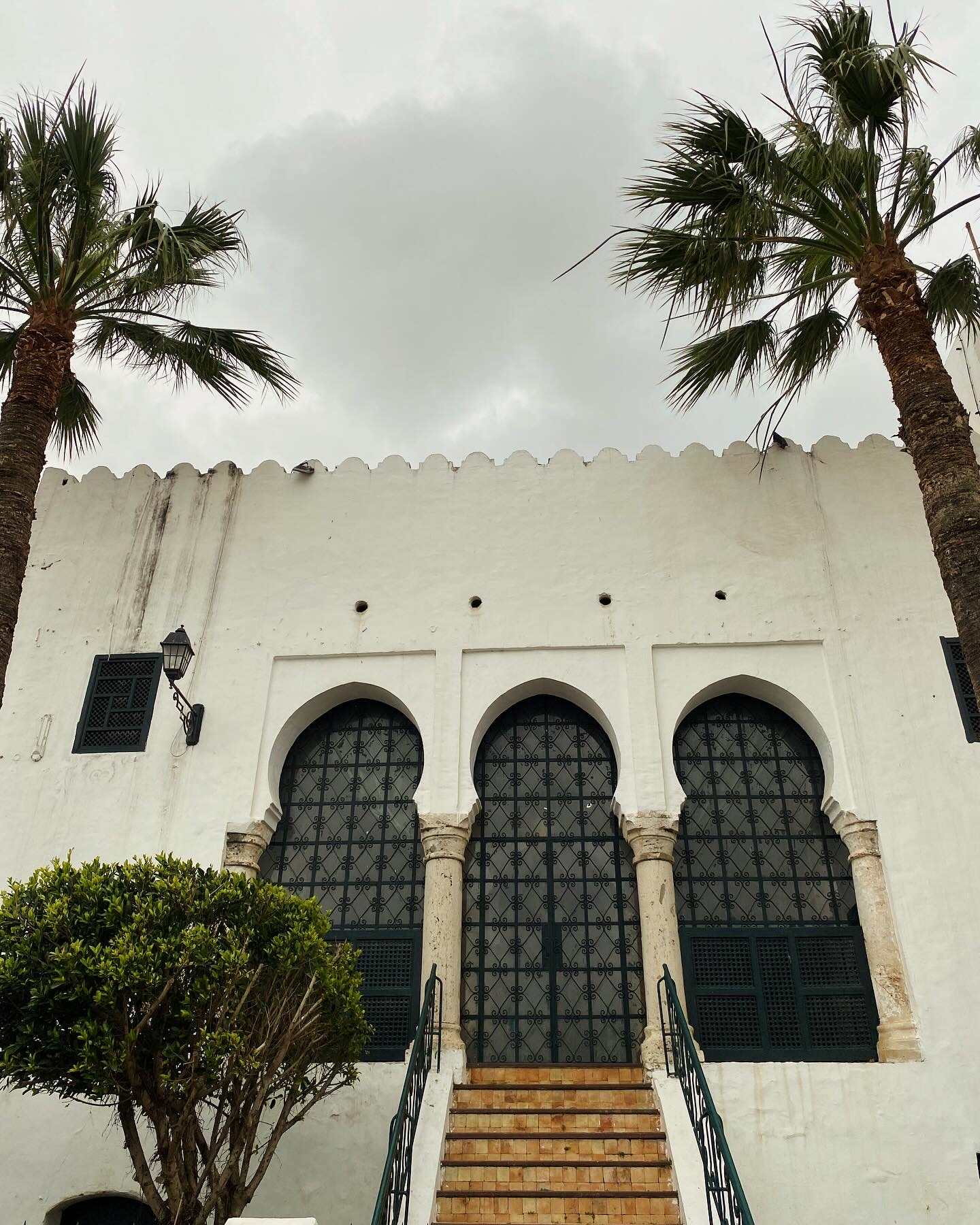
Many people, adventurers, diplomats, refugees, and artists passed through Tangier, The Gate of Africa, or stayed forever. Many powers and empires were fighting to control the city. Phoenicians, Romans, Byzantines, Arabs, Portuguese, English, French, and Spanish ruled here before Tangier became part of the independent Morocco in 1956.
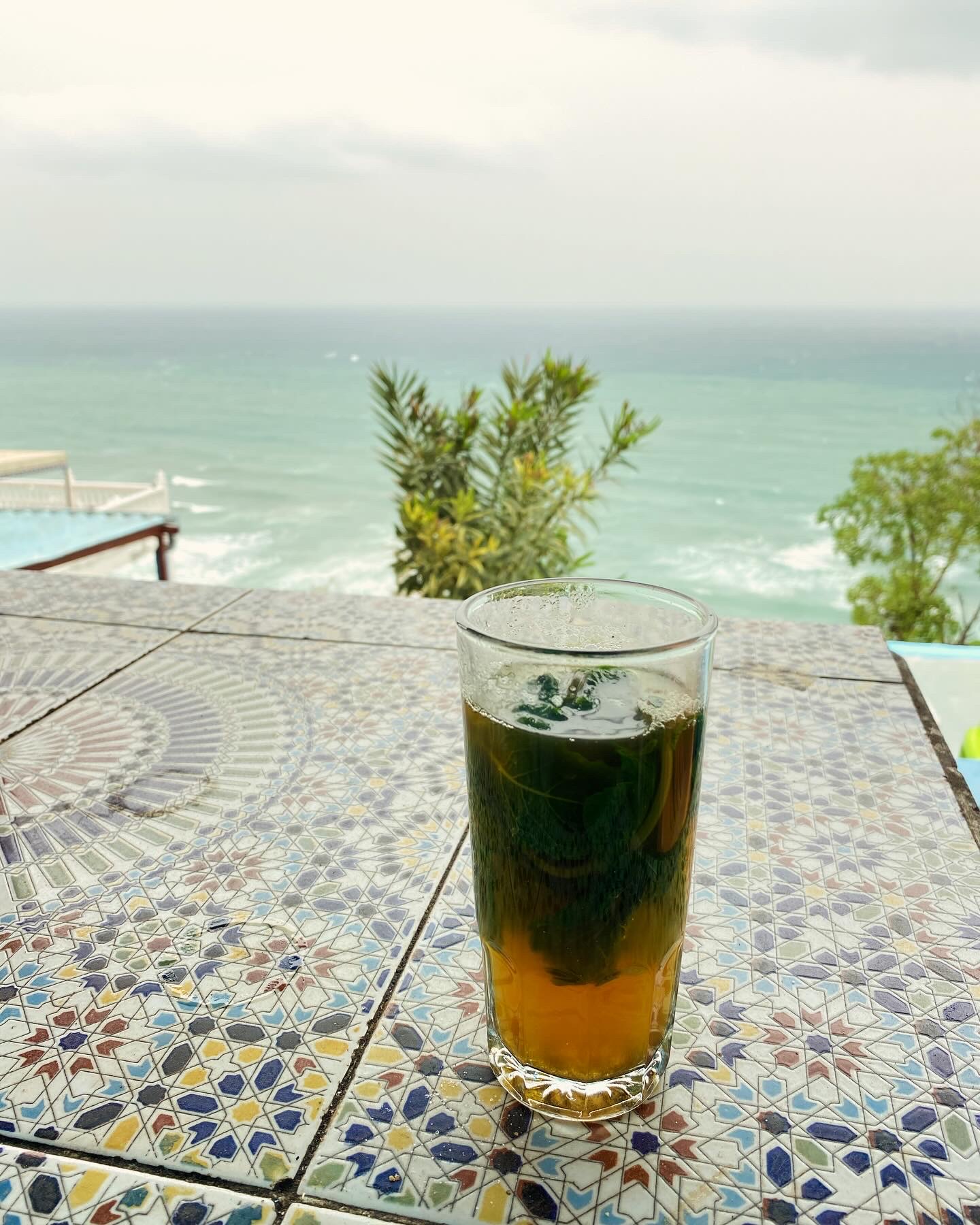
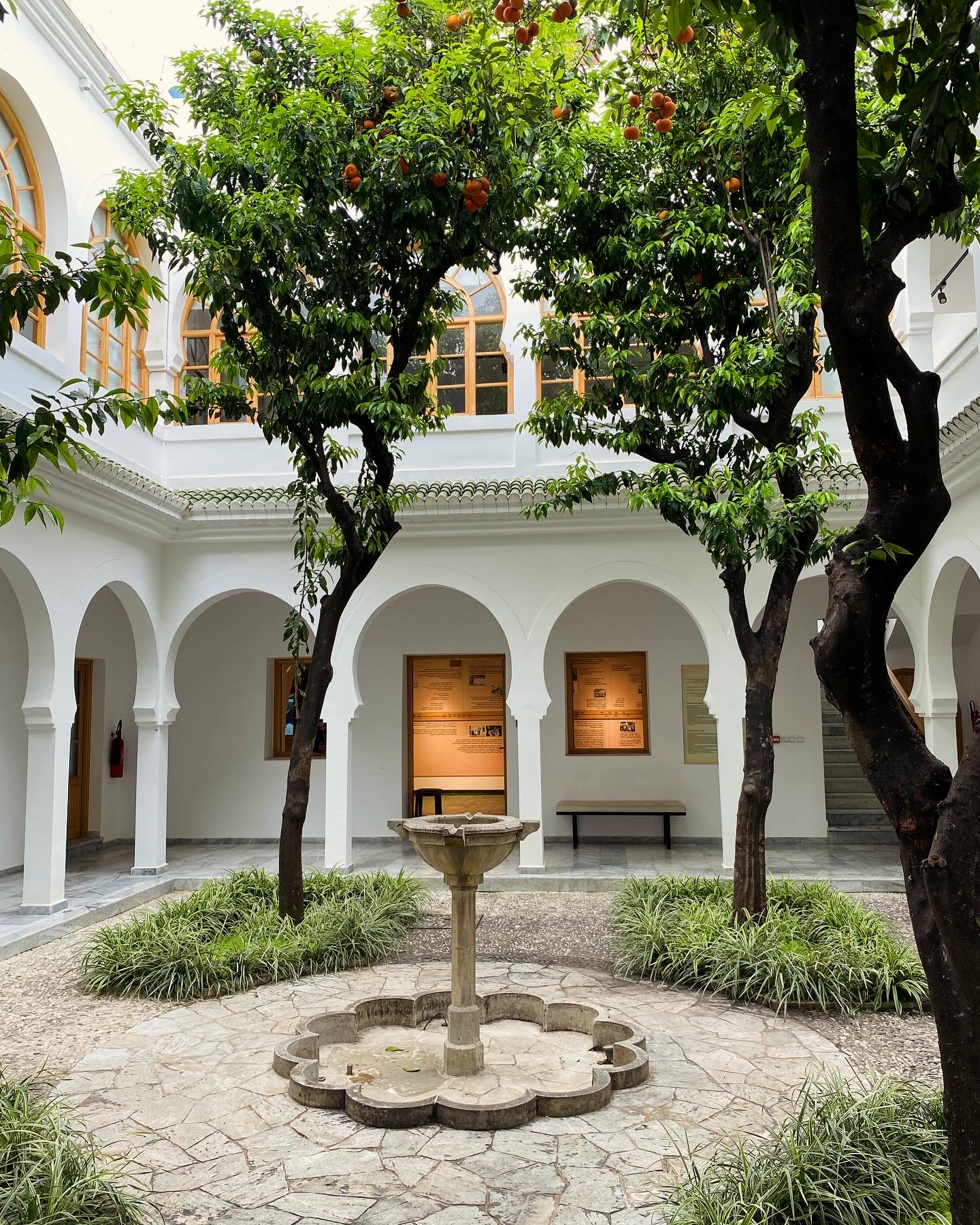
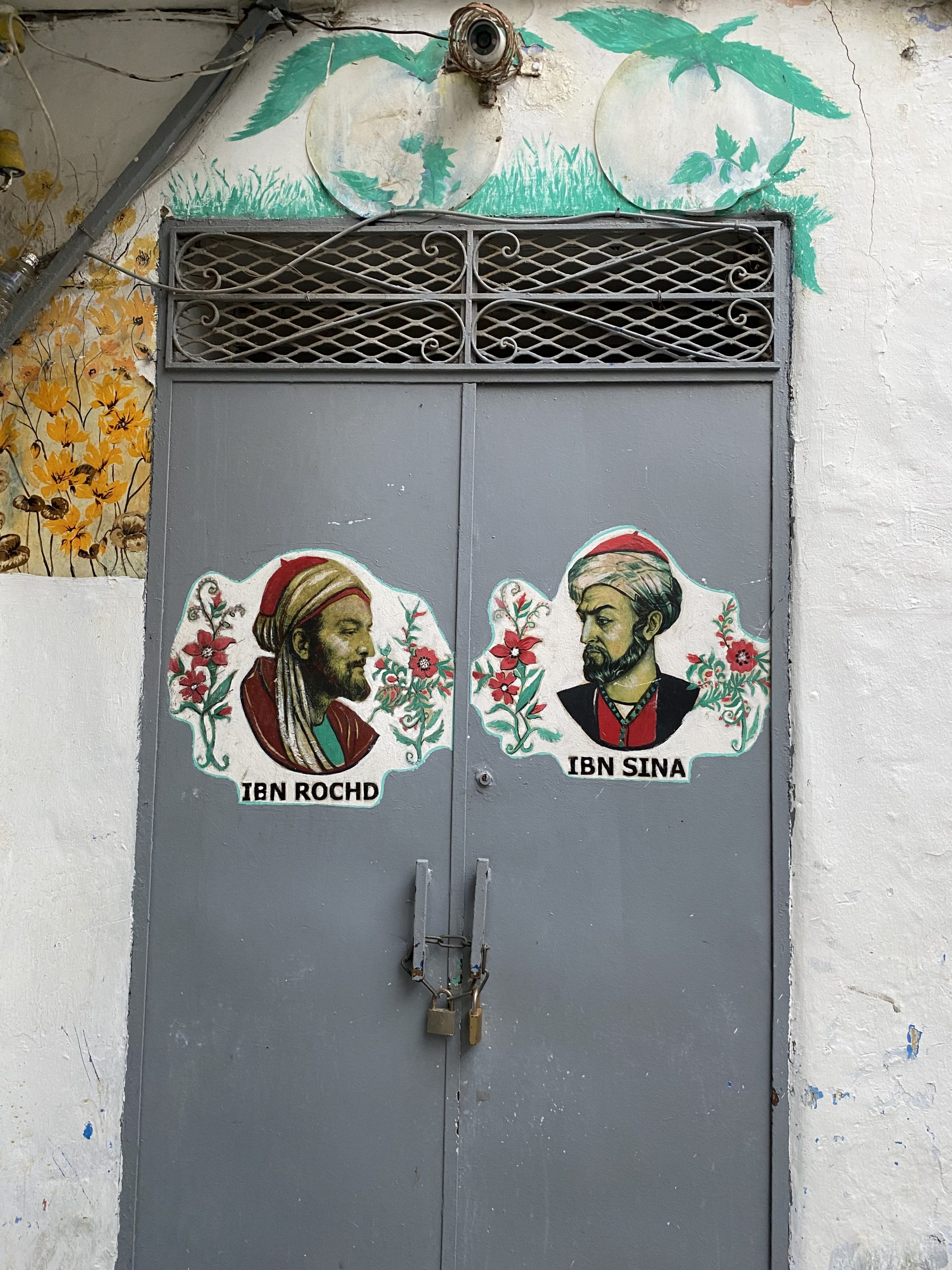
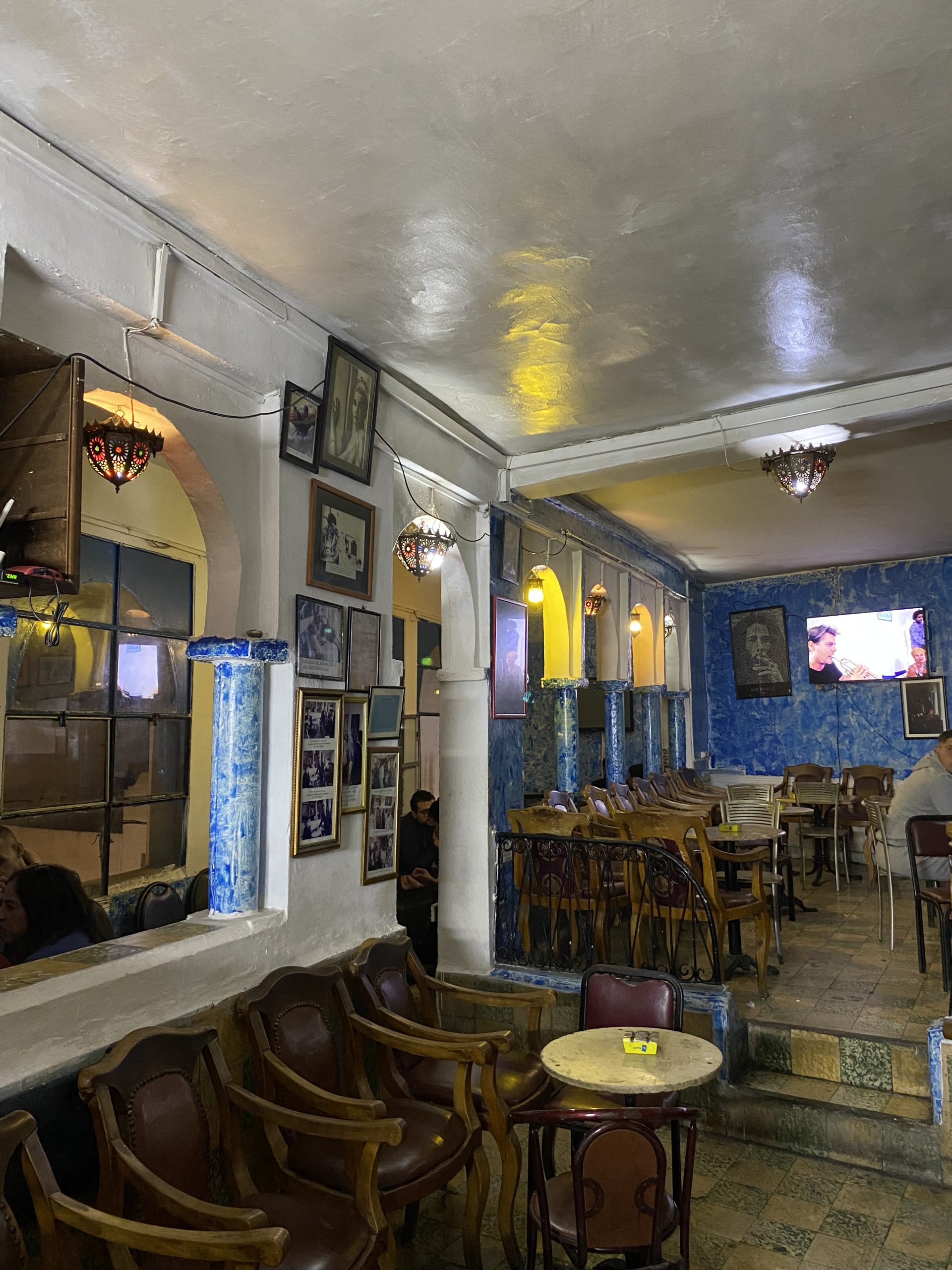
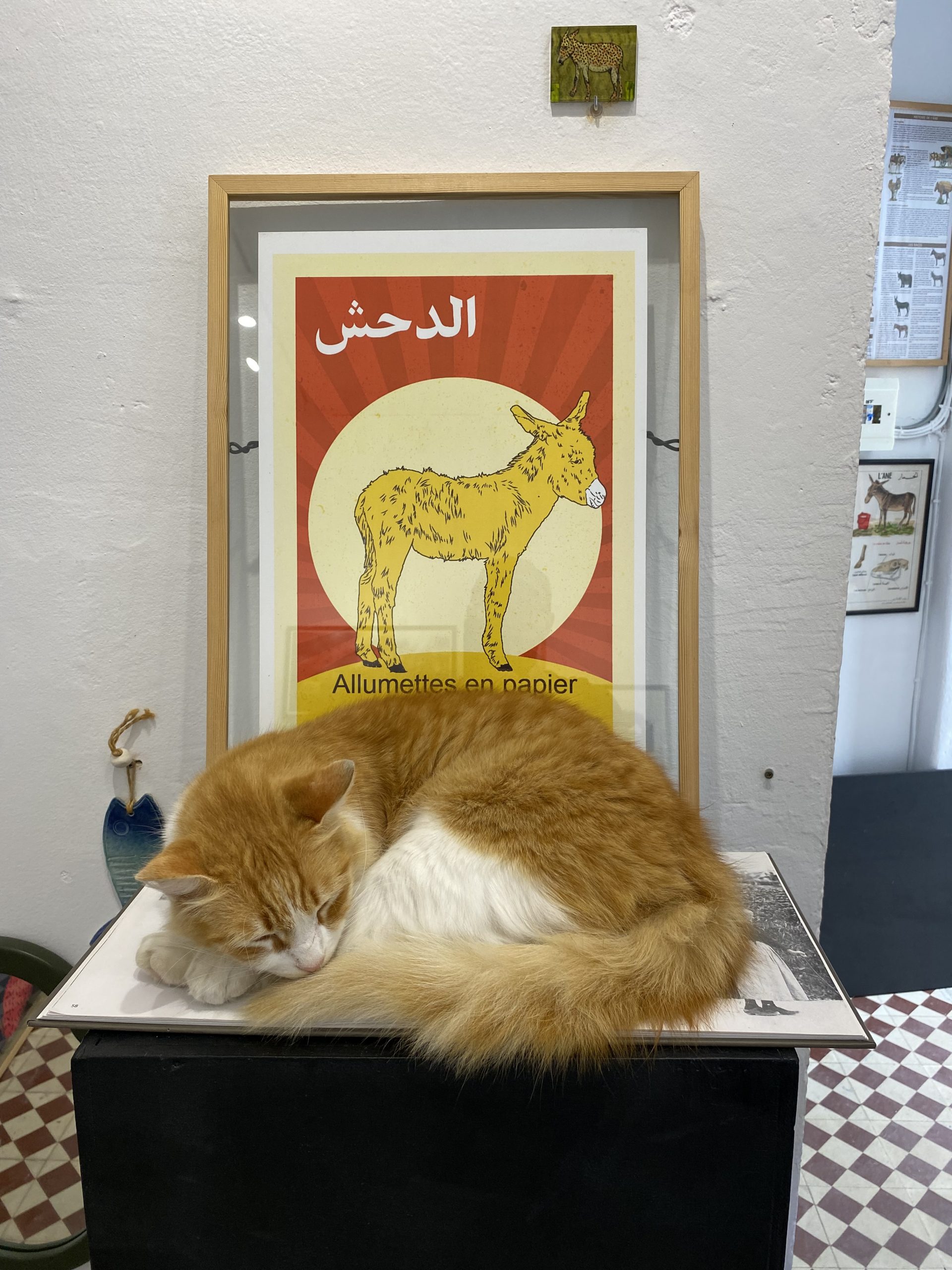
Rich local Berber cultural heritage mixed with all these influences, created a unique vibe here, hard to describe in words. But you will feel it walking the streets of the Medina, the Kasbah, the museums, the cafes, and the beach.
The Bread Experience
Bread culture is very rich in Morocco. This does not manifest only in the variety of bread you can encounter in the souks, bakeries, and supermarkets but also in the traditional role of bakeries in the life of communities. Besides the local traditions, there is a strong French influence regarding bread and pastry. This all makes Morocco an ideal destination for those who want to taste traditional products but also enjoy from time to time good quality and affordable French pastry.
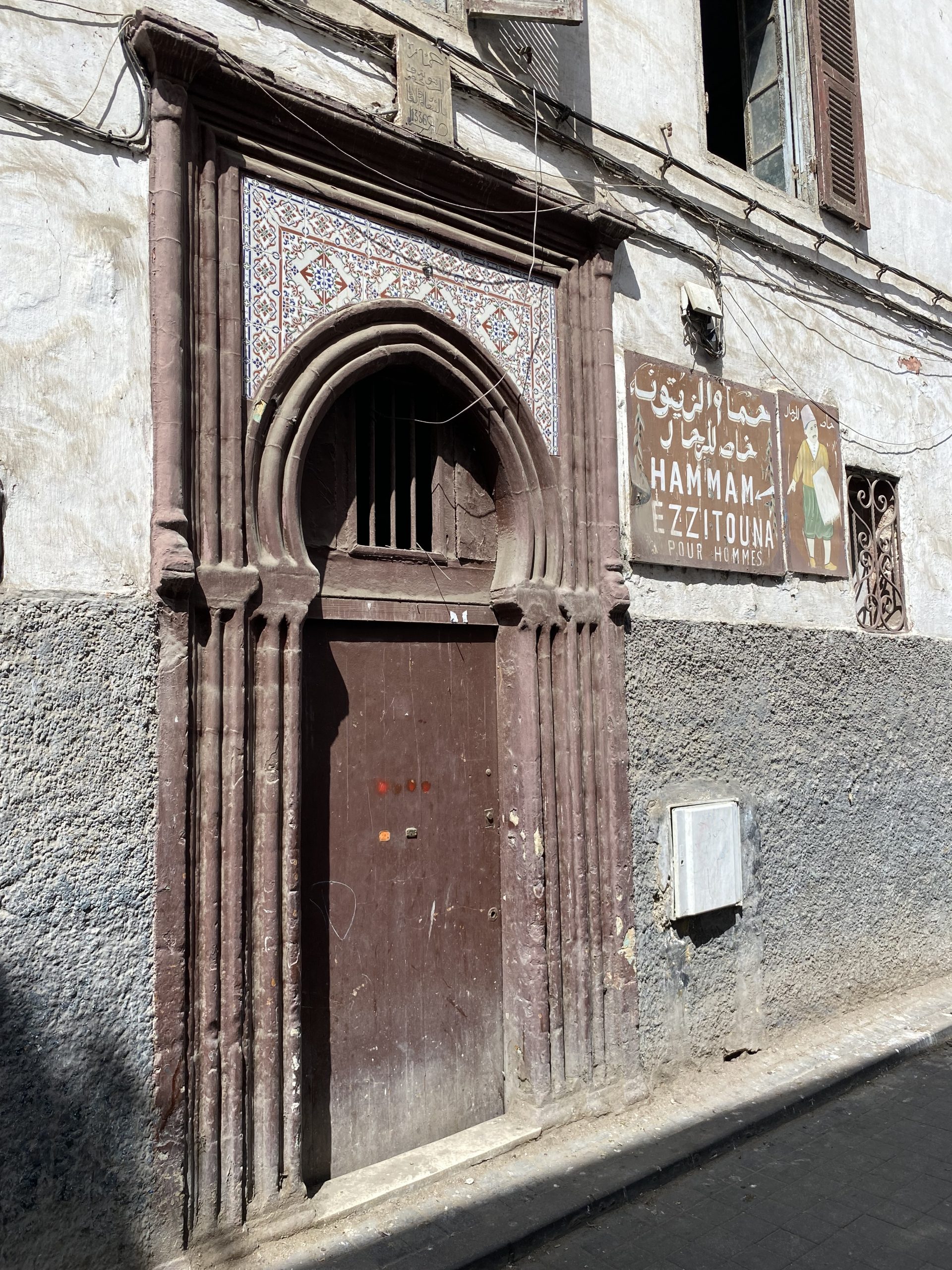
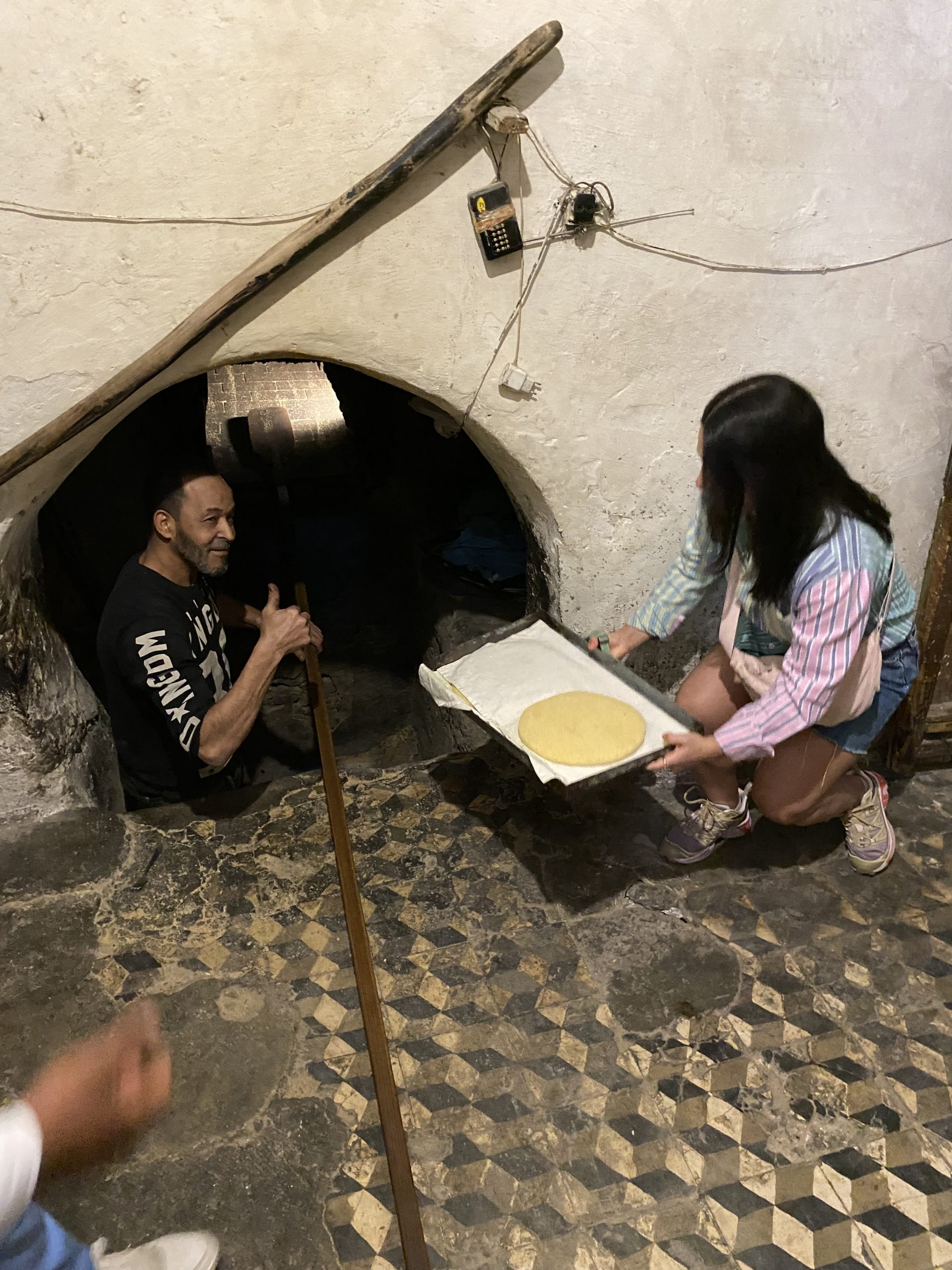
Walking in the medinas of Morocco you can often spot people, mostly women or children with a covered plate in their hands disappearing behind inconspicuous doors or coming out behind the same doors with half-hidden breads. Well, behind those doors there is a communal bakery, an essential institution of every neighborhood, just like the mosque, the hammam, and the souk.
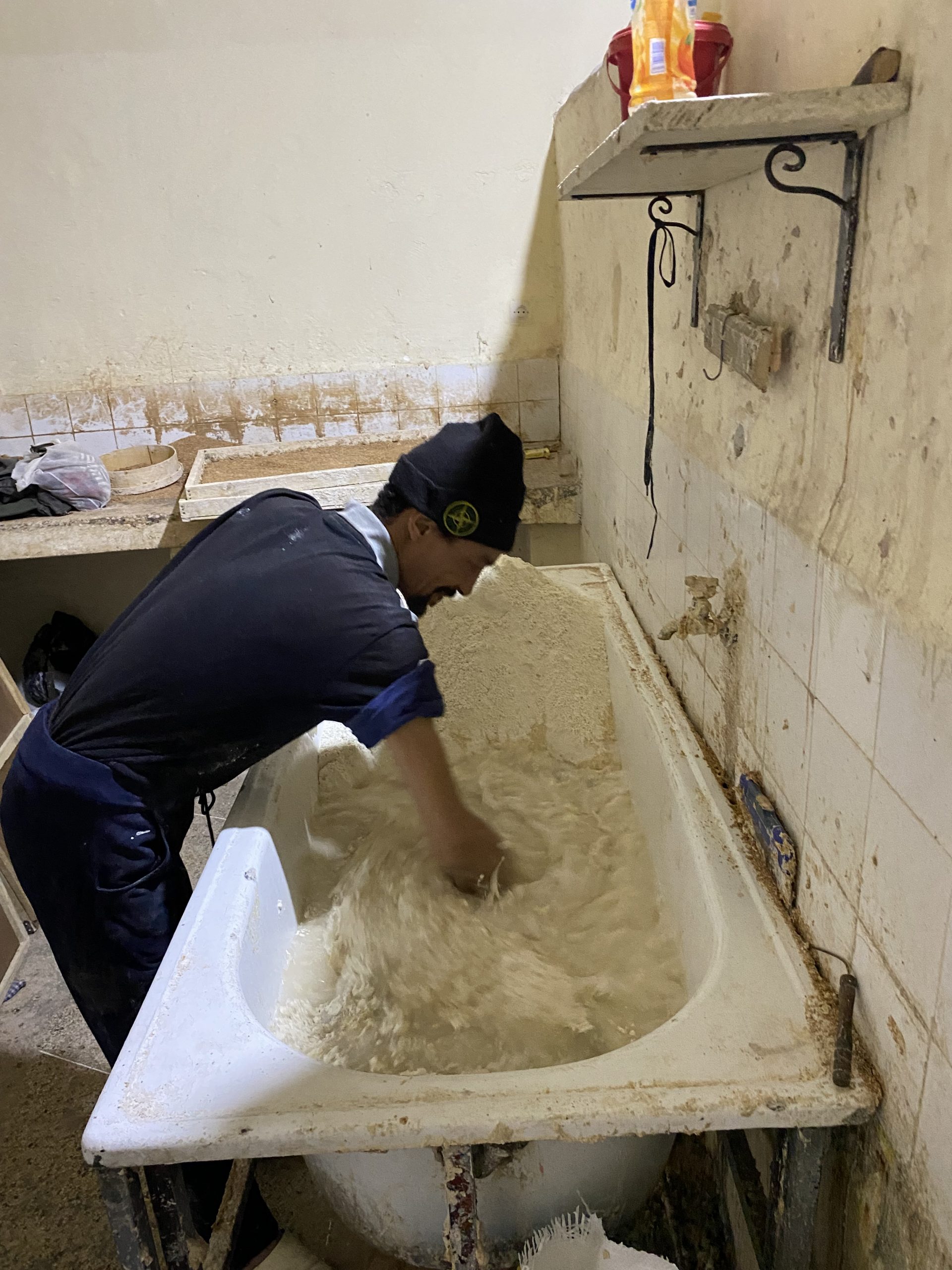
The principle of the communal ovens was that they baked the dough of the community members for a small fee. Nowadays they also make and sell their breads to survive. However, as I have experienced, they are still used by people in the neighborhood to bake their bread.
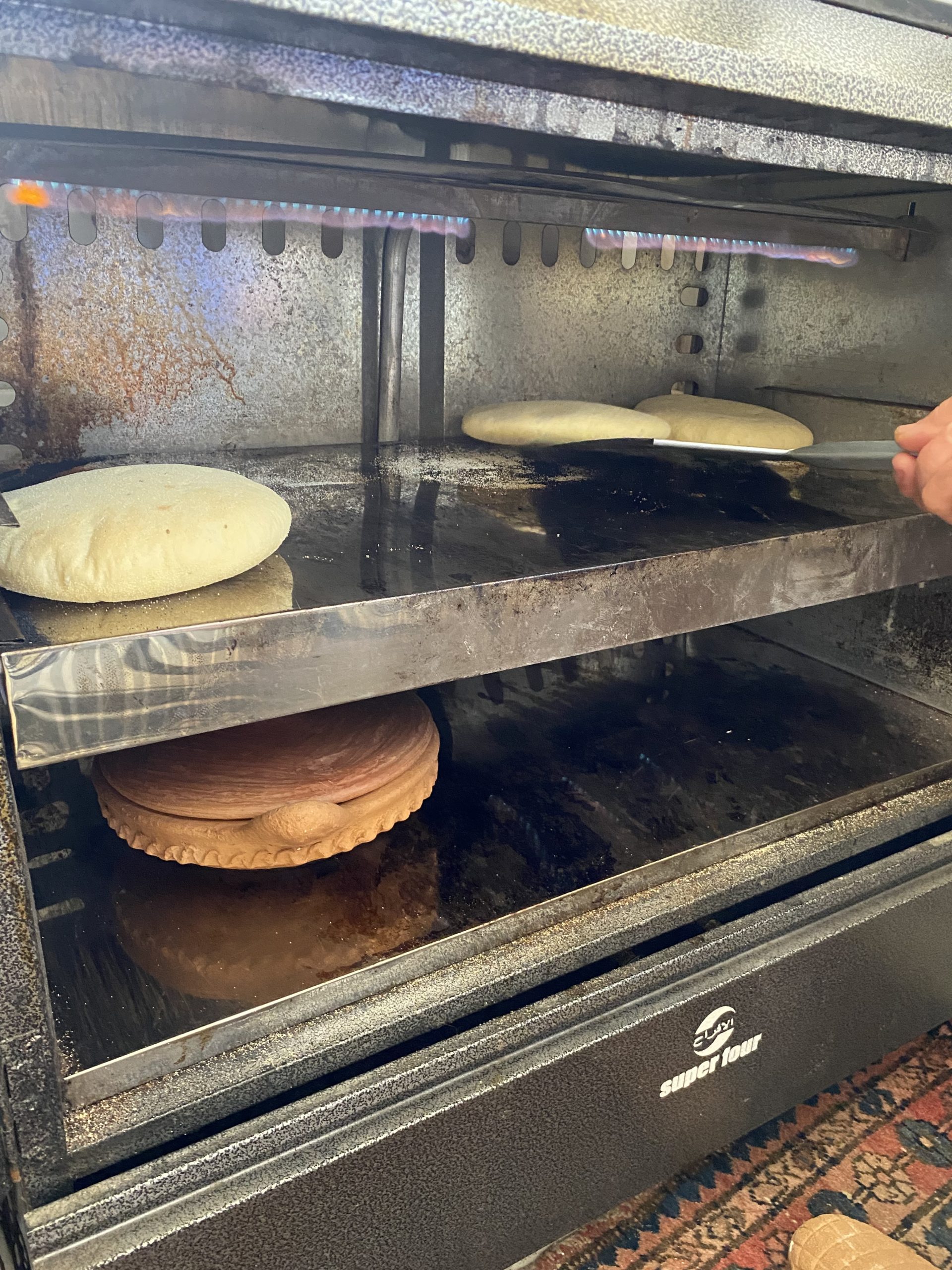
Once the women of the house prepare the dough, they or their children bring it to the oven and either wait to be baked or come back later to take the fresh bread. As you can see in the pictures and judging from the length of the handle on the peel, the ovens are large. Since the oven should be used efficiently, sometimes there are dozens or hundreds of bread baking simultaneously inside.
Accordingly, there are some methods to differentiate the breads of the different community members. You can tell whom the dough or the bread belongs by the color of the towel on the plate or the shape or some signs on the bread, particularly from family to family. However, in doubt, it is the eye of the experienced baker, who knows, which bread belongs to whom in his neighborhood.
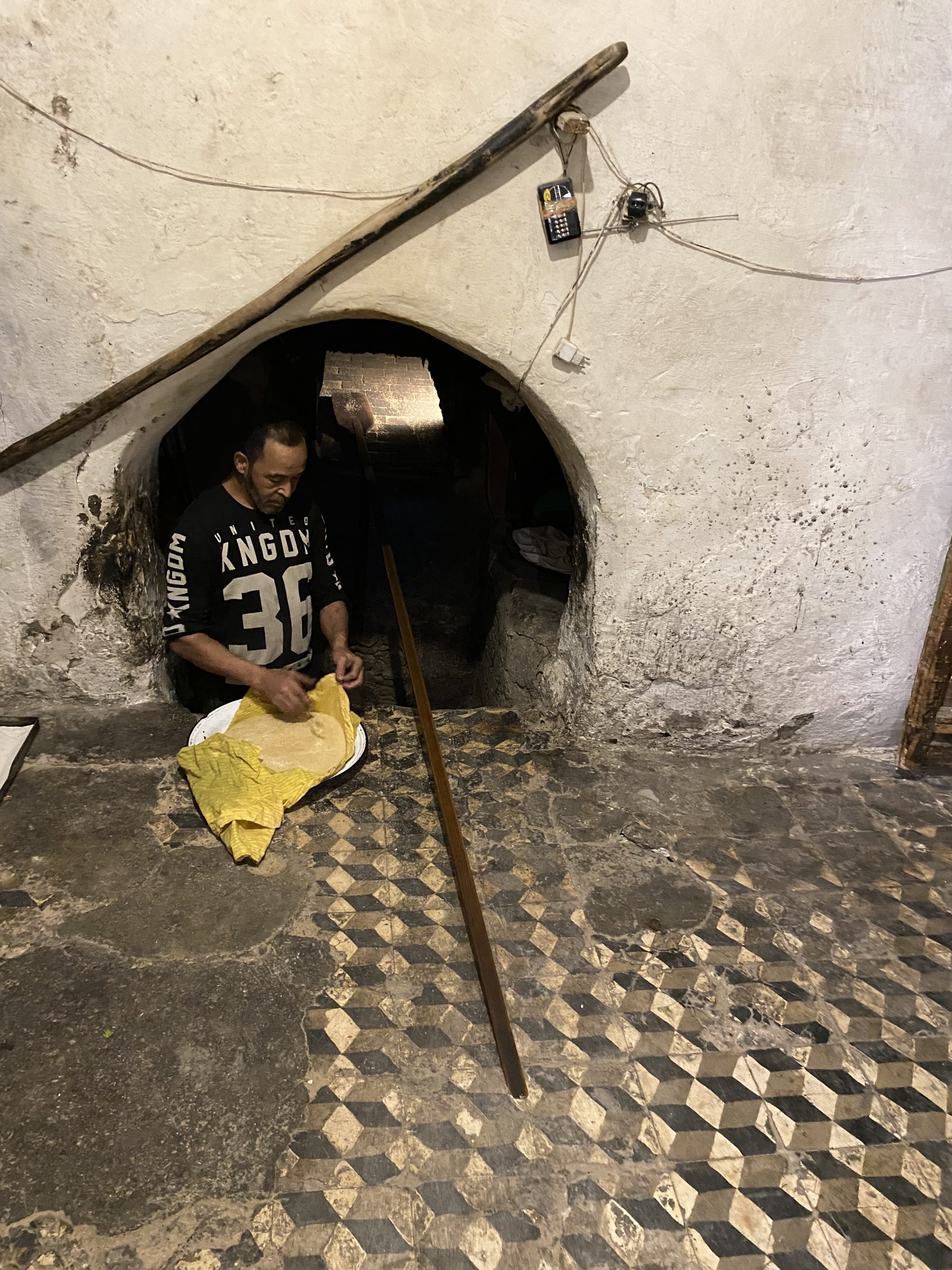
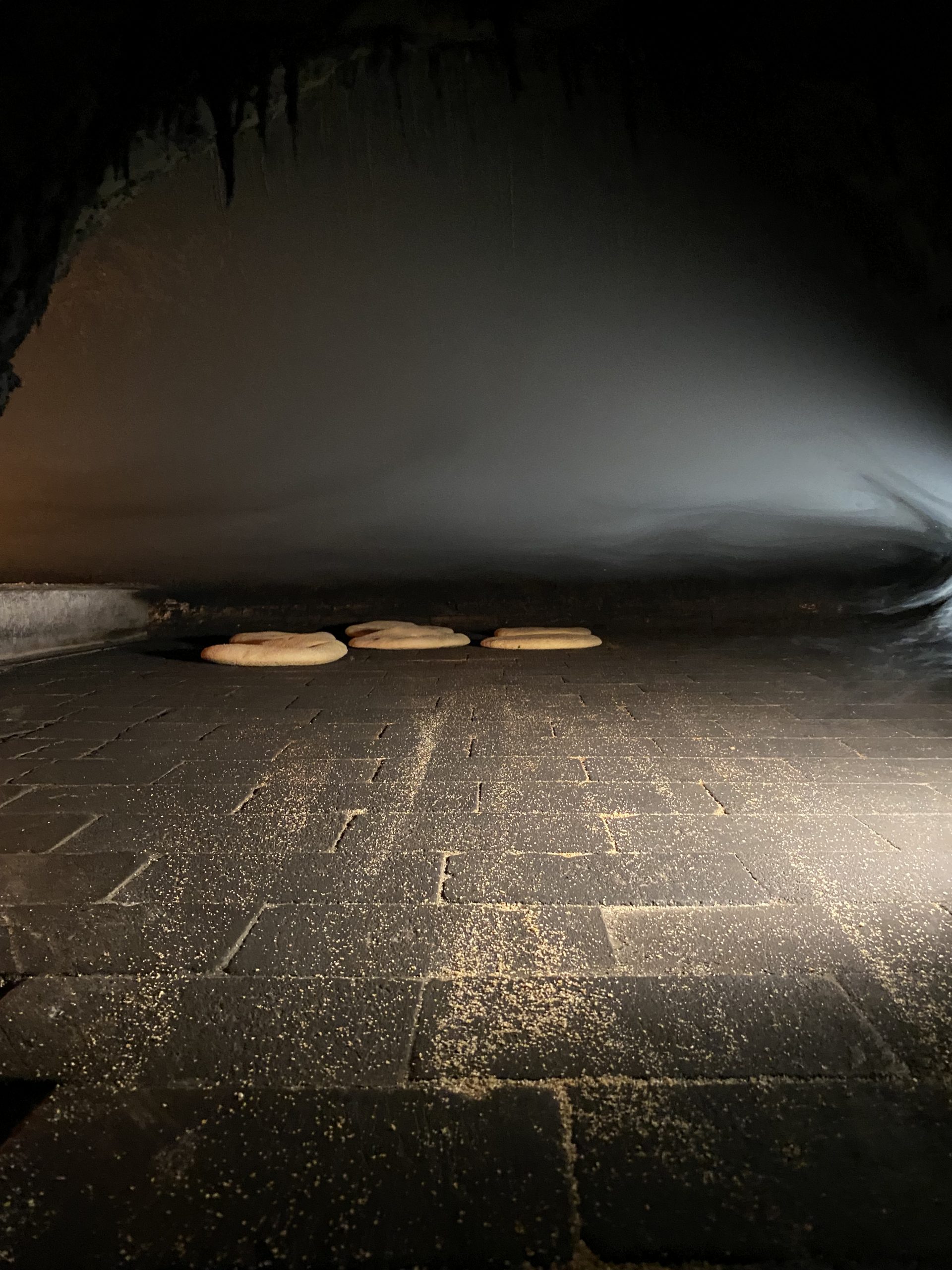
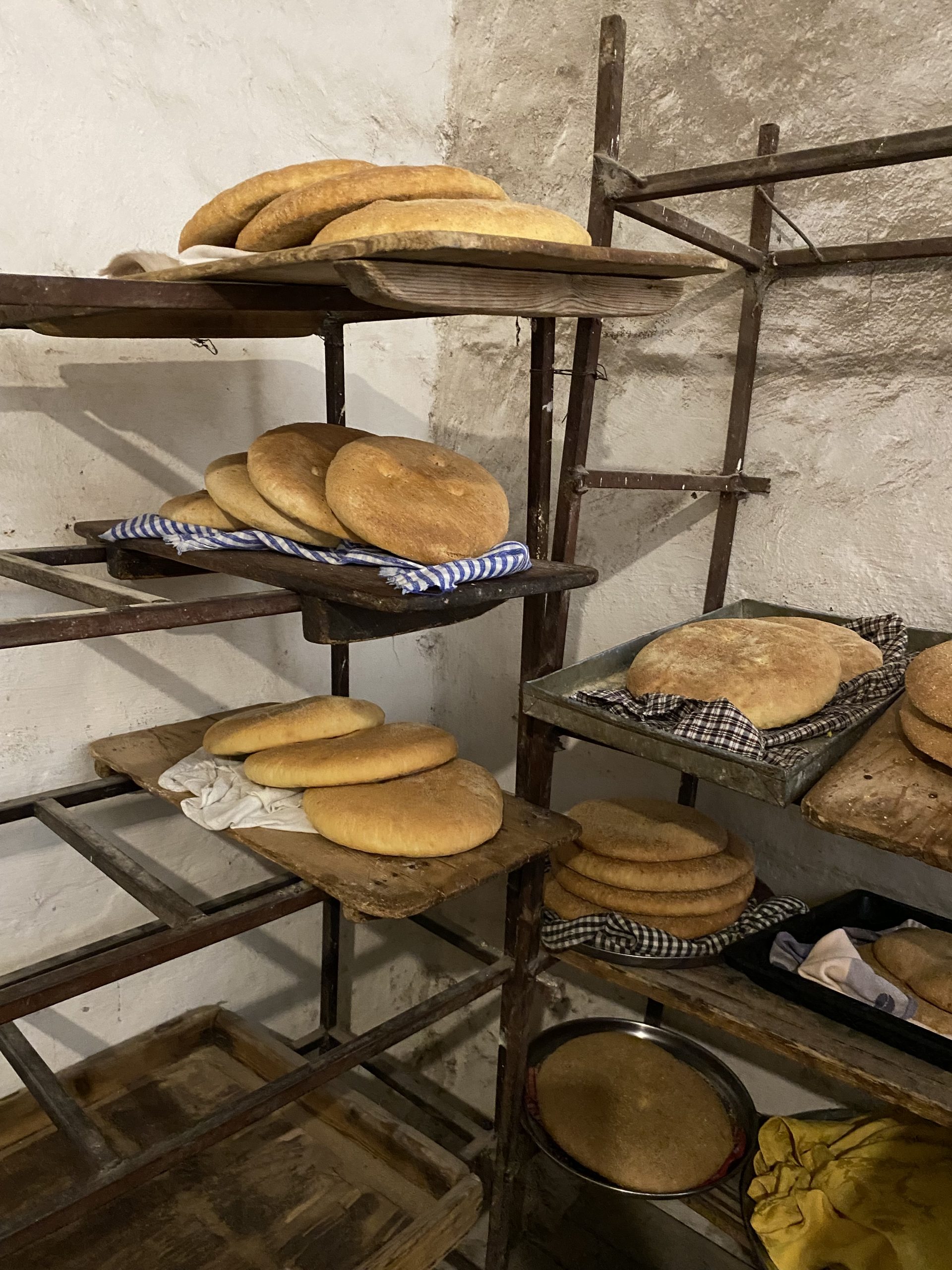
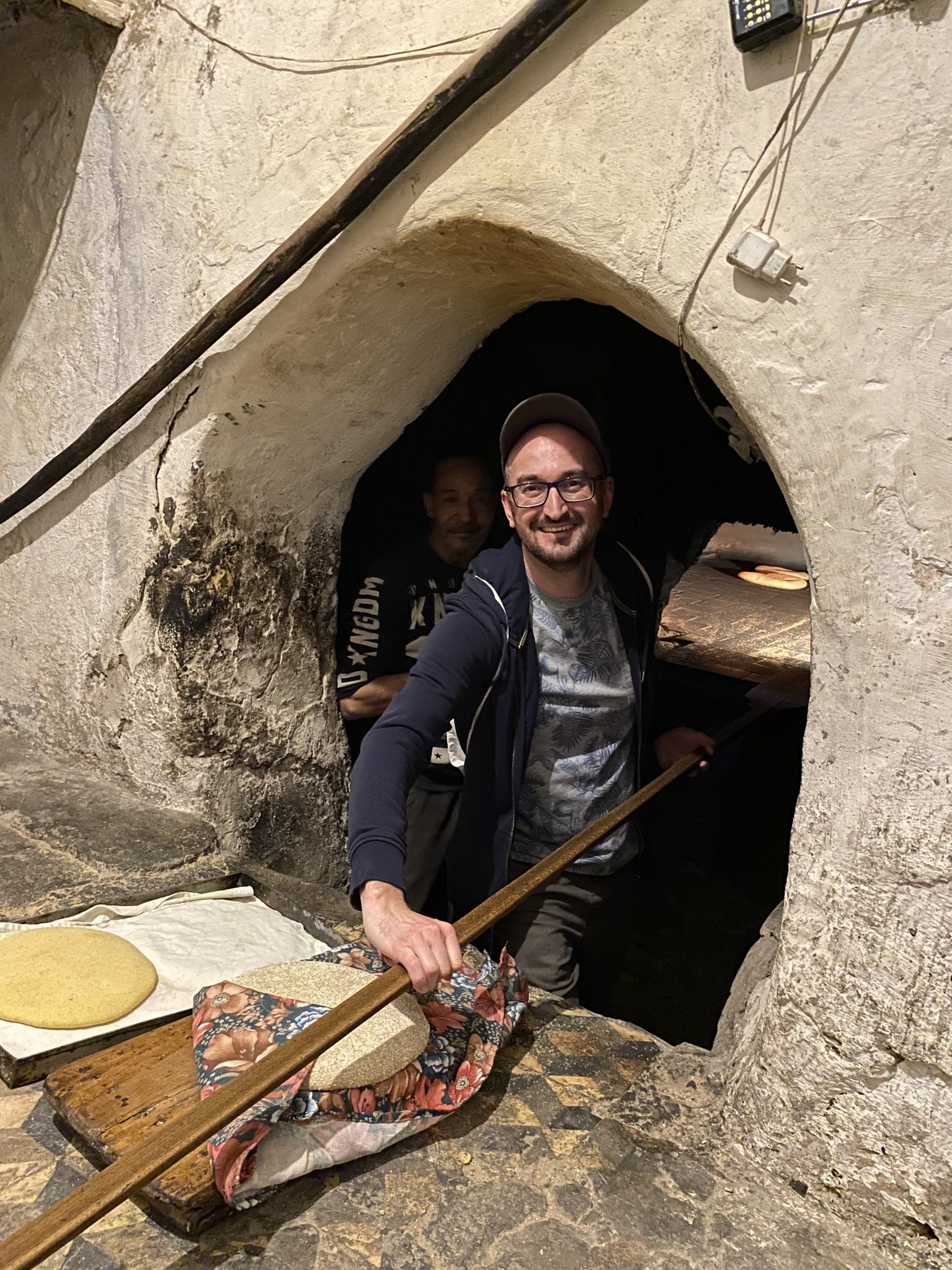
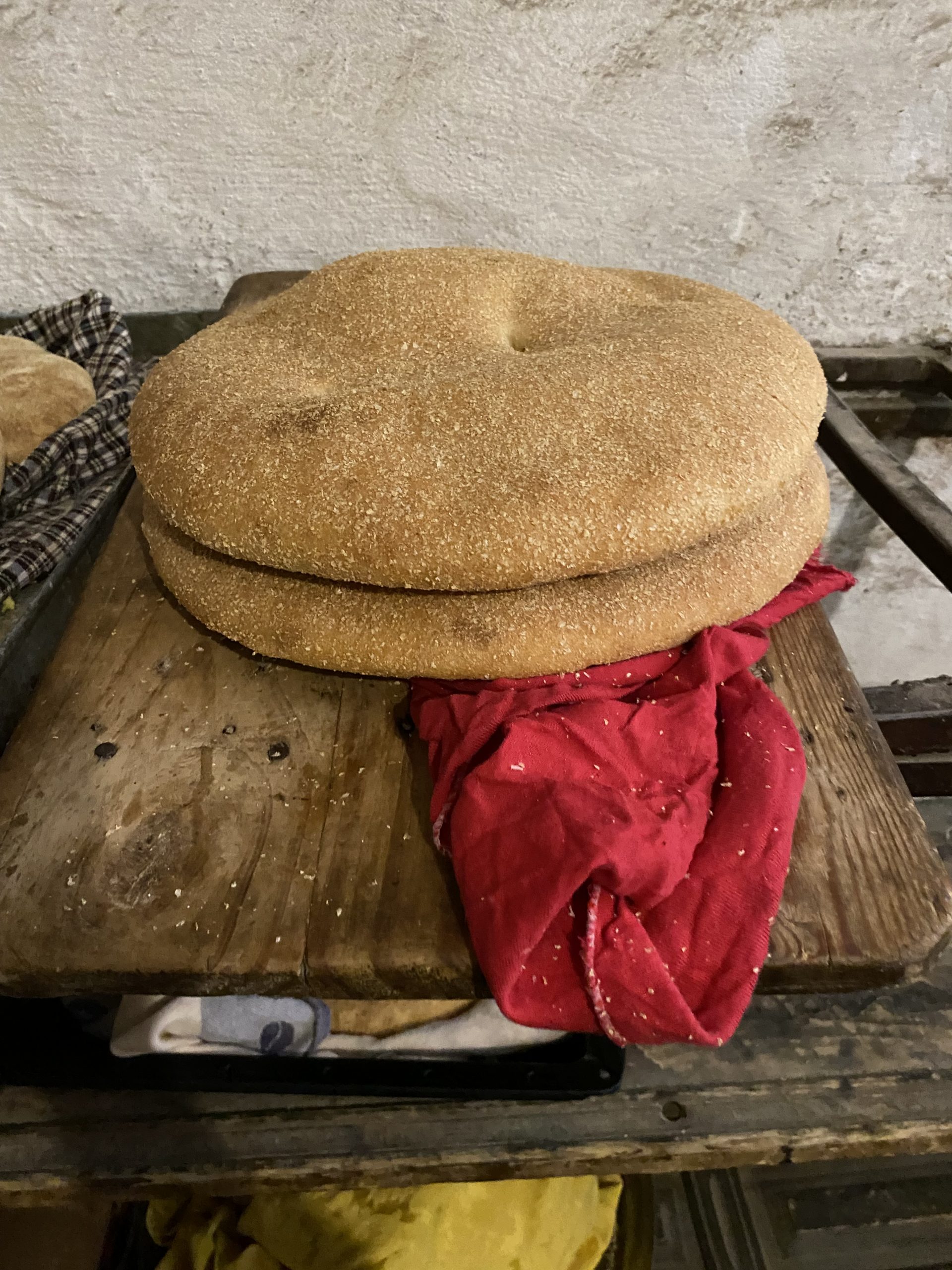
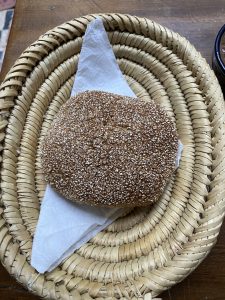
During my stay, I tried several bread types, such as the layered pancake-style msemen, the stuffed version called rghaif, the very dense shair and its variation with corn flour harcha, and the 1000 holes pancake bread called beghrir. However, the most common bread is the khobz. If you want to learn more about the different bread types and also recipes, you can read the post from The Perfect Loaf and Maroc Mama on Moroccan bread.
Since I took part in a baking lesson in Fez and visited a few communal bakeries, where everything was about khobz, I decided to bake this very common bread type at home.
However, I reinvented the recipe with sourdough, since nowadays most Moroccans use industrial yeast to prepare it. That´s a little bit of pity because, before the 20th century, all bread was leavened with sourdough, and according to researchers, there are still areas in the country, where the use of sourdough is very common.
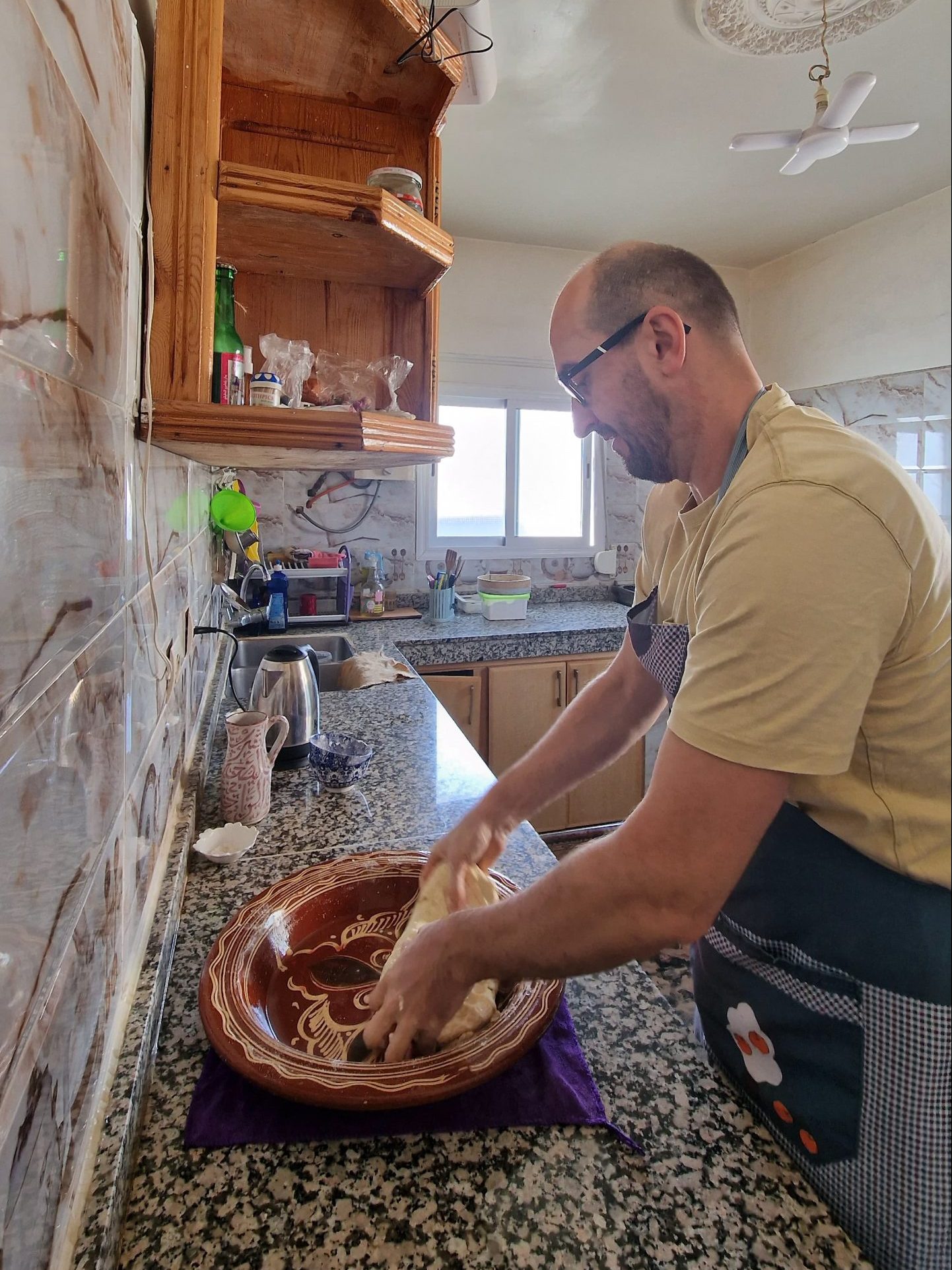
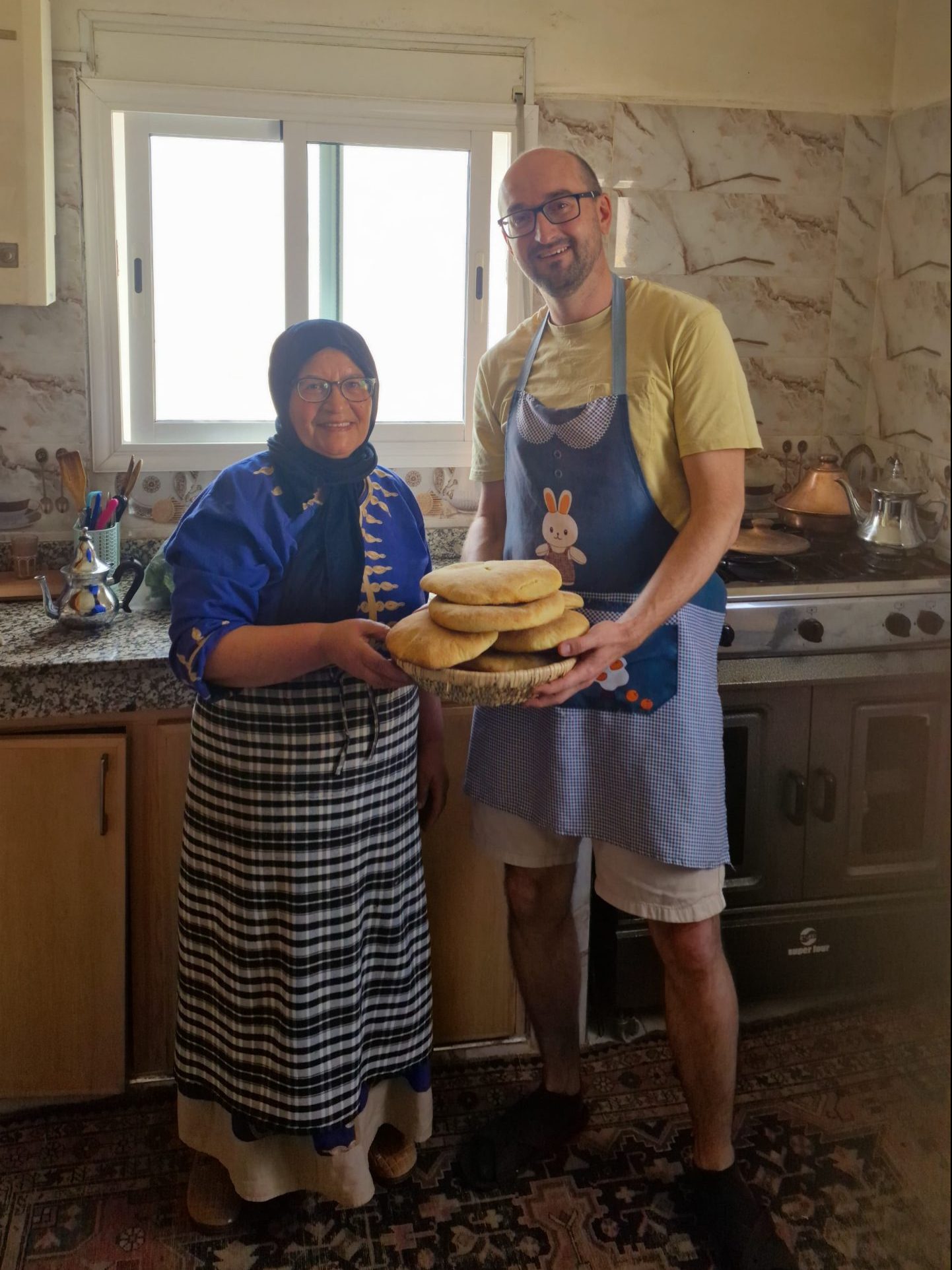
Let´s make some traditional Moroccan bread!
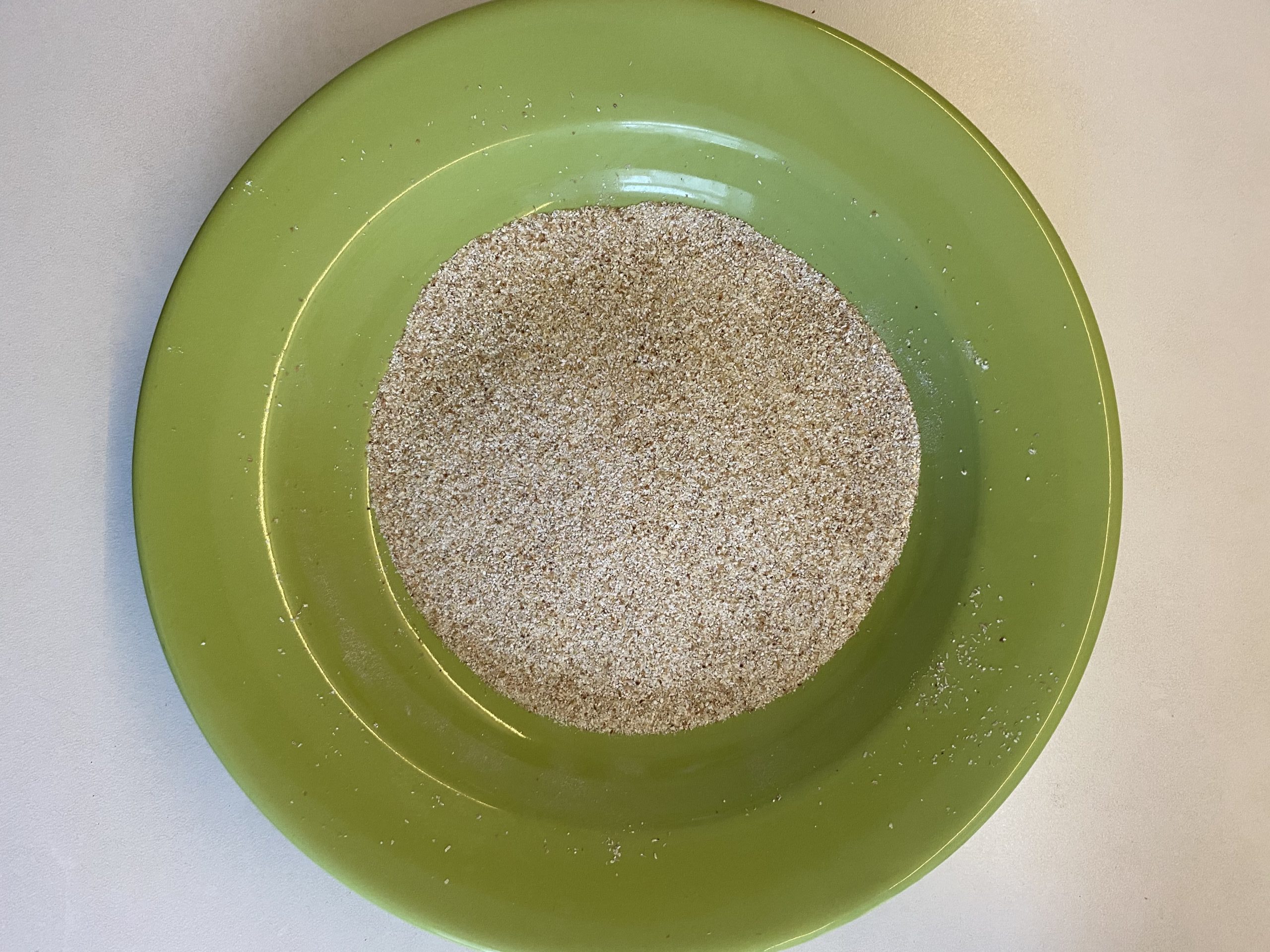
Traditionally the khobz is made of a mix of flours, while barley would give the dominant note. If you don´t have barley flour, you can replace it with buckwheat and semolina, half-half. Also, if you don´t find finely crushed barley for the final rolling of the dough pats into it, you can use wheat or buckwheat semolina. With these hints, here is the recipe of my version of Moroccan sourdough barley bread:
- 100 g of active sourdough starter
- 350 g water (around 30 degrees C)
- 150 g whole grain barley flour
- 150 g whole grain wheat flour
- 200 g all-purpose white wheat flour (Type 550 in Germany)
- 10 g salt
- 10 g olive oil
- 5-10 g anis seeds (depending on the intensity of the flavor you want to add to the bread)
- some extra water, if needed (if the dough is too stiff)
First, mix the ingredients for approx. 10 minutes in a stand mixer, while adding the anis seeds when the dough is almost ready. Depending on the flours used, you might add some more water, if you notice, that the dough is too stiff. It should not be sticky and soft, but you should be able to form it easily.
Add the dough to a bowl or container greased with some olive oil and let it proof on room temperature for 4-5 hours. Perform 2-3 coil folds in the first 2 hours.
Transfer the bowl to the refrigerator for cold proof. Depending on when you want to bake the bread, you can cold-proof it for 6-12 hours. Of course, the taste will be different, sourer with more proofing time.
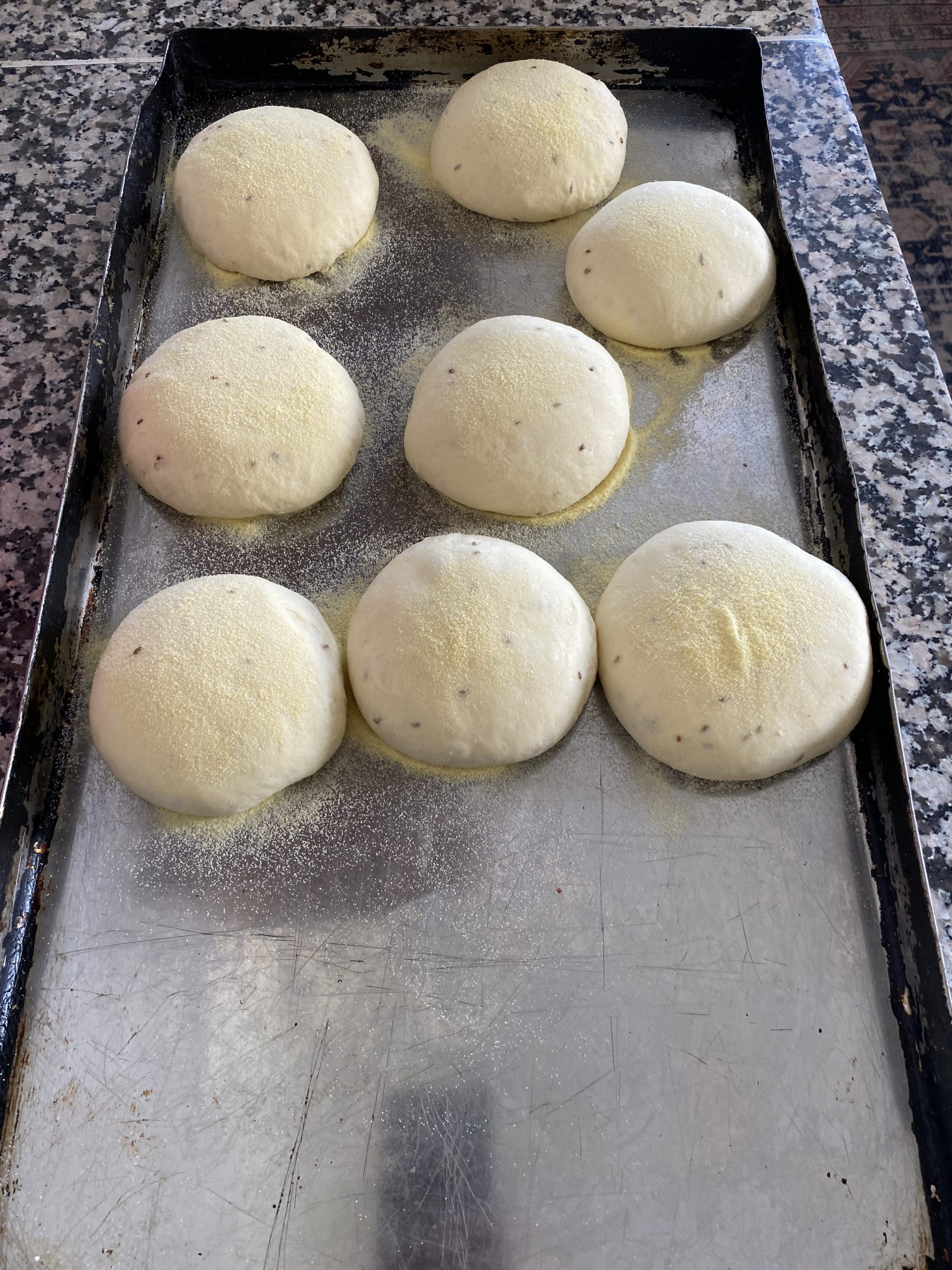
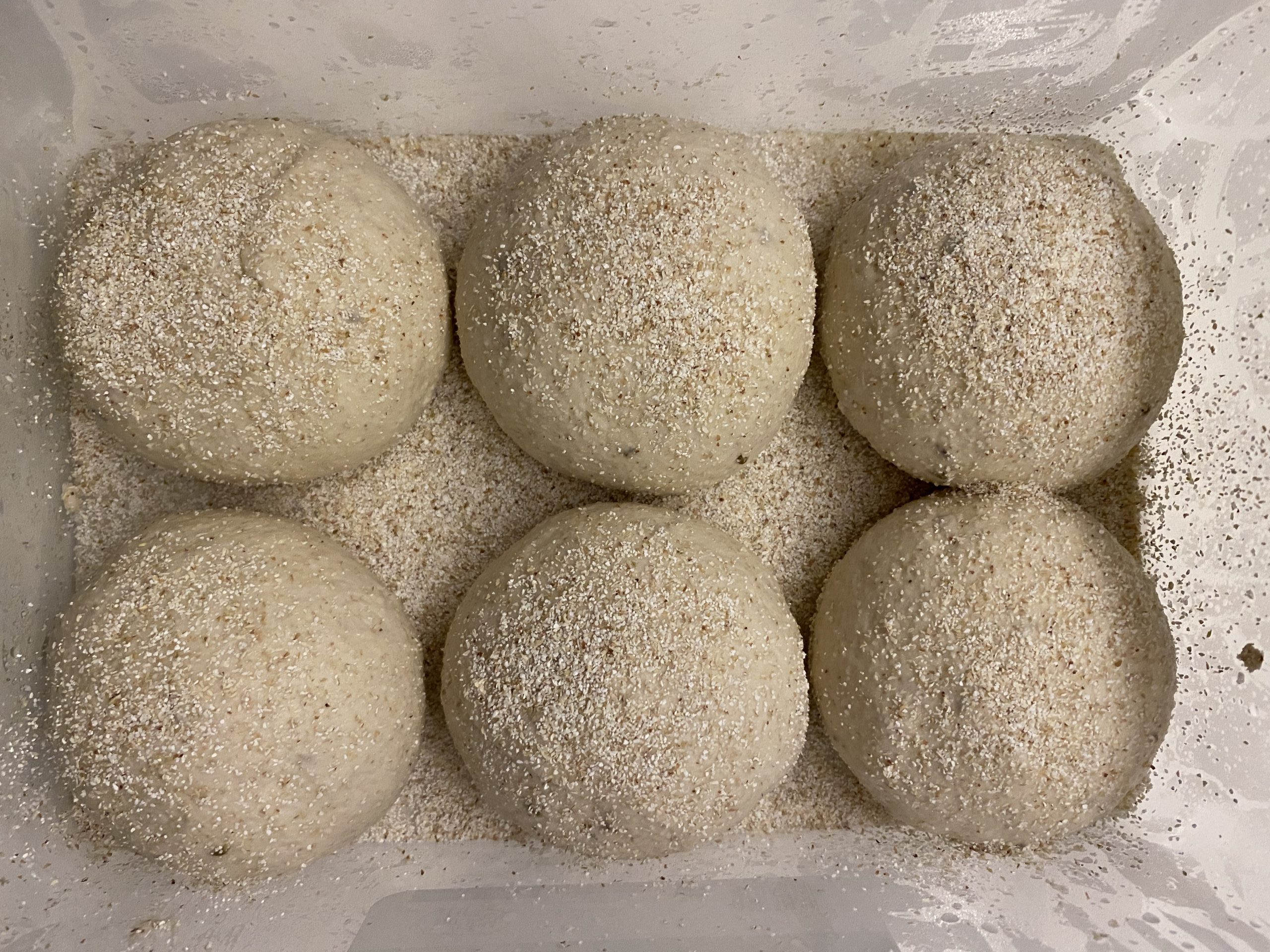
The evening before the baking day, take out the dough from the refrigerator divide it into 6 equal pieces, and pre-shape it into balls. Roll them into the semolina (barley, buckwheat, or wheat) and place in back in the container or on a plate, cover them, and put them back for another overnight cold proof in the refrigerator.
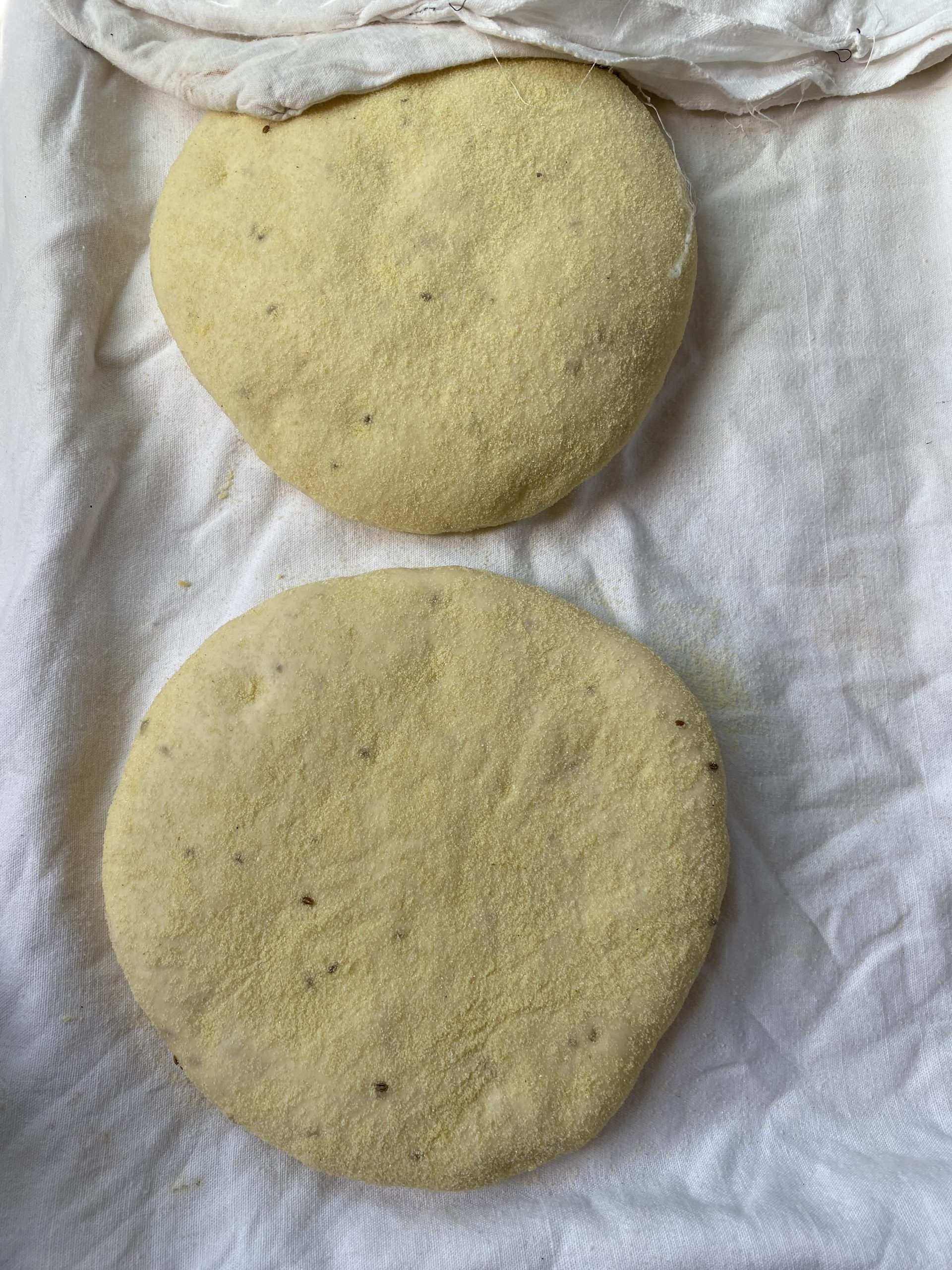
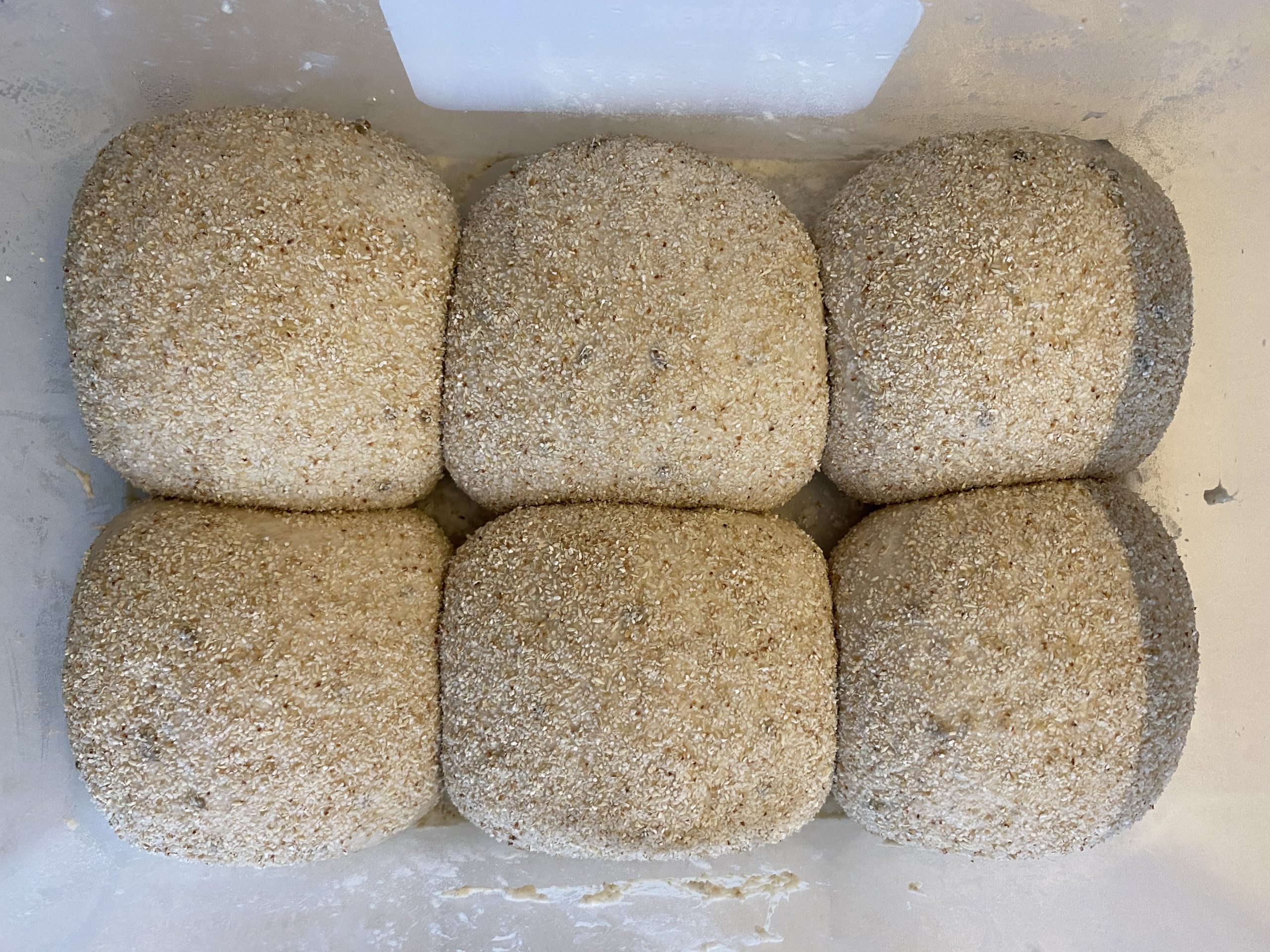
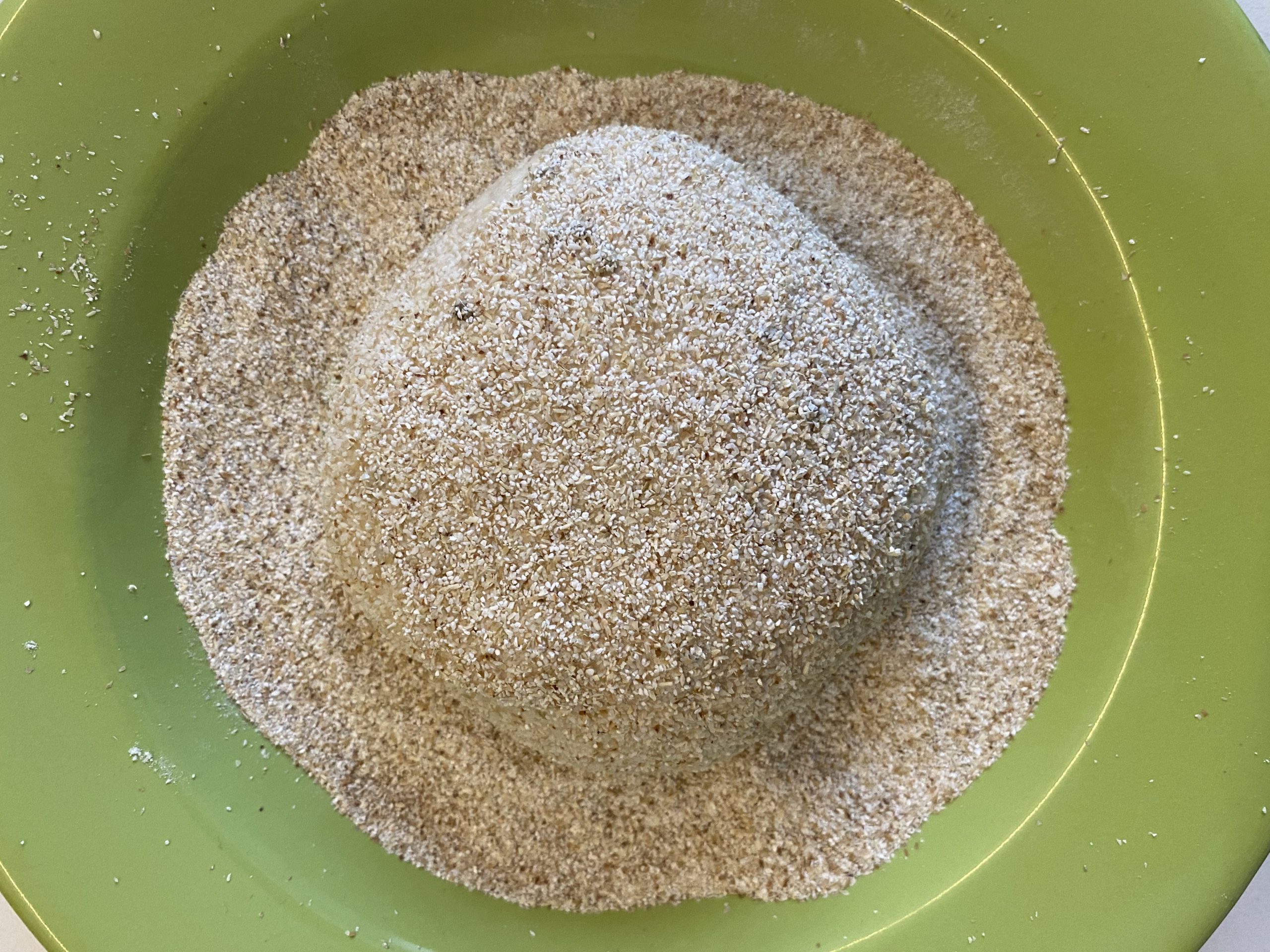
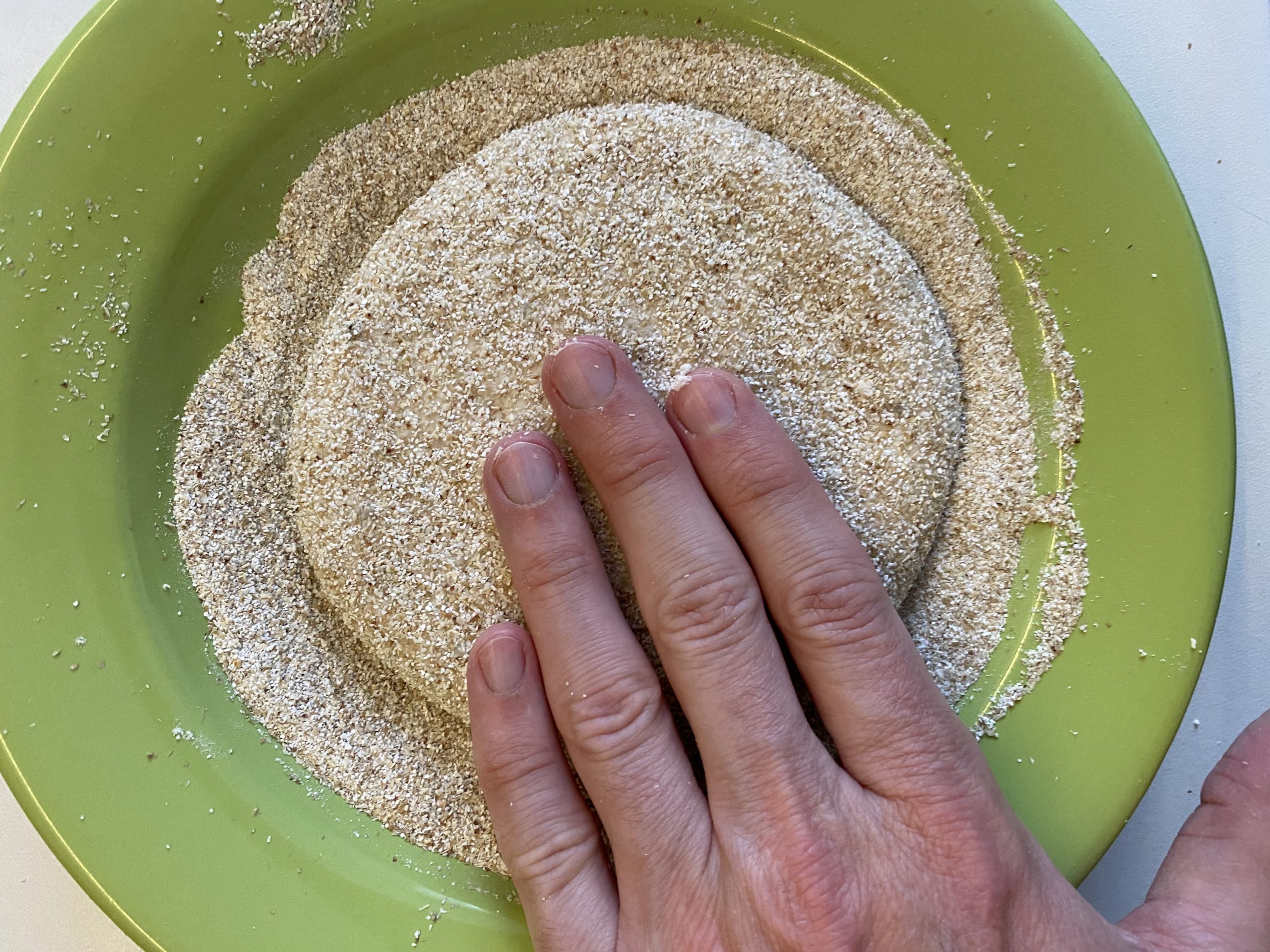
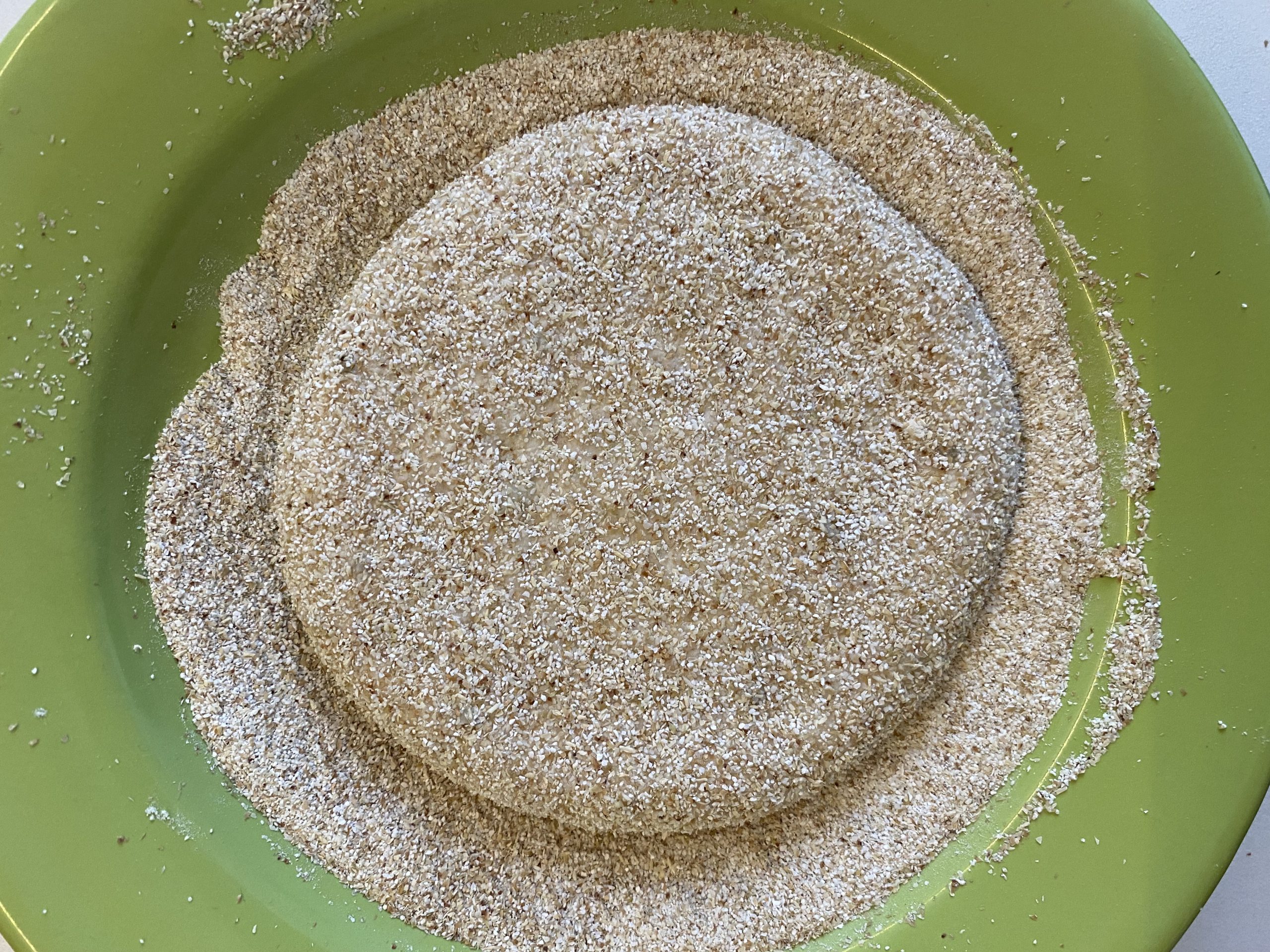
The next morning, take the nicely raised dough balls one by one and roll them on a plate again in semolina. Start to flatten them in a round shape by applying gentle pressure on the top. Try not to stretch them with both hands, like a pizza. Instead, use the fingers of one hand to flatten and go around the dough. Sprinkle more semolina on the top if needed.
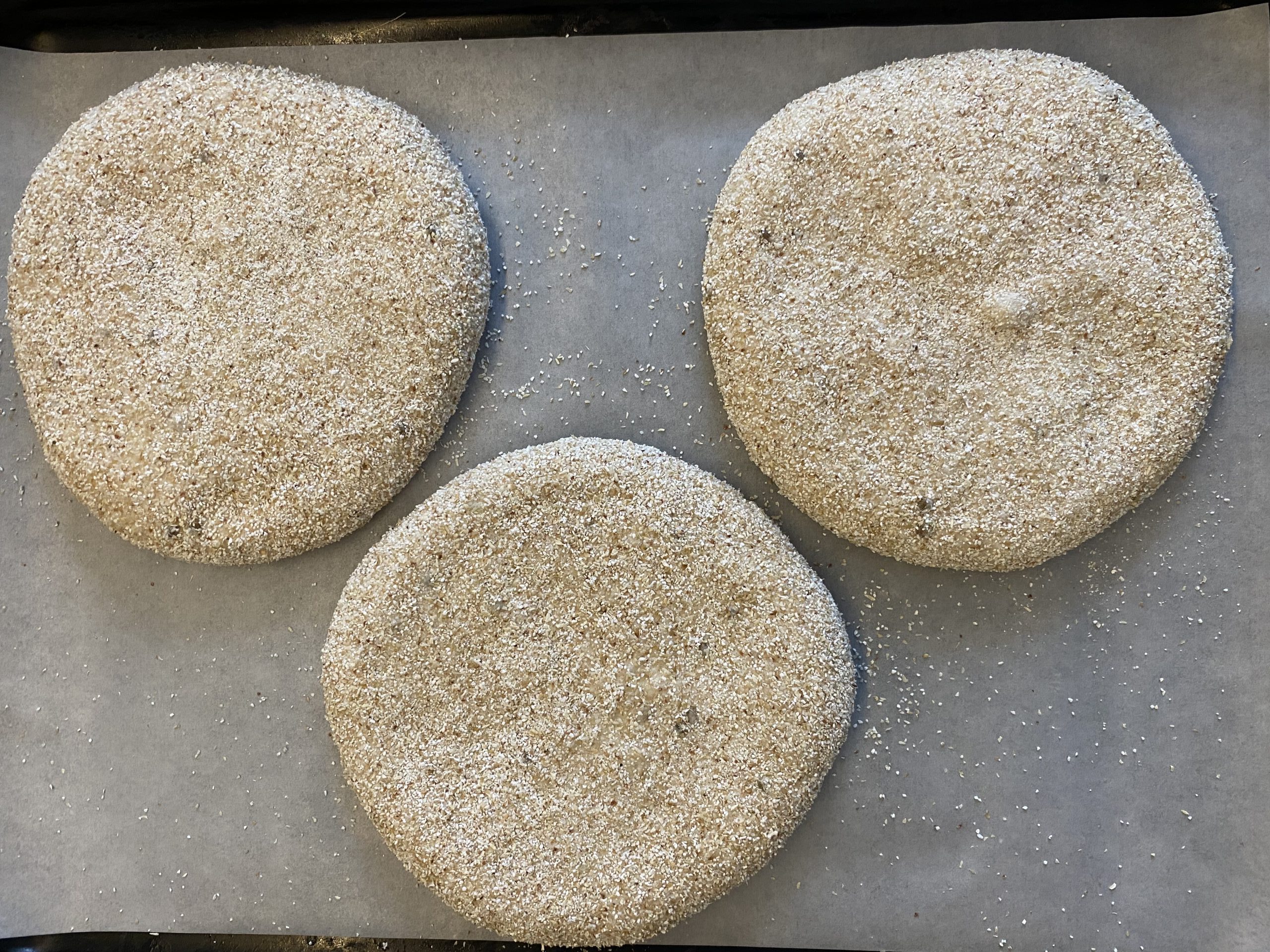
Transfer the pats to a baking sheet, cover them with a towel, and let them proof on room temperature for about 1-2 hours, until the pats visibly raise again.
Preheat the oven to 220 C, poke in several places with a fork and bake the breads golden brown.
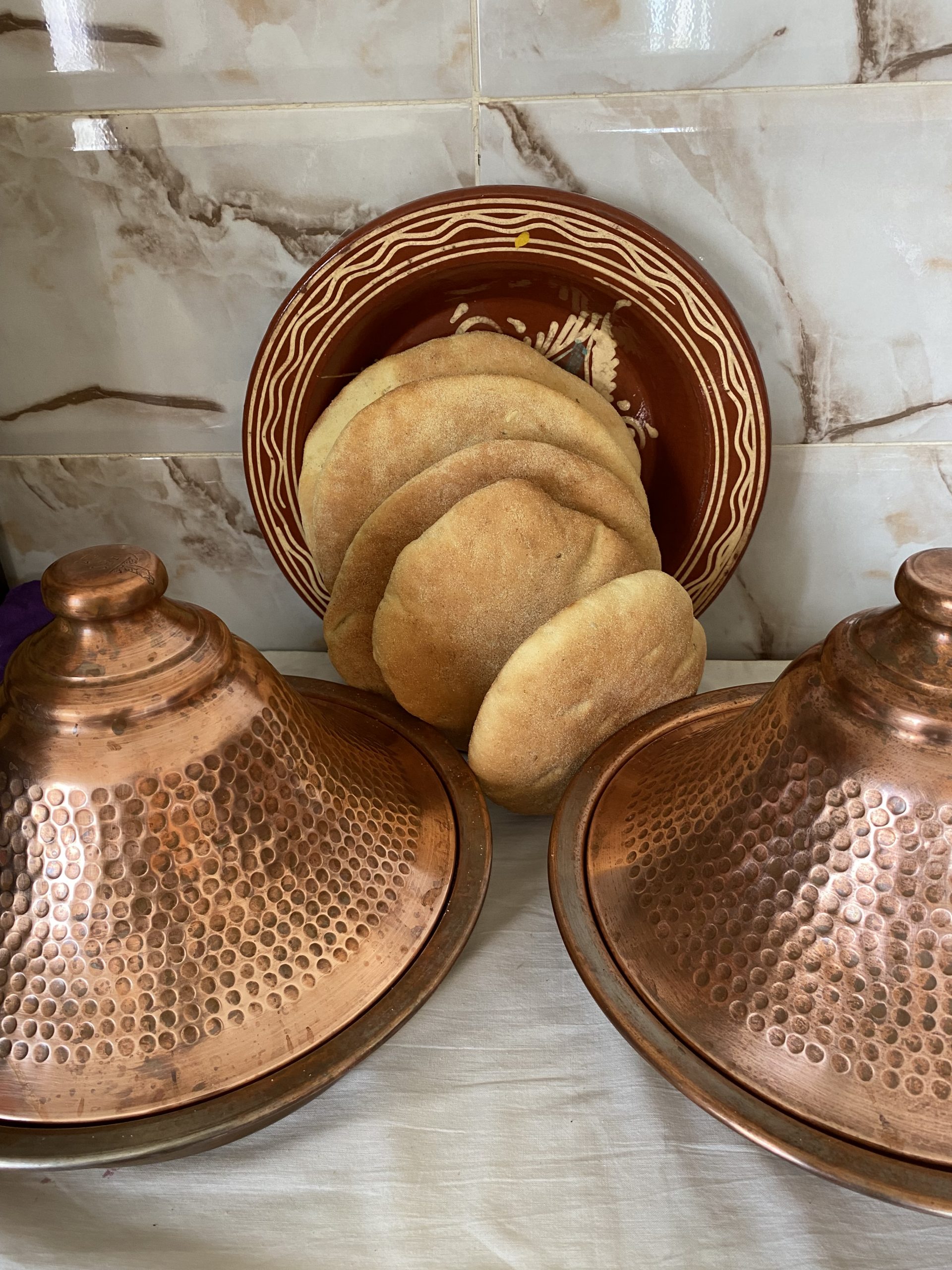
Let them cool down for at least 30 minutes.
The khobz has a somehow earthy taste because of the buckwheat or barley flower, which is balanced by the sourness coming from the sourdough. I particularly like that they are crispy outside because of the semolina “cover”. They are good for breakfast and to eat with soups and salads!
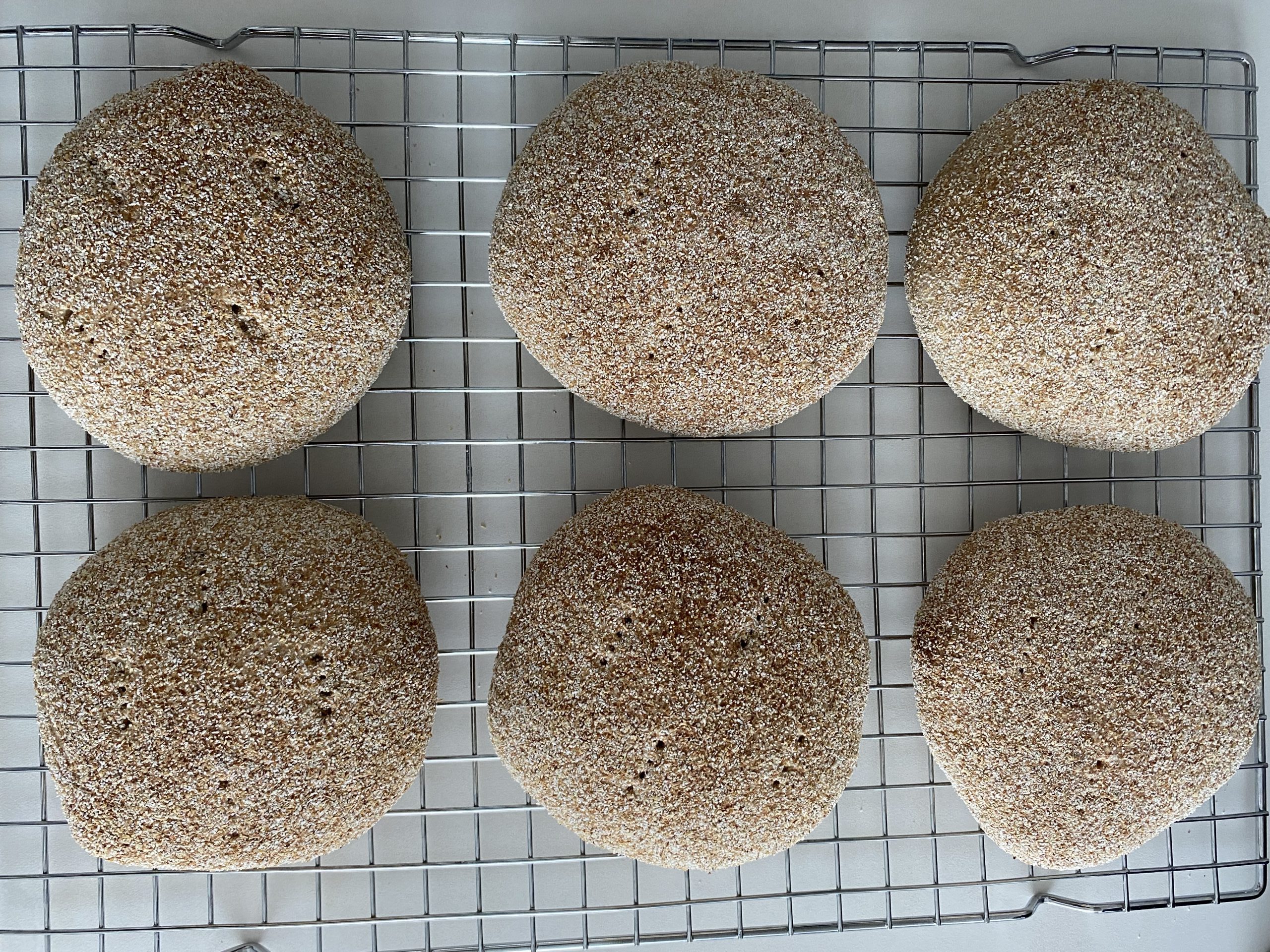
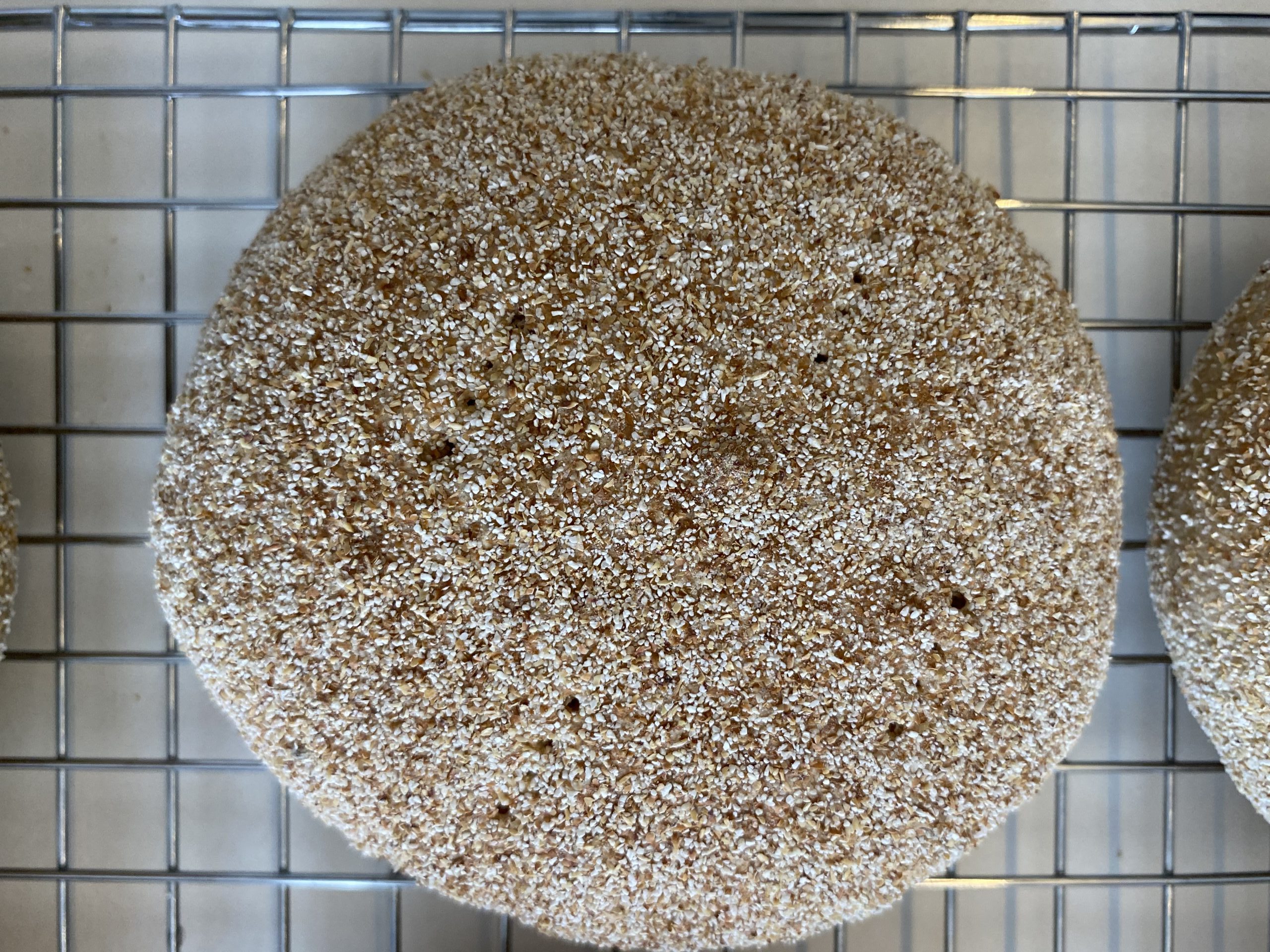
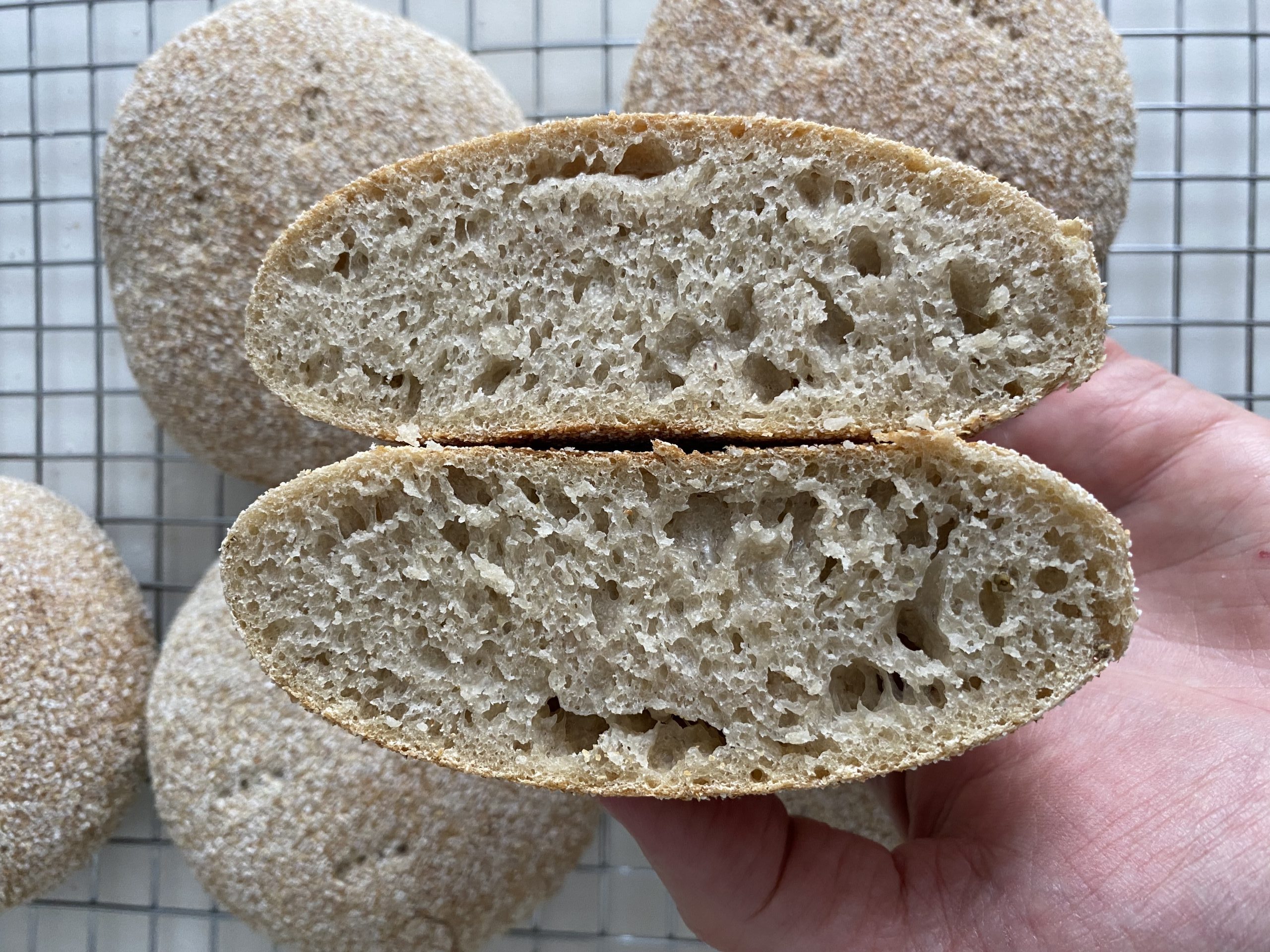
Looking forward to hearing about your experience with Moroccan bread and especially with my recipe above!