When people think of Cabo Verde, they often imagine sandy beaches and winter sunshine. While the islands of Sal and Boa Vista have become popular beach destinations, there is another side to this Atlantic archipelago: dramatic mountain landscapes, vibrant music, welcoming people, and a surprising bread culture.
For travelers who enjoy hiking, local culture, and discovering authentic destinations, the northern islands of Santo Antão, São Nicolau, and São Vicente offer an unforgettable experience.
How Cabo Verde Inspired Our Journey
My fascination with Cabo Verde began long before I booked a flight. Like many visitors, I first discovered the islands through the music of Cesária Évora, the famous “Barefoot Diva.” Her songs introduced the melancholic sounds of morna, the music genre that has become one of Cabo Verde’s cultural treasures.
Later, artists such as Mayra Andrade strengthened my curiosity about the islands and their rich cultural heritage. Documentaries about Cabo Verde revealed rugged volcanic landscapes, colorful towns, and a unique blend of African and Portuguese influences.
Another motivation was language. Having studied Portuguese for many years, I was eager to practice it in a Lusophone country outside Europe.
The Islands of Cabo Verde
Located around 600 kilometers off the coast of West Africa, Cabo Verde consists of ten volcanic islands. Uninhabited until the arrival of Portuguese settlers in the 15th century, the islands developed a unique Creole culture combining African and European influences.
Today, Cabo Verde is often considered one of Africa’s success stories. Compared with several countries in Sub-Saharan Africa that I had previously visited, including Mozambique and Tanzania, the country offers a relatively high level of infrastructure, safety, education, and political stability.
Visitors will also discover that communication is easy. While Portuguese is the official language and Cape Verdean Creole is spoken daily, many locals also speak English or French, especially in tourism-related businesses.
Getting to Cabo Verde
Together with my friend Michaela, I traveled from Lisbon to São Vicente, one of the cultural centers of the archipelago.
Instead of heading to the more popular beach destinations in the south, we chose to focus on the northern islands. The combination of hiking opportunities, dramatic scenery, and cultural experiences matched our travel style far better than a traditional beach holiday.
Santo Antão: A Hiker’s Paradise
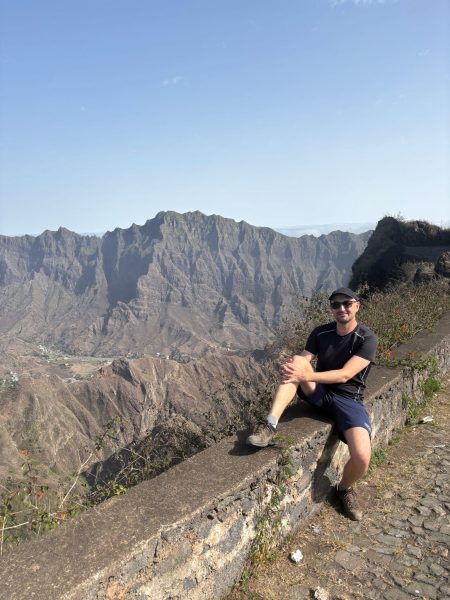
After arriving in São Vicente, we boarded the ferry to Santo Antão, widely considered the most spectacular hiking island in Cabo Verde.
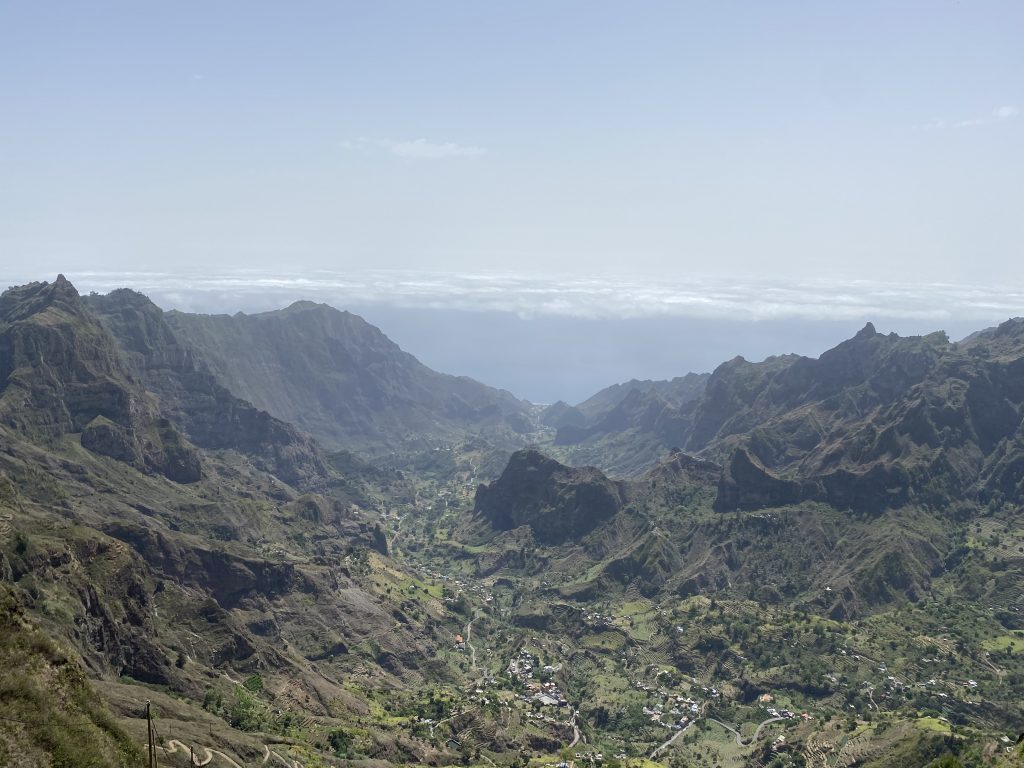
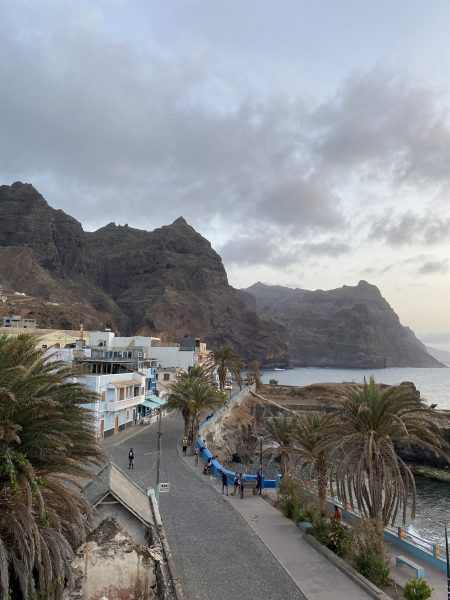
Our base was Ponta do Sol, a colorful coastal town in the northeast of the island. Surrounded by steep mountains and connected to several famous trails, it is an ideal starting point for exploring Santo Antão.
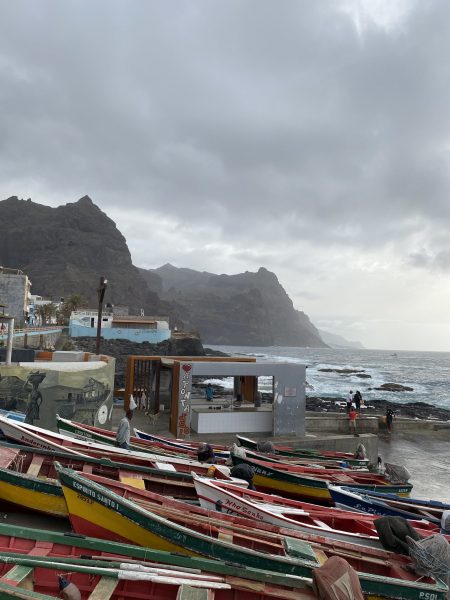
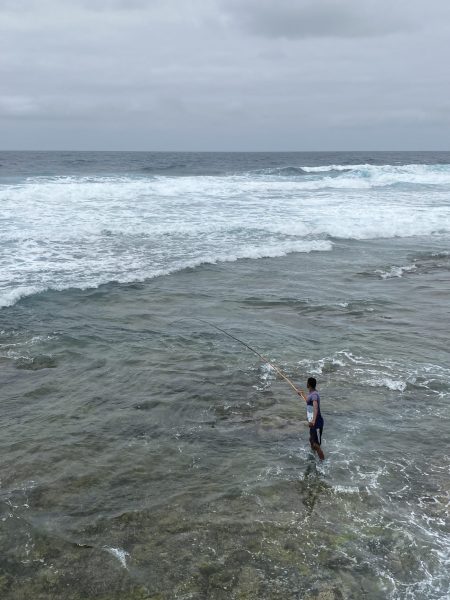
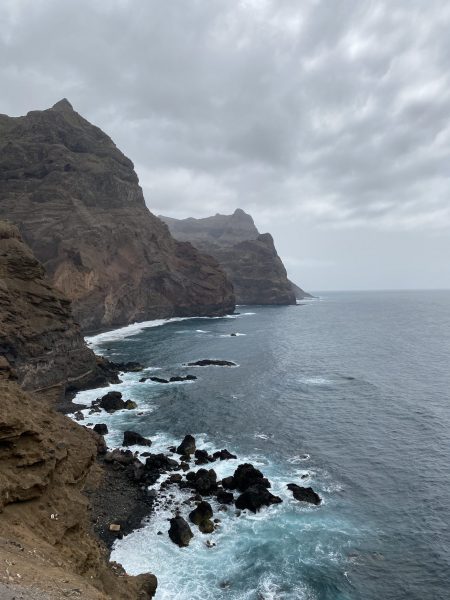
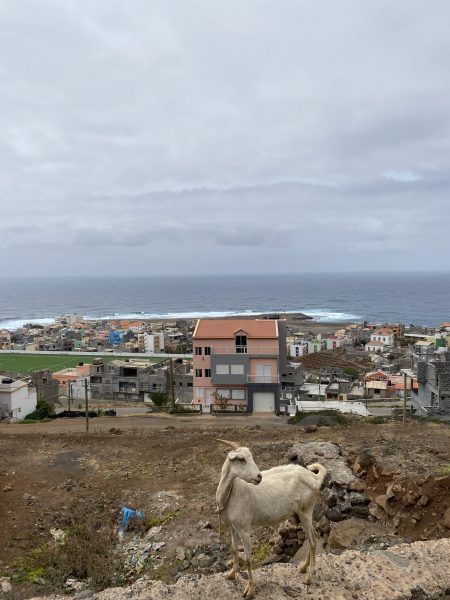
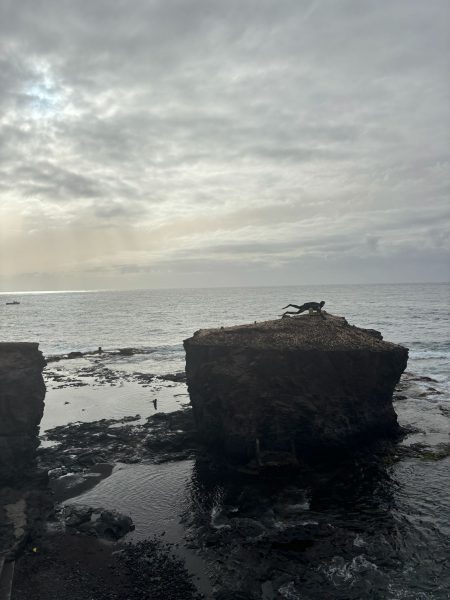
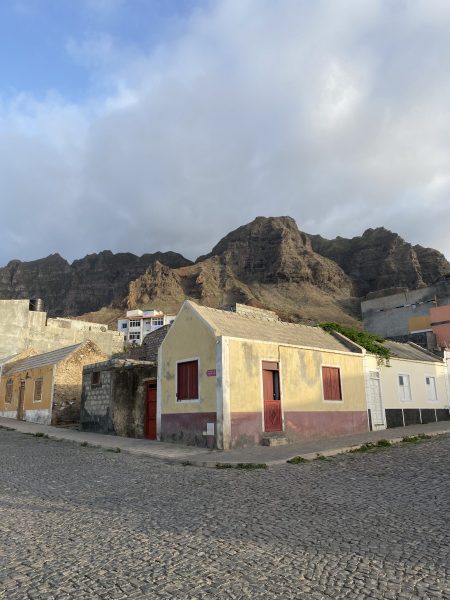
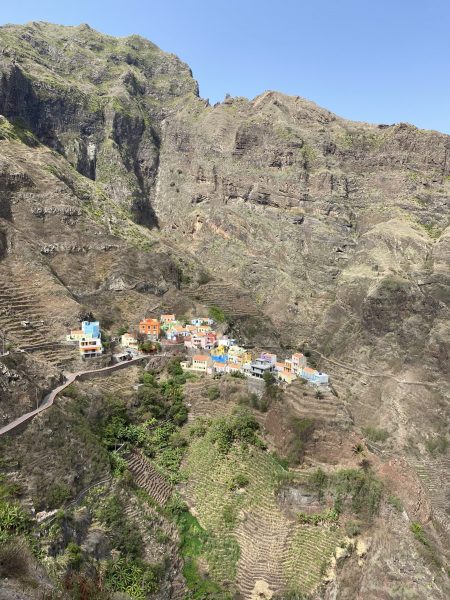
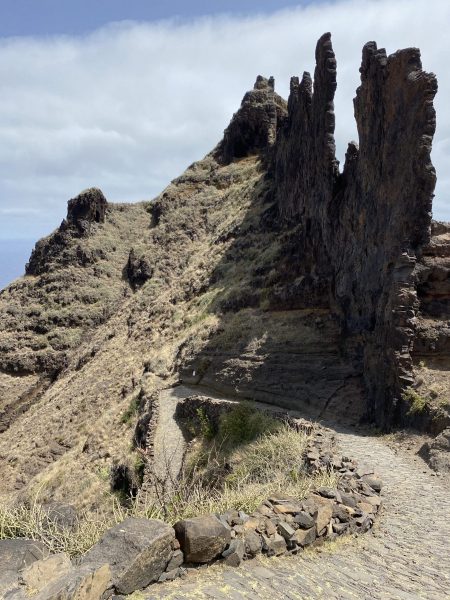
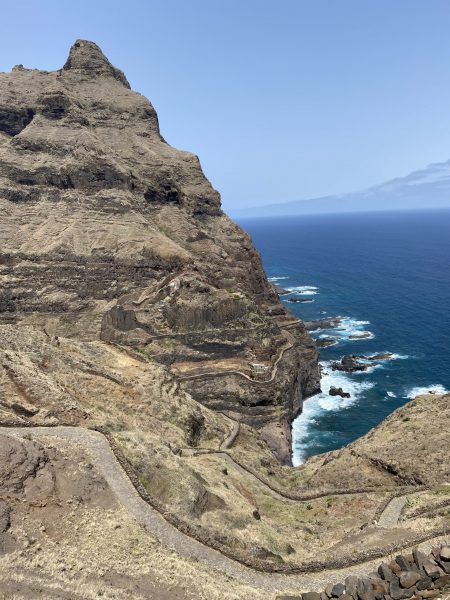
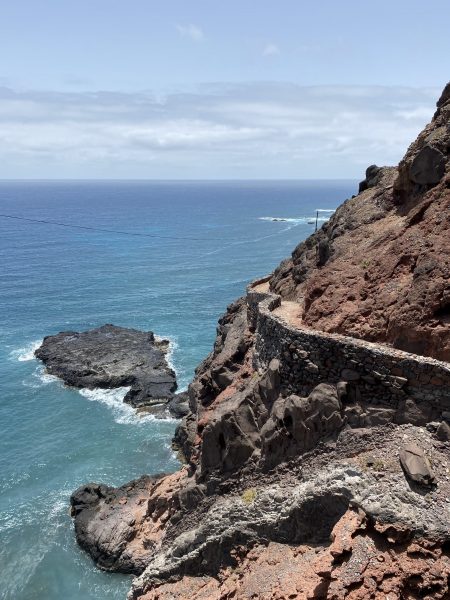
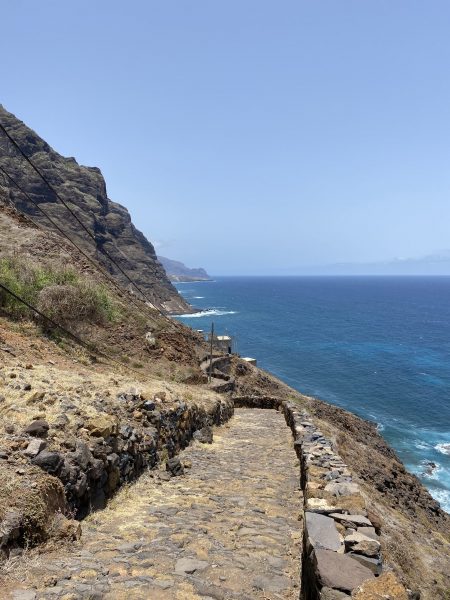
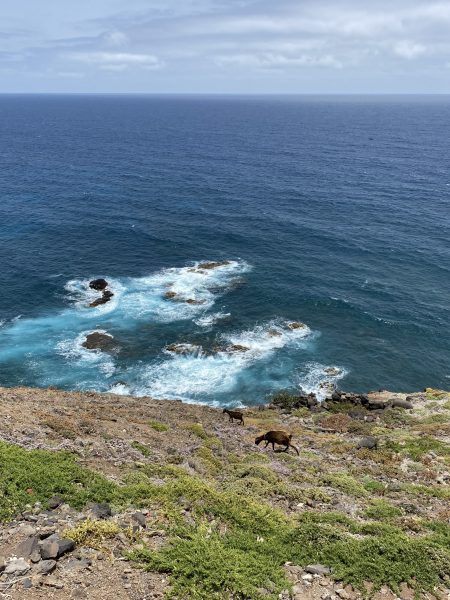
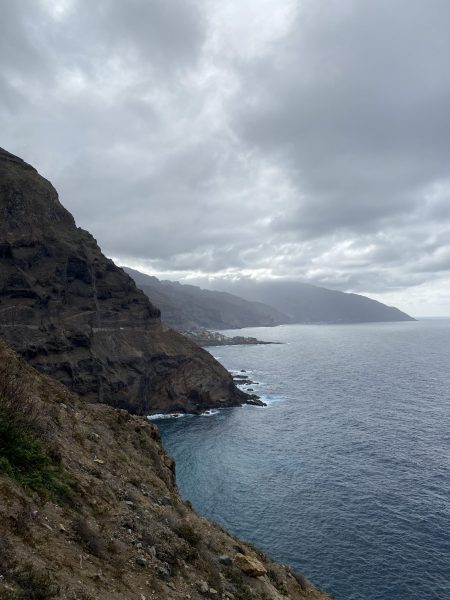
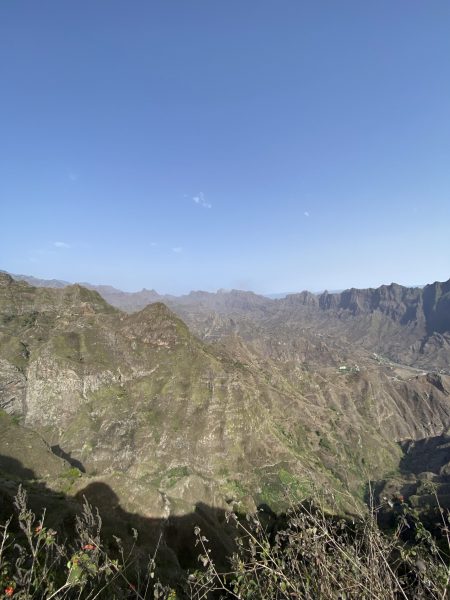
One of the highlights of our trip was the hike from Ponta do Sol toward Cruzinha along a dramatic coastal trail.
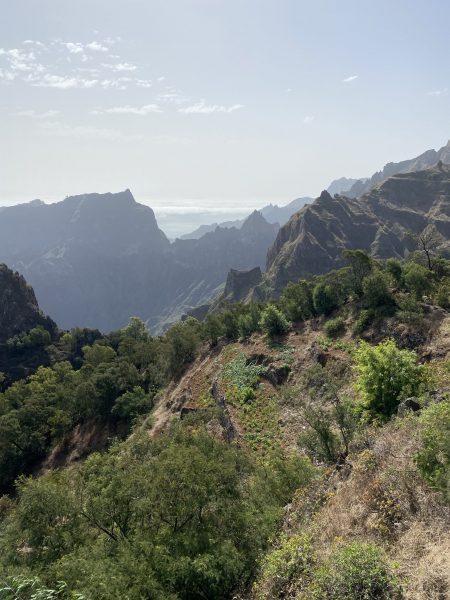
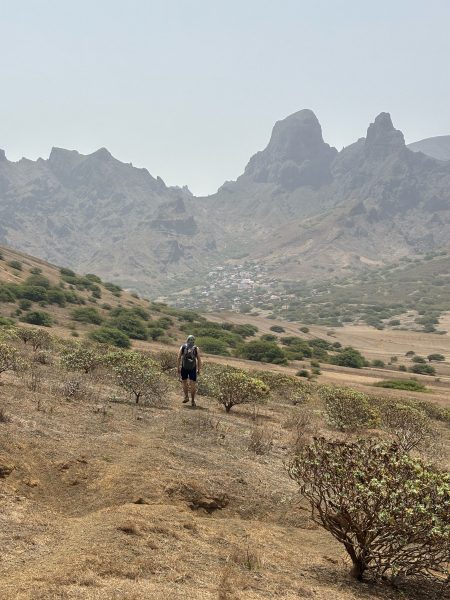
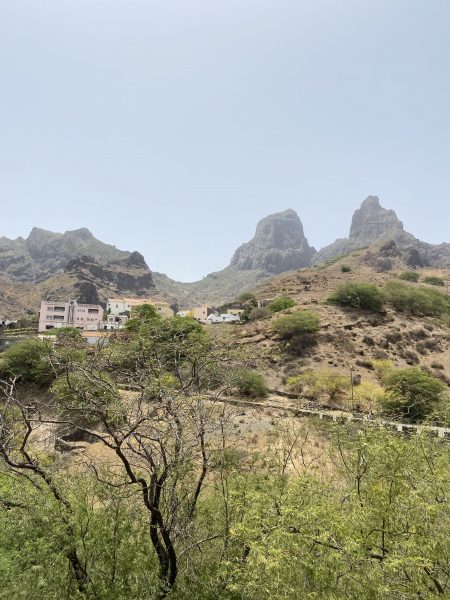
The route passes through some of Cabo Verde’s most breathtaking scenery. The mountain village of Fontainhas, often described as one of the most beautiful villages in the world, clings to steep cliffs above the ocean. Along the way, hikers encounter bizarre volcanic rock formations, black sand beaches, and tiny settlements that seem almost untouched by time.
Some abandoned villages create an atmosphere that feels surprisingly similar to remote regions of South America, reminding visitors of how isolated parts of Cabo Verde once were.
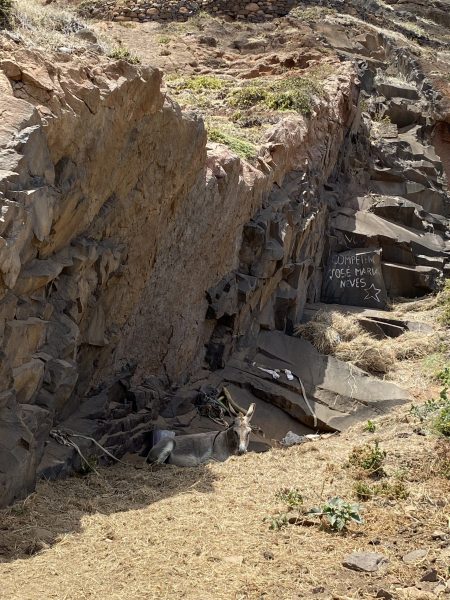
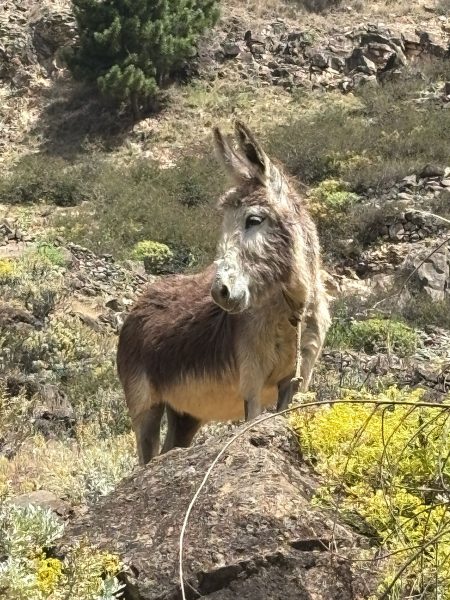
The hike is demanding, both in terms of its length and the number of ascents and descents. However, the locals seem to view it quite differently. We were amazed at how quickly they moved along the trail, often overtaking us with ease. For them, these paths are not hiking routes but traditional connections between villages, used for centuries by both people and donkeys. Donkeys are still present in the landscapes and always a joyful encounter along the way!
 300
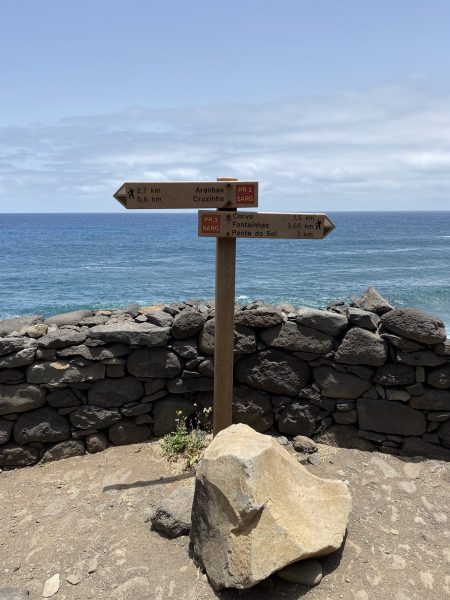



If the coastal hike demonstrates Santo Antão’s rugged character, Paul Valley reveals its fertile side.
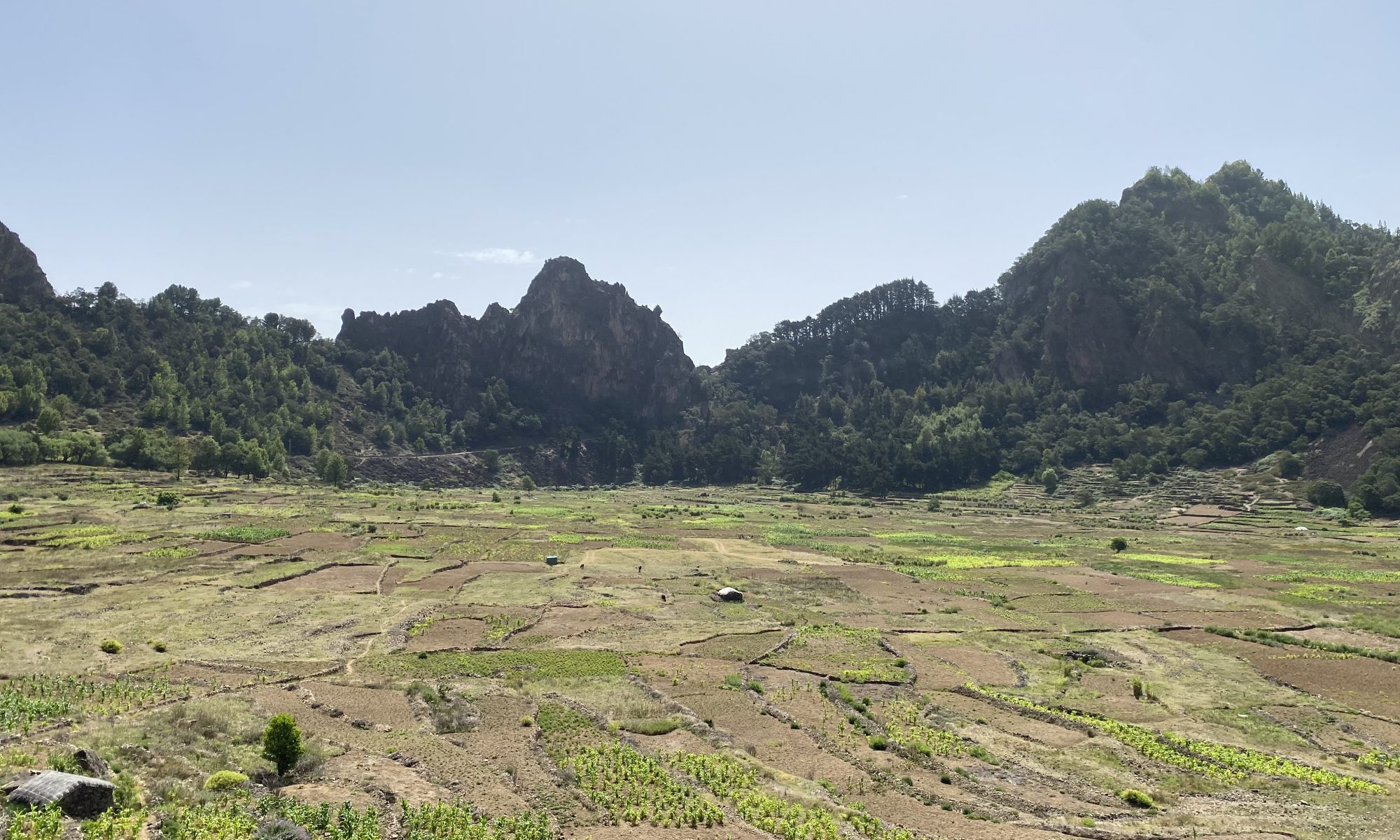
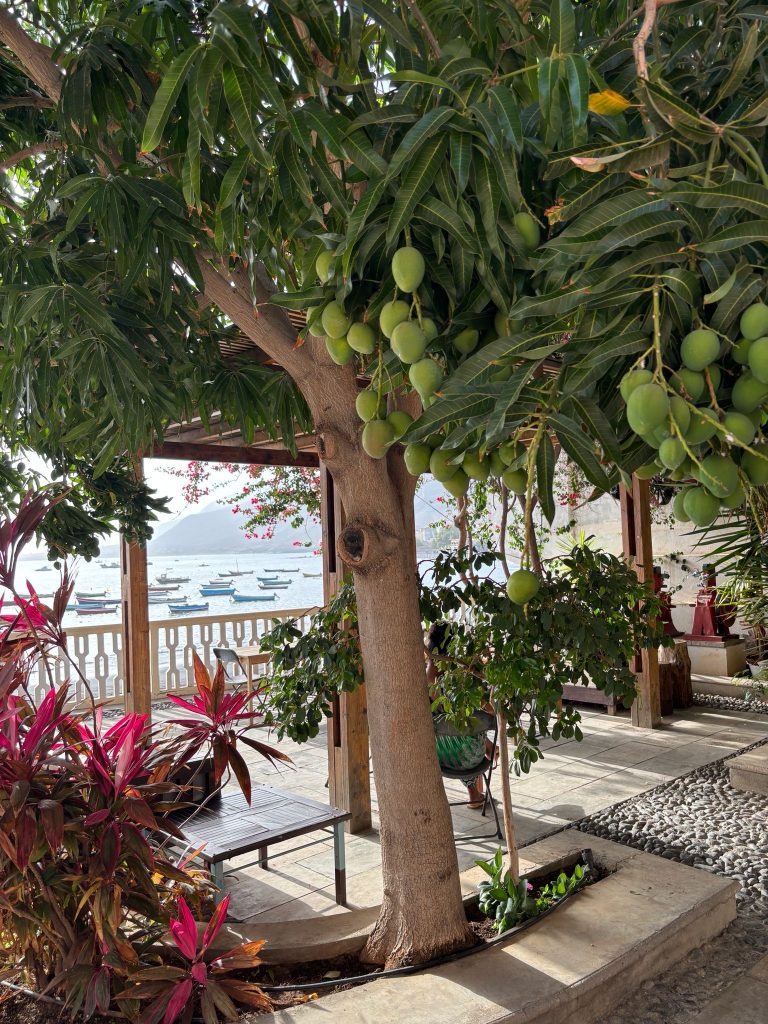
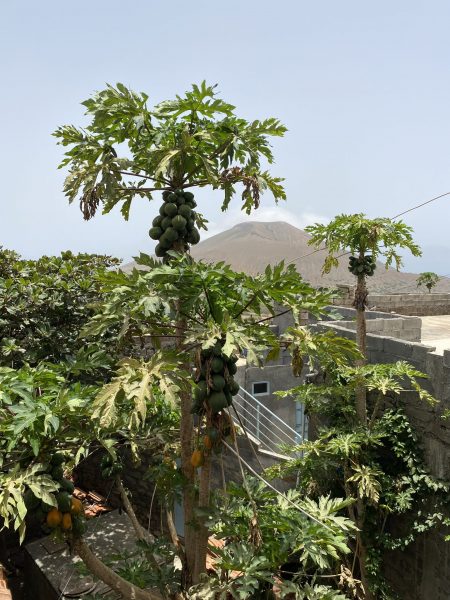
Starting high in the mountains and descending into the valley, the trail passes through changing climate zones and a remarkably lush landscape. Terraced fields cover the hillsides, producing bananas, papayas, mangoes, sugar cane, and vegetables that contribute significantly to local cuisine.
Fresh fish, locally grown vegetables, tropical fruits, and regional cheeses are staples of Cape Verdean cooking. Visitors will also notice Portuguese influences alongside occasional Brazilian touches.
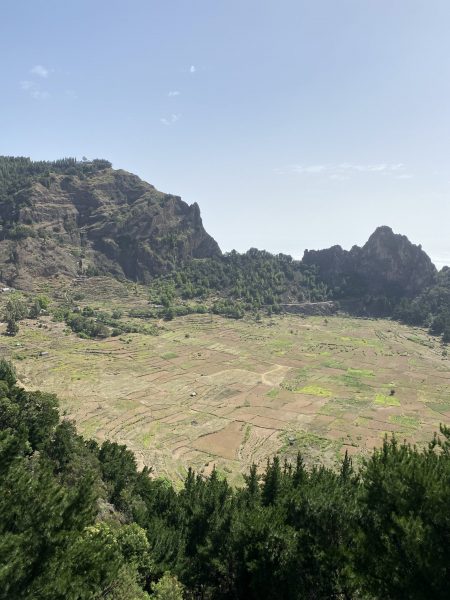
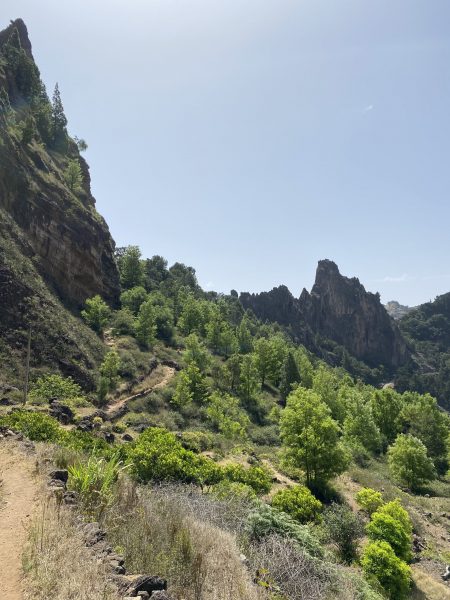
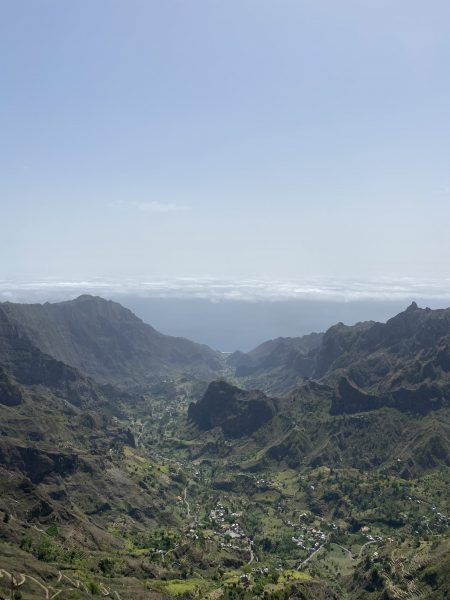
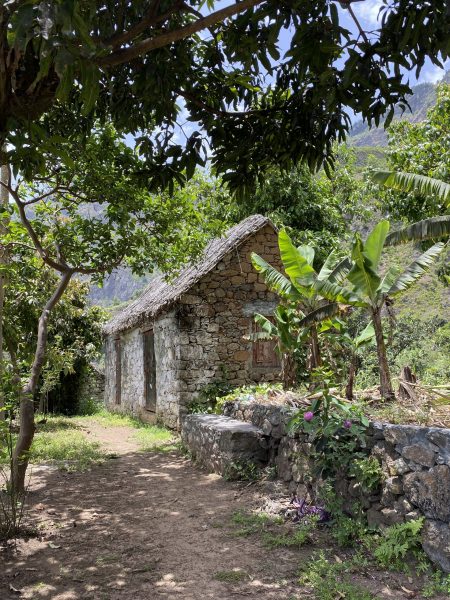
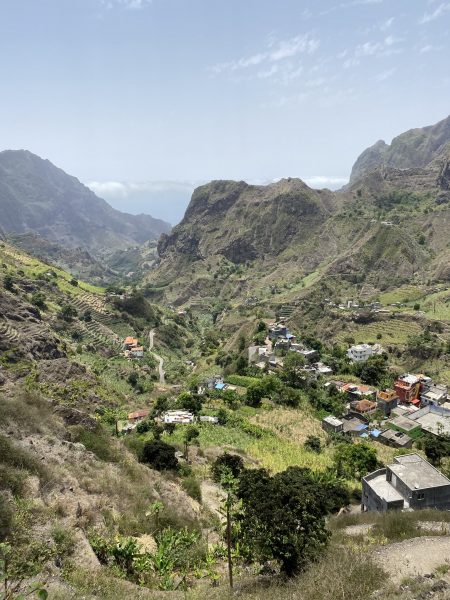
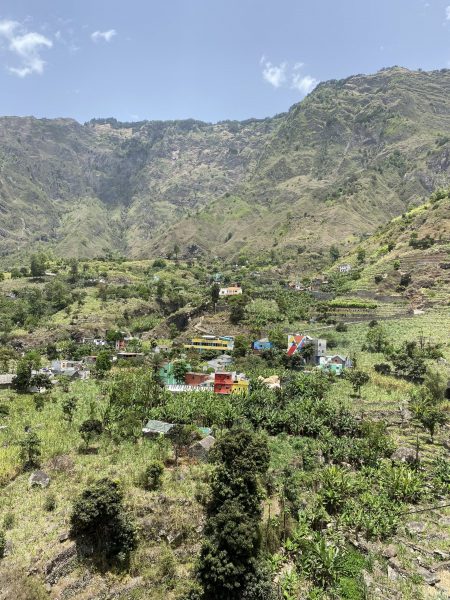

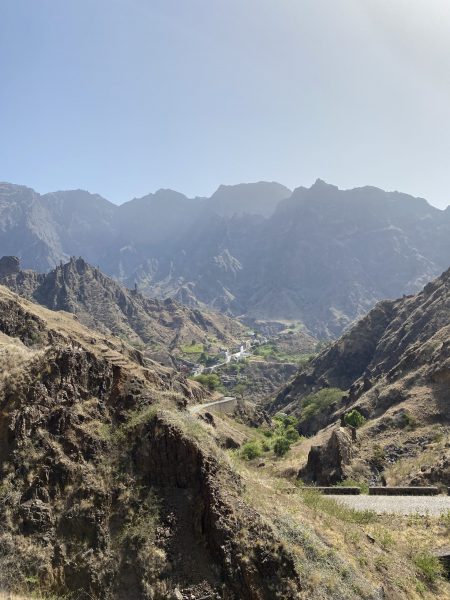
One of the pleasures of hiking in Santo Antão is that transportation becomes part of the adventure. Shared taxis and local drivers frequently stop at scenic viewpoints, turning simple transfers into informal island tours complete with stories and explanations from the drivers.

São Nicolau: Cabo Verde’s Hidden Gem
Compared with other islands, São Nicolau remains largely untouched by mass tourism. Yet for many travelers interested in nature, it may be one of the most rewarding islands in the archipelago.
During our stay, we explored two landscapes that could hardly be more different.
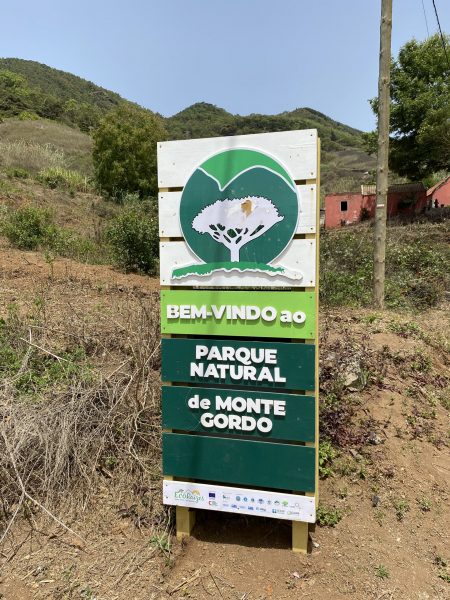
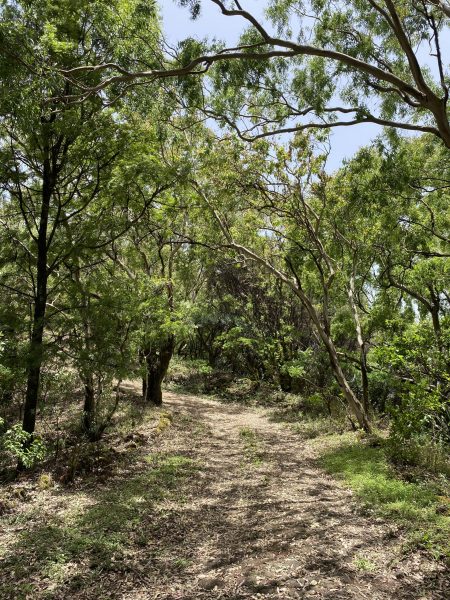
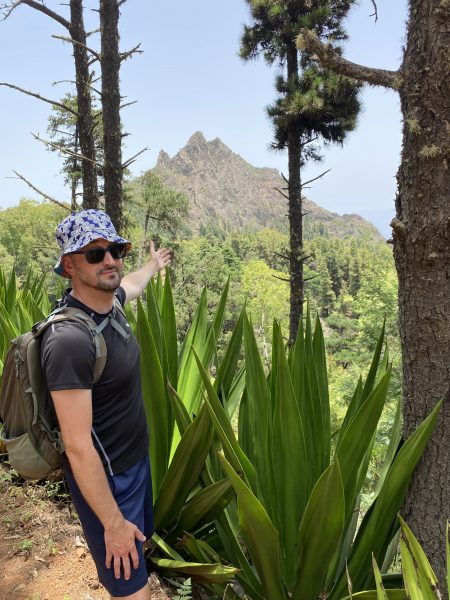
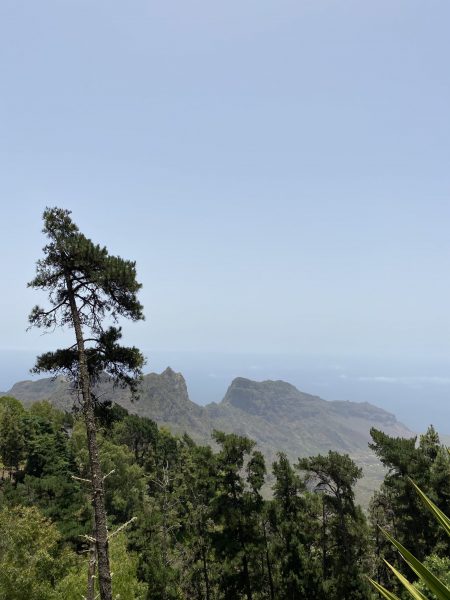
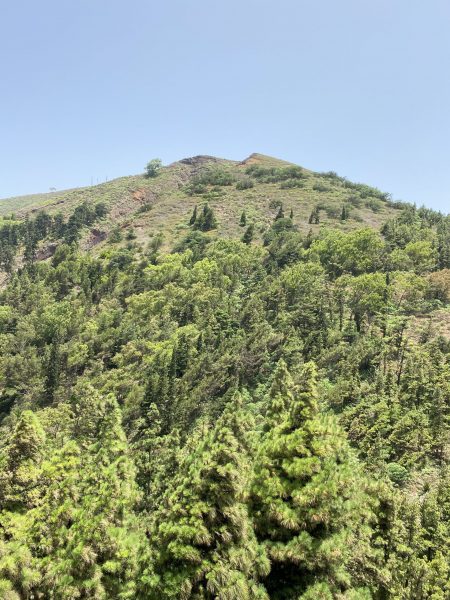
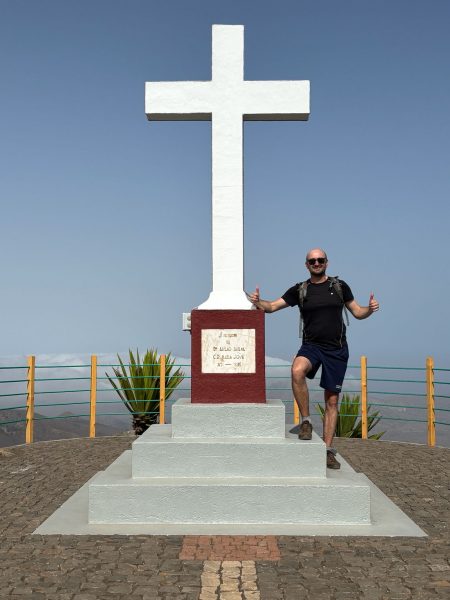
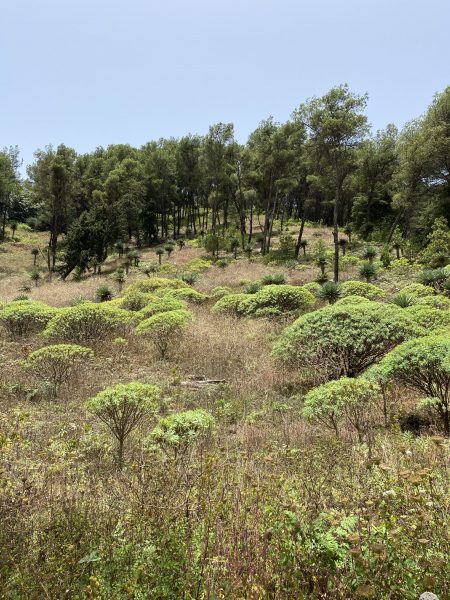
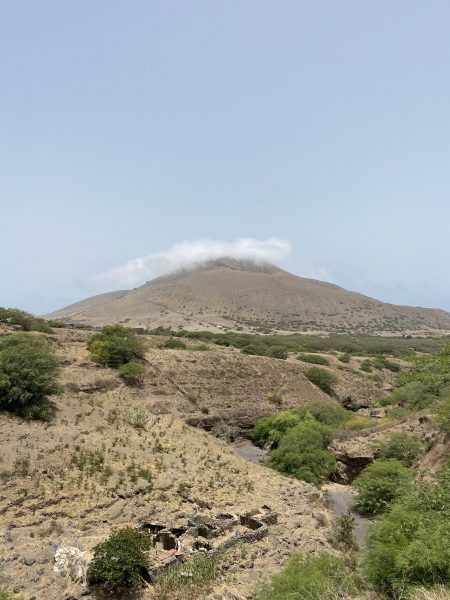
The hike around Monte Gordo, the island’s highest peak, leads through surprisingly green forests and mountain scenery. Mist often covers the summit area, creating an atmosphere very different from the dry coastal regions found elsewhere in Cabo Verde. But we were lucky with clear weather and quite burning sun that made us skip the peak and choose the shadow of the pine forest.
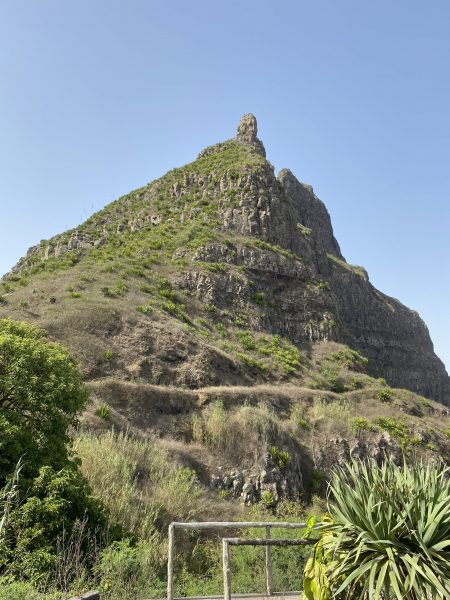
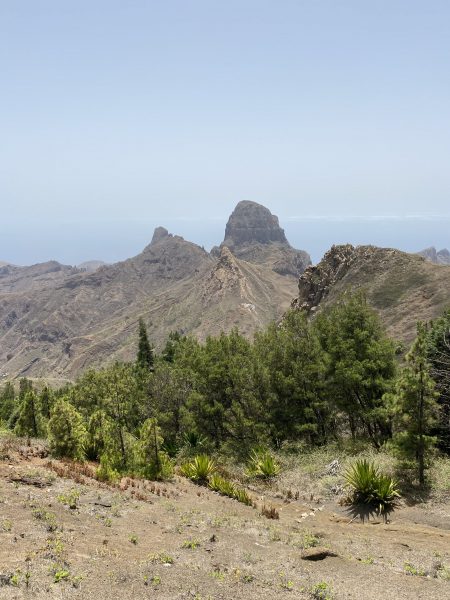
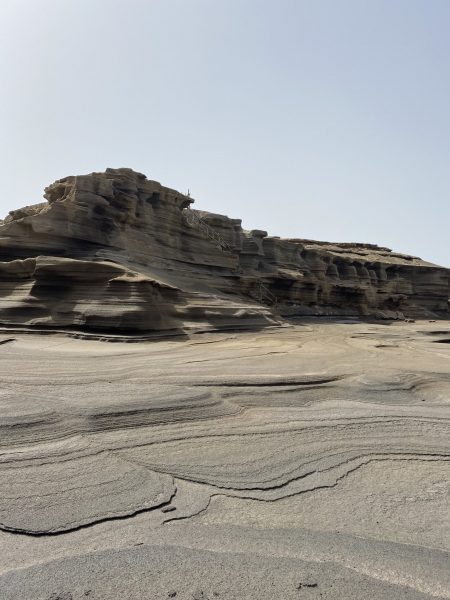
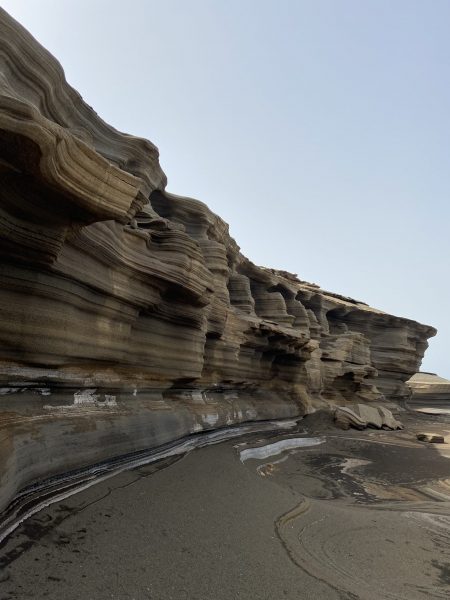
At the opposite extreme lies the hike from the spectacular rock formations of Carbeirinho toward Praia Branca.
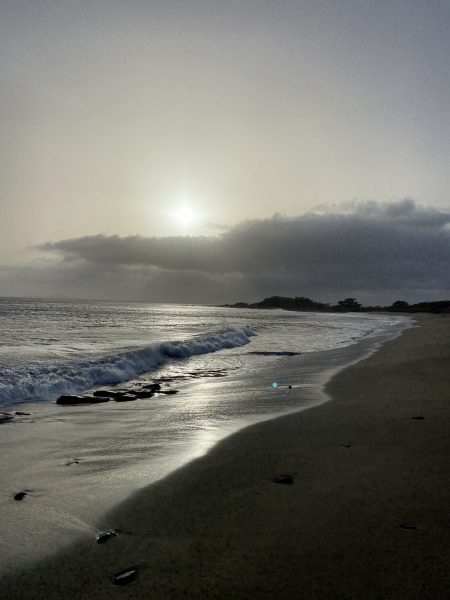
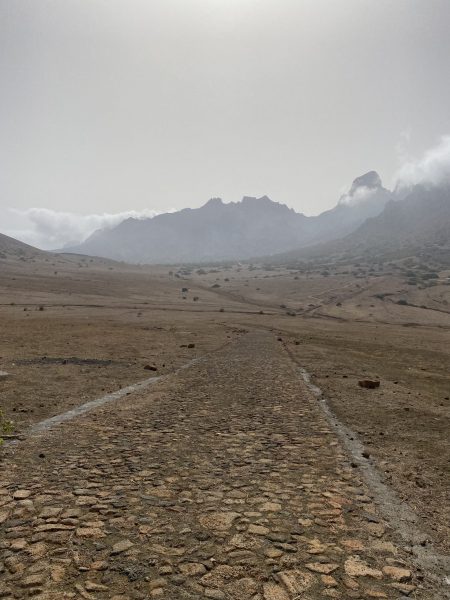
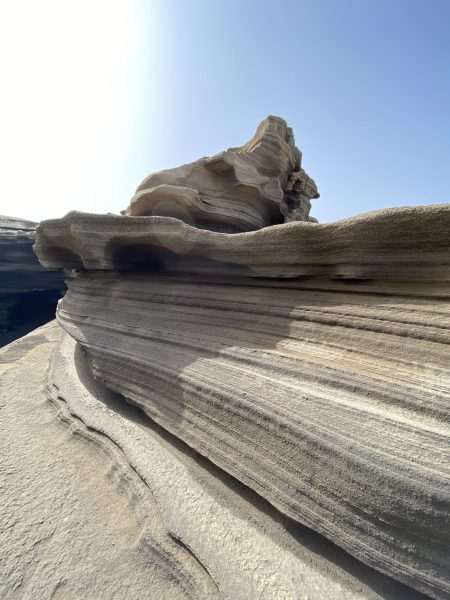
Here, the landscape feels almost Martian. The cool wind constantly shapes the volcanic rocks, and hikers are exposed to the elements for much of the route. The combination of strong winds, rugged terrain, and endless views creates one of the most memorable hiking experiences in Cabo Verde.


Bread in Cabo Verde: Discovering Pão de Coco
As readers of this blog know, every journey eventually leads us to local bakeries.
In Tarrafal de São Nicolau, we discovered a neighborhood bakery that opened mainly in the mornings and evenings. Alongside traditional bread rolls, we found several sweet specialties.
The star of the bakery was undoubtedly pão de coco. This soft sweet bread topped with coconut was impossible to resist. We also enjoyed pão de leite, a mildly sweet milk bread popular throughout the Lusophone world.
Another local favorite was bolacha, a biscuit with a texture and spice profile that reminded us somewhat of gingerbread.
For bread lovers visiting Cabo Verde, these small neighborhood bakeries offer an authentic glimpse into daily island life and a wonderful opportunity to connect with local people. That was certainly my experience. After asking several residents where to find the bakery, I eventually tracked it down and had a pleasant chat with the baker. He patiently answered all my questions and proudly showed me the freshly baked specialties.
Back at our accommodation, I simply could not resist the tempting aroma of the pão de coco. Before long, I had devoured it together with a piece of local goat cheese and some papaya jam, a combination that turned out to be one of the culinary highlights of the trip.
São Vicente: Culture and Music in Mindelo
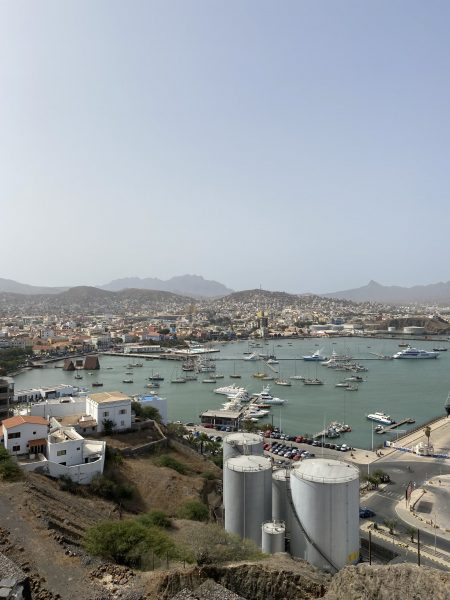
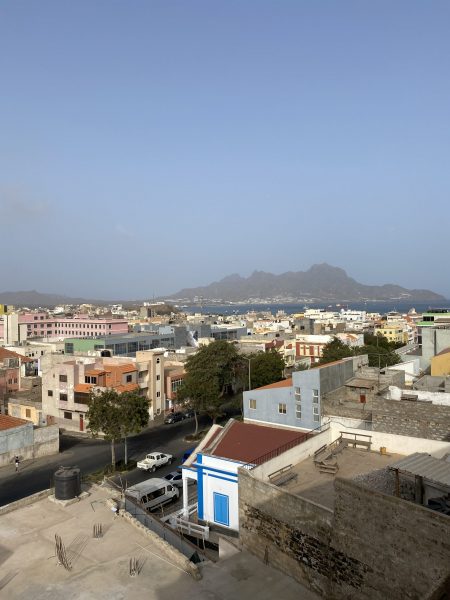
The city of Mindelo on São Vicente is often considered the cultural capital of Cabo Verde.
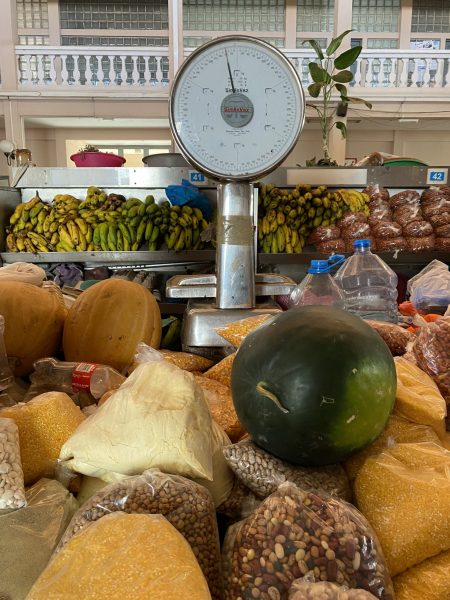
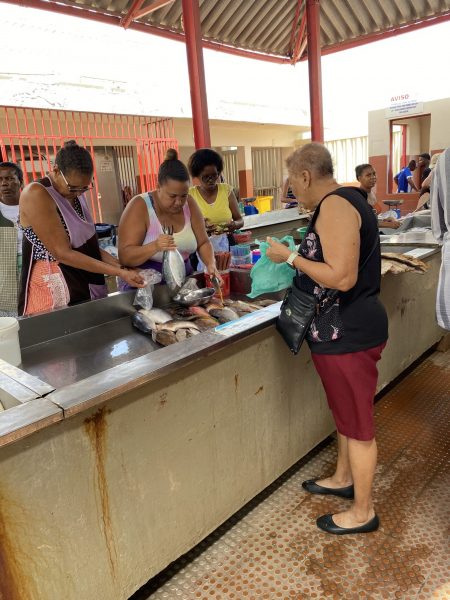
Its colonial architecture, lively squares, waterfront promenade, and Portuguese-style cafés make it one of the most pleasant urban destinations in West Africa. Visitors can explore landmarks such as the CNAD (National Centre of Art, Crafts and Design), colorful markets, and numerous pastelarias serving coffee and pastries.
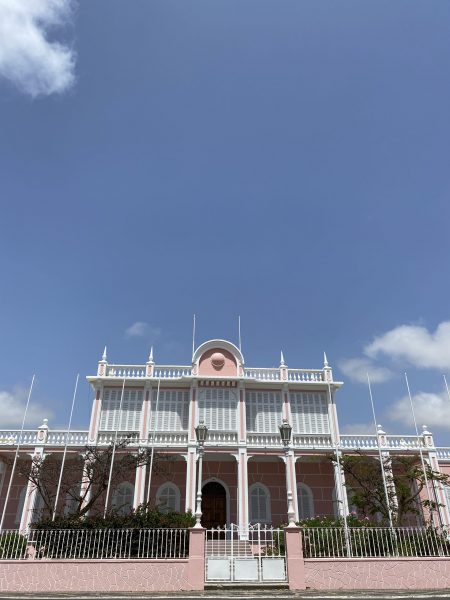
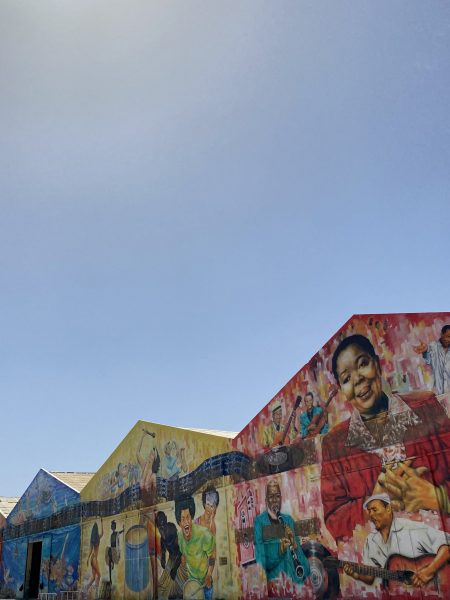
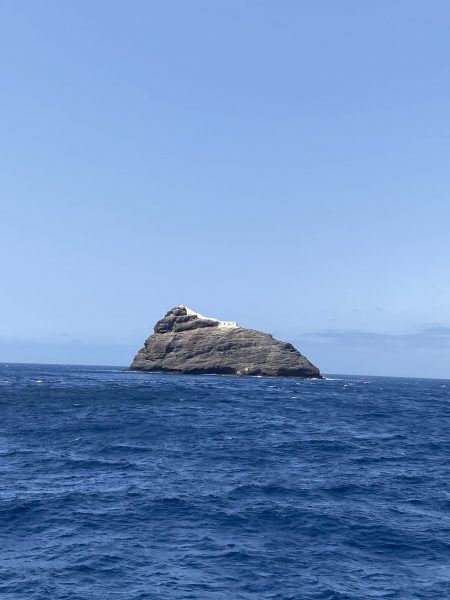

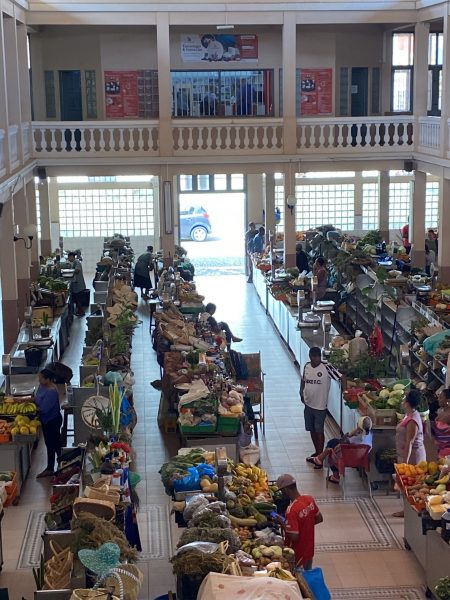
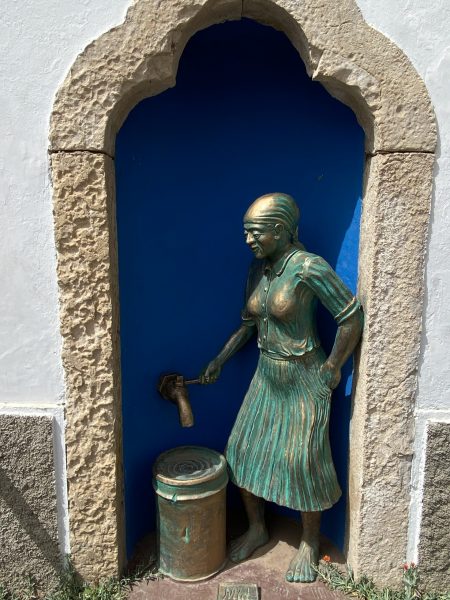
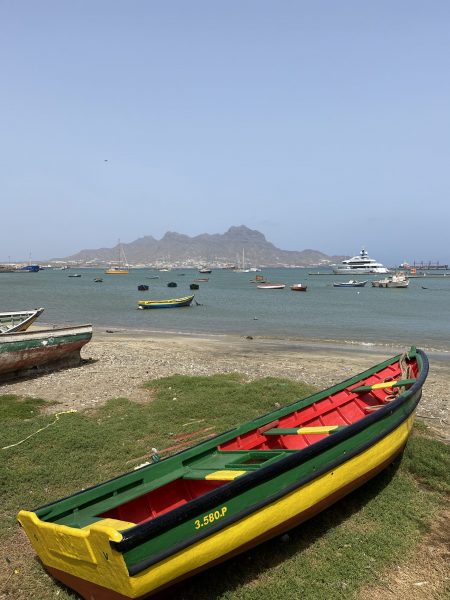

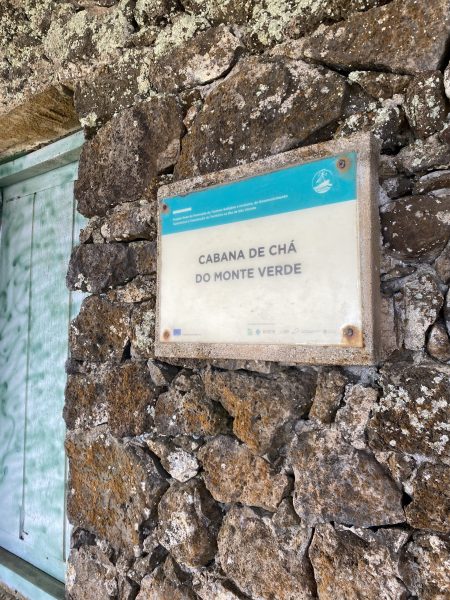
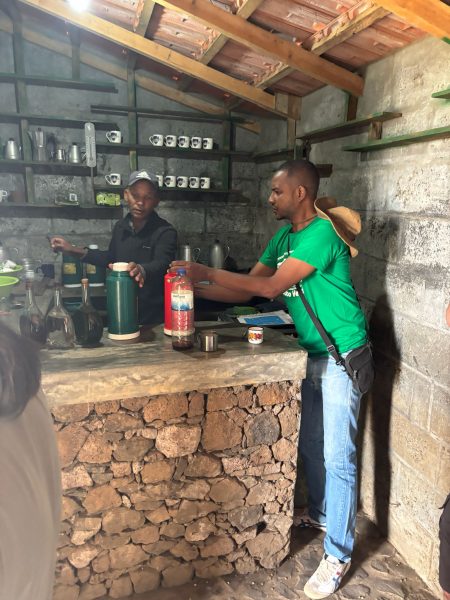
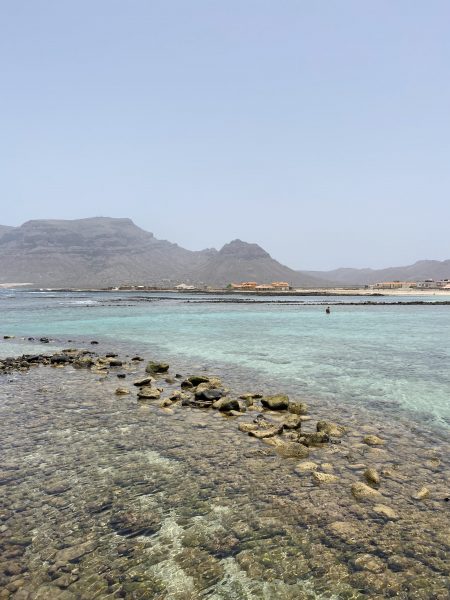
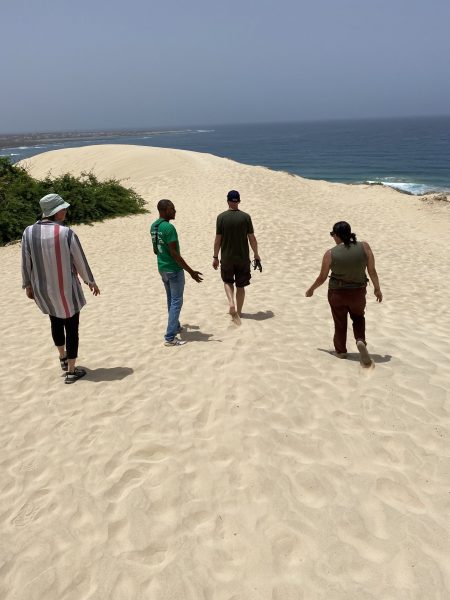
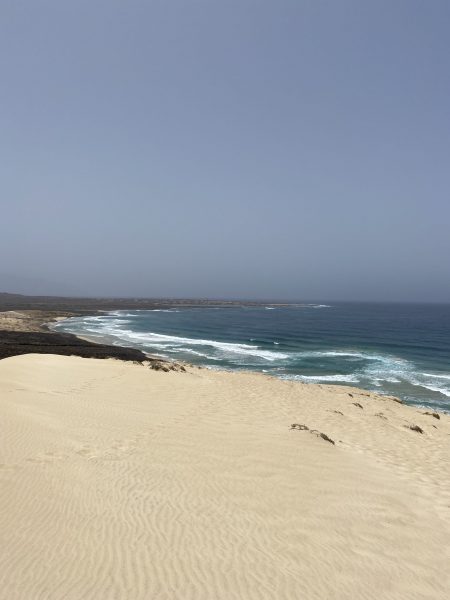
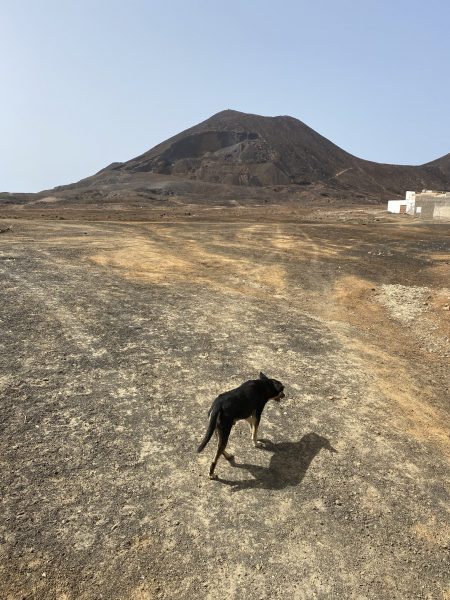
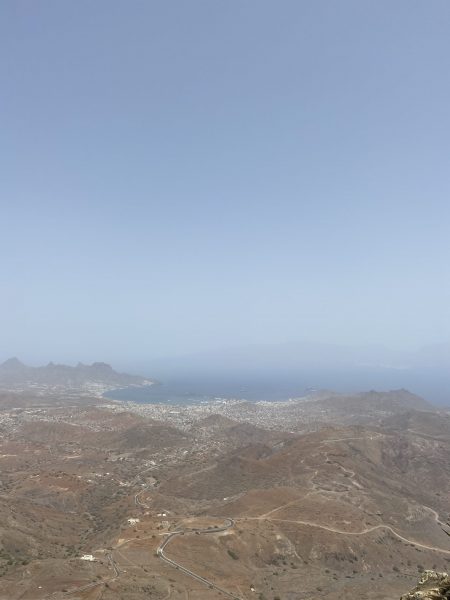
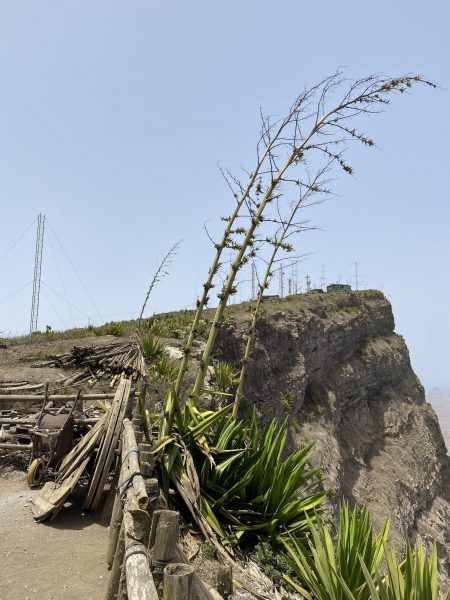
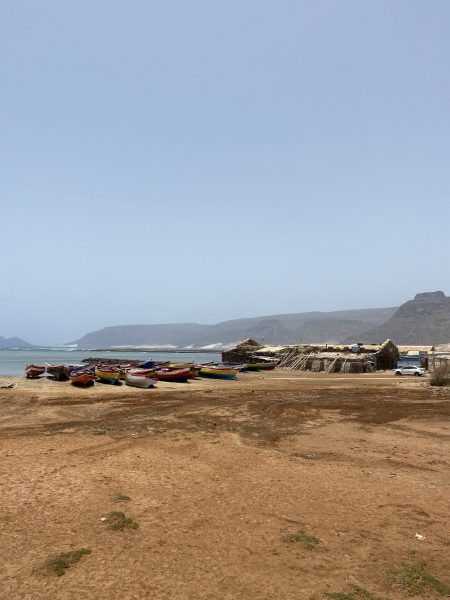
Beyond Mindelo, an island tour offers opportunities to discover São Vicente’s volcanic landscapes, coastal viewpoints, and quieter villages. We chose a day tour with the local tour company Green Line Tour. Both the guide and participants were very friendly, so we ended up not only knowing so much more about Cabo Verde and Sao Vicente in particular, but also about travel stories of the others!

Music Is Everywhere
Cabo Verde’s musical heritage is impossible to ignore.
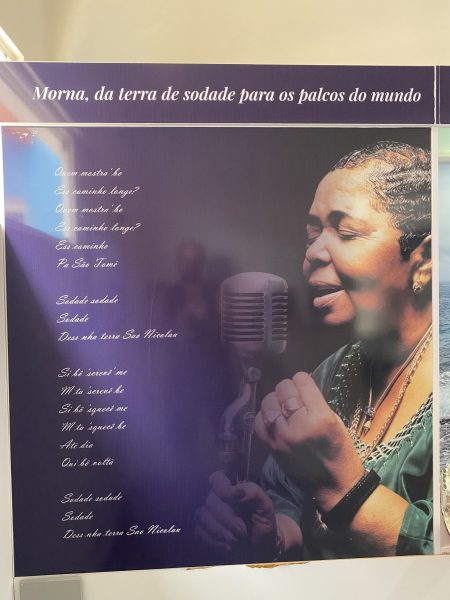
Cesária Évora remains a national icon. Her image appears on murals, statues, museum exhibits, and even airport displays. In Mindelo, visitors can learn more about her life and career through dedicated exhibitions and cultural venues.
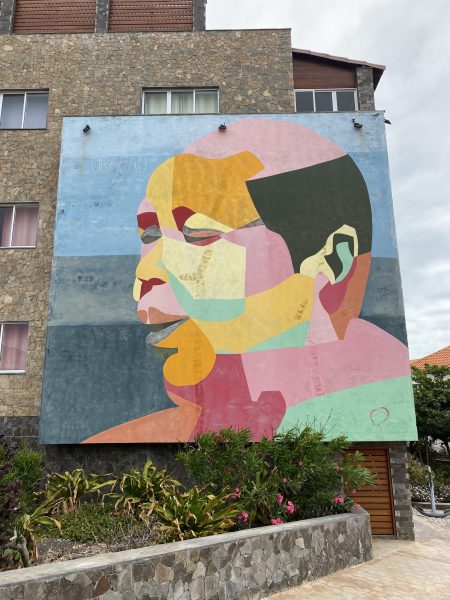

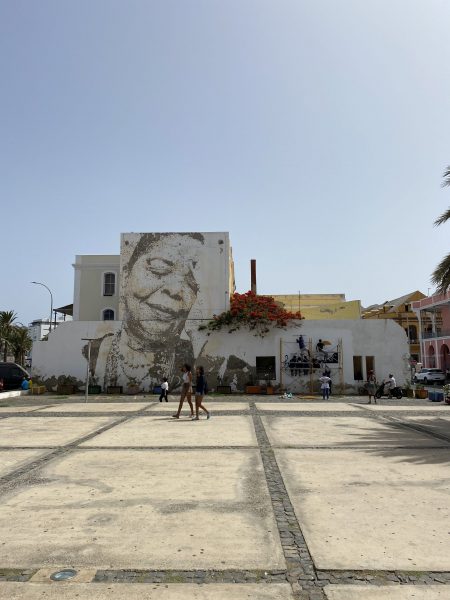
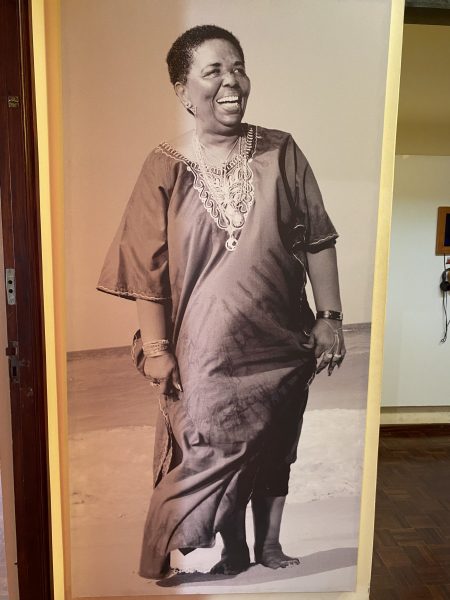
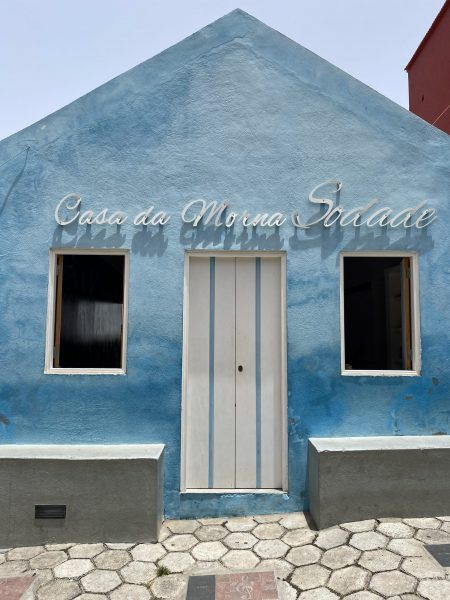
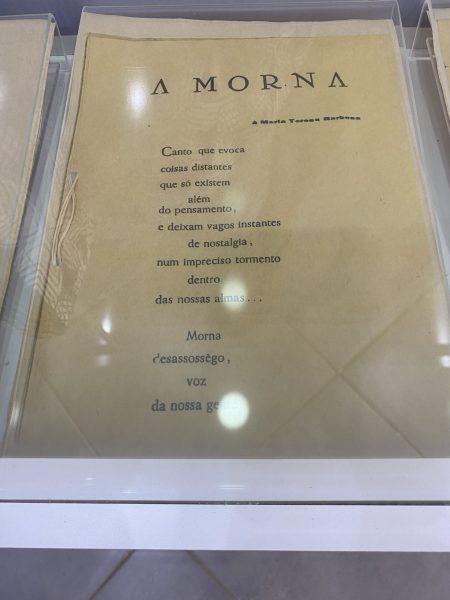
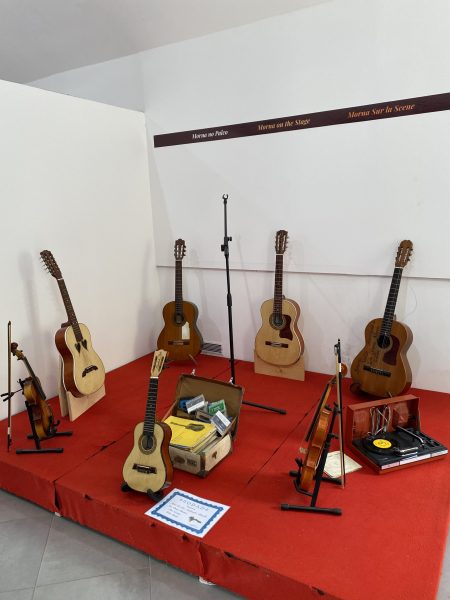
The islands are also the birthplace of morna, a musical style characterized by emotional melodies and poetic lyrics closely tied to the history of Cabo Verde. Often expressing feelings of sodade (a deep sense of longing), morna reflects both the hardships and the resilience of an island people shaped by migration, seafaring, and separation from loved ones. Travelers interested in music should not miss the small Casa da Morna Sodade in Praia Branca on São Nicolau. Dedicated to this unique musical tradition, it provides a glimpse into what many Cape Verdeans consider the heart and soul of their culture.
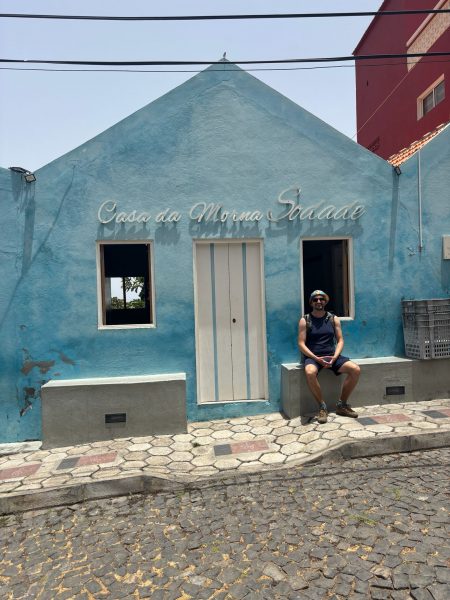
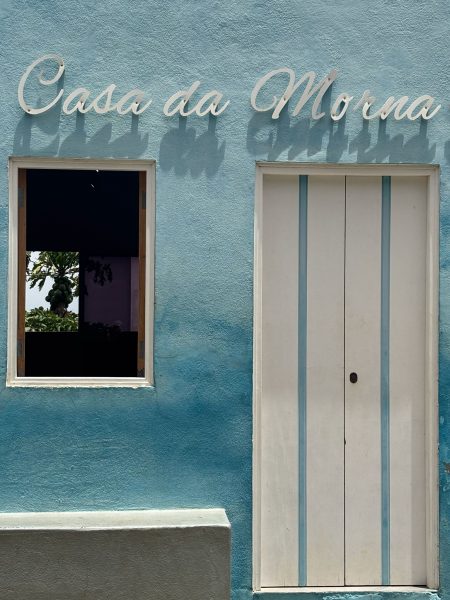
Perhaps the most remarkable aspect of Cabo Verdean music is how naturally it remains part of everyday life. Live music can be heard in local bars, restaurants, village celebrations, and cultural venues throughout the islands.
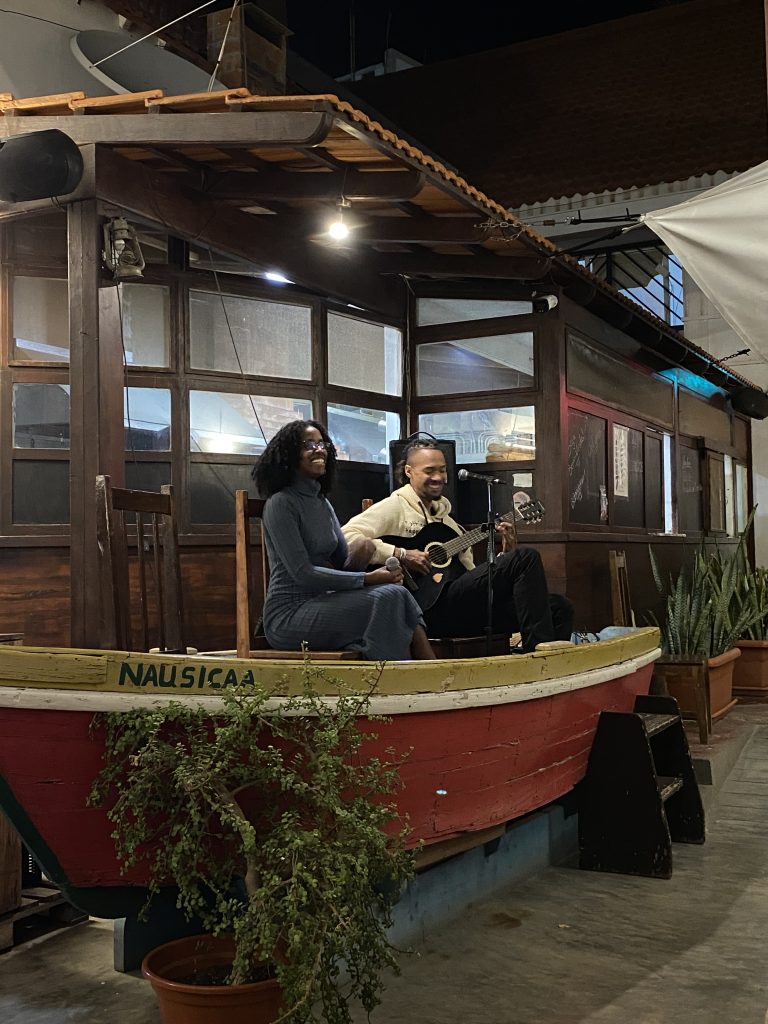
Two venues that should not be missed by anyone looking for quality live music and a tasty dinner are Nautilus and Le Metalo. Nautilus offers an intimate atmosphere, traditional Cape Verdean cuisine, and live performances by exceptionally talented young musicians.
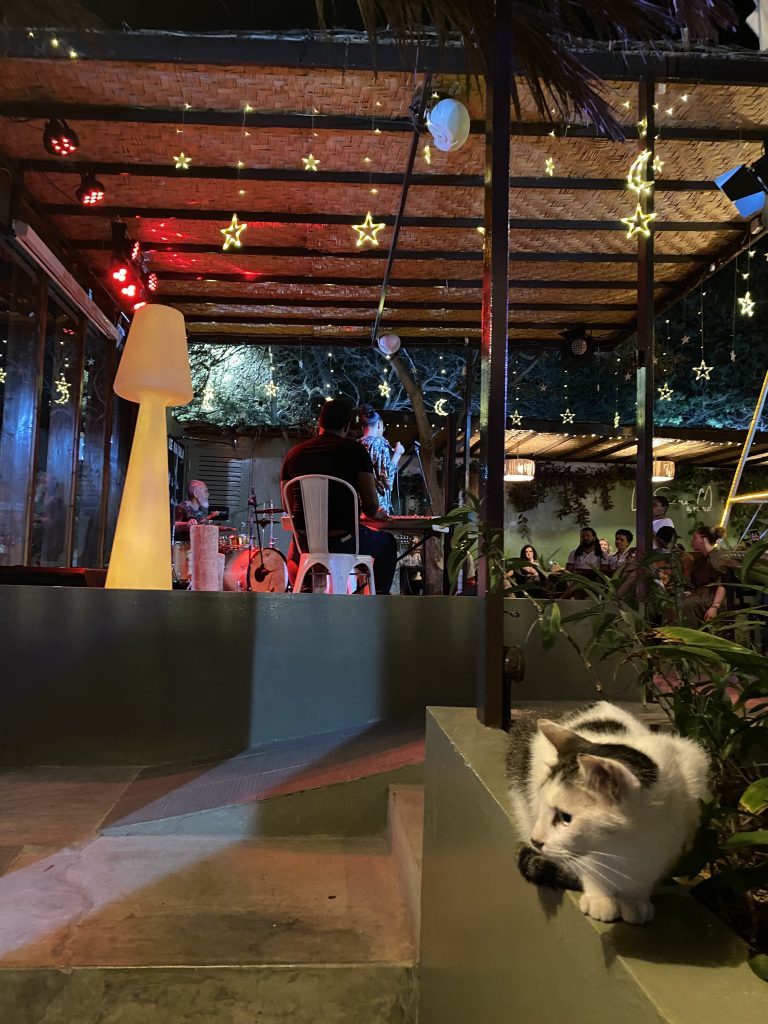
In contrast, Le Metalo is a larger venue featuring a bigger band, dance performances, and a more contemporary approach to local cuisine, combining Cape Verdean traditions with modern influences.
Why Visit Cabo Verde Now?
Cabo Verde combines spectacular landscapes, rich cultural traditions, excellent hiking opportunities, and warm hospitality in a way few destinations can match.
The islands are still relatively undiscovered compared with other winter-sun destinations. That uniqueness may not last forever. Increased international attention, improved connections, and growing visibility on the global stage are attracting more visitors every year.
What impressed me most was not only the scenery but also the strong sense of national identity. Cabo Verde is a small country that takes great pride in its culture, music, and traditions while remaining remarkably welcoming to outsiders.
For travelers seeking more than beaches, the “No Stress” islands offer exactly what their nickname promises: a relaxed atmosphere combined with unforgettable experiences.