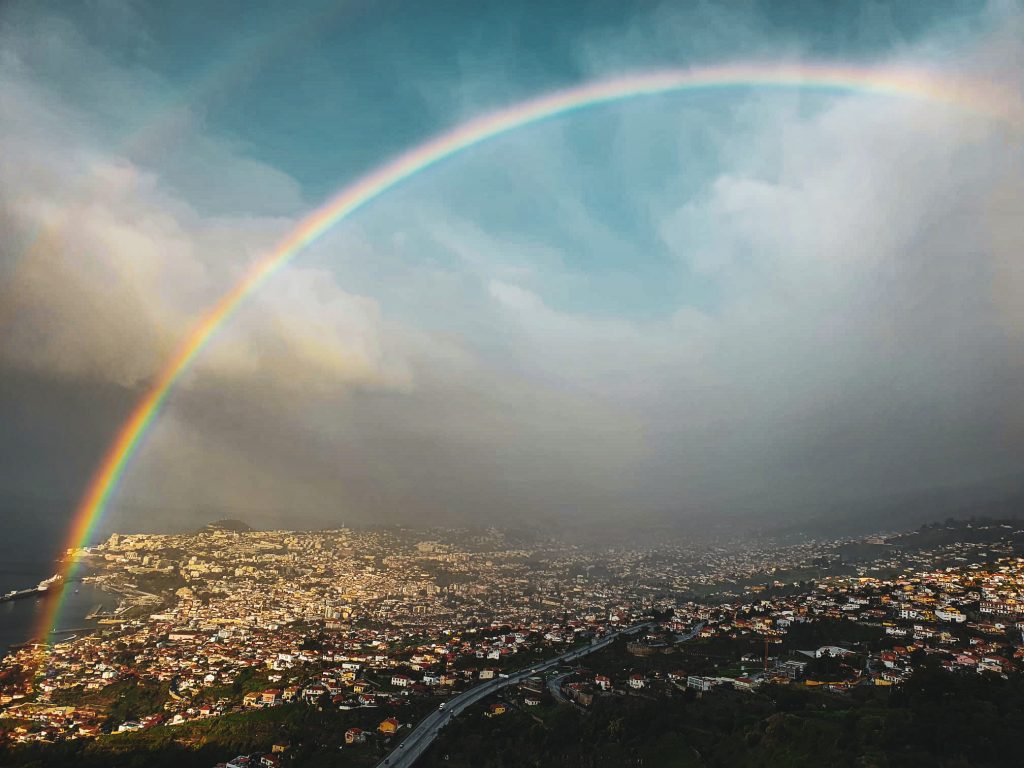
One of the positive effects of the coronavirus pandemic was the extension of flexible and remote work models for many employees. The digital nomad community experienced a boom in the last years and especially Portugal, including the autonomous region of Madeira, was a favored place of many (northern) Europeans, escaping the cold, gray weather for sun, nature, and sea.
Out of a funny idea with one colleague, we decided to try remote working from abroad at the beginning of 2022 and we “relocated” to Madeira for two months, in February and March. And I already share the main lessons learned right away: do your homework good in researching and choosing accommodation for a longer term (and work) in the winter season!
Avoid higher altitudes or make sure, you have heating possibilities, otherwise, you risk sitting in a cold and humid environment, which is not nice over a longer period. The weather was cold, rainy, and stormy when we were there. It wasn’t a problem being outside with proper outdoor clothing and being active. But sitting for hours in front of the laptop – we were freezing sometimes.
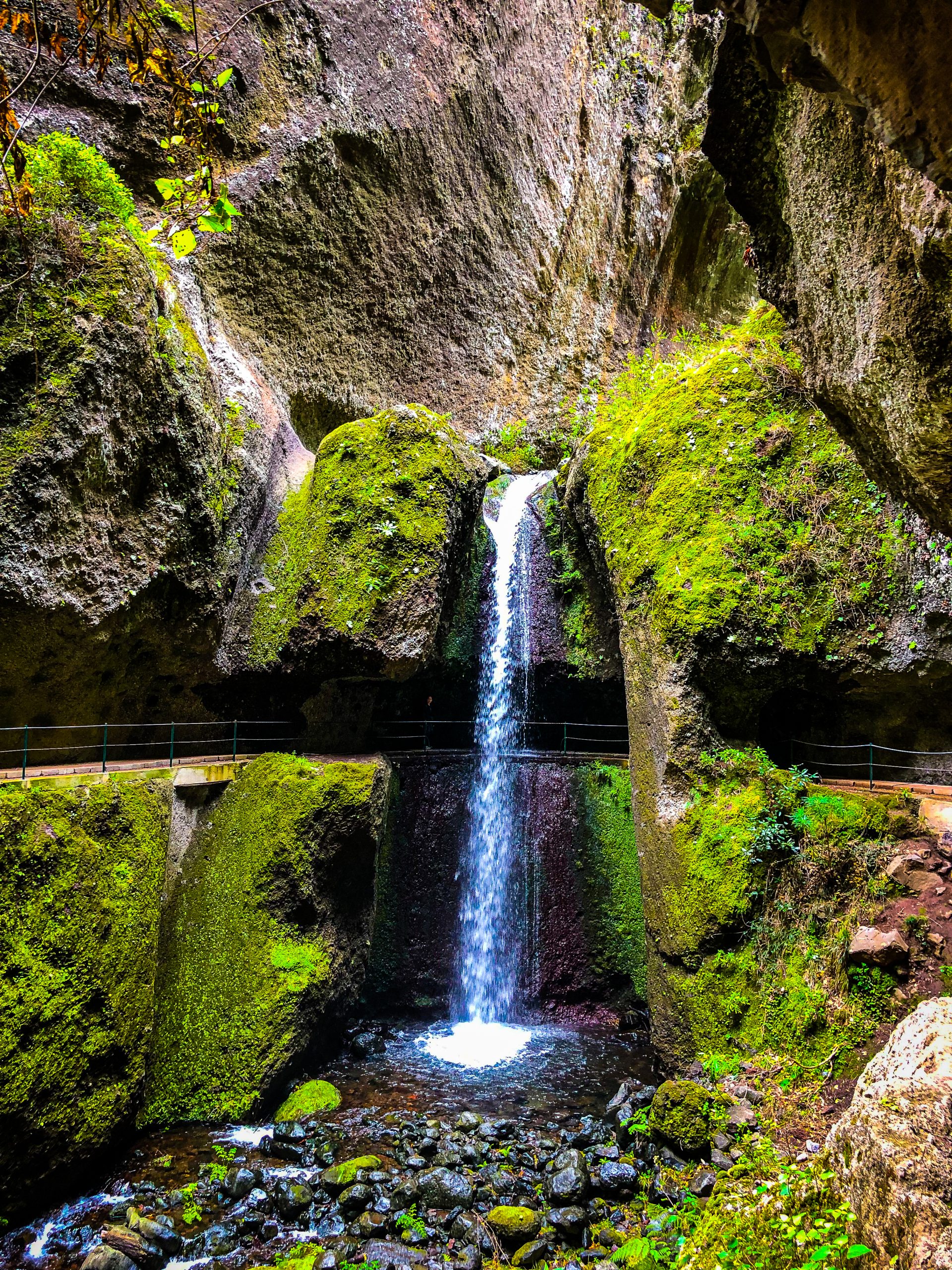
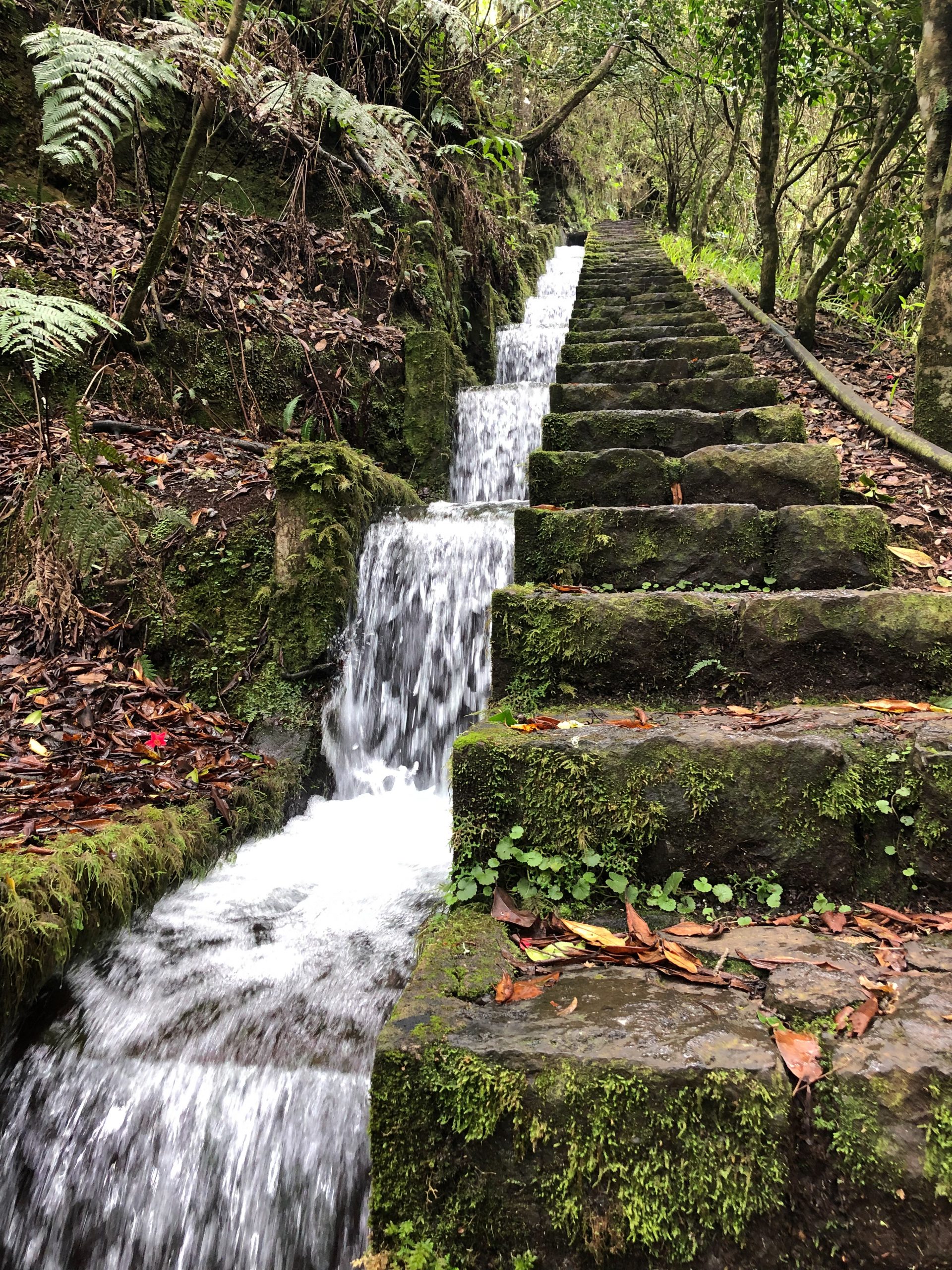
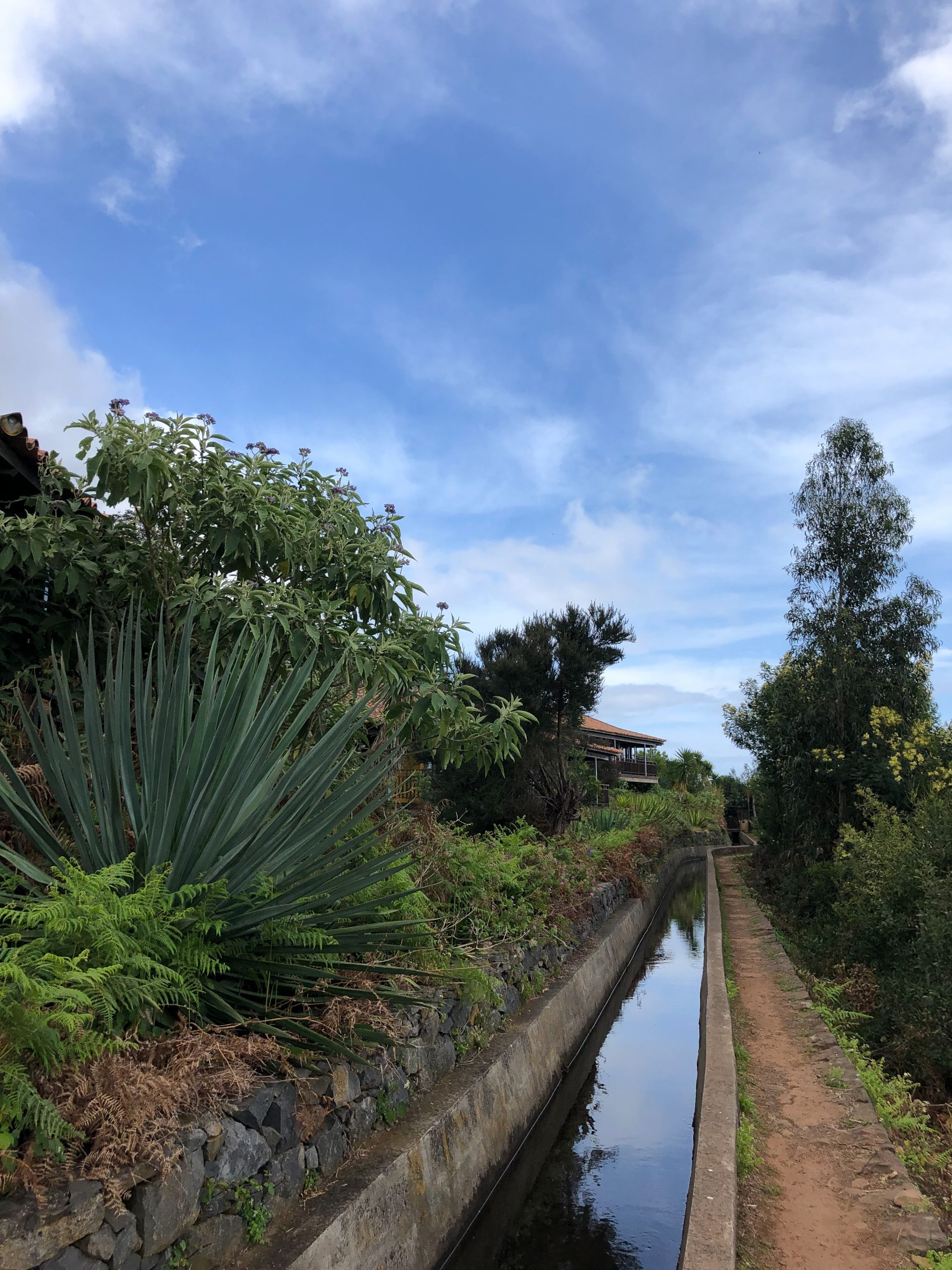
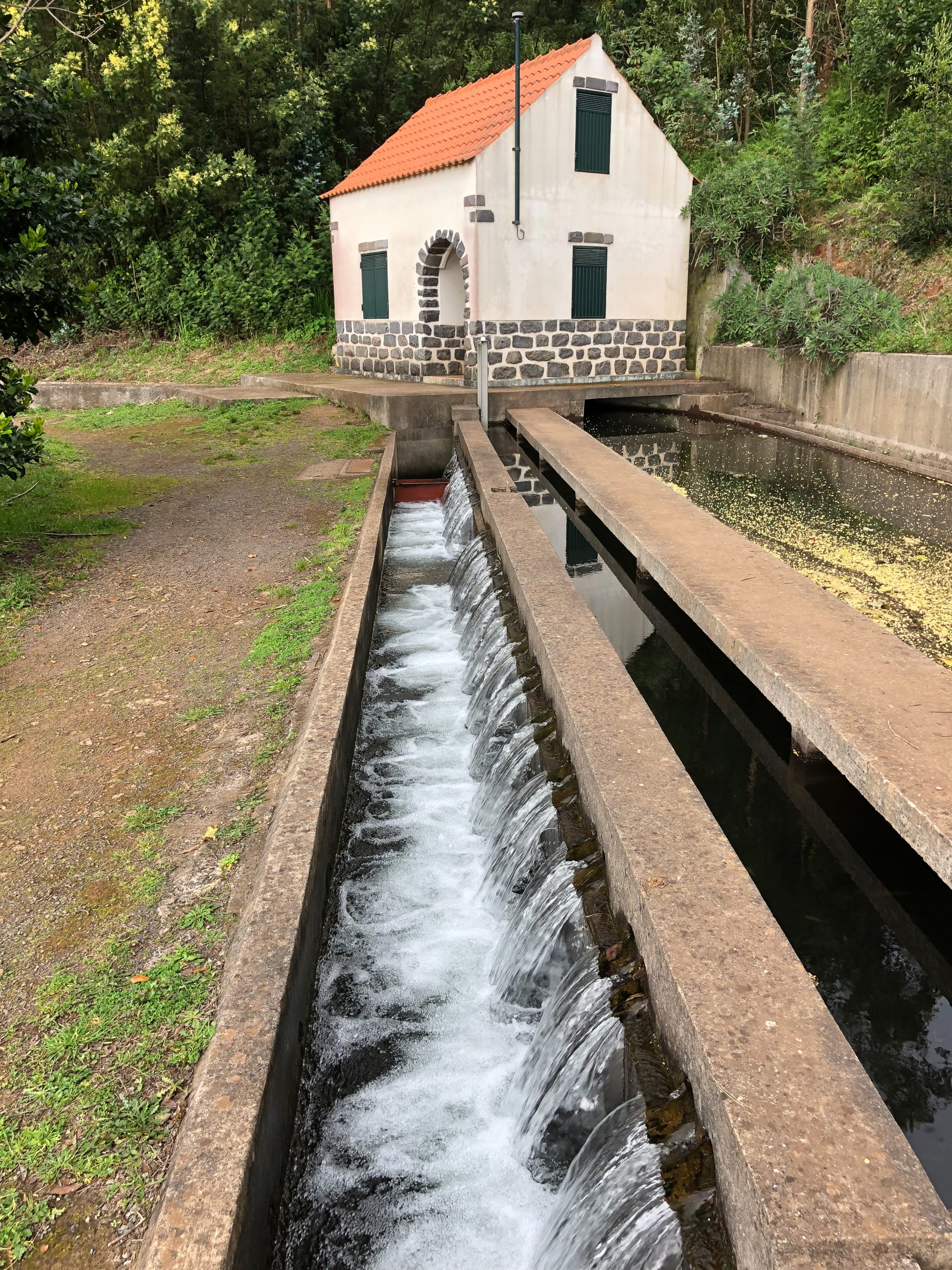
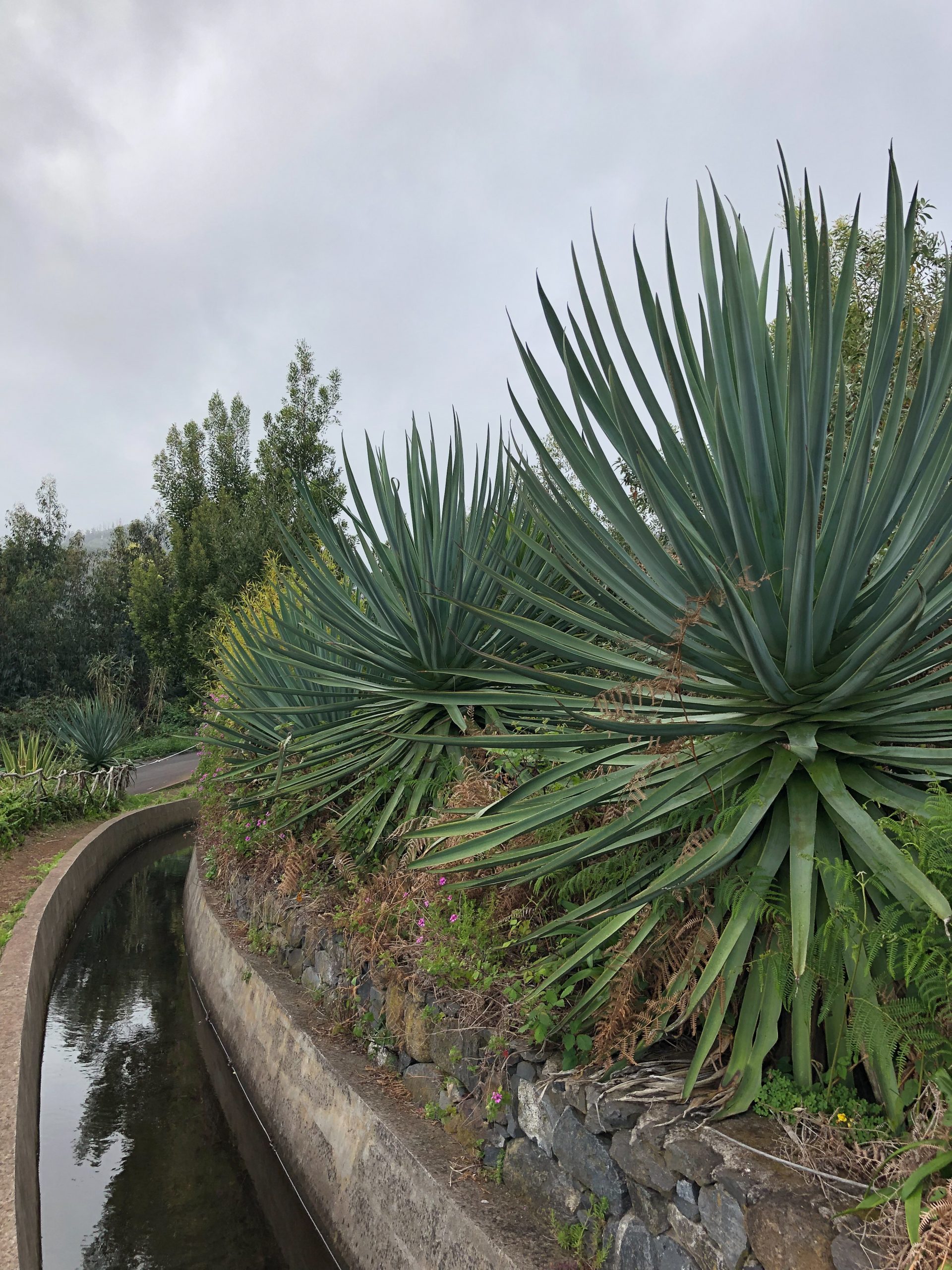
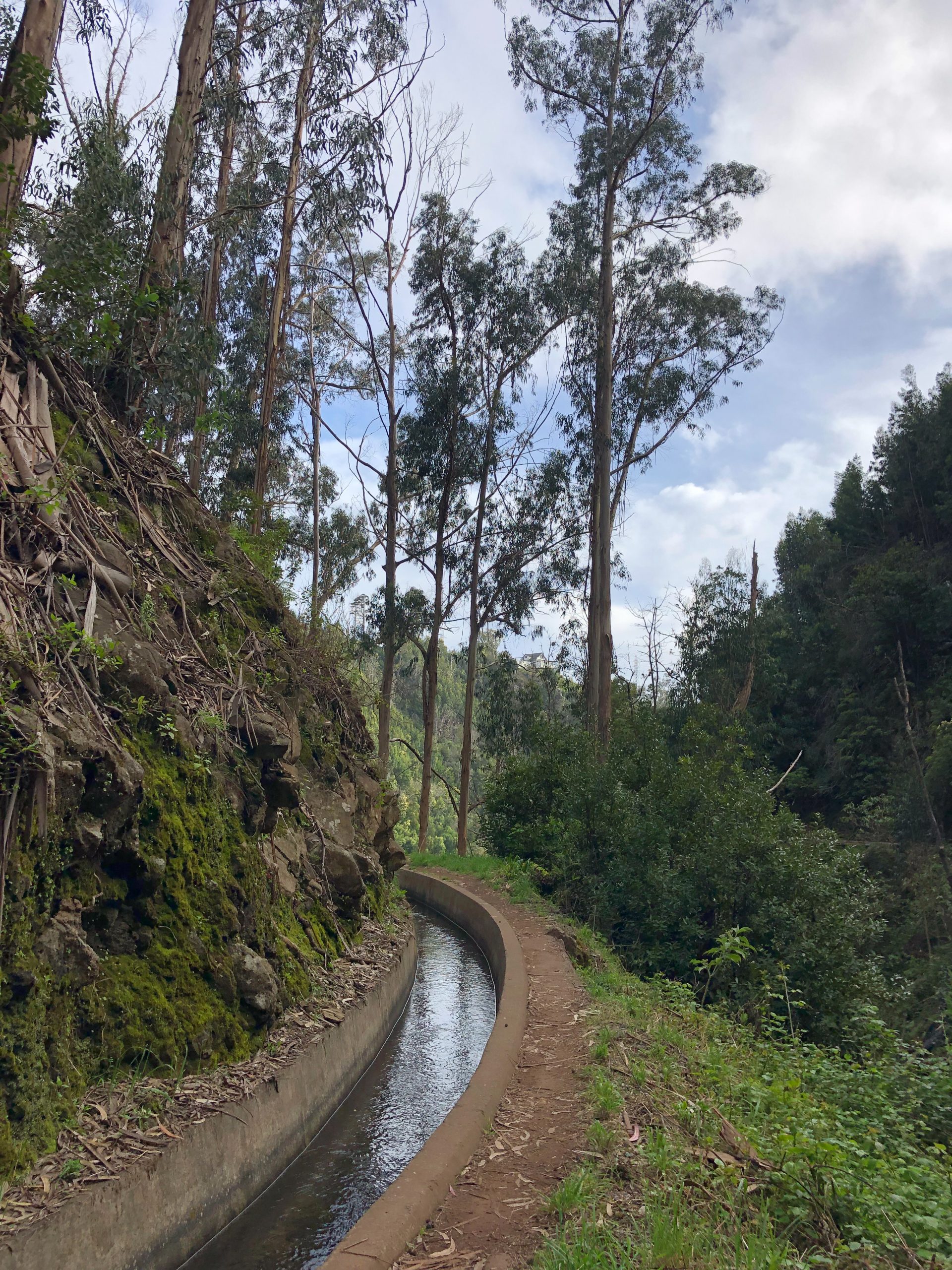
Once you settle down in a good base, the island is all yours! Beautiful views, spectacular nature, and friendly people surround you. Besides a few sightseeing visits around the island, we were most of the time hiking and exploring nature, since there are a lot of routes, especially along the man-built aqueducts, the so-called “levadas”. This system was built to bring the water from the wet north towards the dry south for irrigation and nowadays also for hydro-power purposes.
A few of the levadas are very much hyped by the tour operators and although we were expecting some more folks during those hikes, we were shocked by the amount of hikers in organized groups, which made the experience not the nicest. This was the case for the Levada do Rei (King’s Levada) and Levada dos 25 Fontes (Levada of the 25 Fountains).
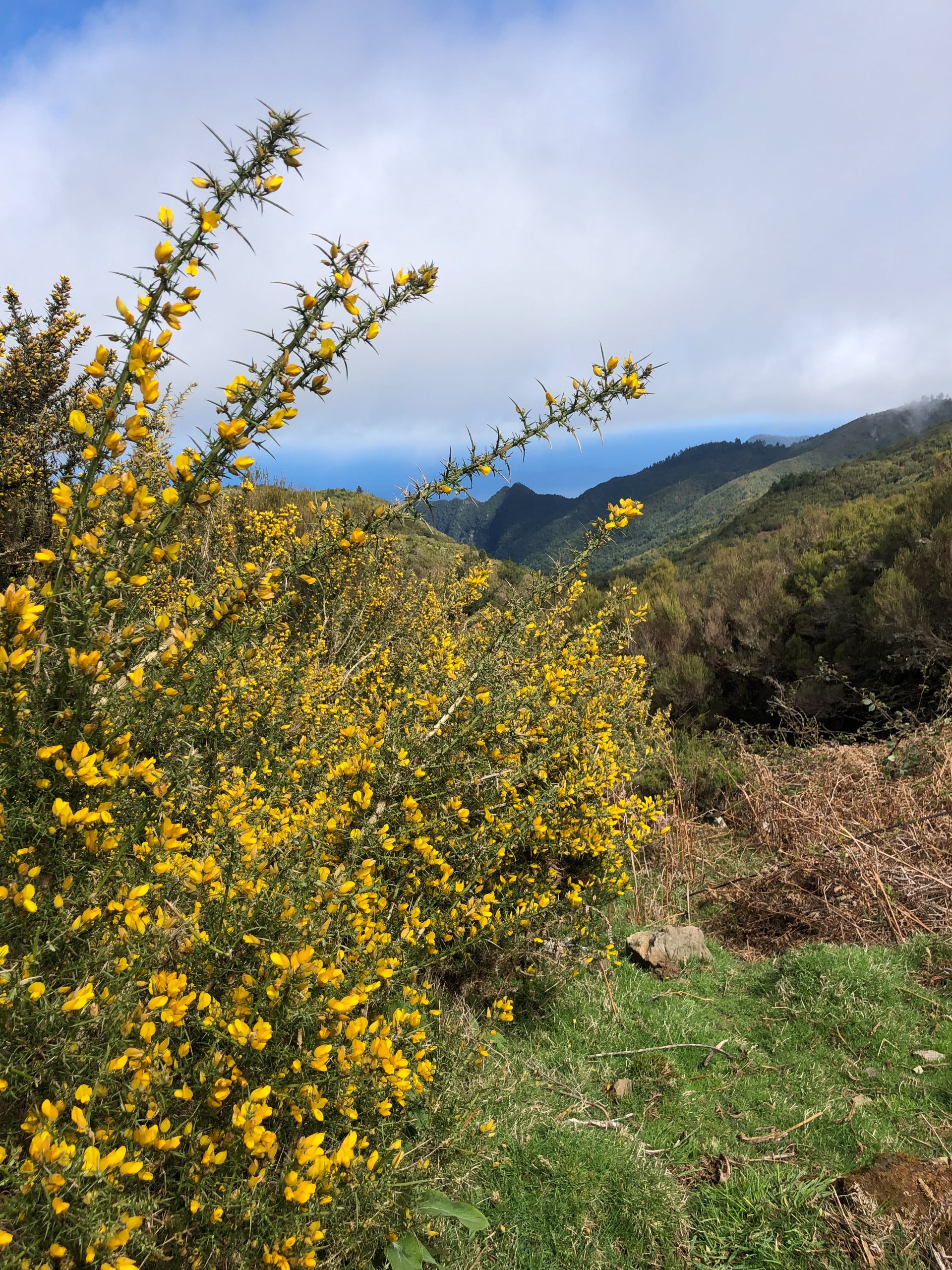
But there are plenty of other levadas, in my opinion much beautiful, easy to reach, and where you barely meet fellow hikers, but for sure no organized groups. Here are some of my recommendations, illustrated with some pictures!
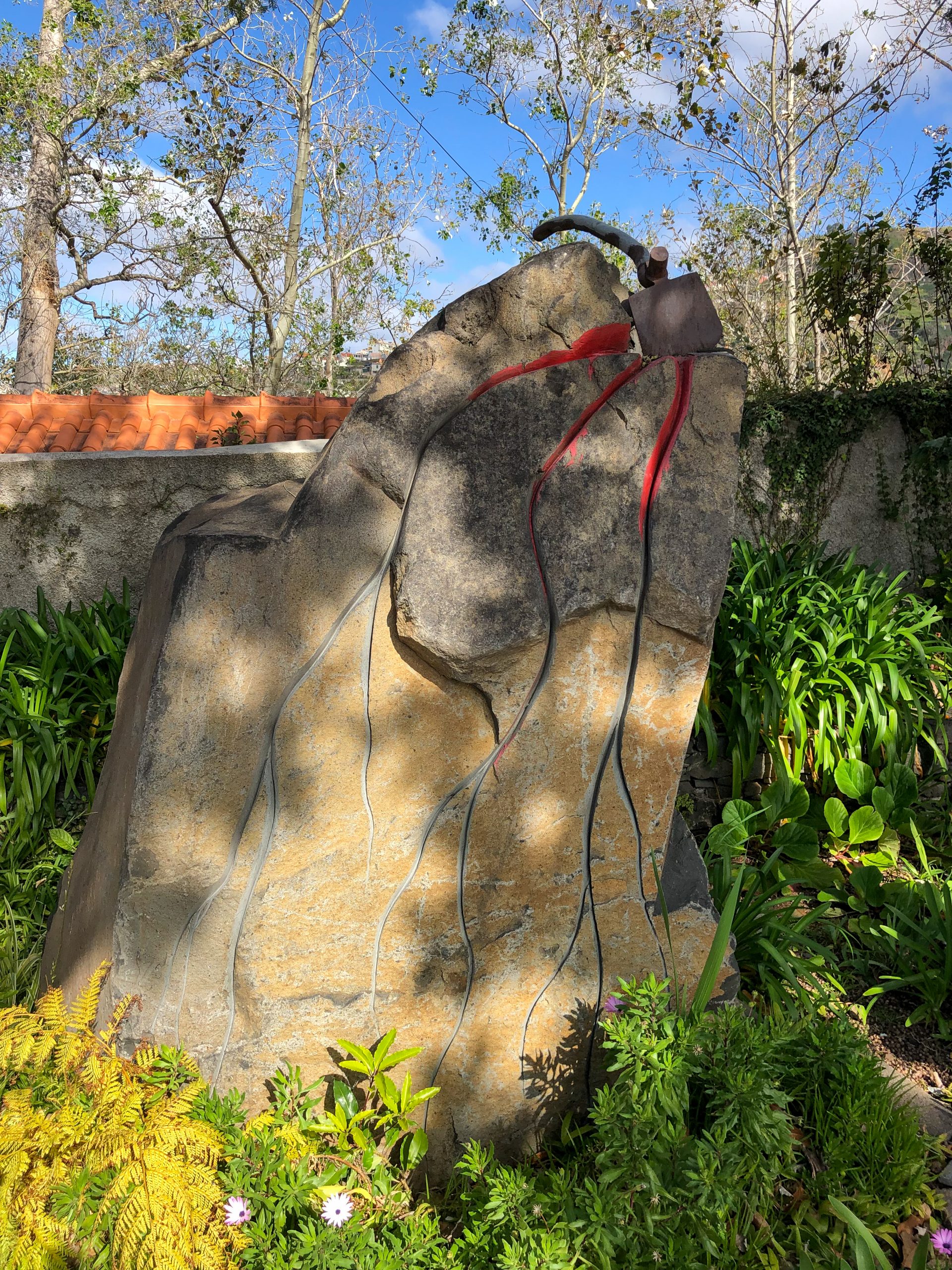
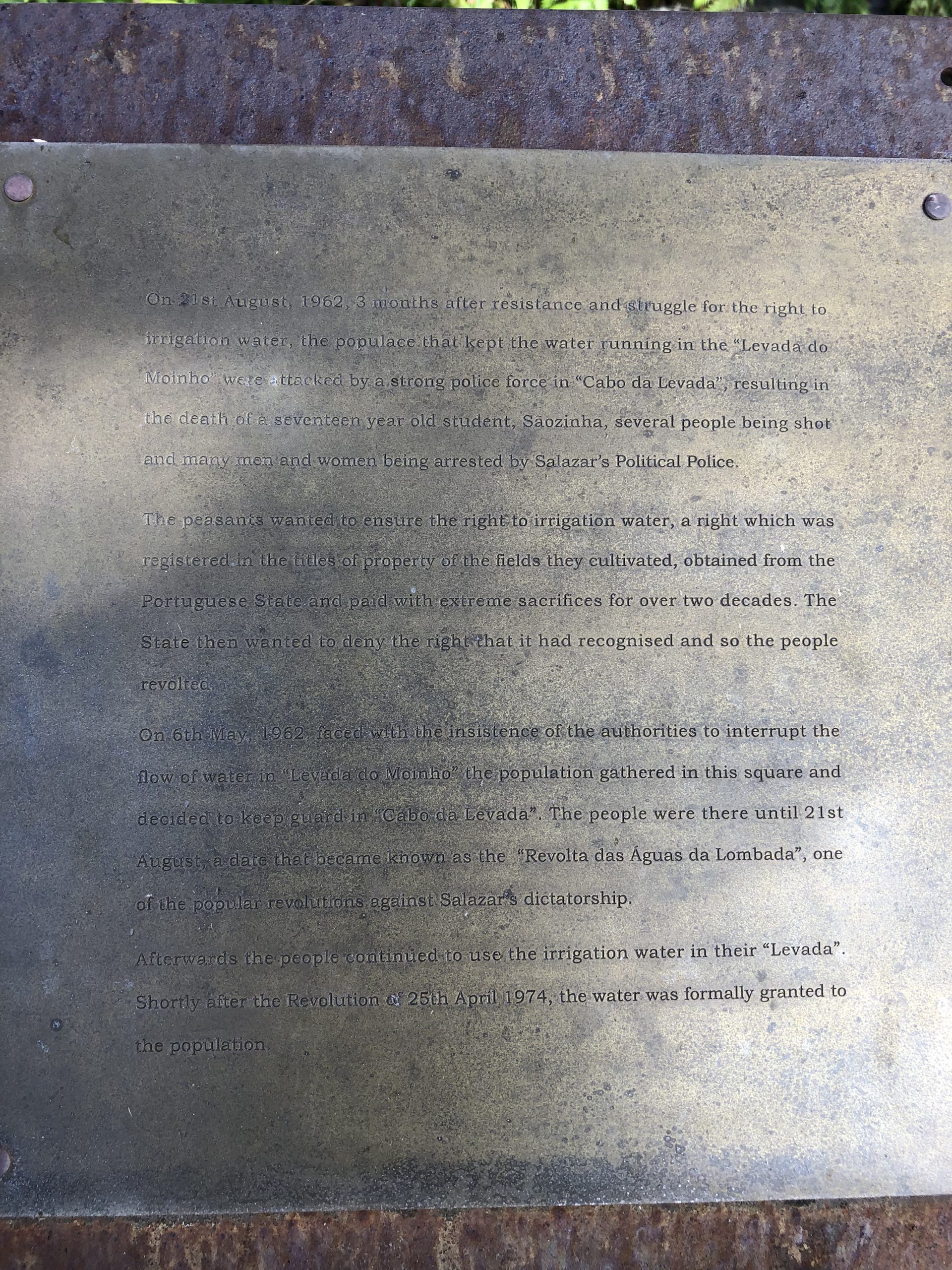
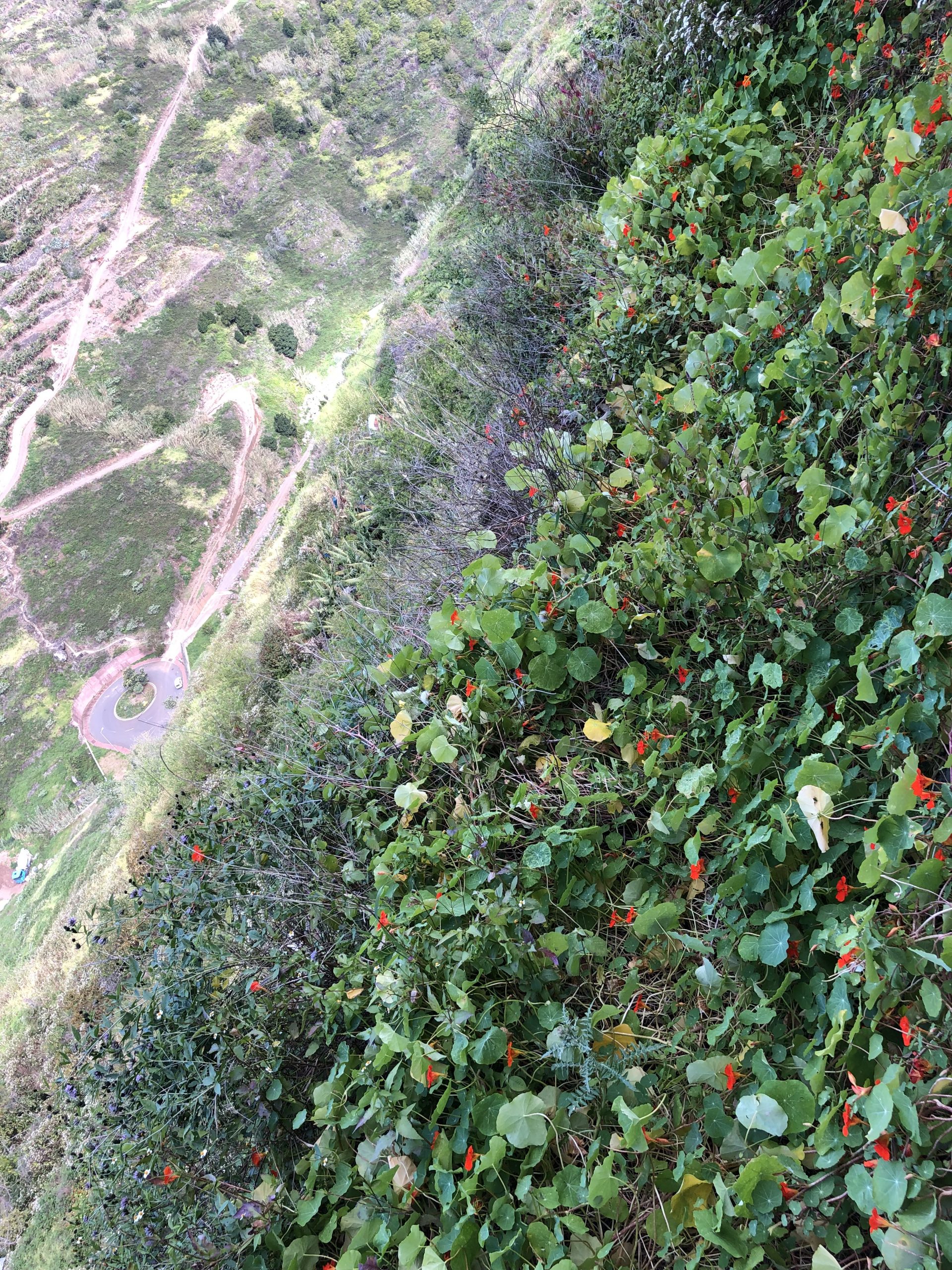
Levada Moinho (Mills Levada) and Levada Nova (New Levada) are two connected levadas on different altitudes, so you can walk one way on the other, switch to the other, and walk back. The hike does not just offer lots of waterfalls and breathtaking views of valleys and the ocean but is also an important place in the history of the island. In 1962 a popular revolt took place against the Salazar regime, people wanting to ensure their water irrigation rights.
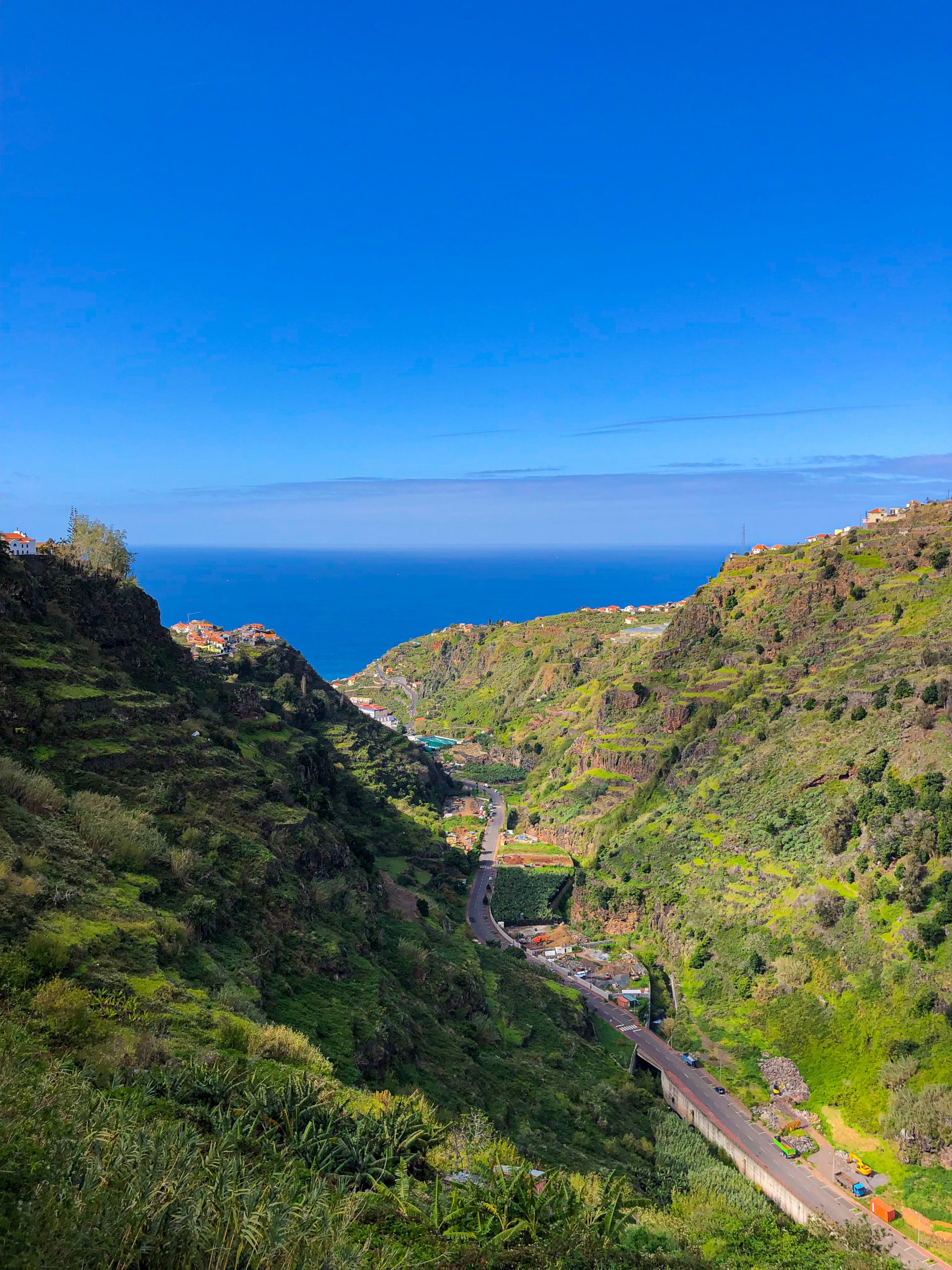
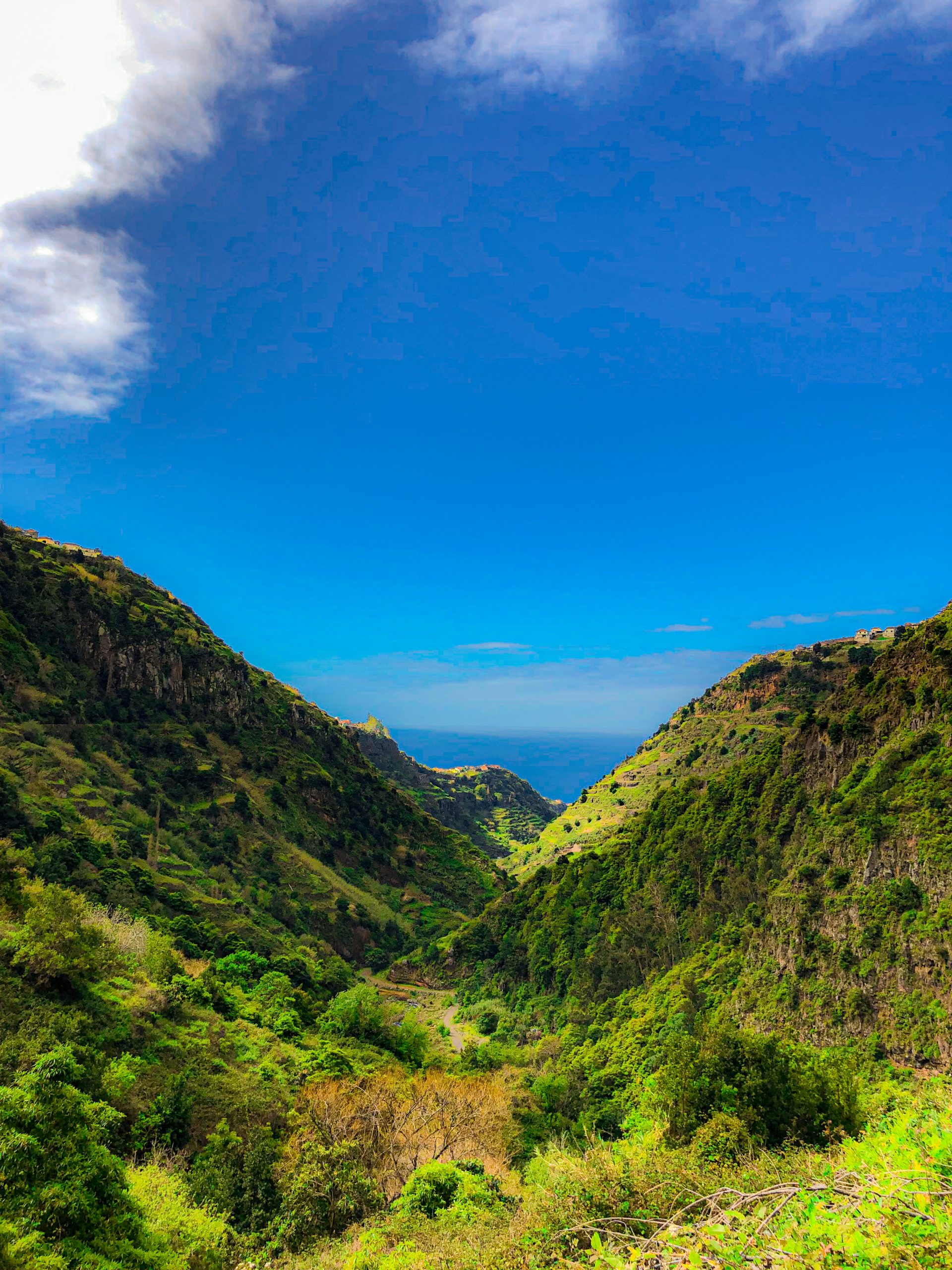
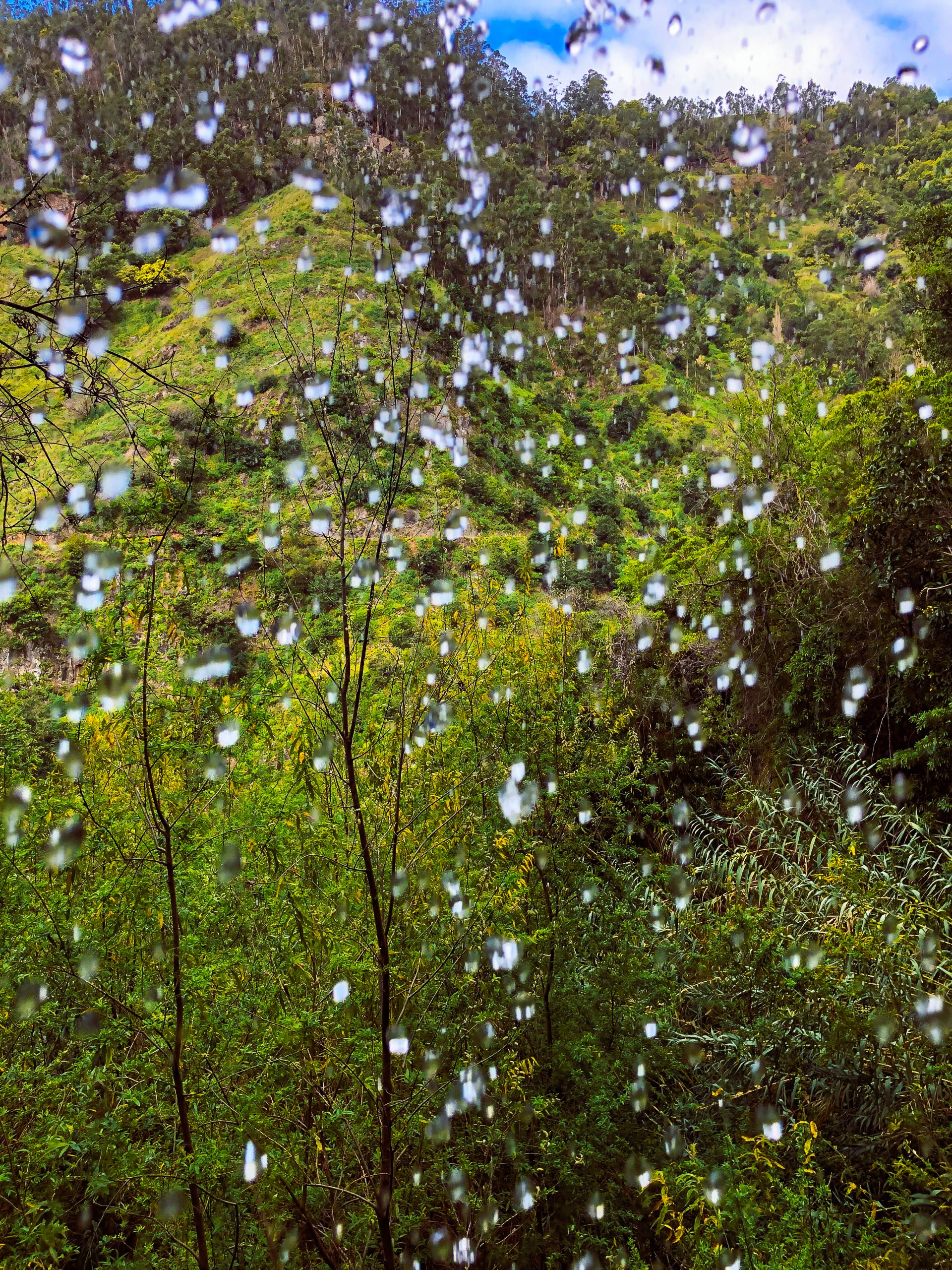
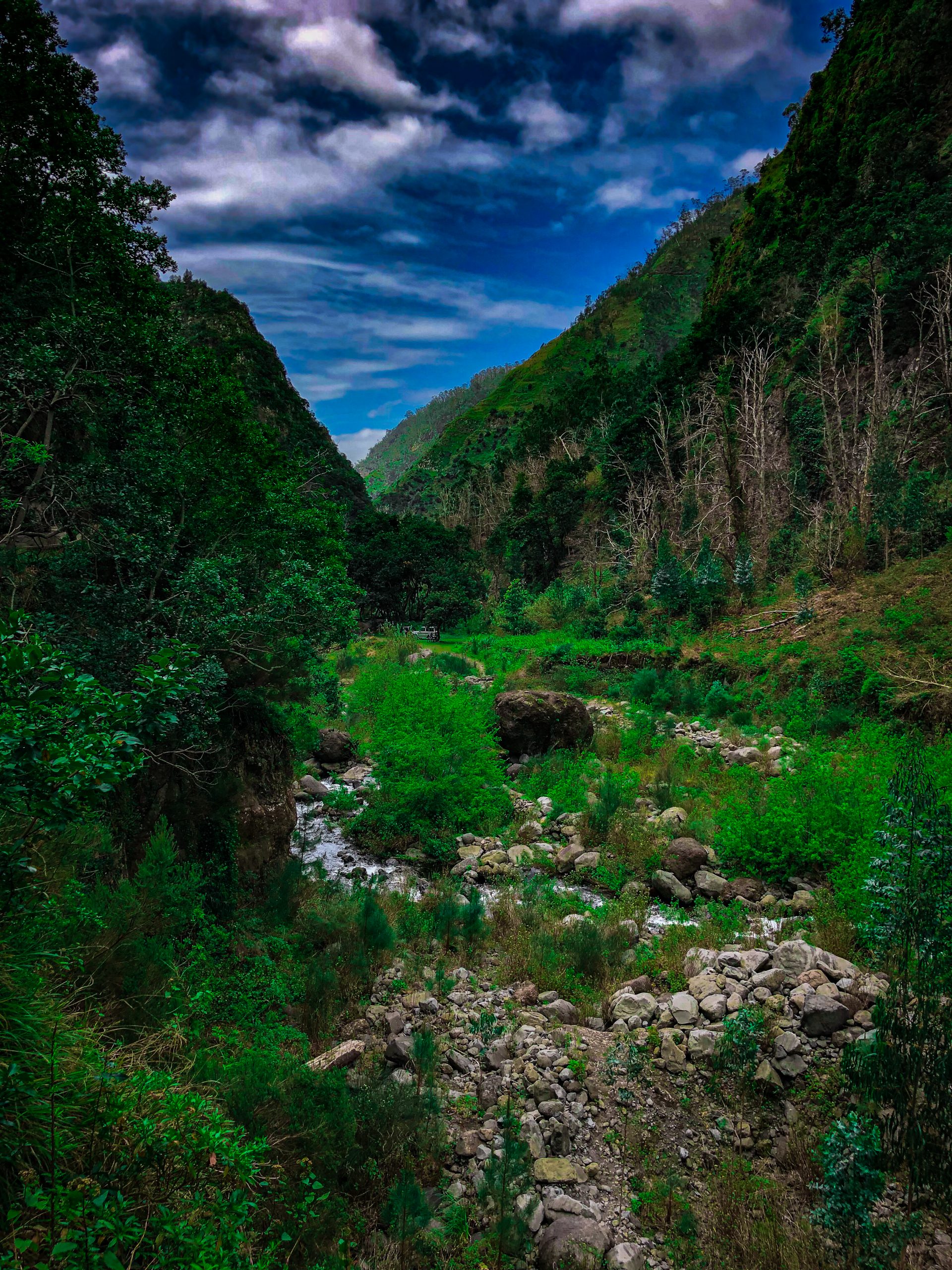
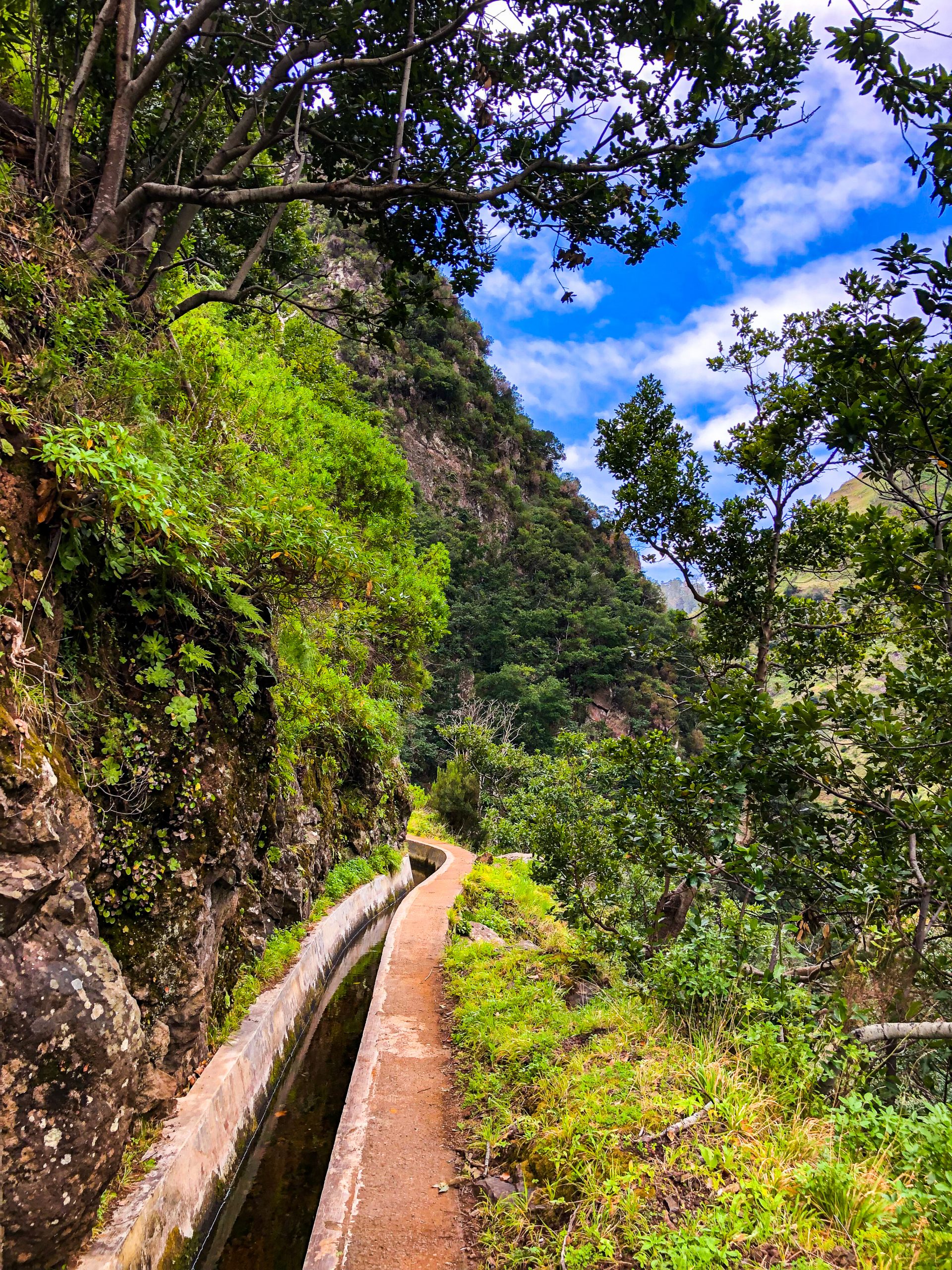
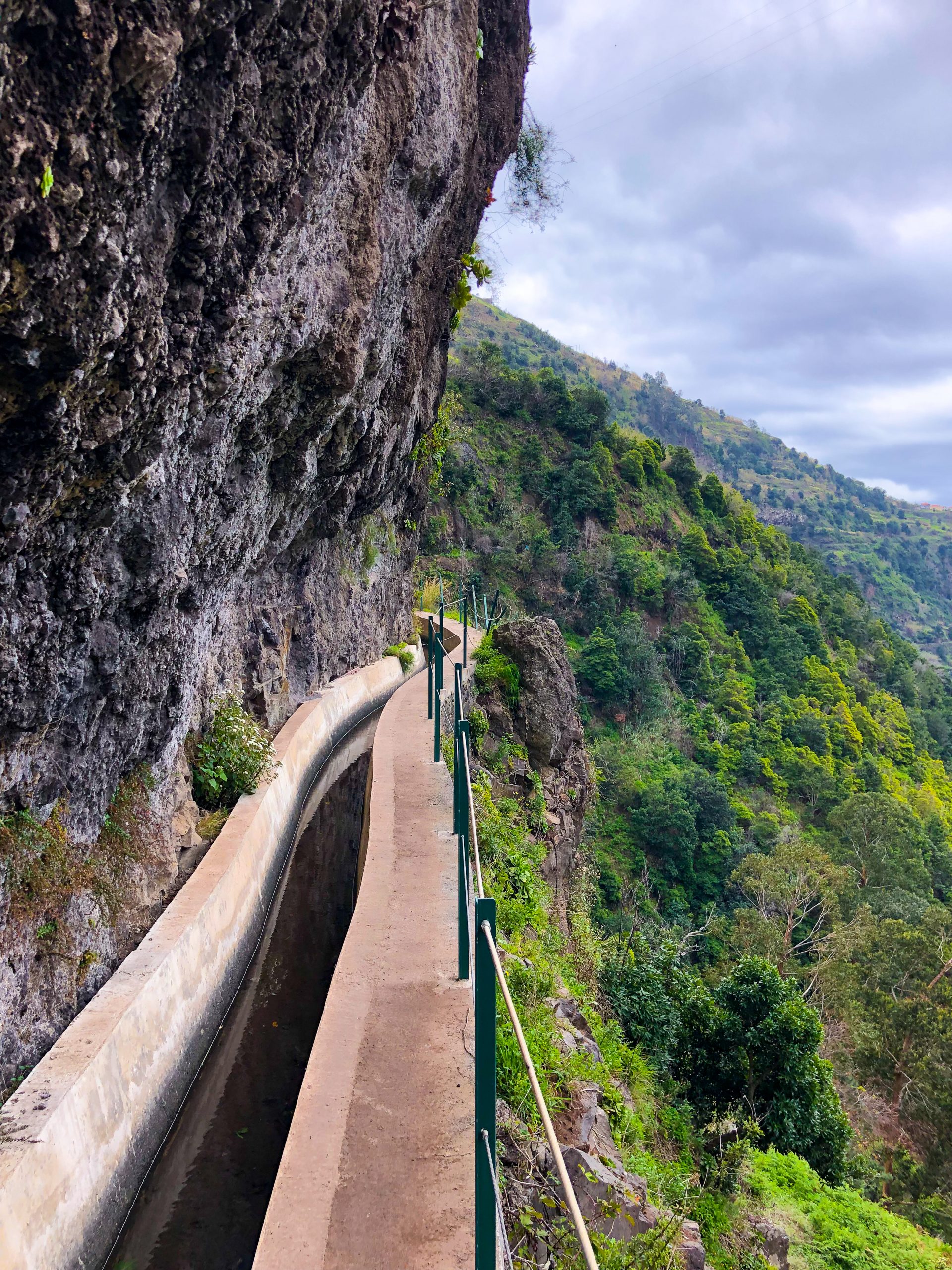
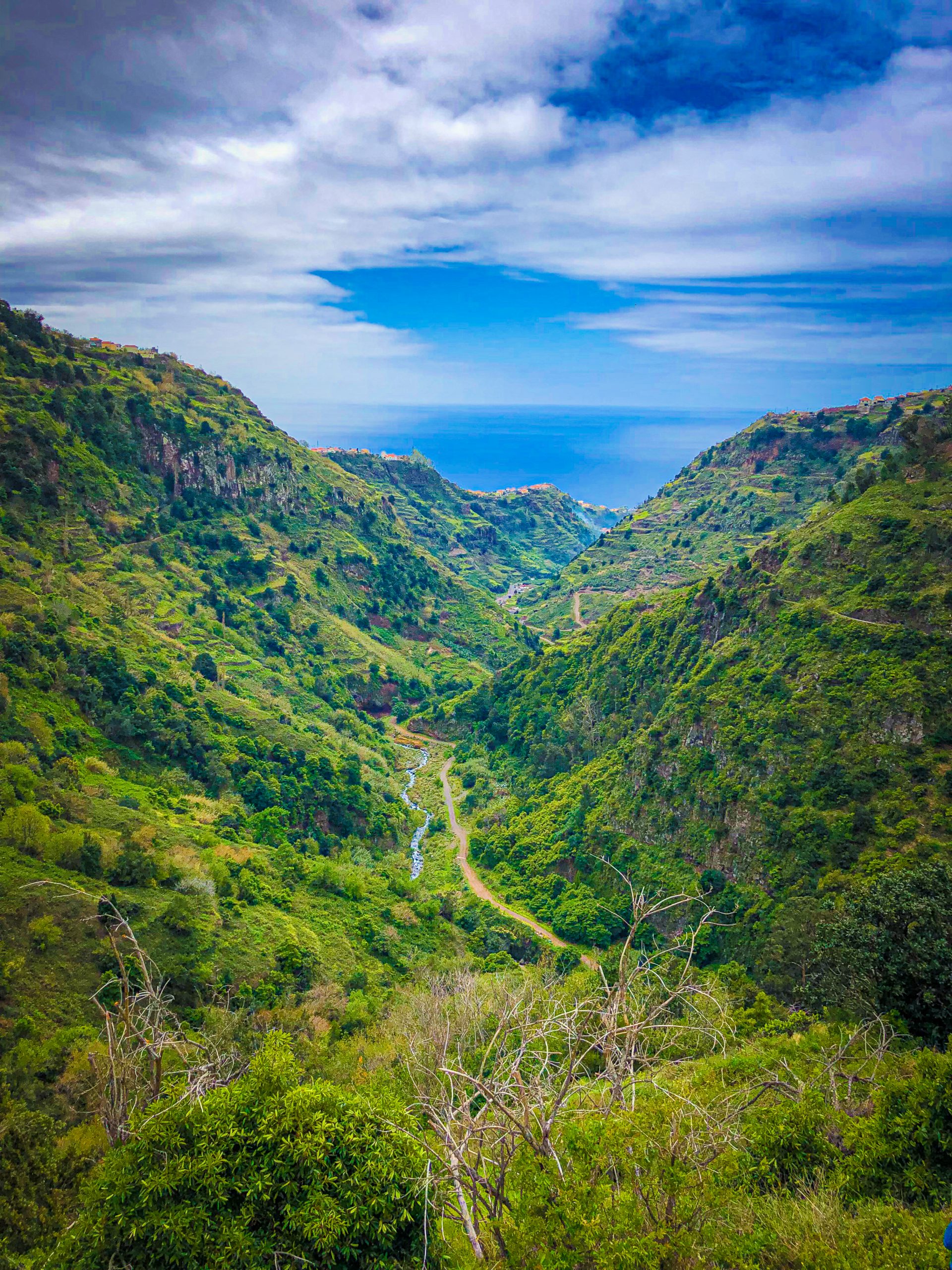
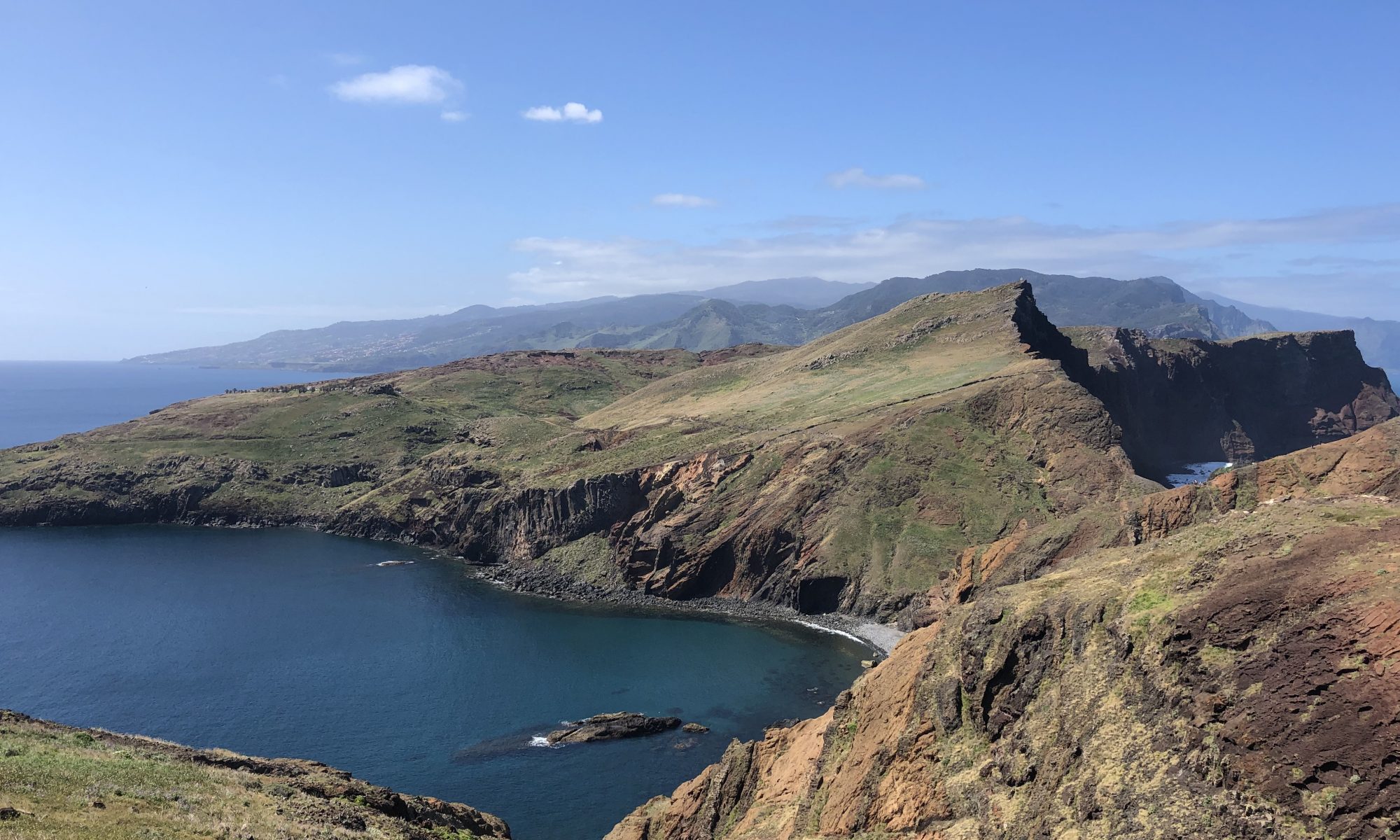
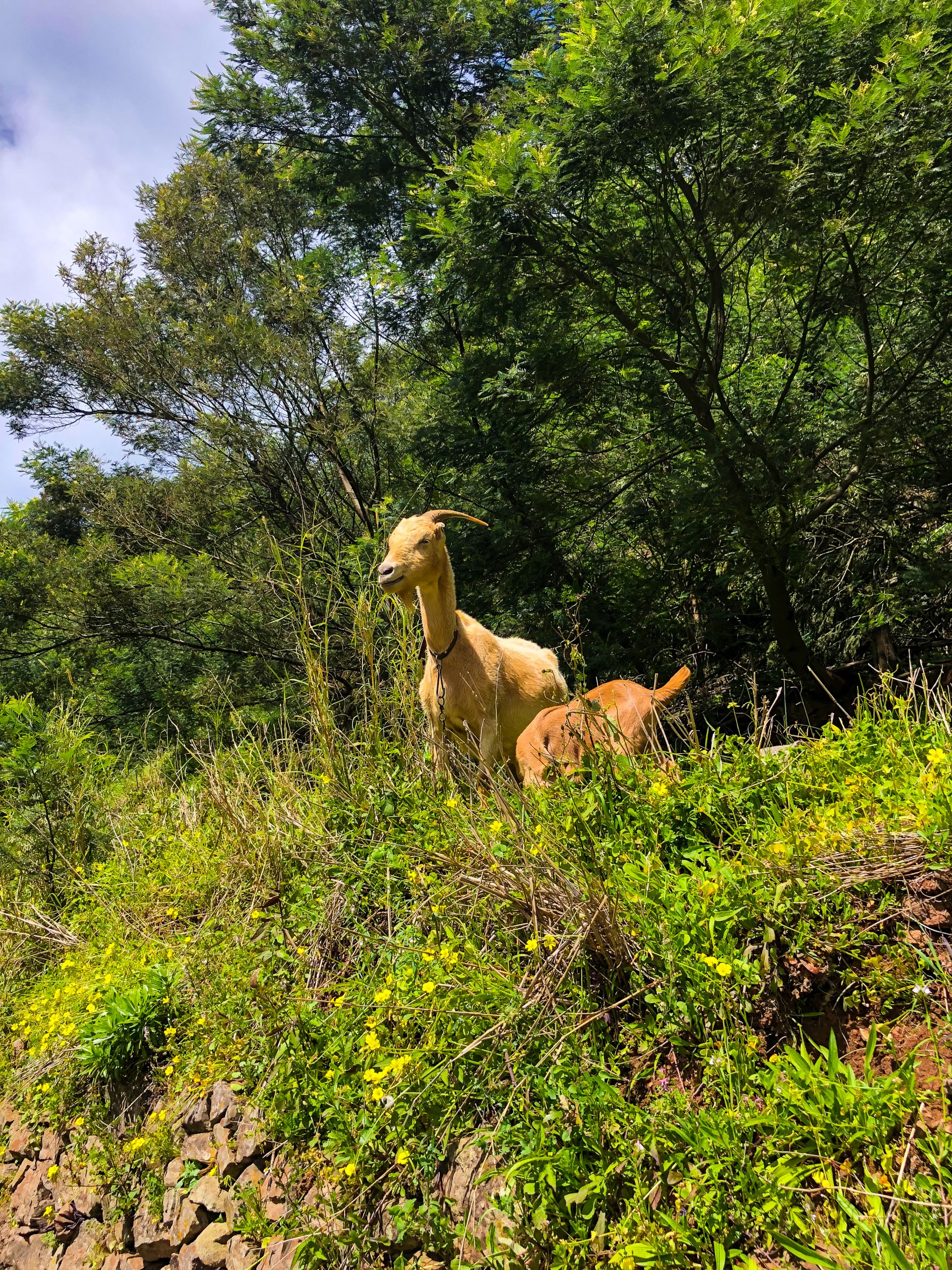
Levada do Caniçal is a nice walk along farms on a very sunny side, meeting goats, dogs, and chickens along the way. You can make it a bit harder, by taking an extension hike until the Boca do Risco viewpoint, where you can enjoy extraordinary views on the cliffs of the western part of the island. I enjoyed the sunny terrace of the Snack Bar O Jacare at the end of the levada, of course with a coffee and a pastel de nata!
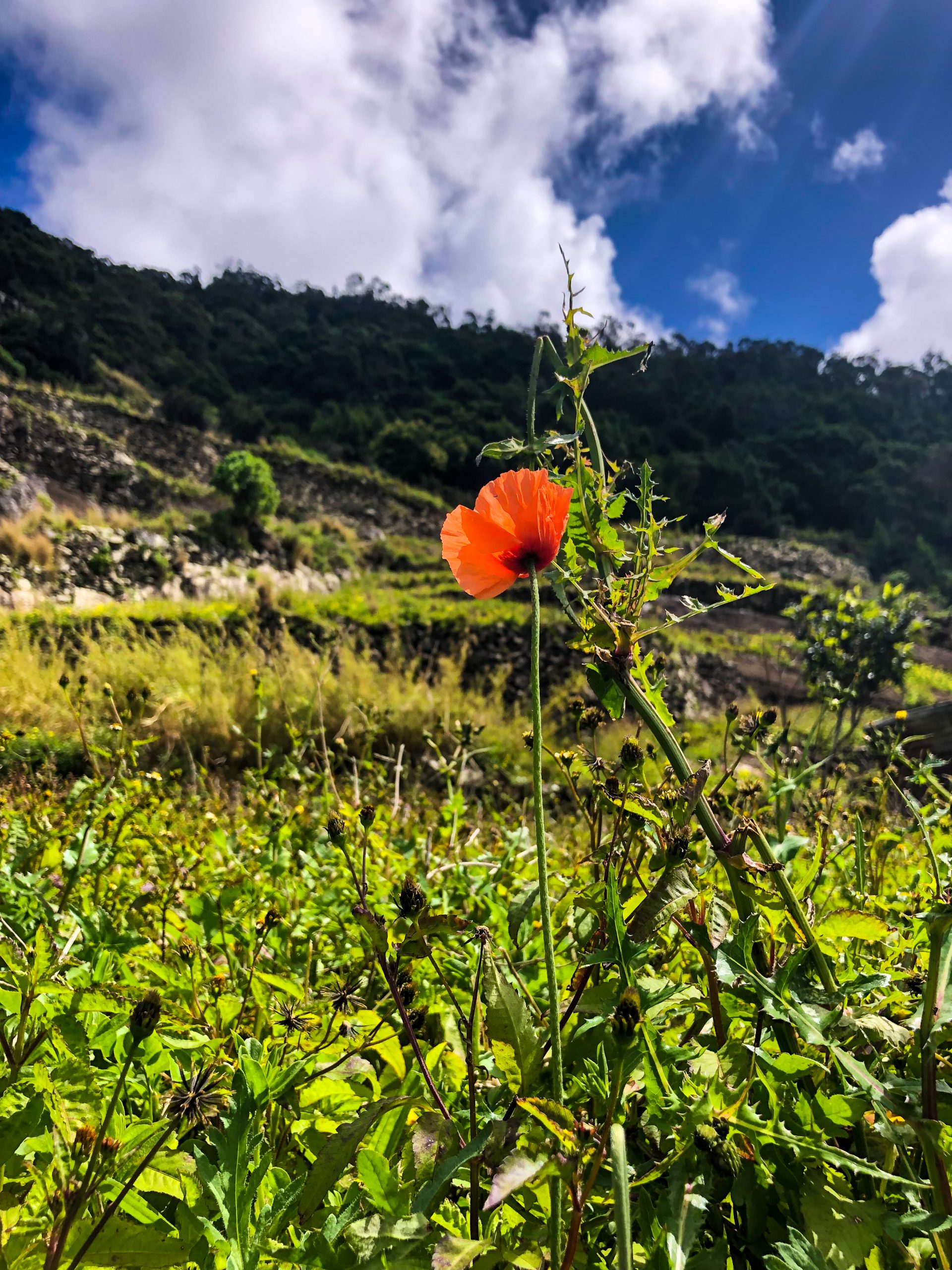
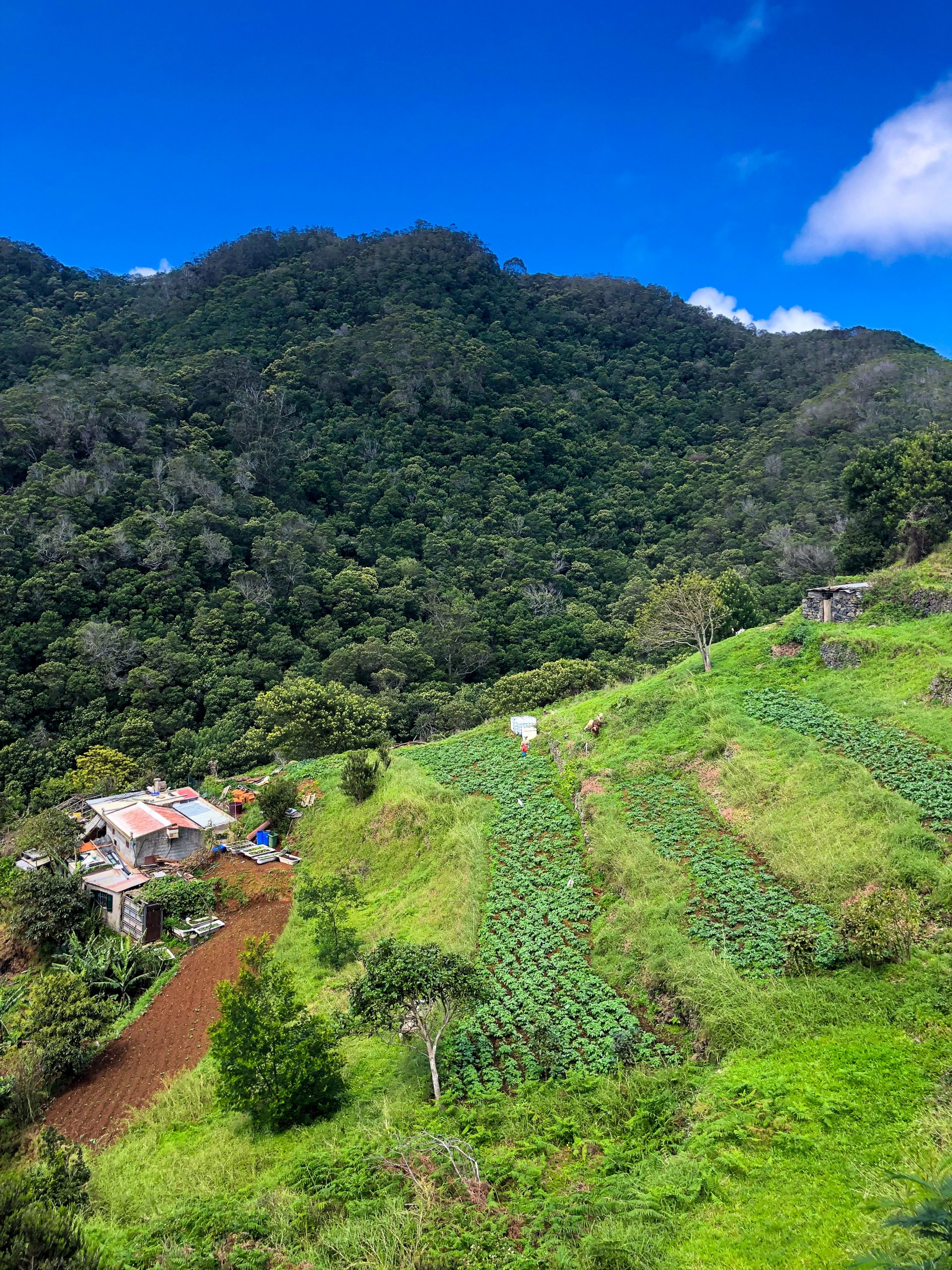
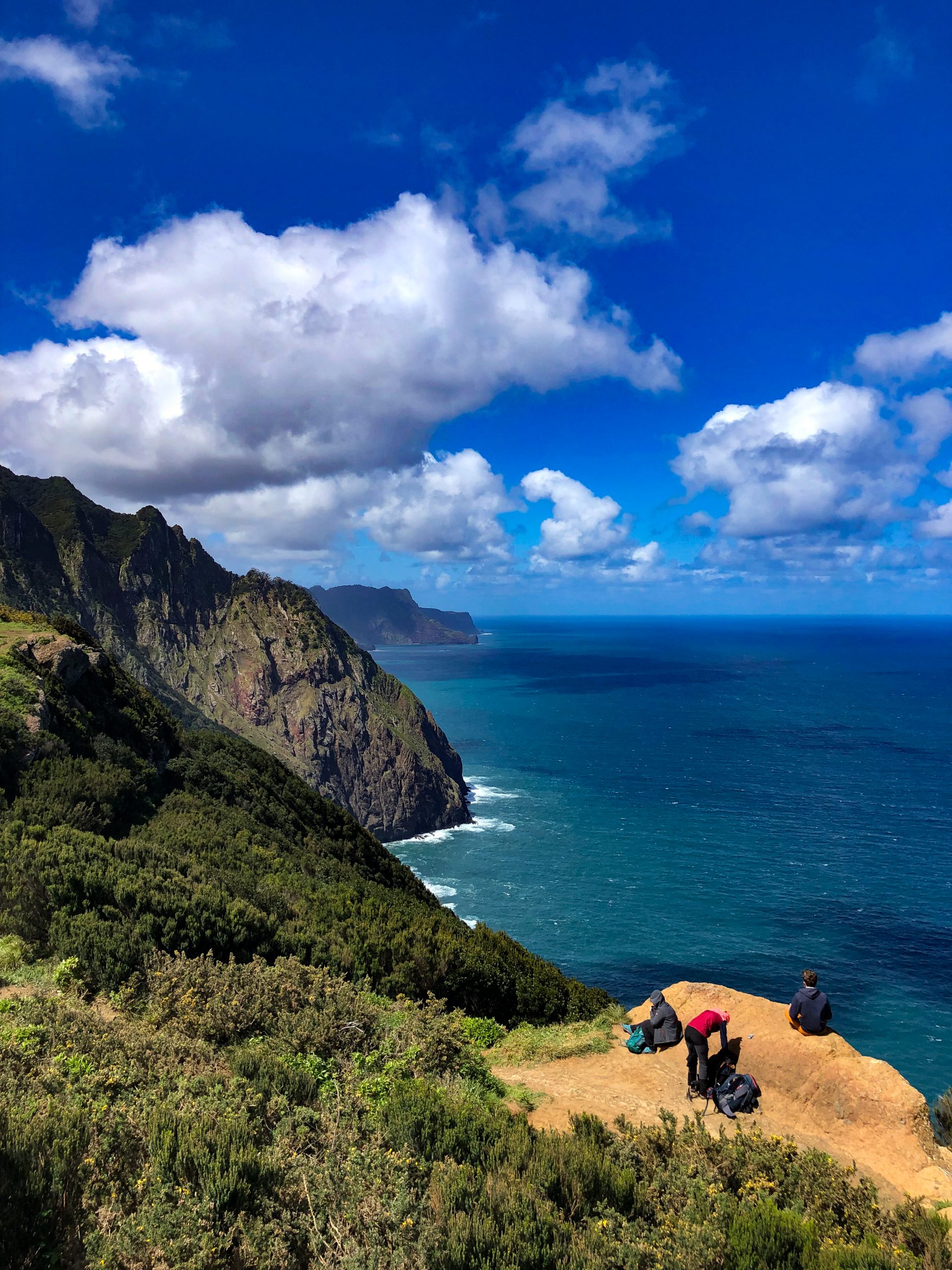
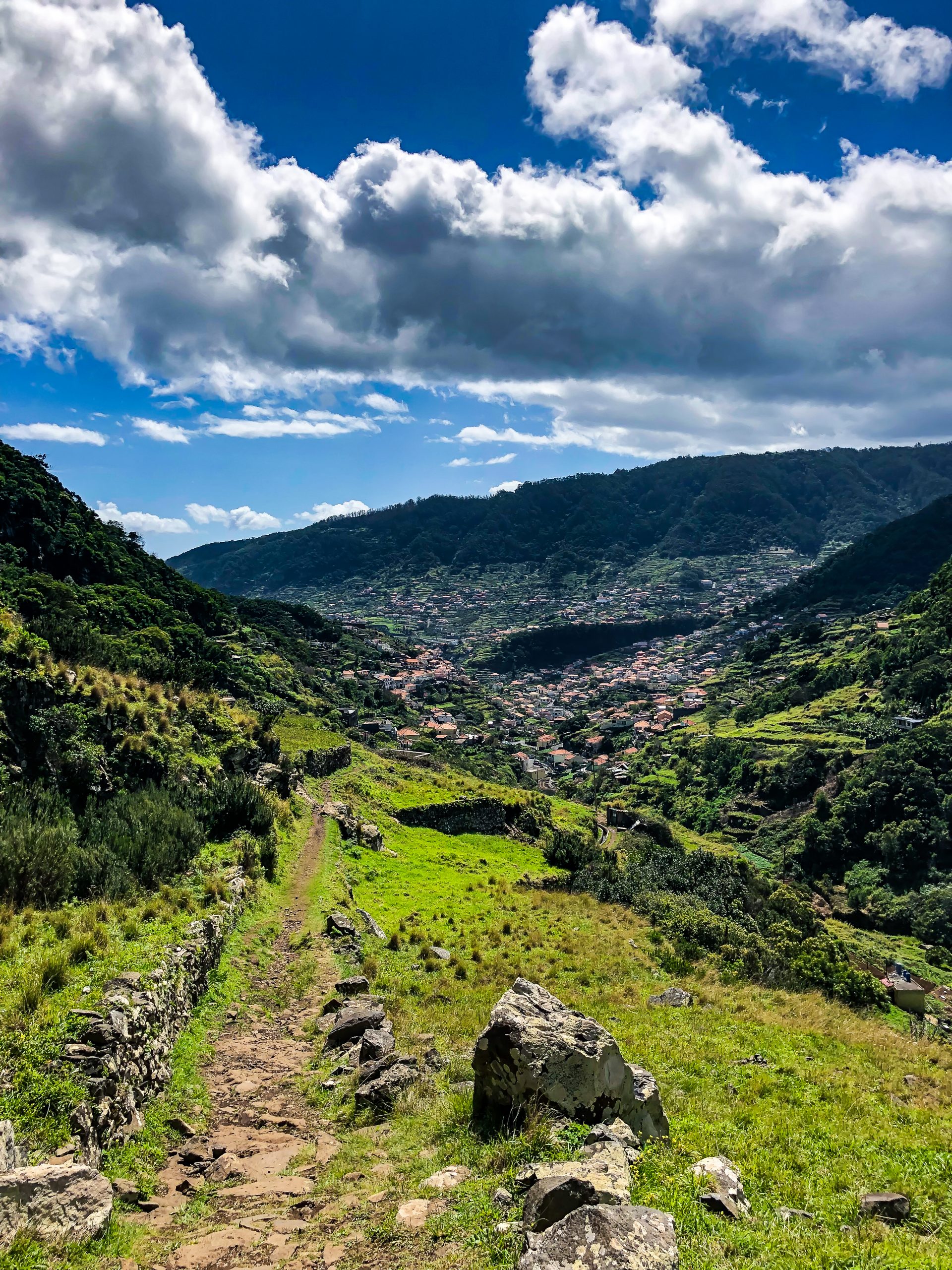
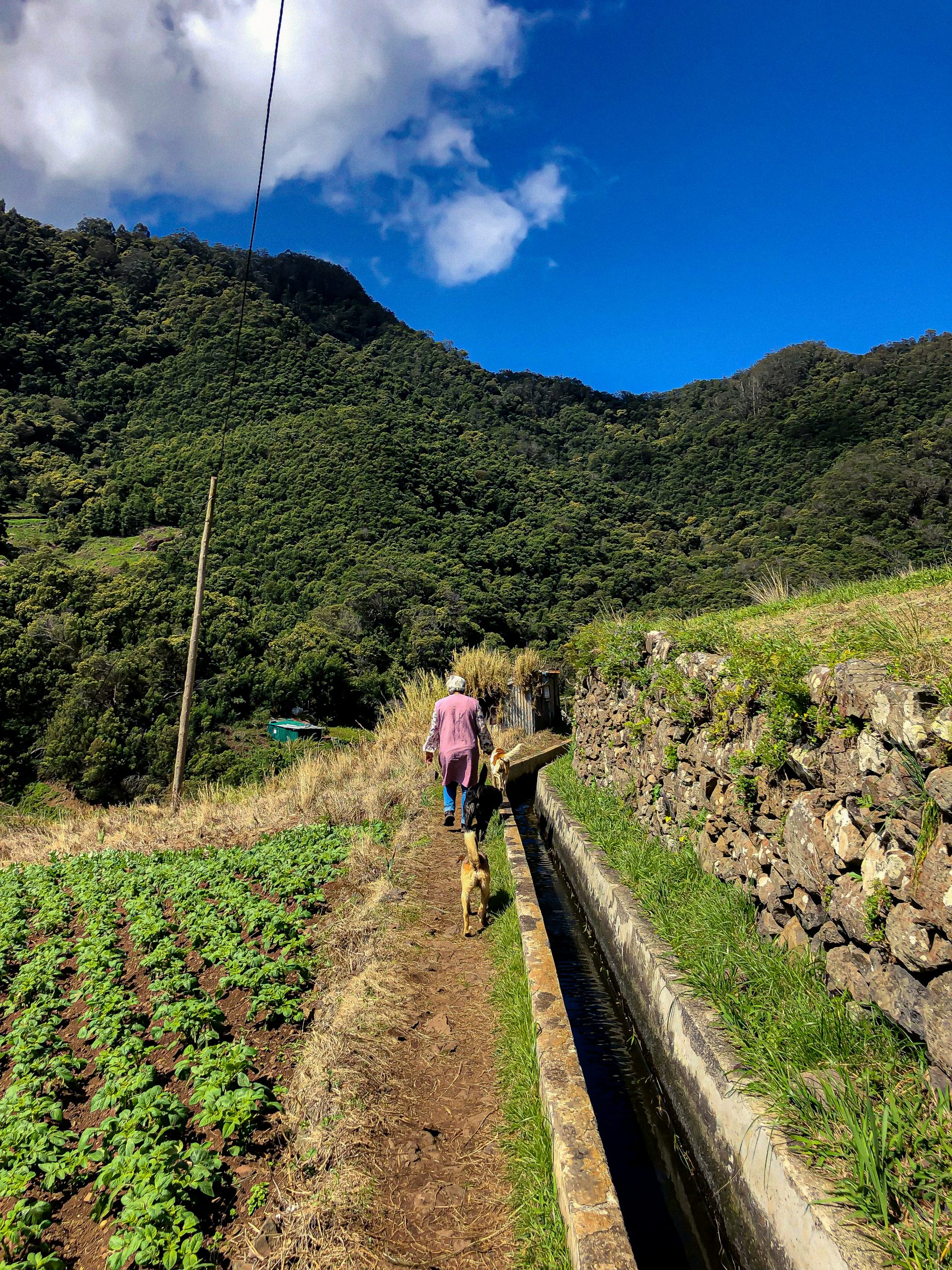
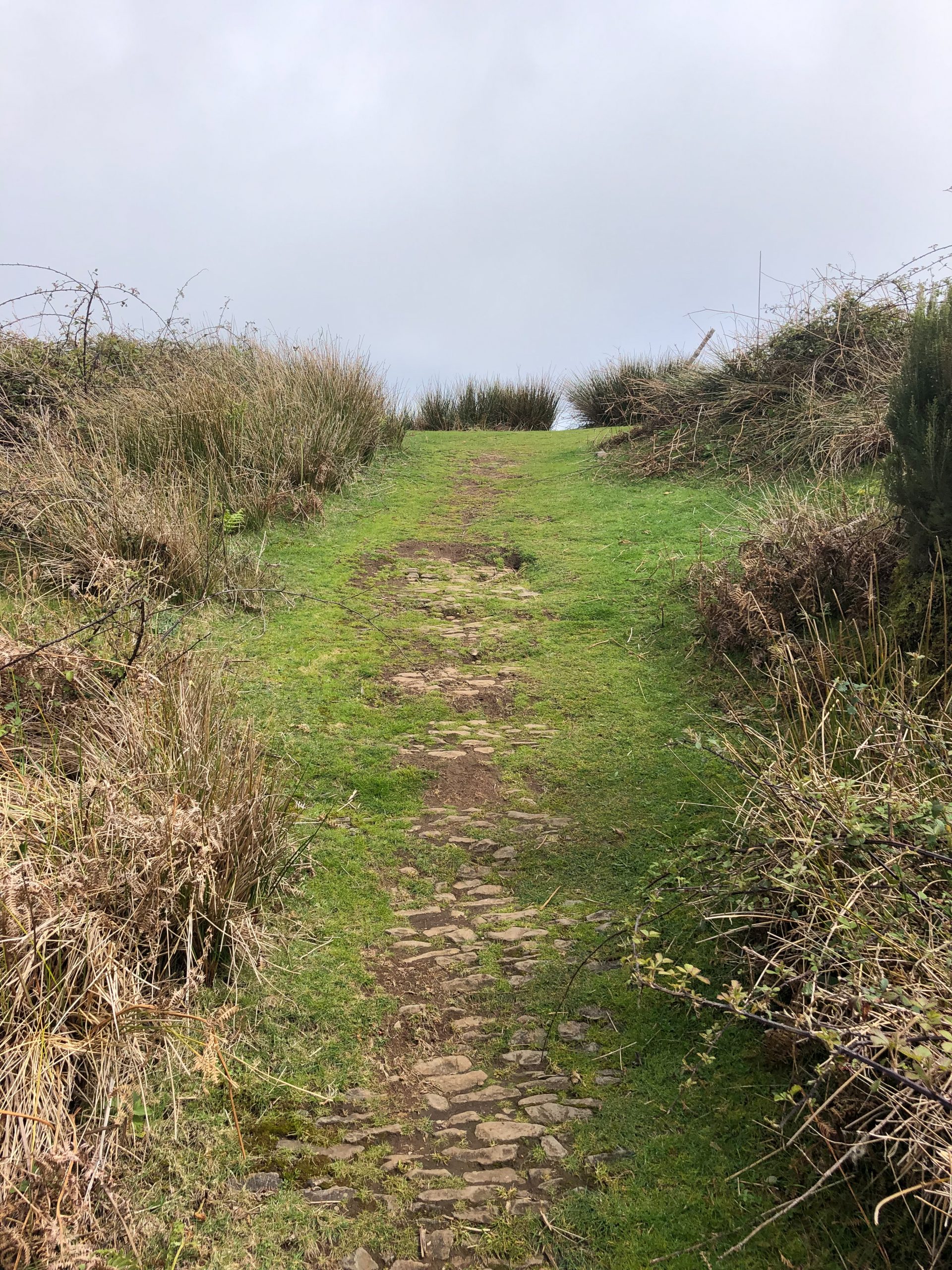
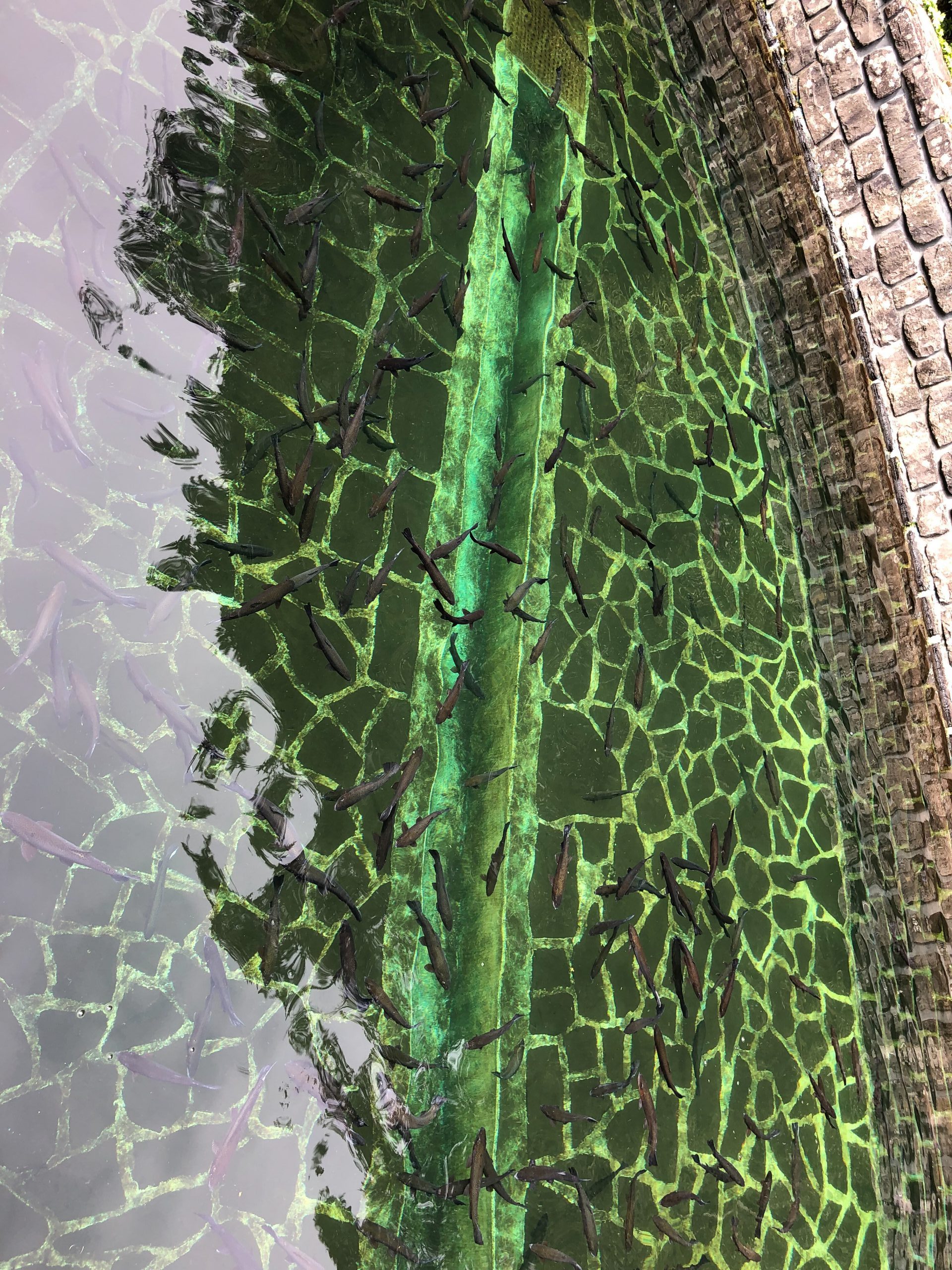
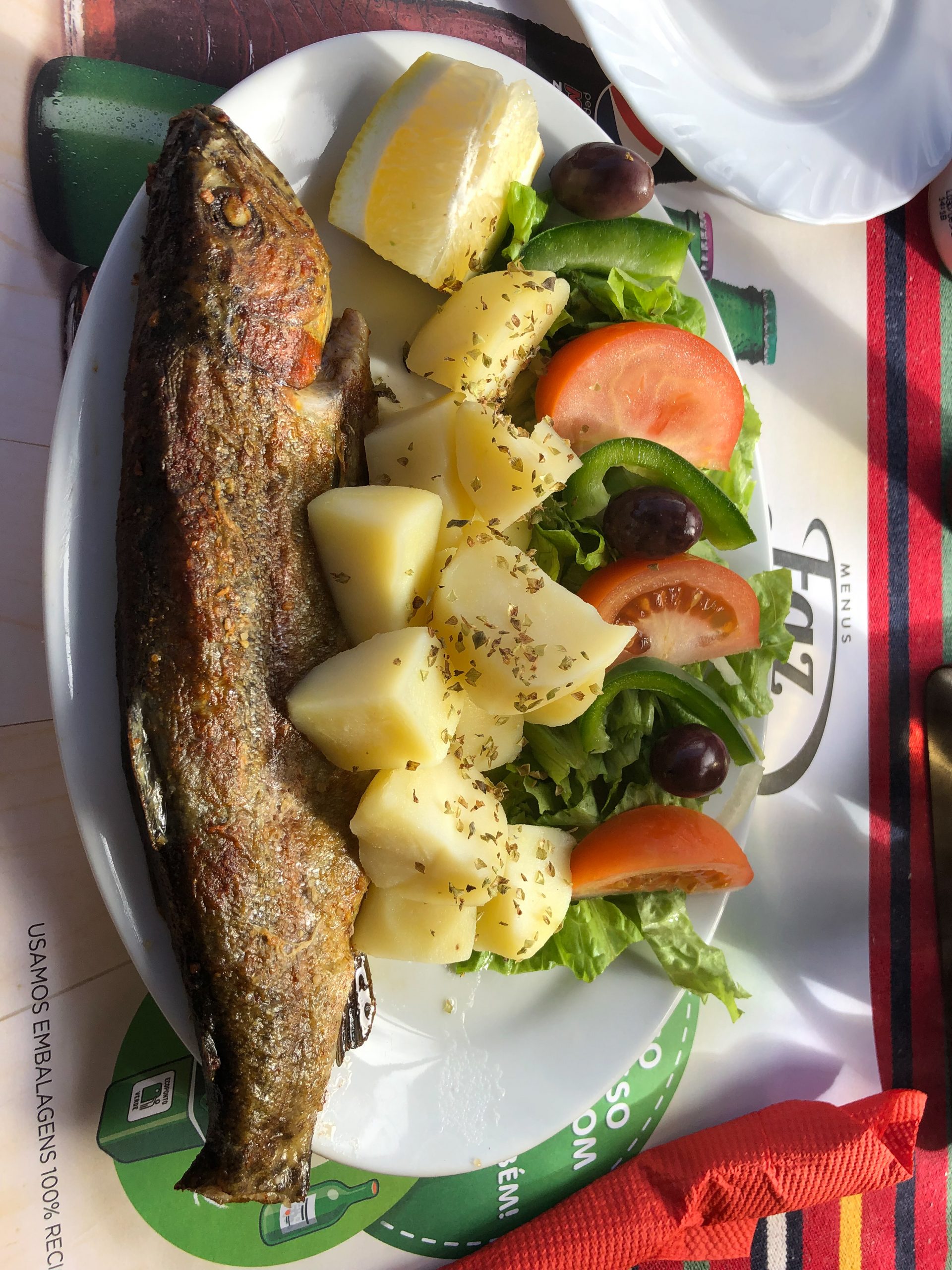
Ribeiro Frio – Chão das Feiteiras is a beautiful hike to a plateau with an amazing view (if not cloudy!) on the two highest peaks of the island: Pico Ruivo and Pico do Areeiro. When in Ribeiro Frio, do not miss to visit the aquaculture station and try a freshly caught trout!
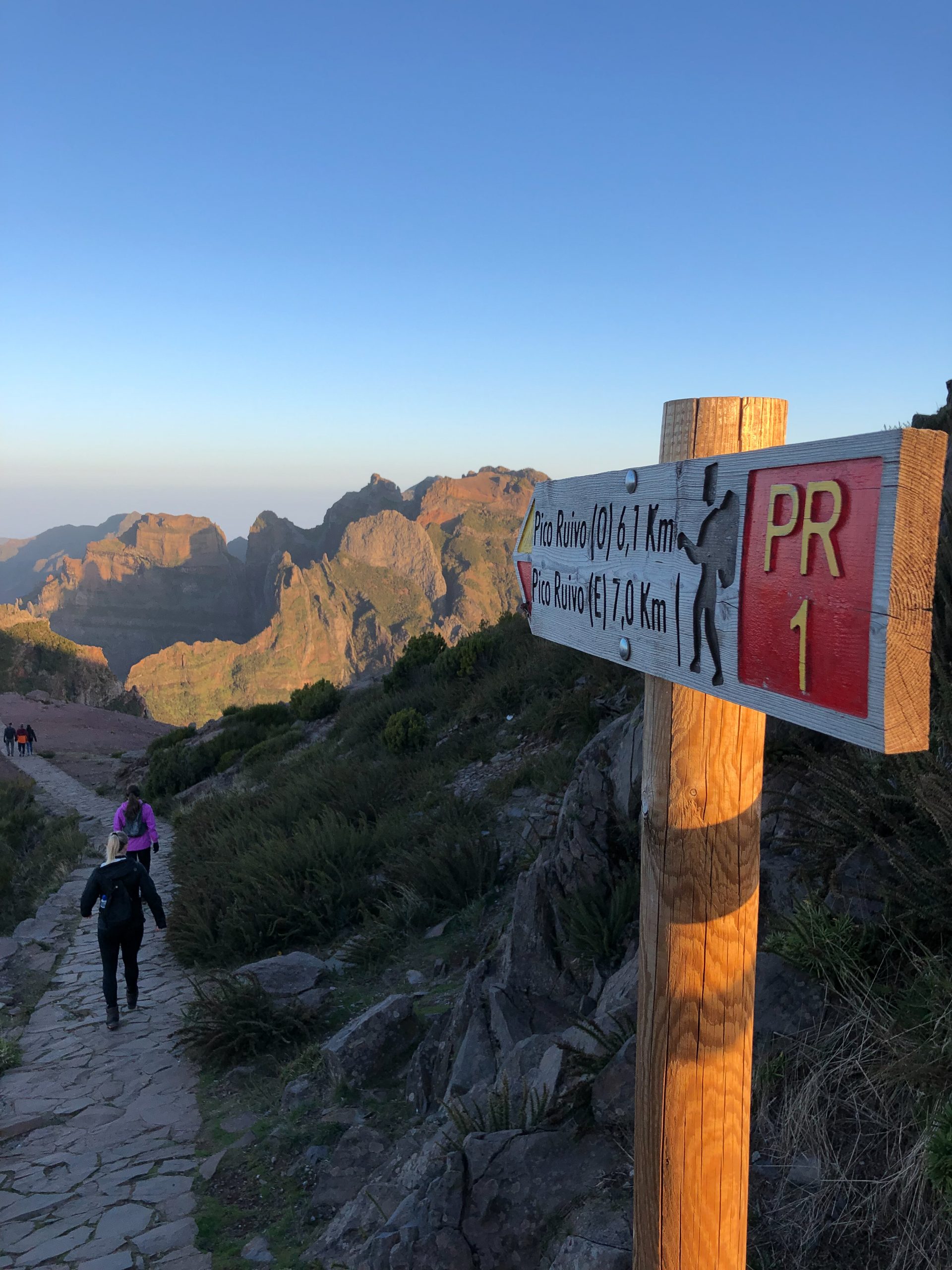
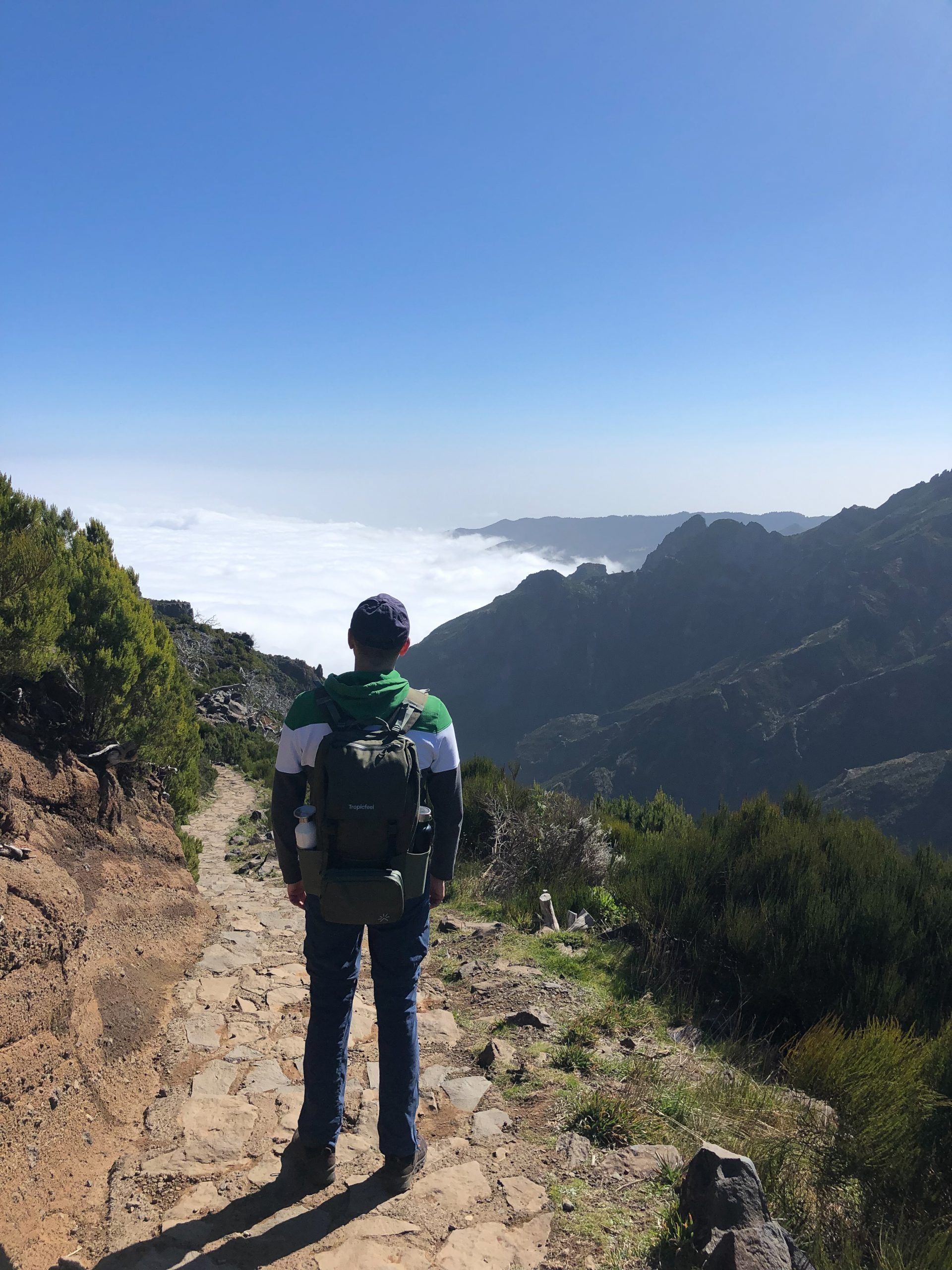
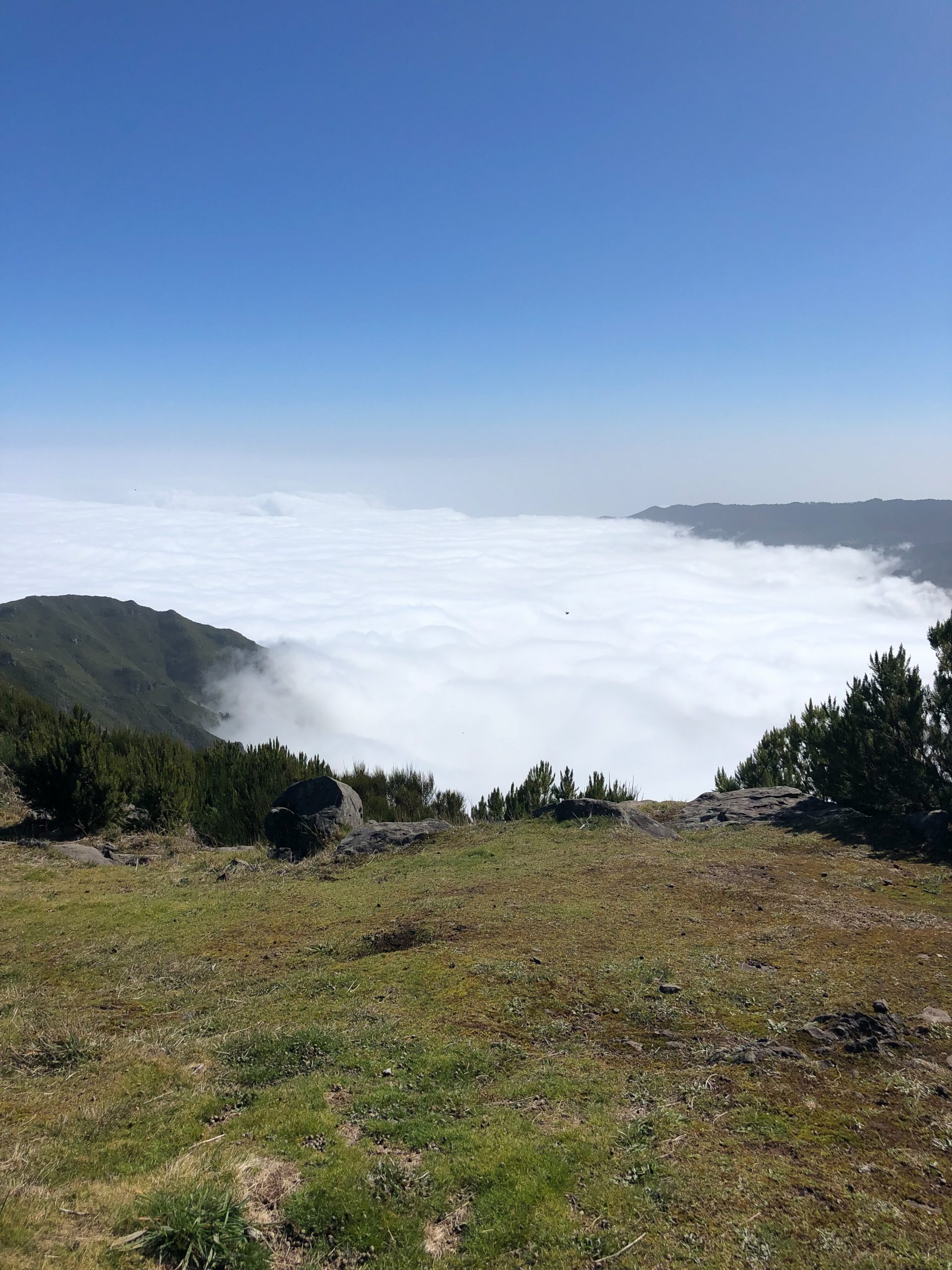
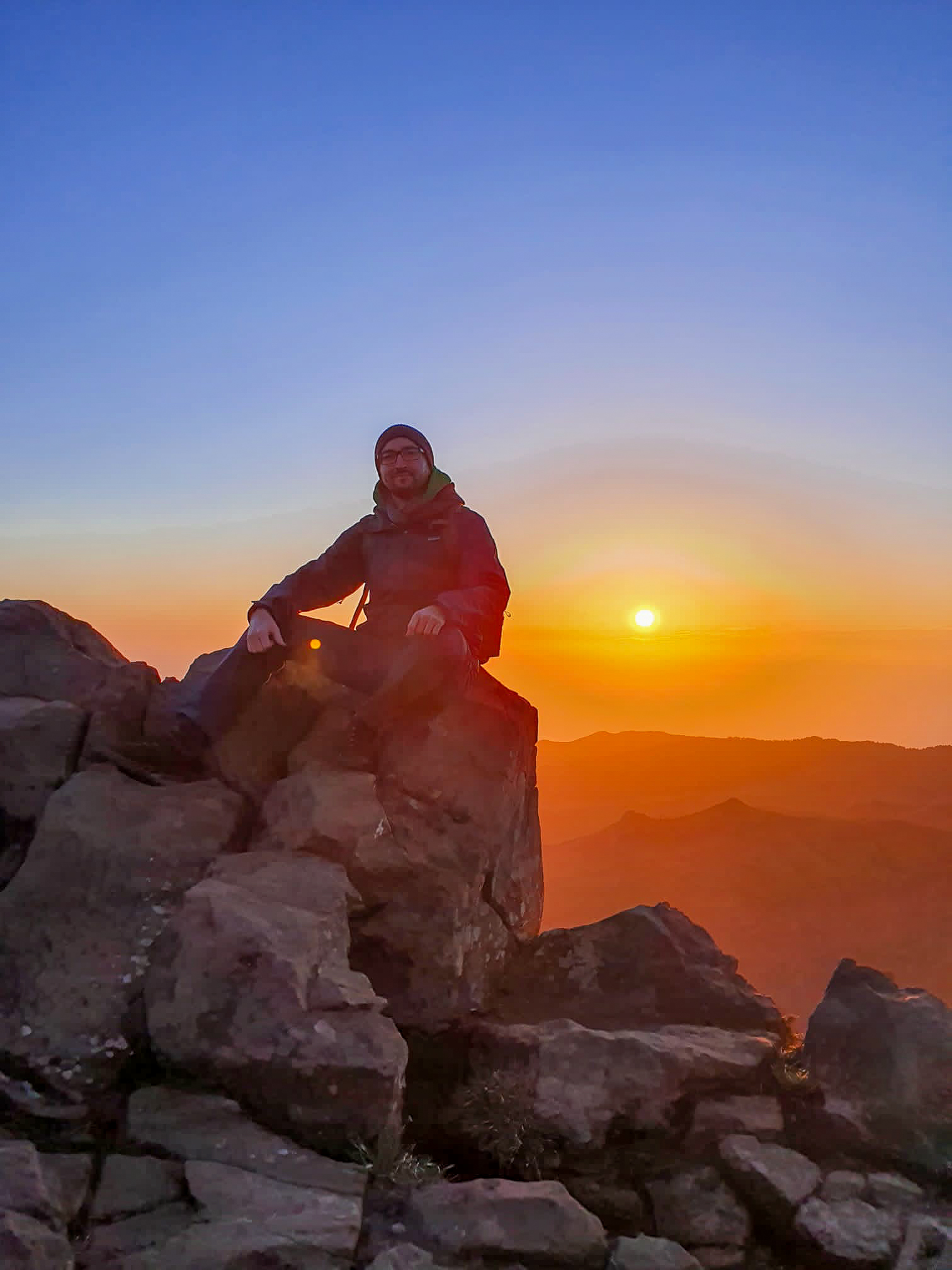
Talking about the two highest peaks: the hike route PR1 connects the Pico Areeiro (1818 m) with the Pico Ruivo (1862 m) on a 7 km length. It may seem “short” but be aware the hike is quite demanding in terms of narrow paths, and steep stairs, and not for people with a fear of heights. Successfully overcoming the challenges (bad weather included), you will walk over the clouds, looking down to very steep volcanic slopes and valleys and bizarre rock formations.
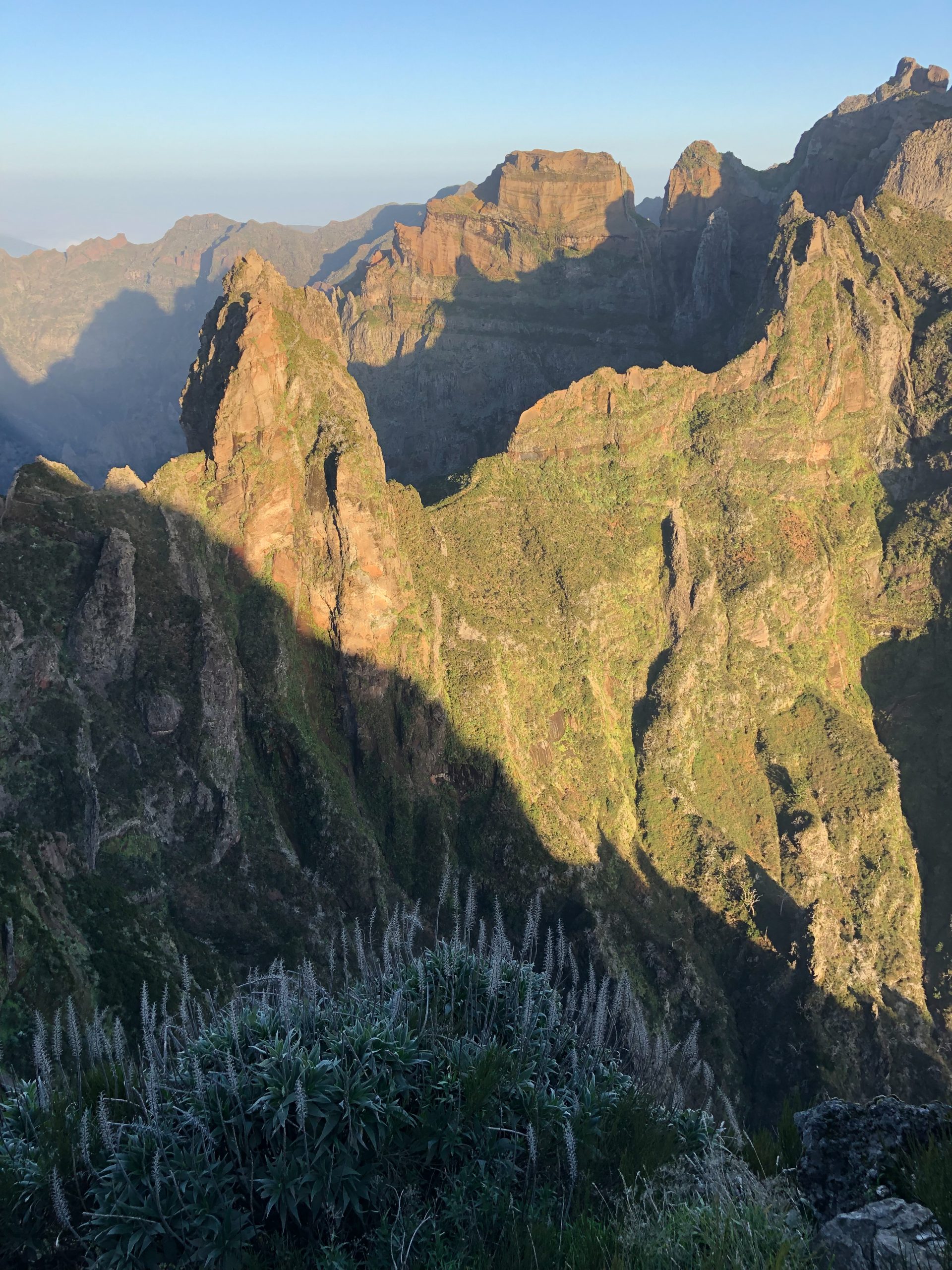
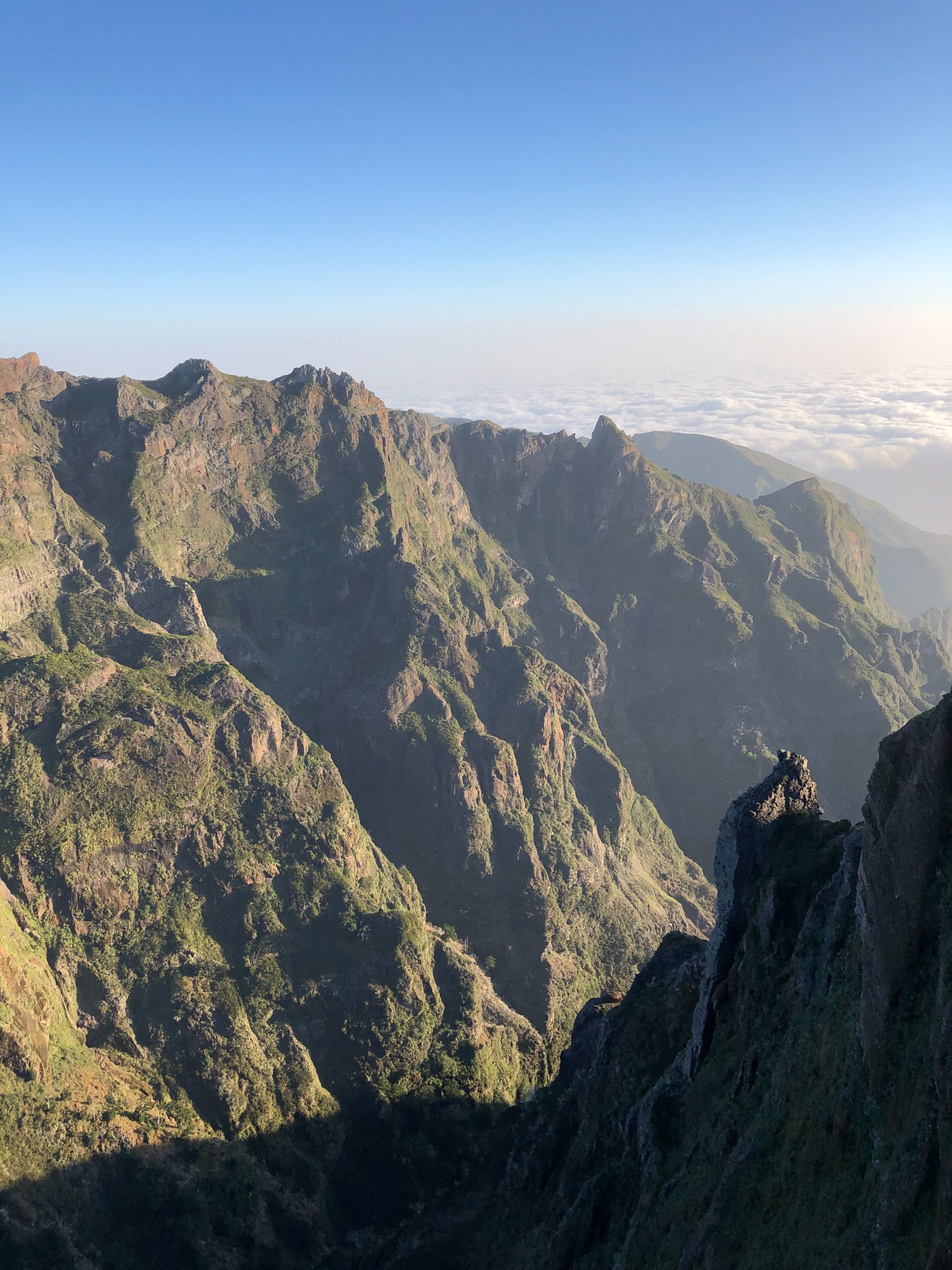
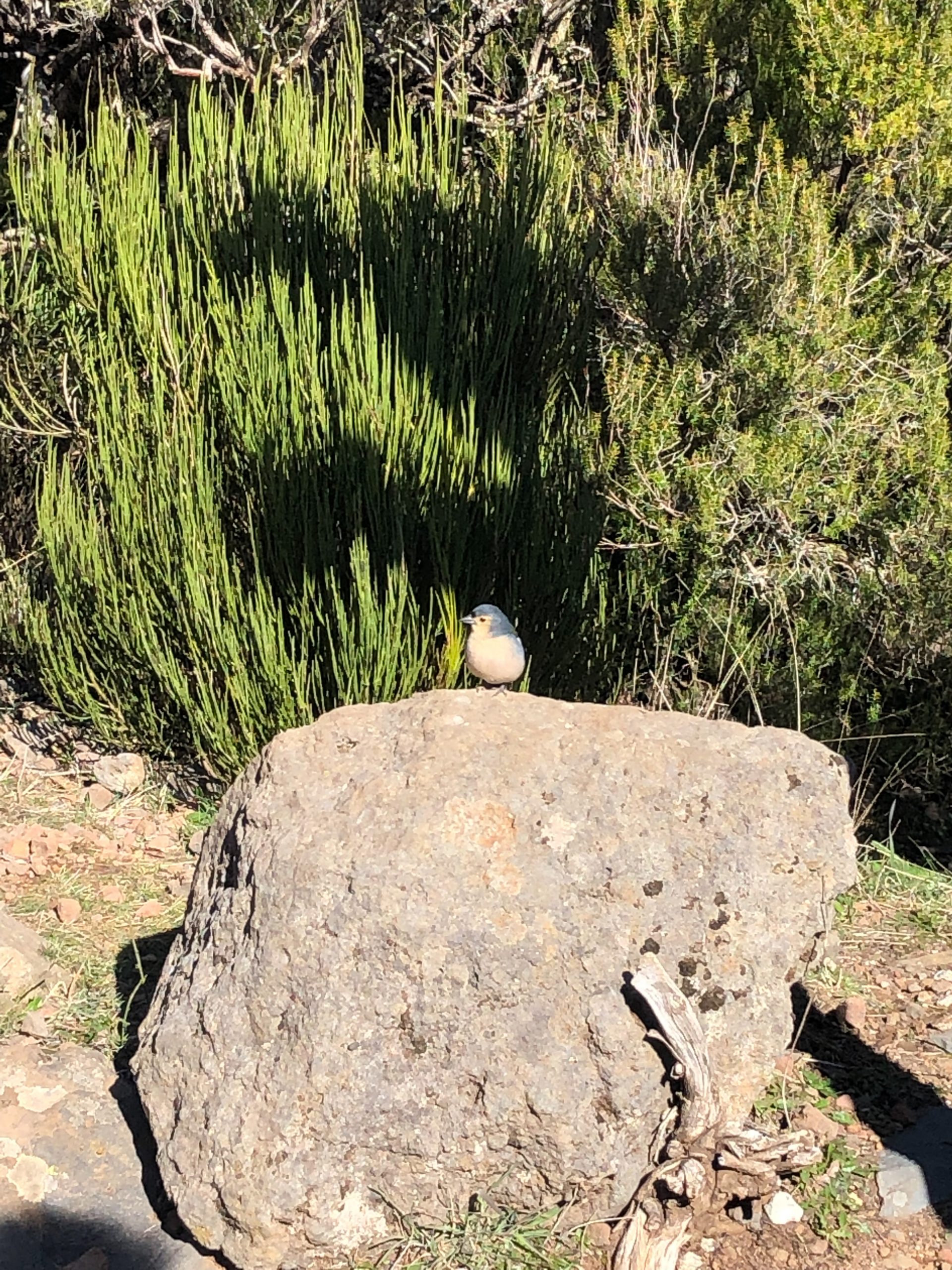
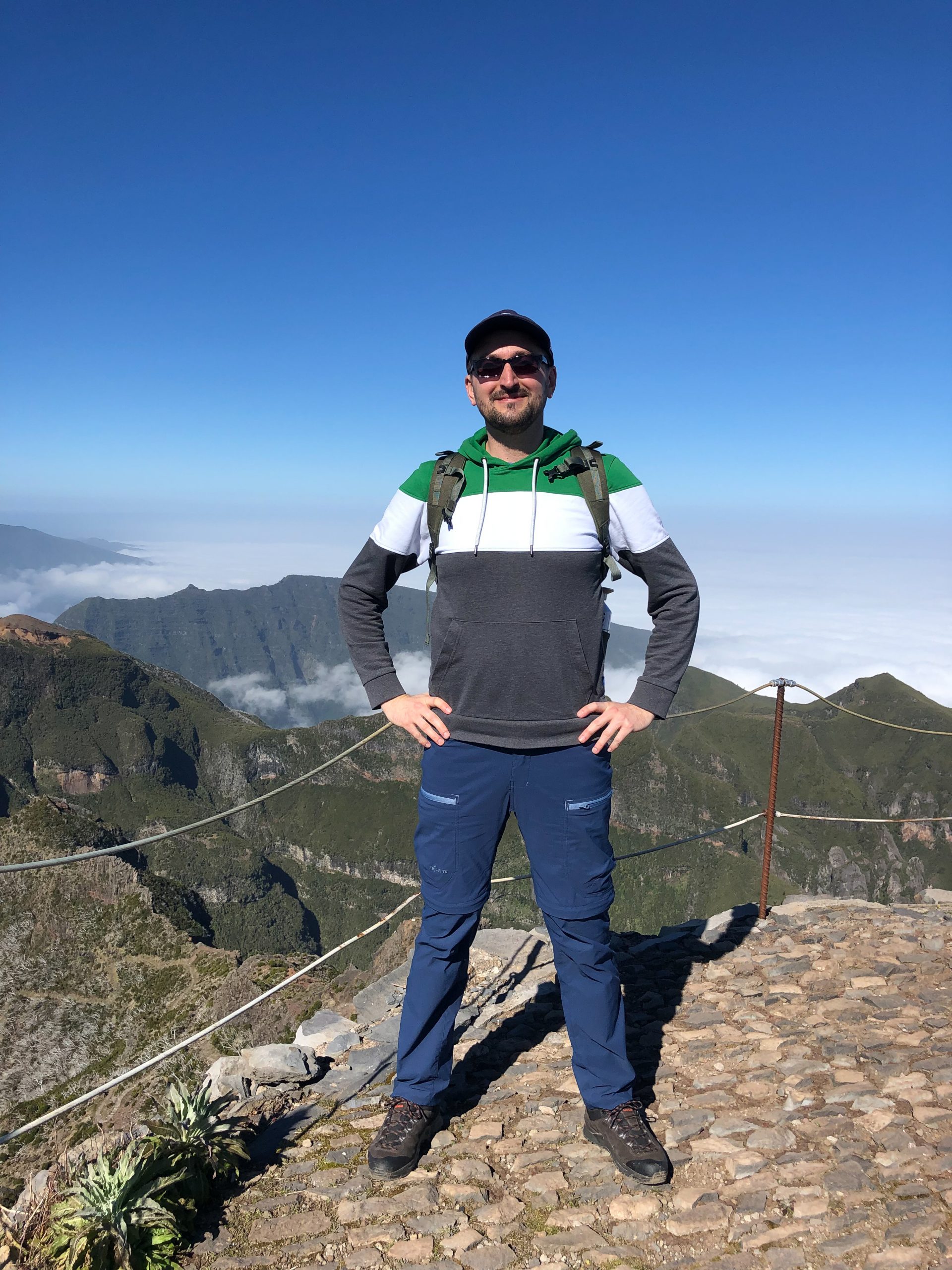
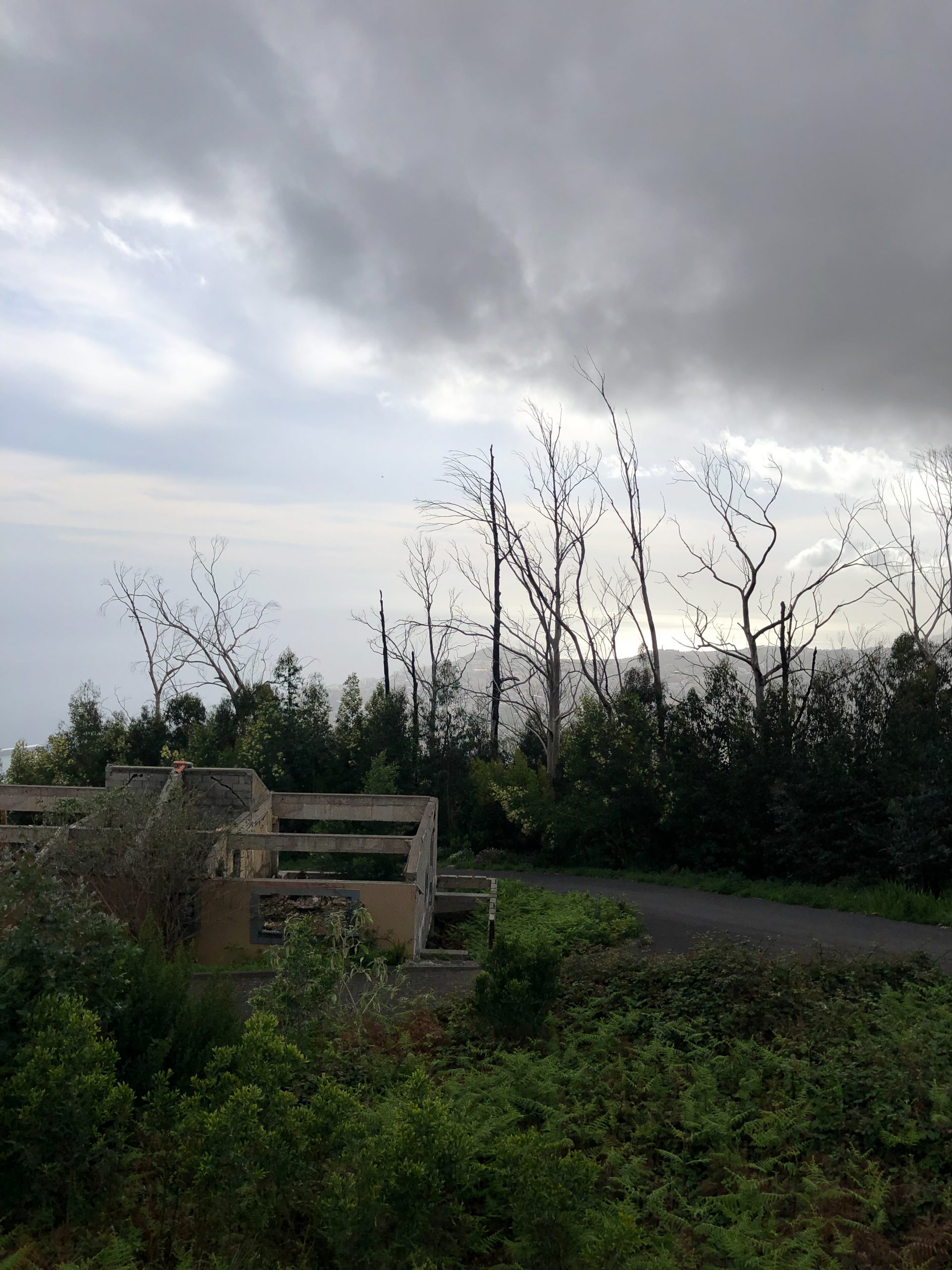
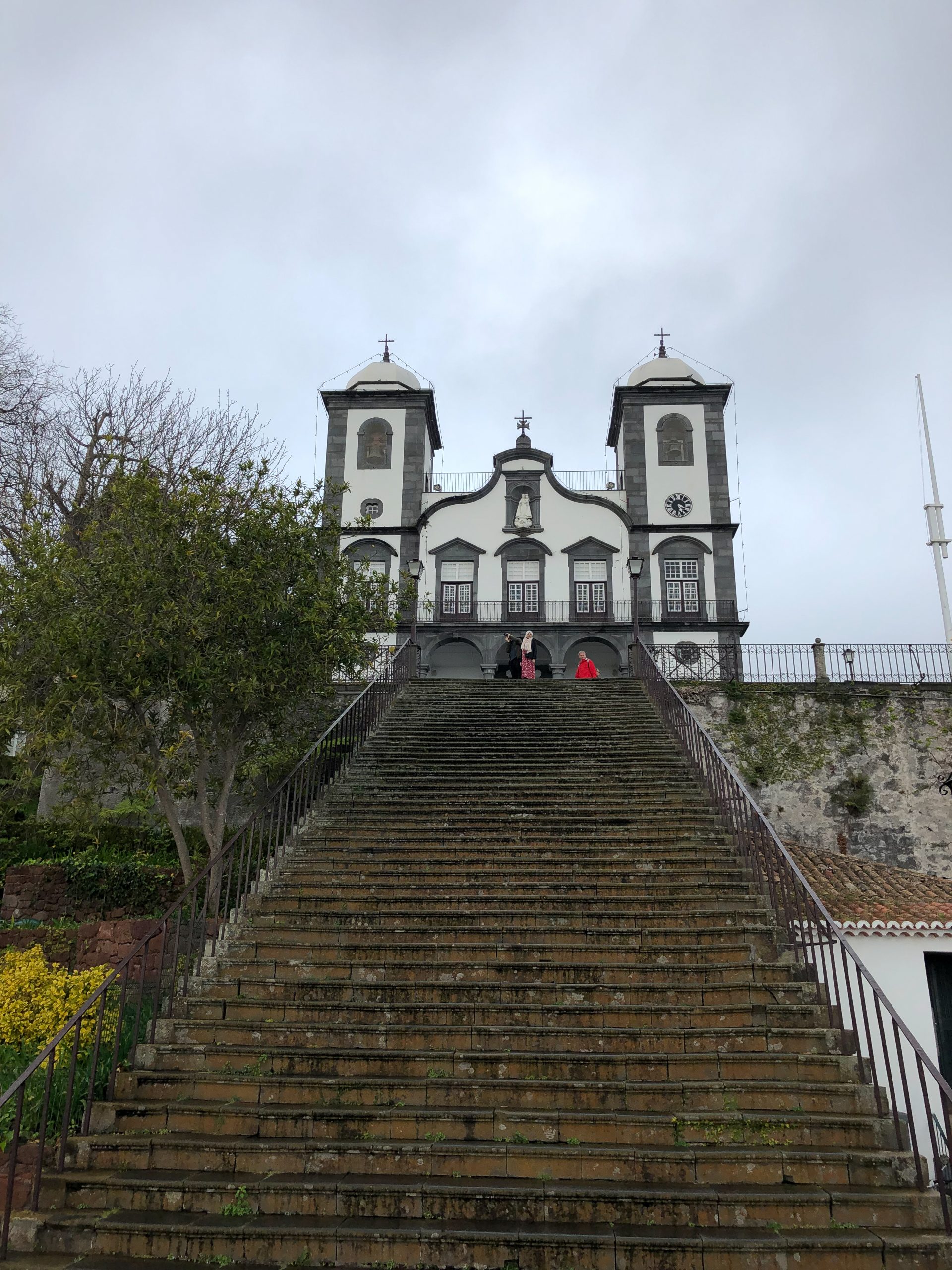
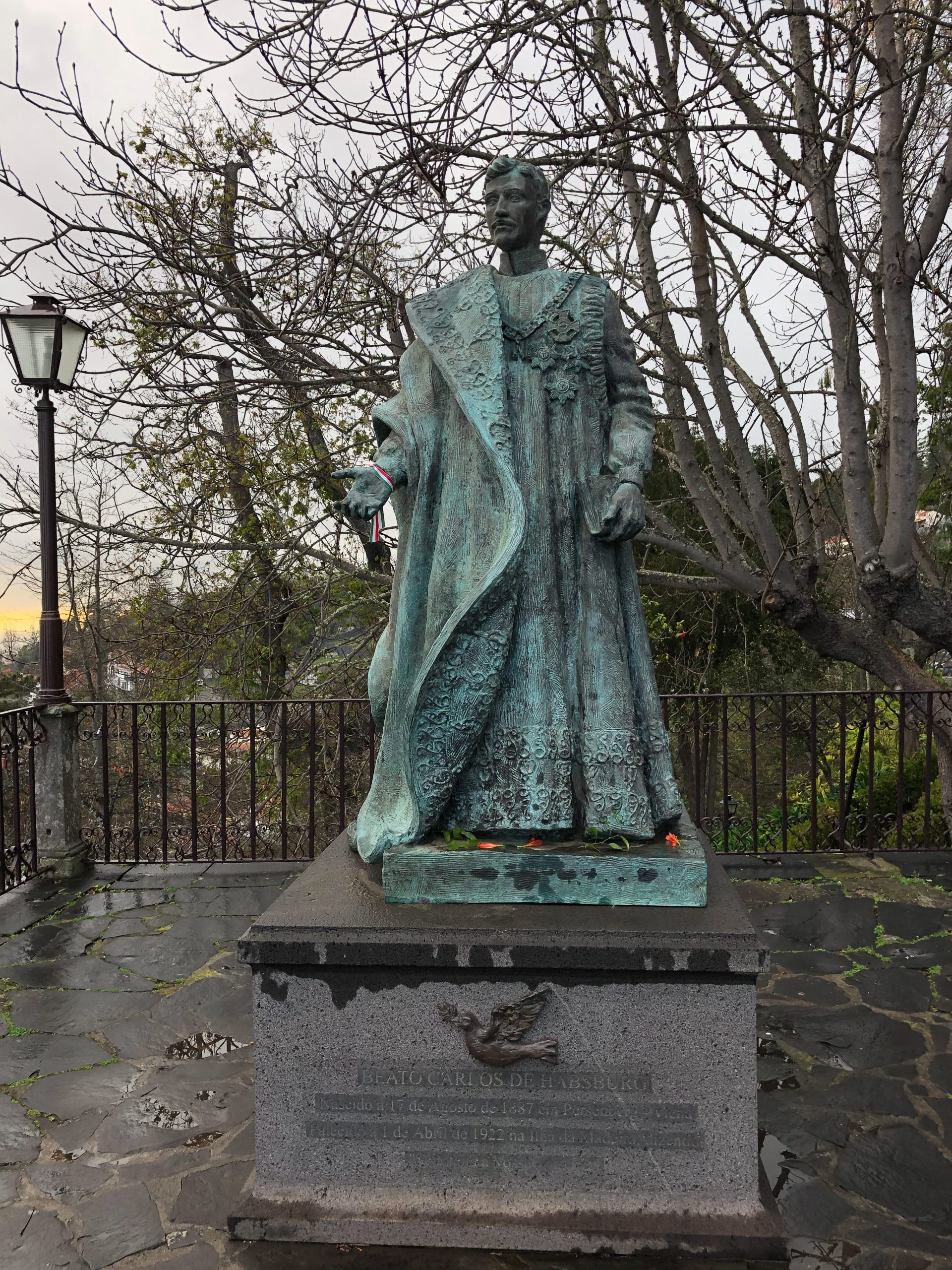
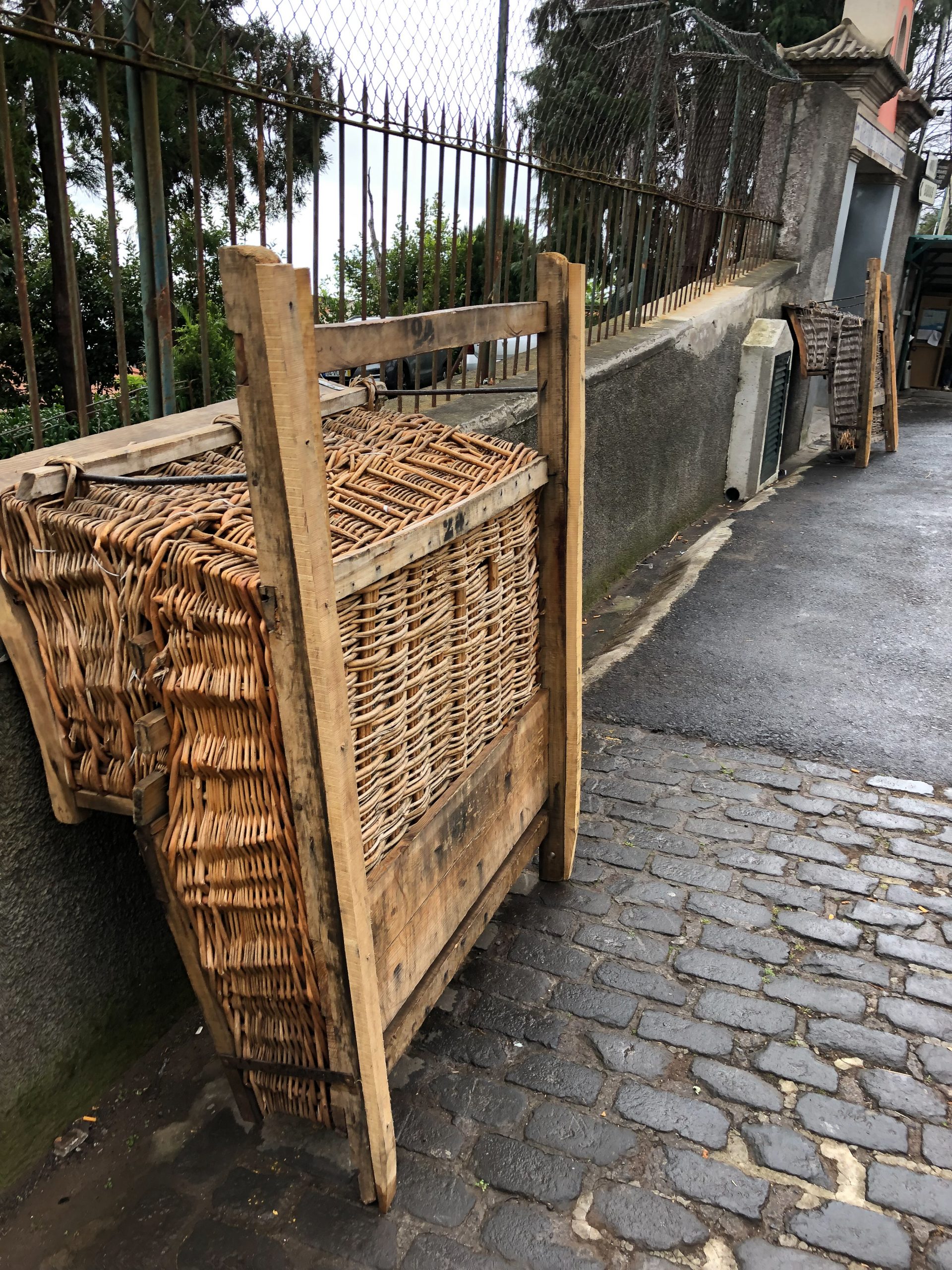
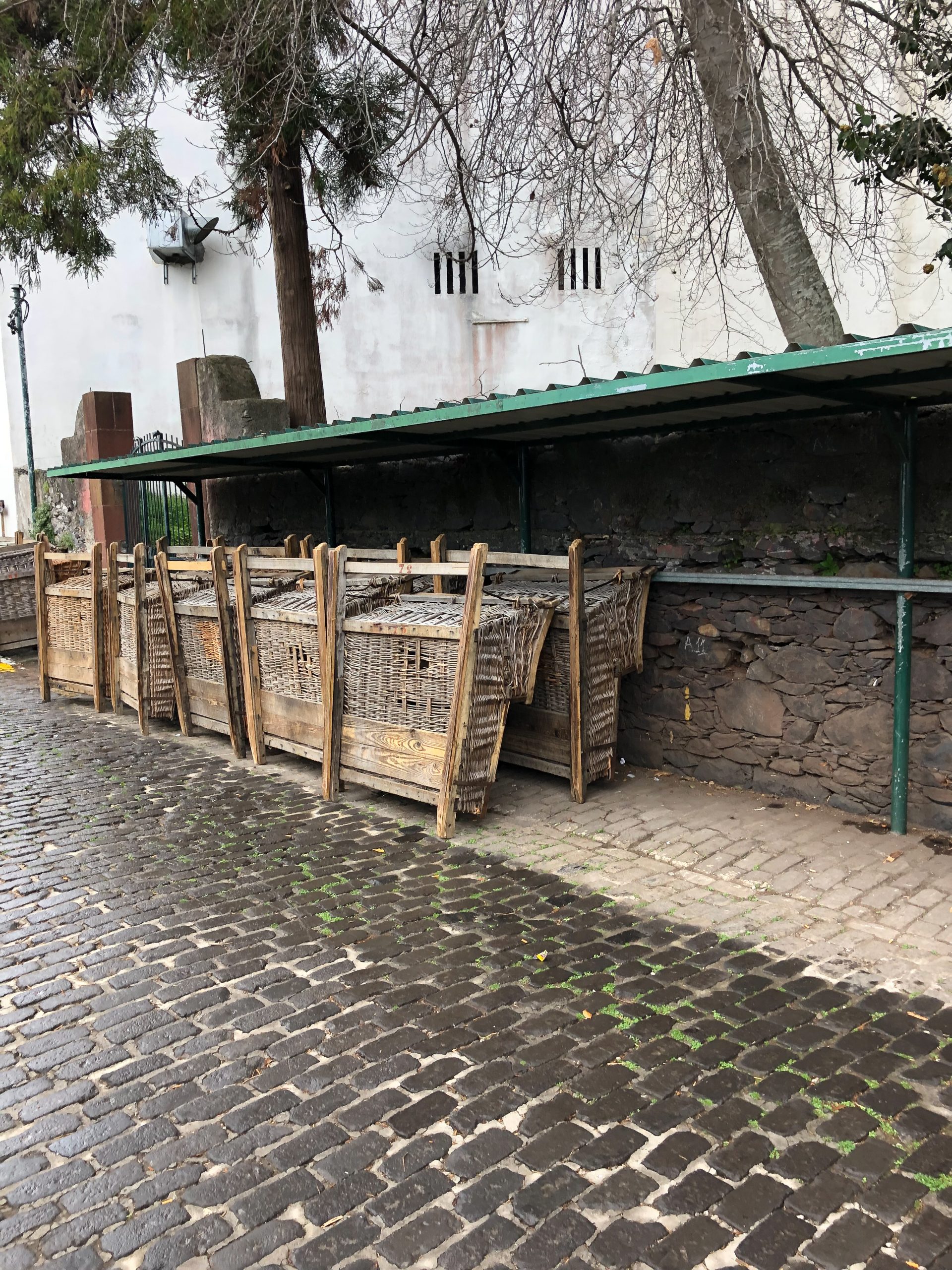
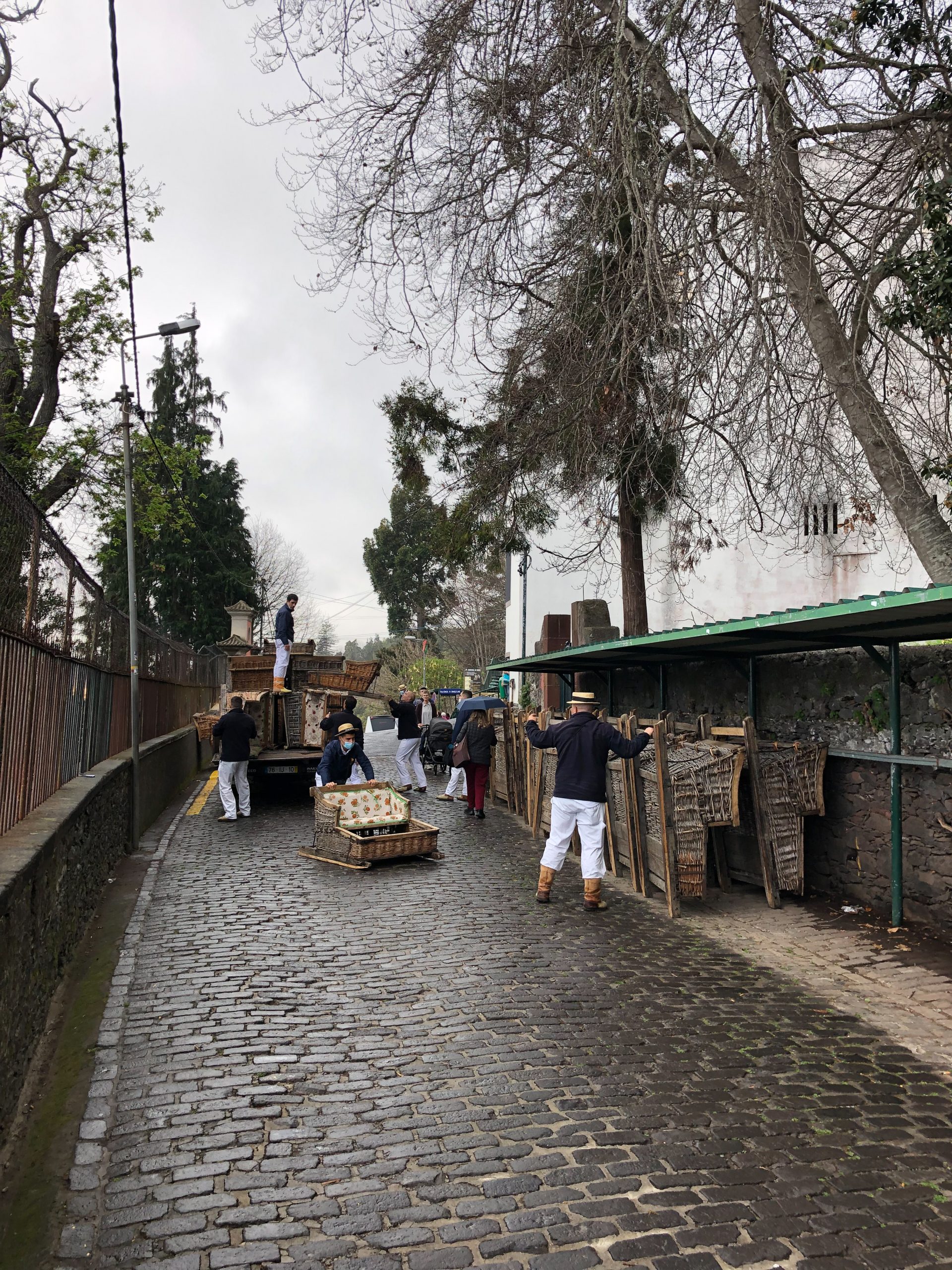
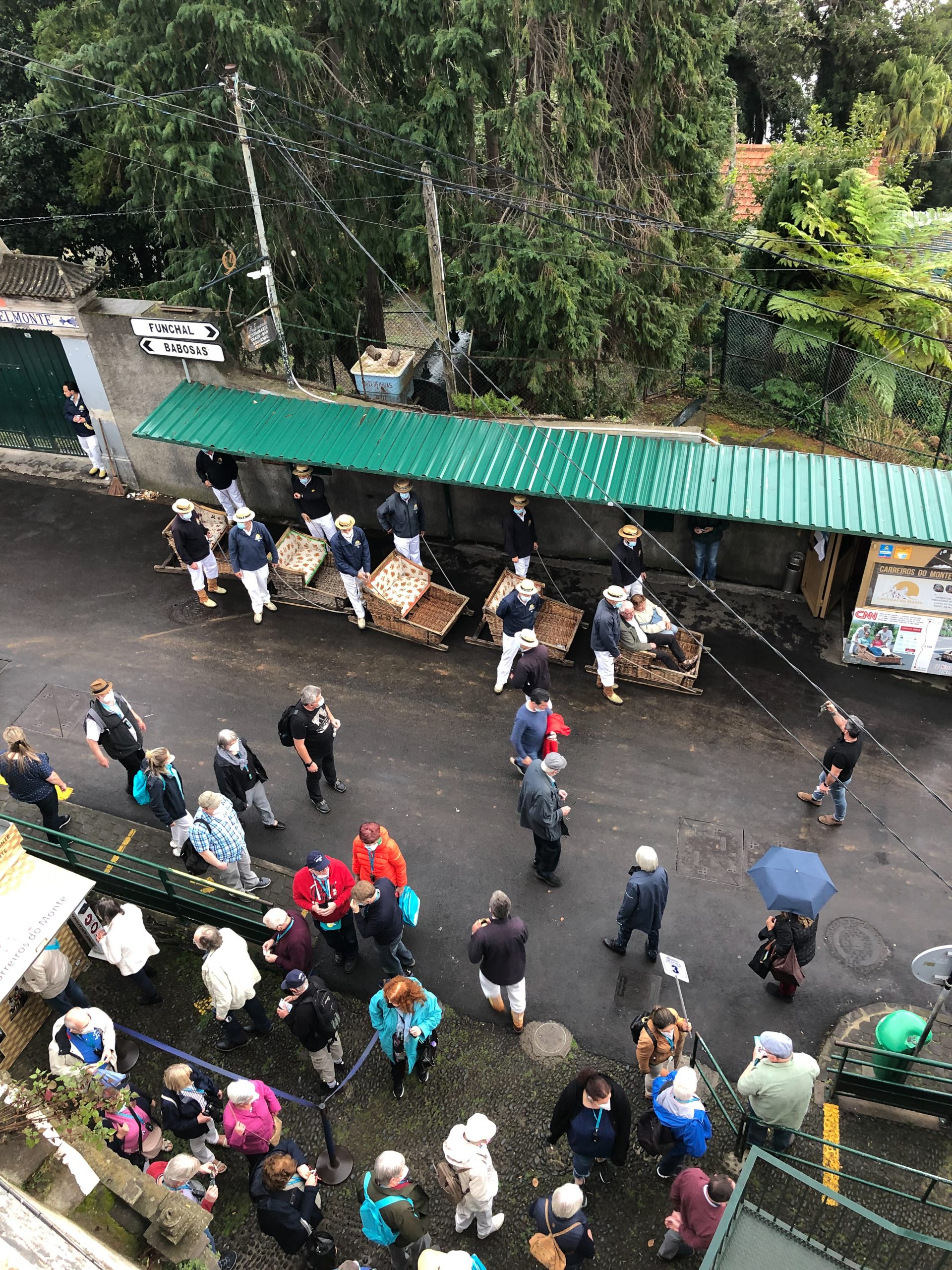
Levada dos Tornos will bring you on a relatively easy route through forests, along water reservoirs, ruins of hotels and villas after a wood fire, and gardens to Monte, known for the Church of Our Lady of the Mount and as the residence of the last Austrian-Hungarian Emperor, Charles I, who lived here in exile after the First World War and died in 1922. From here to get down to the capital Funchal, you can take a bus, a cable car or even a basket car pushed by two men called “carreiros”.
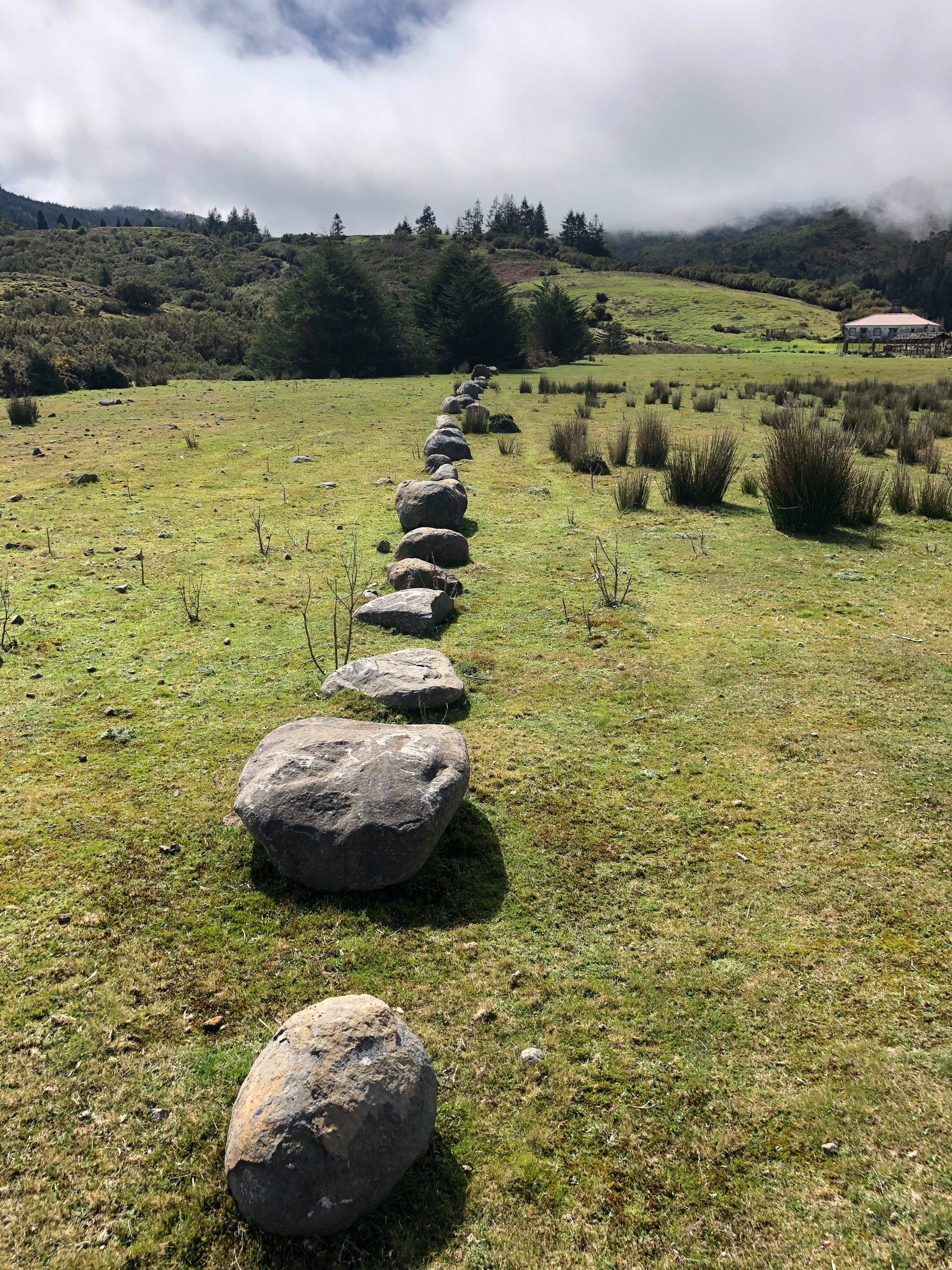
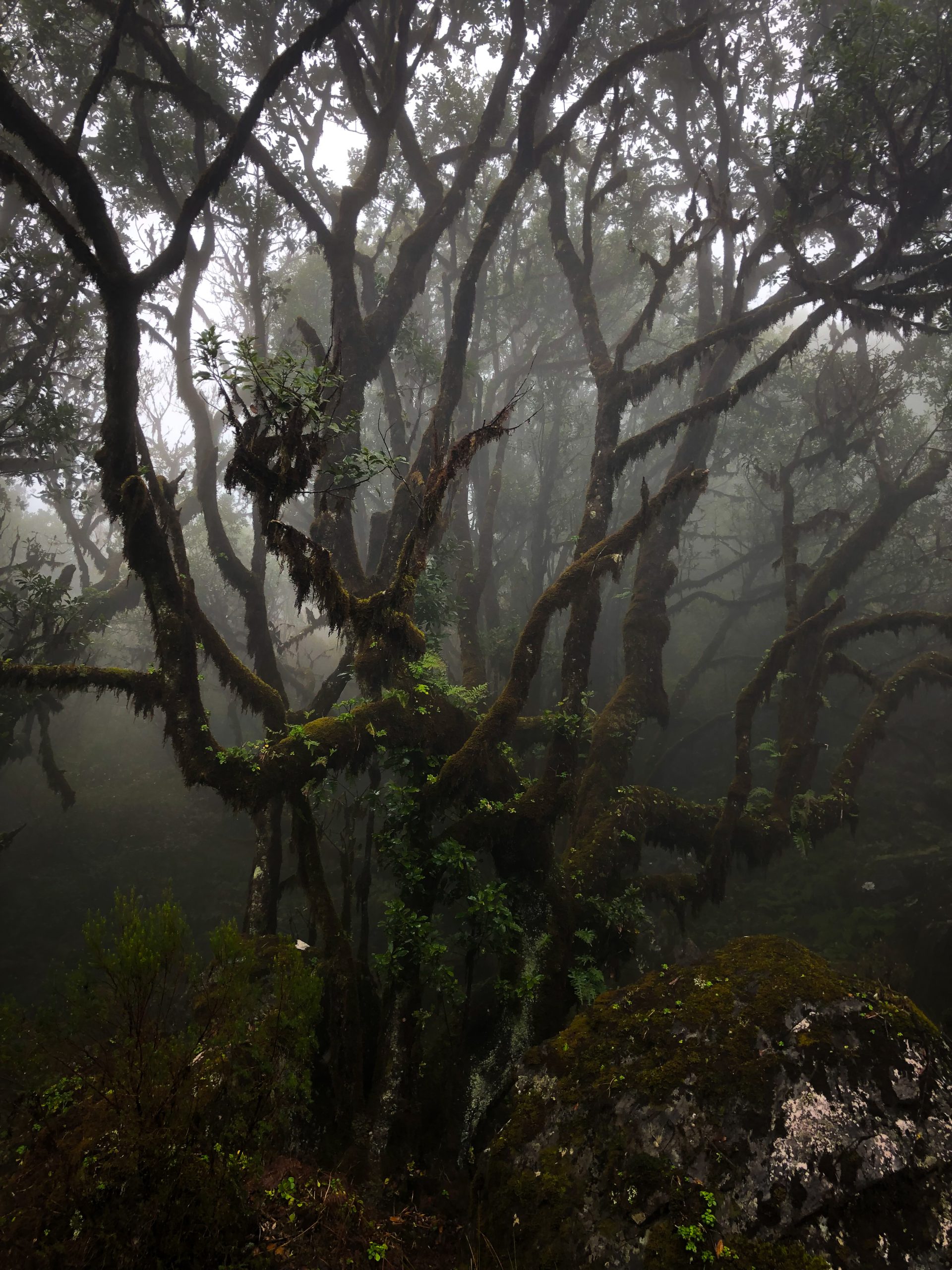
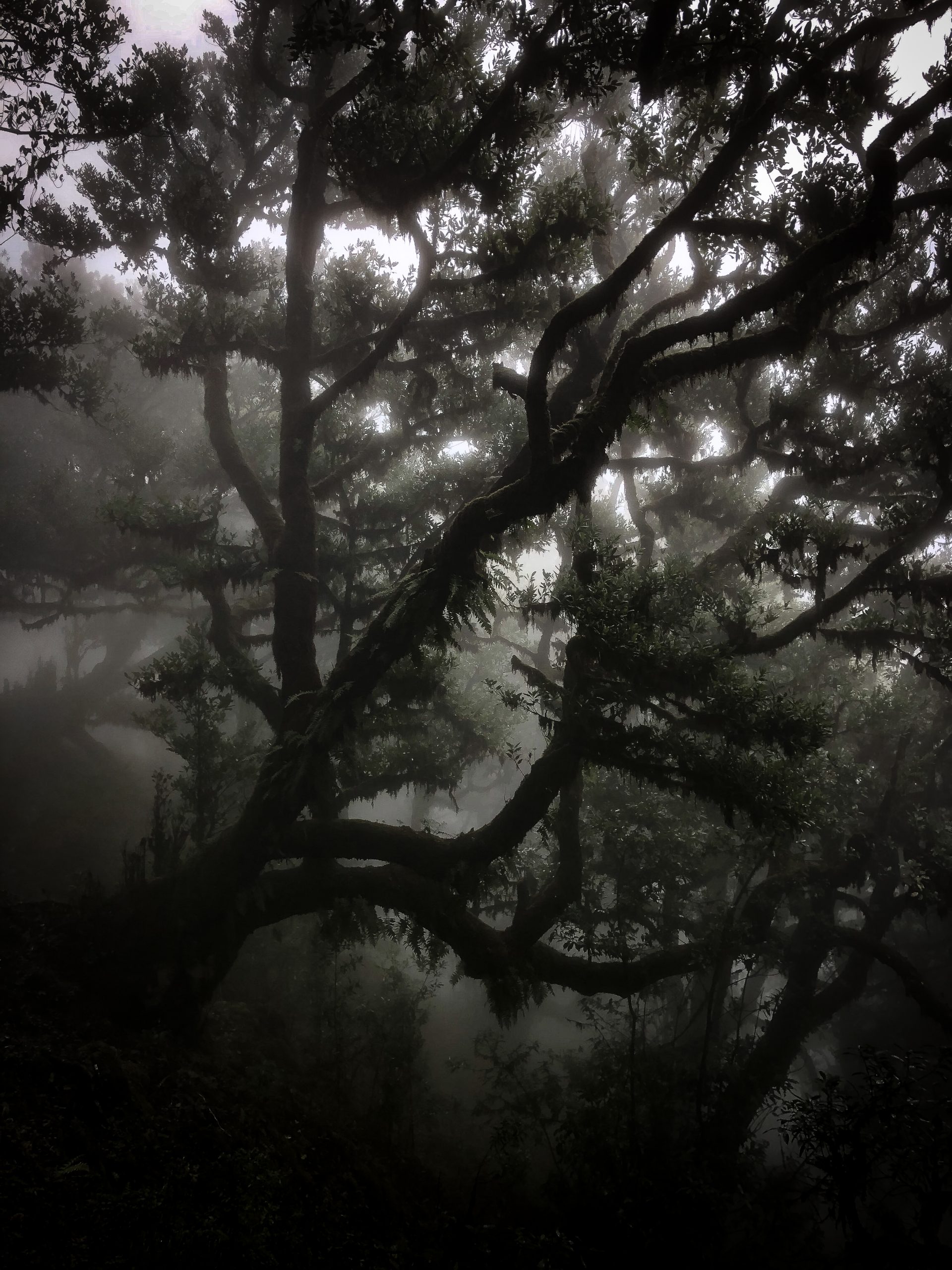
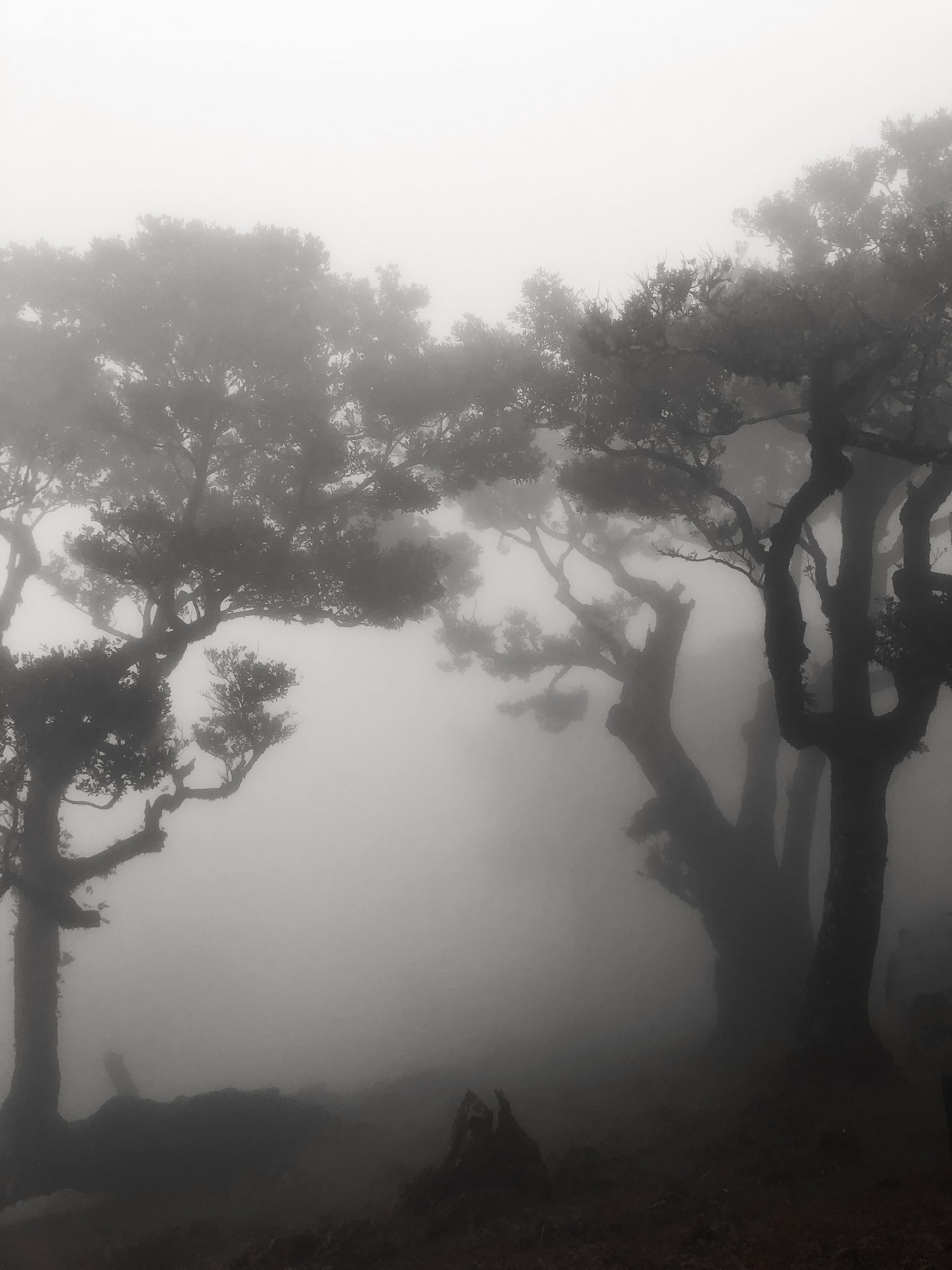
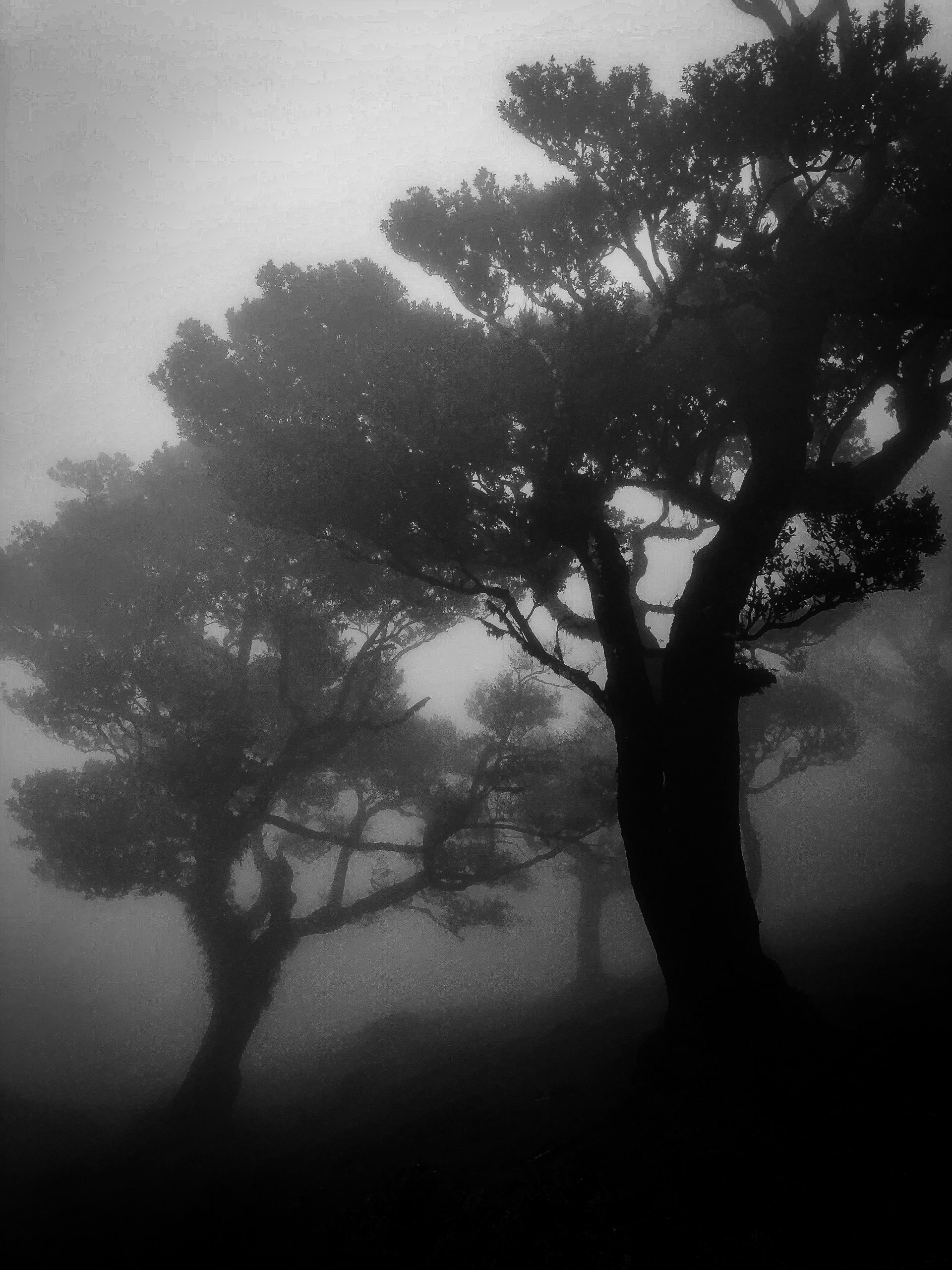
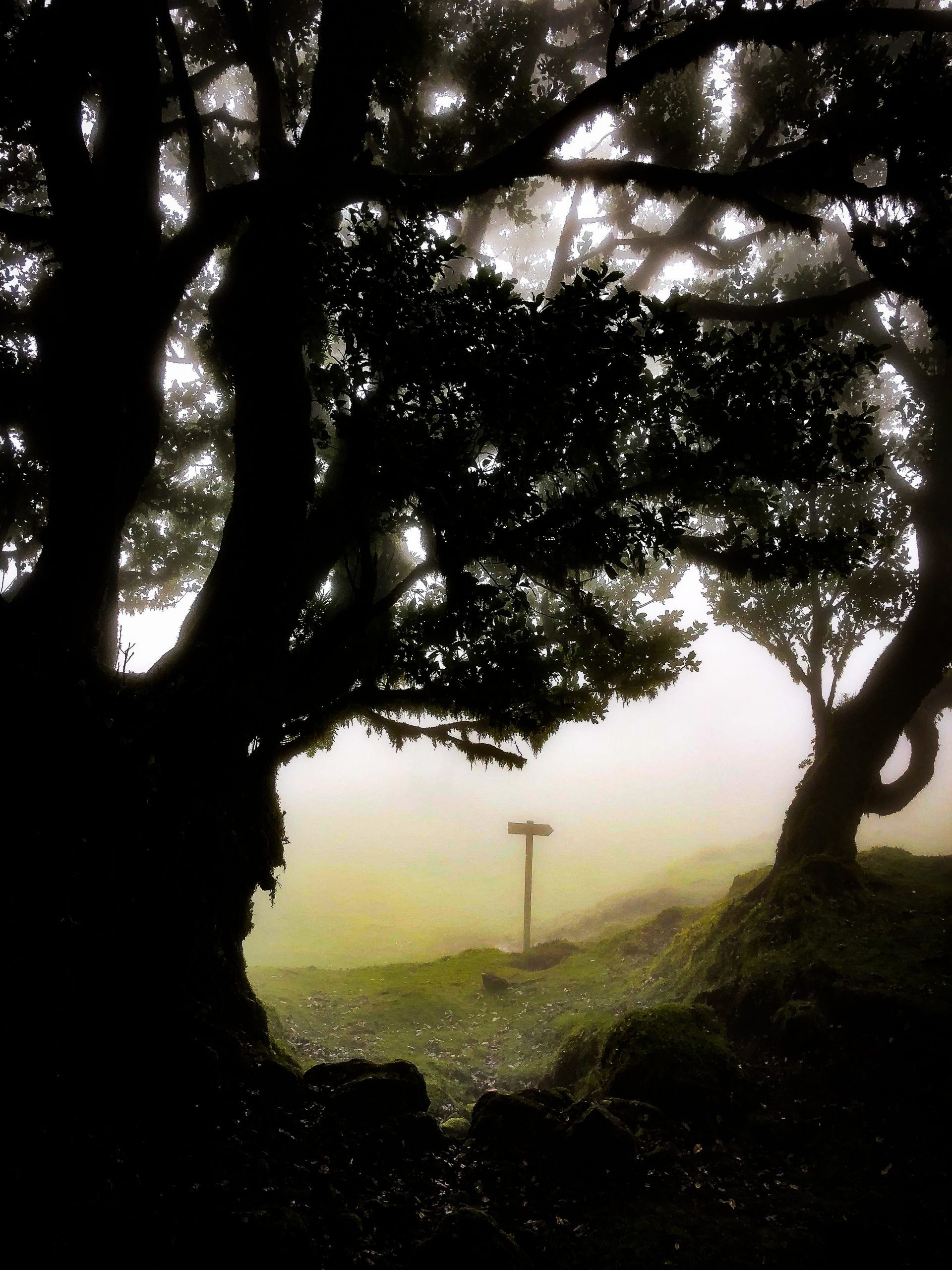
On the Paul da Serra – Fanal route (PR 13) you can explore another plateau, very important for the water regulation system of the island, and an endemic ecosystem of Madeira, the laurel forest with ancient trees. Fanal is a mystical place and full of surprises, because of the quickly changing weather: in one moment there is a bright sunshine, and after that, a dense fog can cover the landscape and make you feel like being in a fairy tale.
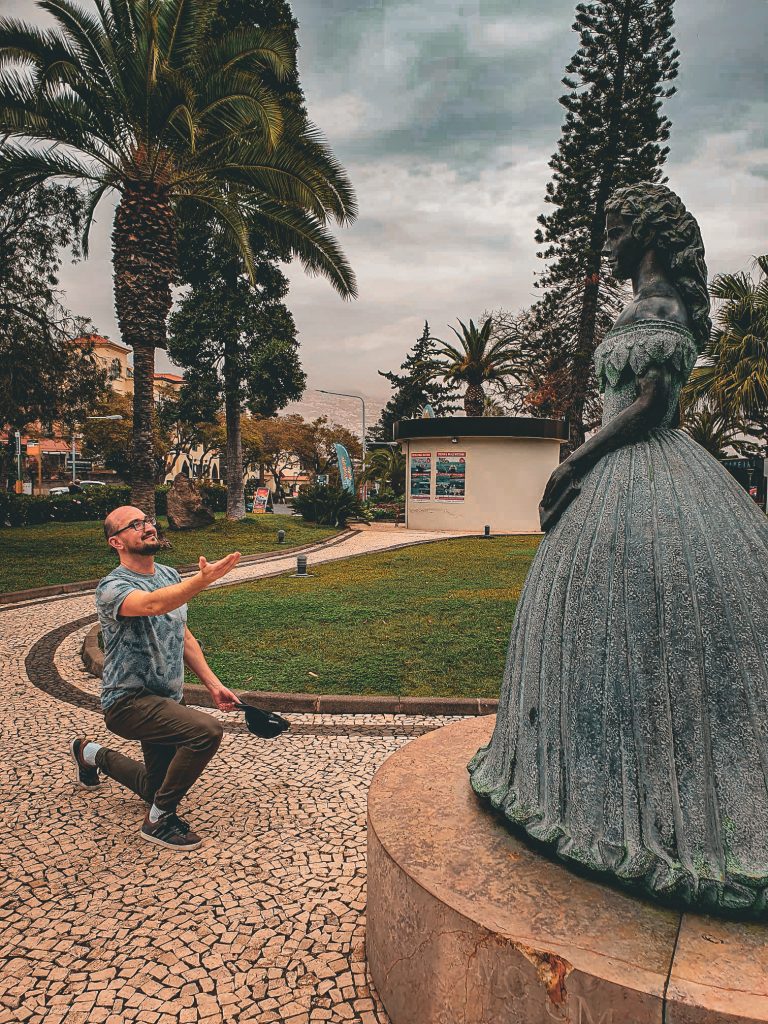
There are of course many other routes and options. I recommend using the WalkMe – Walking in Madeira app, which lists the main routes, detailed descriptions, GPS tracking, etc. Also, the MapsMe app is a good help, especially when using the offline maps. Since some of the hikes are not easy to reach or you would have to do two ways to get back to the starting point, which takes a long time and effort, you might go with one of the many local tour operators. For nice advice and chat, I recommend the tourist information point next to the statue of Empress Sisi.