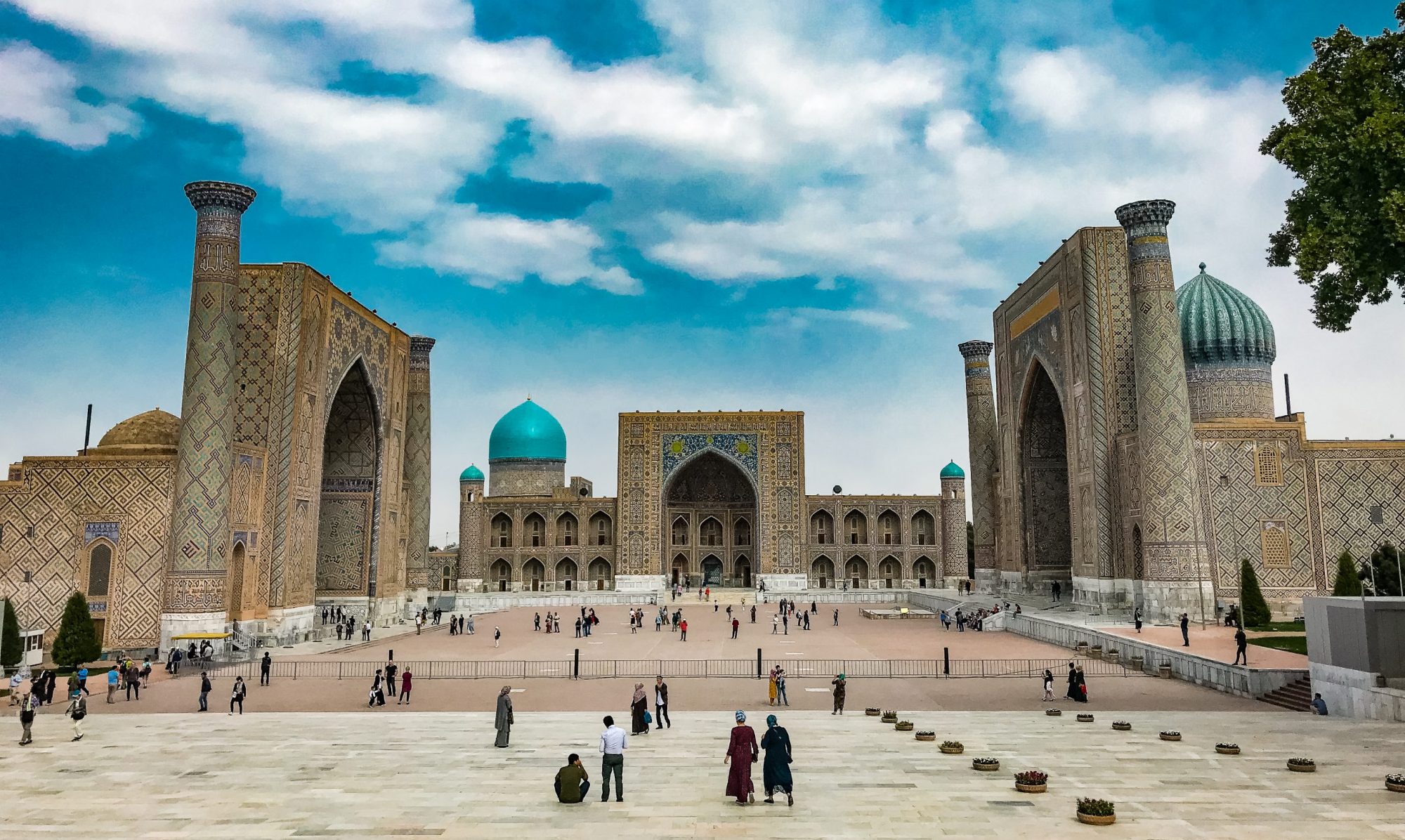
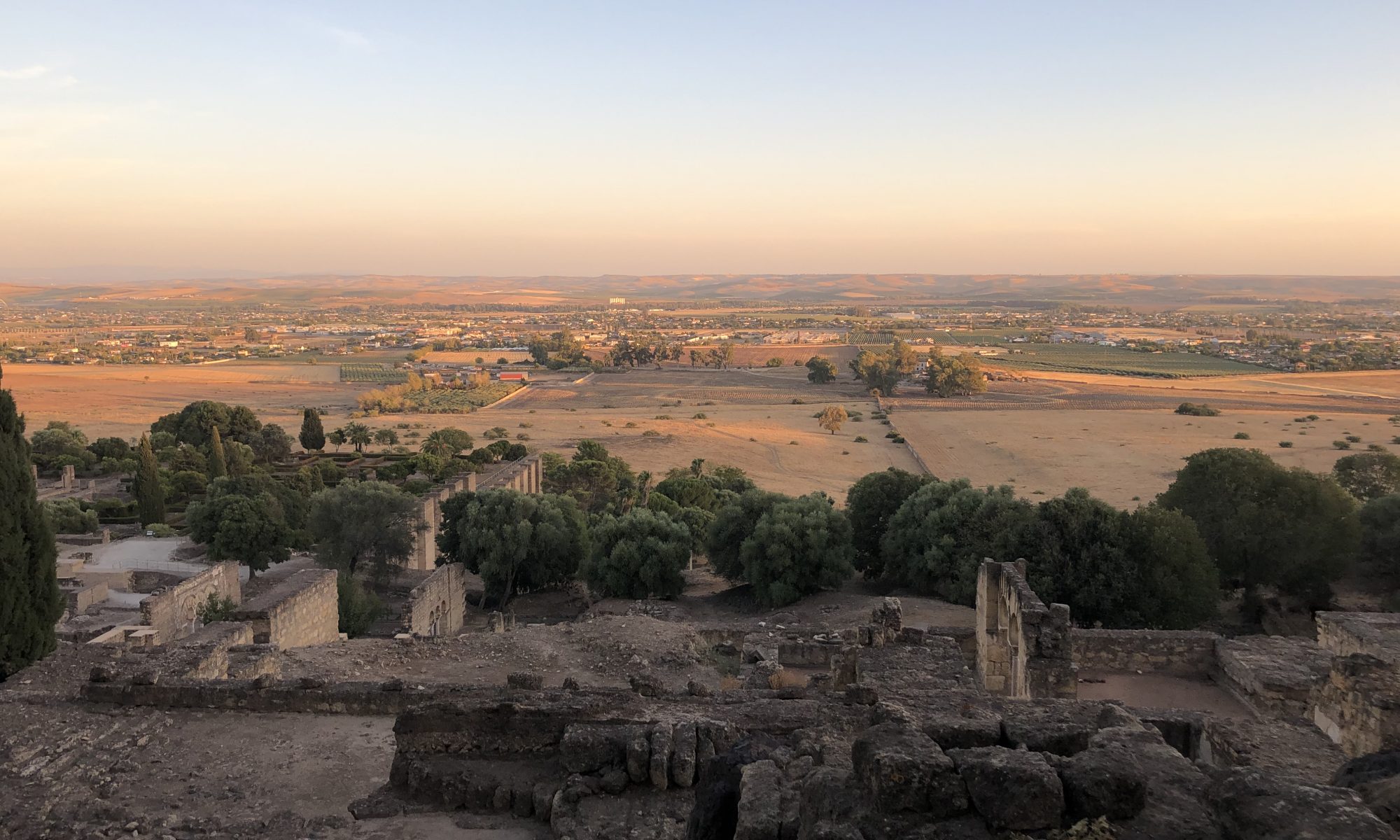
In September 2022, one of my dreams came true. In my last weeks of my sabbatical I finally reached Andalusia, a region which has started to fascinate me a long time ago. Not just its natural treasures, like the coastline or its national parks are worth exploring but also its unique history on the European continent, where Muslims ruled for centuries, leaving behind a rich cultural heritage.
Without having the ambition to top the thousands of touristic guides on the region, I would like to share with you some of my highlights during my journey in Al-Andalus.
Malaga
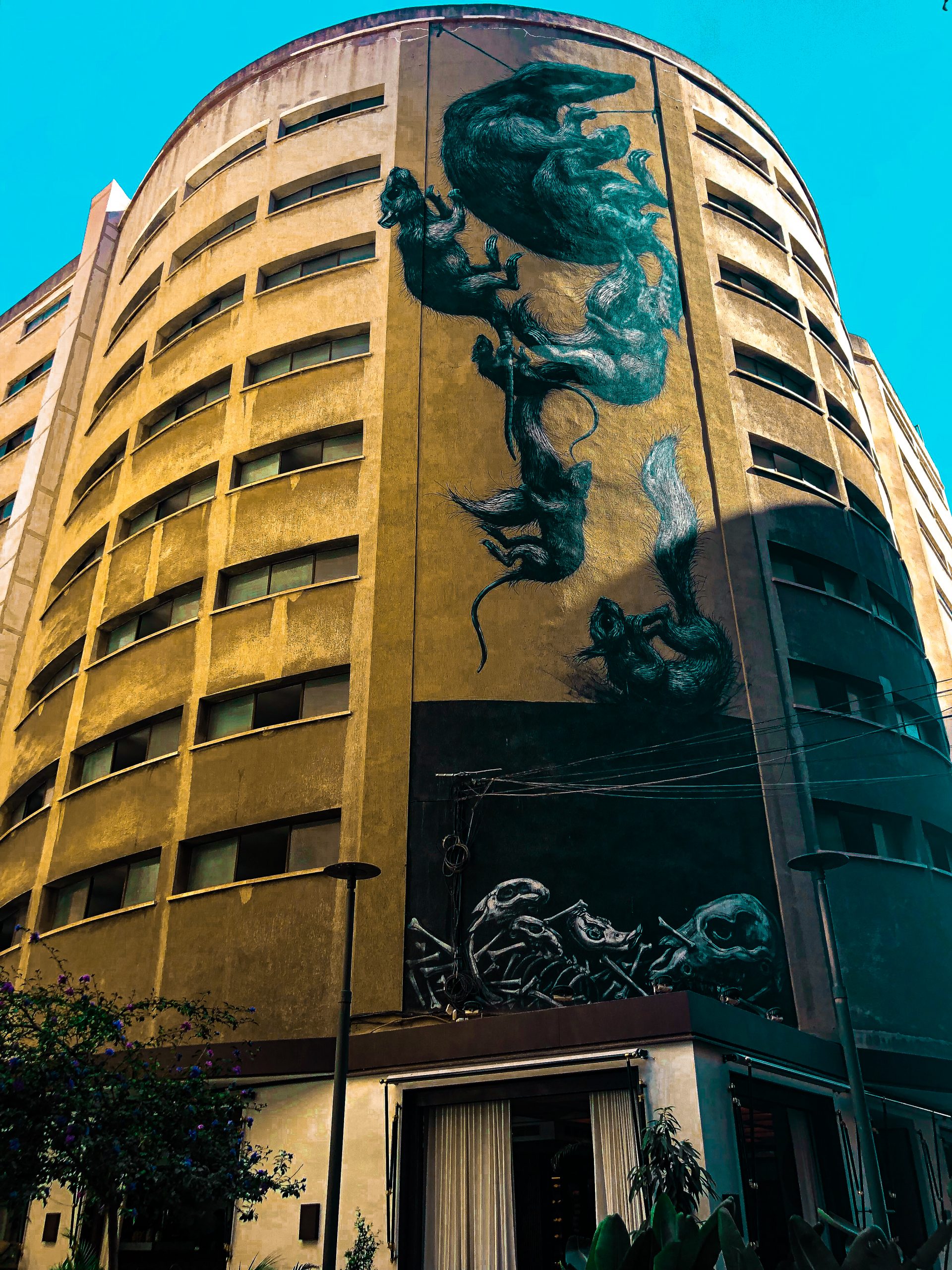
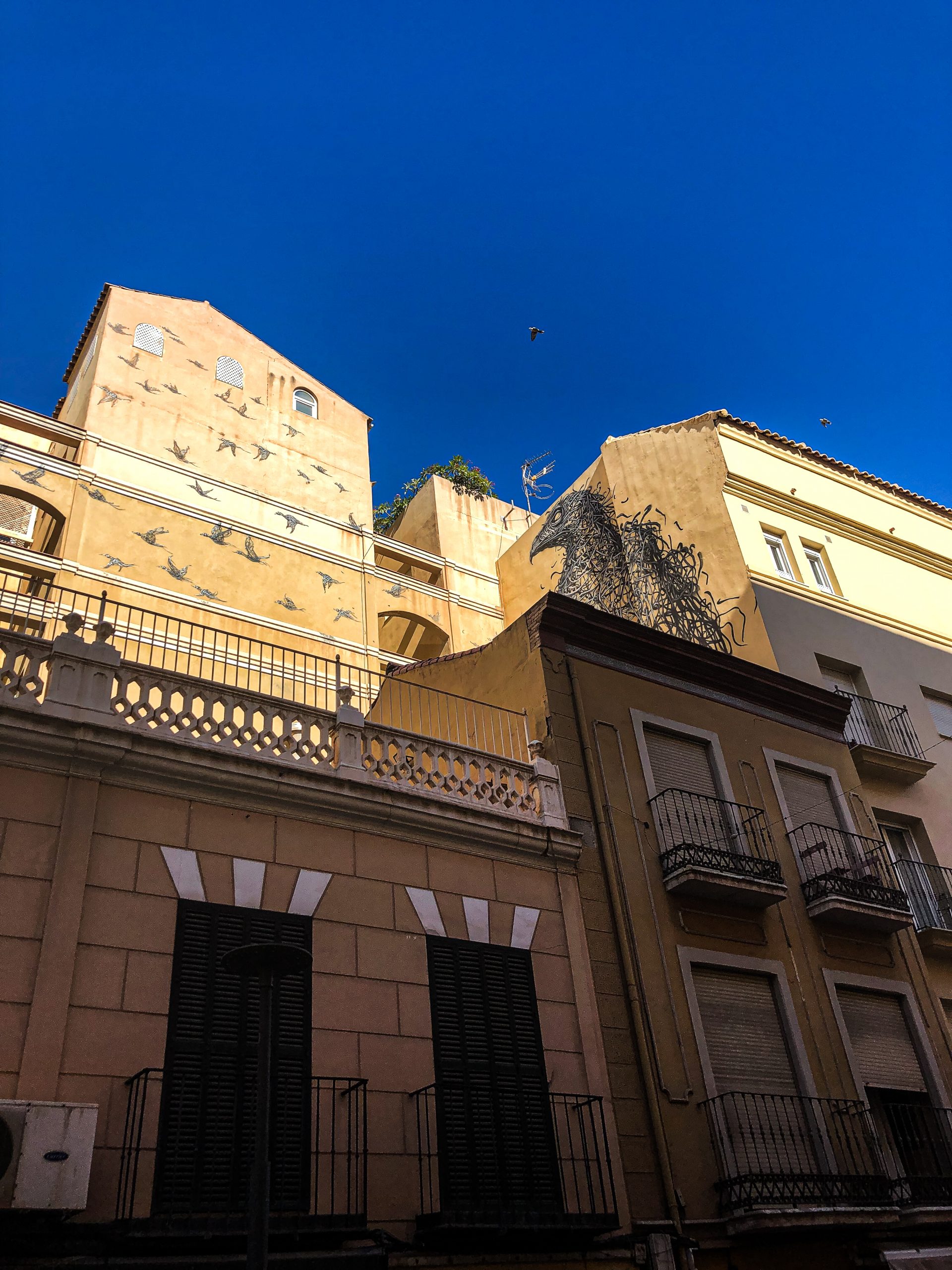
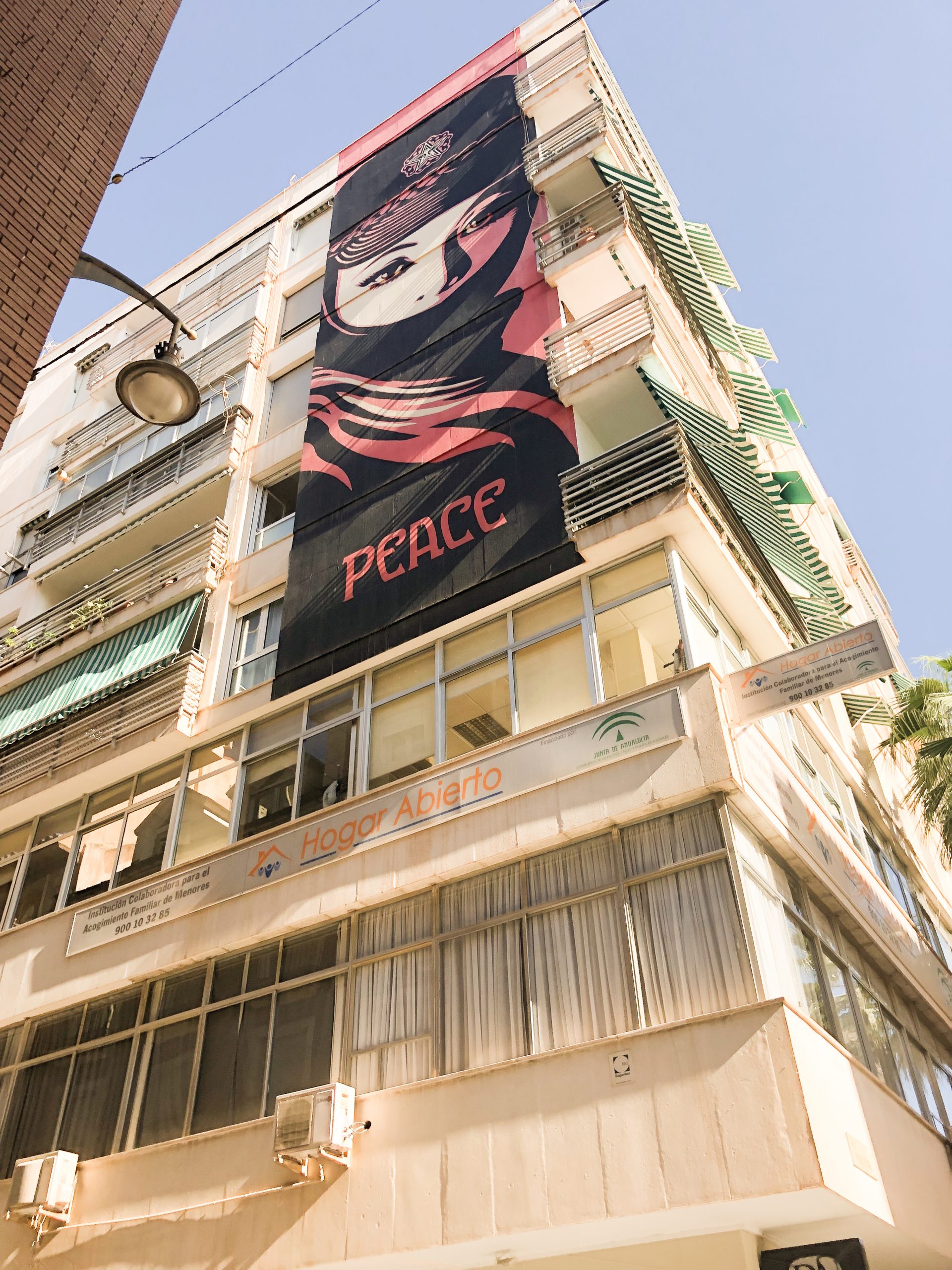
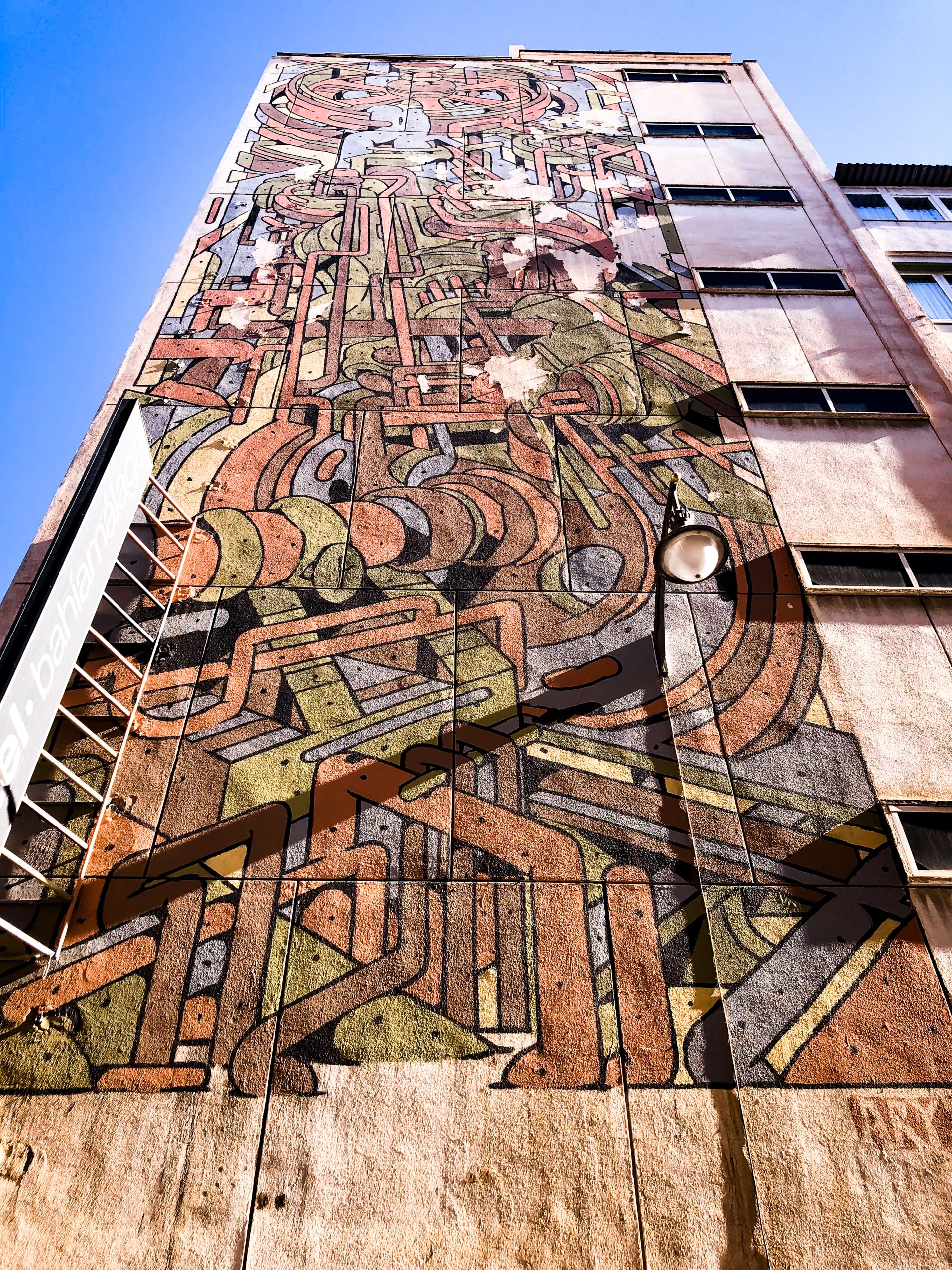
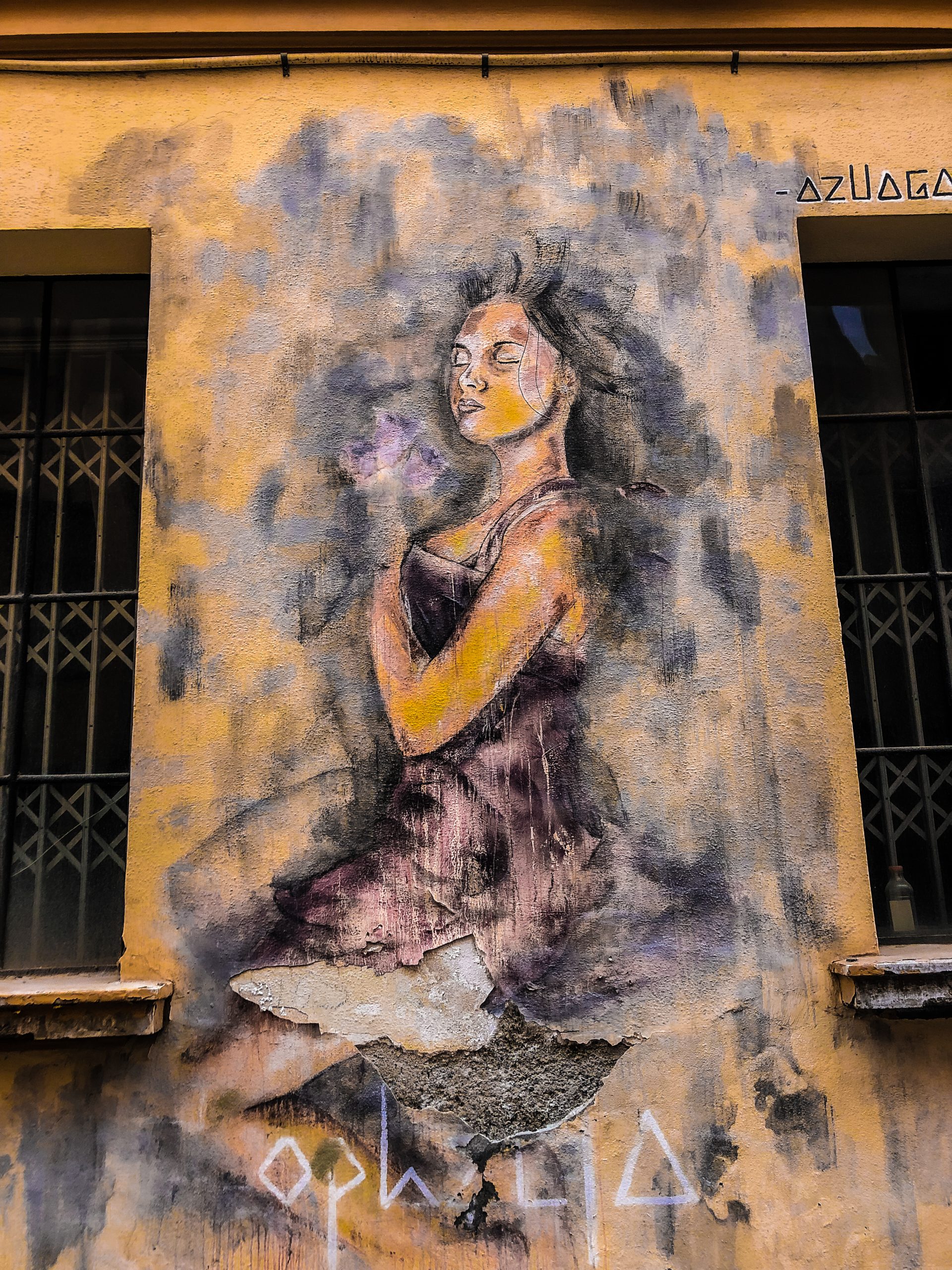
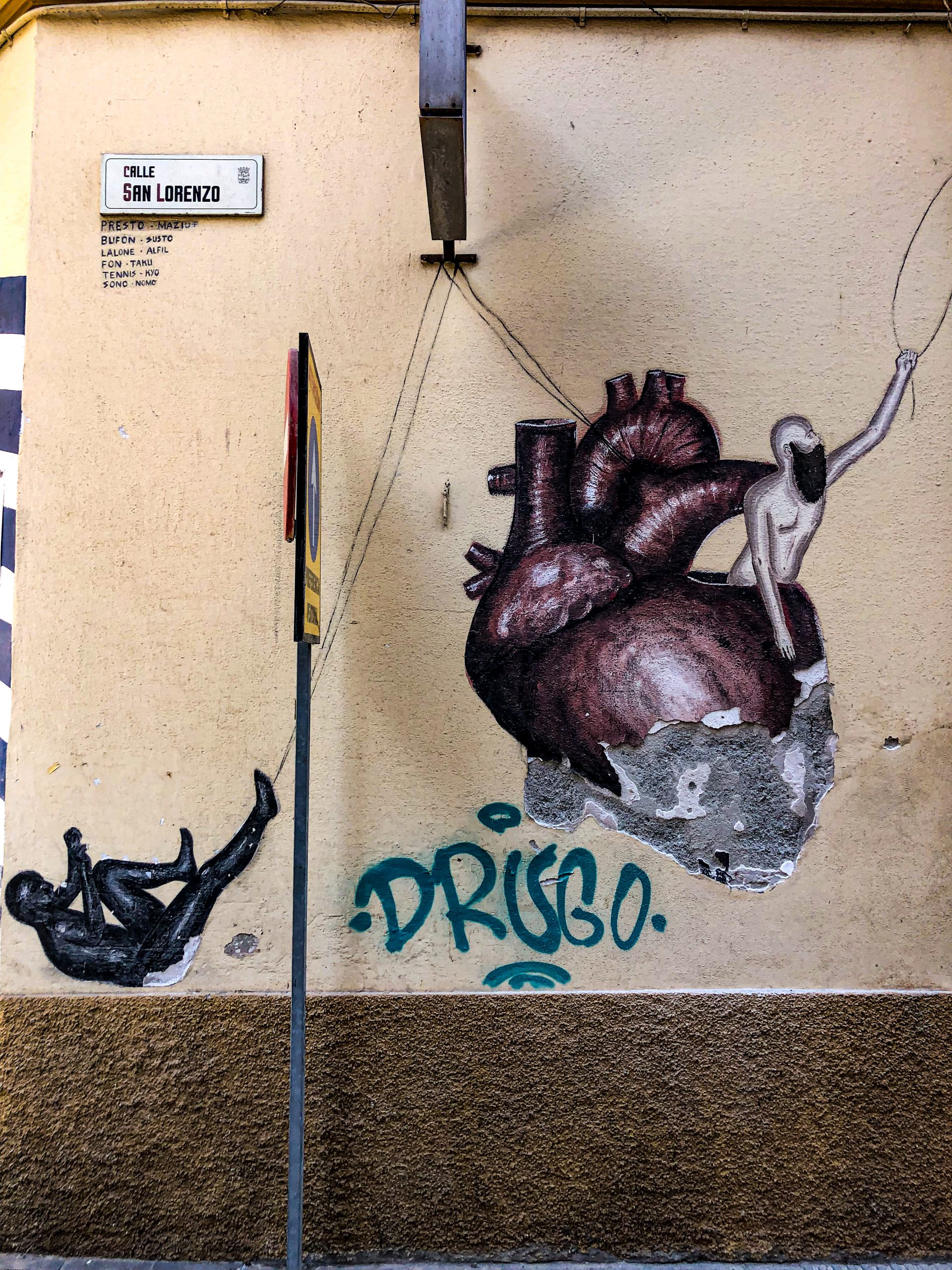
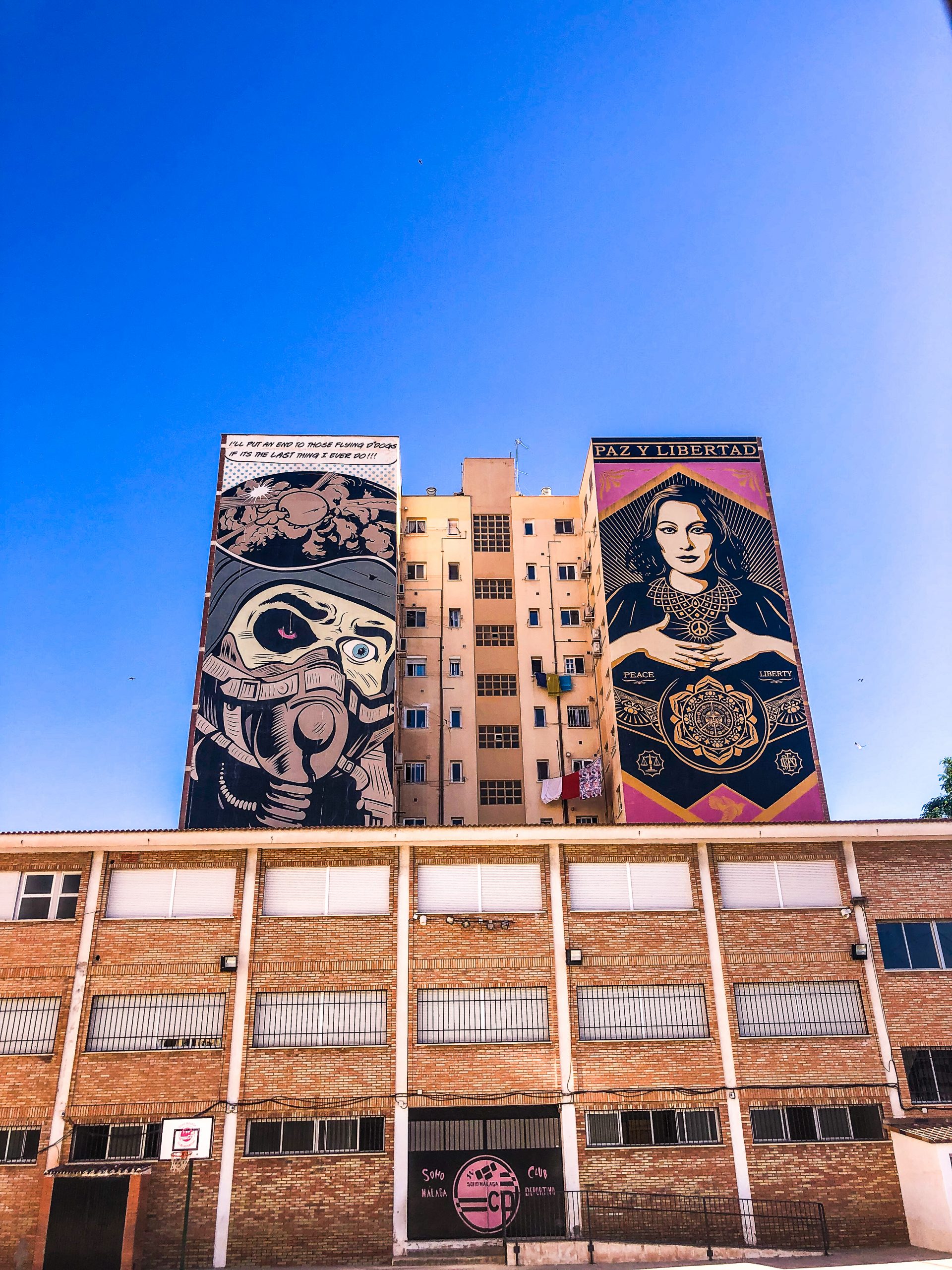
No doubts, Malaga is rich in ancient and medieval ruins, mosques, churches, and fortifications. However, walking the streets, I was more fascinated by its modern side.
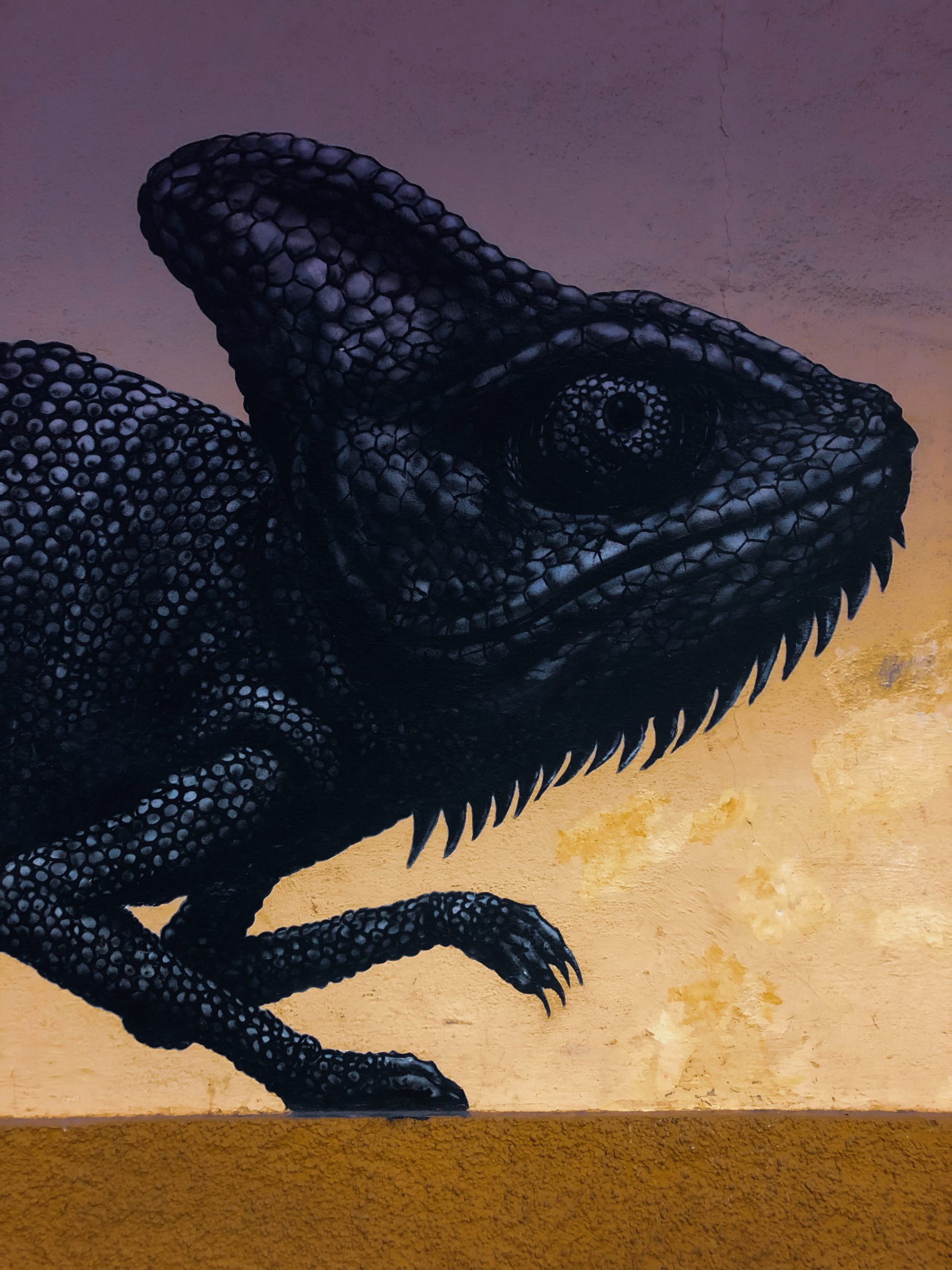
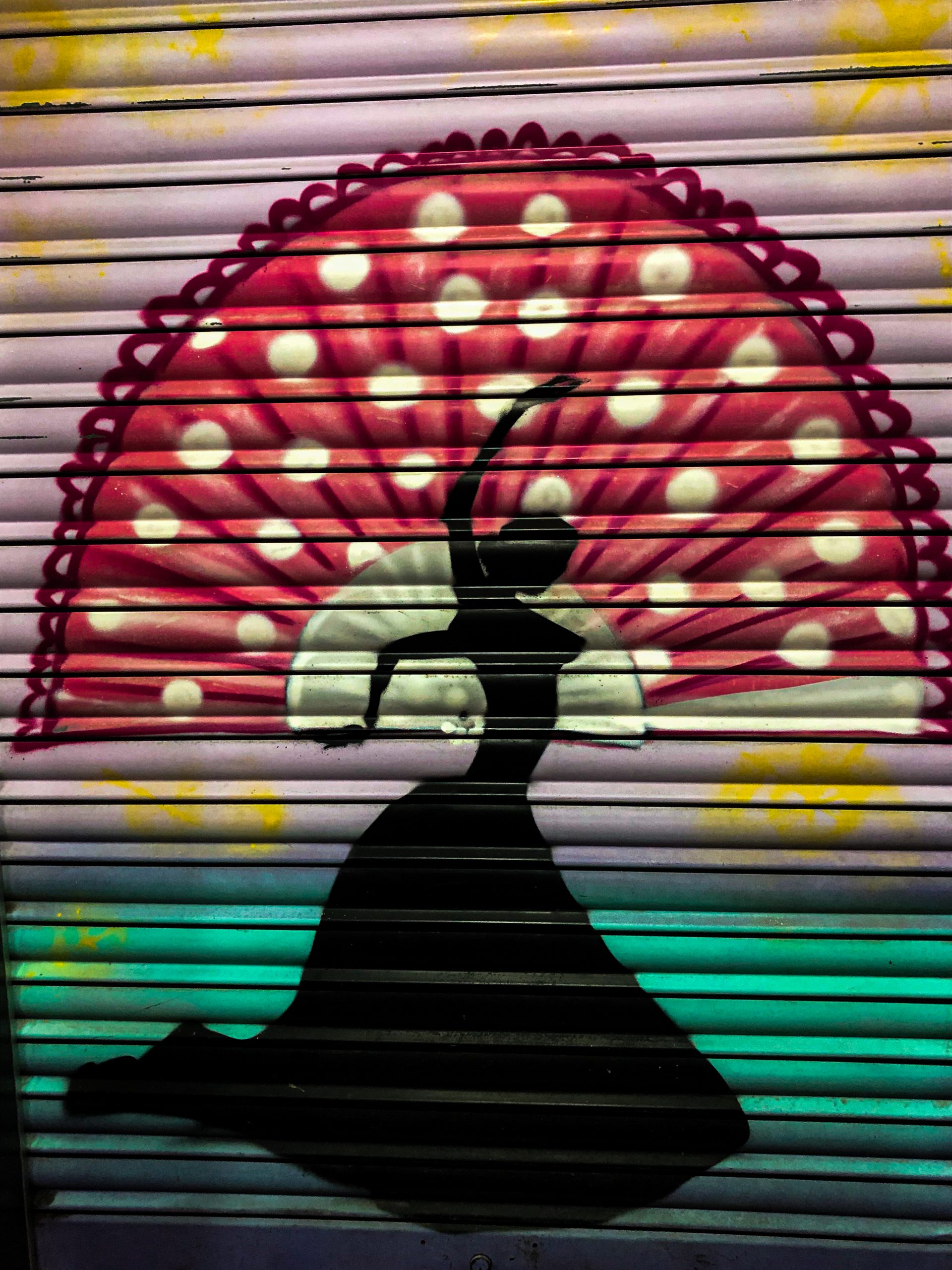
These are urban art pieces painted on free expression walls in the Soho neighborhood in Malaga.
The MAUS Urban Revival Project brought several local, national, and international artists together to change the look and the vibe of the streets. The project also got the residents of the area involved.
You can read more about the project and the artists under this link.
Do you know similar projects in your cities or in cities you visited?

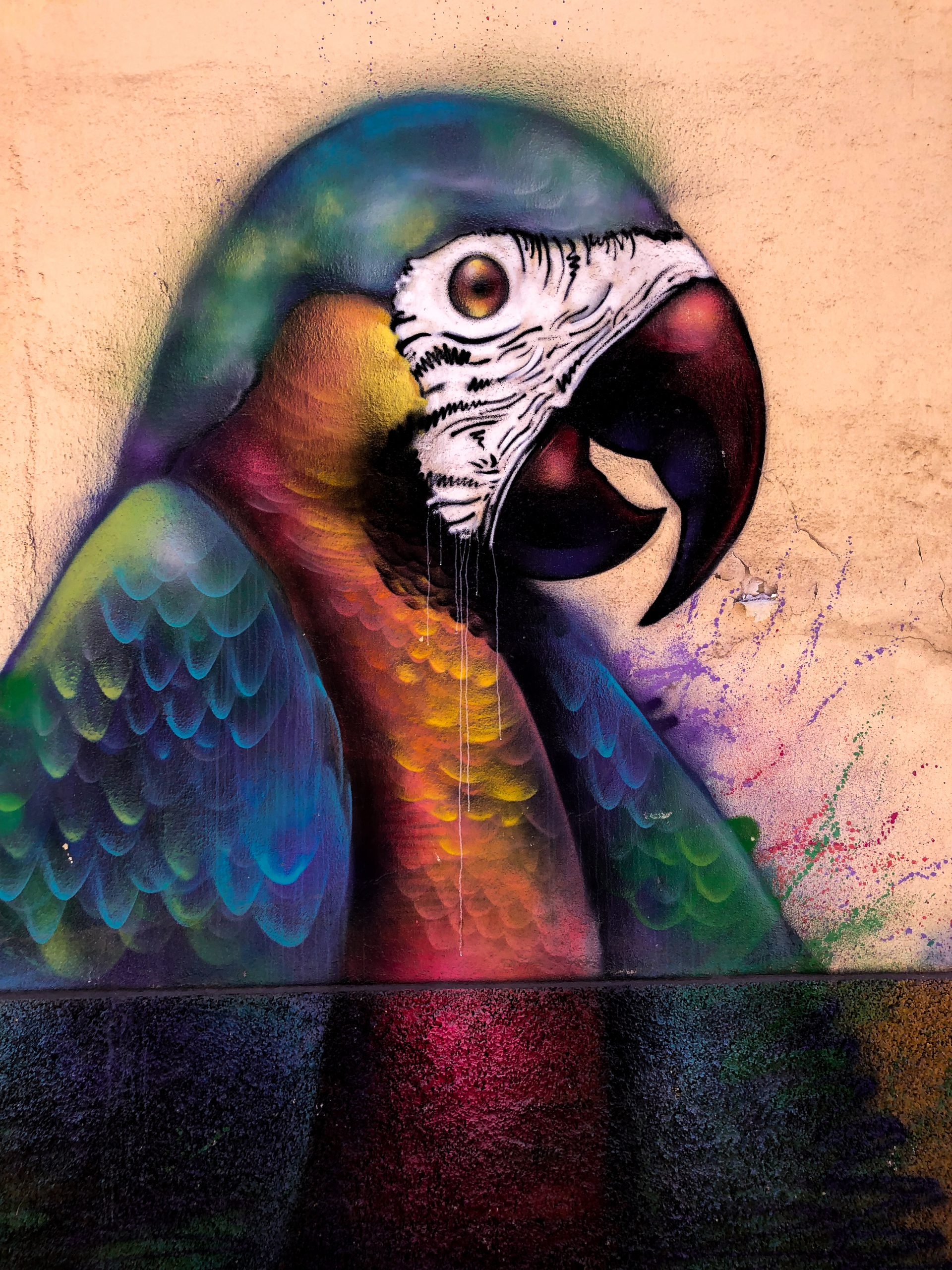
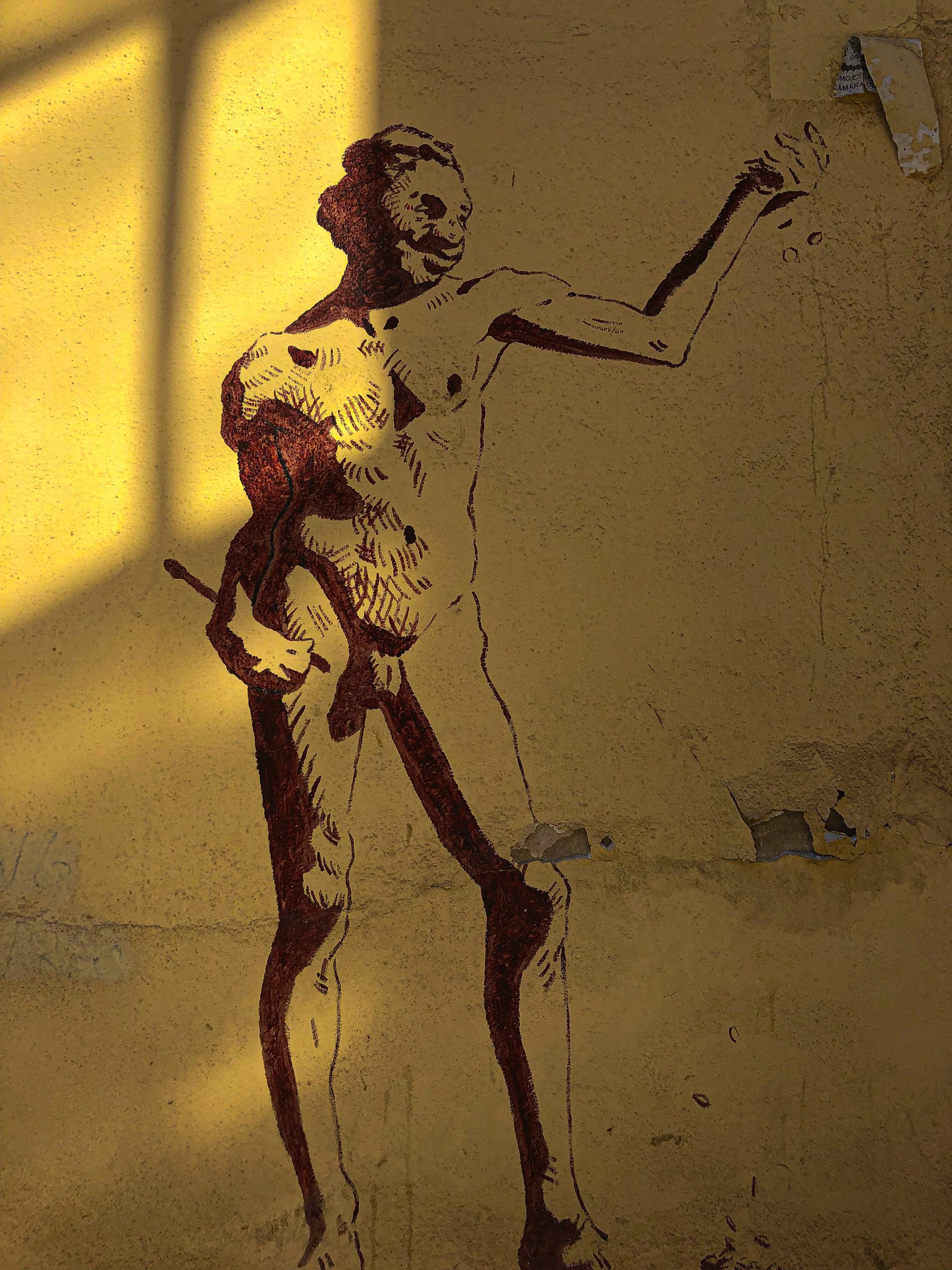
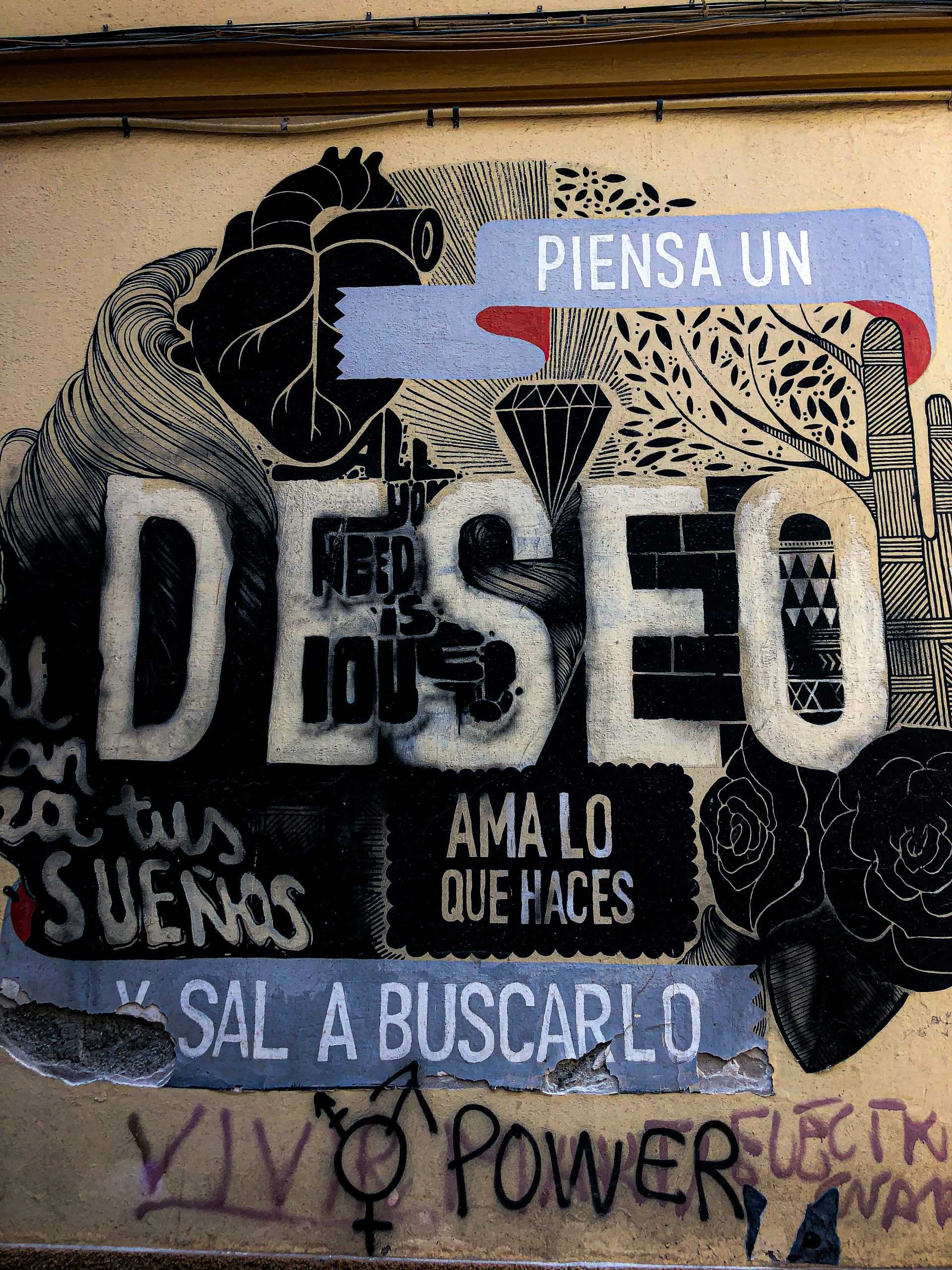
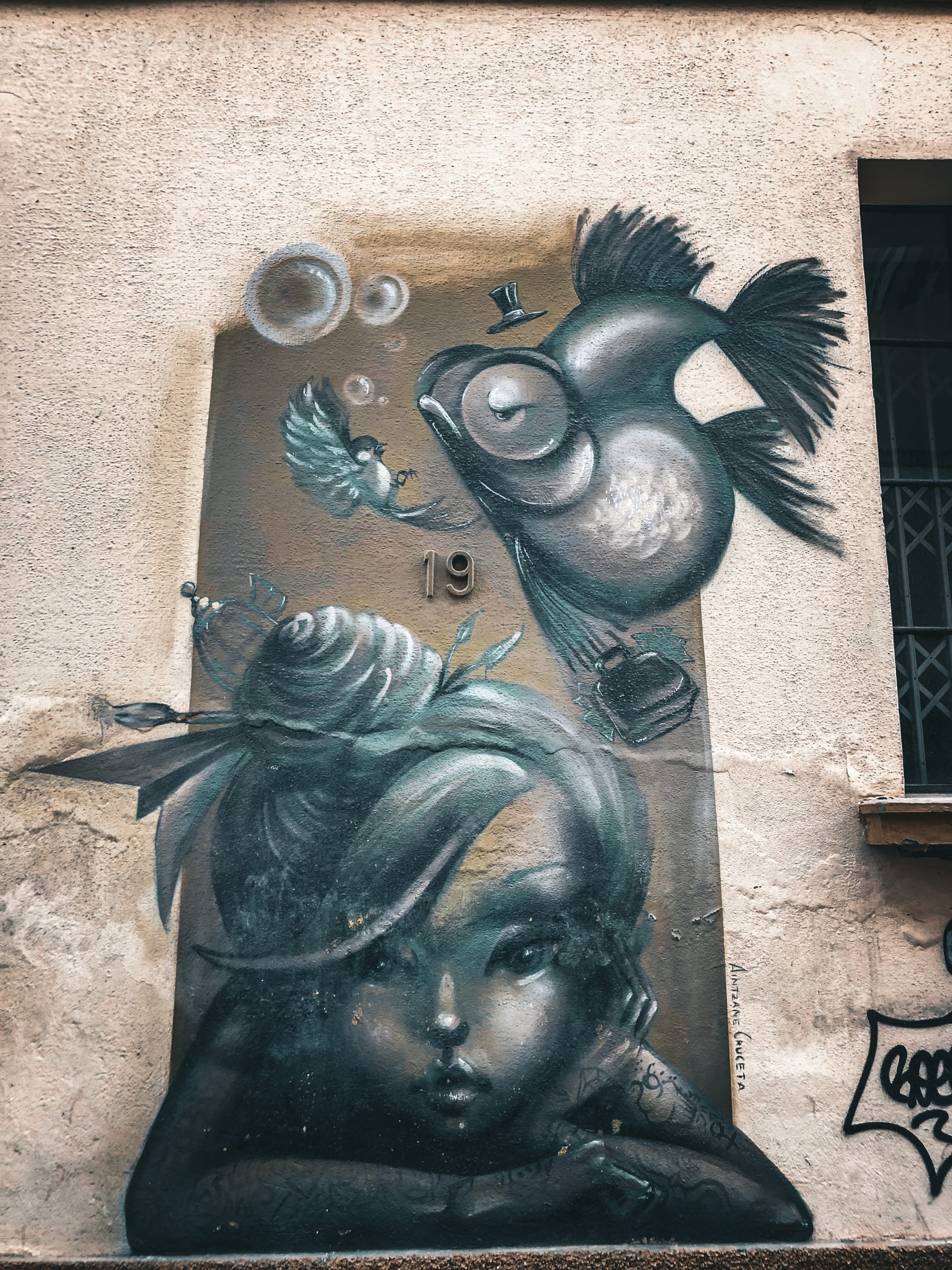
El Churro
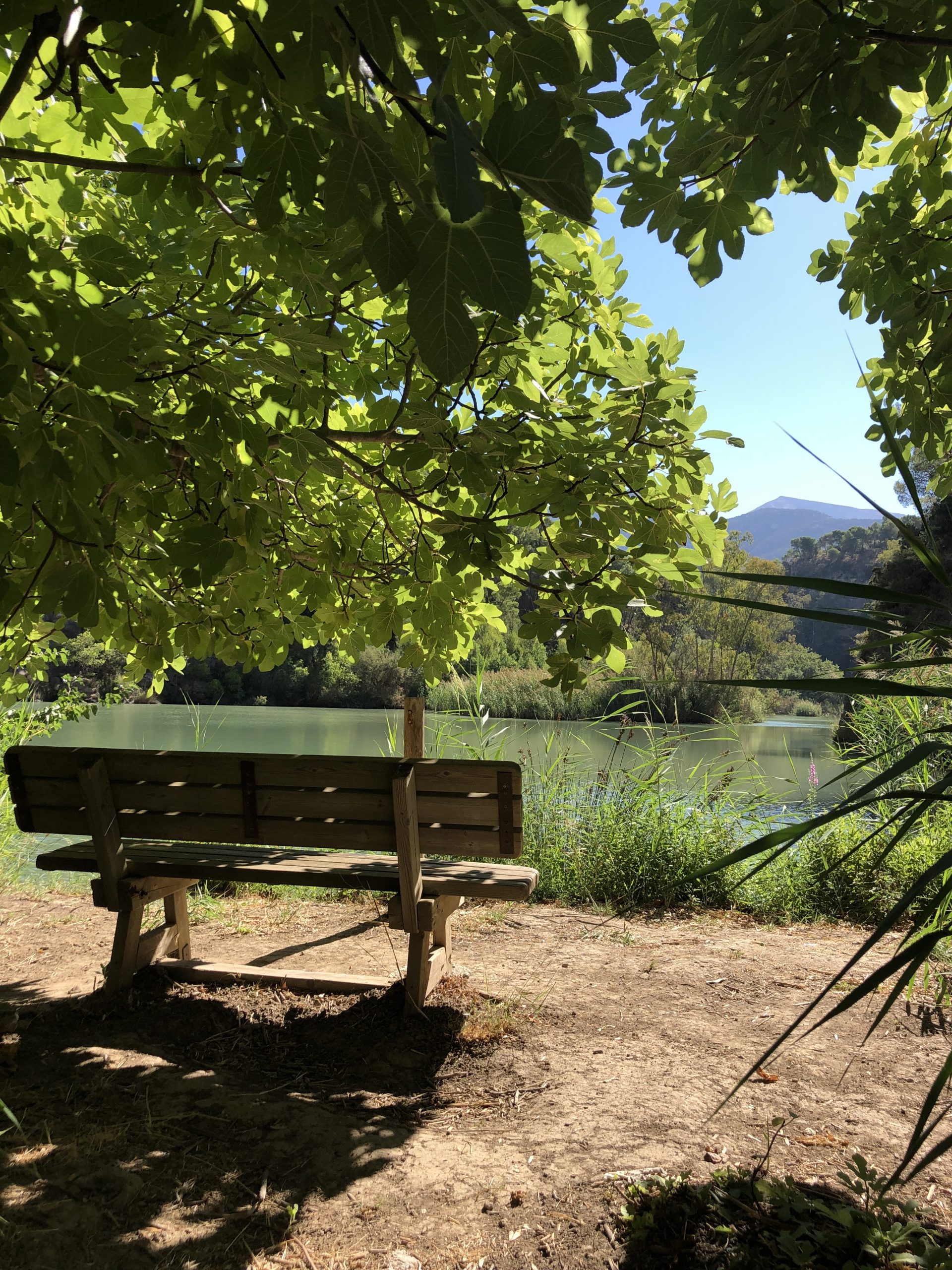
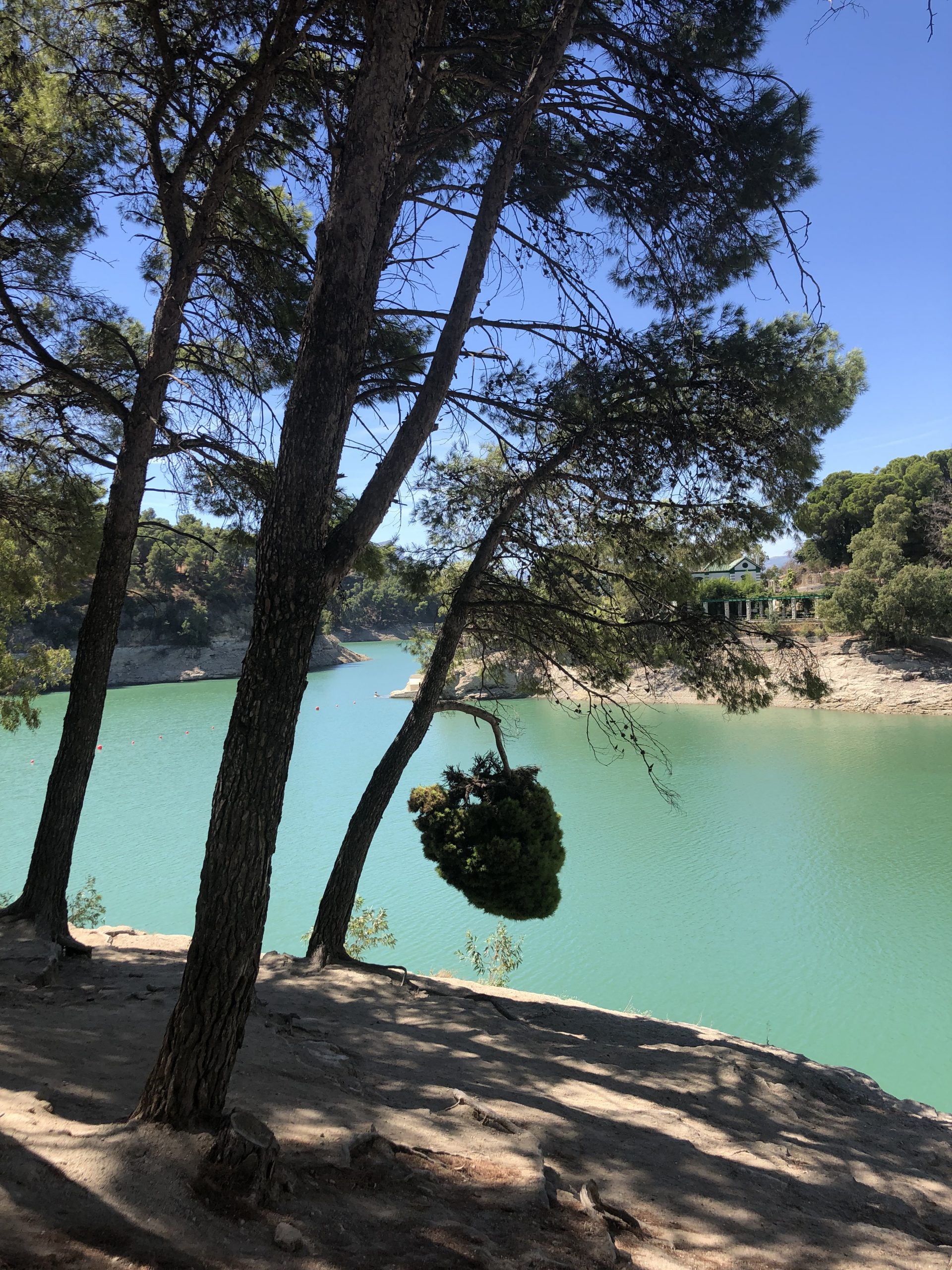
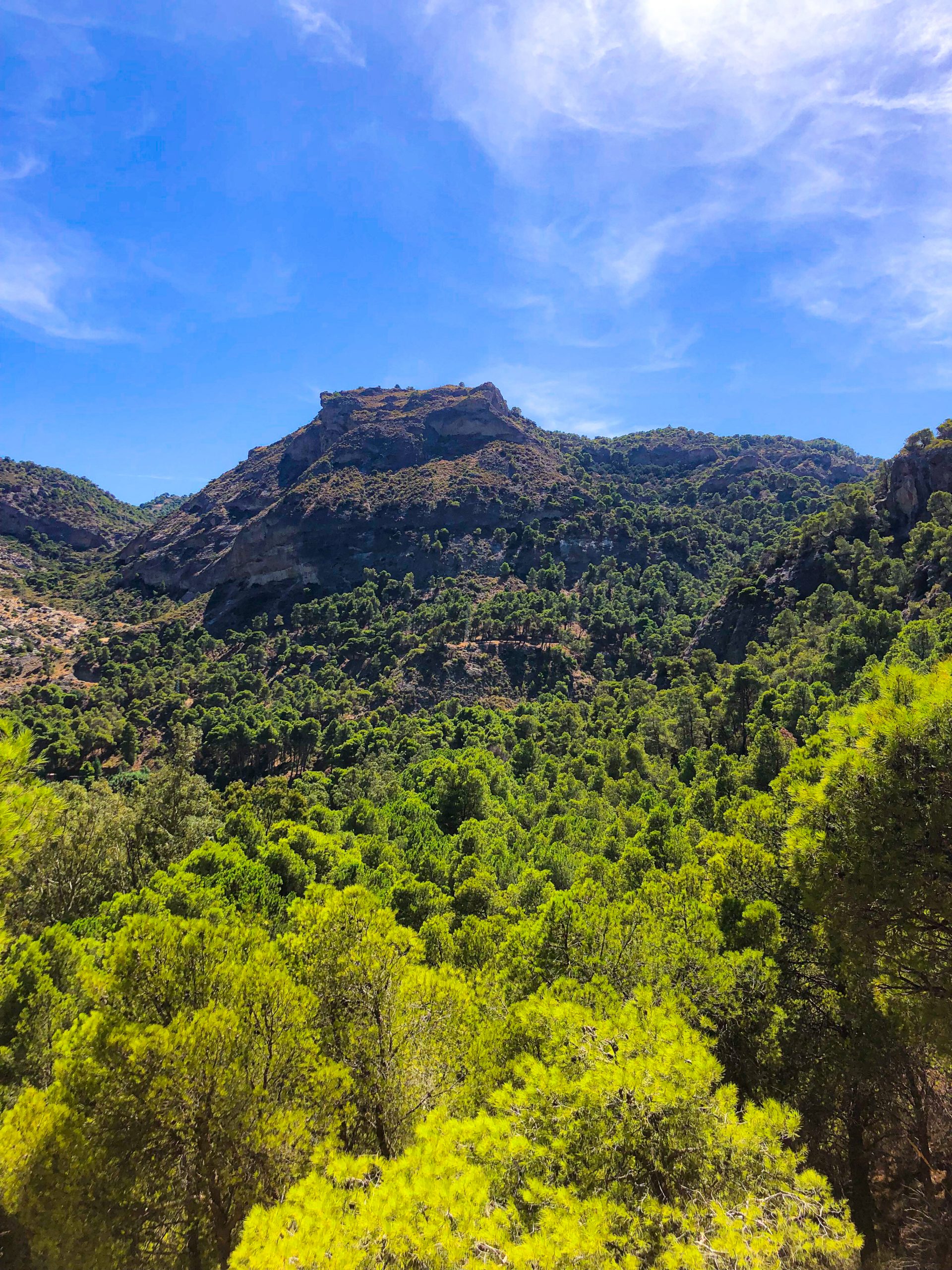
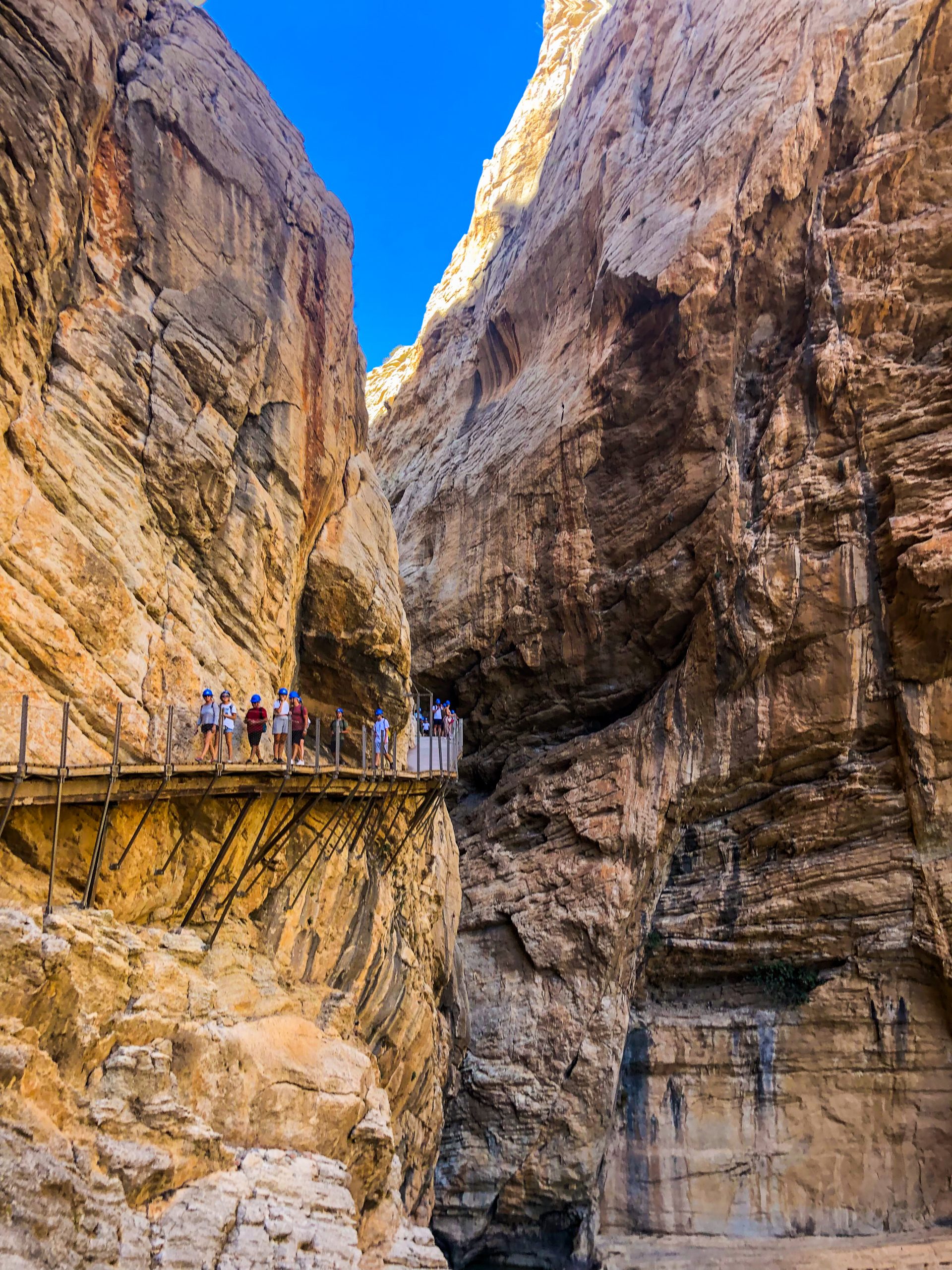
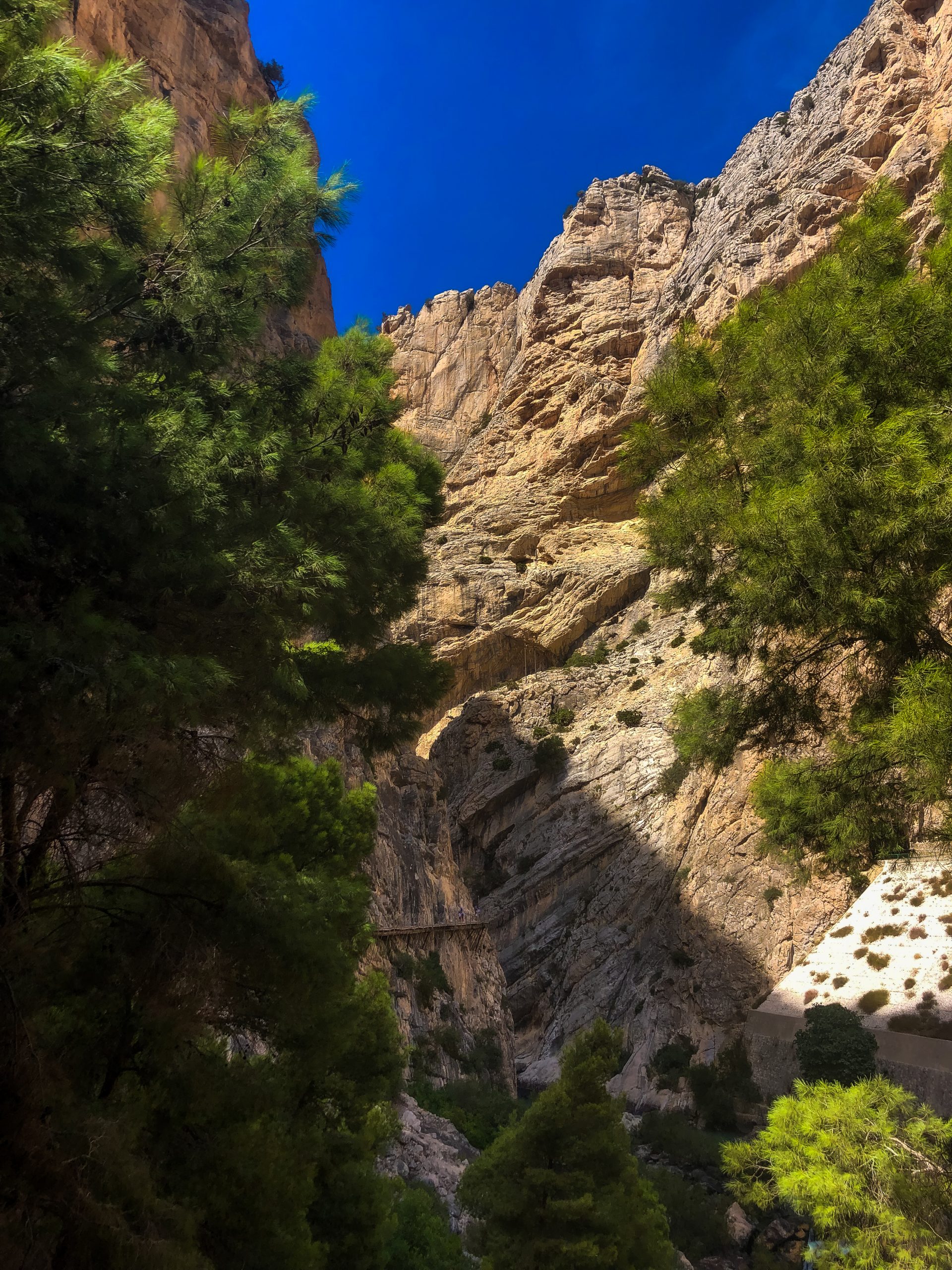
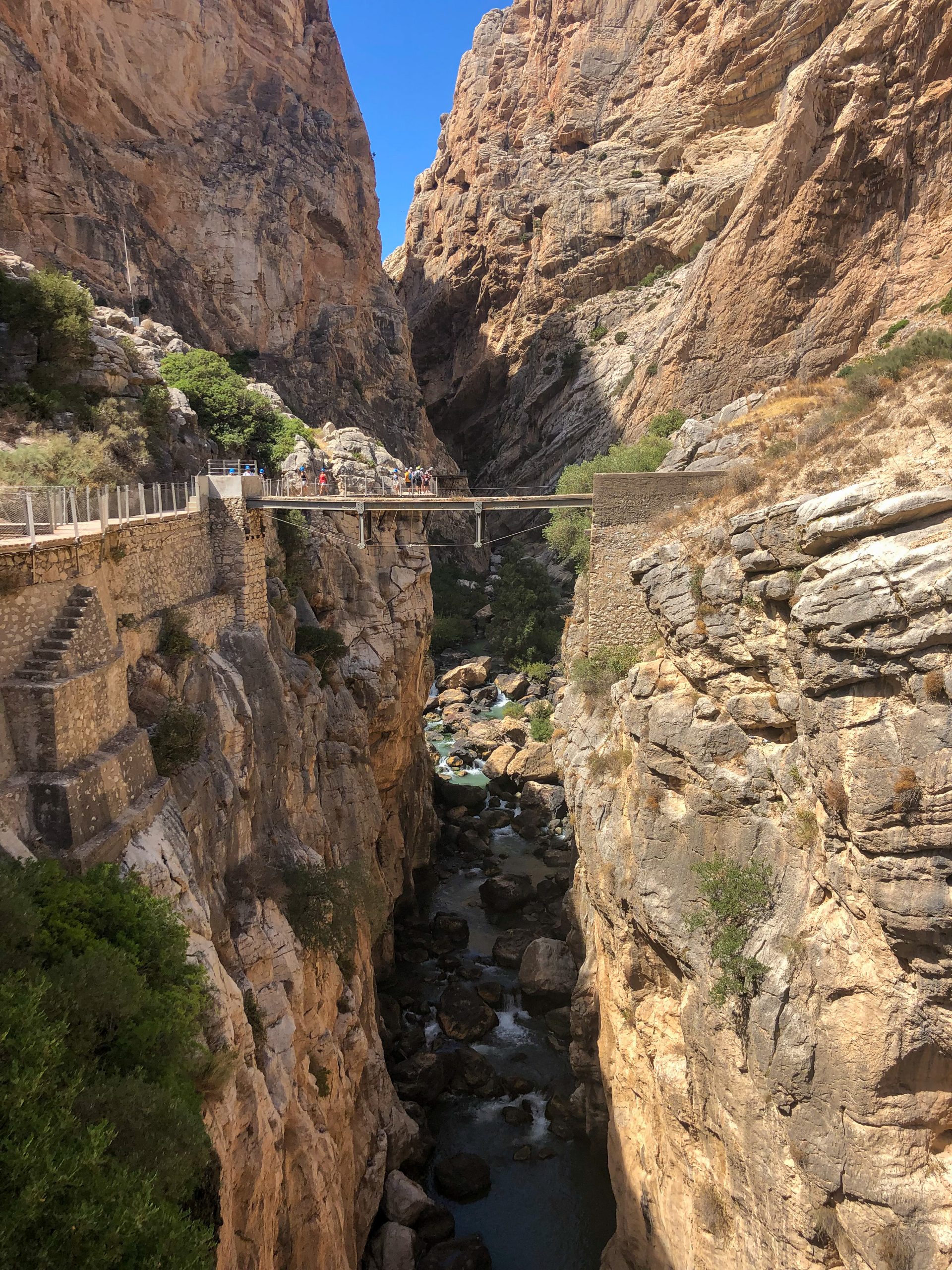
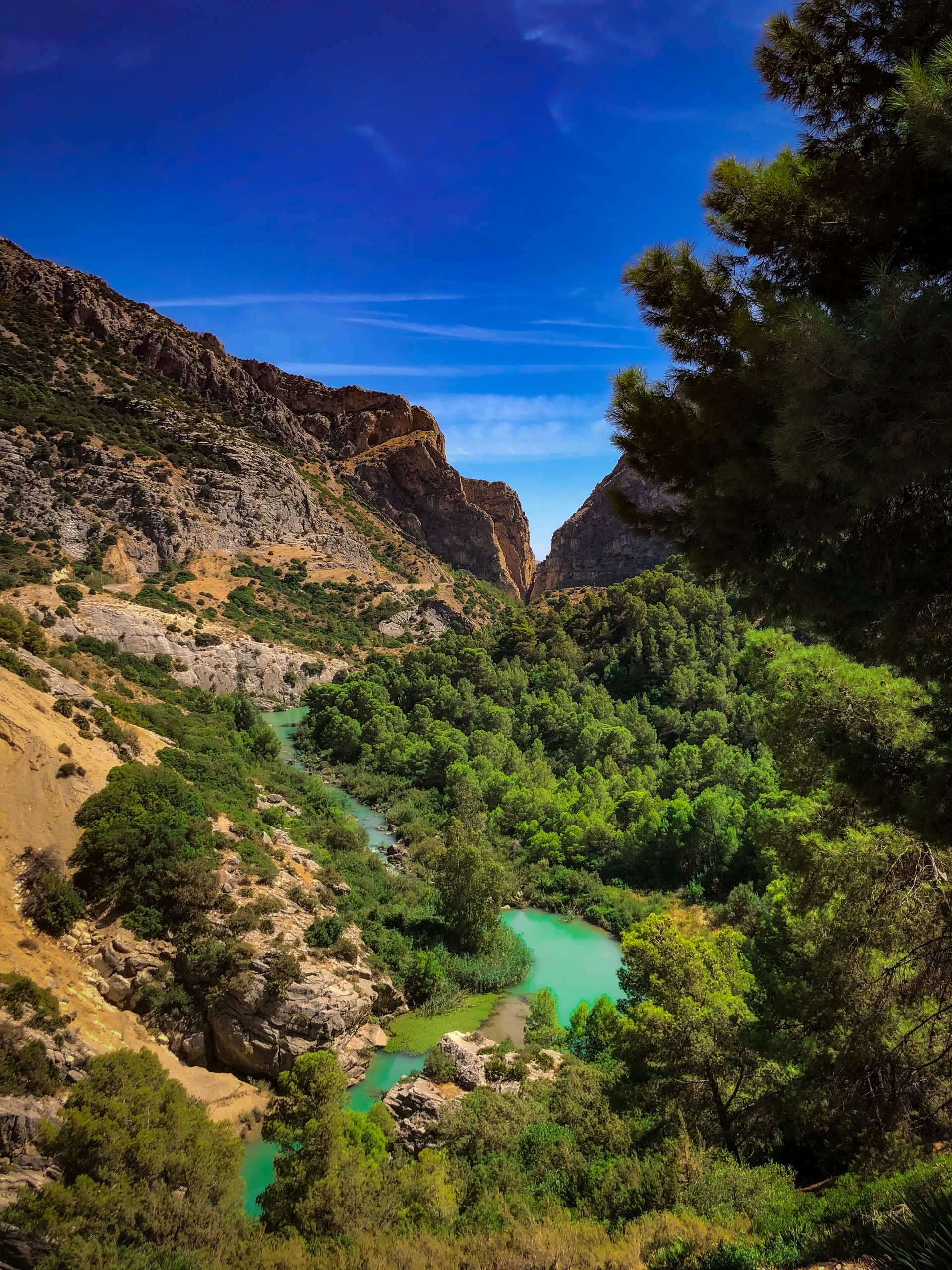
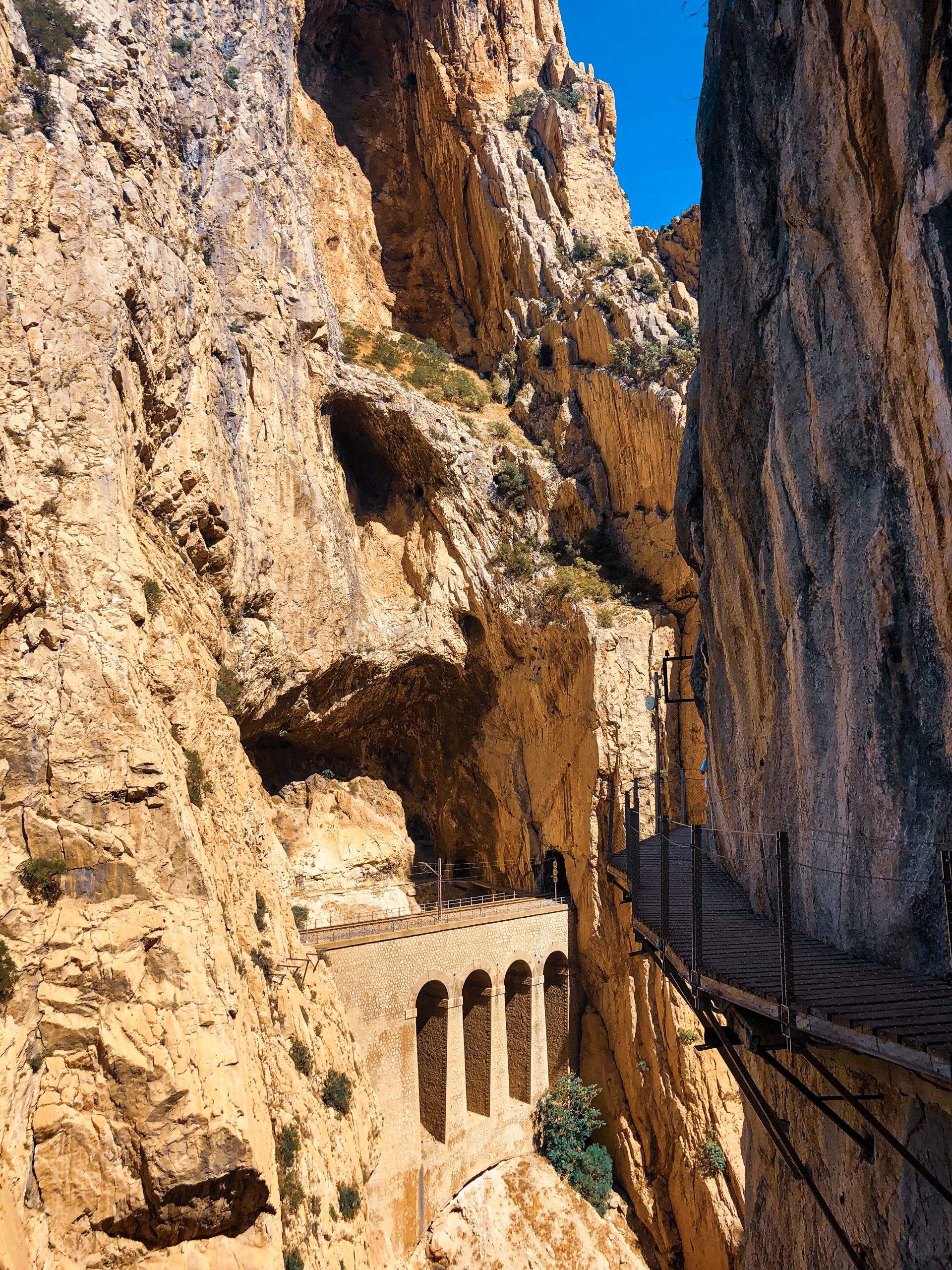
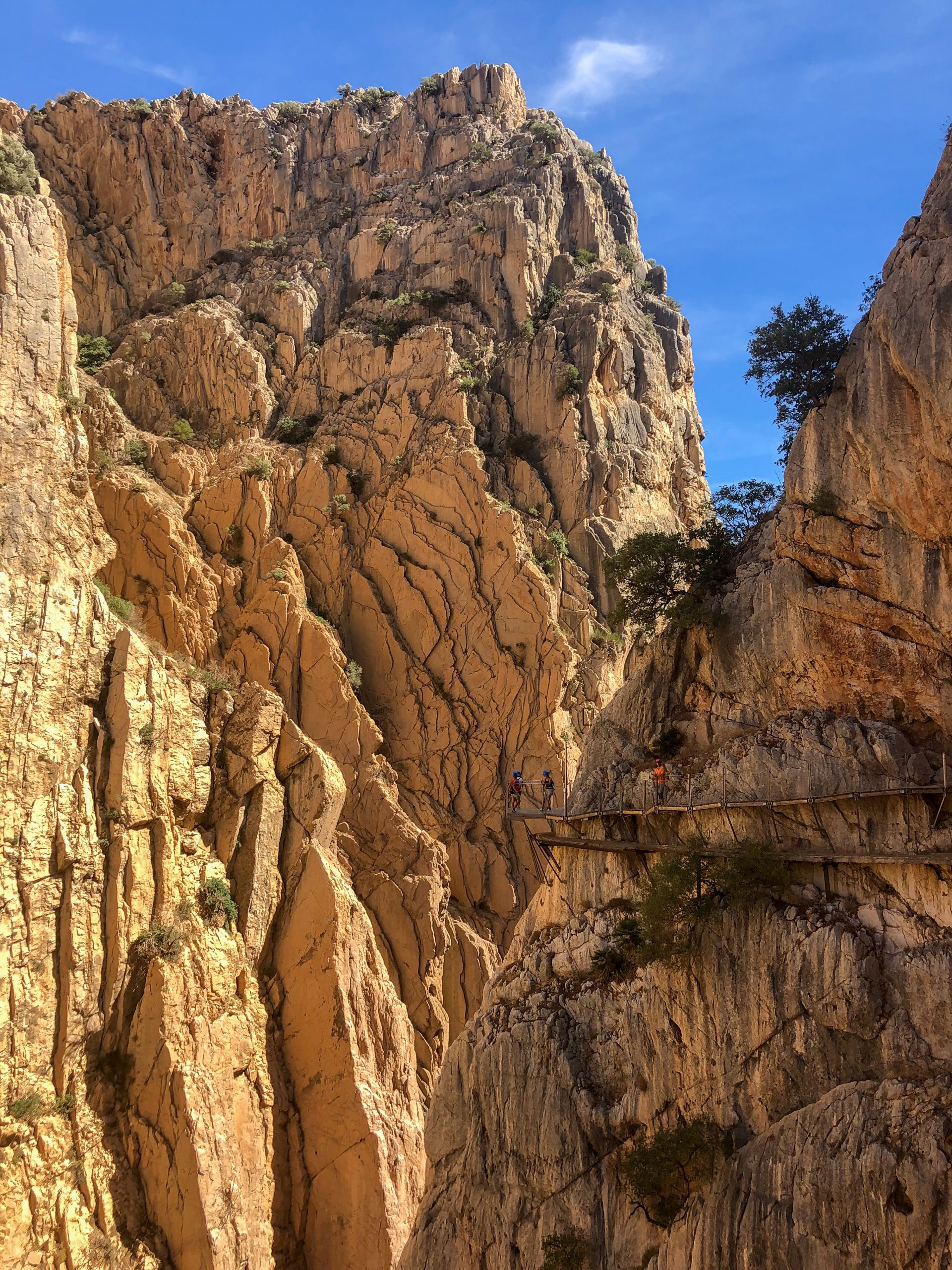
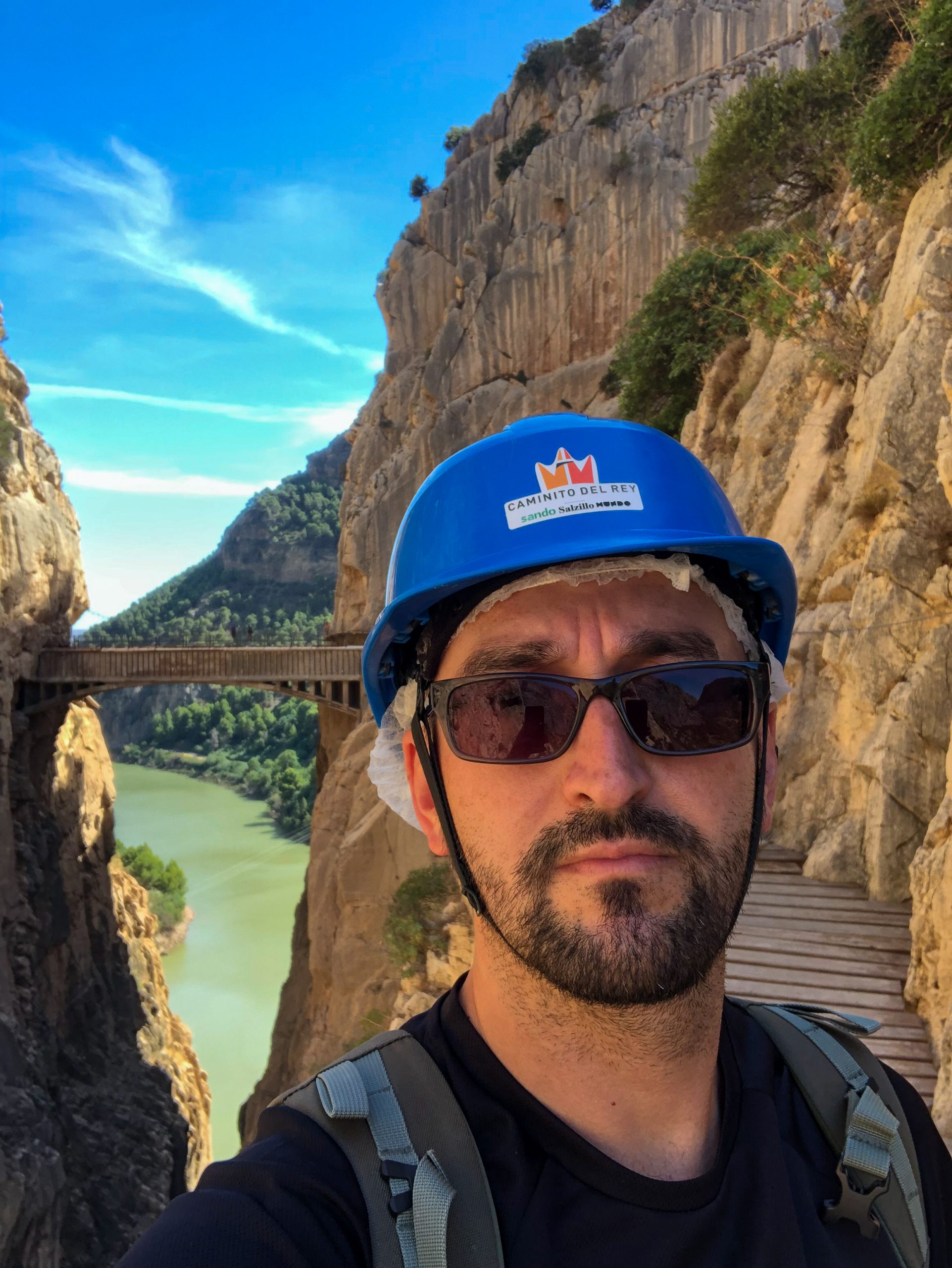
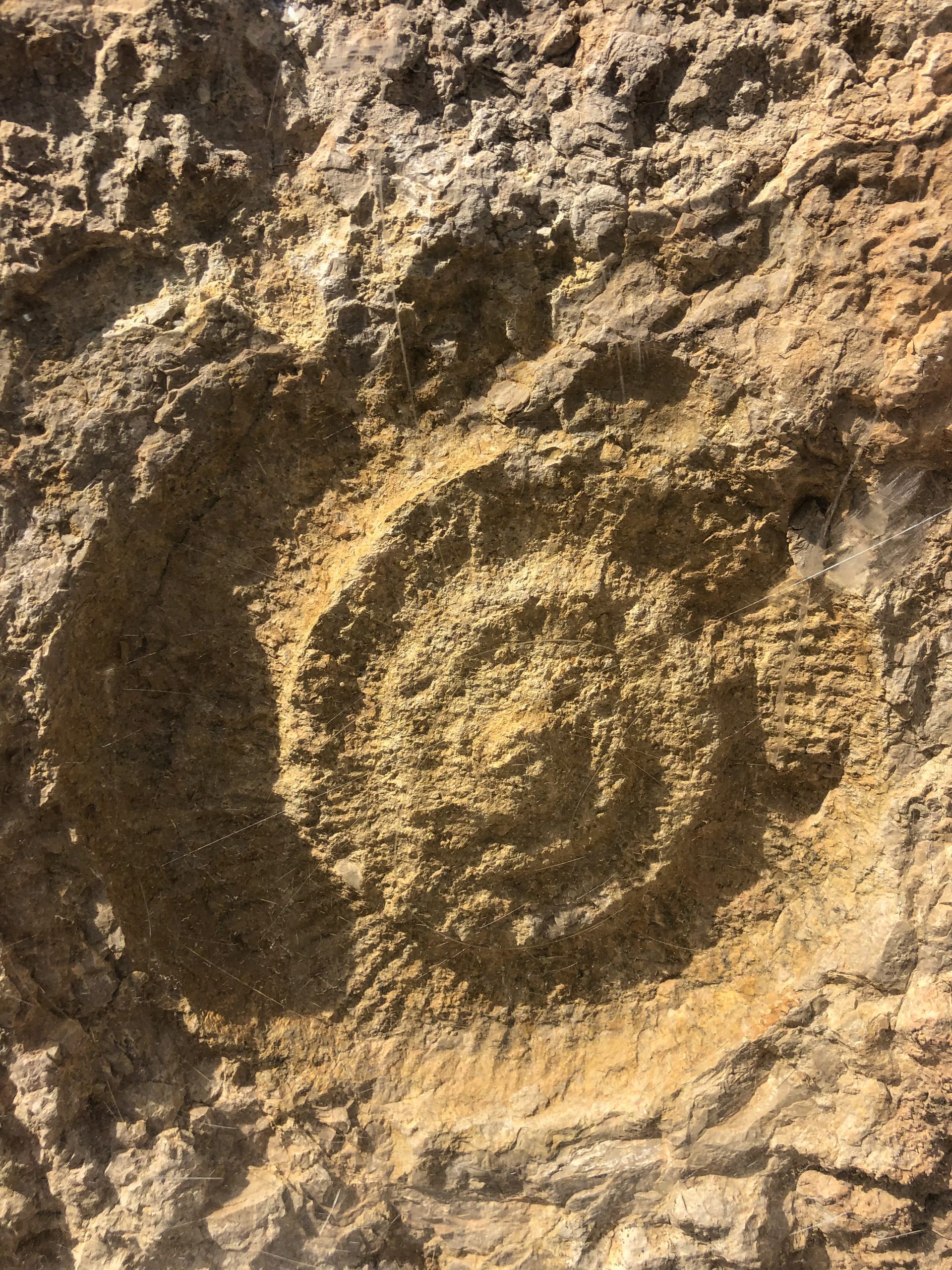
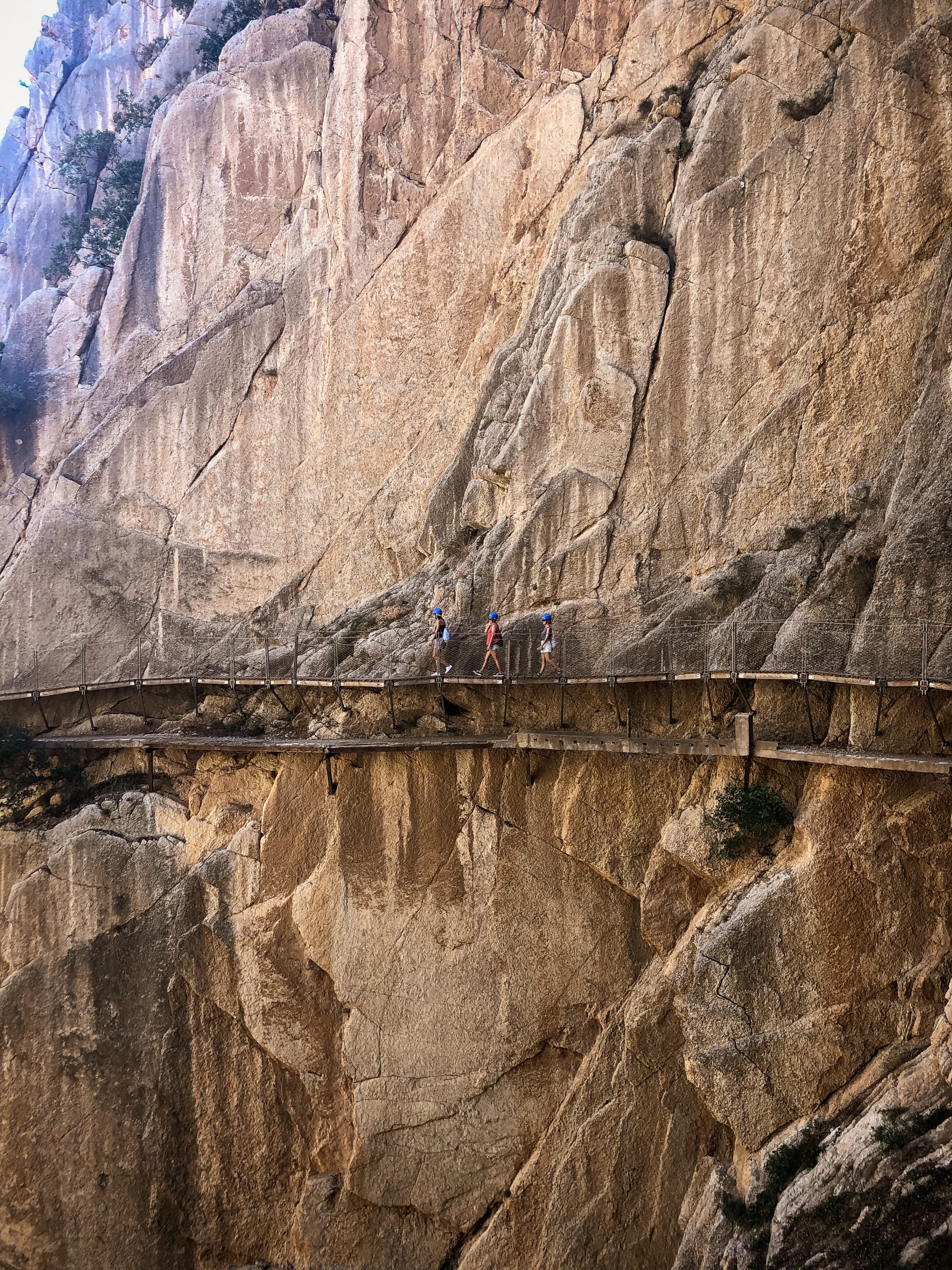
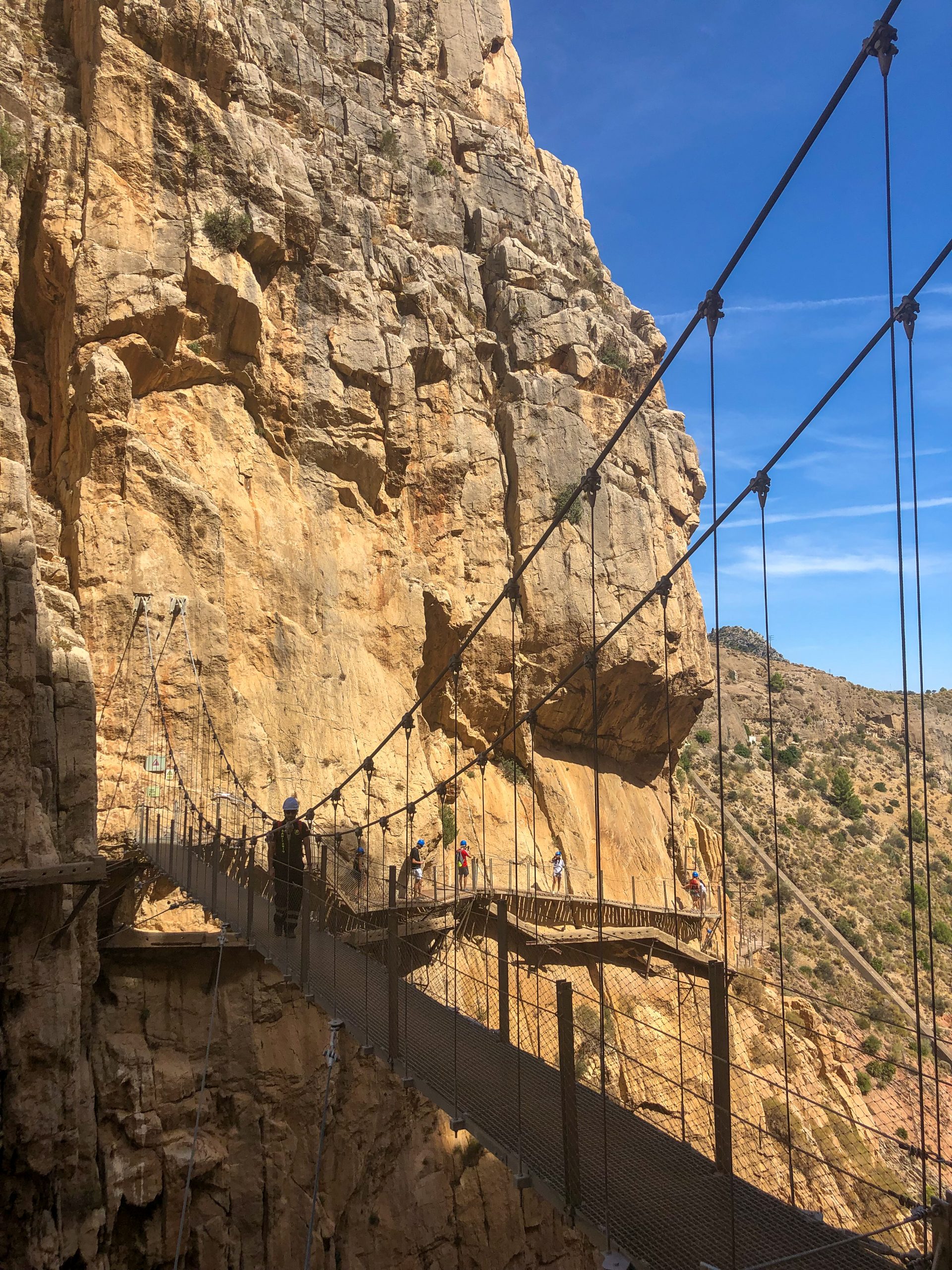
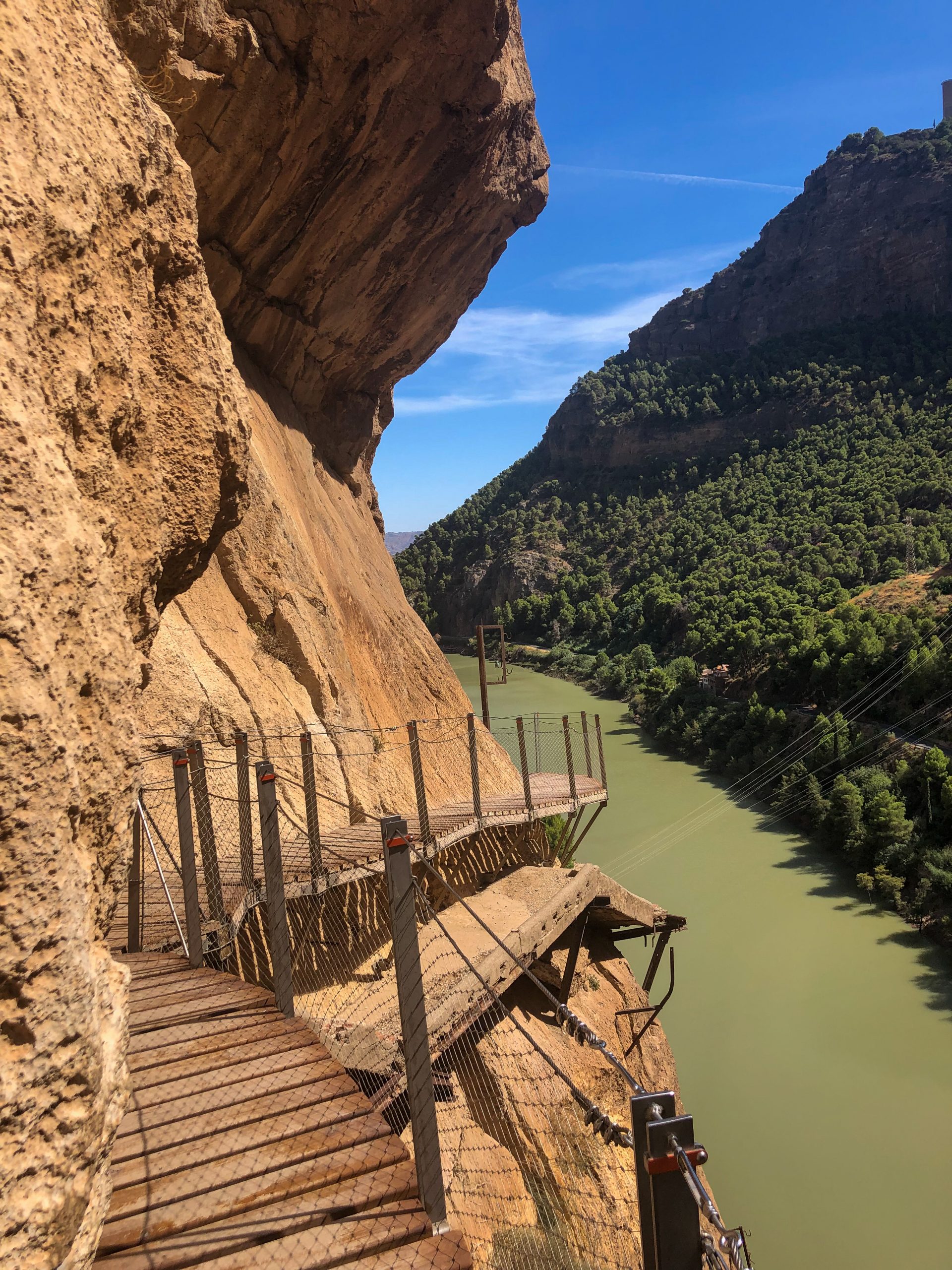
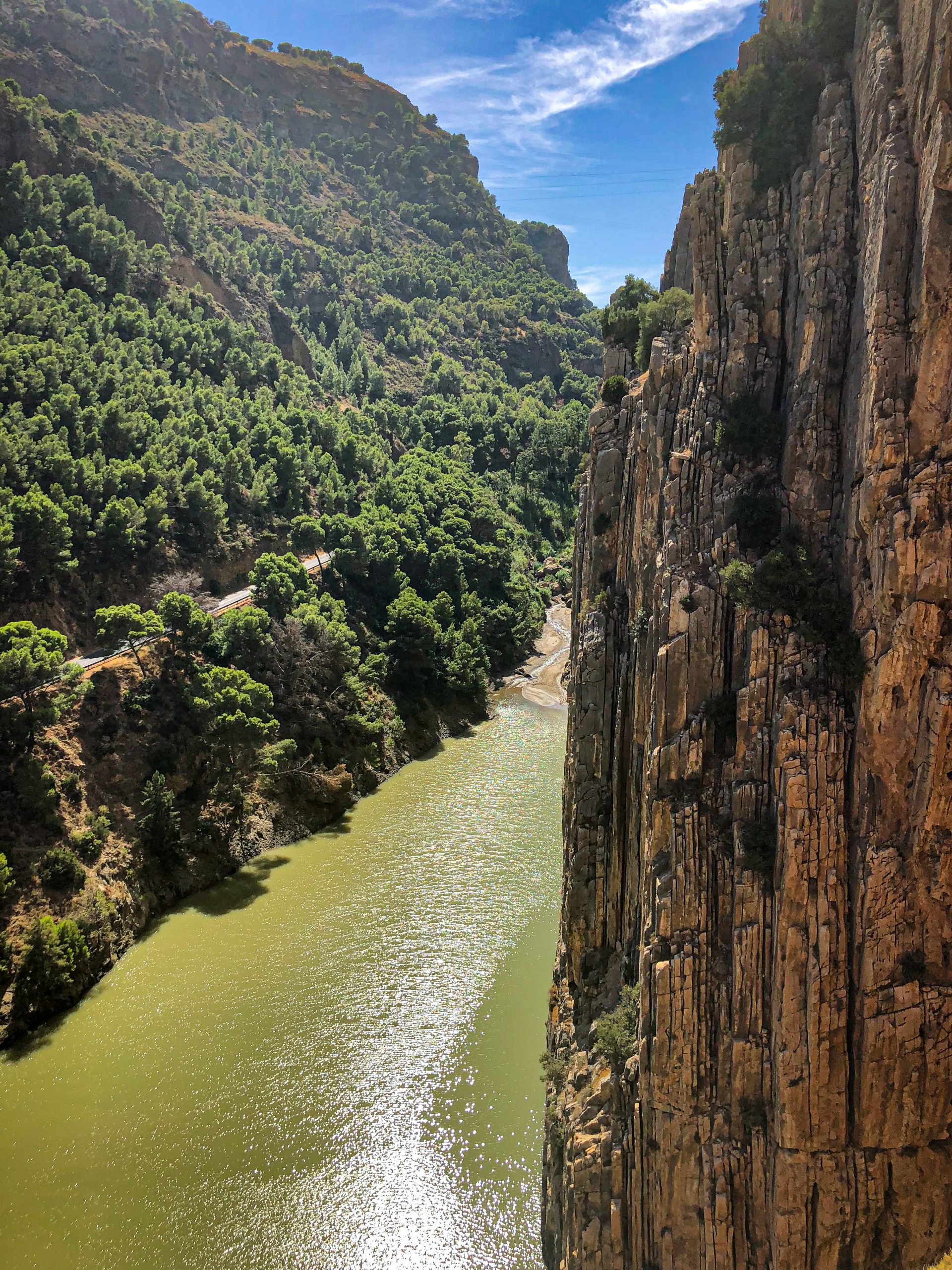
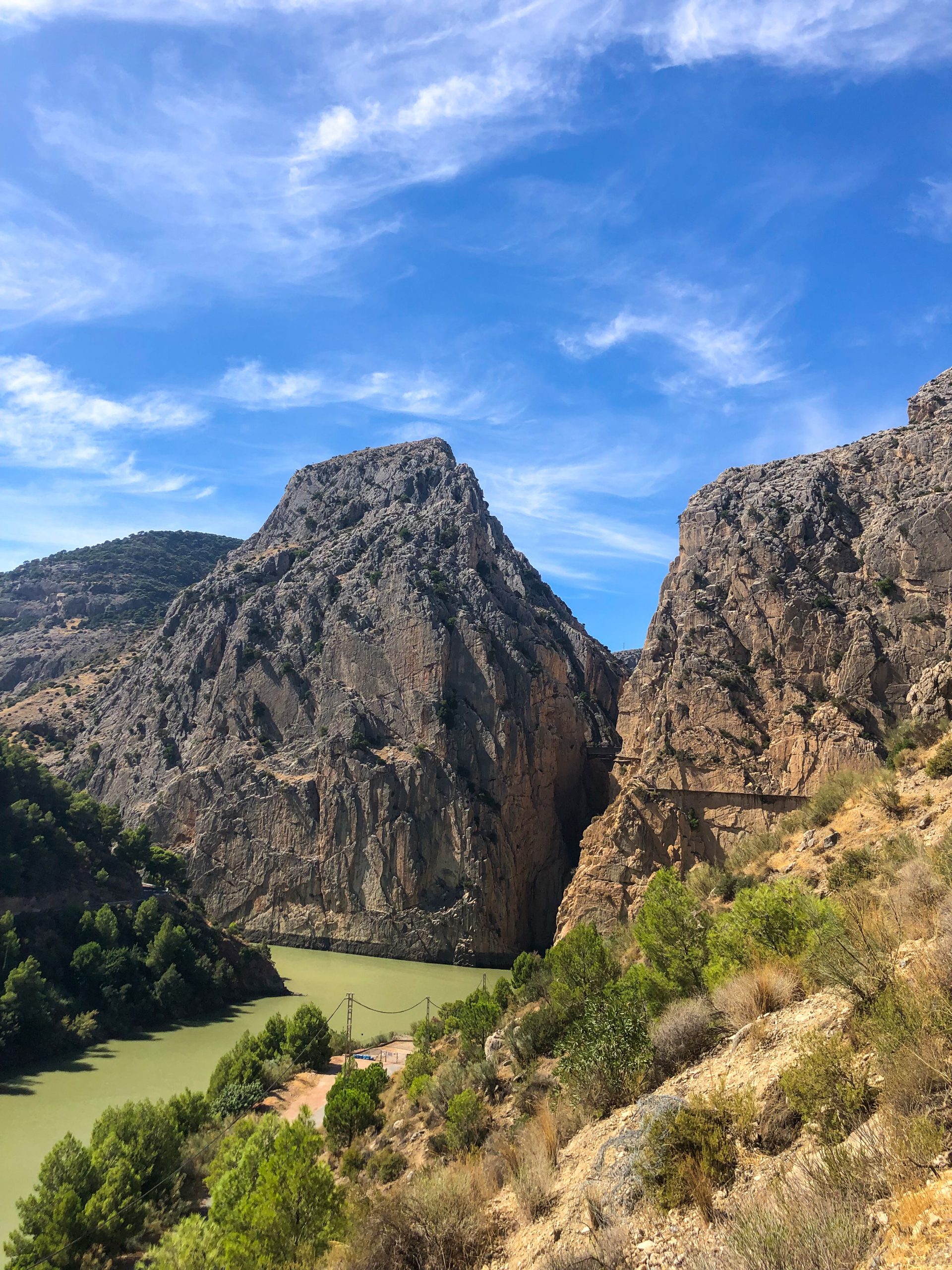
The King’s Pathway (El Caminito del Rey) was built at the beginning of the 20th century as a for the newly constructed hydropower plant on the Desfiladero de los Gaitanes.
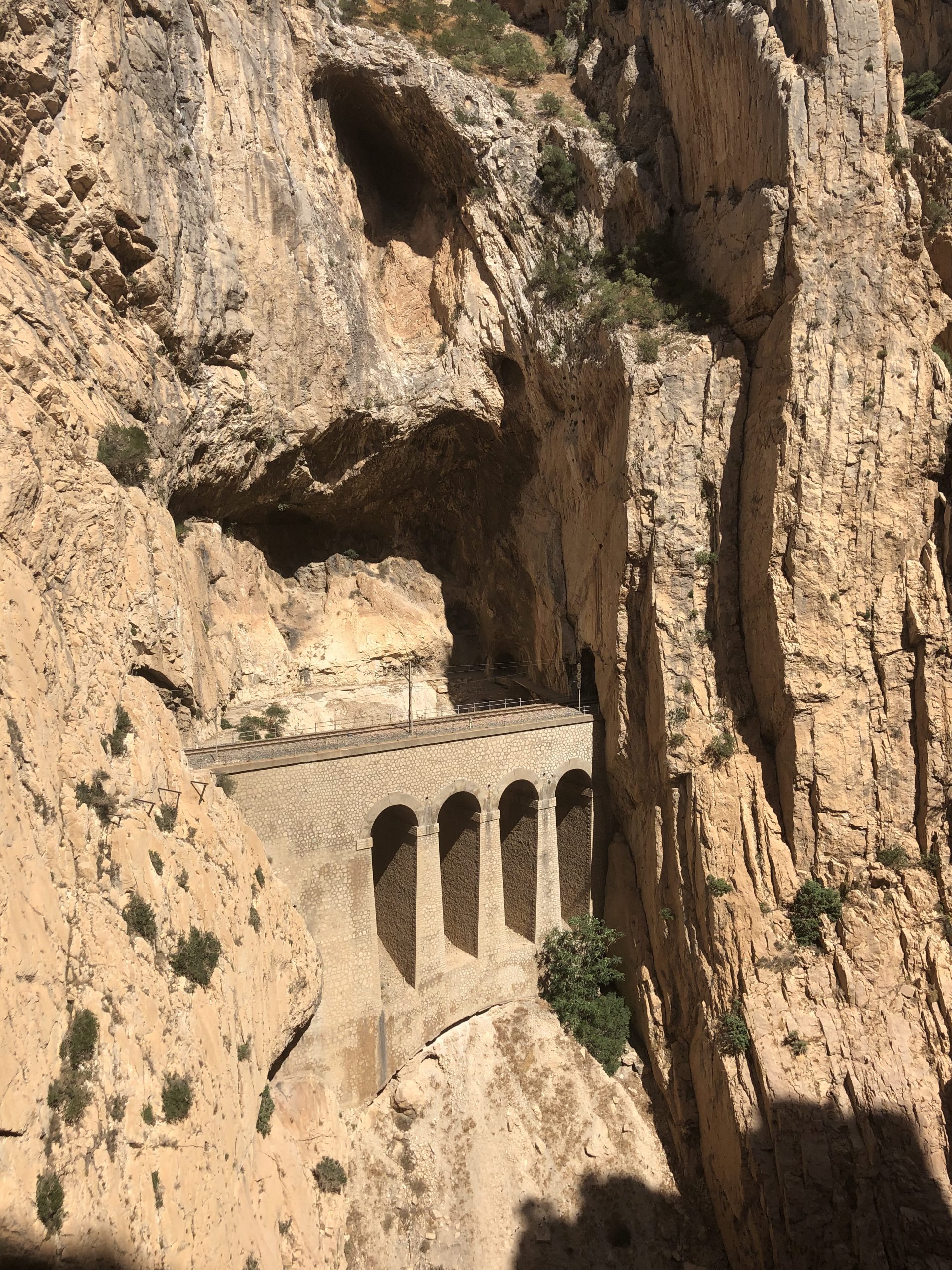
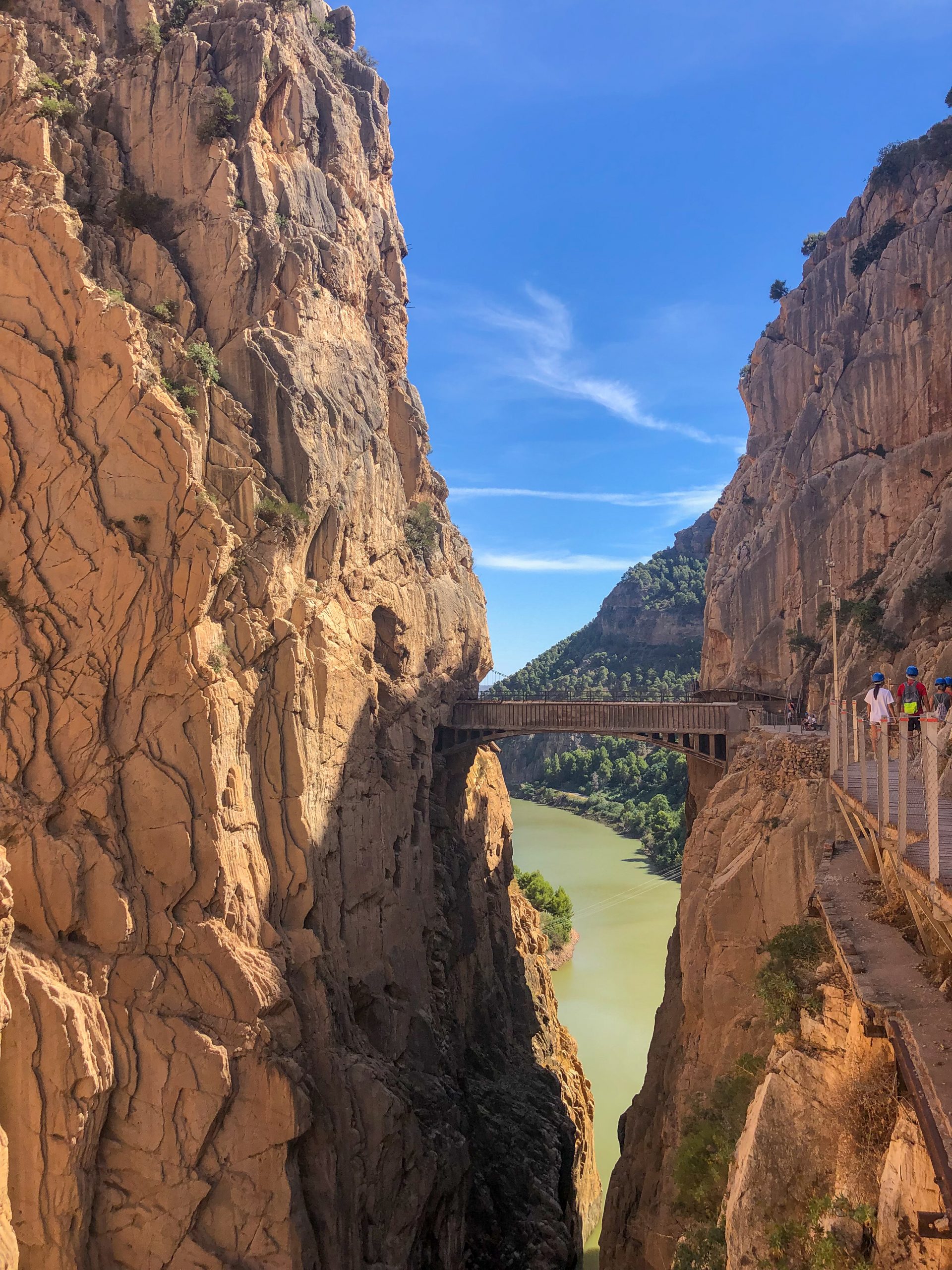
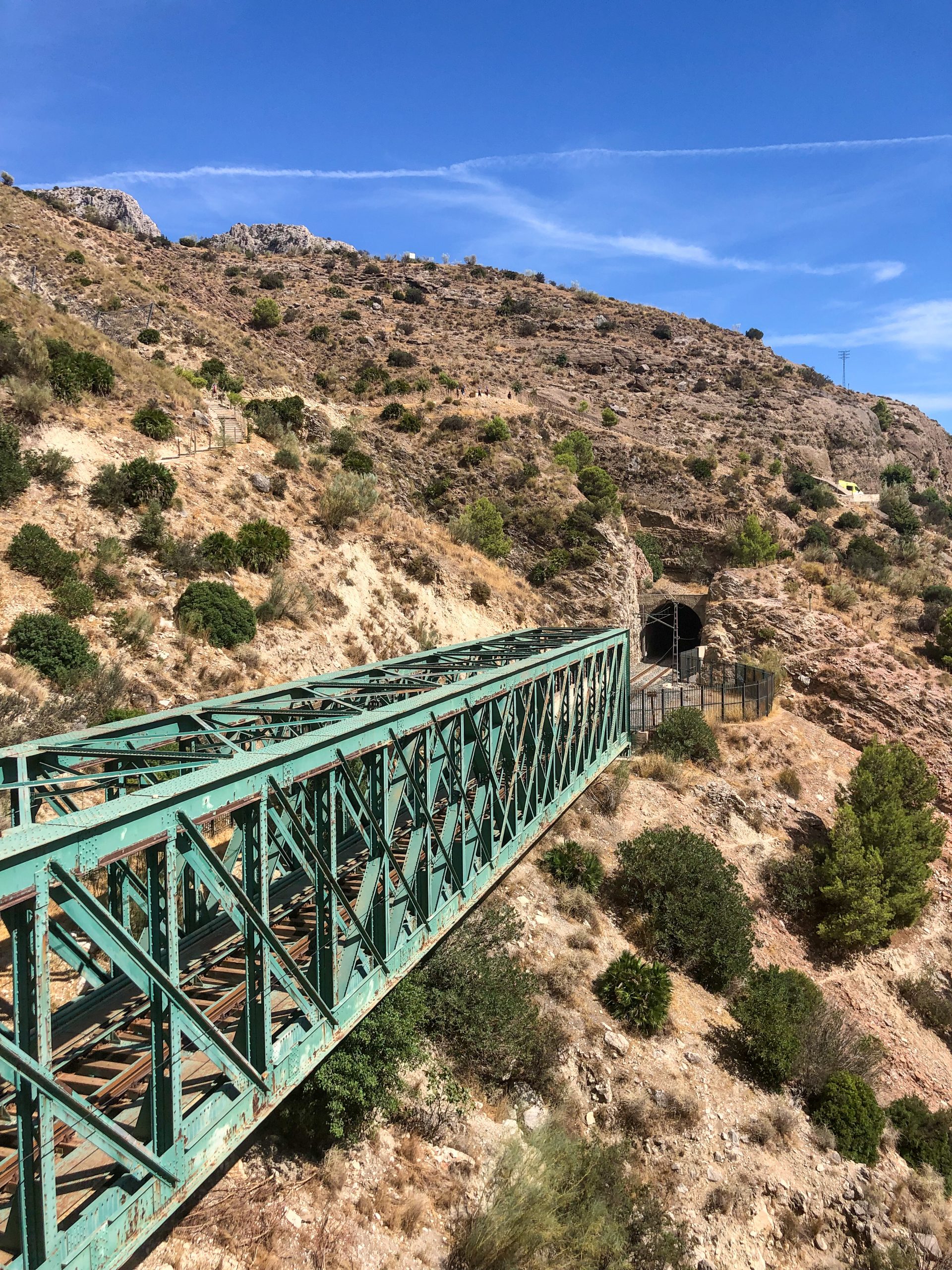
The water reservoir, the power plant and the railway between Malaga and Cordoba were a result of the industrialization process of the region in the early 20th century which produced innovative and unique architectural and technological achievements for the era, such as tunnels, bridges, and dams.
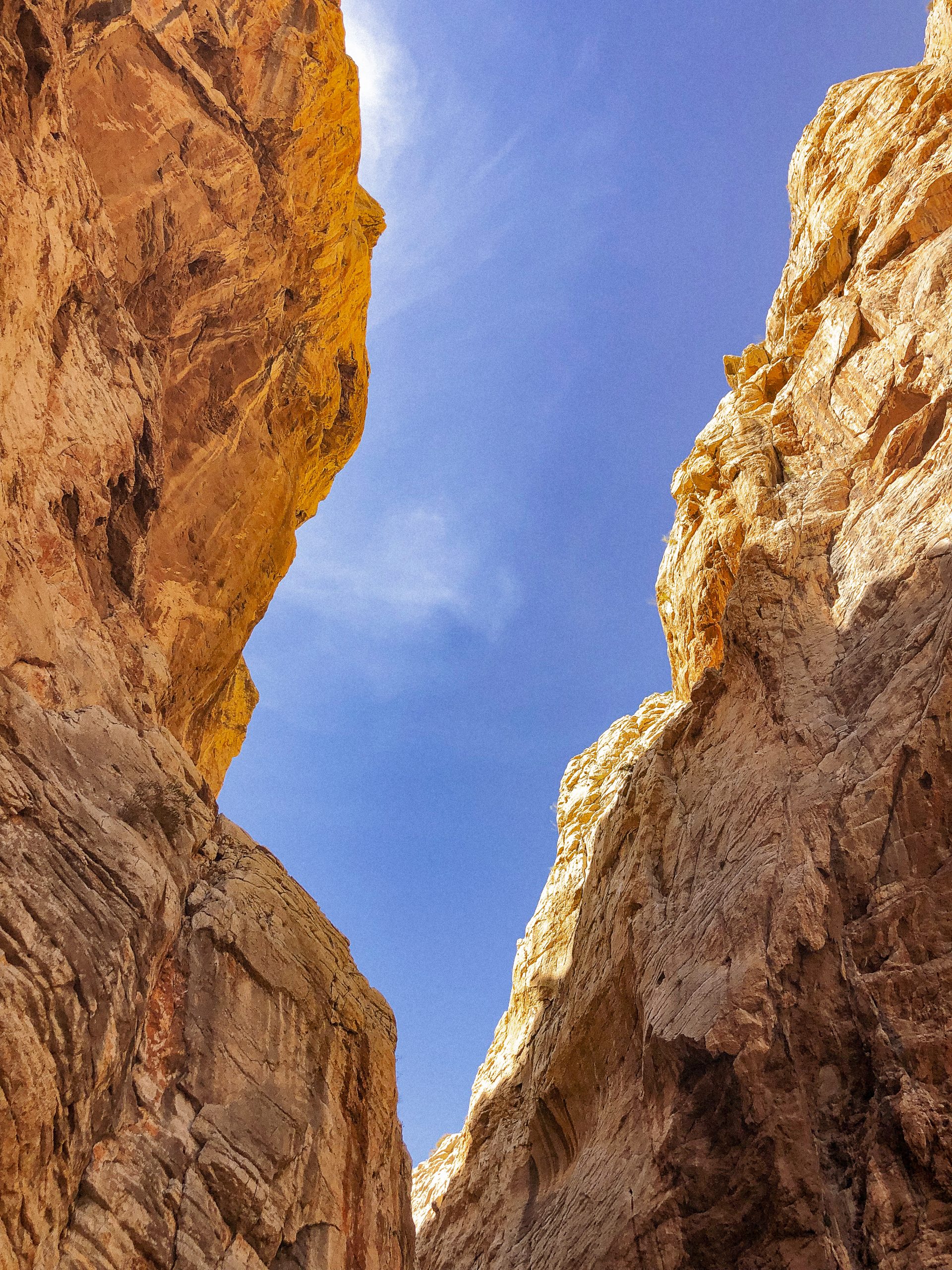
Some of these masterpieces can be admired by walking the path, fitted to the rock, besides stunning views of the limestone canyon.
The pathway received its current name after King Alfonso XIII of Spain who walked it by the inauguration of the dam in the year 1921.
Granada
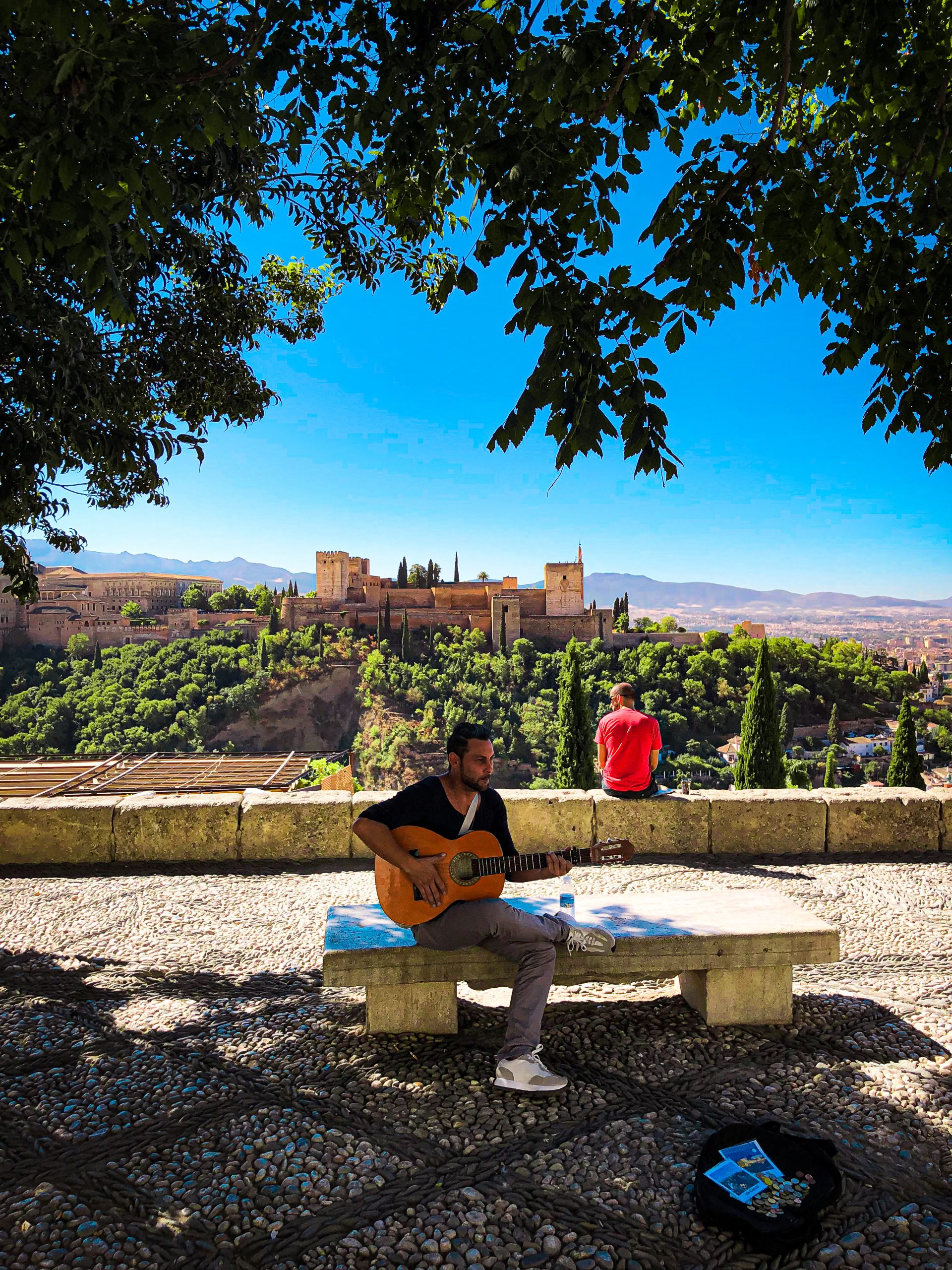
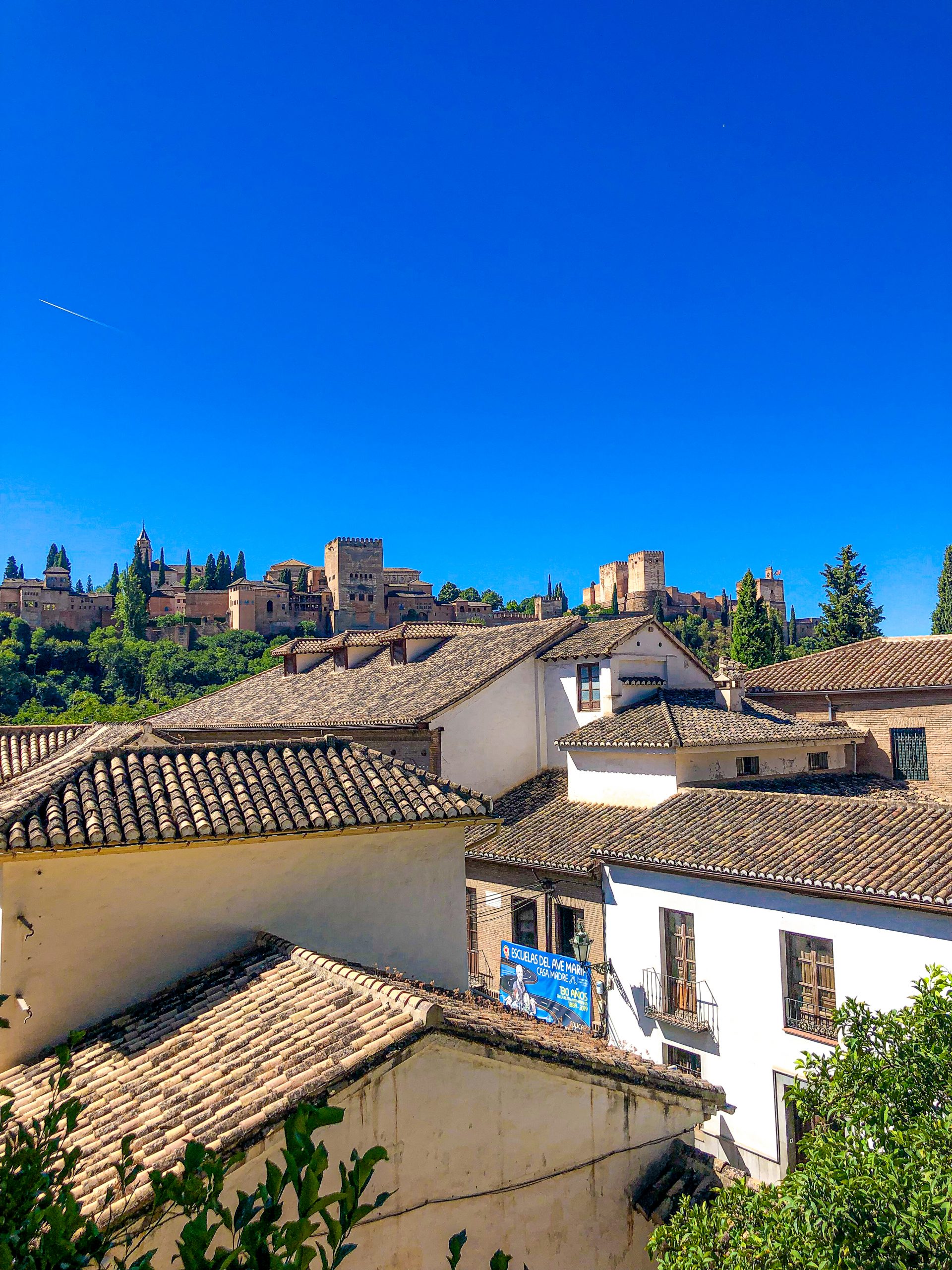
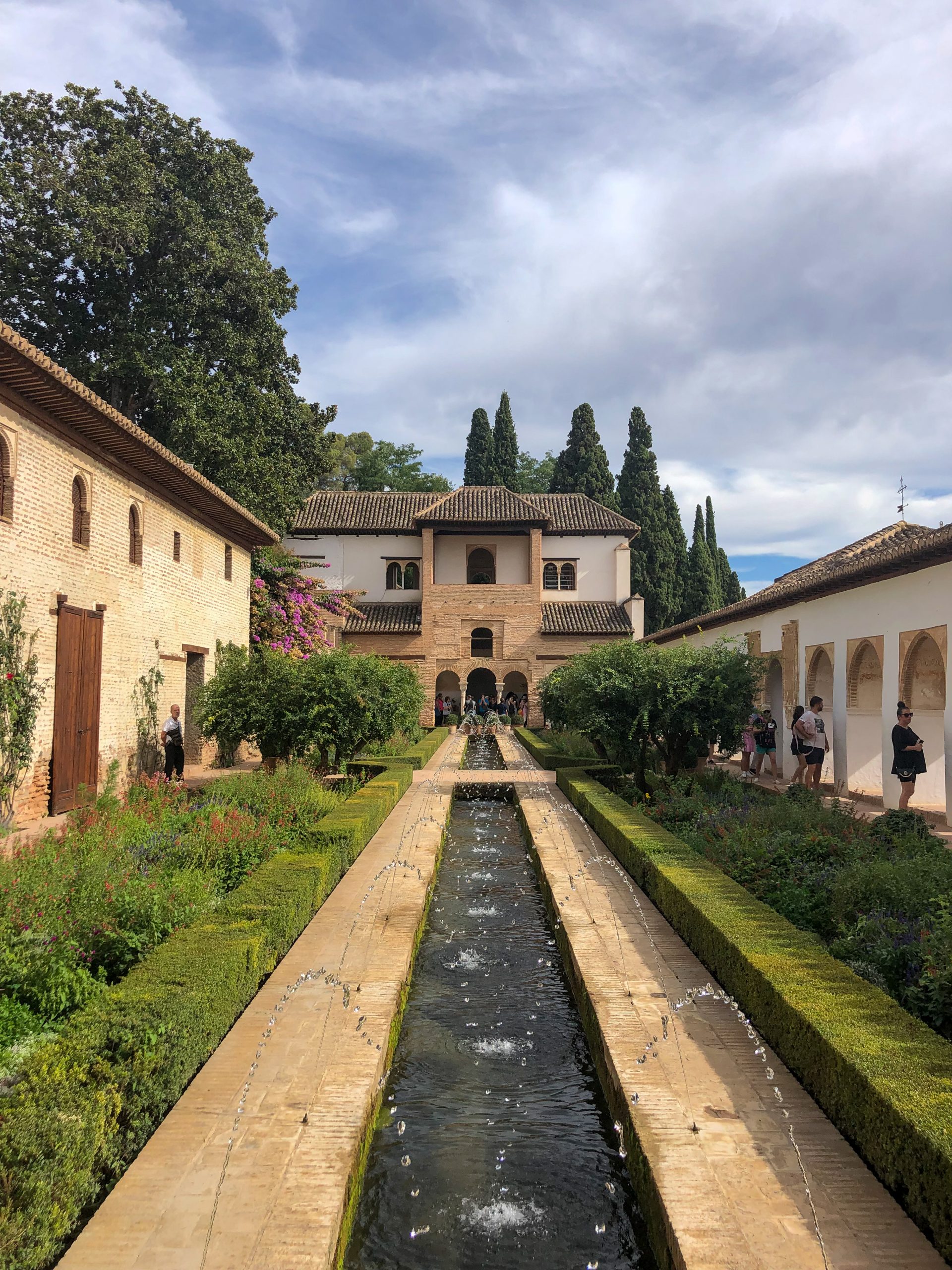
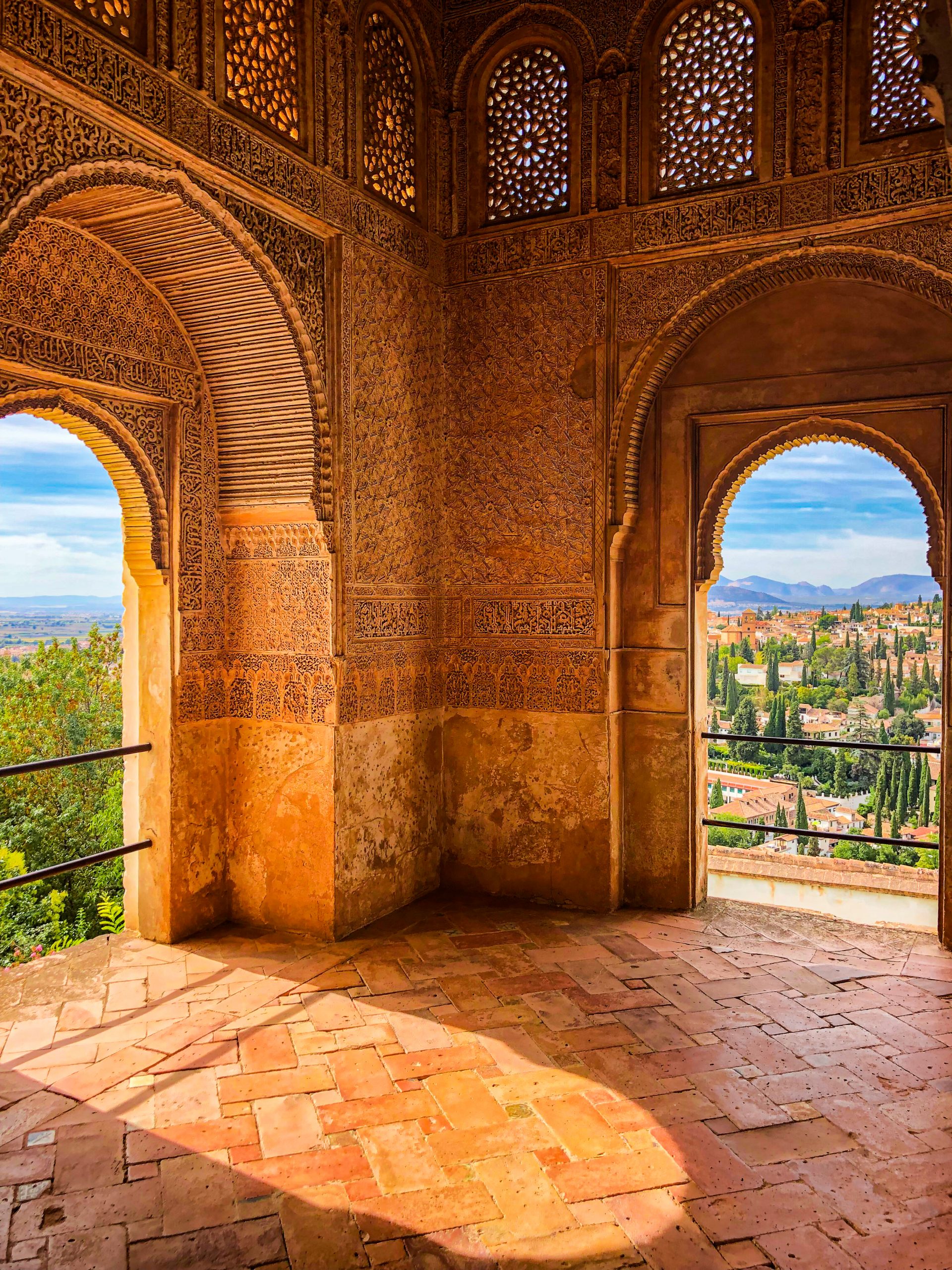
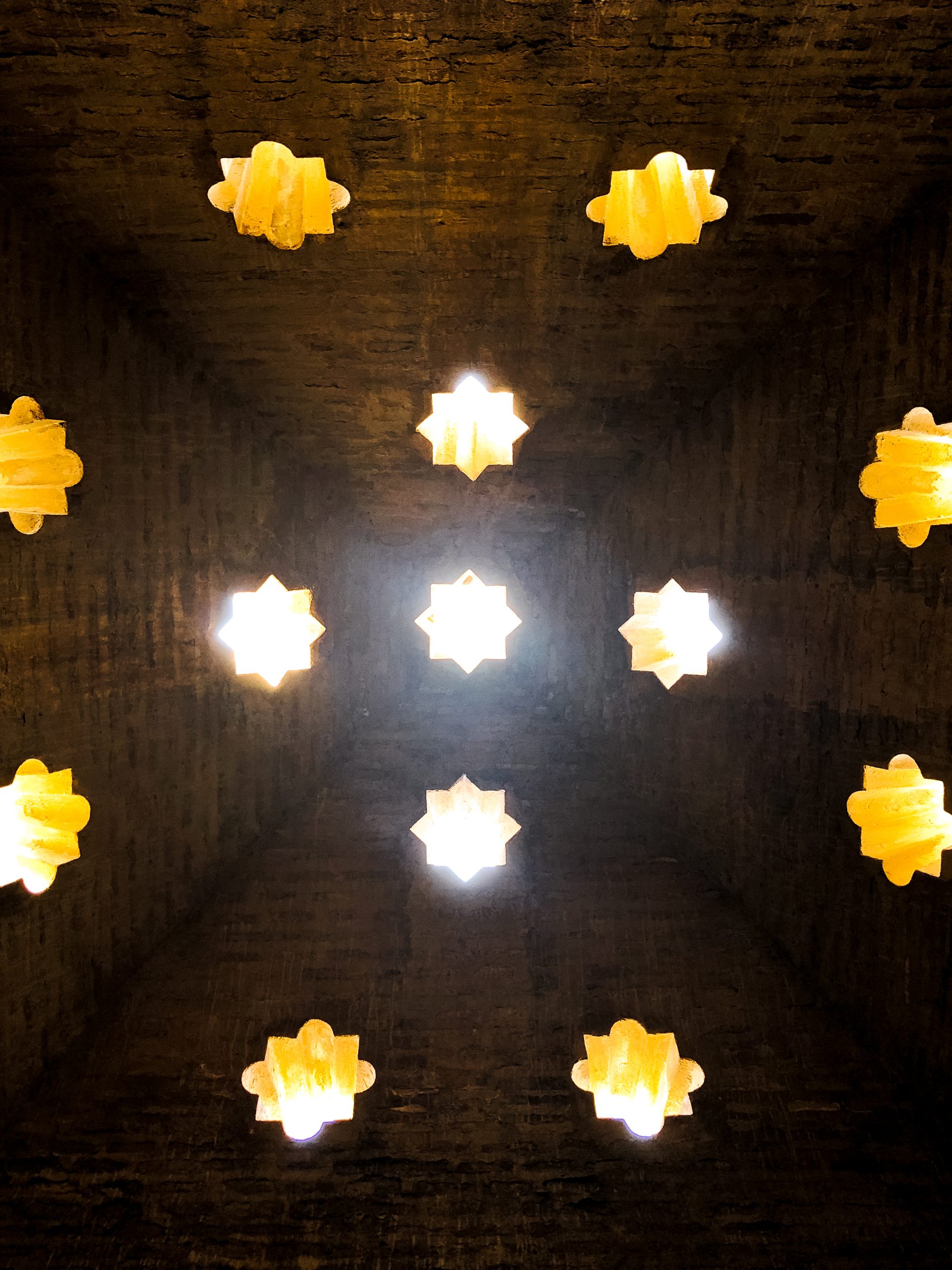
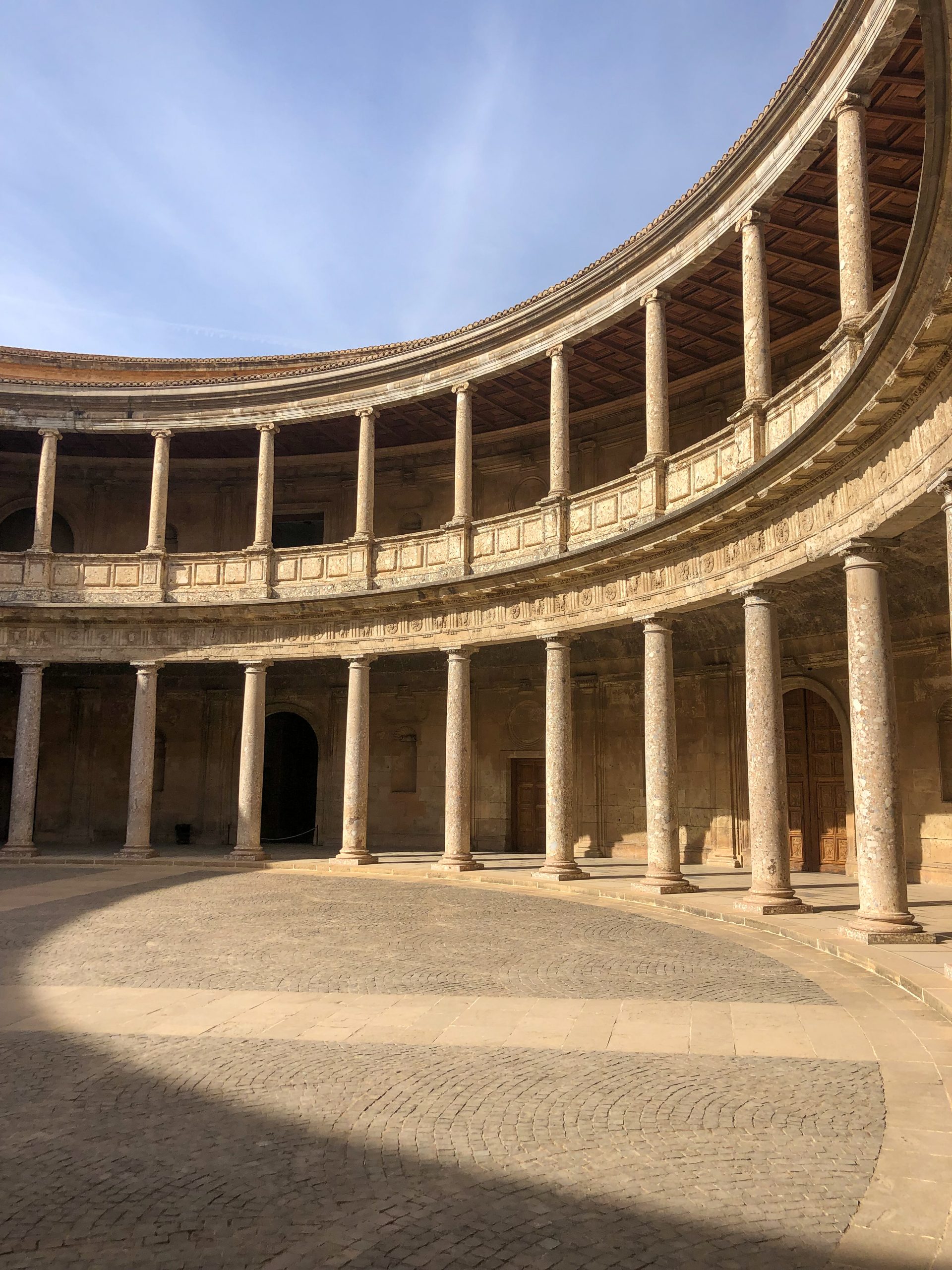
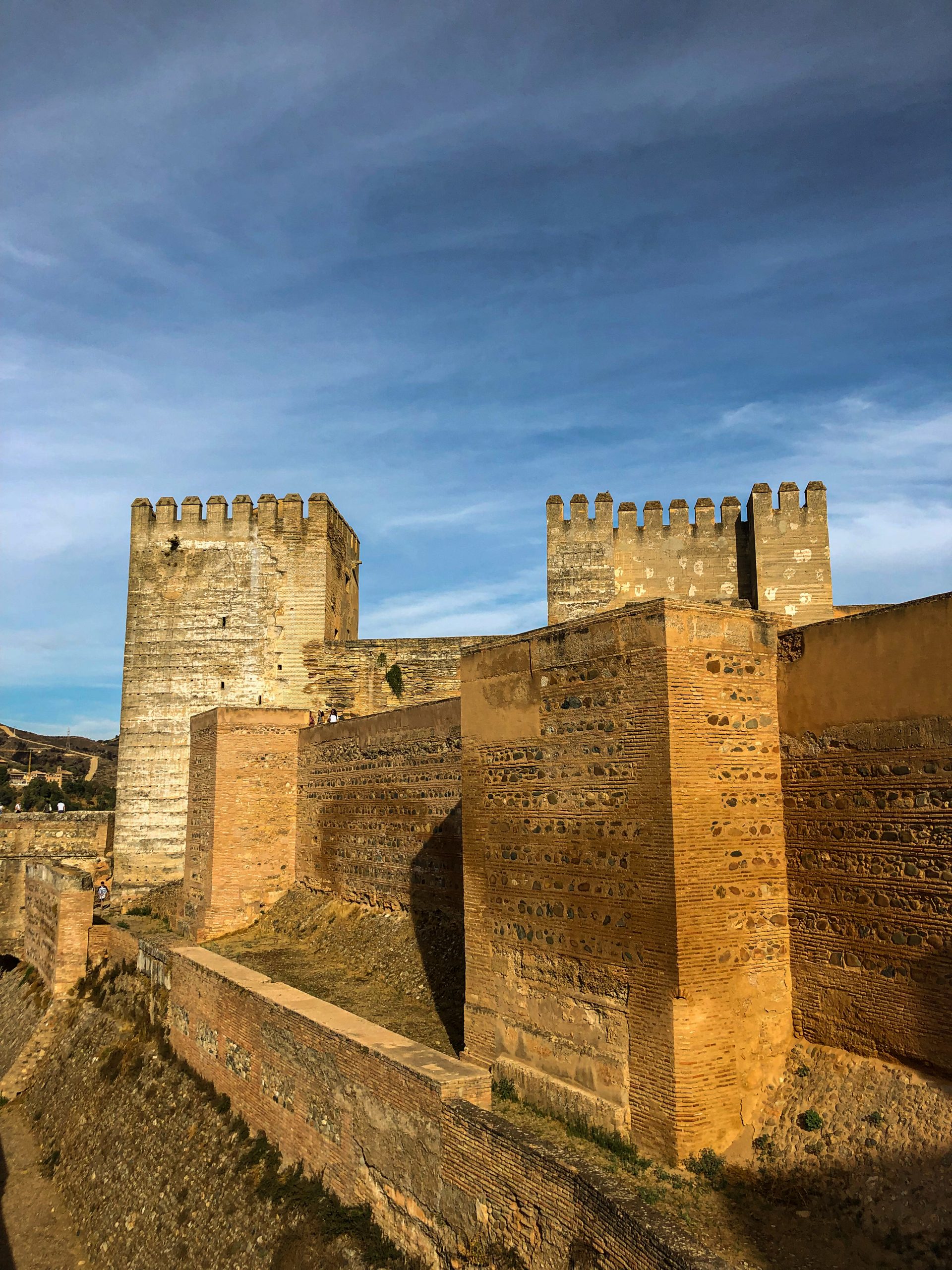
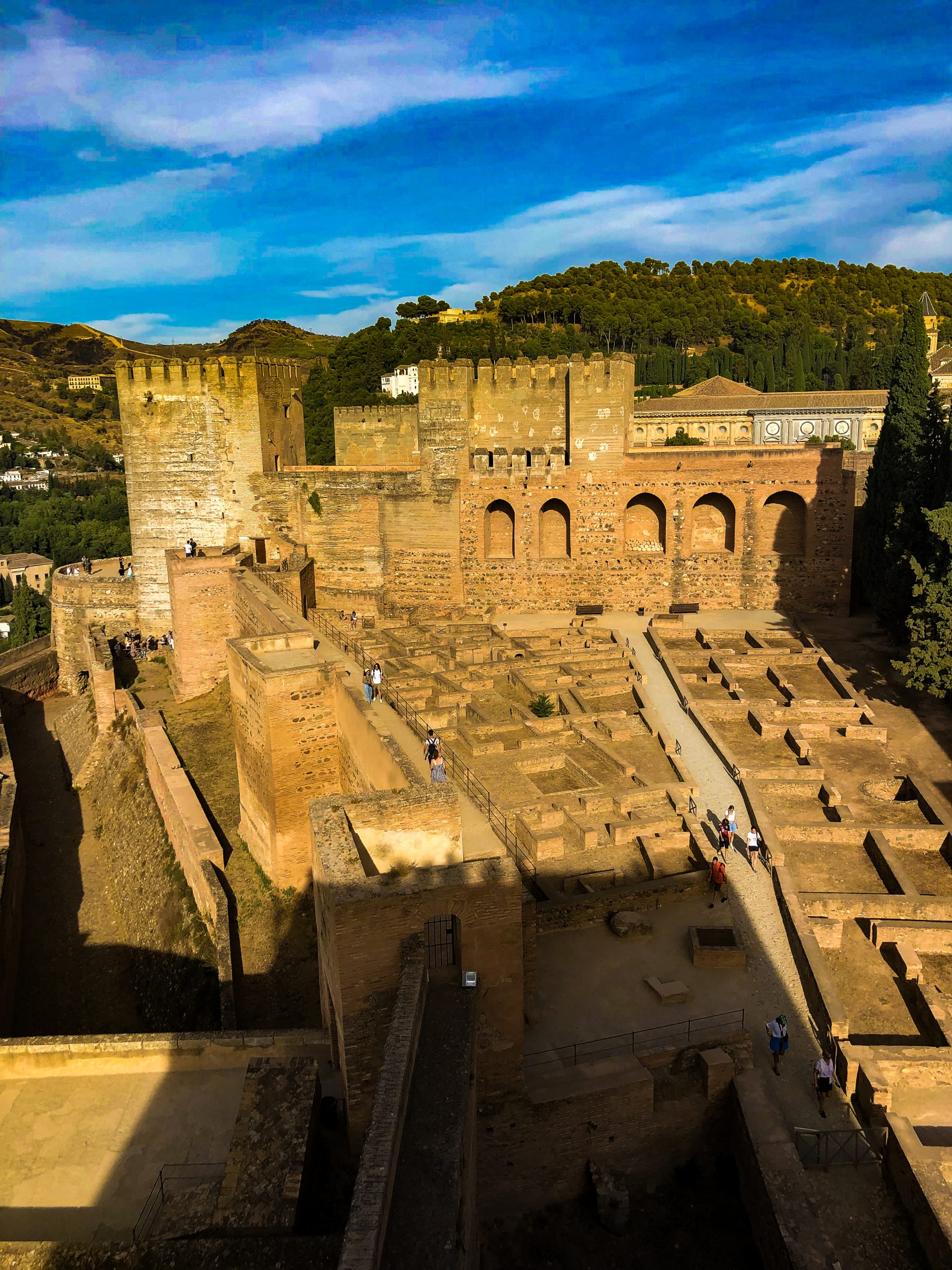
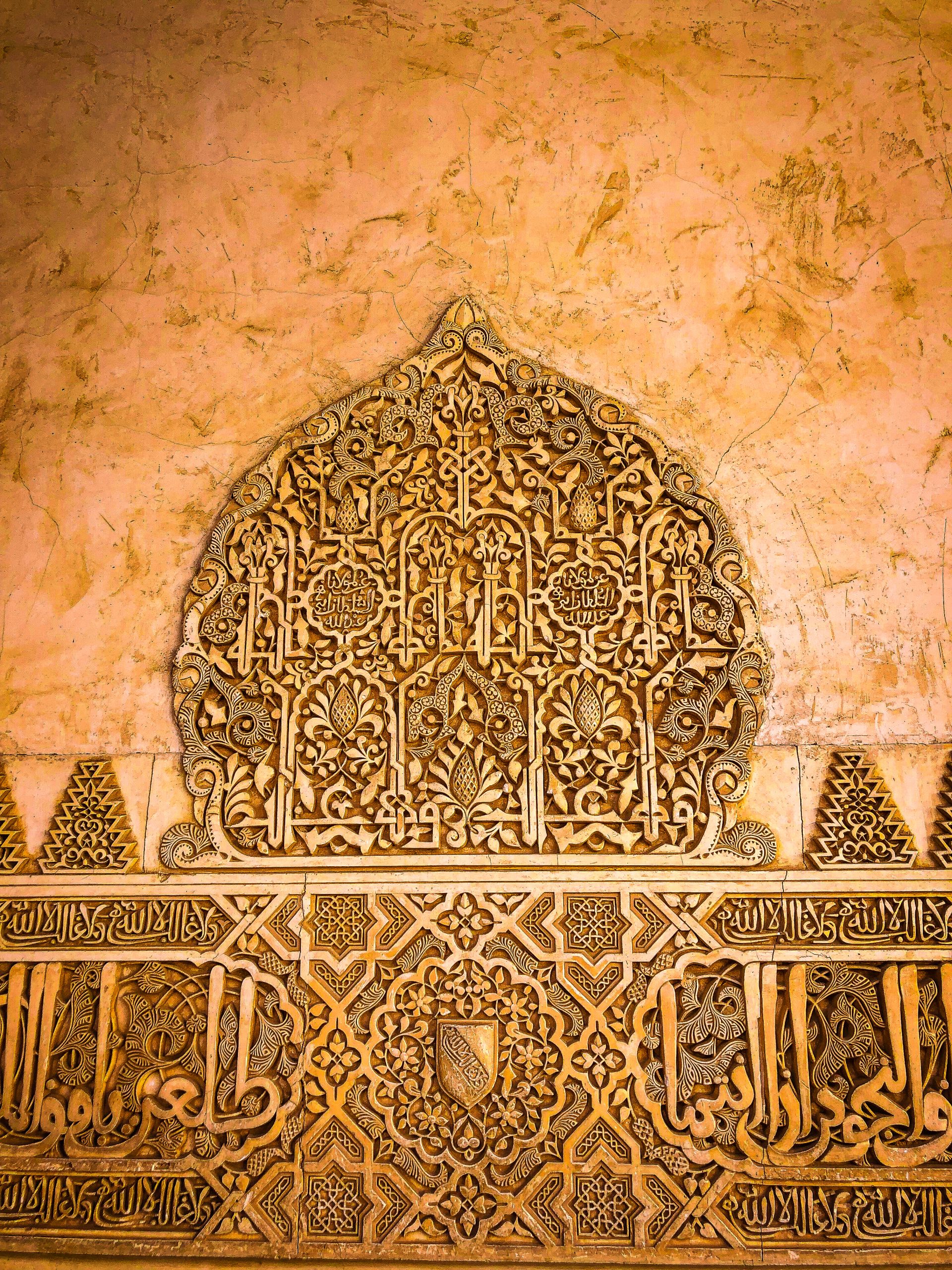
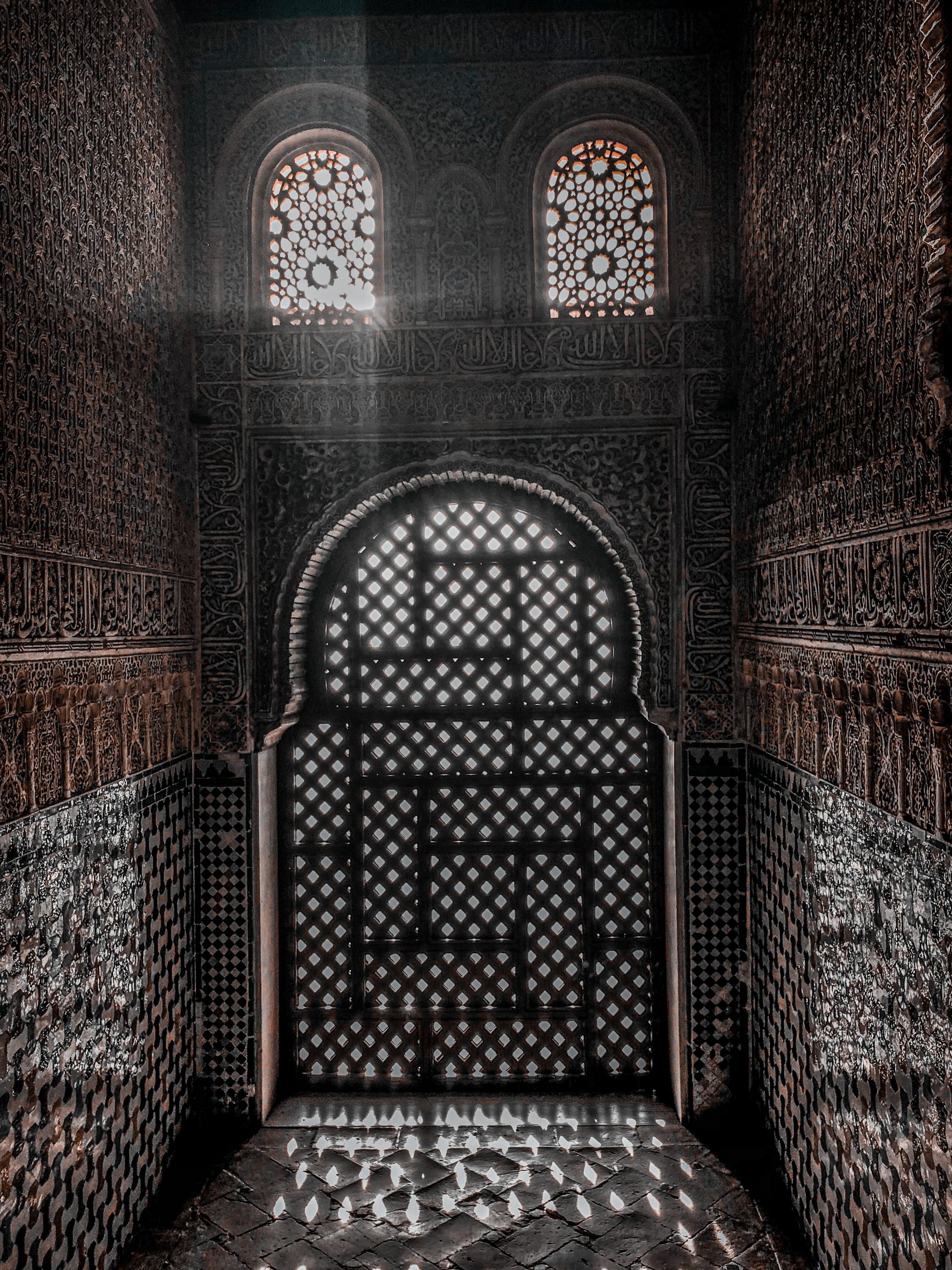
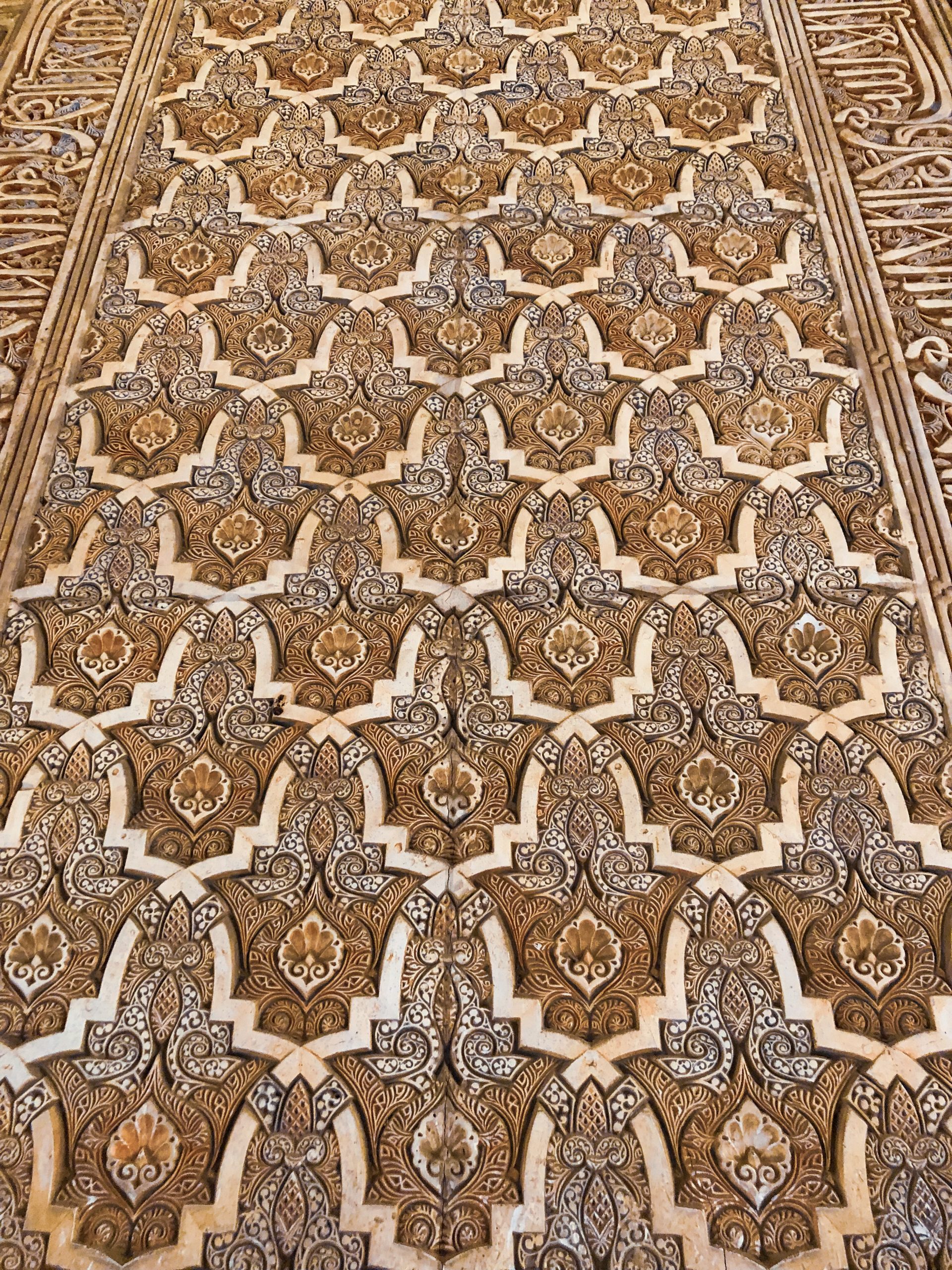
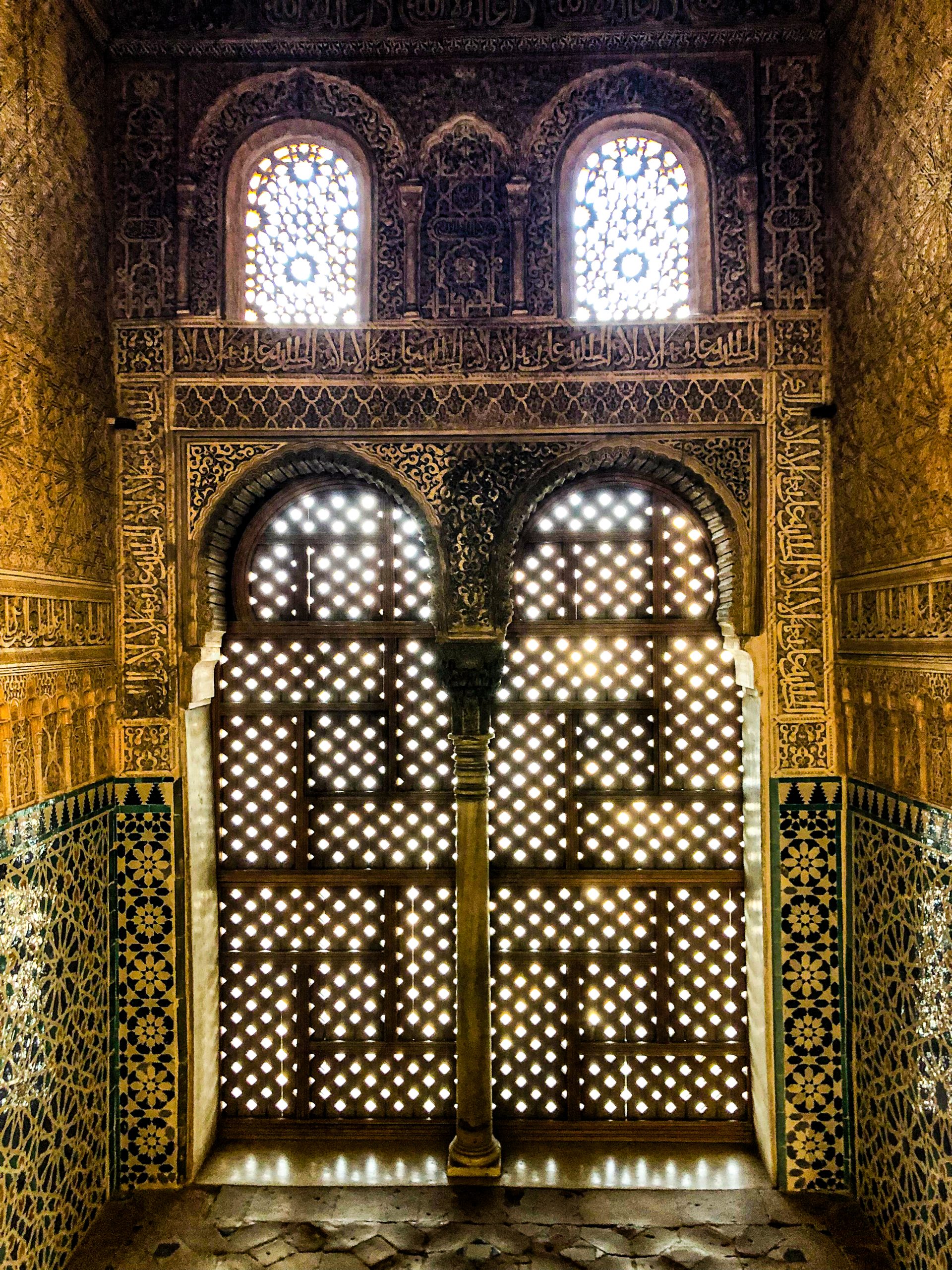
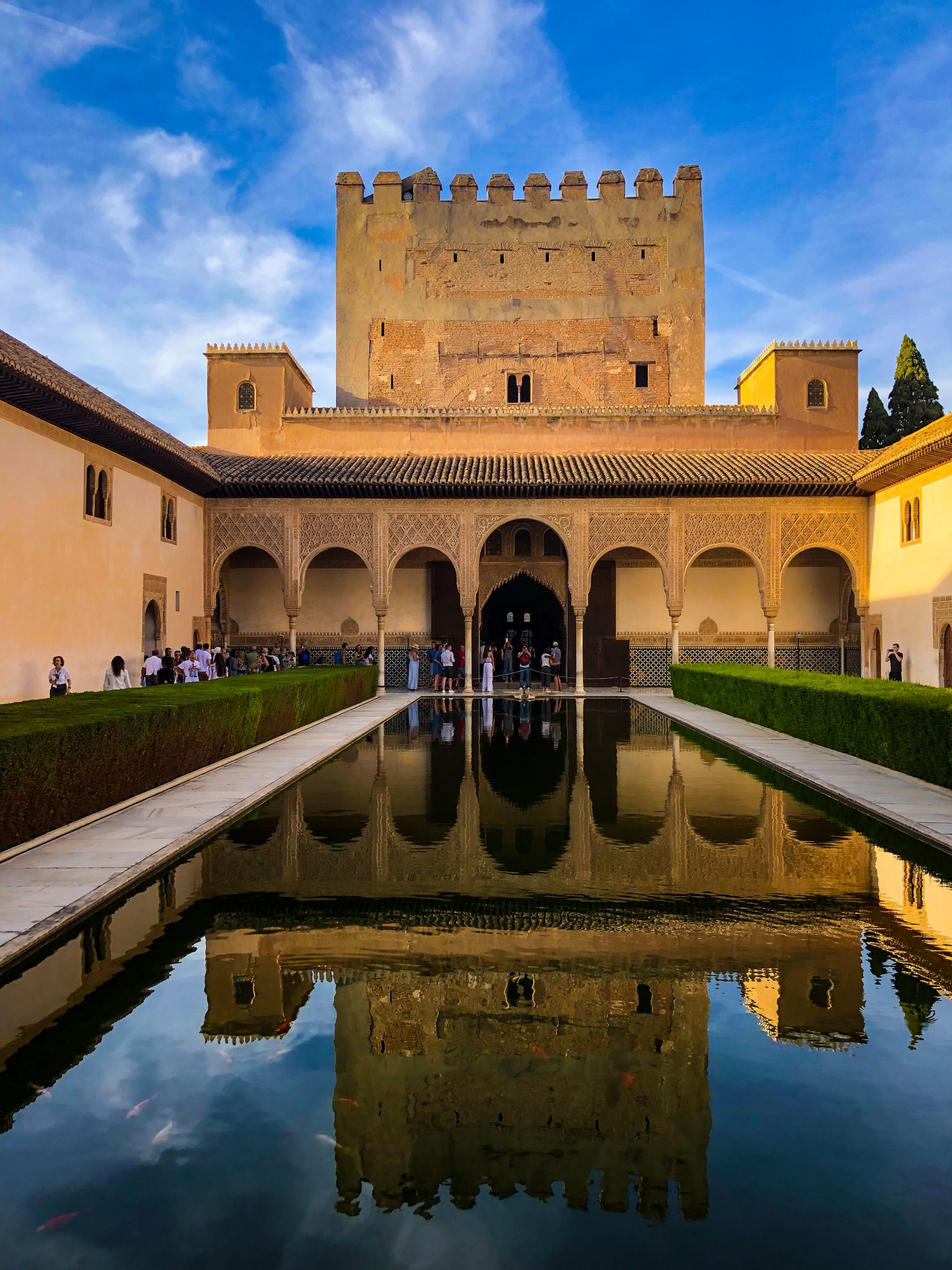
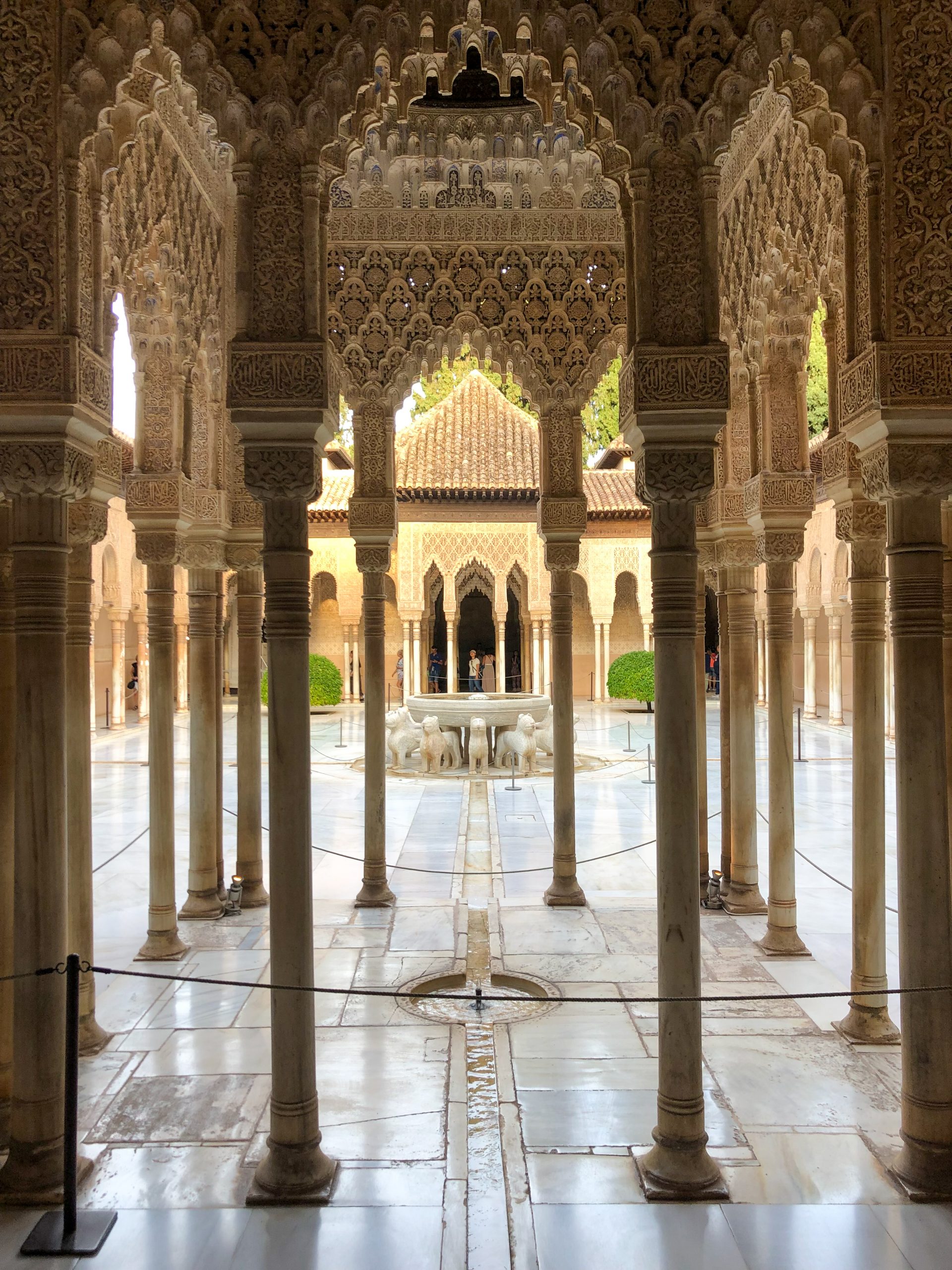
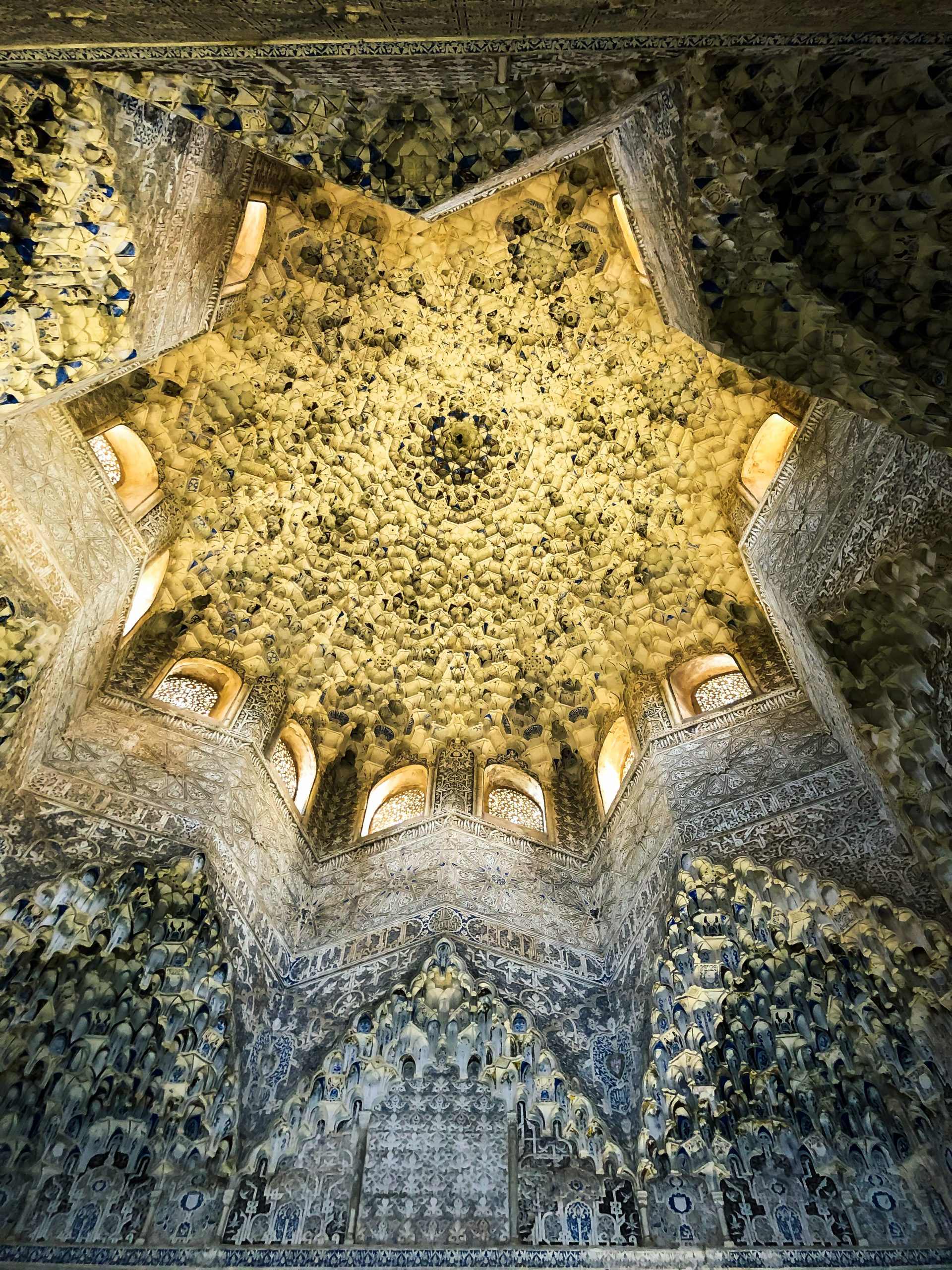
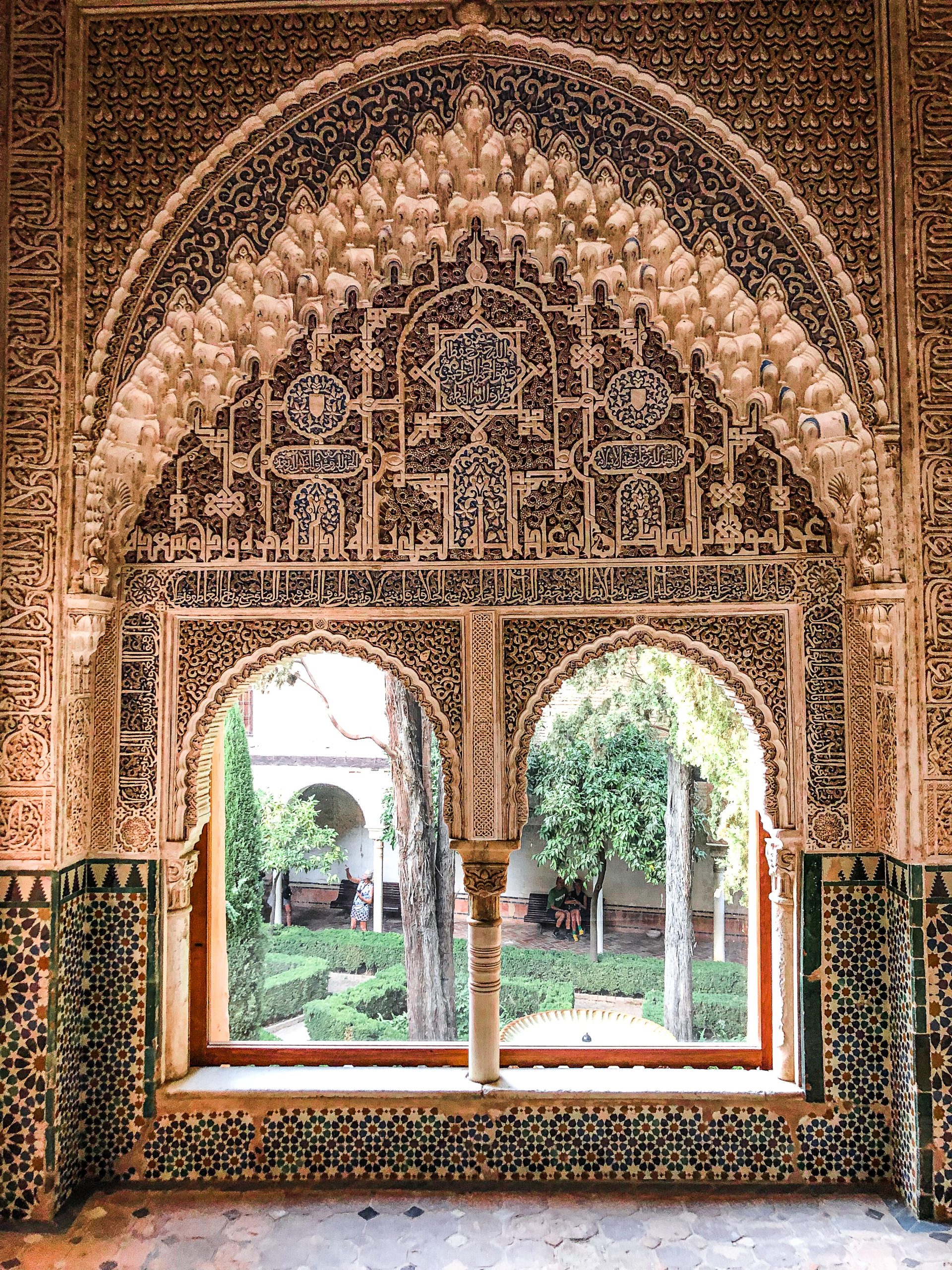
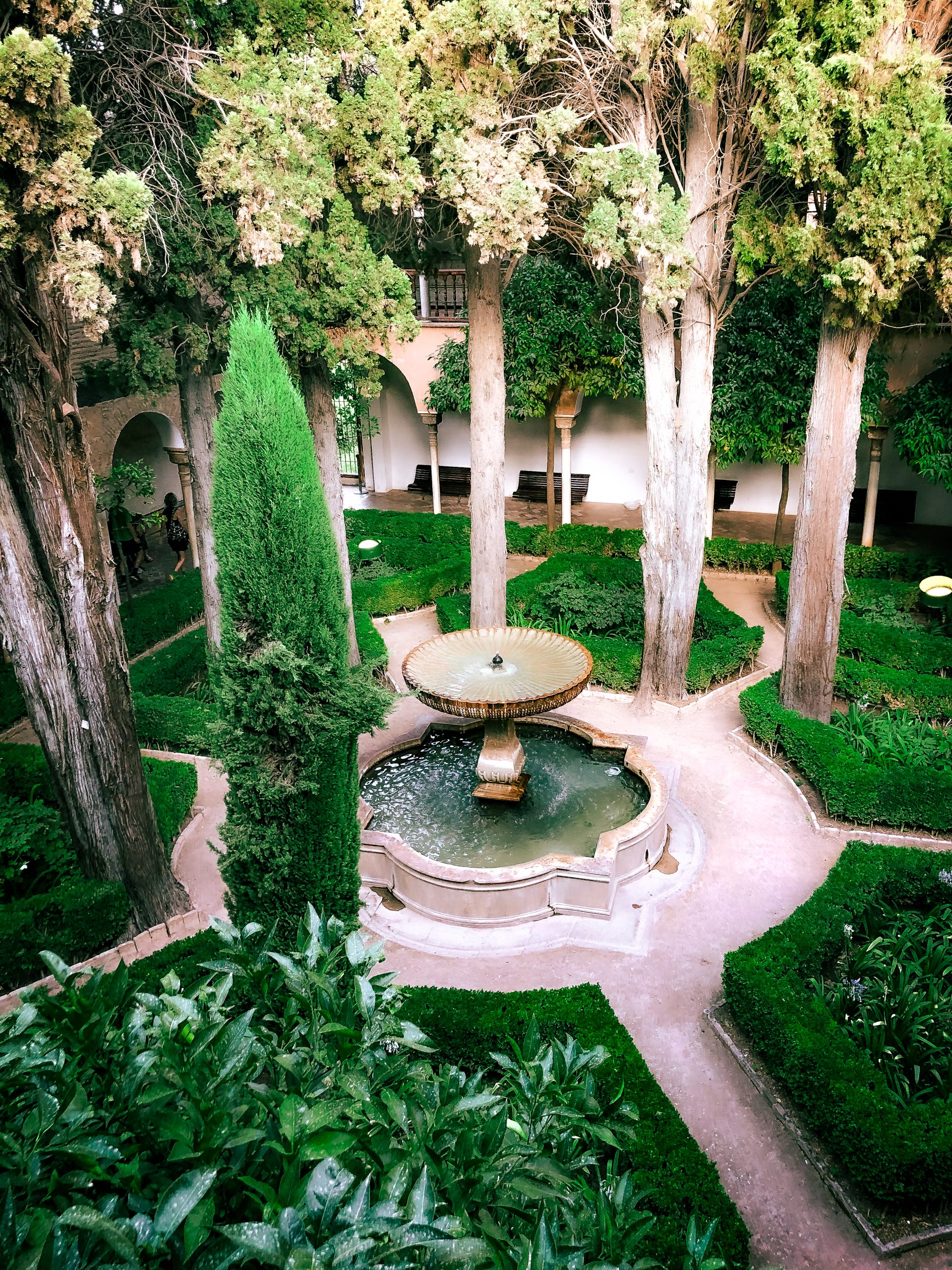
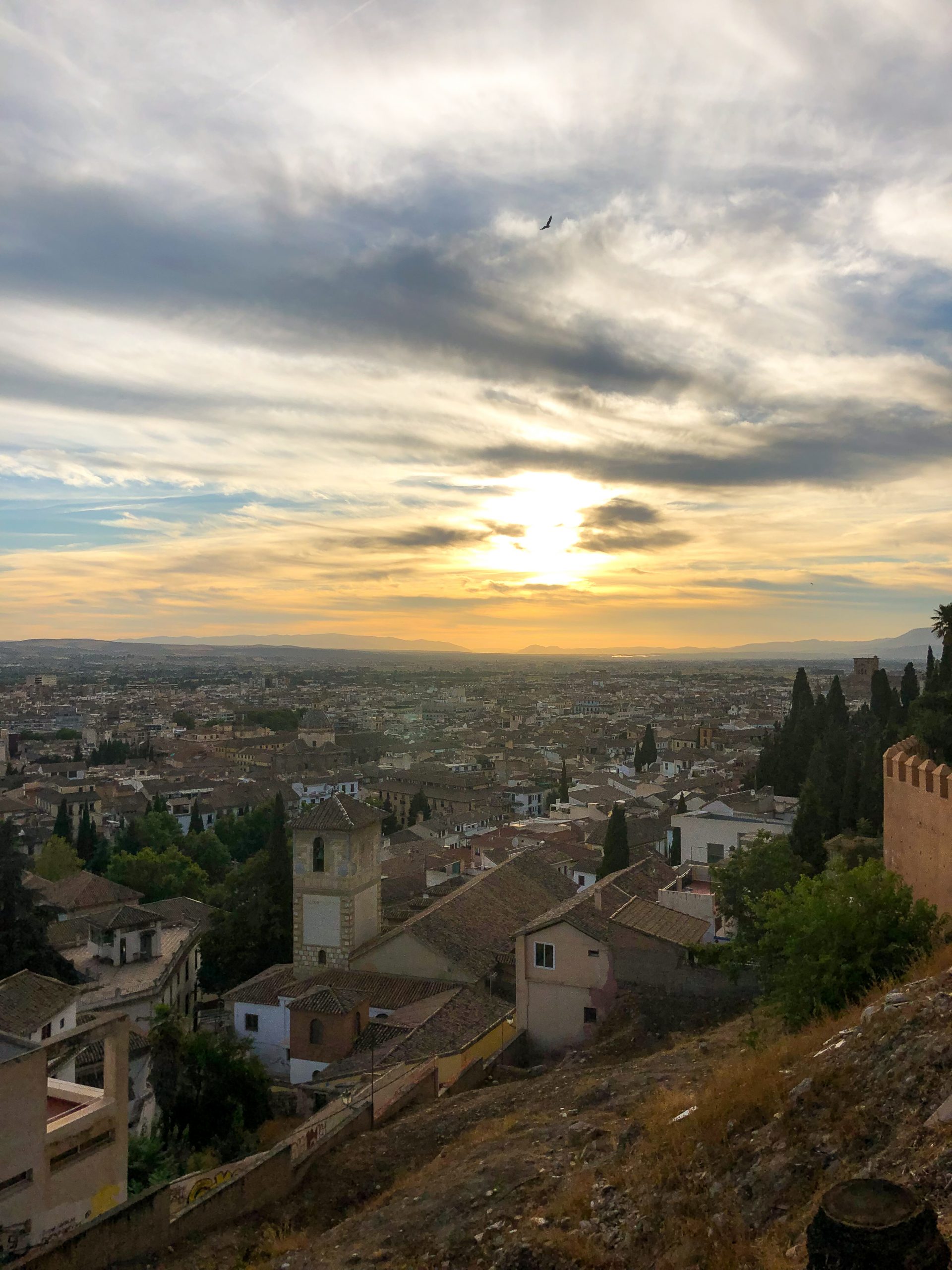
The Alhambra… an imposing palace and fortress complex, residence of the Moorish rulers, royal court of the Catholic Monarchs and nowadays UNESCO World heritage site…
It doesn’t matter if you admire it from the outside or exploring it from the inside, you will fall under its spell!
It is majestic, with beautiful and very well-preserved Islamic architecture and Spanish Renaissance monuments, including palaces, gardens, gates, fortresses, hammams, churches and (former) mosques.
Cordoba
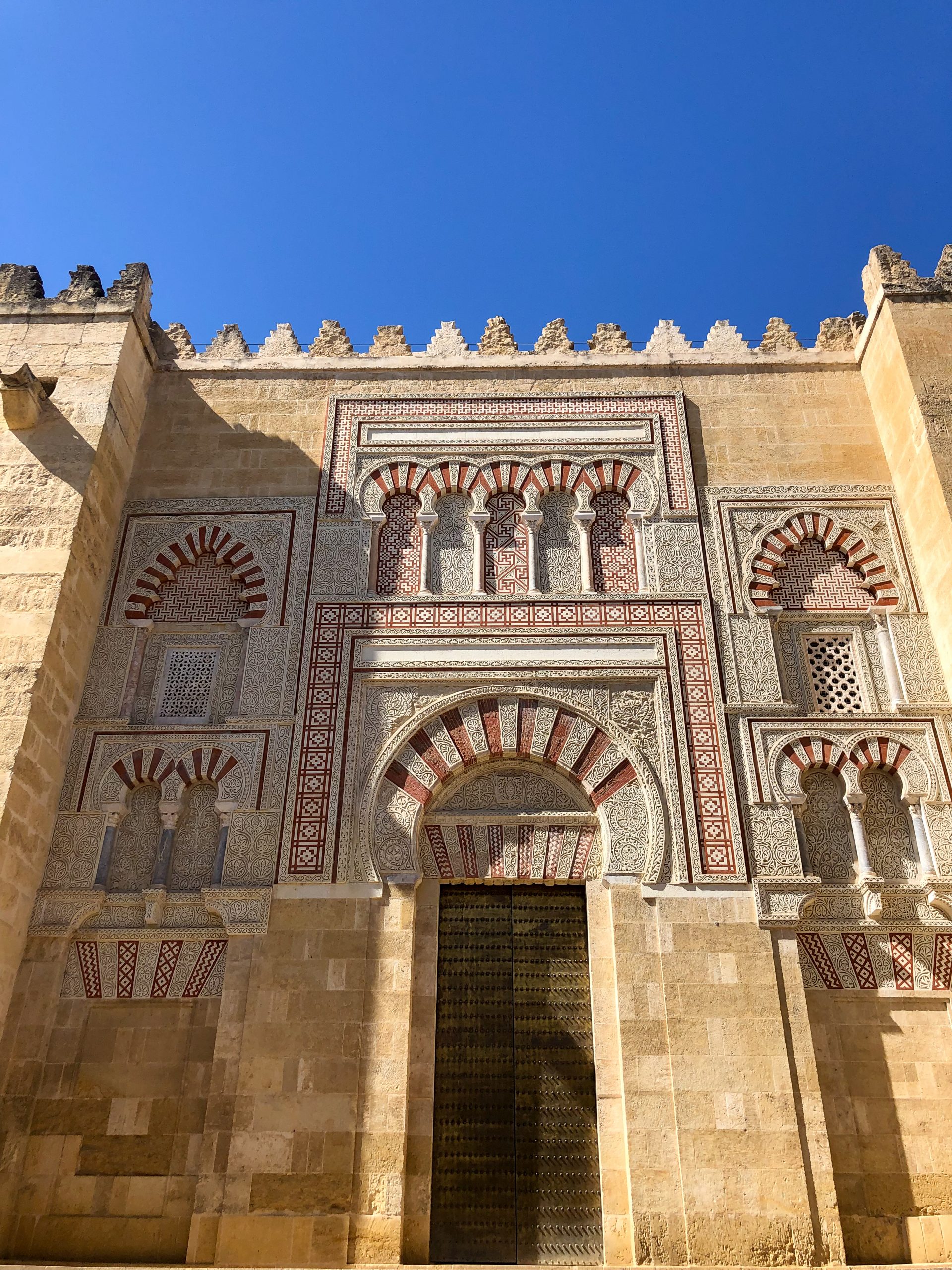
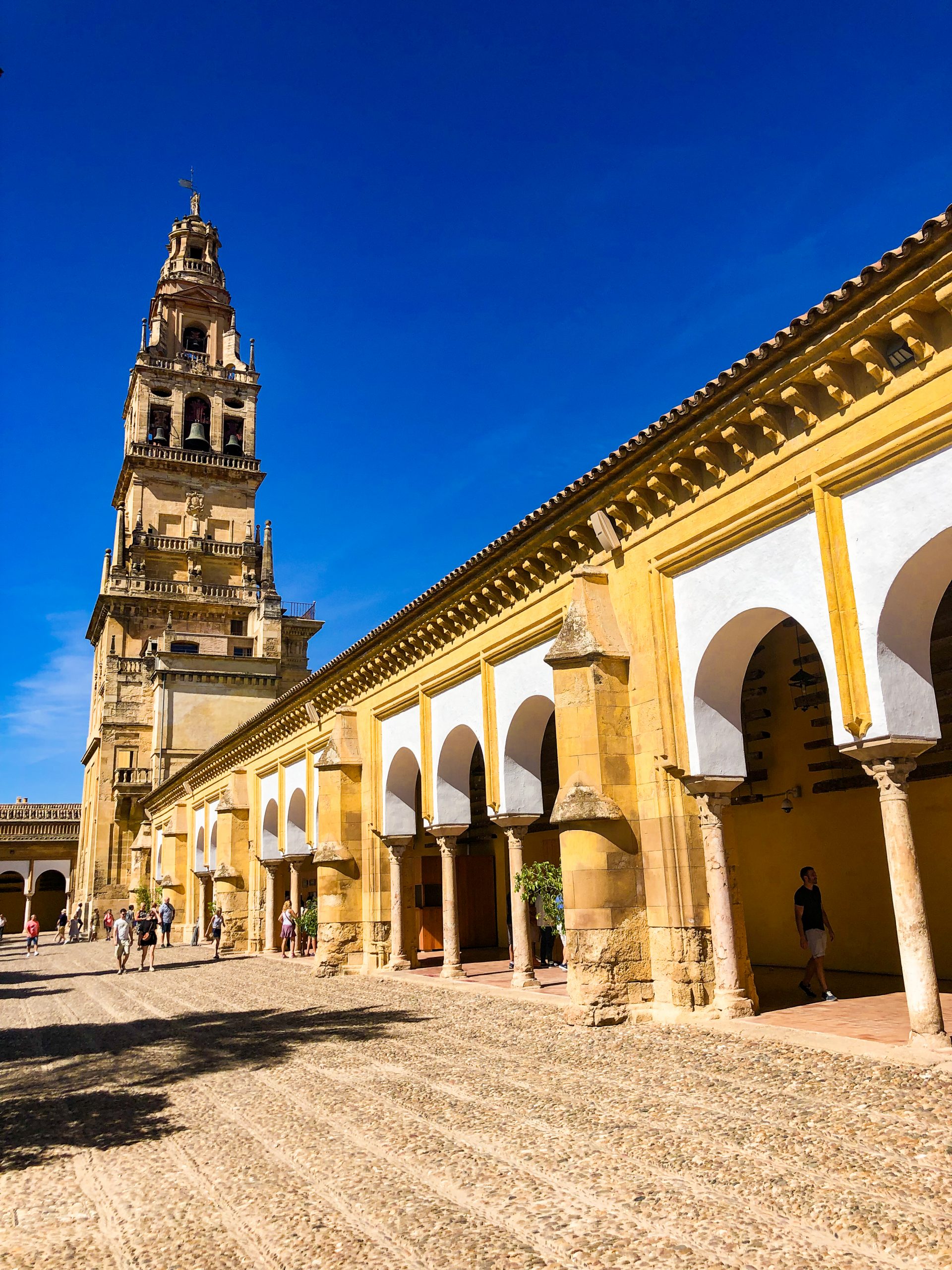
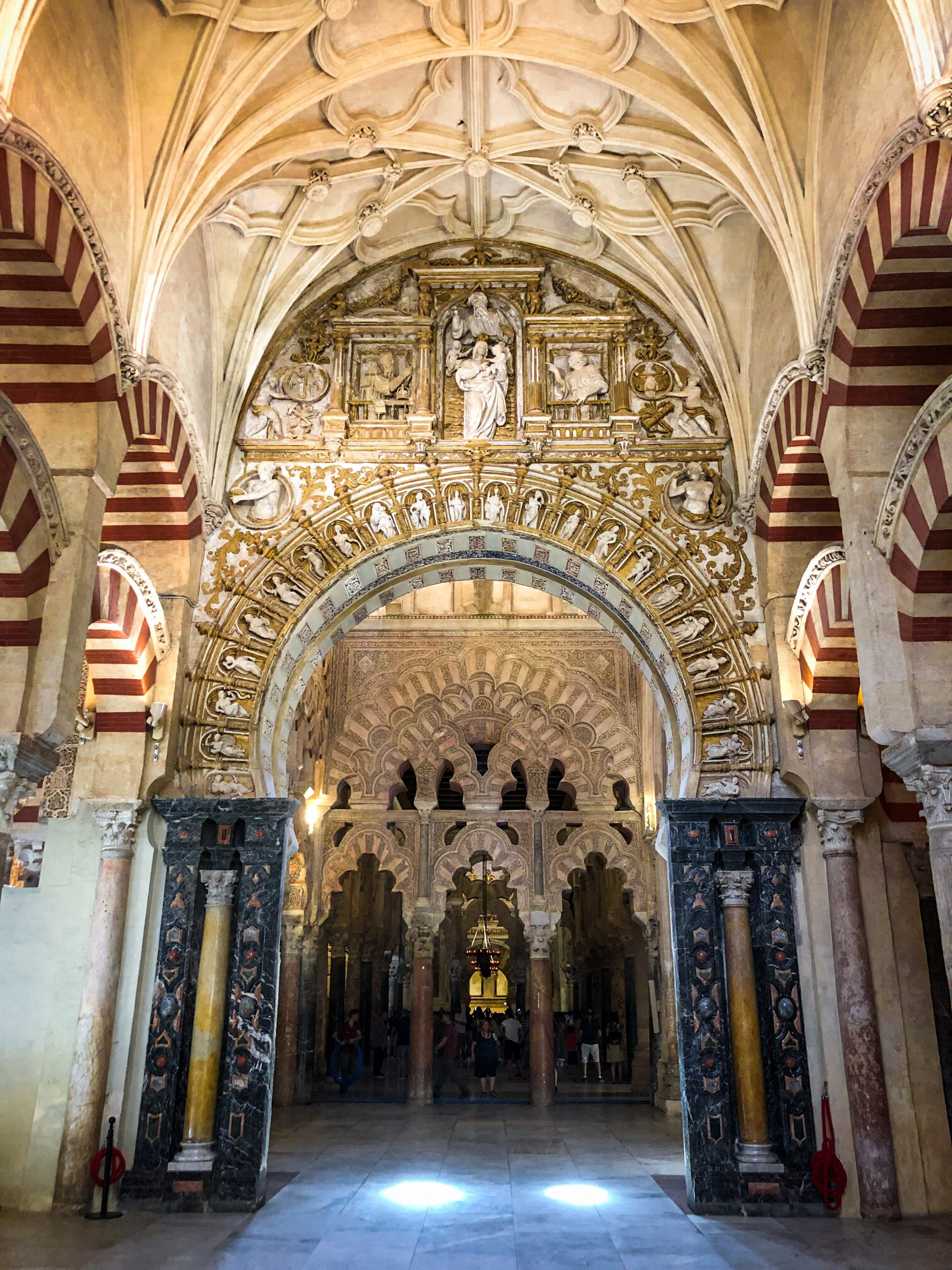
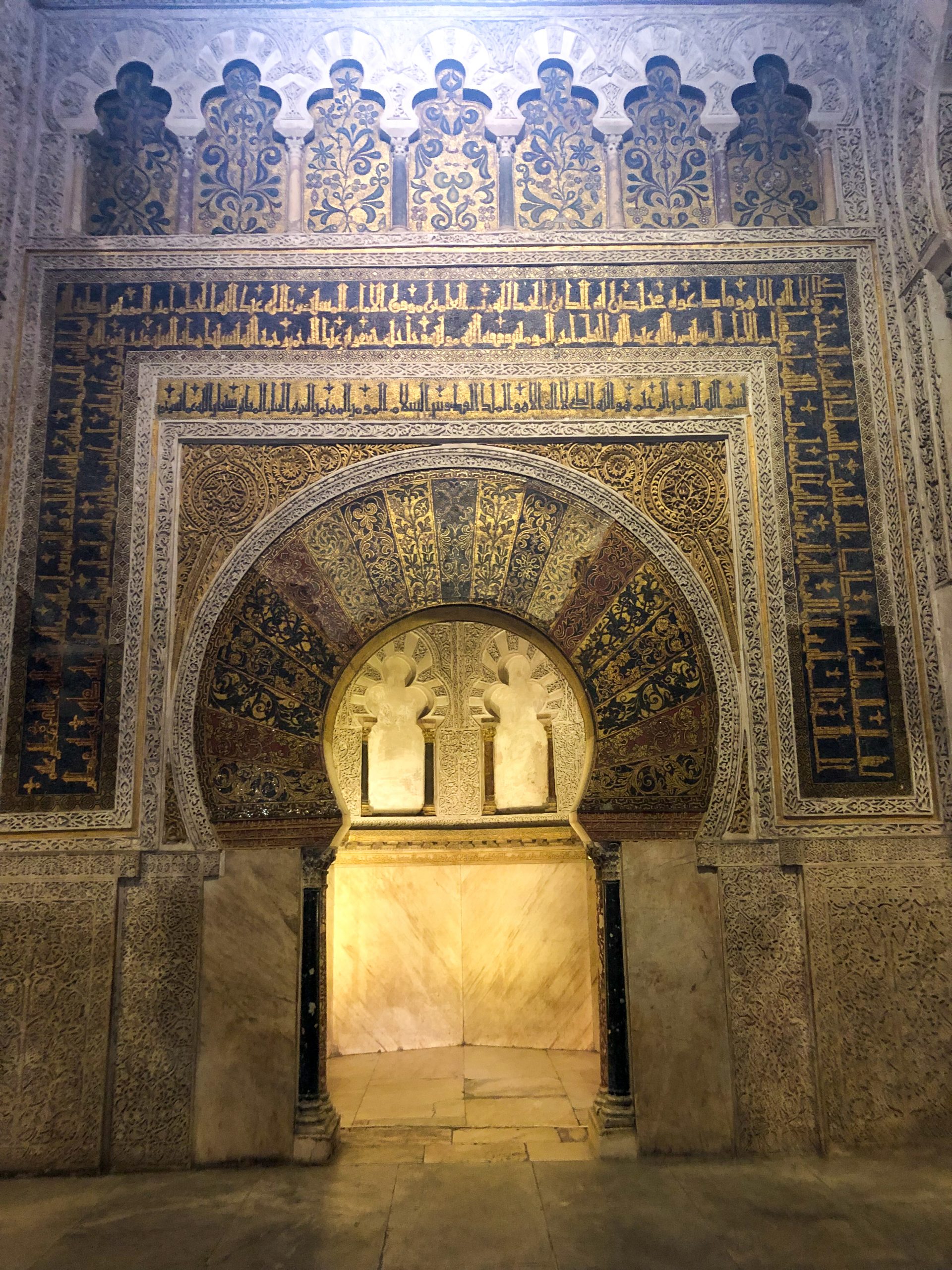
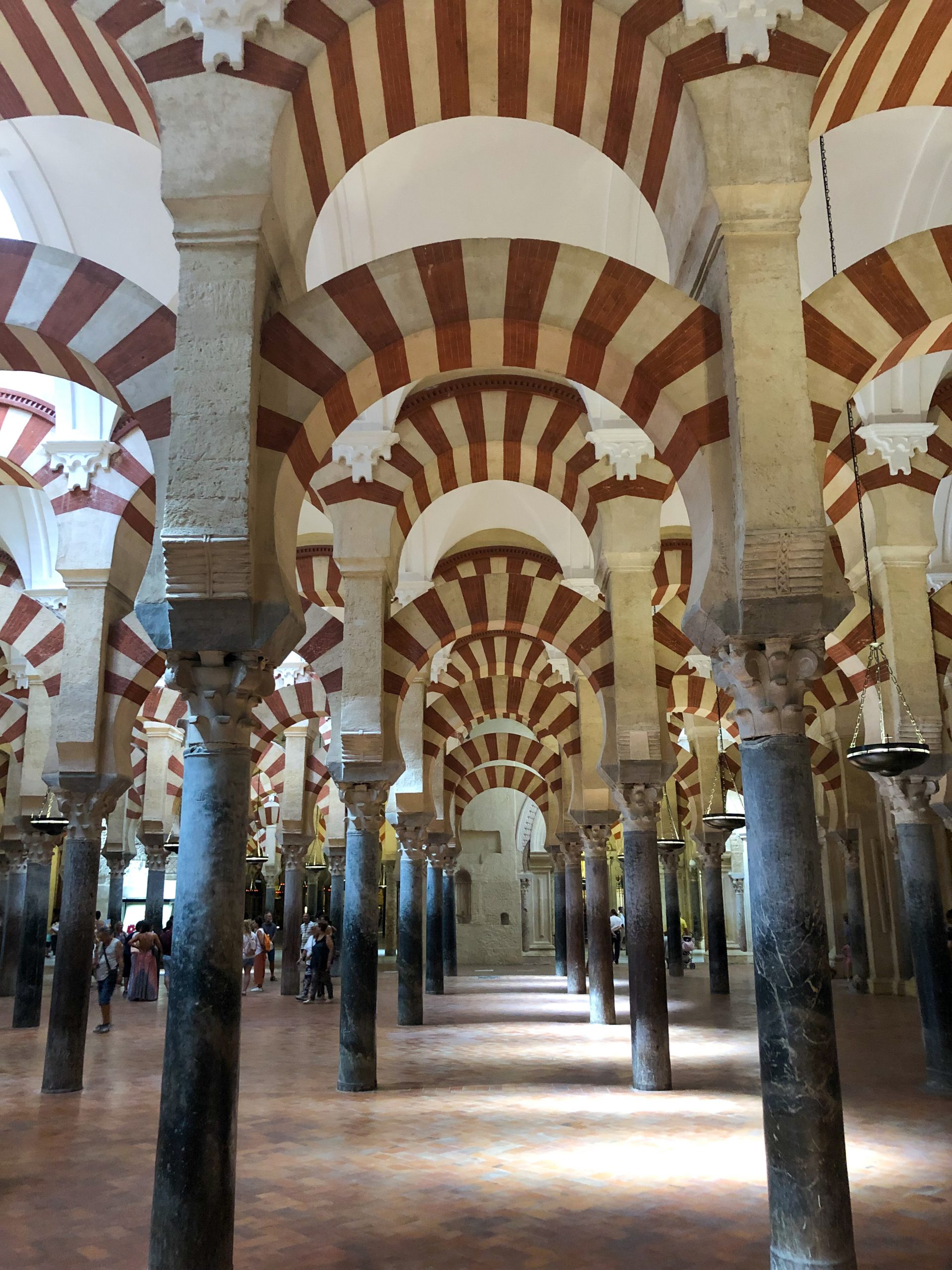
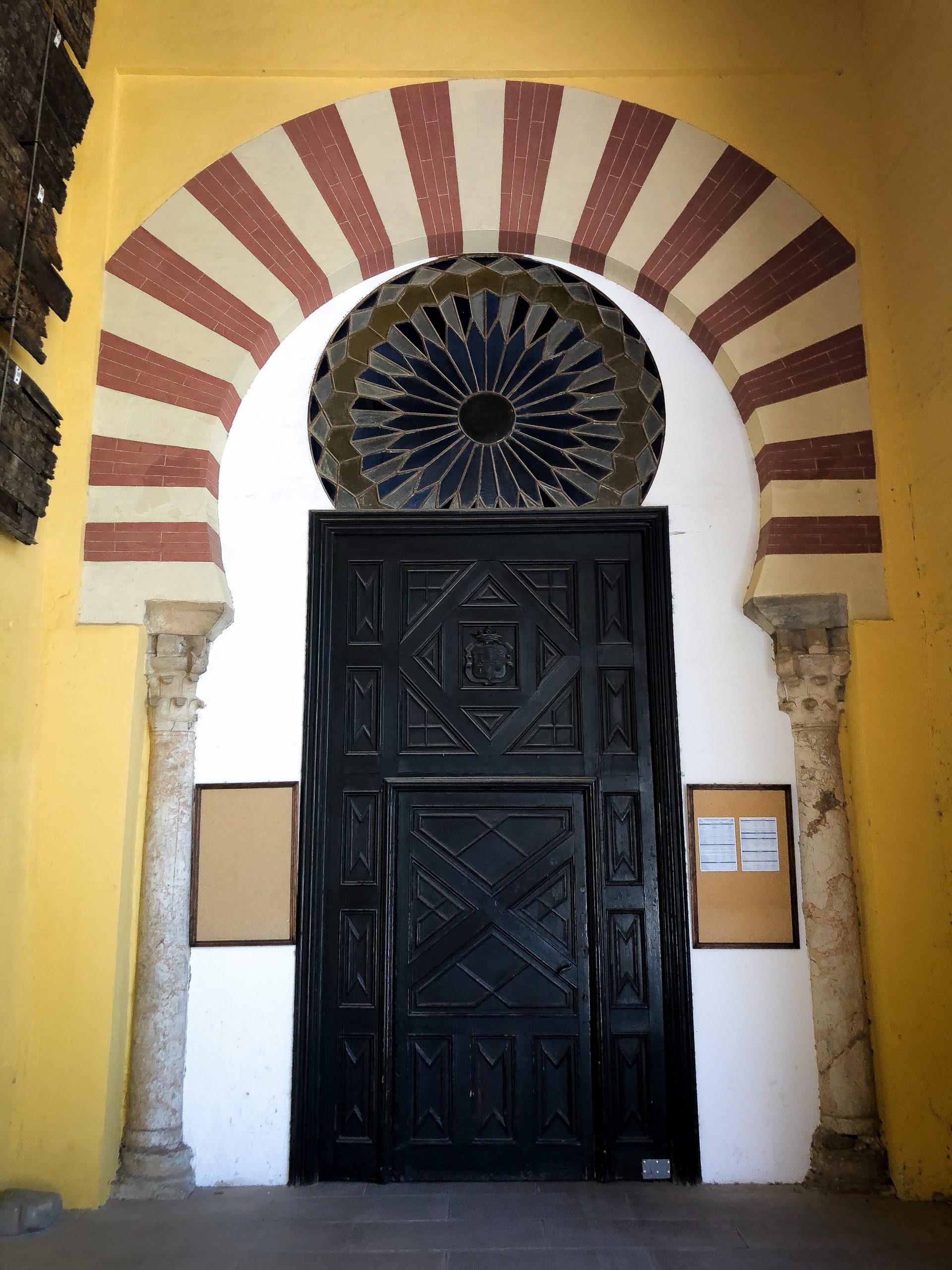
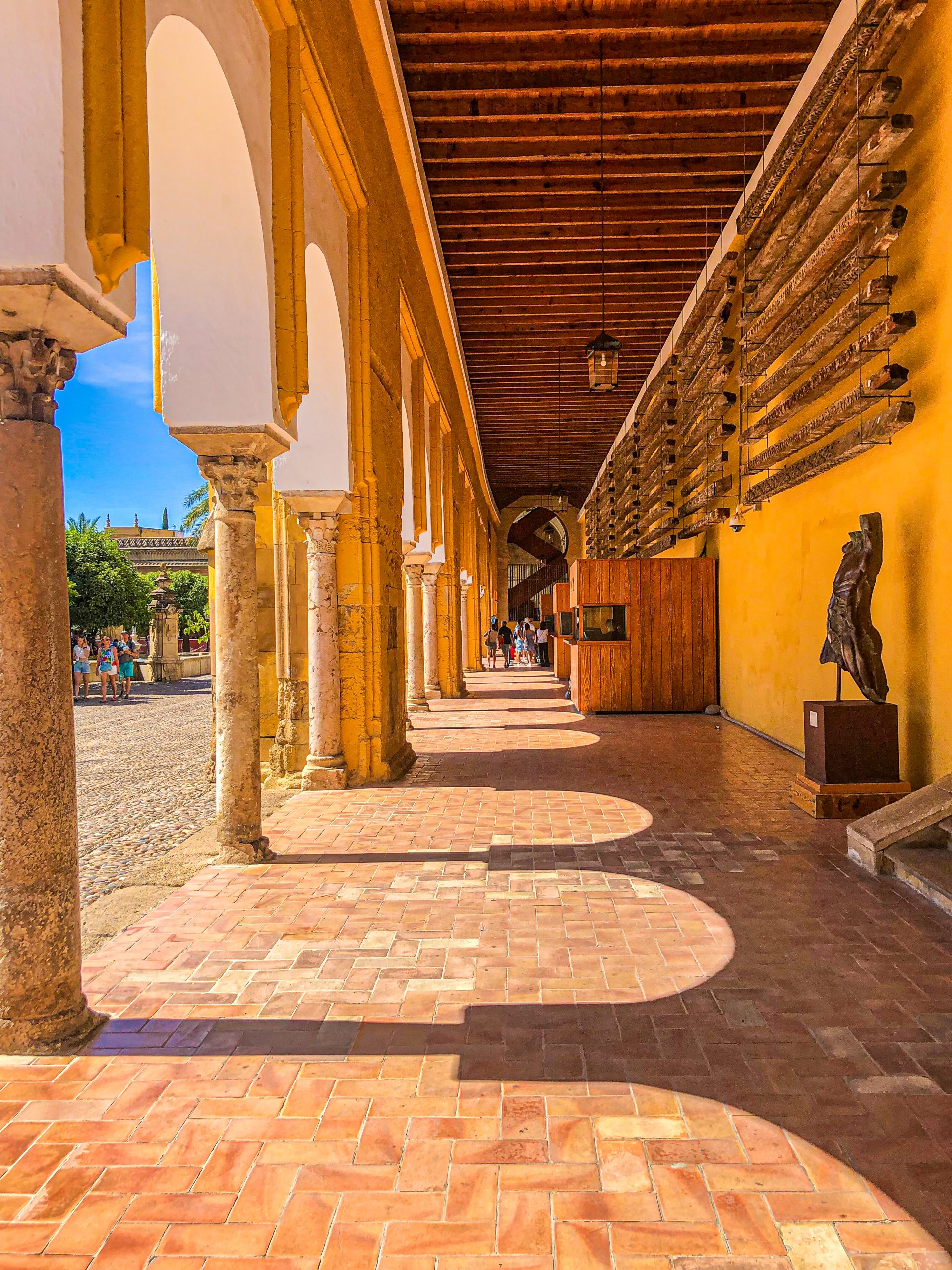
The Mosque-Cathedral of Cordoba can truly be considered the Hagia Sofia of Andalusia! However, its origins lay in a Visigoth basilica from the 6th century, on the ruins of which the original mosque was built in the 8th century.
The mosque was enlarged by the rulers of the Caliphate several times during the next centuries.
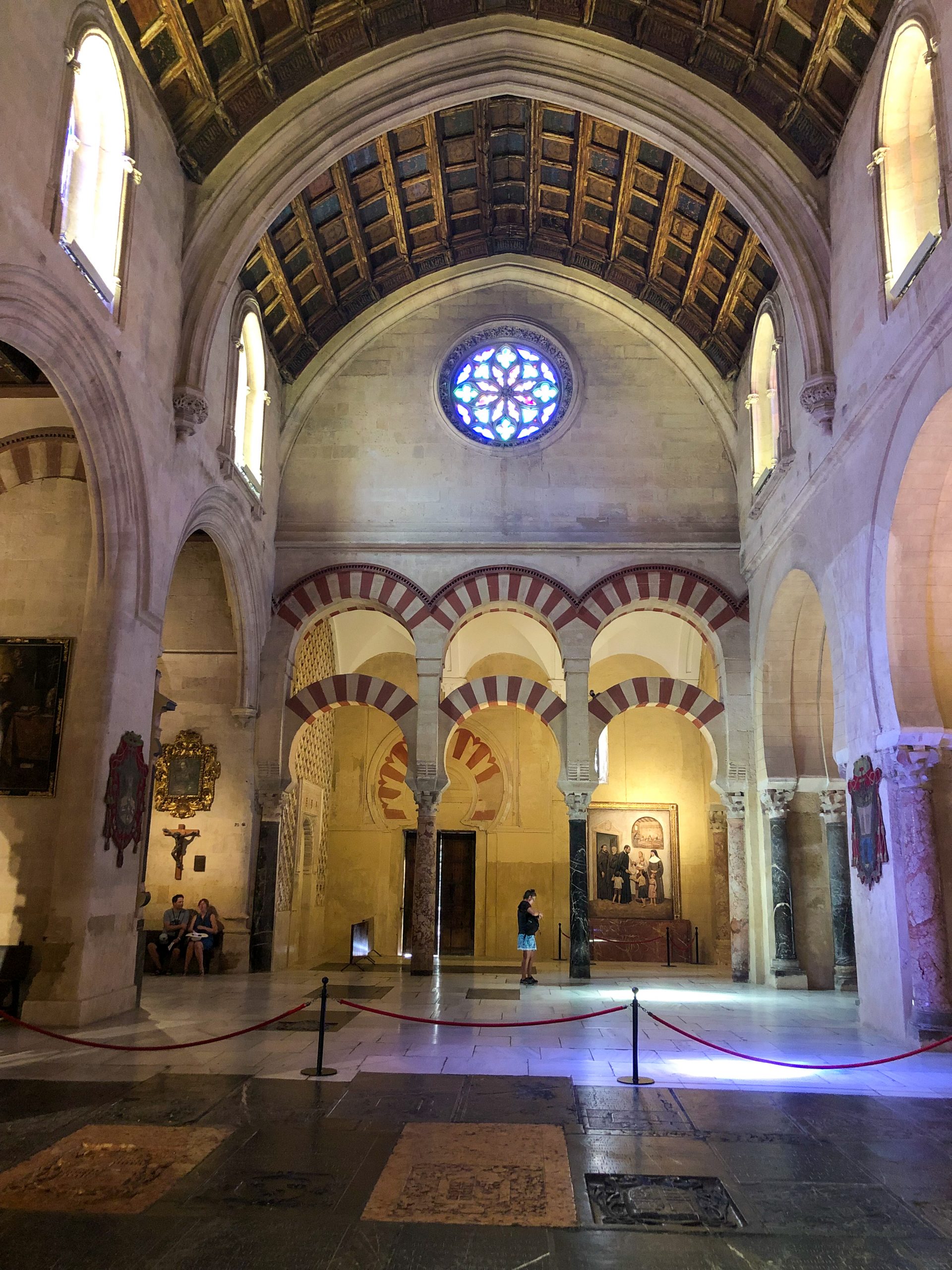
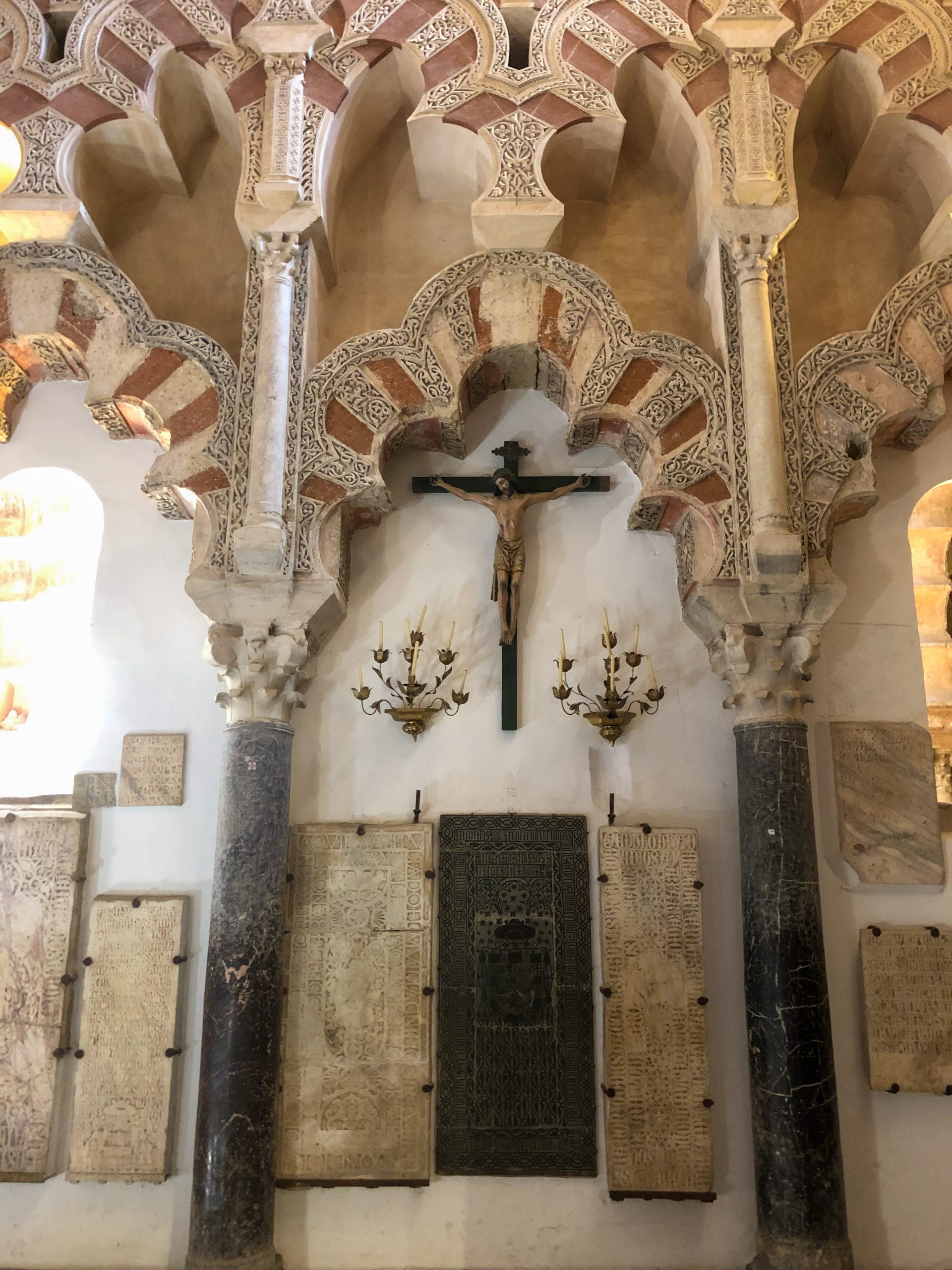
With the conquest of Cordoba by the Christians in the 12th century, it was turned into a church again.
Since the 19th century, it is considered a national monument and restoration specially to highlight the Islamic heritage. Today is an UNESCO „Site of Outstanding Universal Value“.
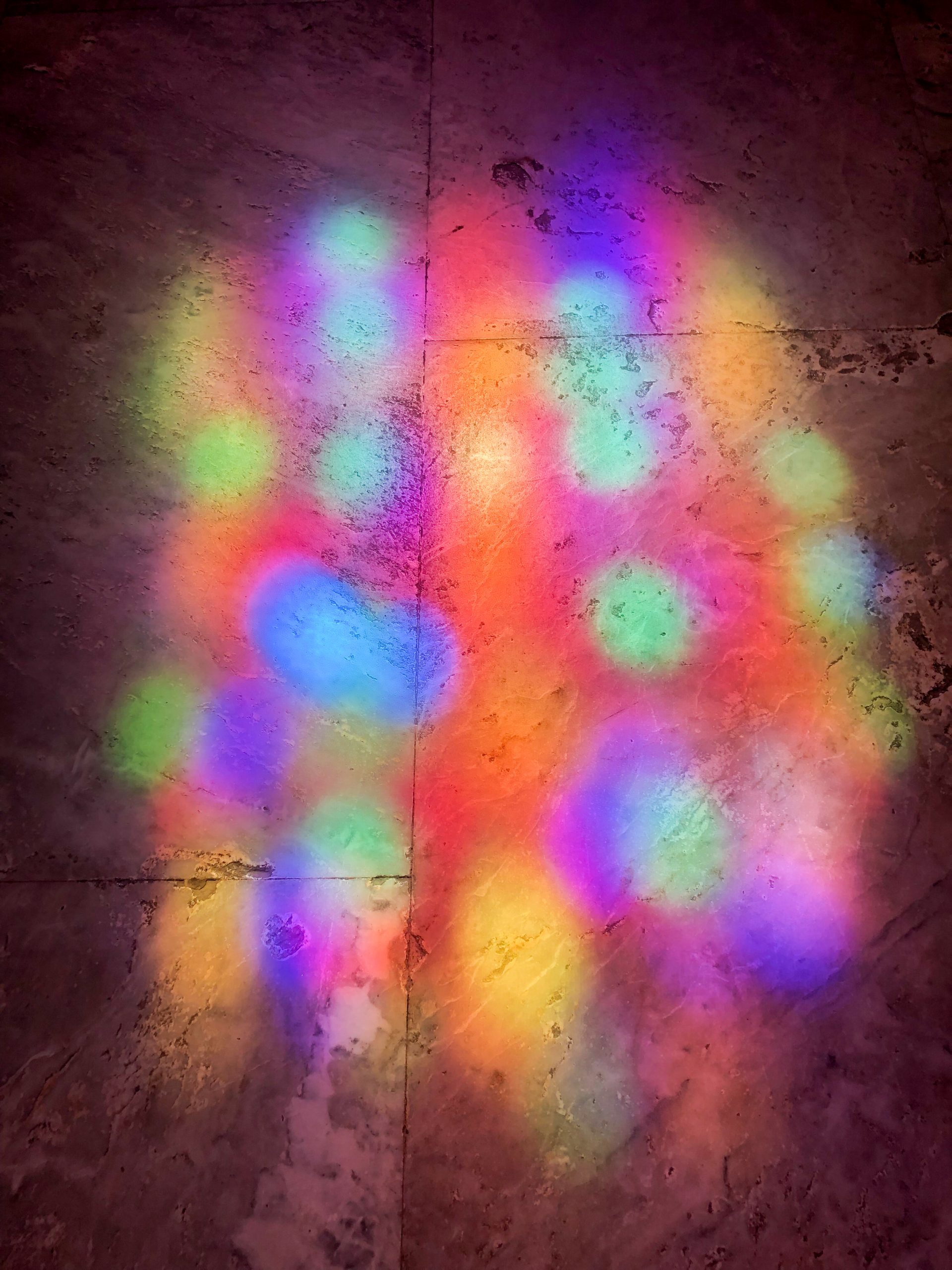
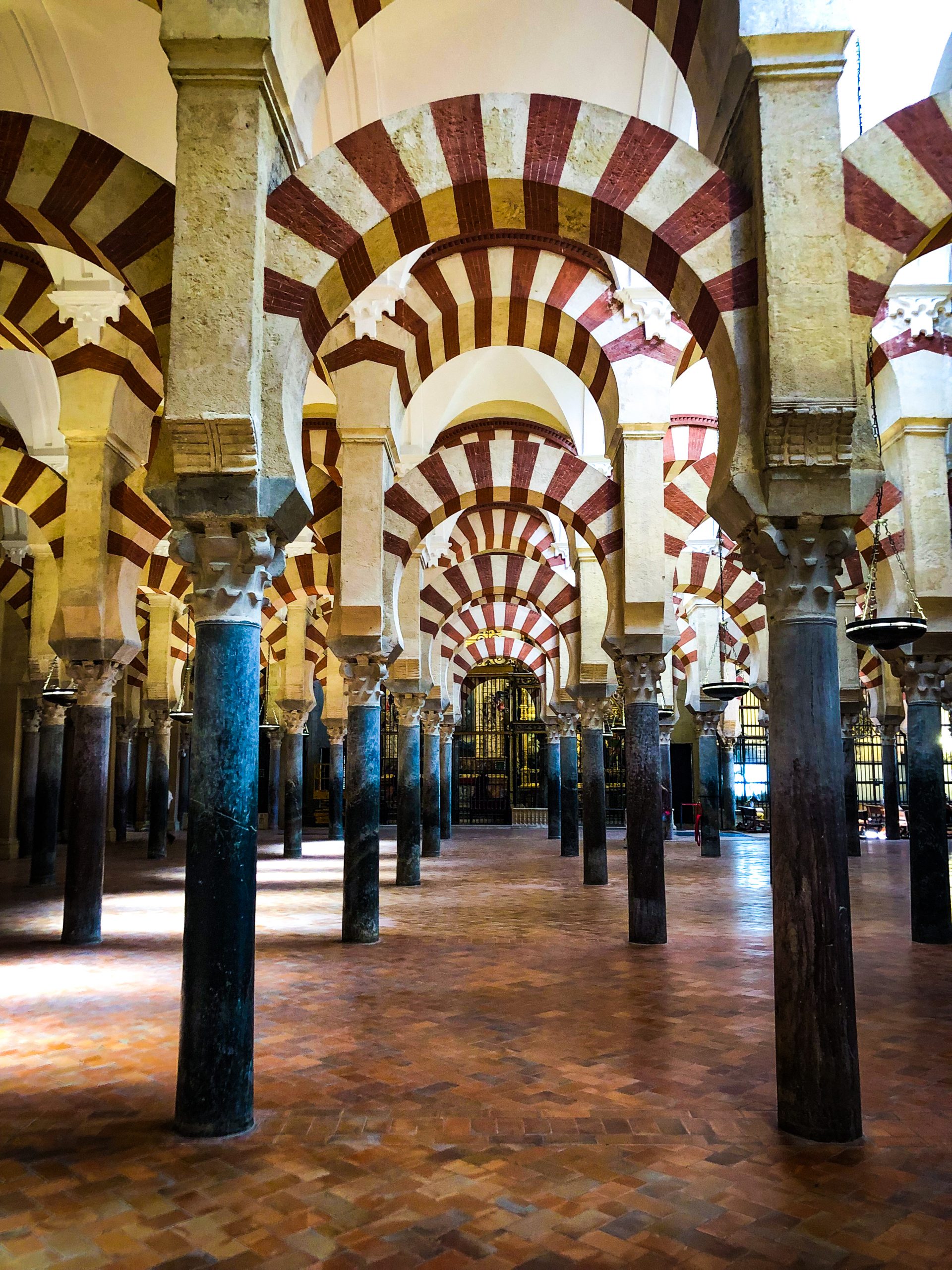
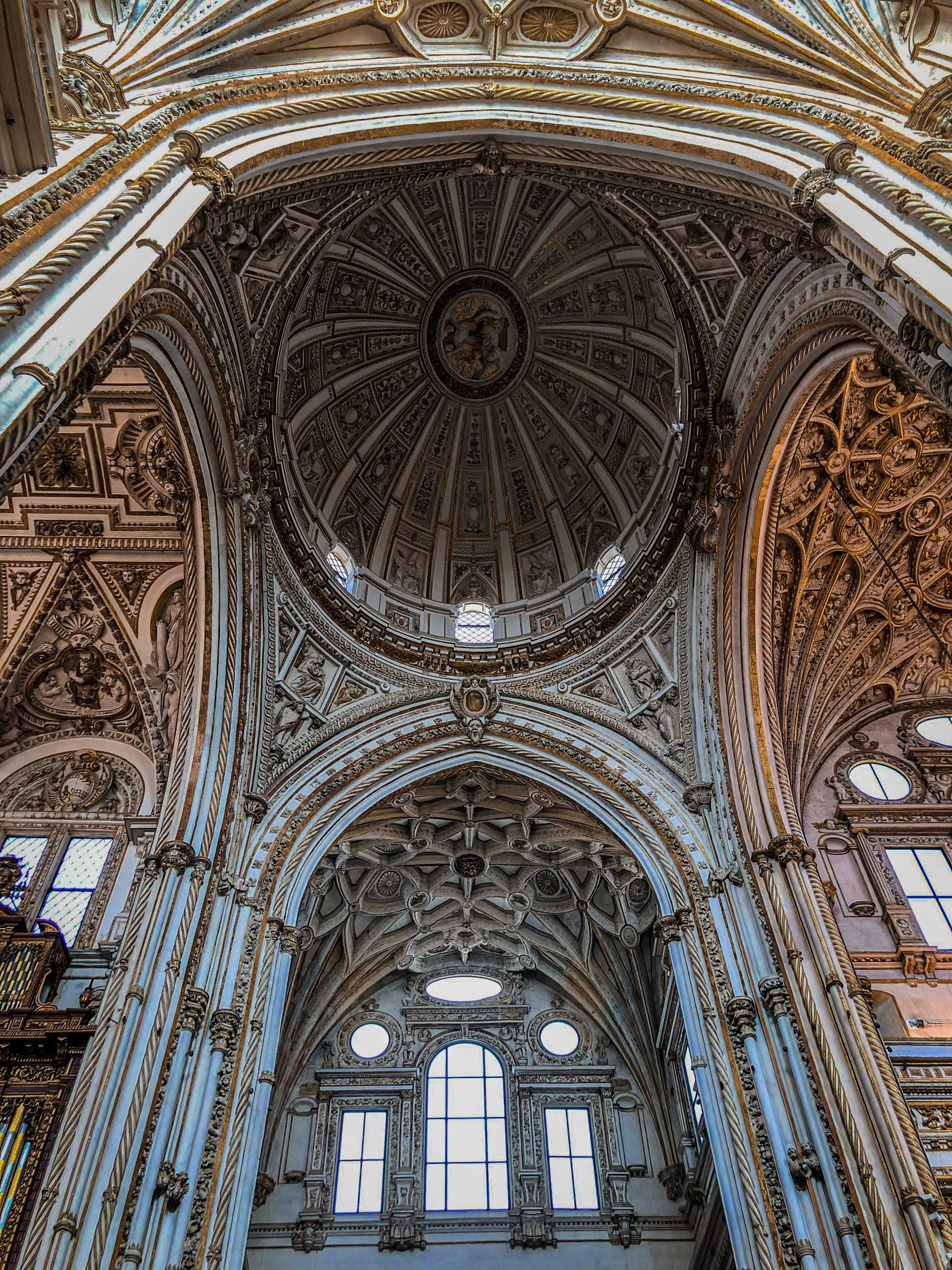
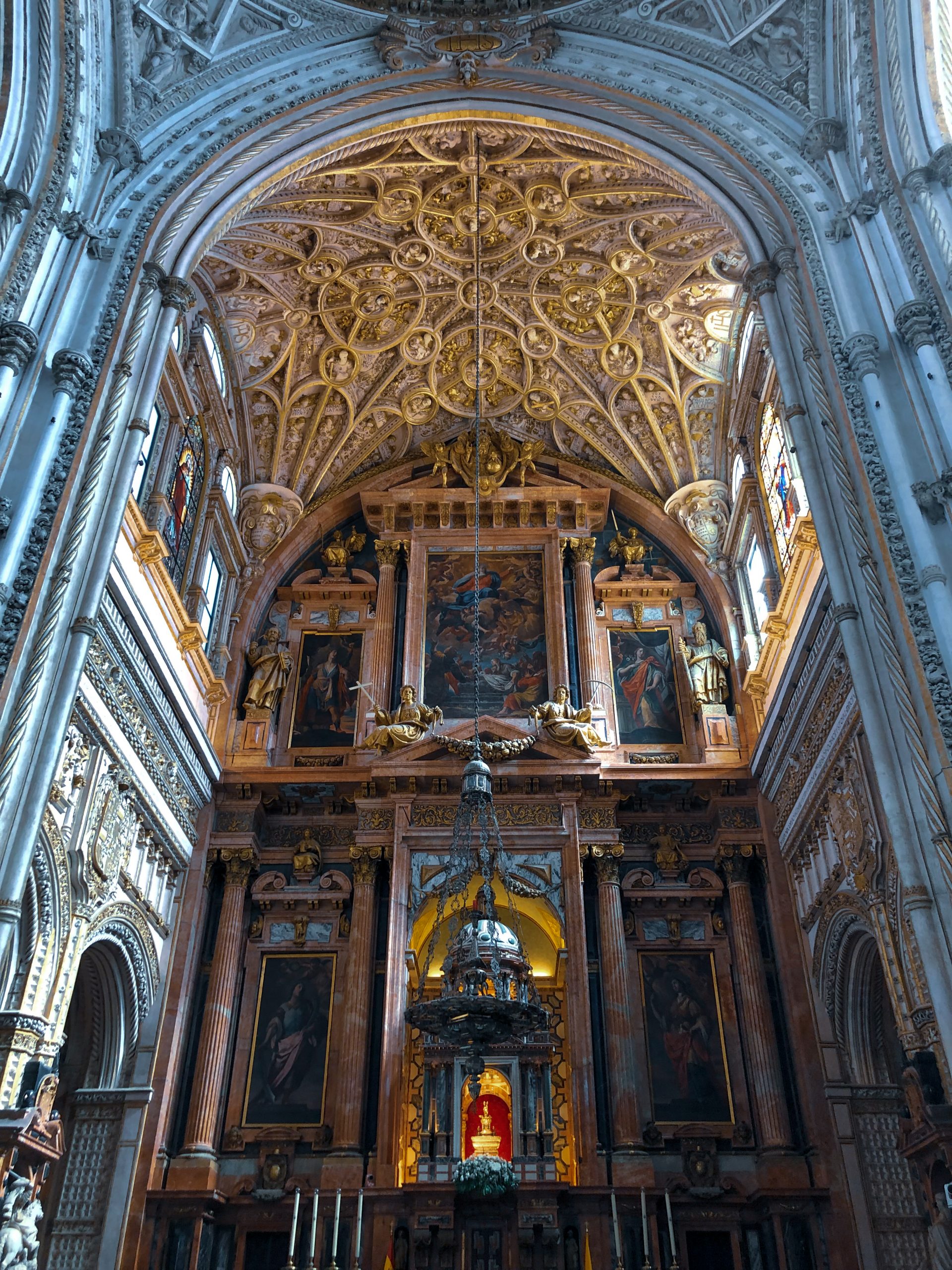
The monument impresses by its size (23.000 square meters!), harmonic combination of different architectural styles, the „forest“ of columns, its domes, the splendid mihrab (Islamic praying niche) and .
Medina Azahara
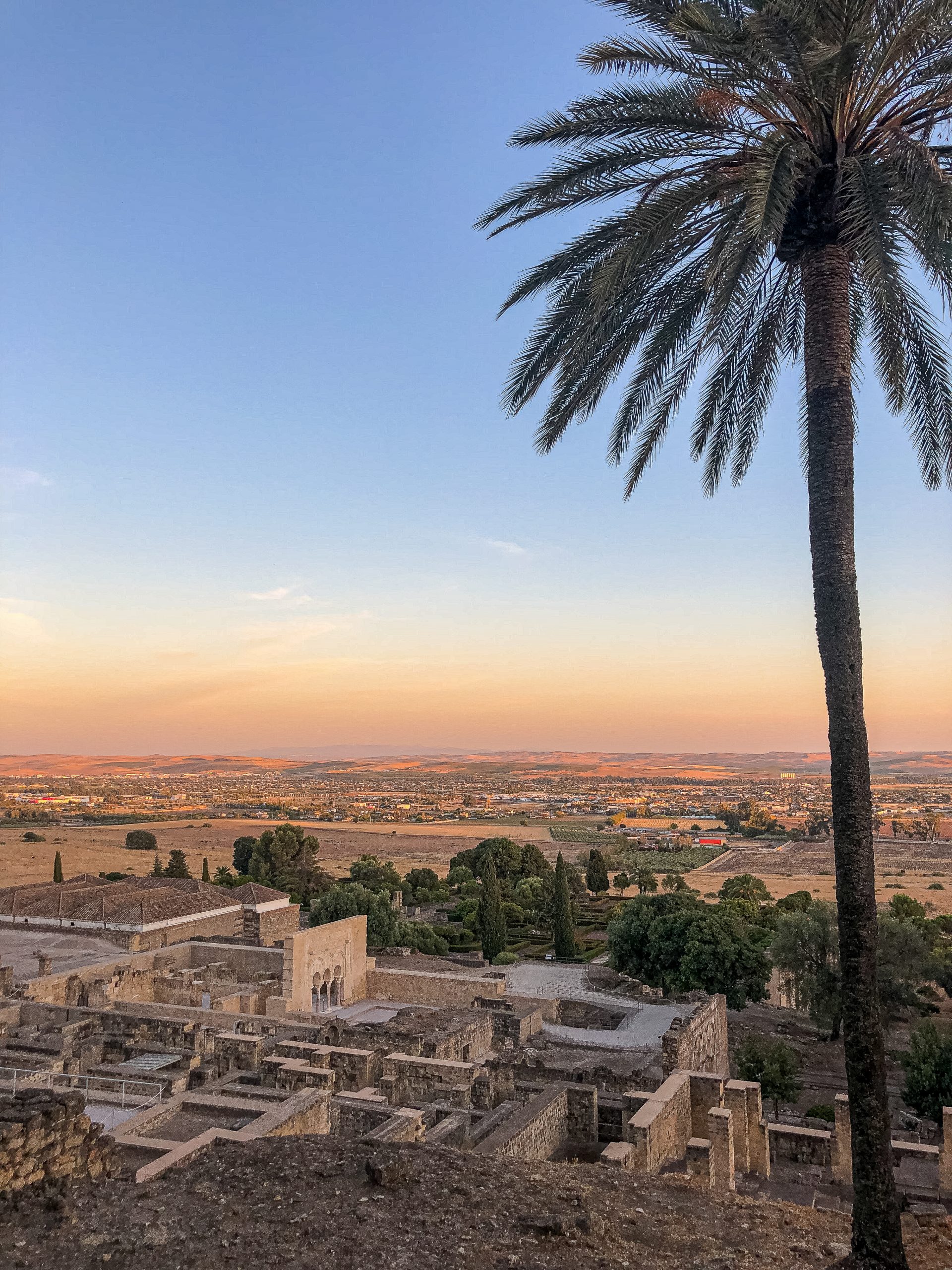
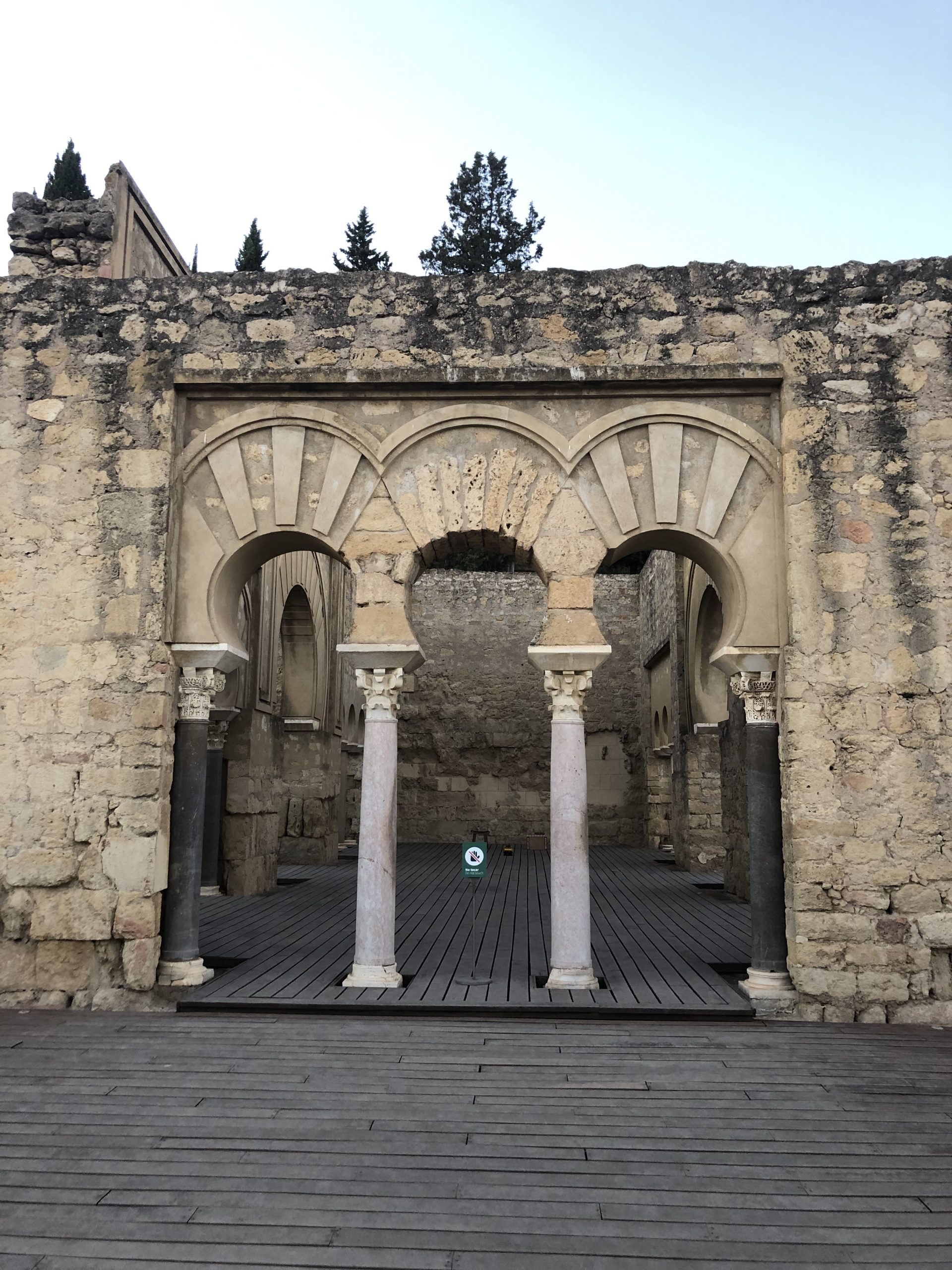
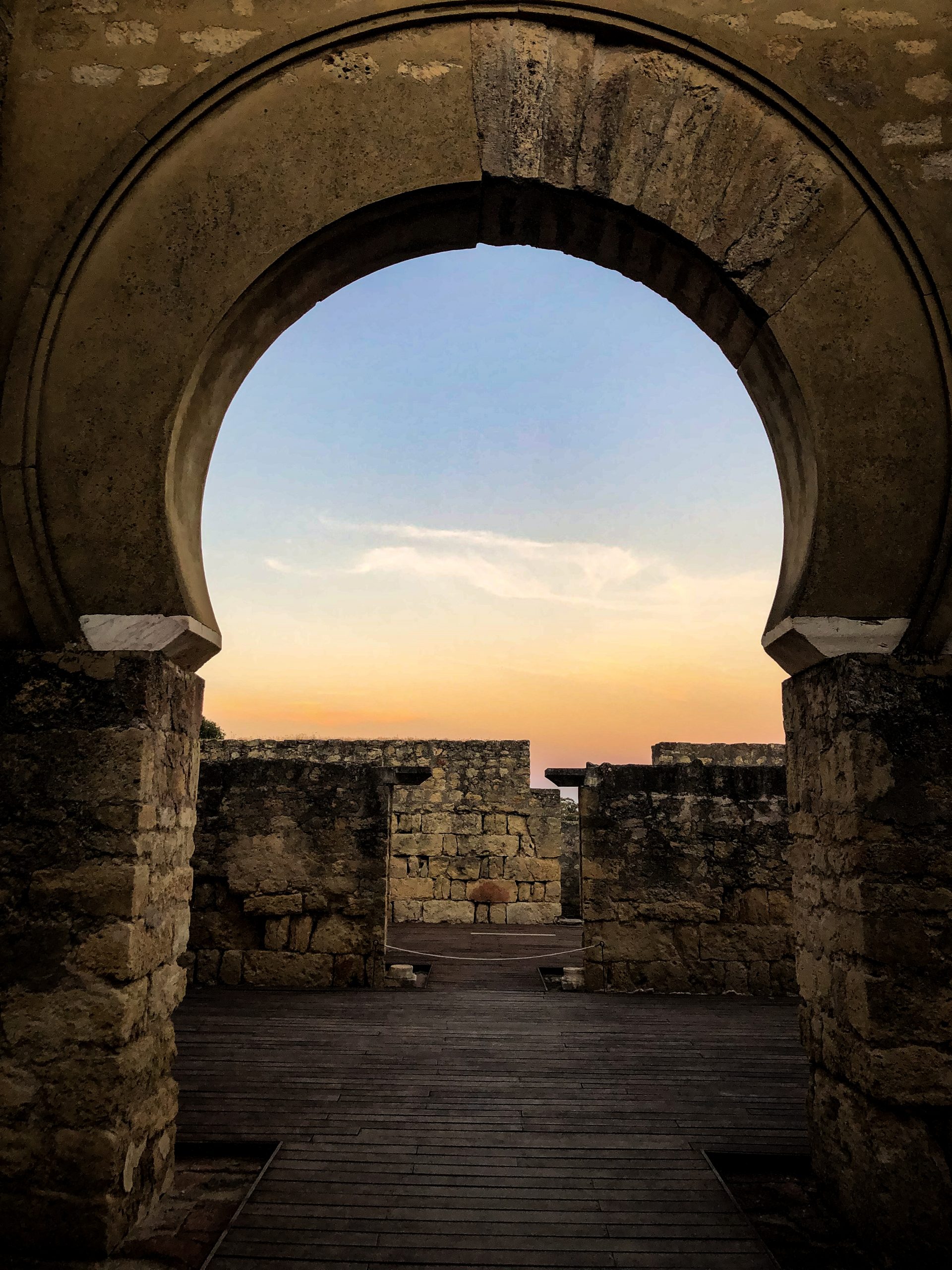
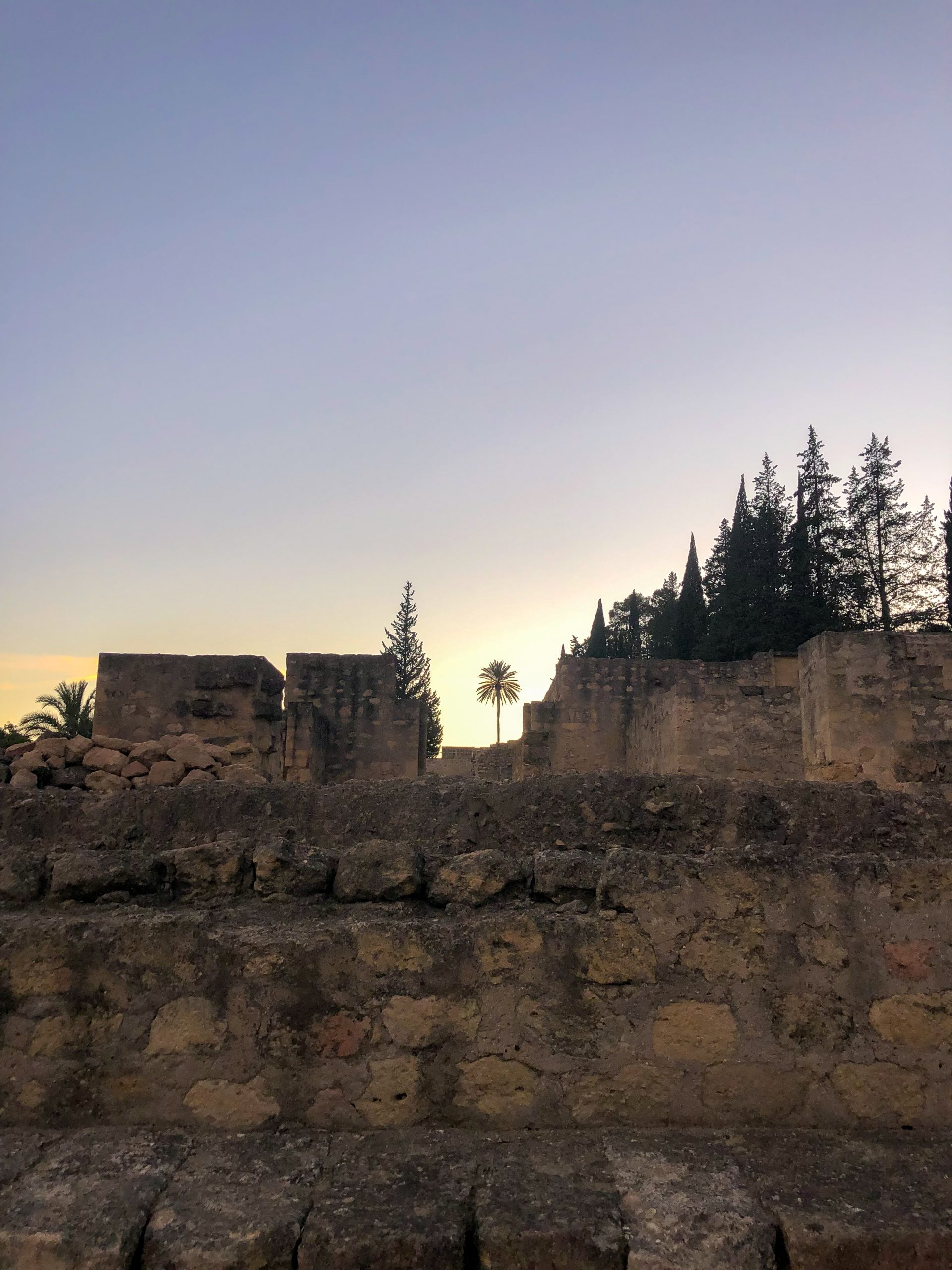
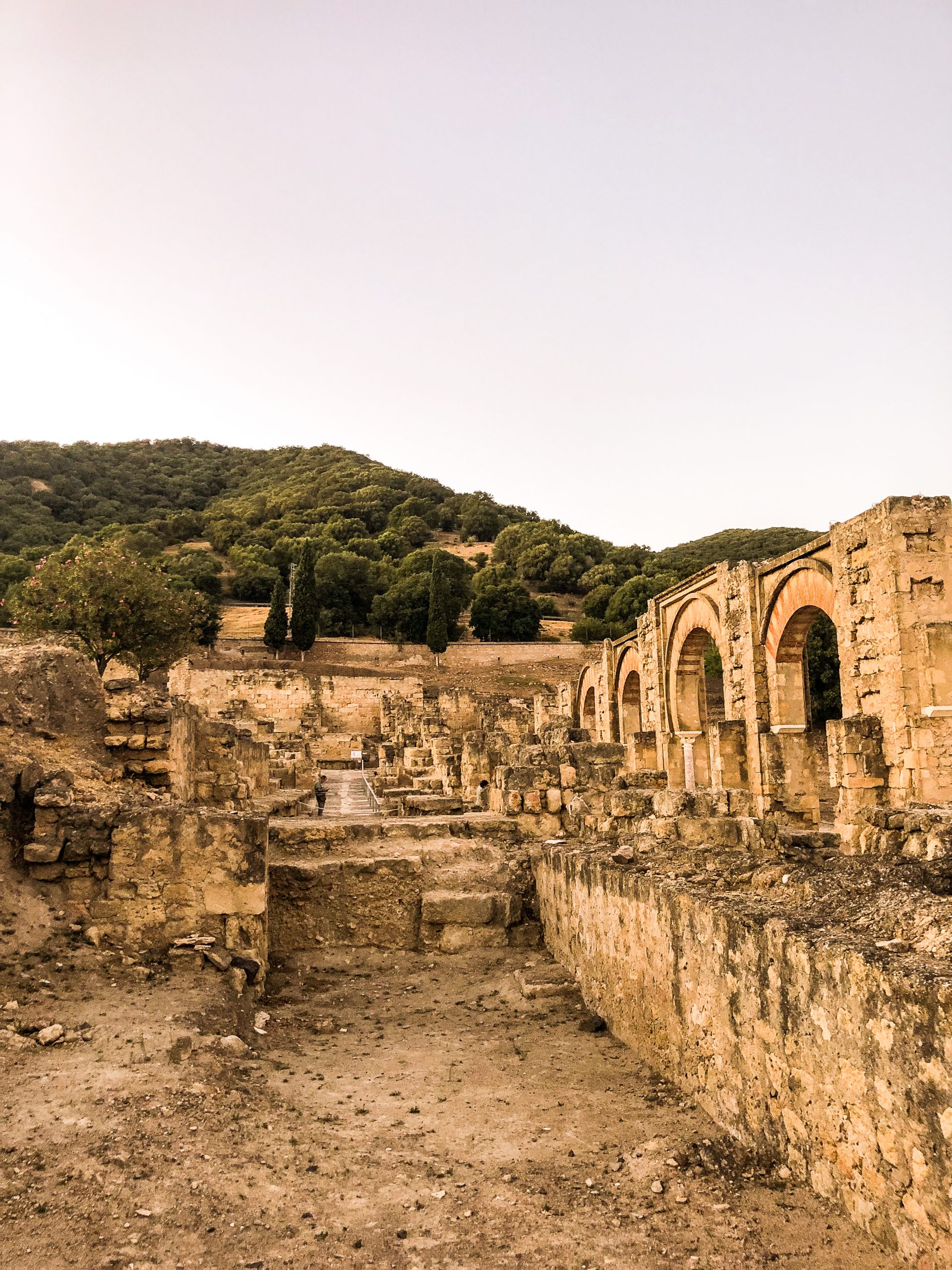
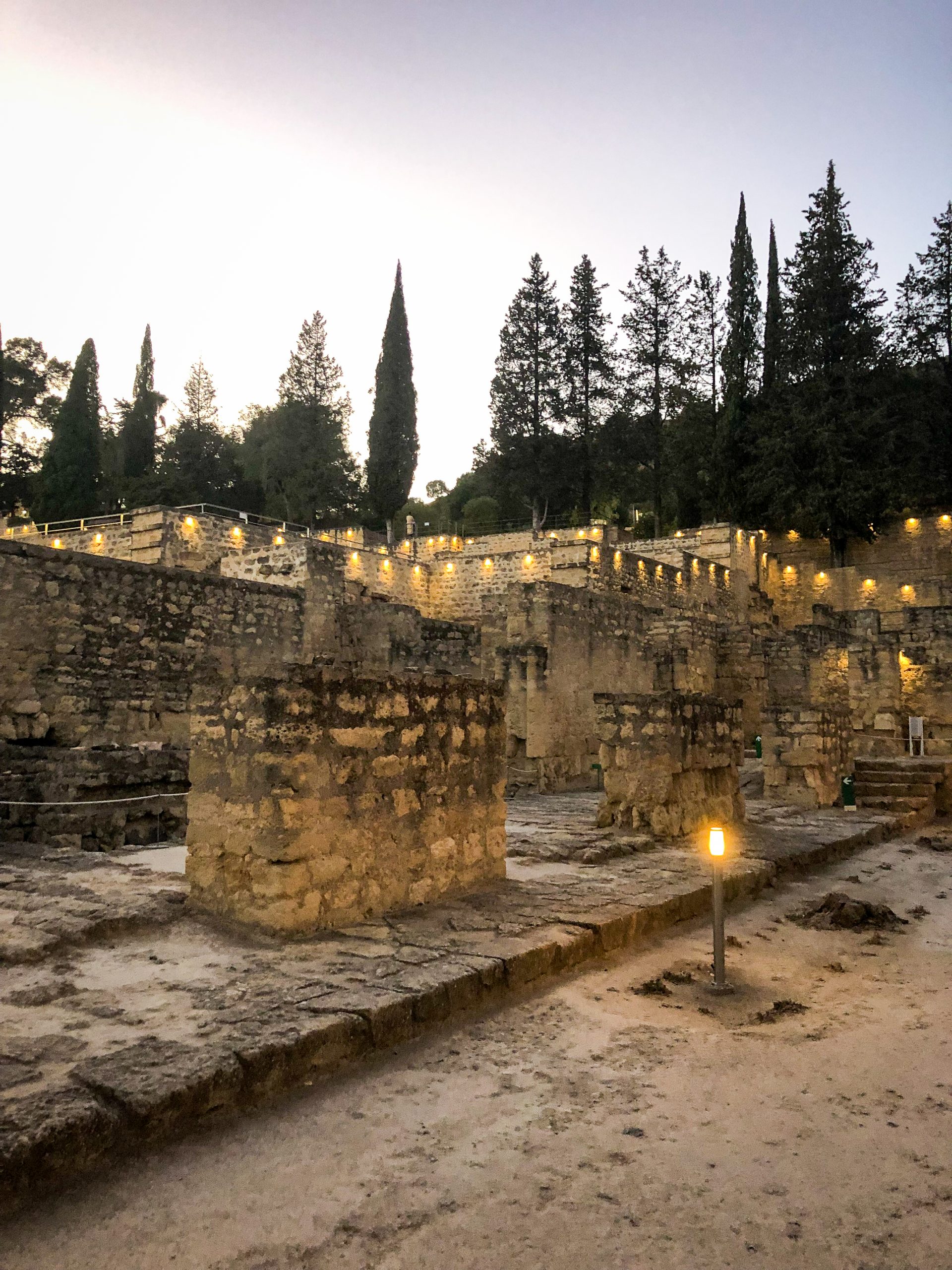
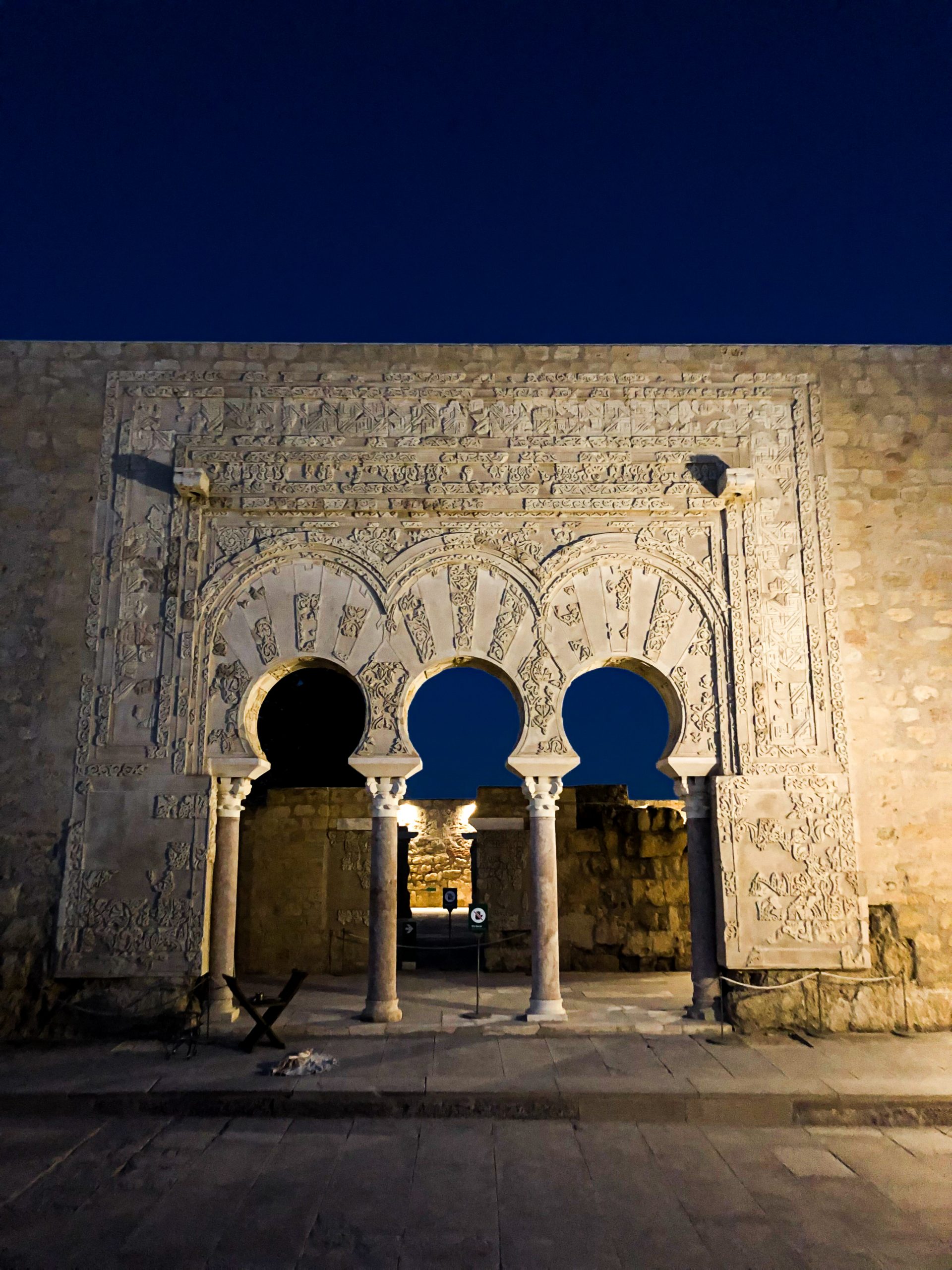
Medina Azahara was built in the 10th century as the capital city of the Caliphate of Cordoba.
Built in a systematic way, it incorporated the newest “technology” of the time. It had everything… gardens, palaces, water supply and canalisation systems, mosques, hammams, offices, workshops and a beautiful view over the Valley of Cordoba.
Sadly, it was destroyed already during the civil war in the following century, which eventually led to the fall of the Caliphate.
Sevilla
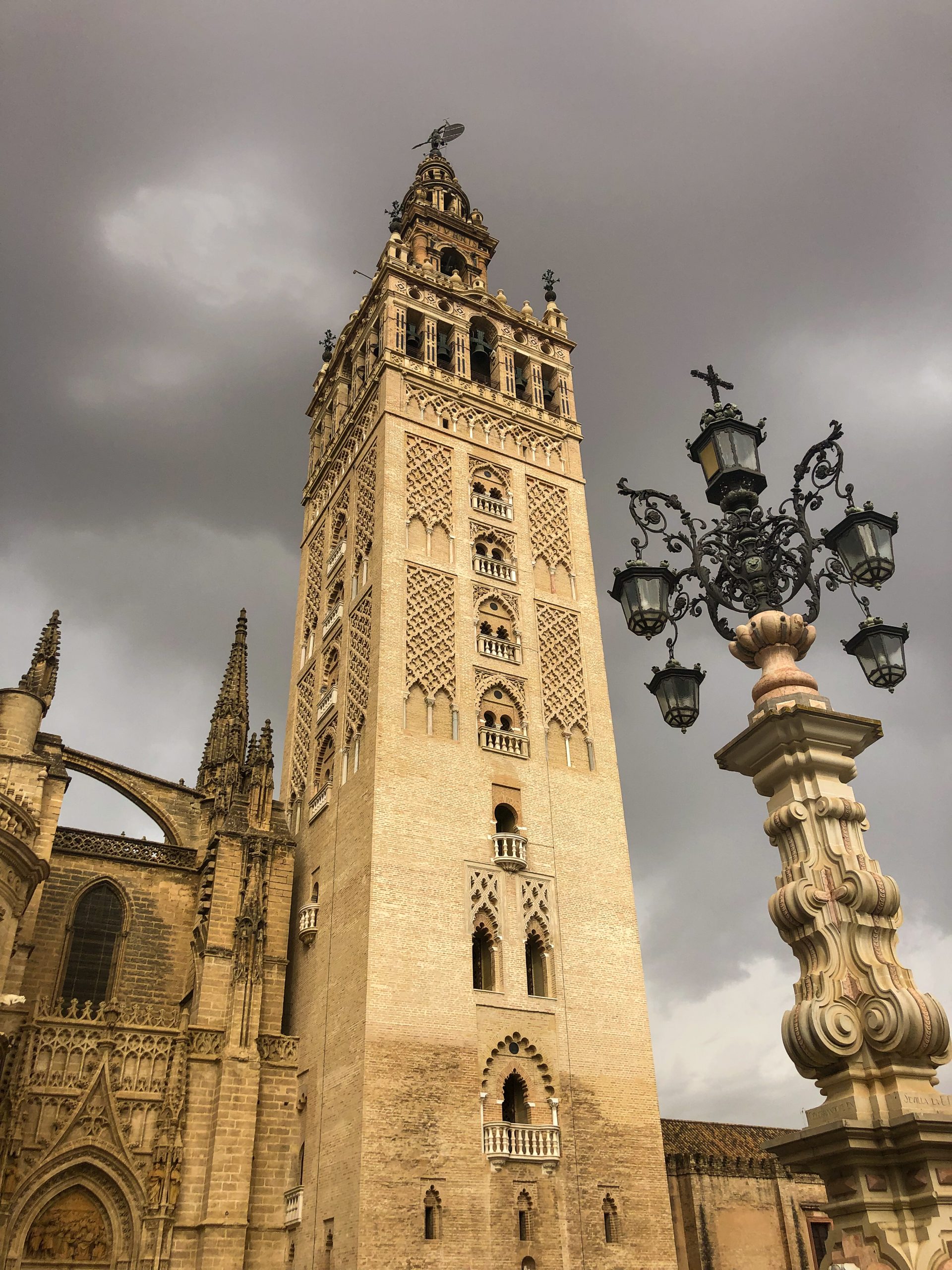
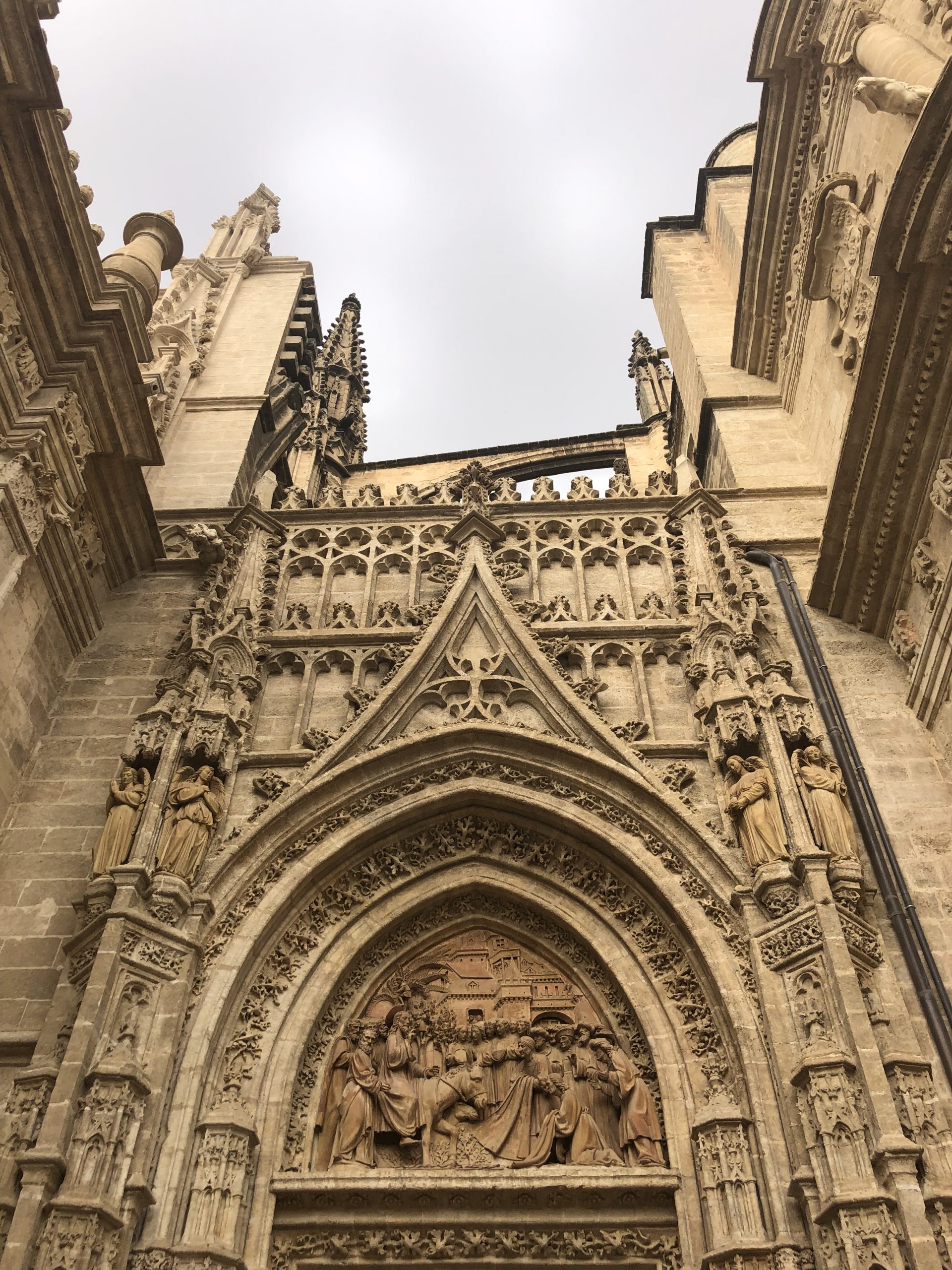
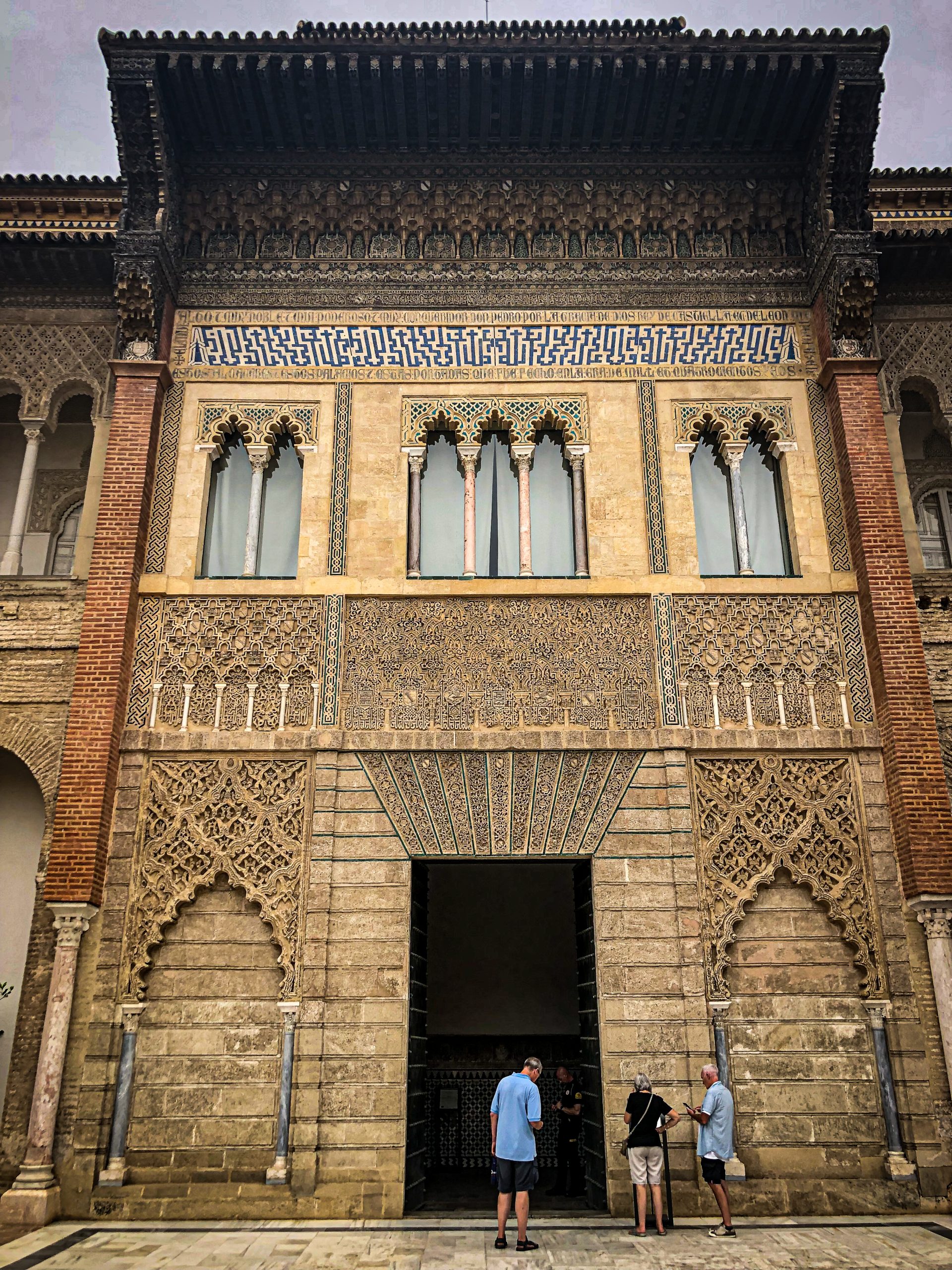
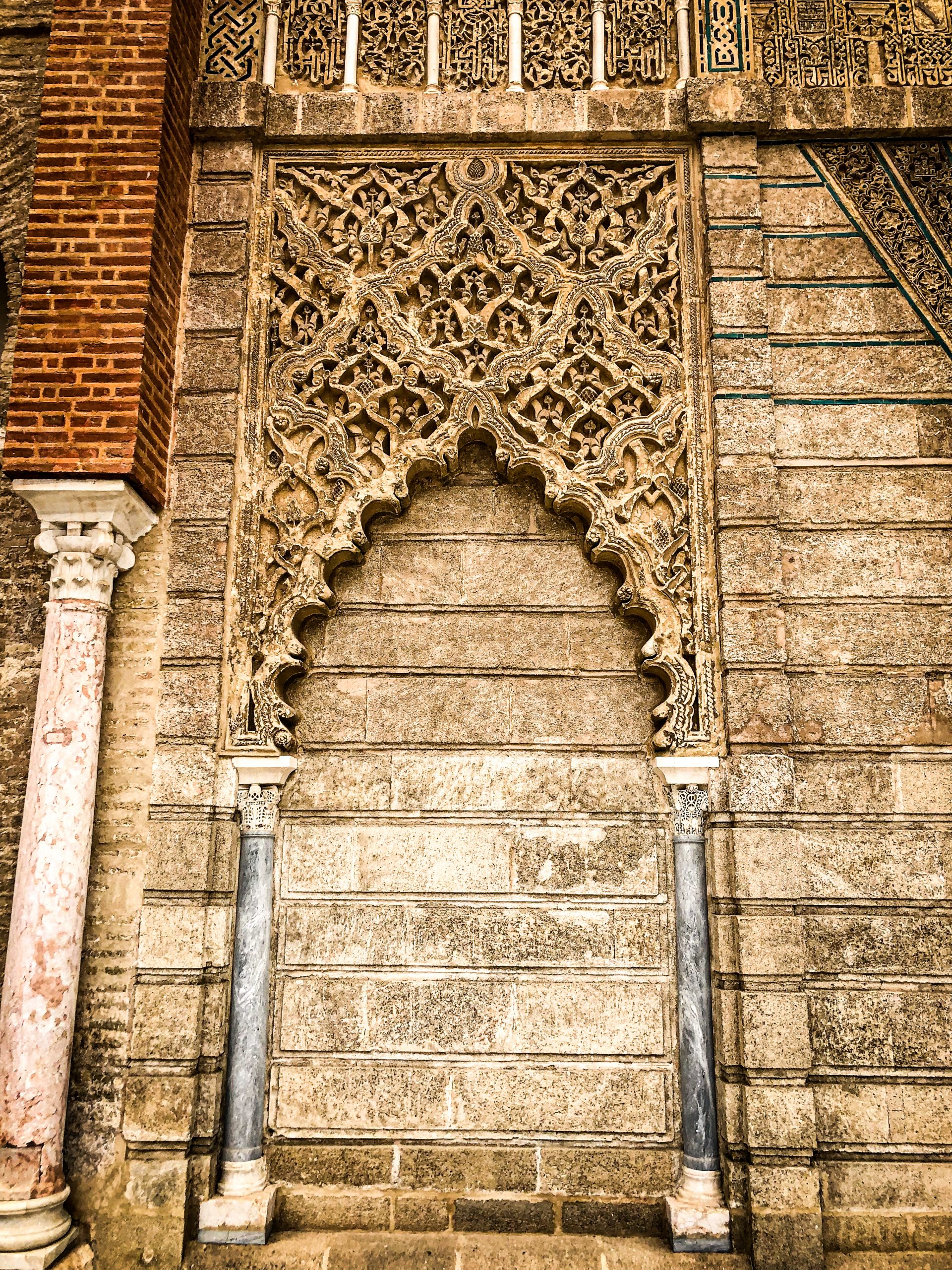
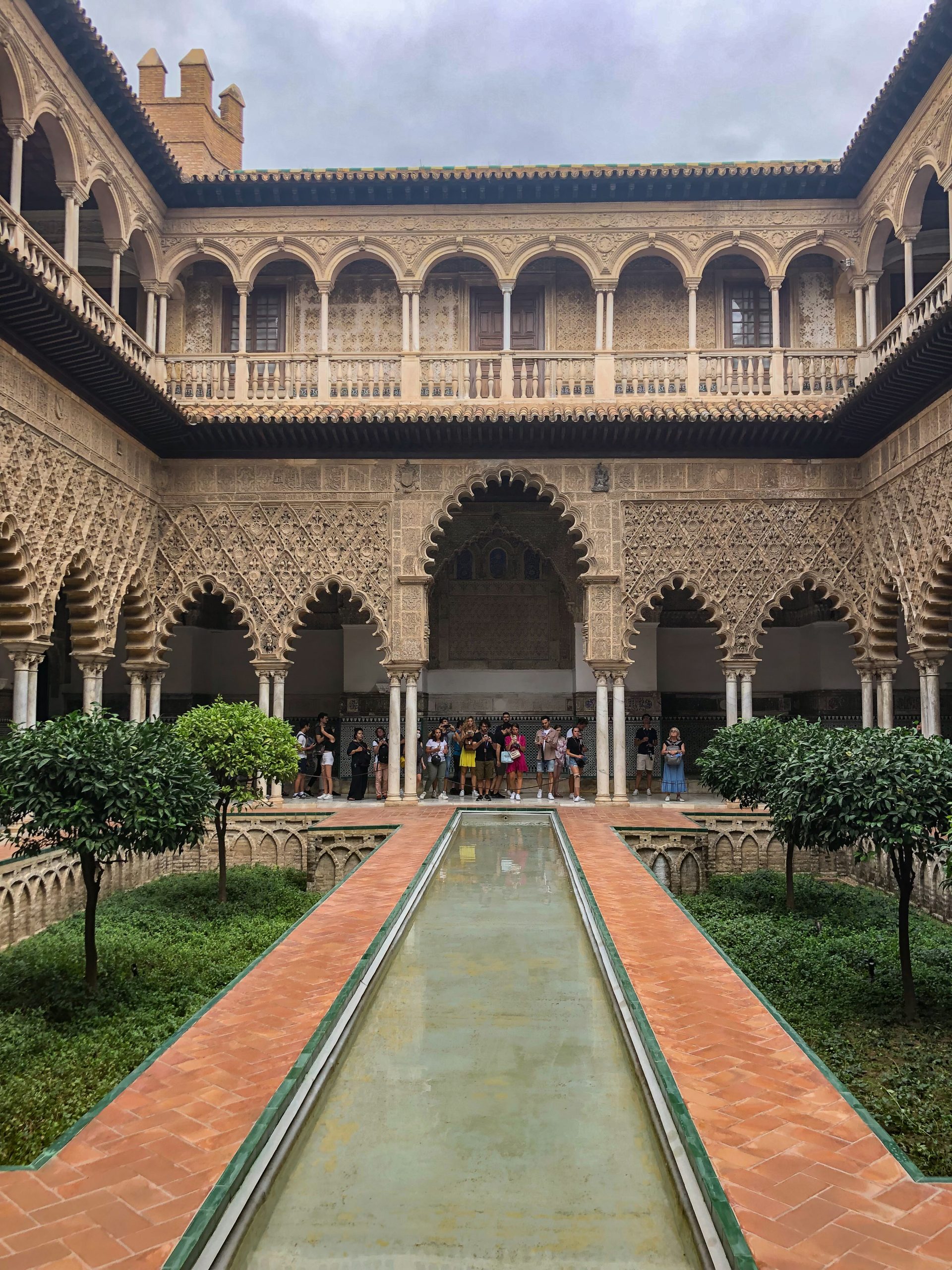
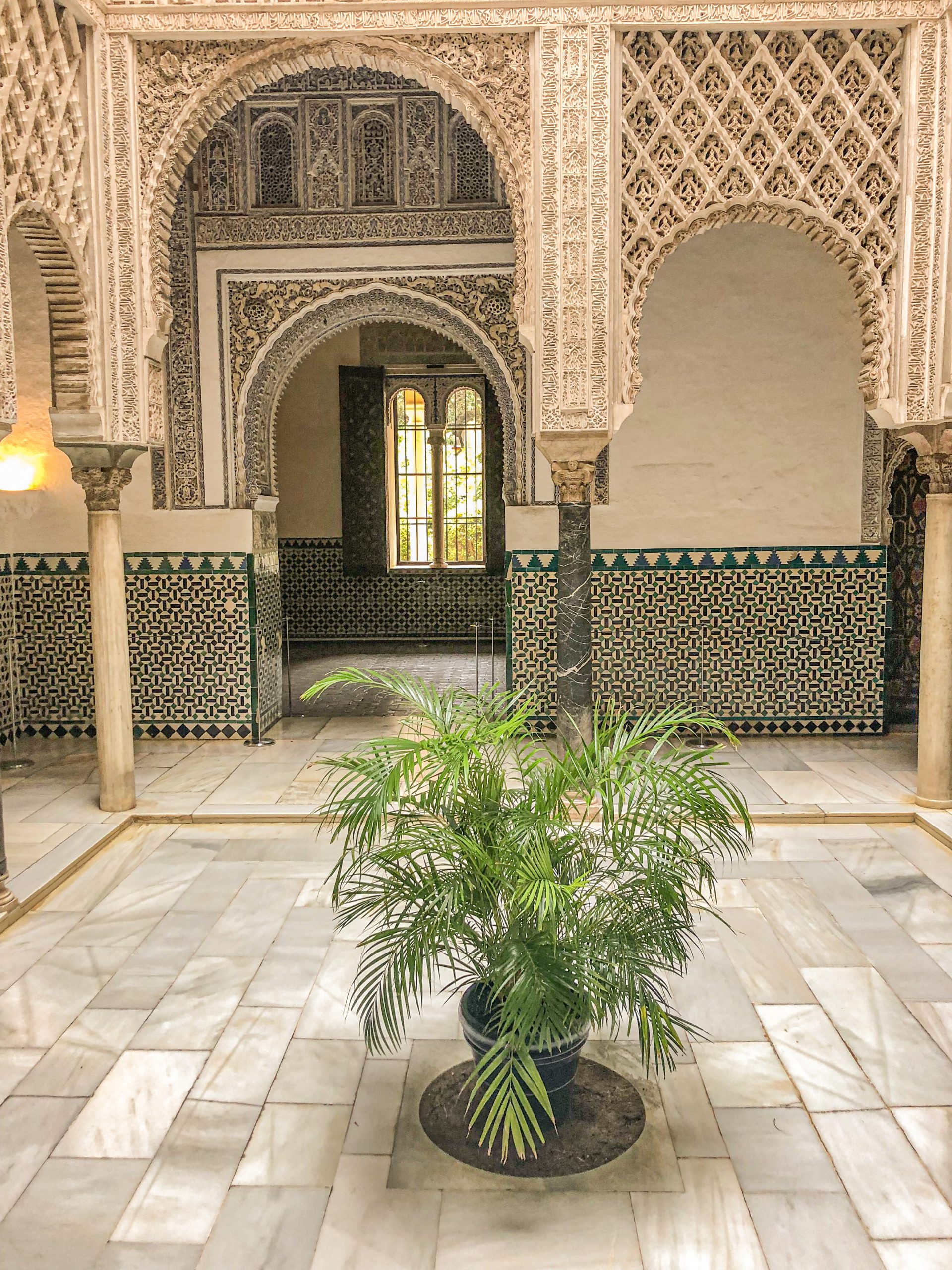
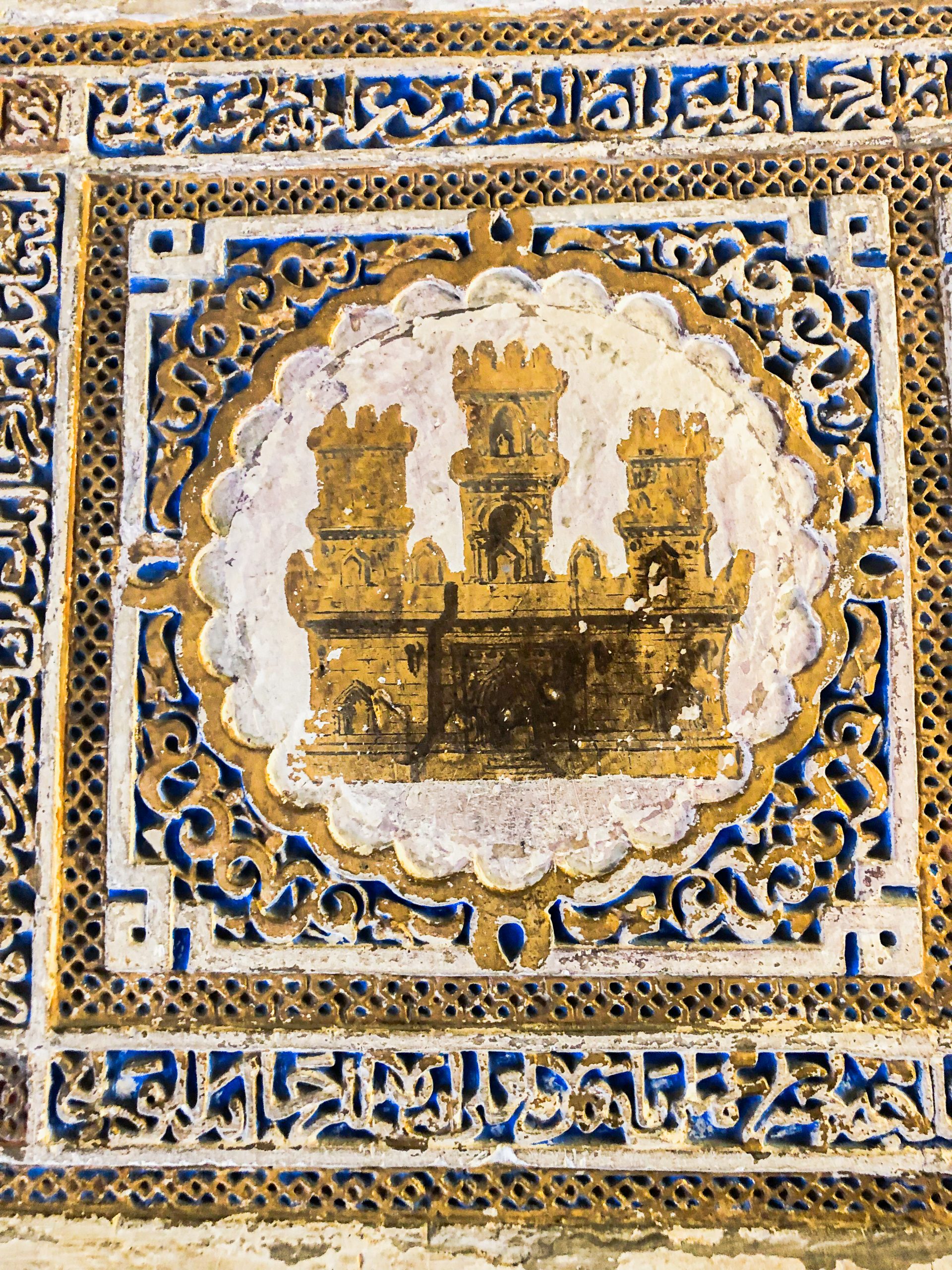
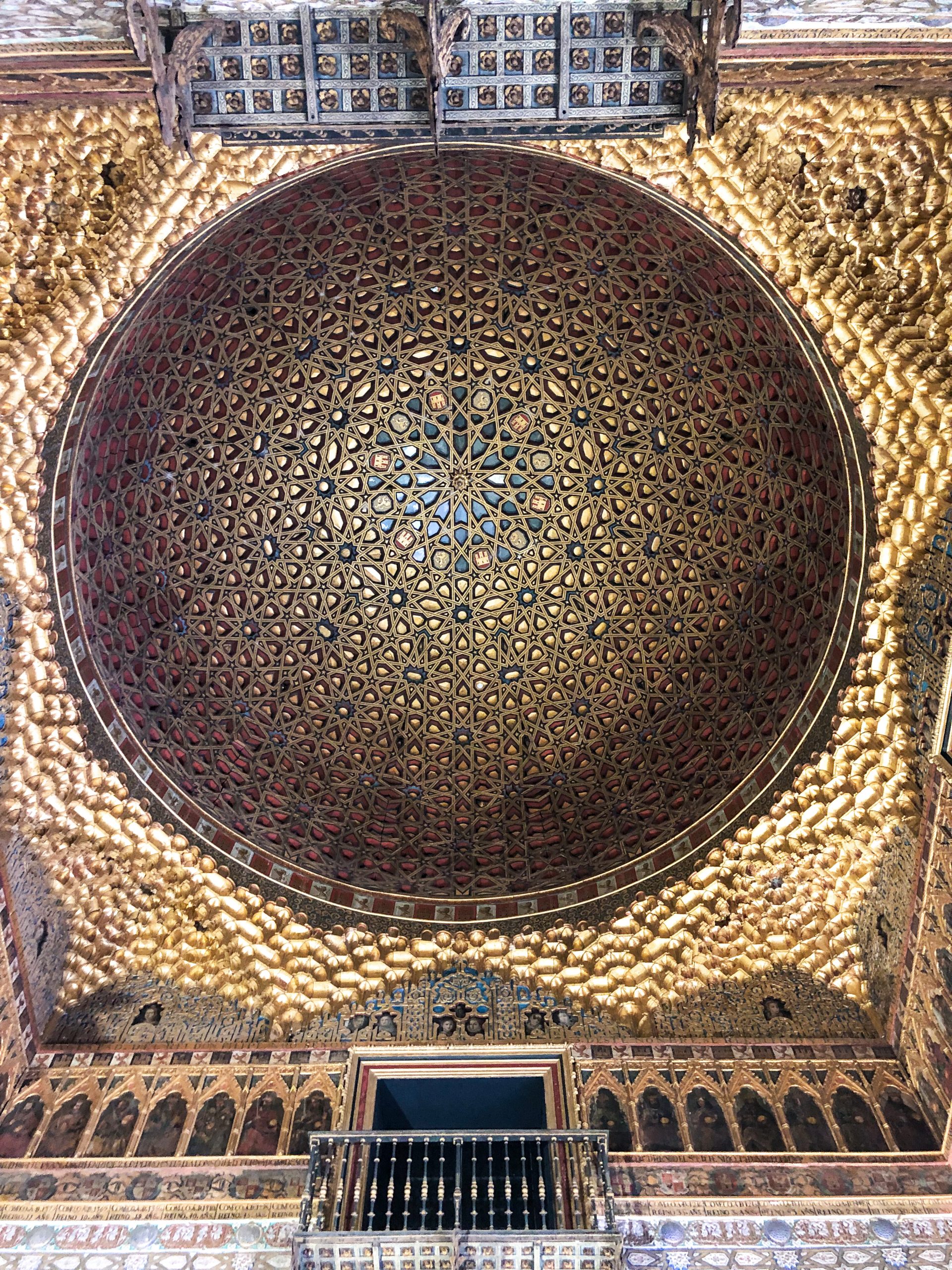
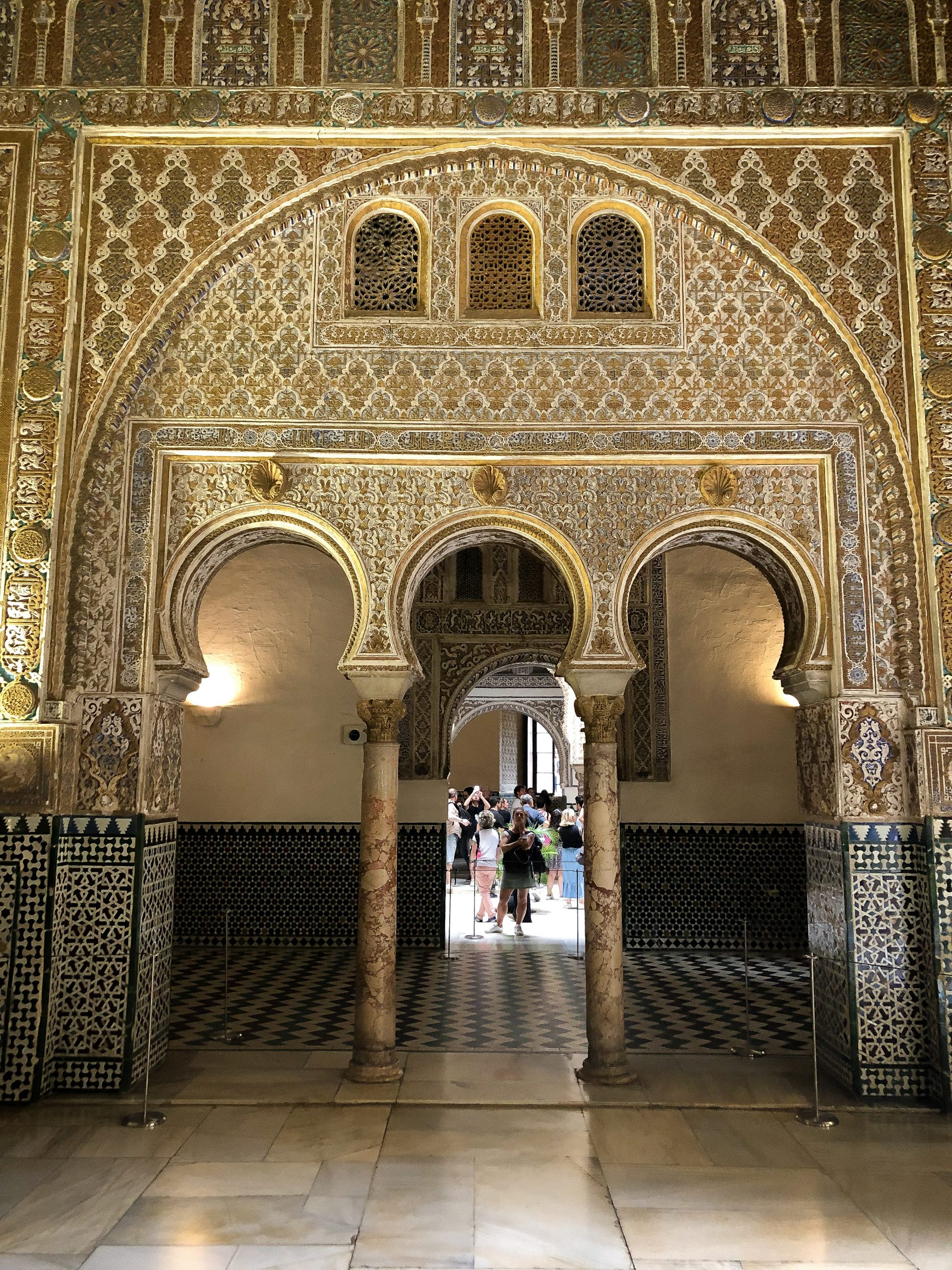
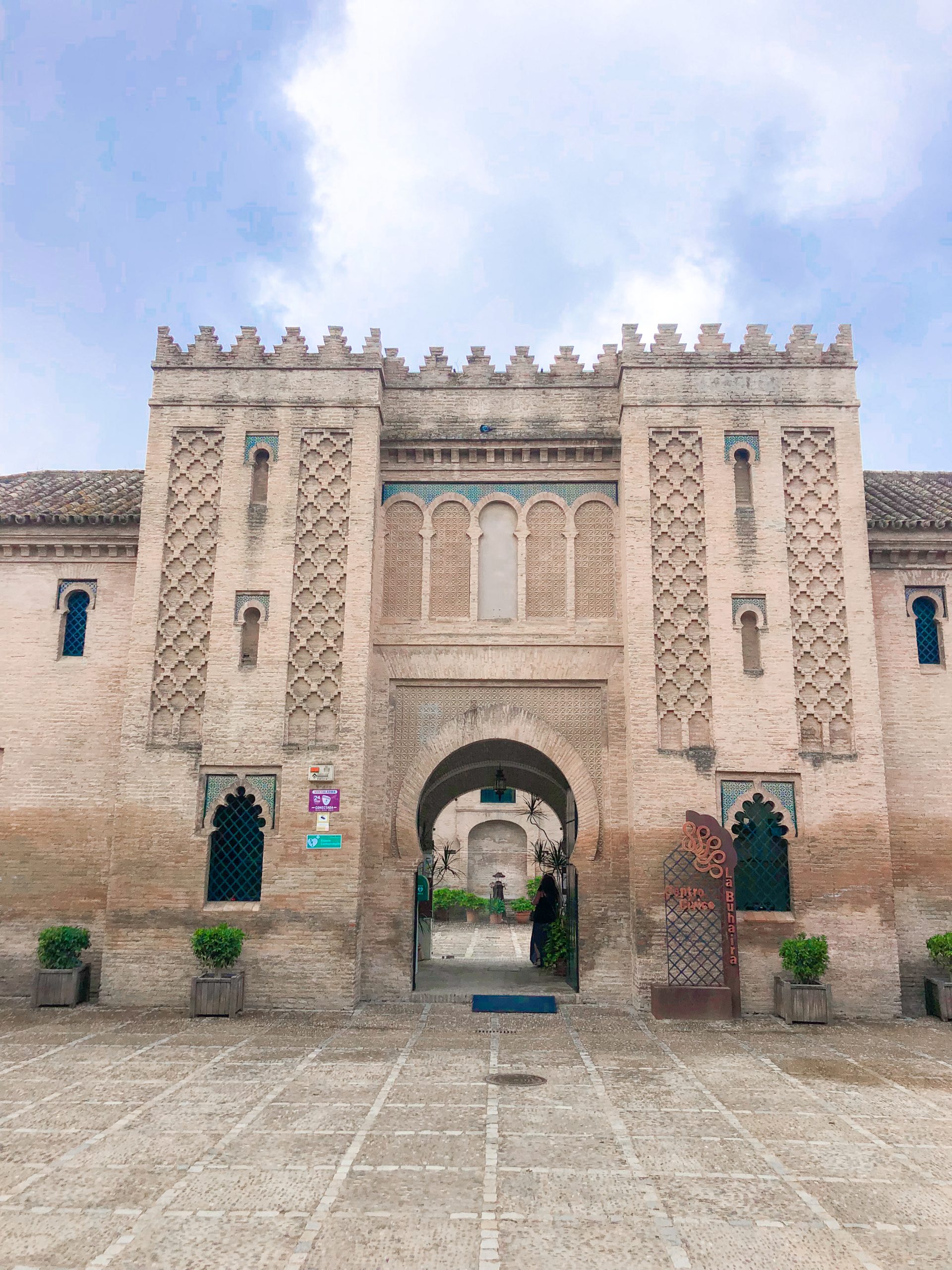
When you first look at this architecture, you might think it was built under the Arab rule of Al-Andalus. However, these buildings were commissioned by the Christian kings after the reconquest of the İberian Peninsula (as I learned myself during my travel).
This Mudejar style was a result of combining Islamic art elements with Christian architecture. The term refers to the Mudejars, the Arab population which was not converted or exiled after the reconquest.
The Christian kings and officials somehow had to rely on the local (muslim) craftsmen, architects and artists to erect new public buildings. The Mudejars applied their cultural heritage in the art pieces they build or created. That is the simple version of the whole story 🙂
However, with the growing Catholic intolerance in Spain, the not converted Mudejars, but also the Jews were exiled during the 15th-16th centuries.
Donana National Park
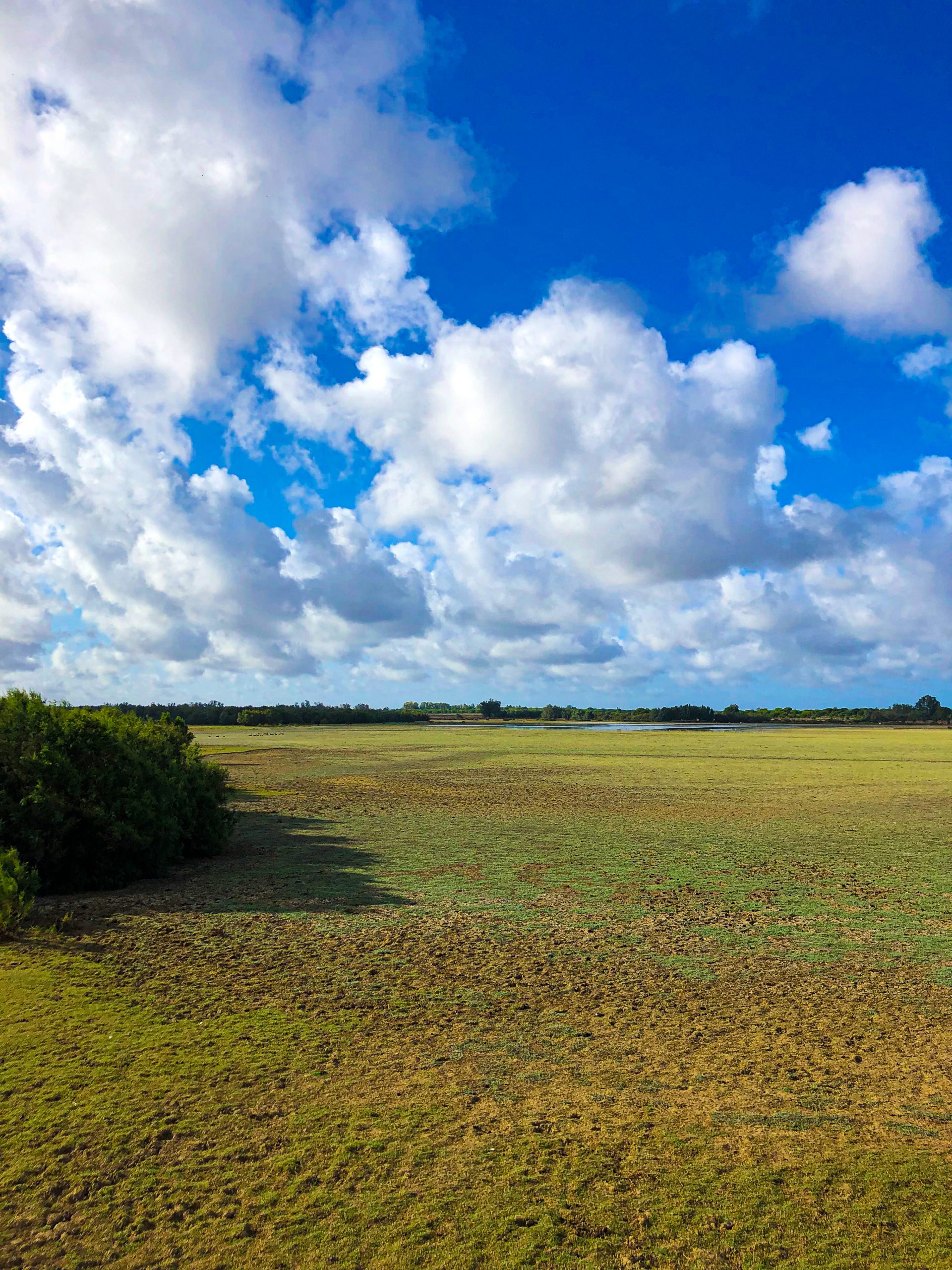
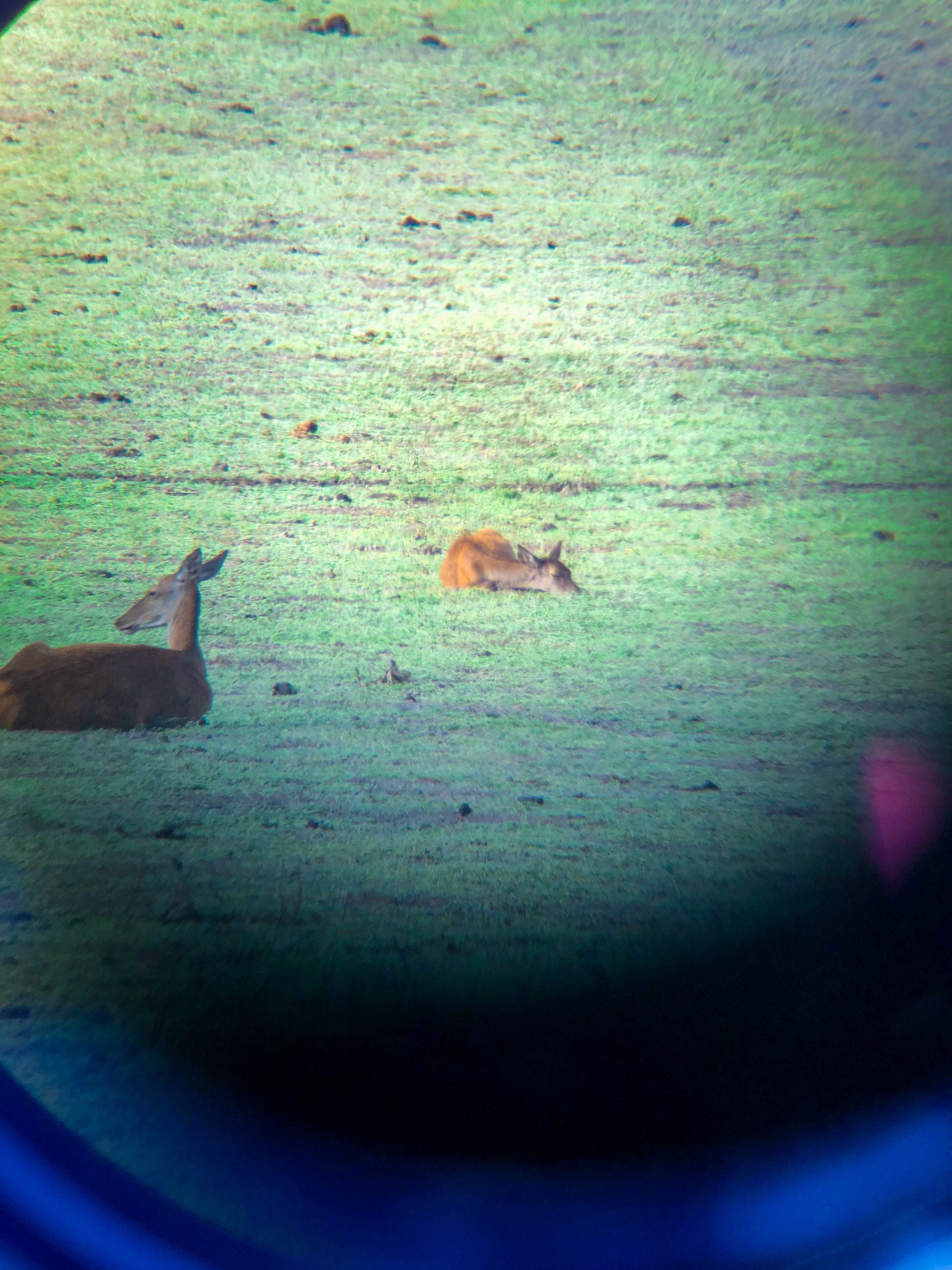
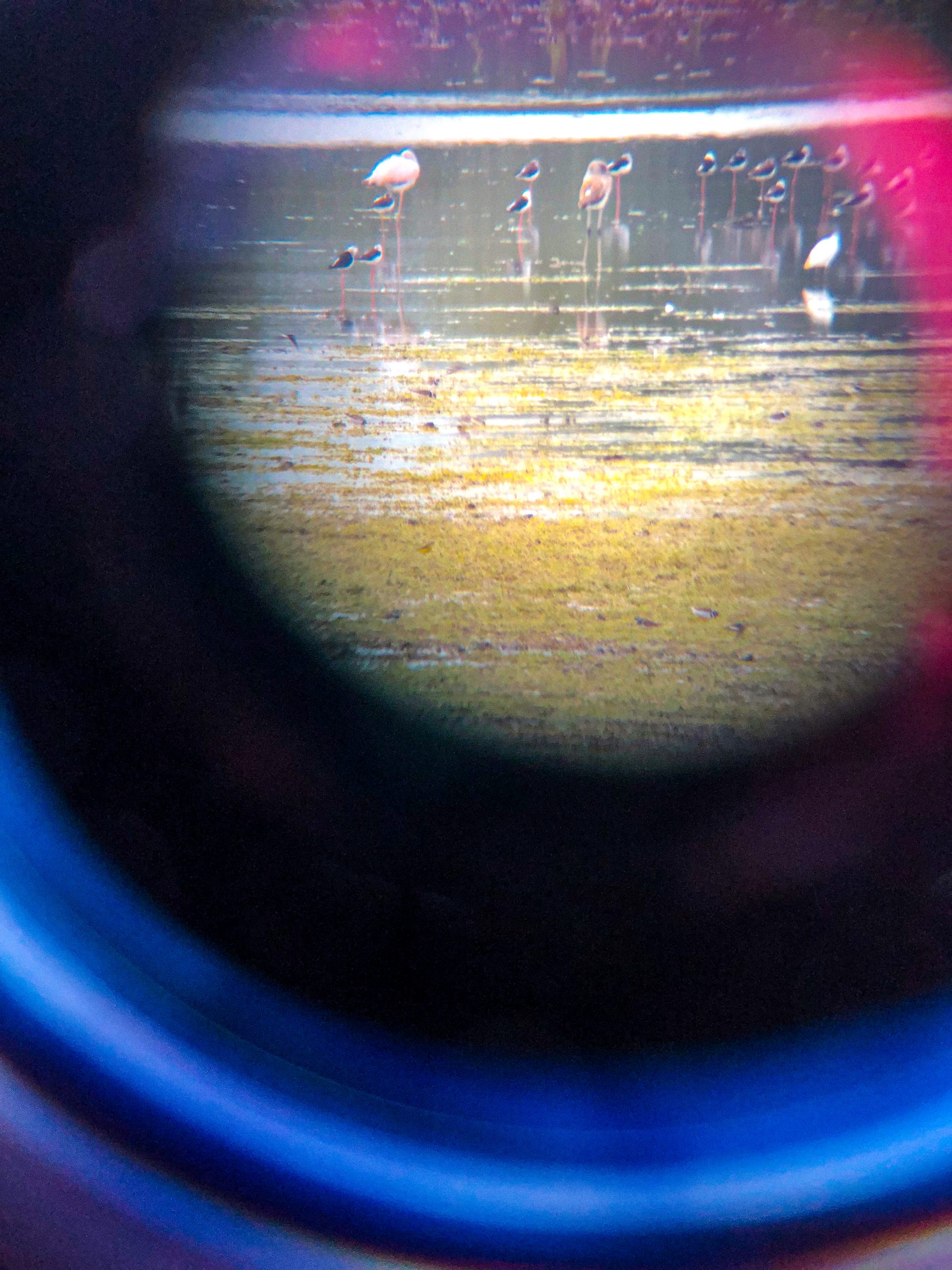
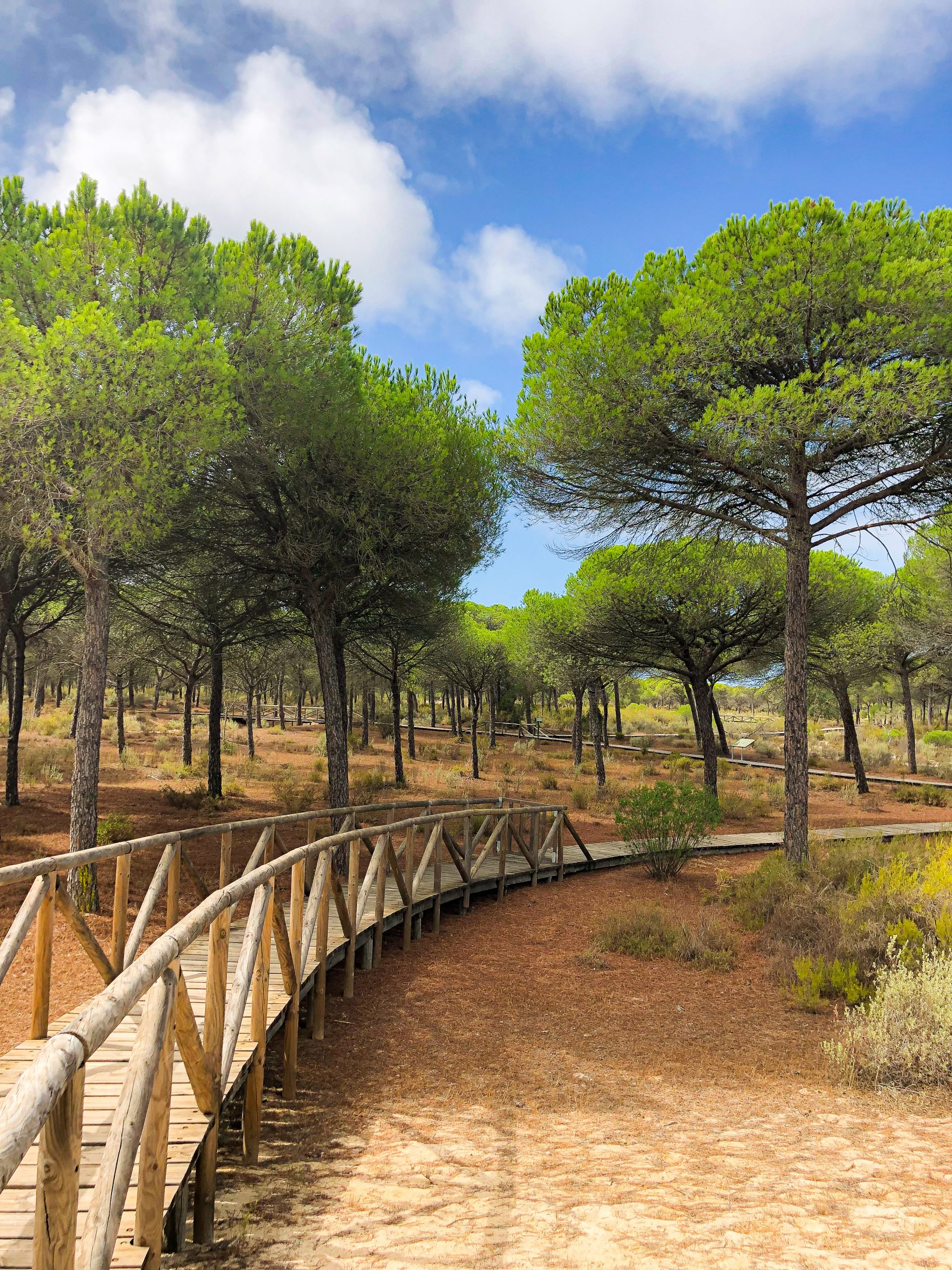
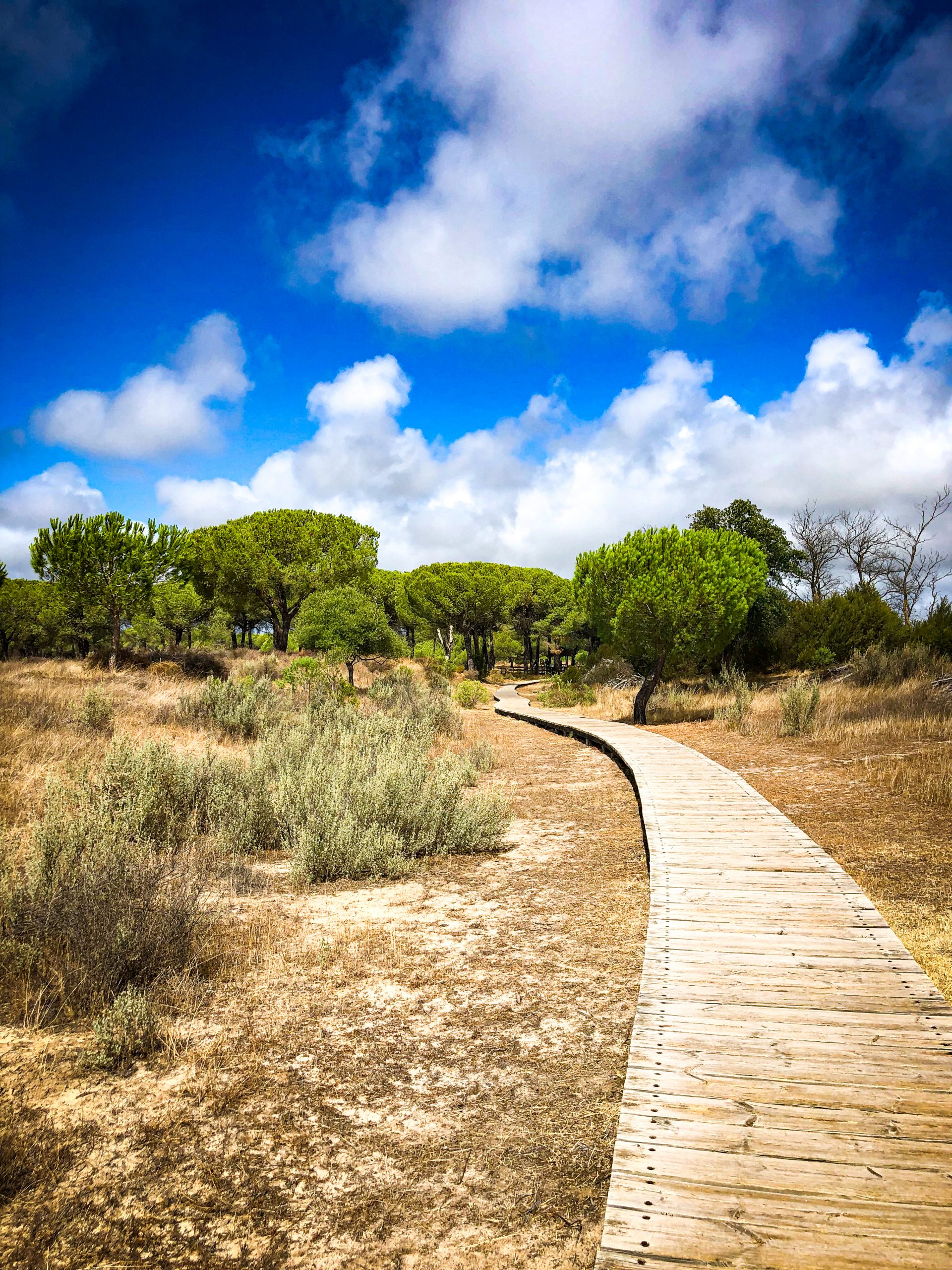
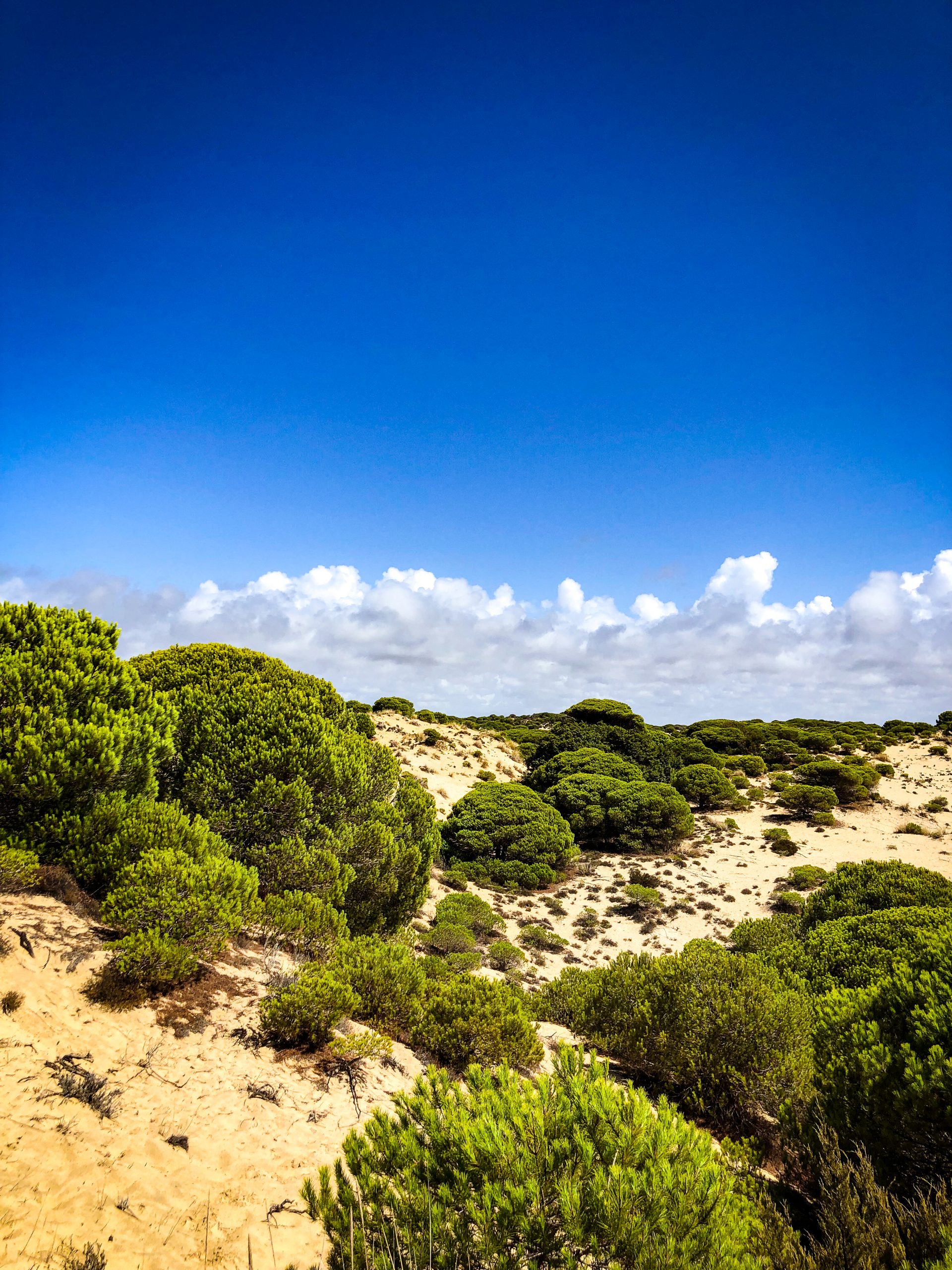
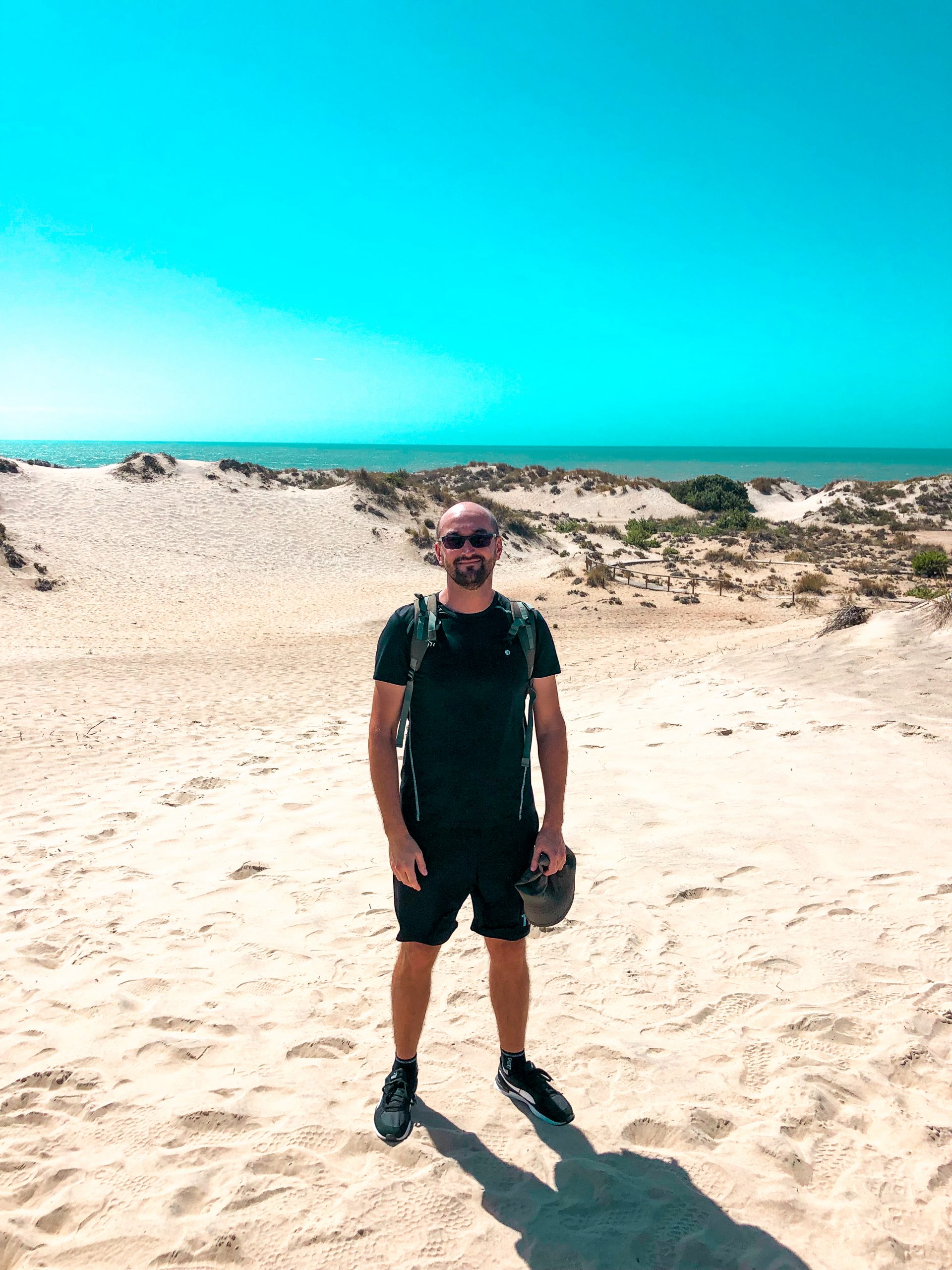
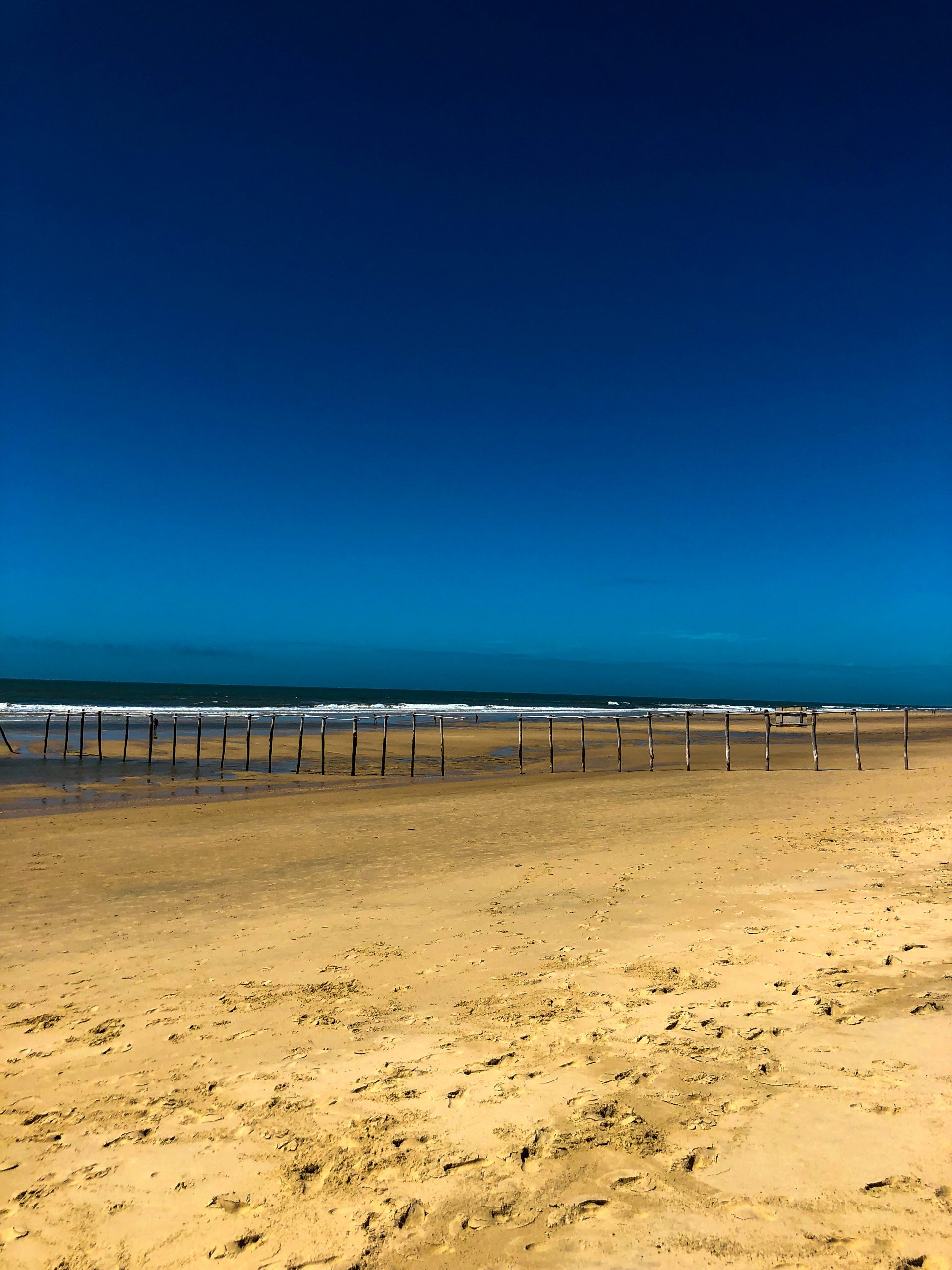
Established in 1969 with the support of WWF, the protected area consists of marshes, shallow streams, and sand dunes around the delta of the Guadalquivir river. The national park and the adjacent natural reserves offer a refuge for several migratory bird species, deers, rabbits, bats, and also for the Iberian Lynx, an endemic species of the Iberian Peninsula.
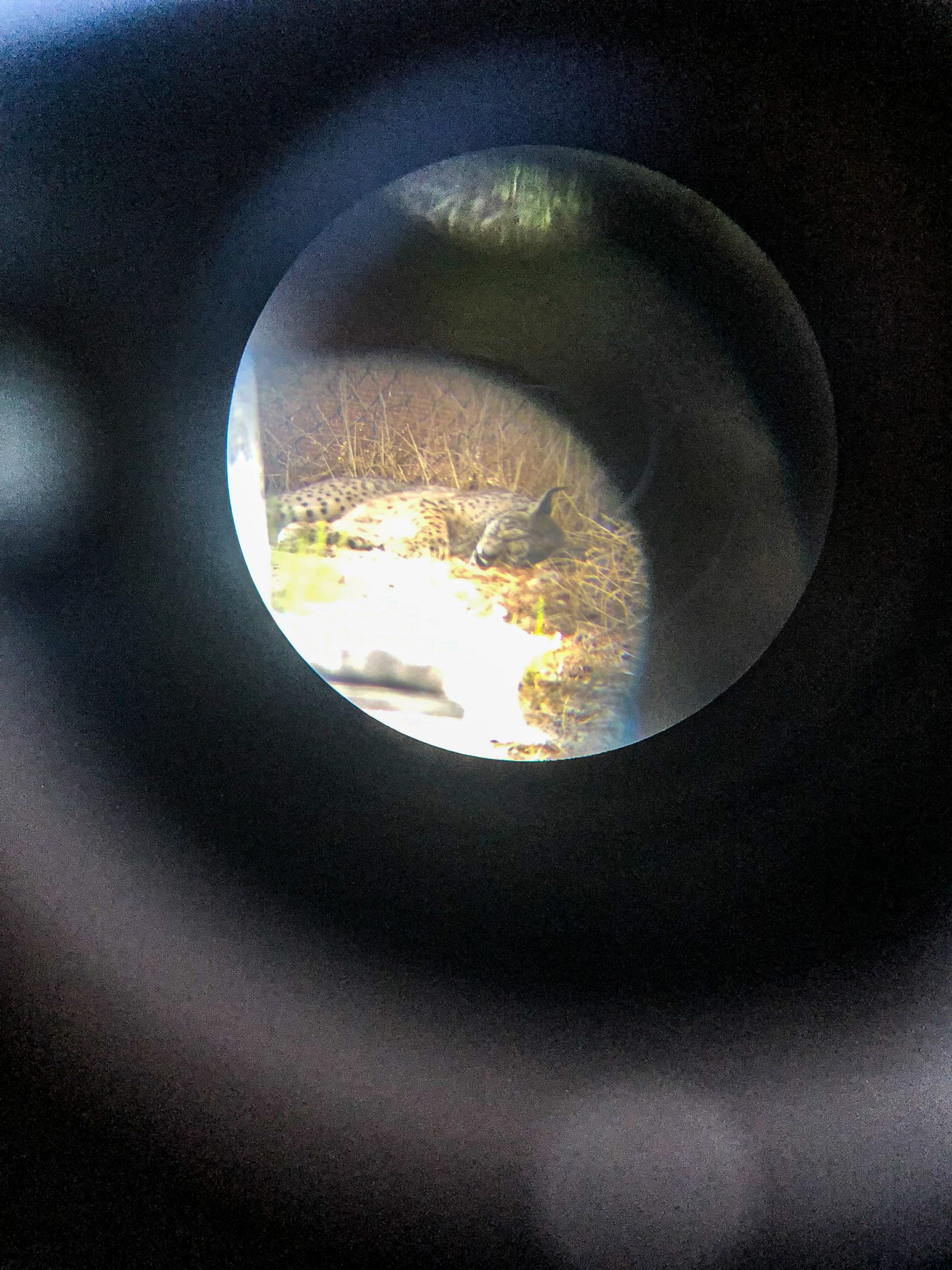
Sadly, the Iberian Lynx was almost extinct in the early 2000 years. However, over the last decade the population has been recovering through sustained conservation measures, among others a Breeding Program in the Donana National Park. If you are lucky, you can catch a glimpse of the retired Lynx mom in the Acebuche Breeding Centre. Her kittens are now repopulating the Iberian Peninsula again!
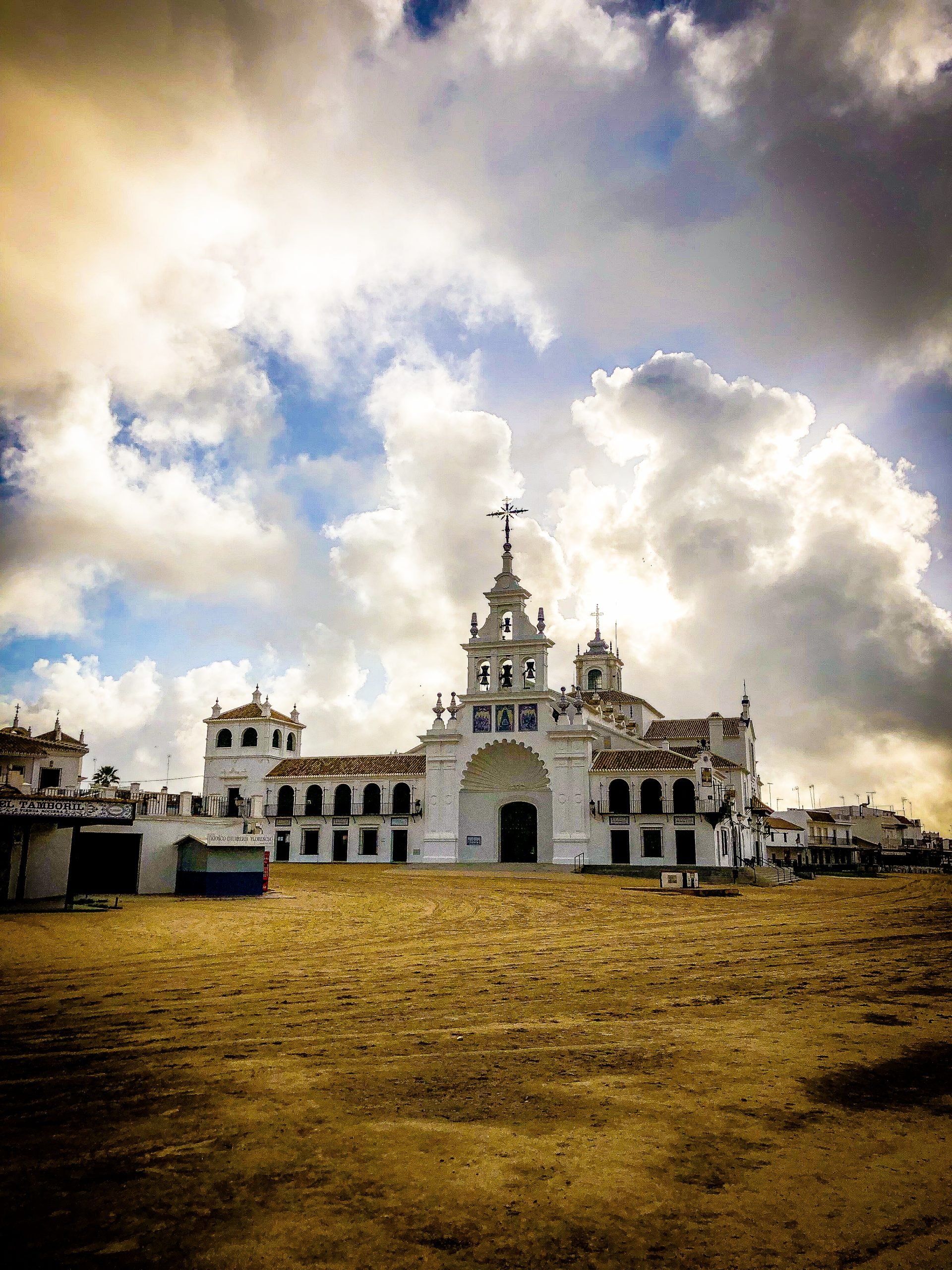
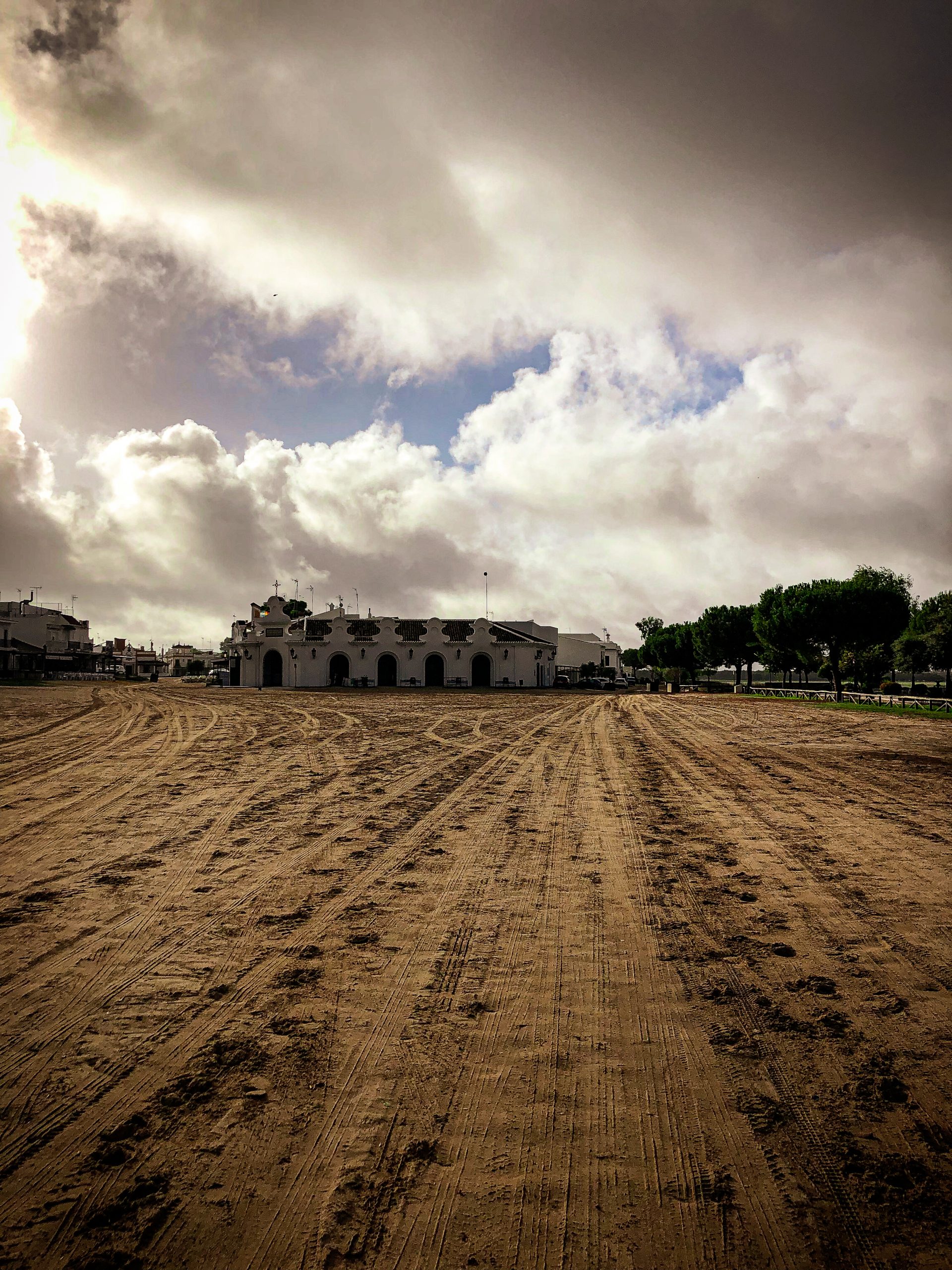
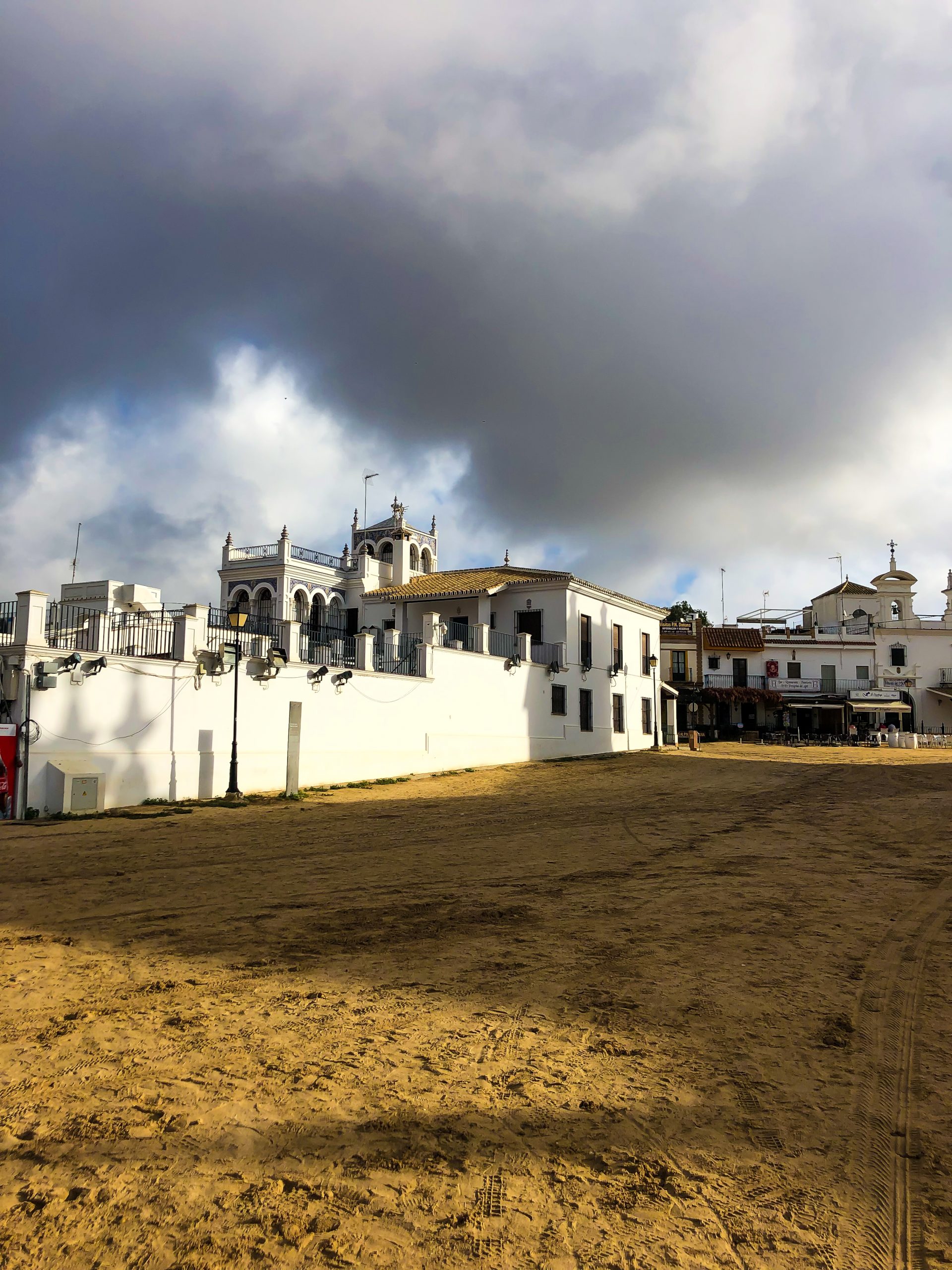
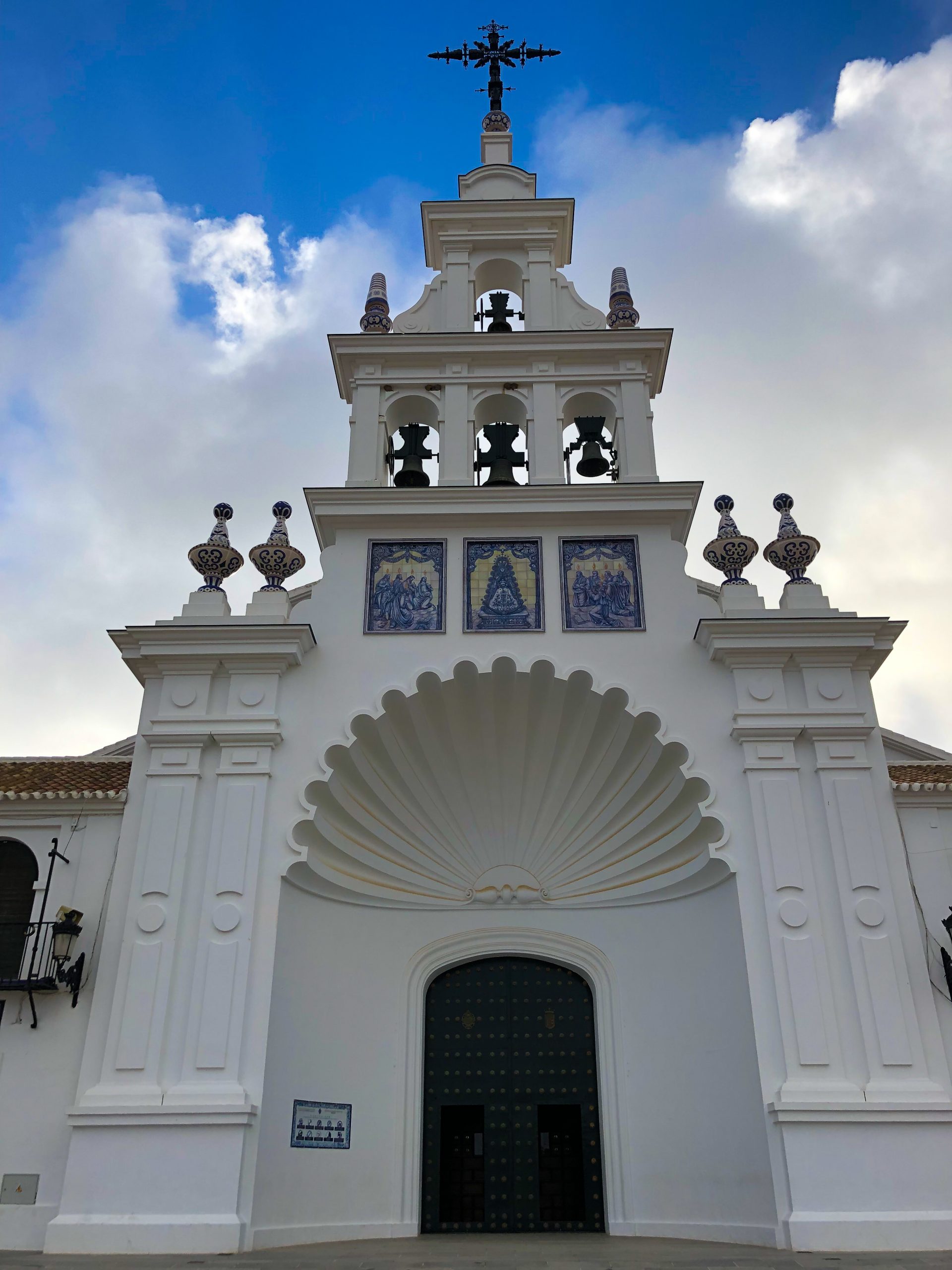
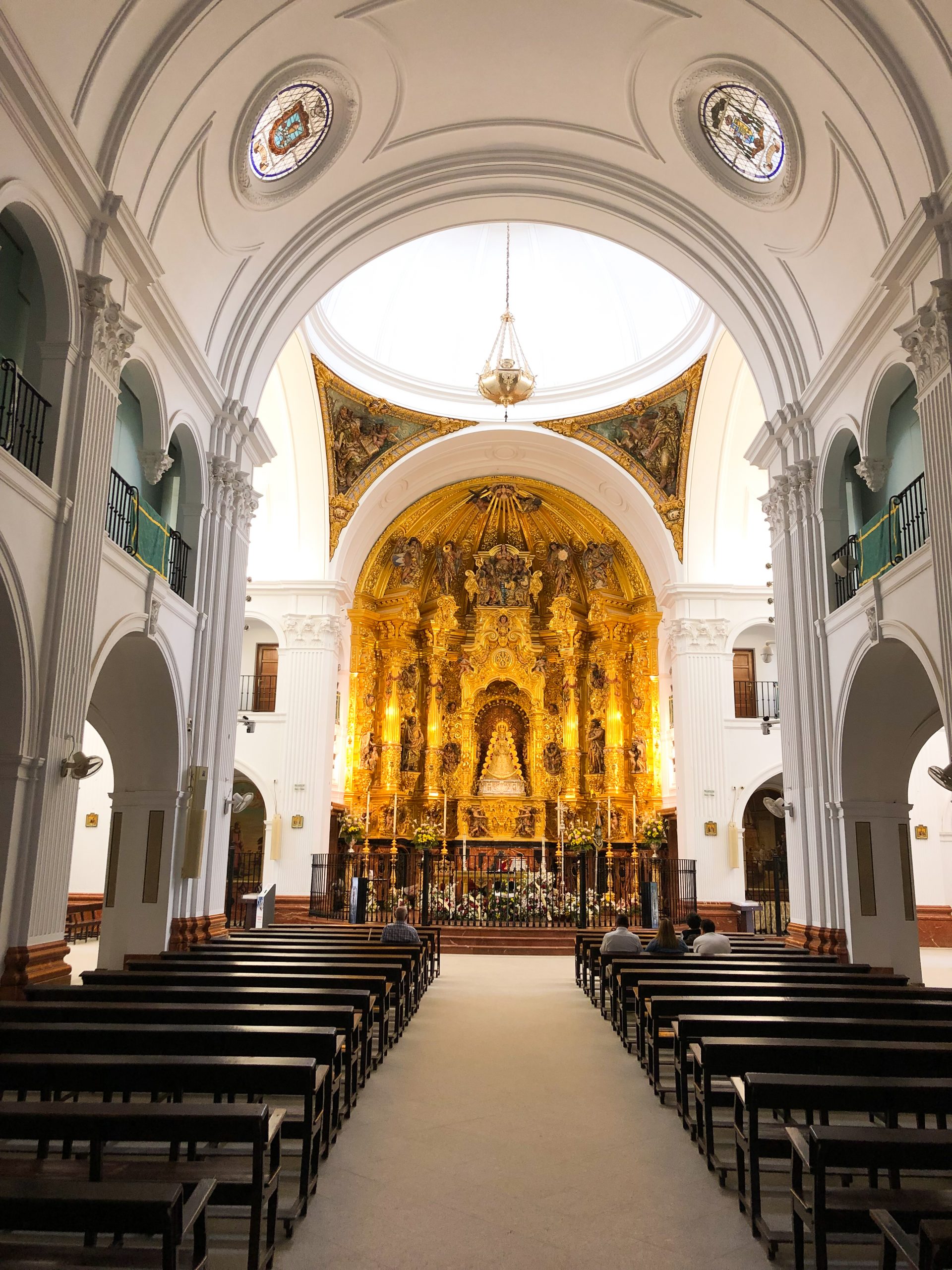
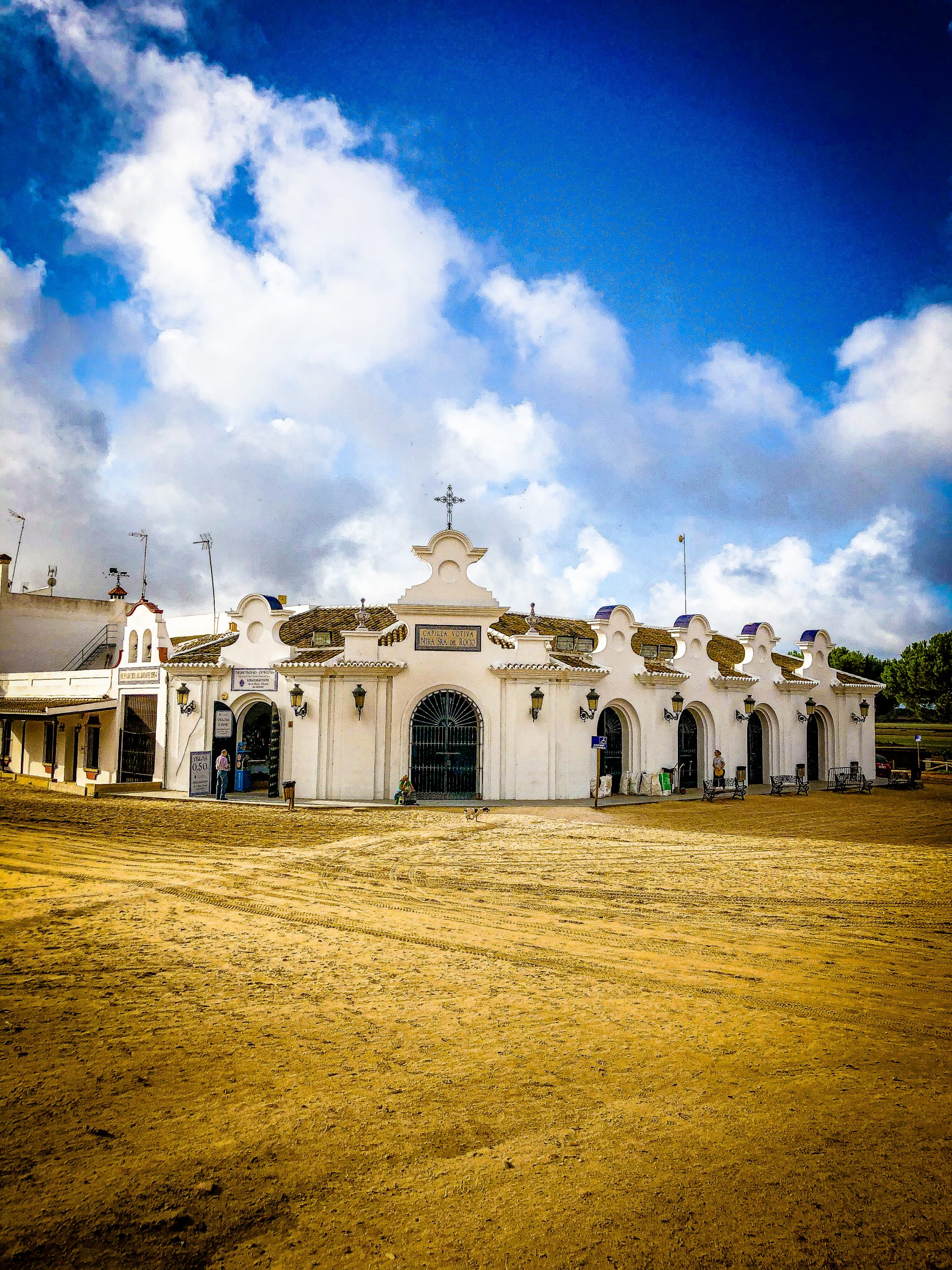
Besides its nature treasures the area also offers a rich cultural heritage, such as the pilgrim town of El Rocio, with streets of sand, impressive architecture and a sanctuary dedicated to the Holy Virgin Mary, in the middle of the National Park.