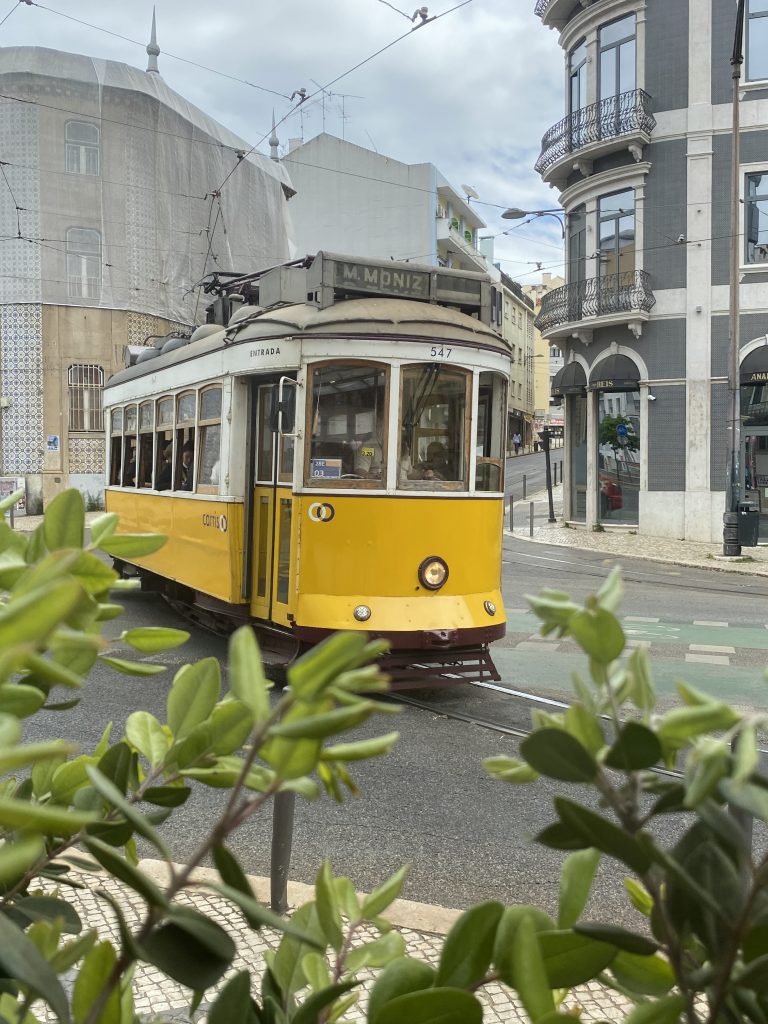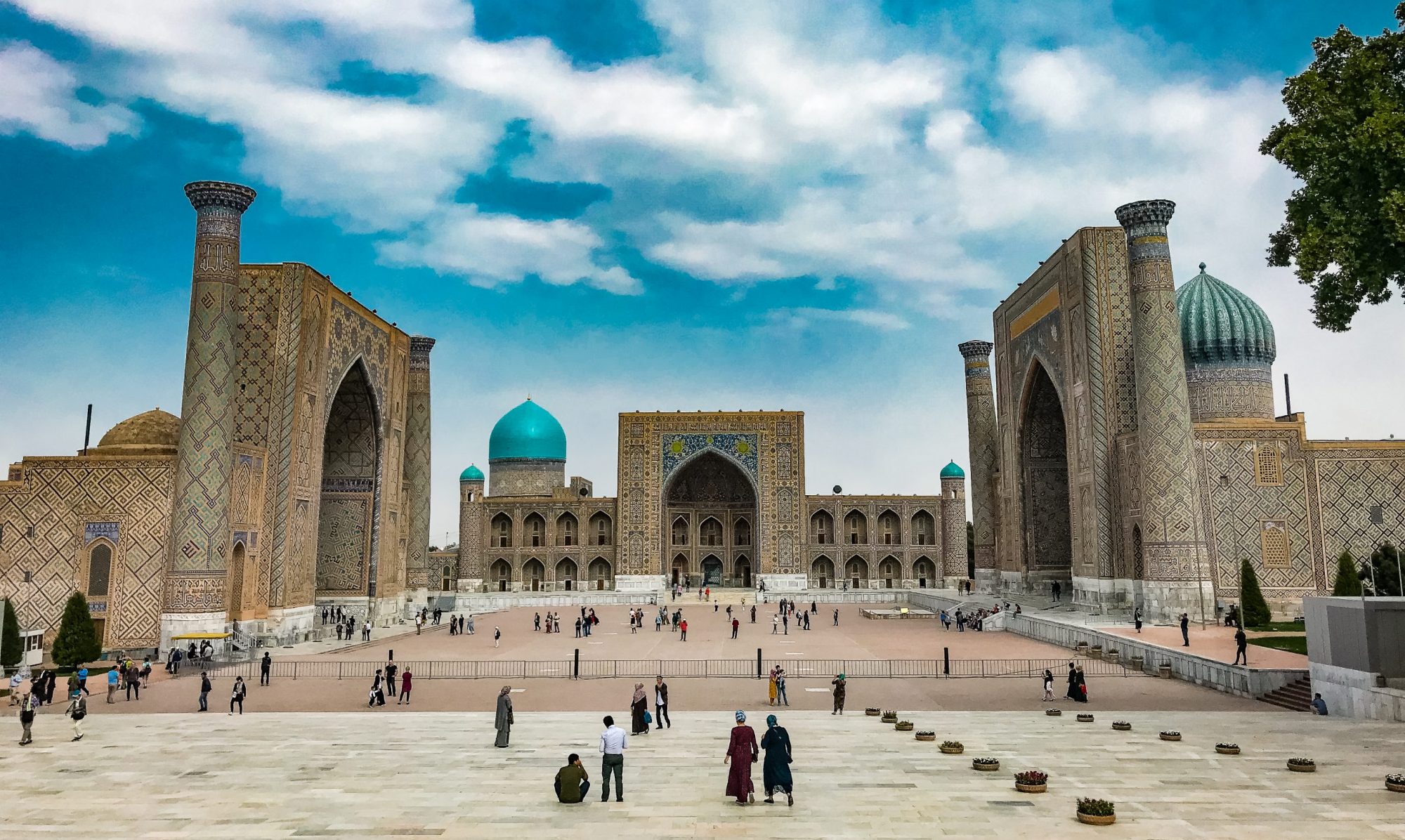
Traveling with sourdough might sound like a strange idea to some, but for me, it’s a beloved ritual. Wherever I go, I try to bring a piece of my kitchen with me—quite literally. Over the past few years, my sourdough starter has accompanied me on several journeys: to Madeira, where I spent two months working remotely, and to Romania, where I visited family and enjoyed the comfort of a well-equipped kitchen, as well as a recently built wooden oven. The only recurring challenge? Making sure I don’t forget it in some hotel fridge.
This spring, I took the experiment a step further—traveling through Portugal while working remotely and baking with whatever equipment I could find along the way. I brought only the essentials: my trusty sourdough starter, a small digital scale (absolutely indispensable for precise baking), and the latest issue of the German bread magazine Brot—filled with recipes I had never tried before. A baking experiment on the move had begun.
The Unexpected Start: A Blackout in the Algarve
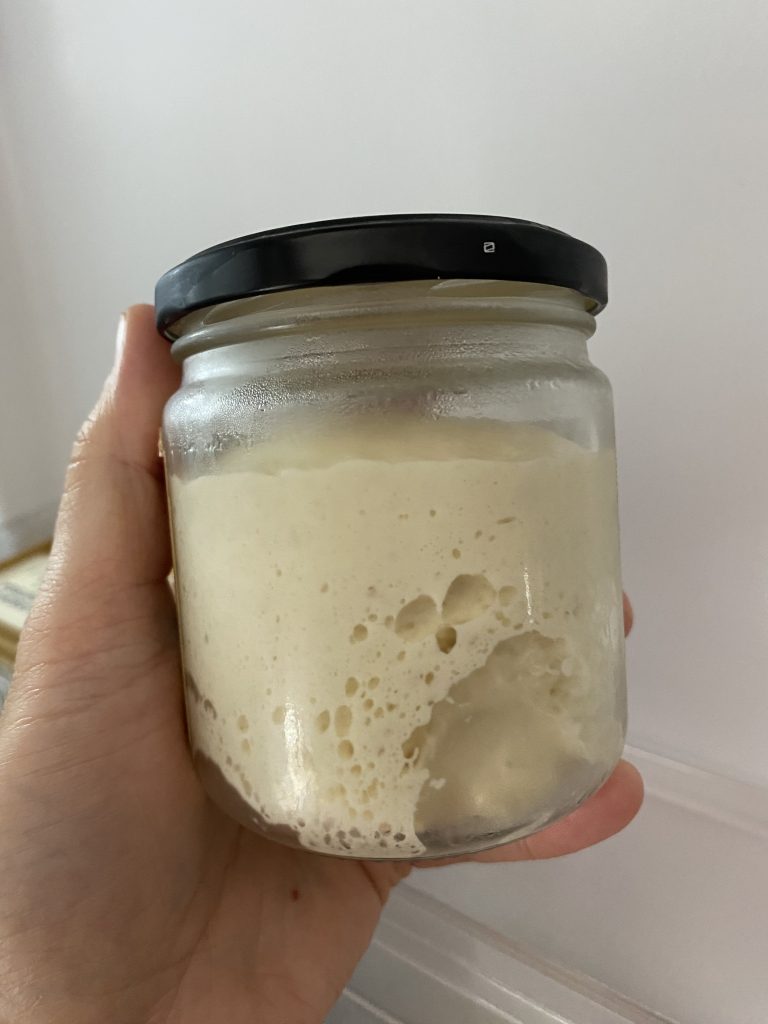
Things started with a little drama. Just after arriving in southern Portugal, a regional power outage left me without electricity—and more importantly, without refrigeration—for over 12 hours. With warm weather and no cooling, I was genuinely worried that my sourdough wouldn’t survive. But after feeding it and giving it some rest, it bounced back as if nothing had happened. This resilience reassured me: the starter and I were ready to bake.
Monte Gordo – Focaccia by the Salt and Sea
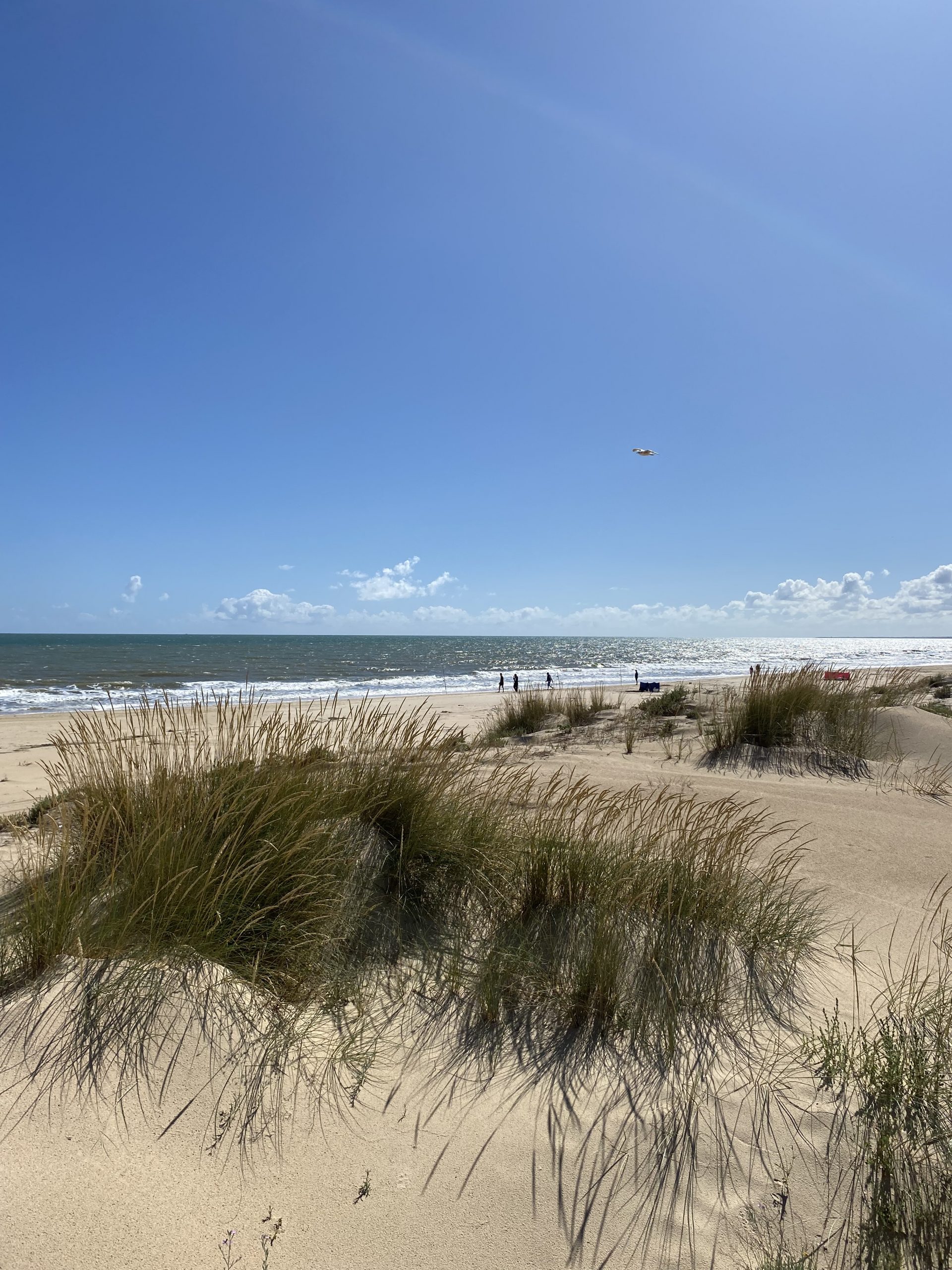
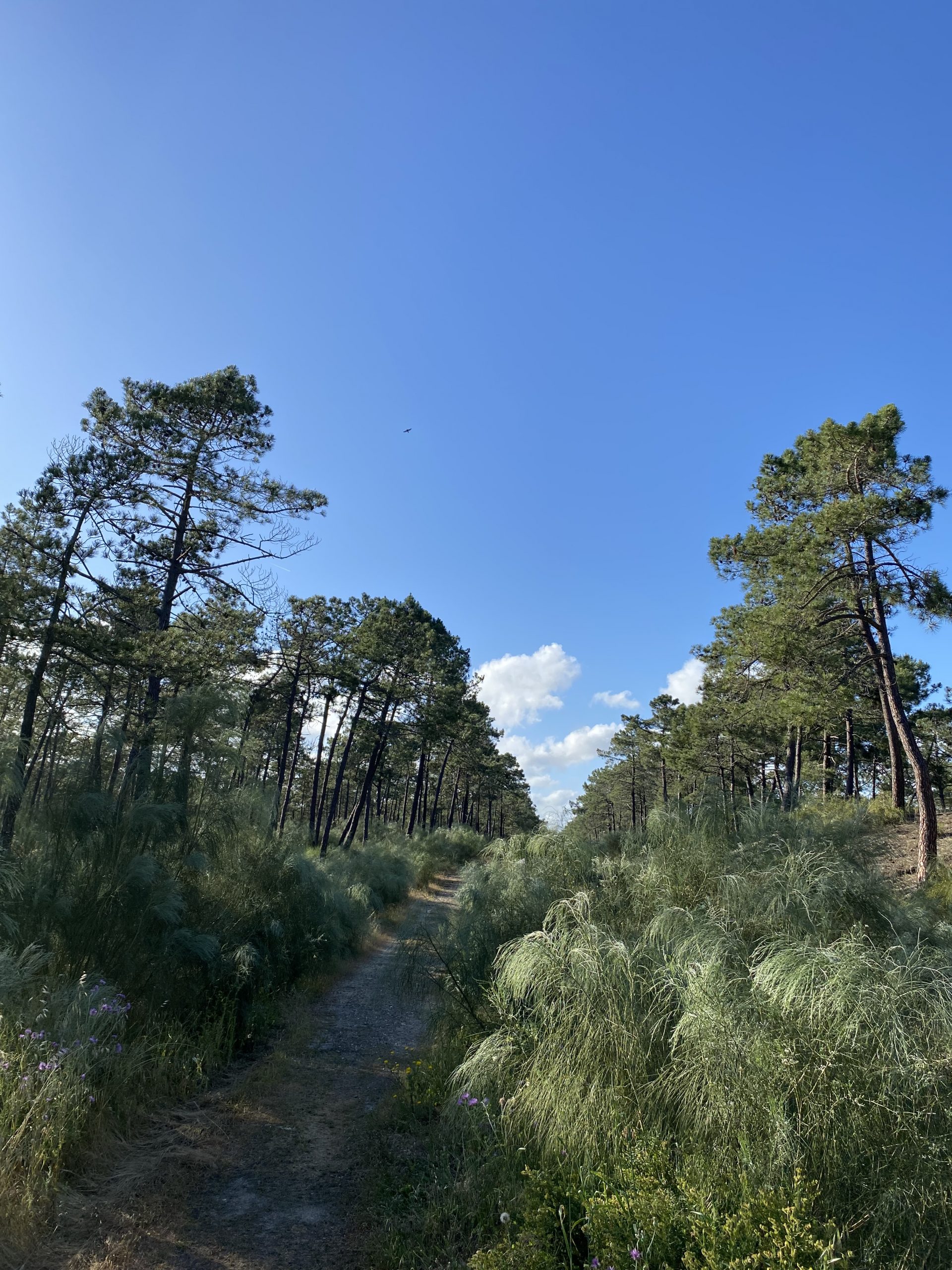
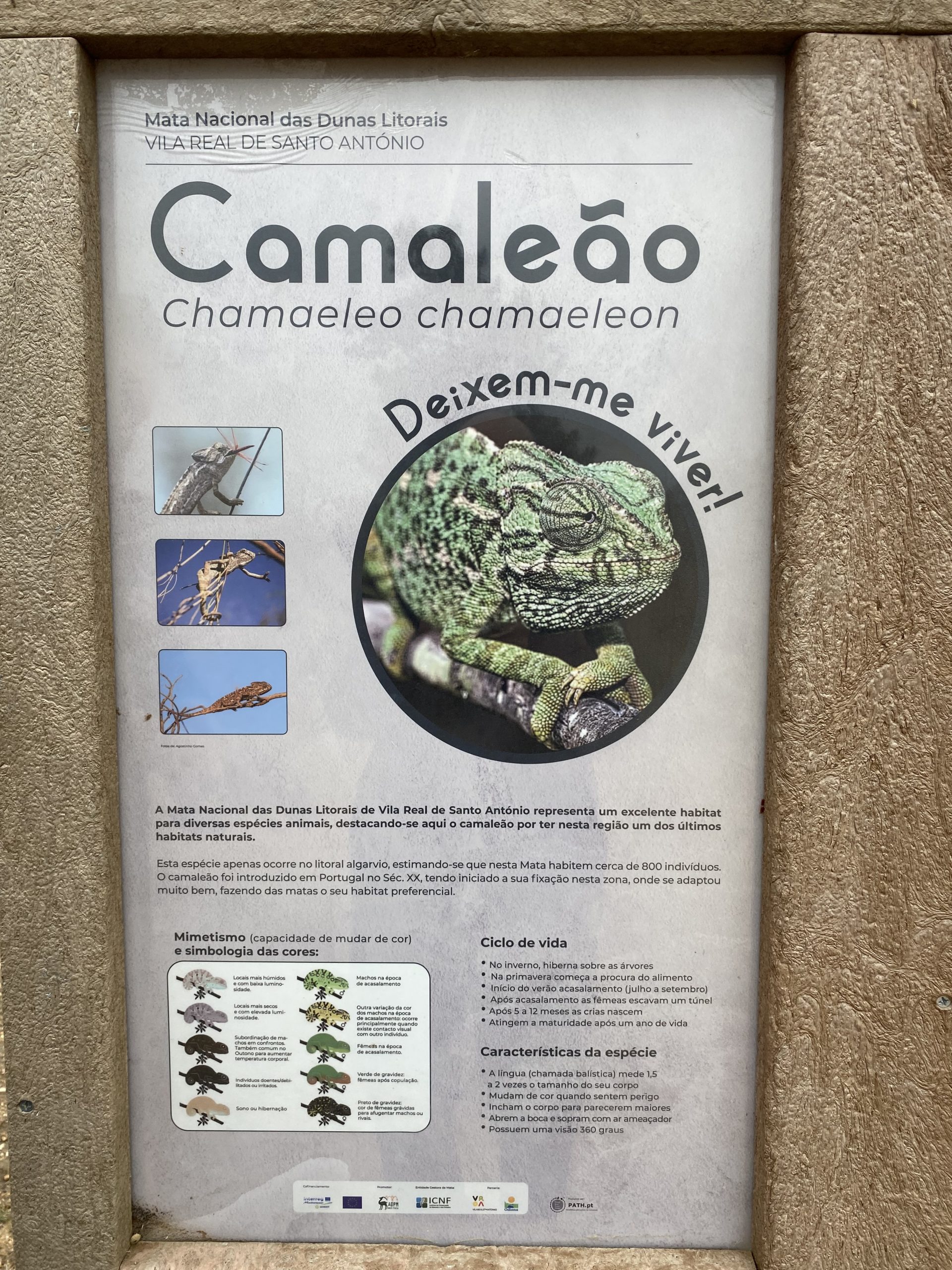
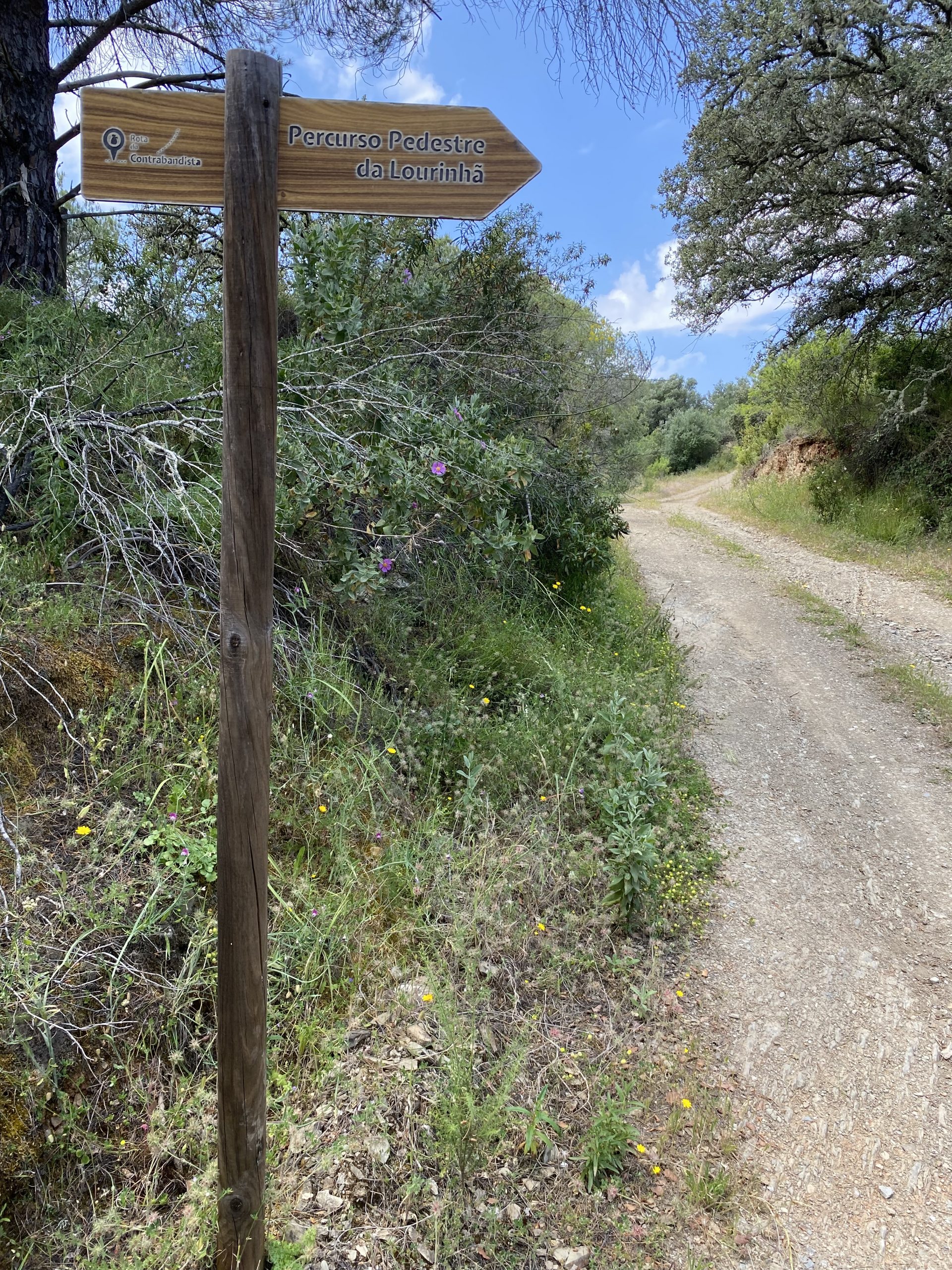
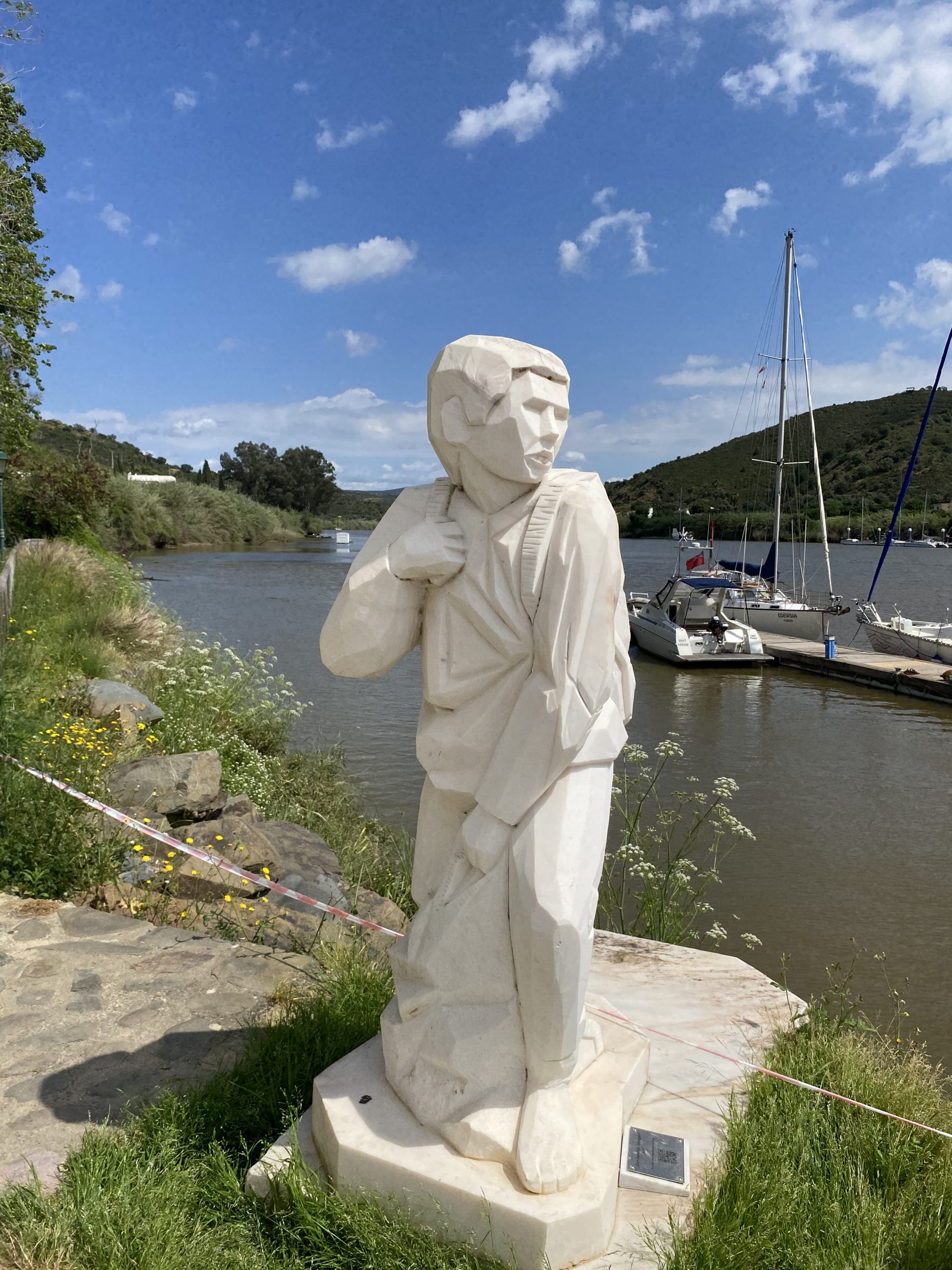
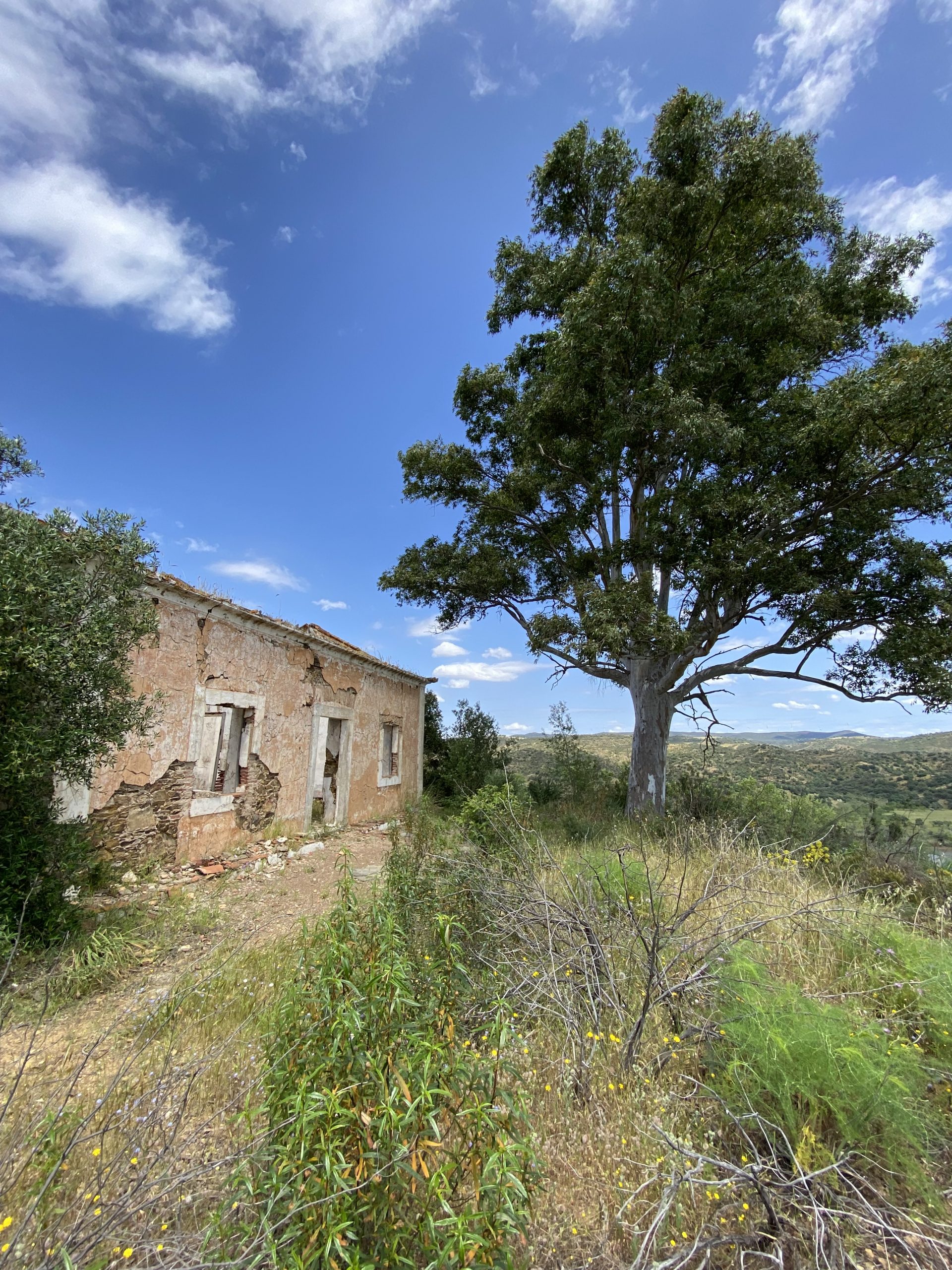
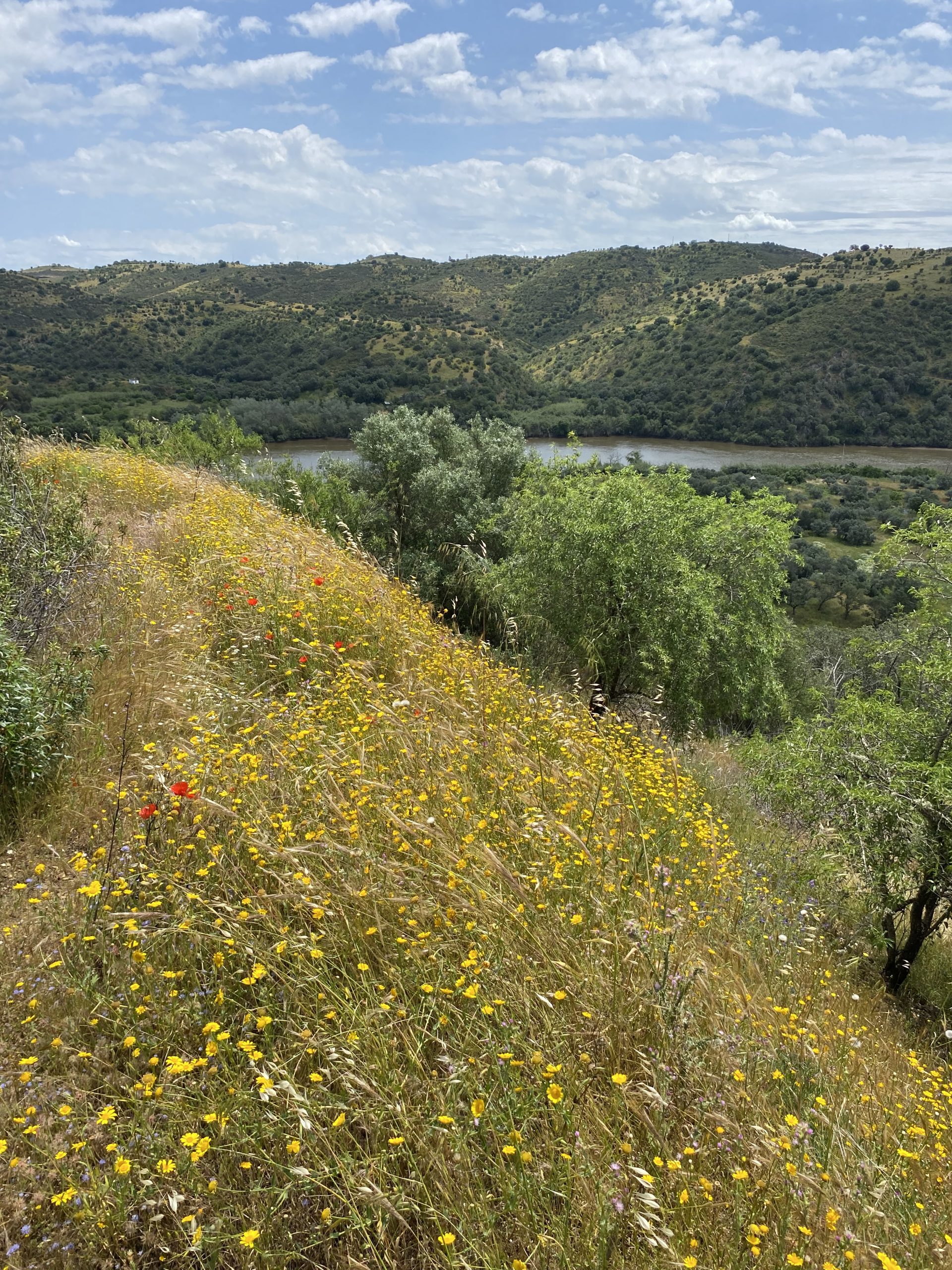
Monte Gordo is nestled along the southeastern coast of Portugal, just a short distance from the Spanish border. The area is framed by vast beaches, peaceful pine forests, and the proximity of the Guadiana River, which has long played a vital role in local trade and border dynamics. Historically, the Smugglers Route (Rota dos Contrabandistas) ran through this region, offering passage between Portugal and Spain during times of political or economic tension. Nowadays, you can hike along the route, enjoying scenic views over the river and imagining the police and smugglers playing cat and mouse in the hilly landscape with dense vegetation.
The Monte Gordo region and especially the town Castro Marim are also known for their salt pans, still used today in traditional salt harvesting—a practice with deep cultural roots and economic importance. The salty air and the golden light make this a beautiful, sensory-rich place to begin any journey.
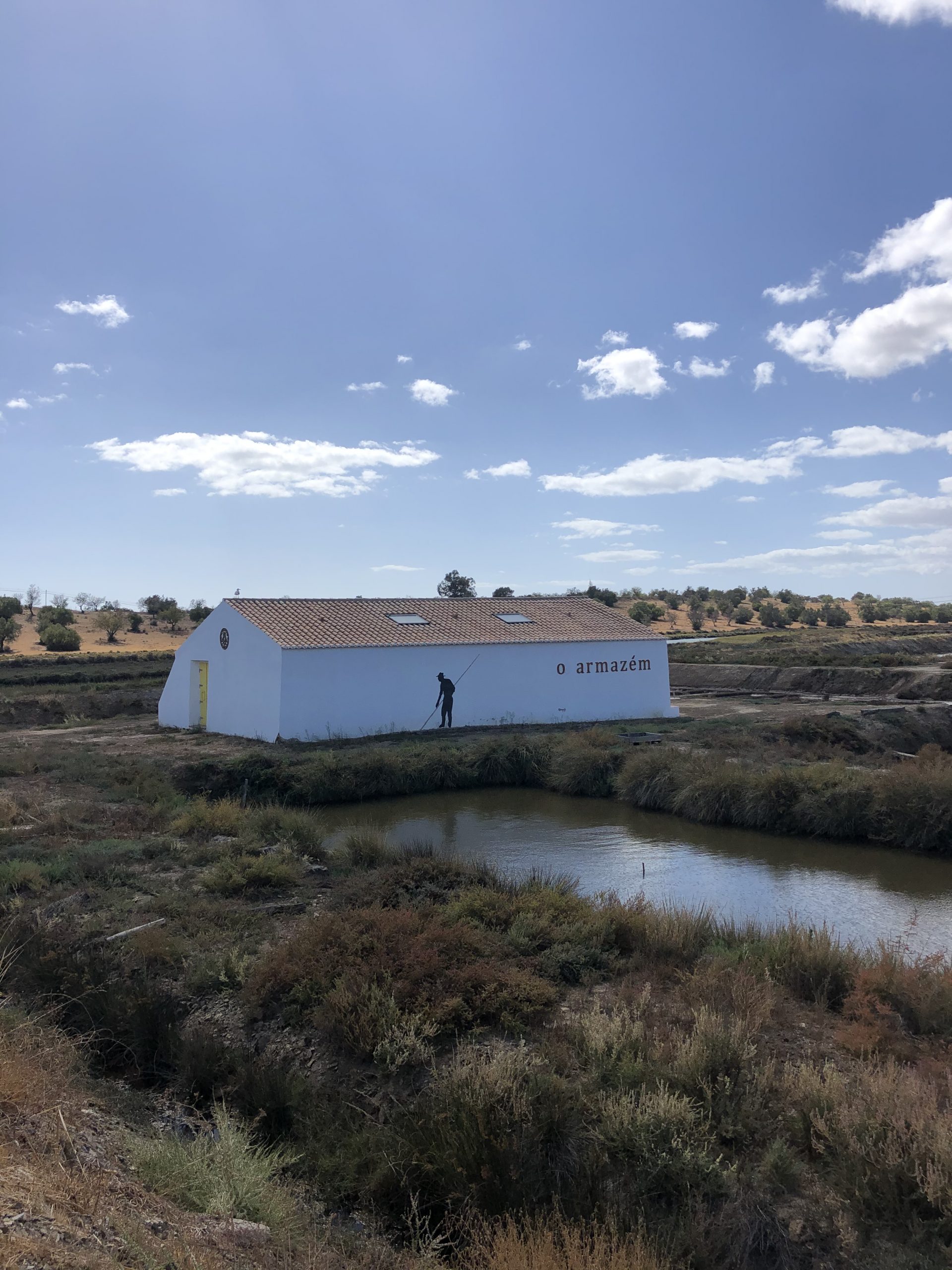
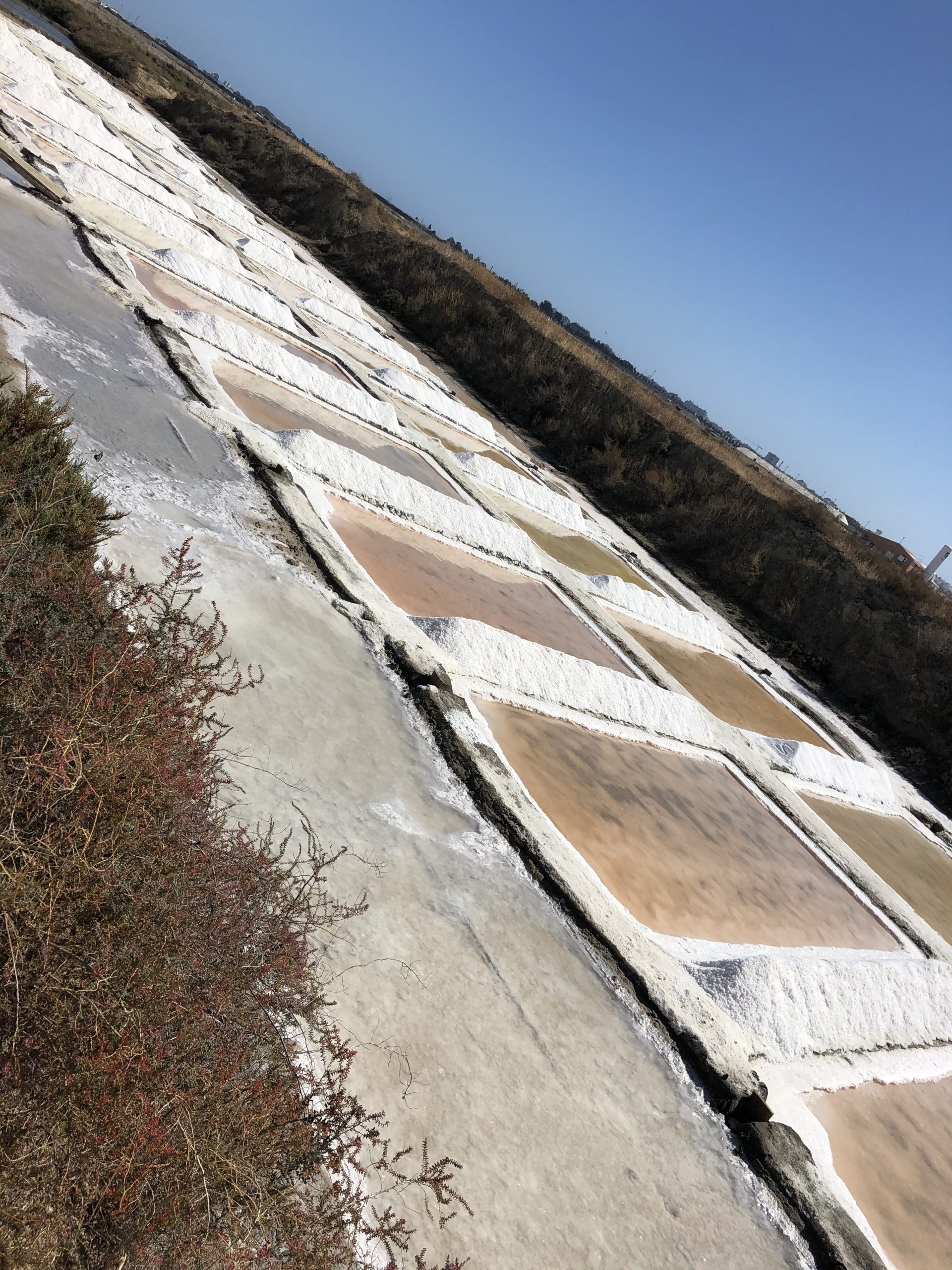
My first attempt in Monte Gordo was a classic focaccia. With olive oil, rosemary, tomatoes and flaky salt, it tasted as it should: rustic, flavorful, and satisfying. However, the accommodation lacked a proper deep baking pan, so the focaccia came out a bit flat. Still, it was a promising start—and delicious nonetheless.

Aljezur – Pita and the Power of Wild Herbs
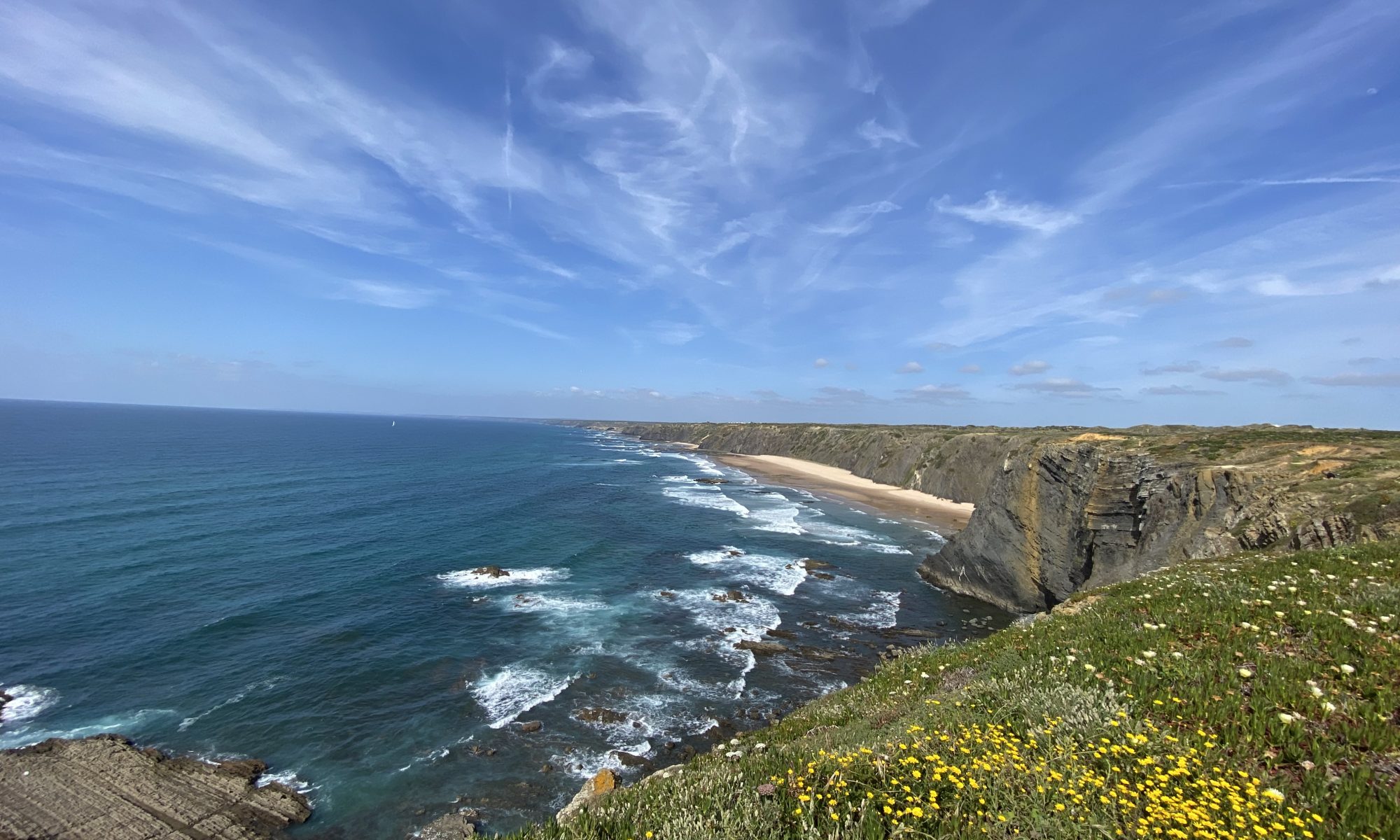
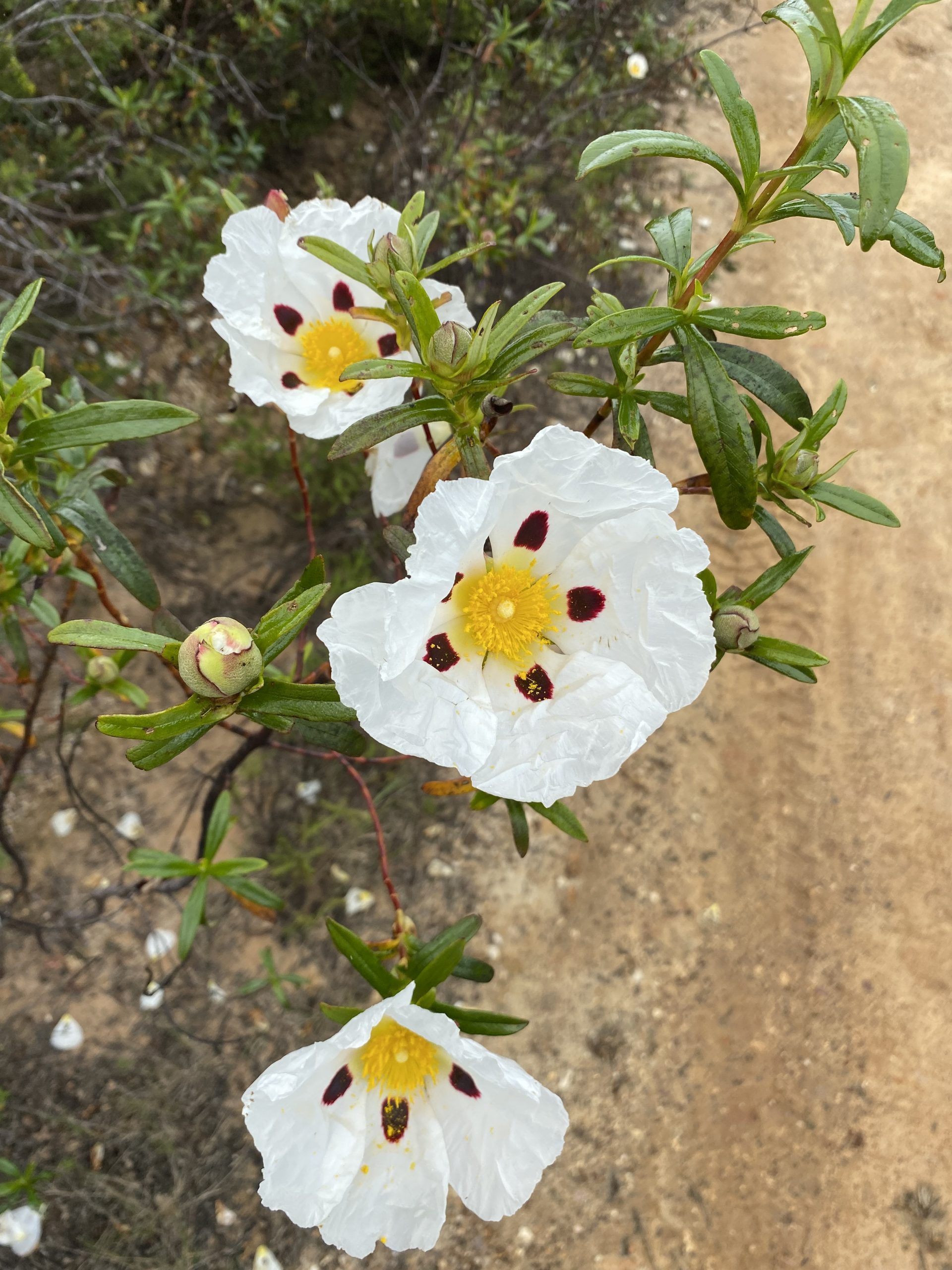
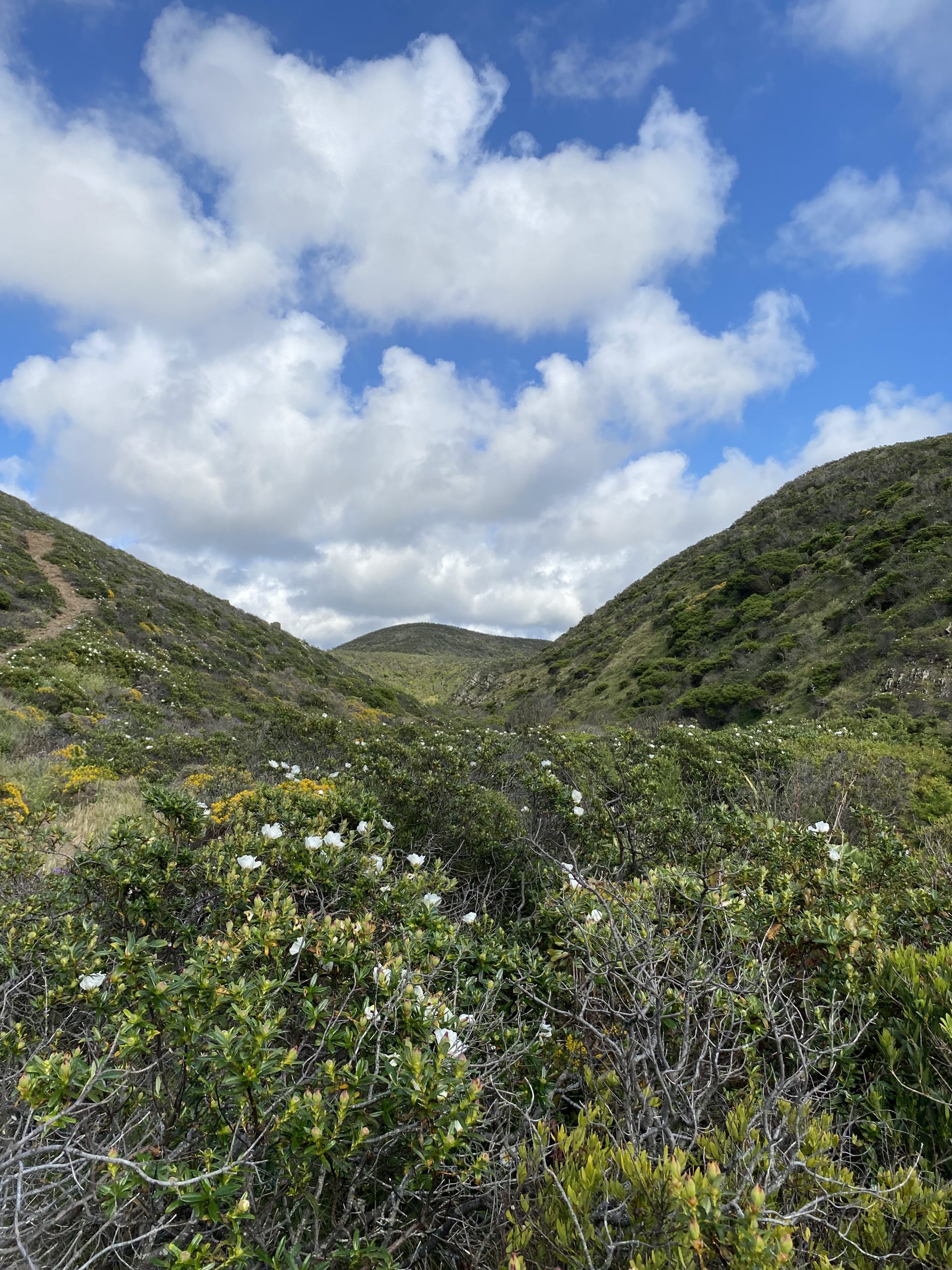
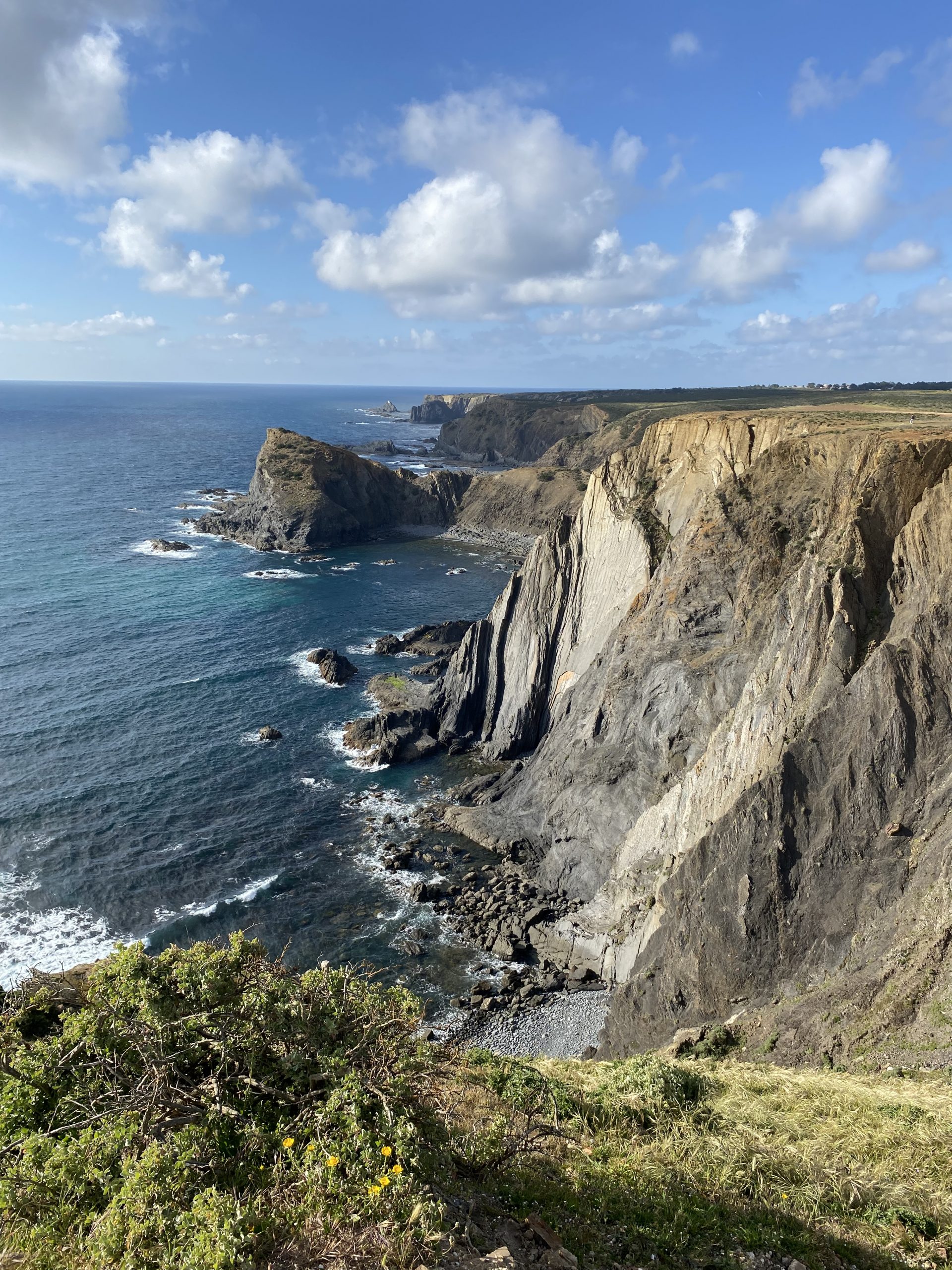
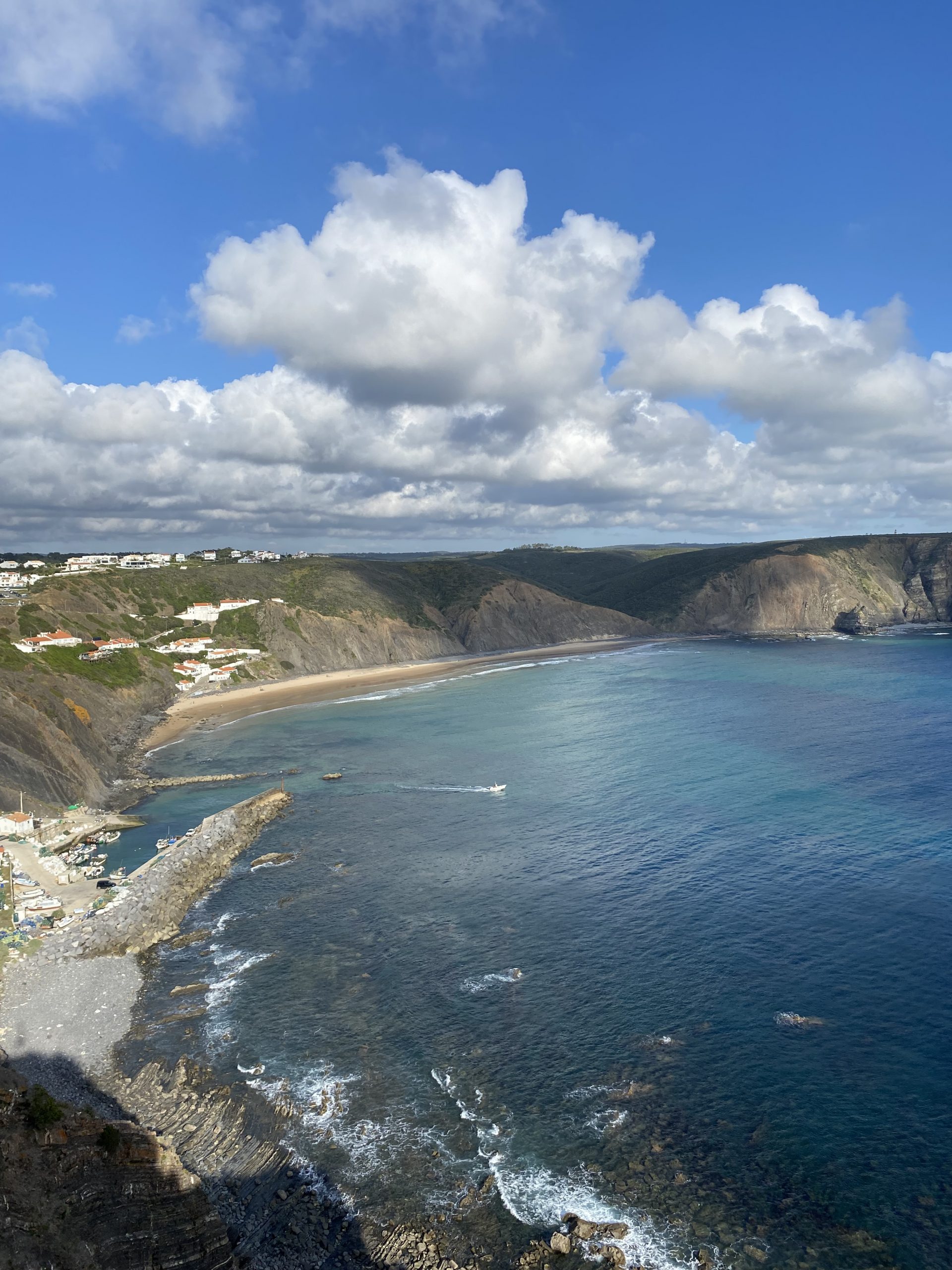
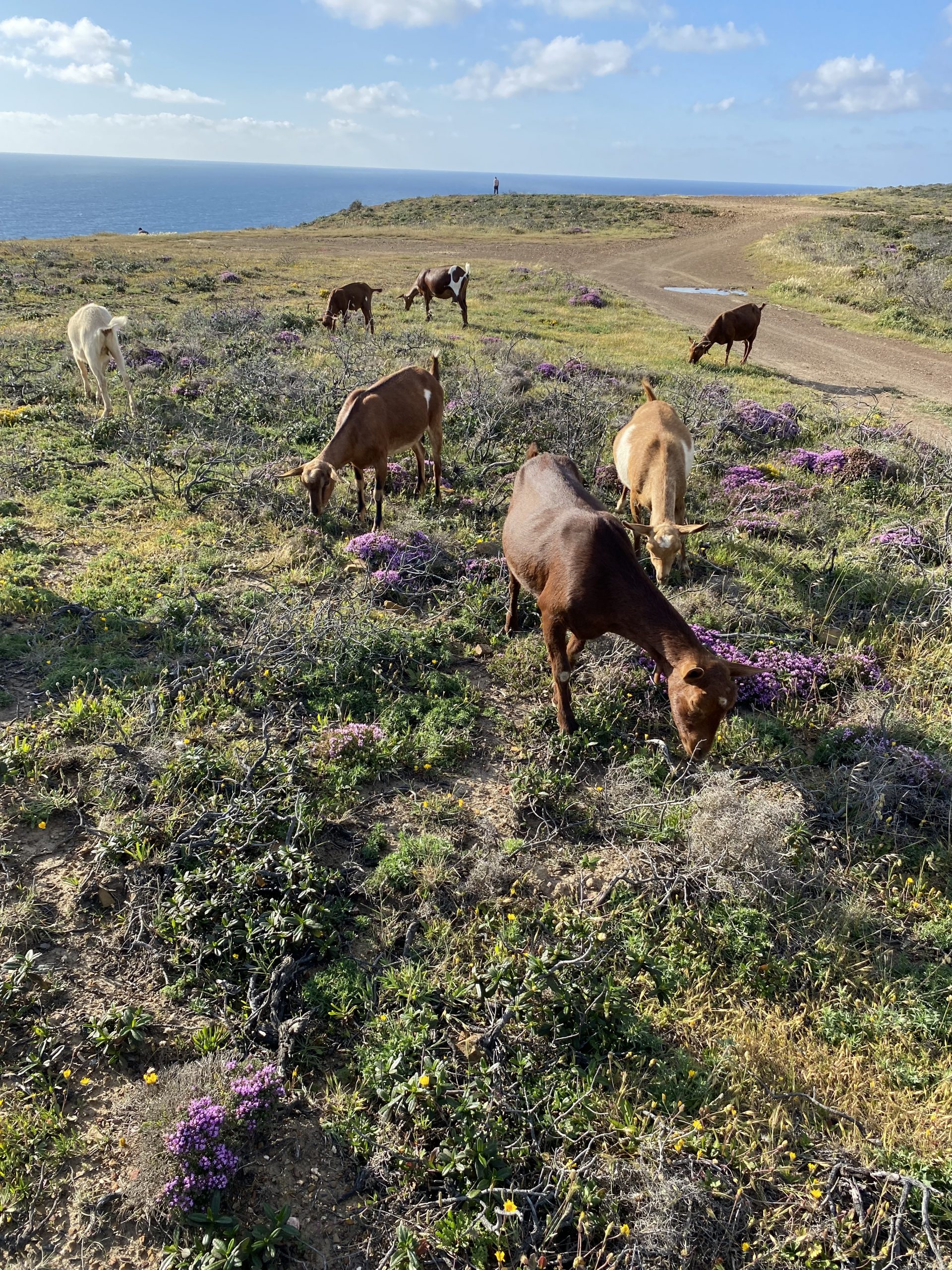
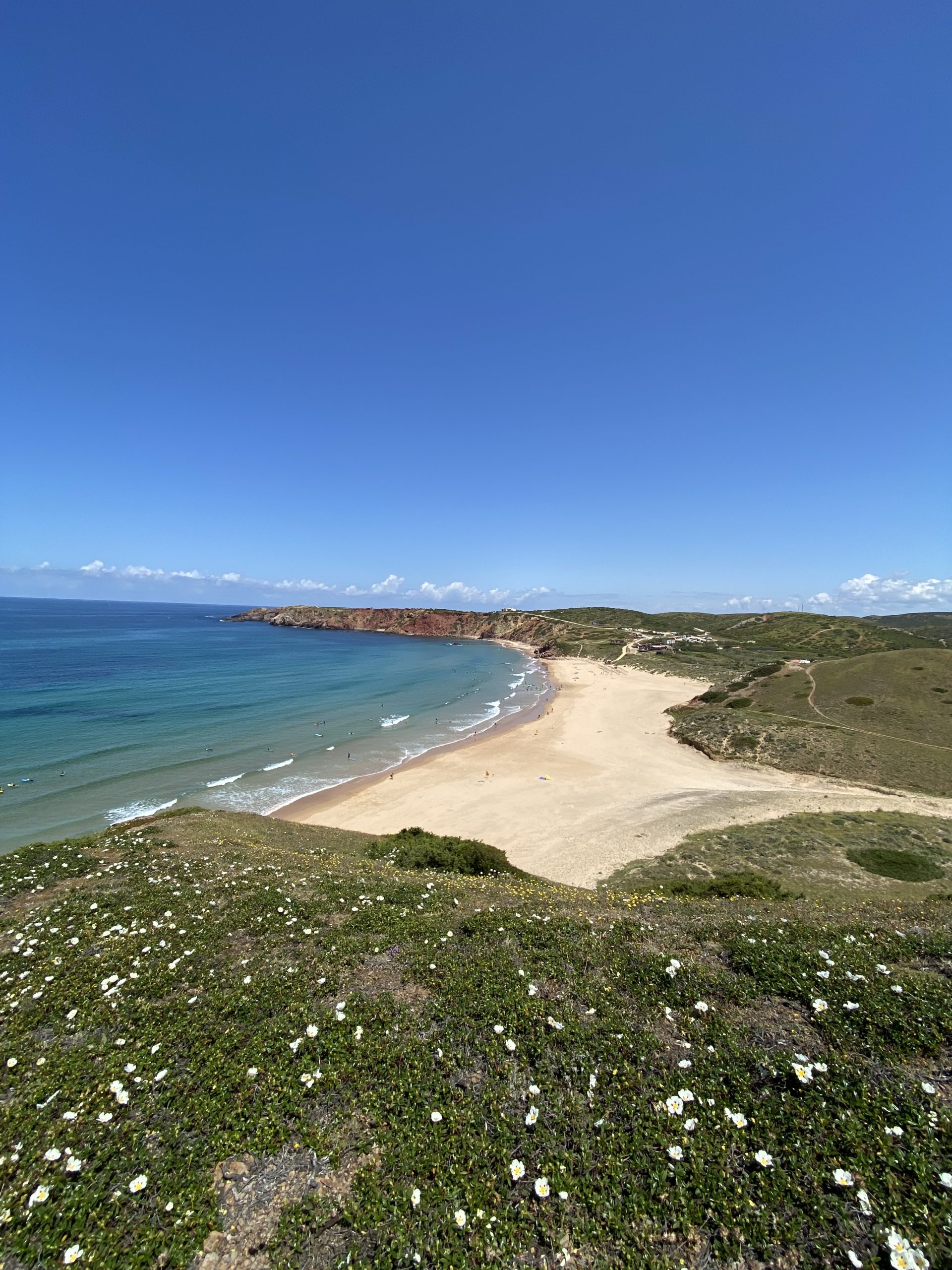
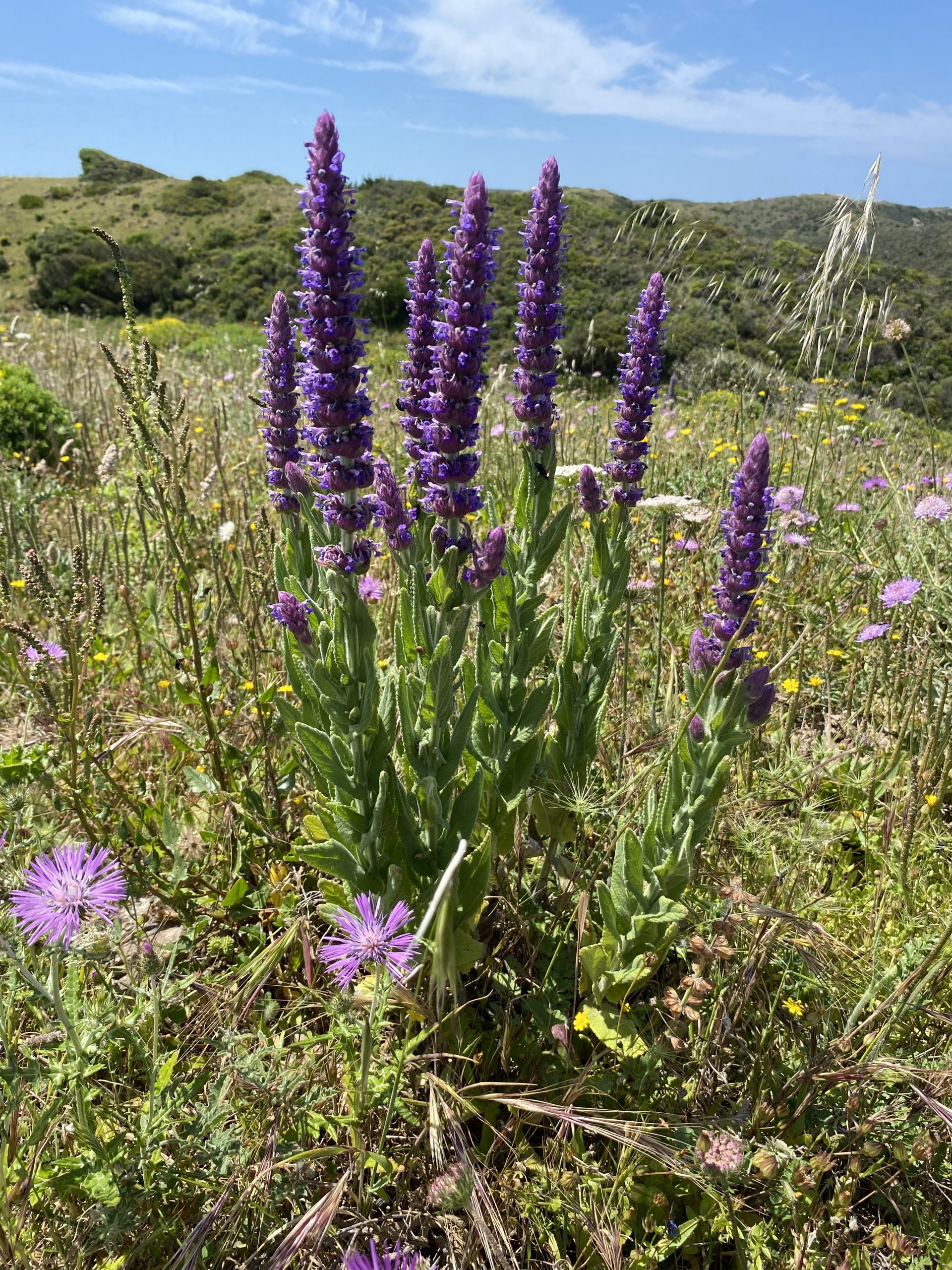
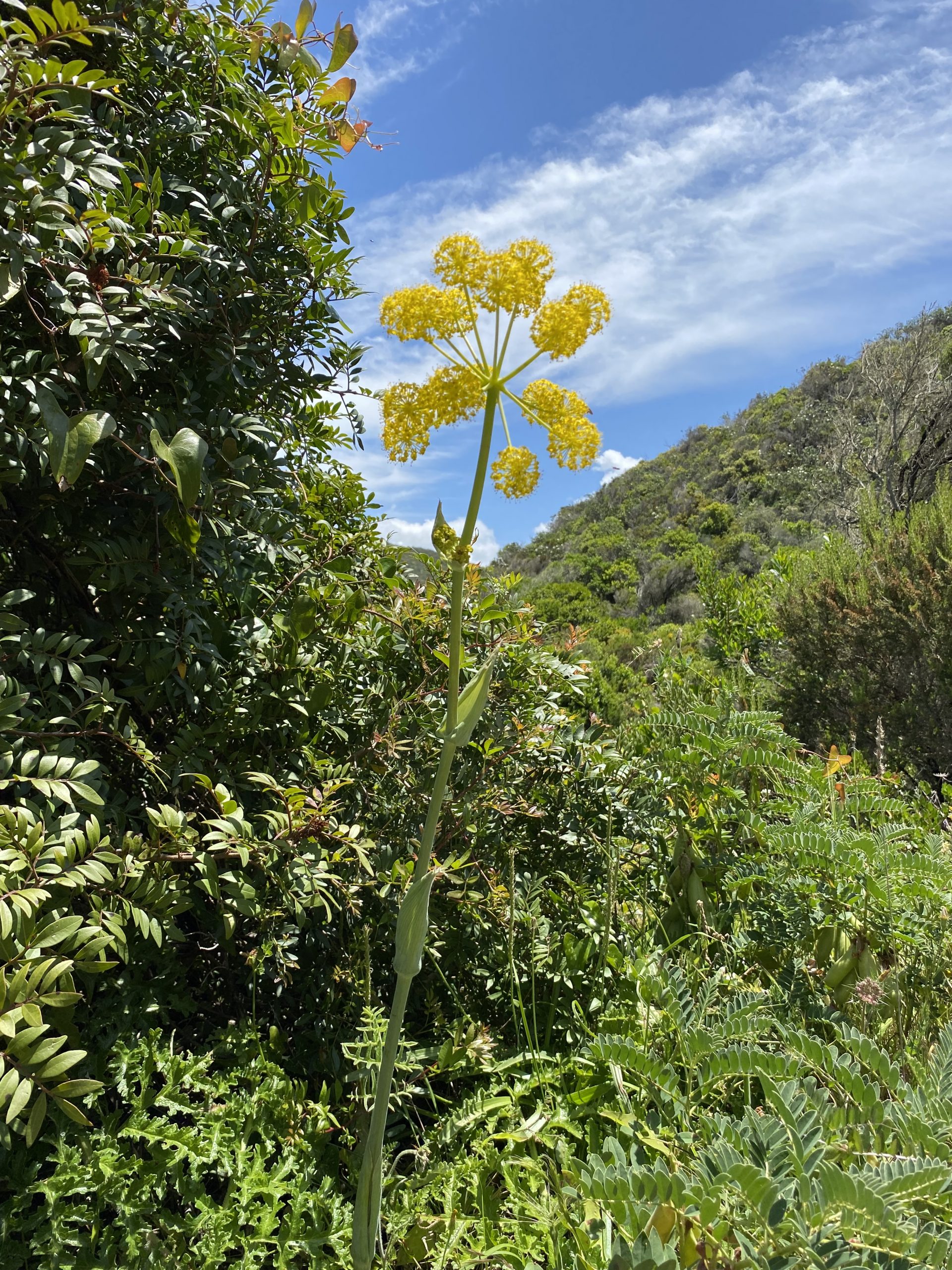
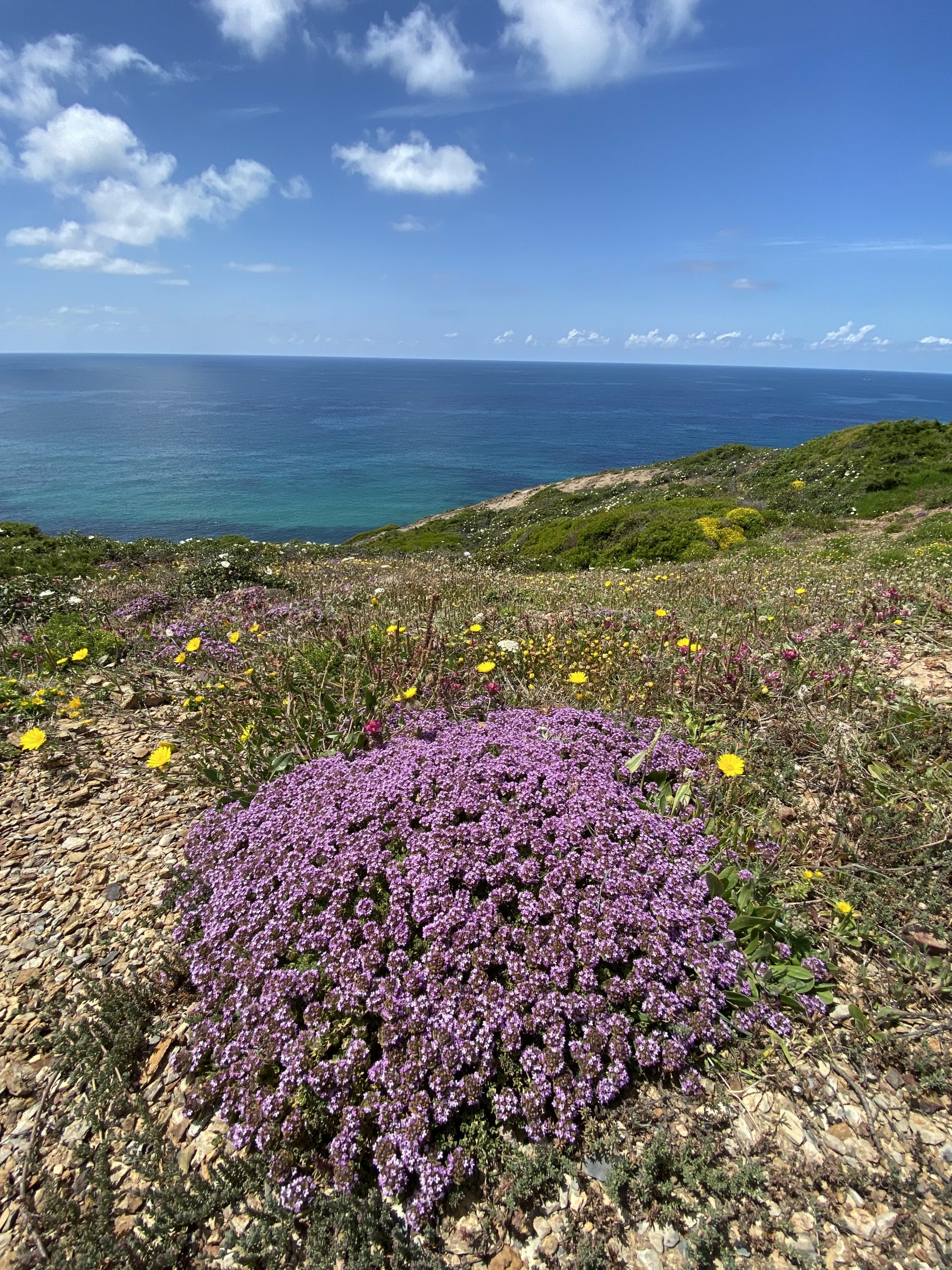
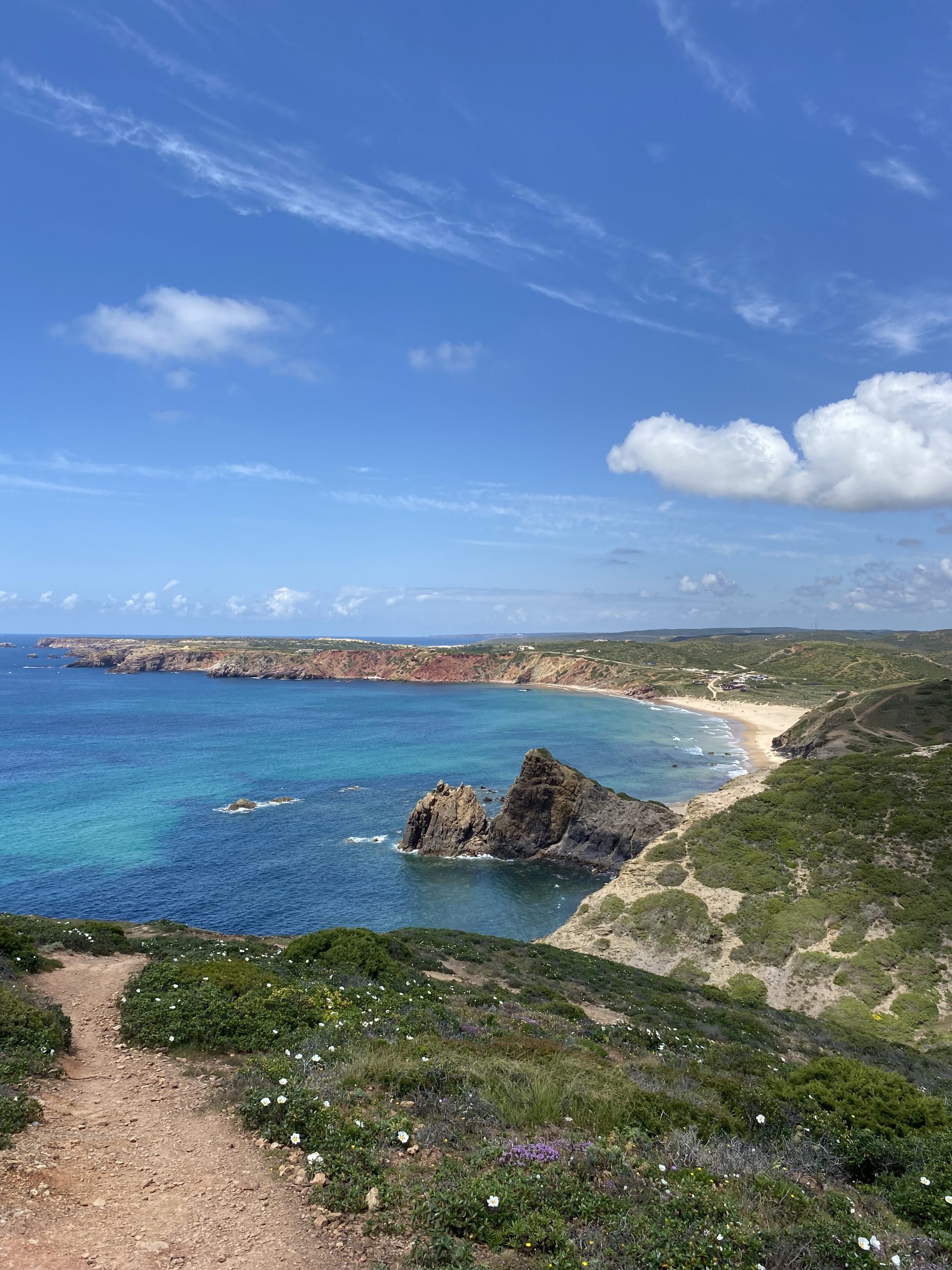
From the salt flats of the Algarve, I moved west to Aljezur, a small town famed for its natural beauty and wild coastlines. I stayed in Vale da Telha, a quiet residential area surrounded by low hills, eucalyptus groves, and the intense, aromatic presence of gum rockrose. The Cistus ladanifer is a wild plant that covers the region in spring with sticky-sweet fragrance and striking white flowers. Other ingredients of the spring breeze in the air were the wild thyme, lavender, and fennel.
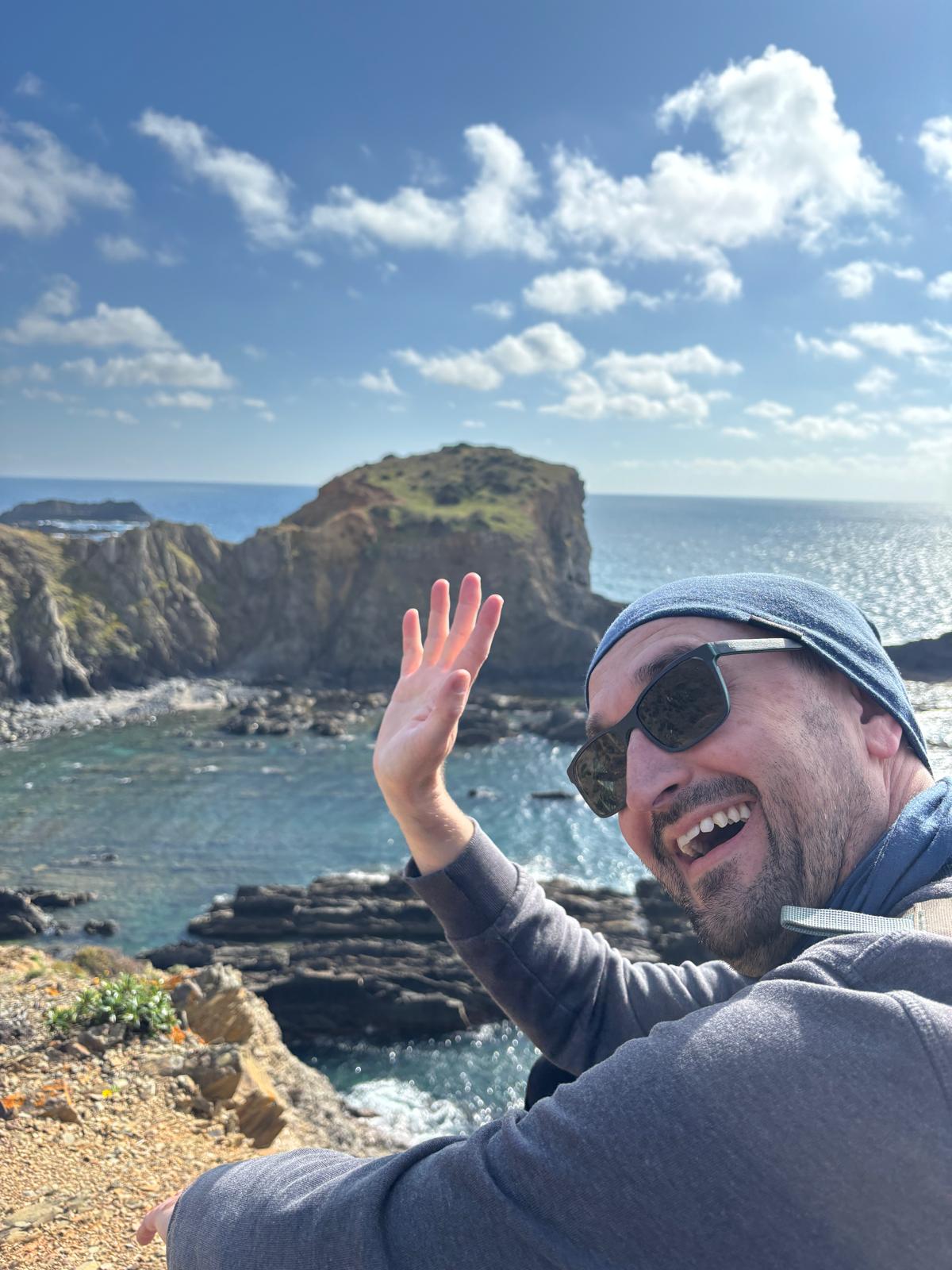
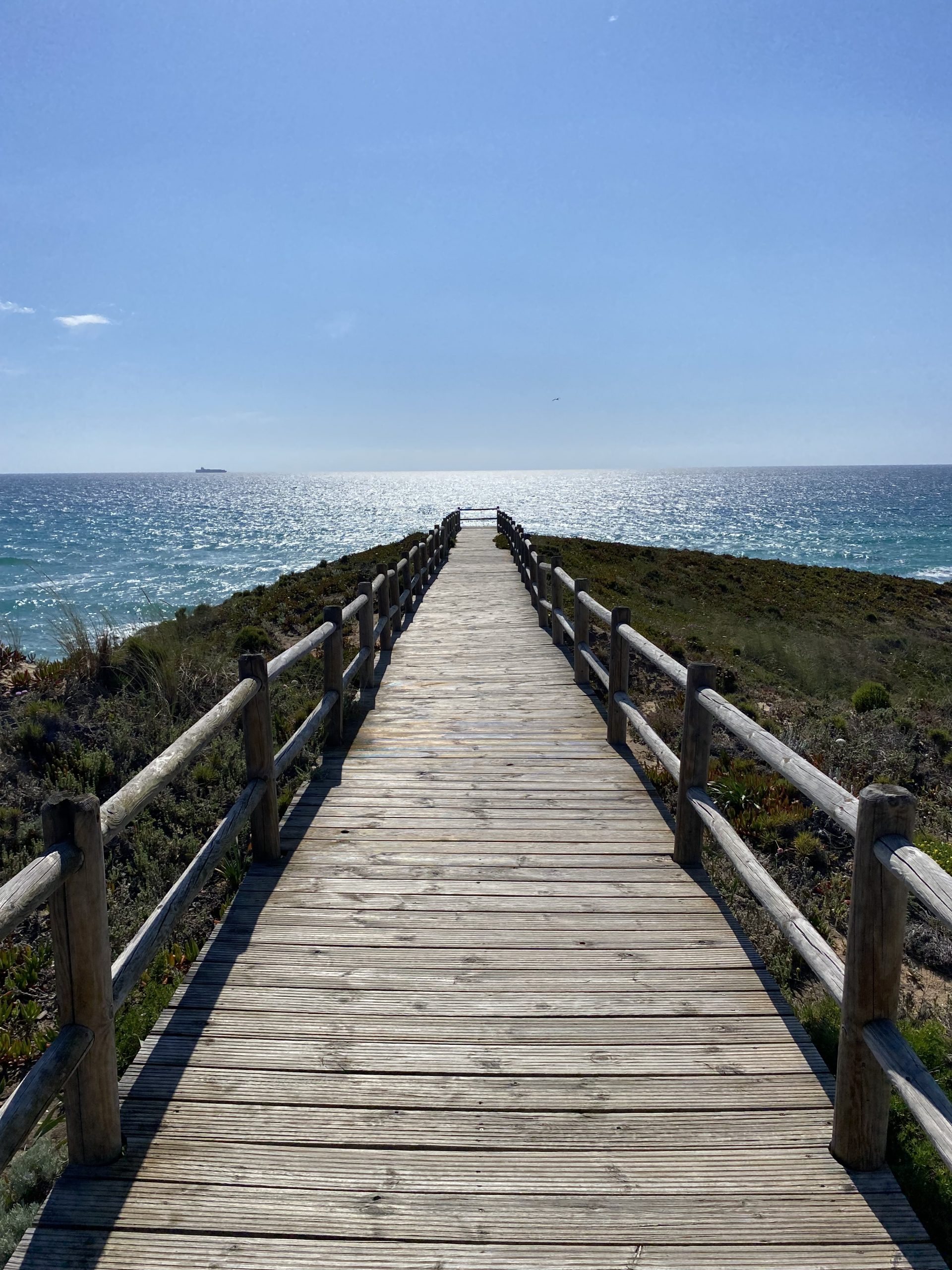
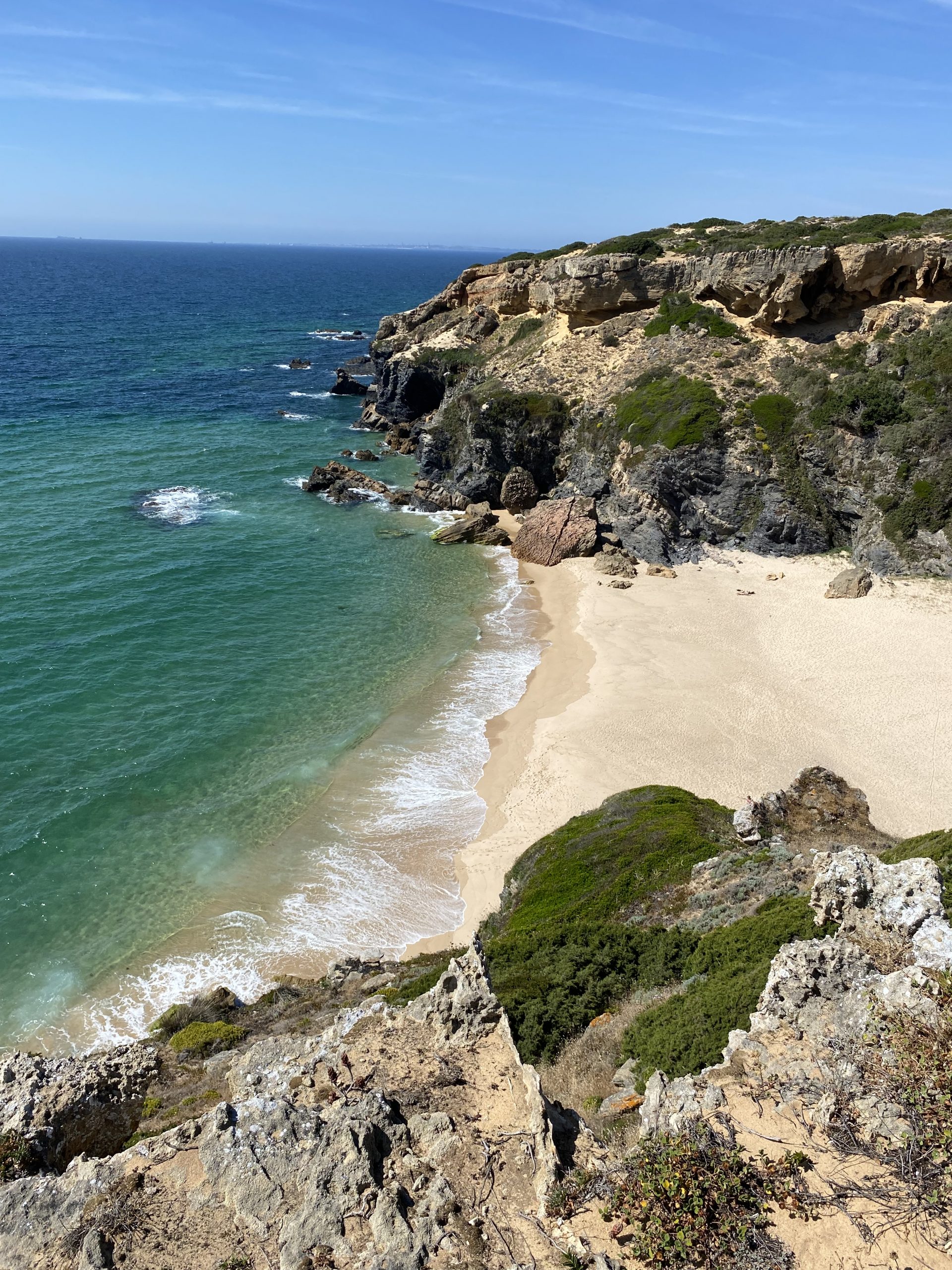
Some of the nearby beaches—Arrifana, Monte Clérigo, and Amoreira—are simply breathtaking. With cliffs, sand dunes, and powerful Atlantic waves, the coastline draws surfers and hikers alike. The Fishermen’s Trail, part of the Rota Vicentina, offers unforgettable ocean views and peaceful walks through wild coastal terrain.
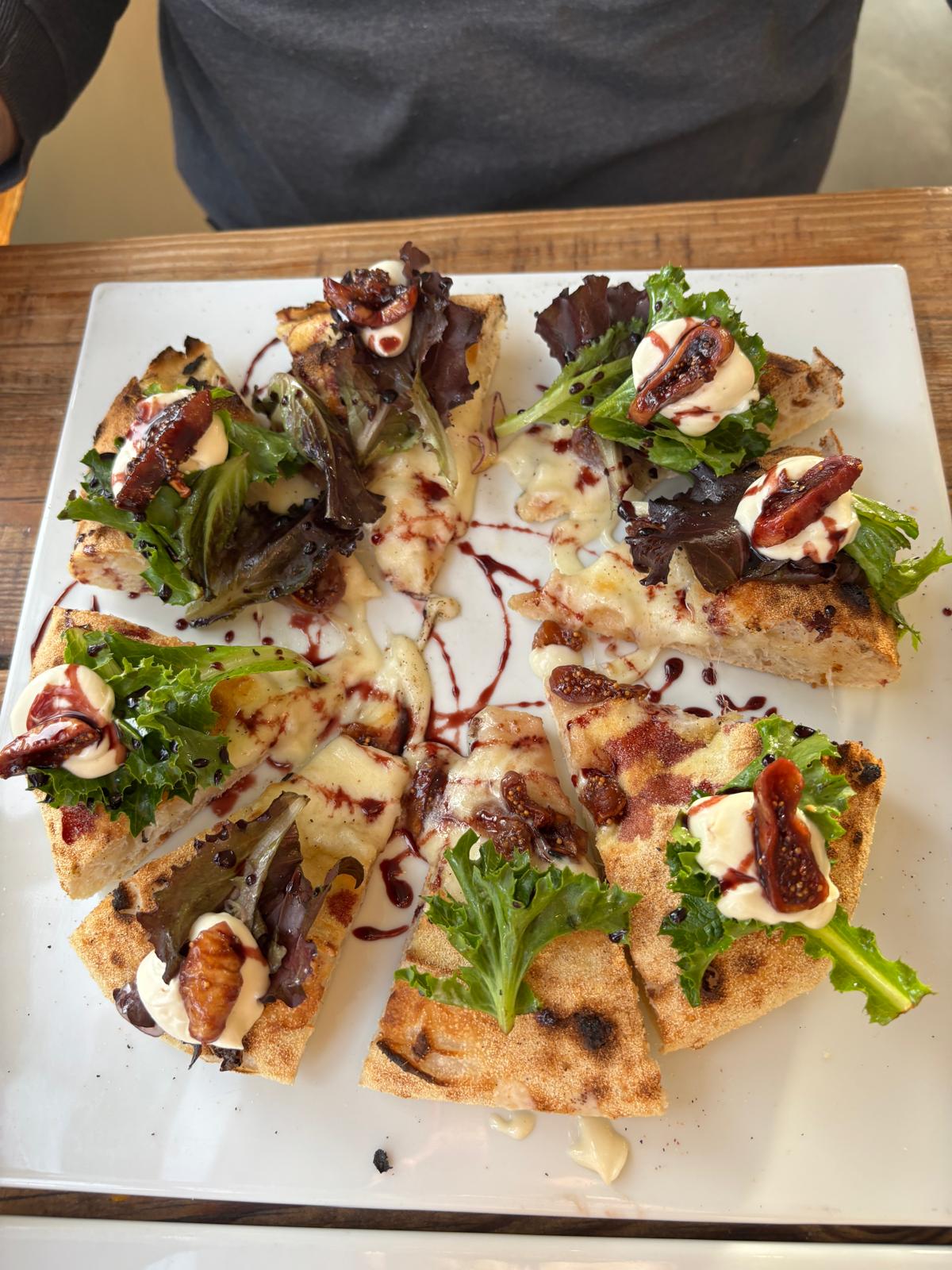
Vale da Telha also surprised me with its culinary scene. Small but excellent eateries offer wood-fired pizzas, regional seafood, oriental flavors and craft burgers. Honestly, it was hard to bake when such temptations were right outside my door.
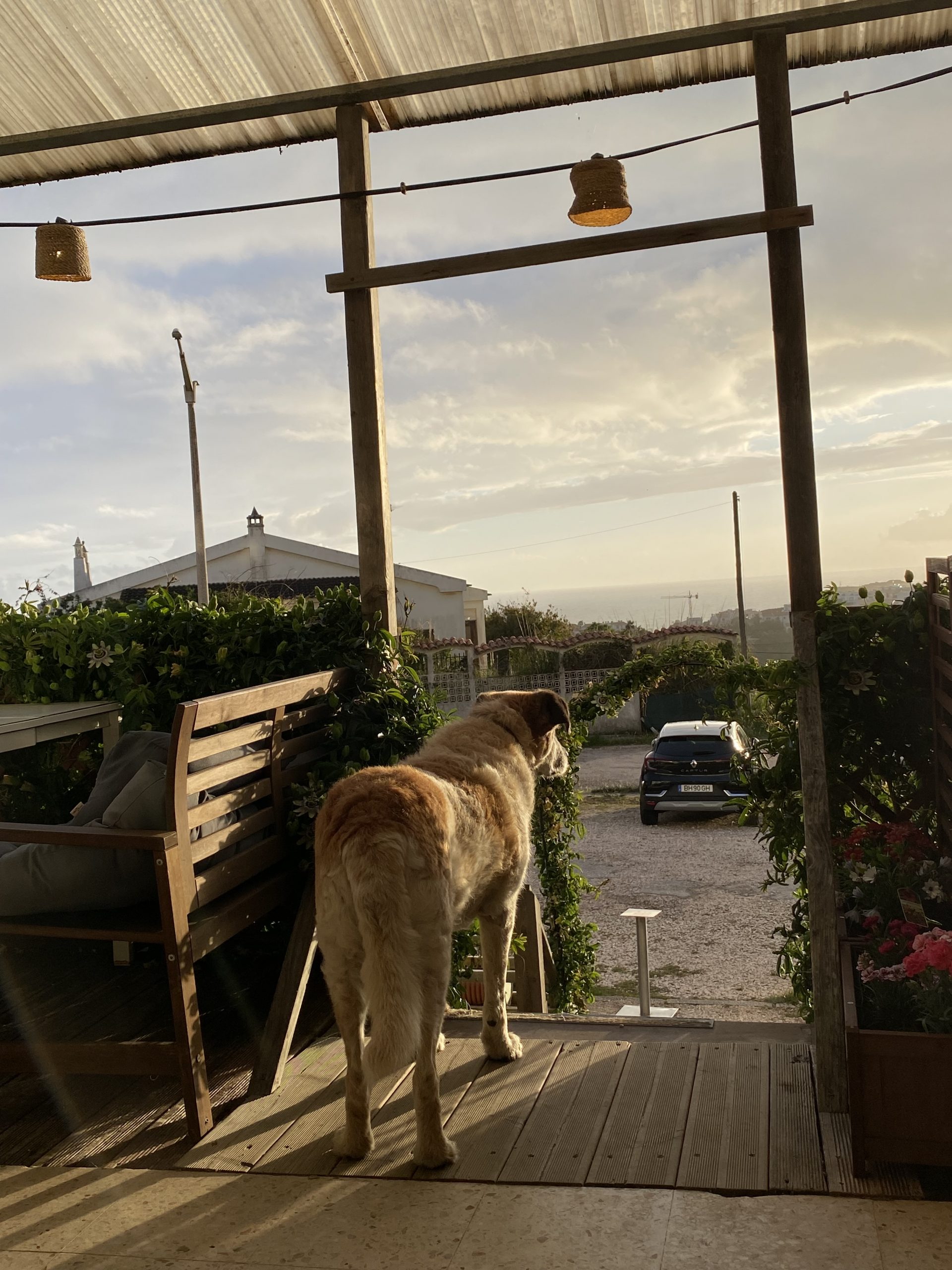
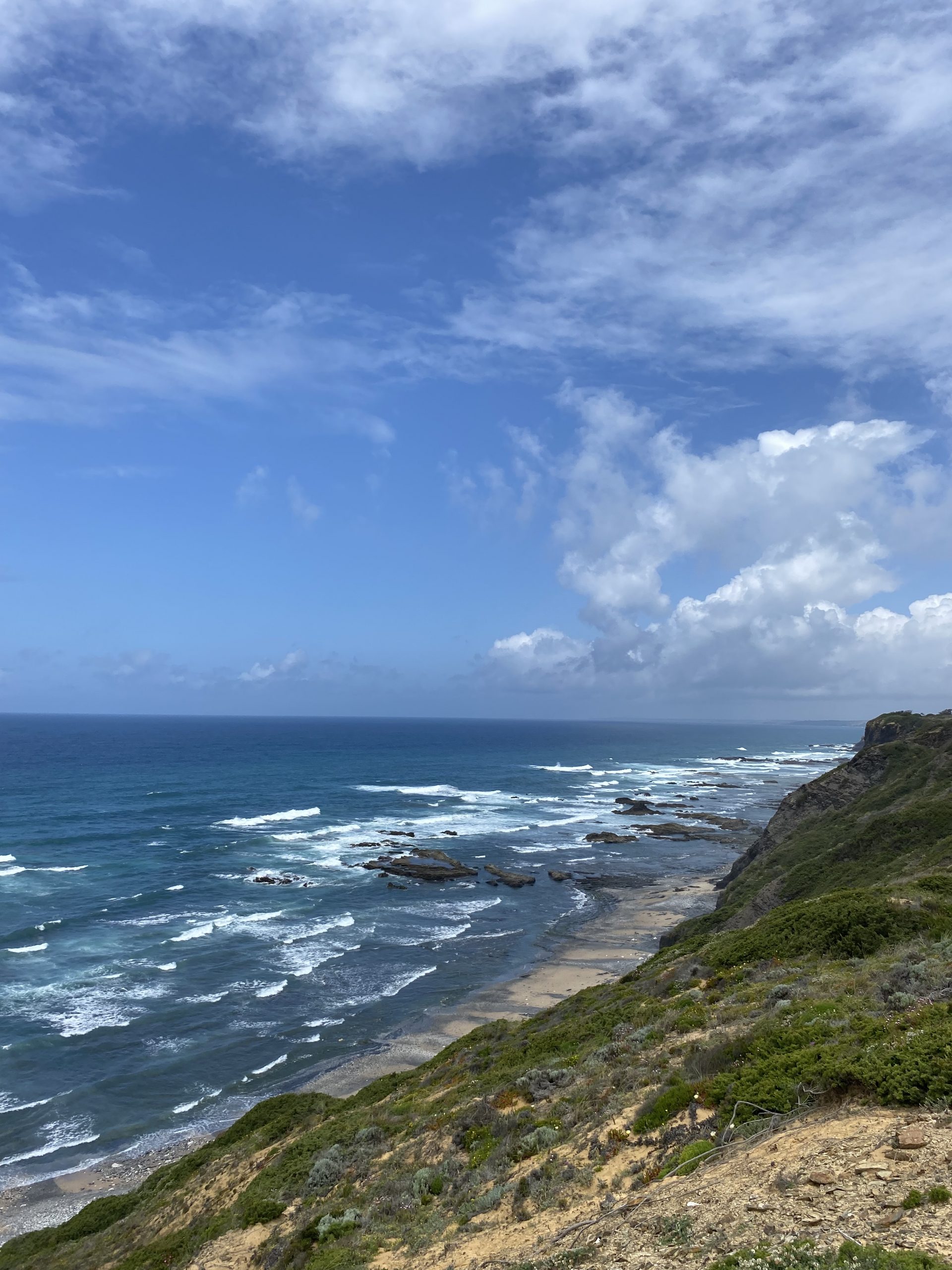
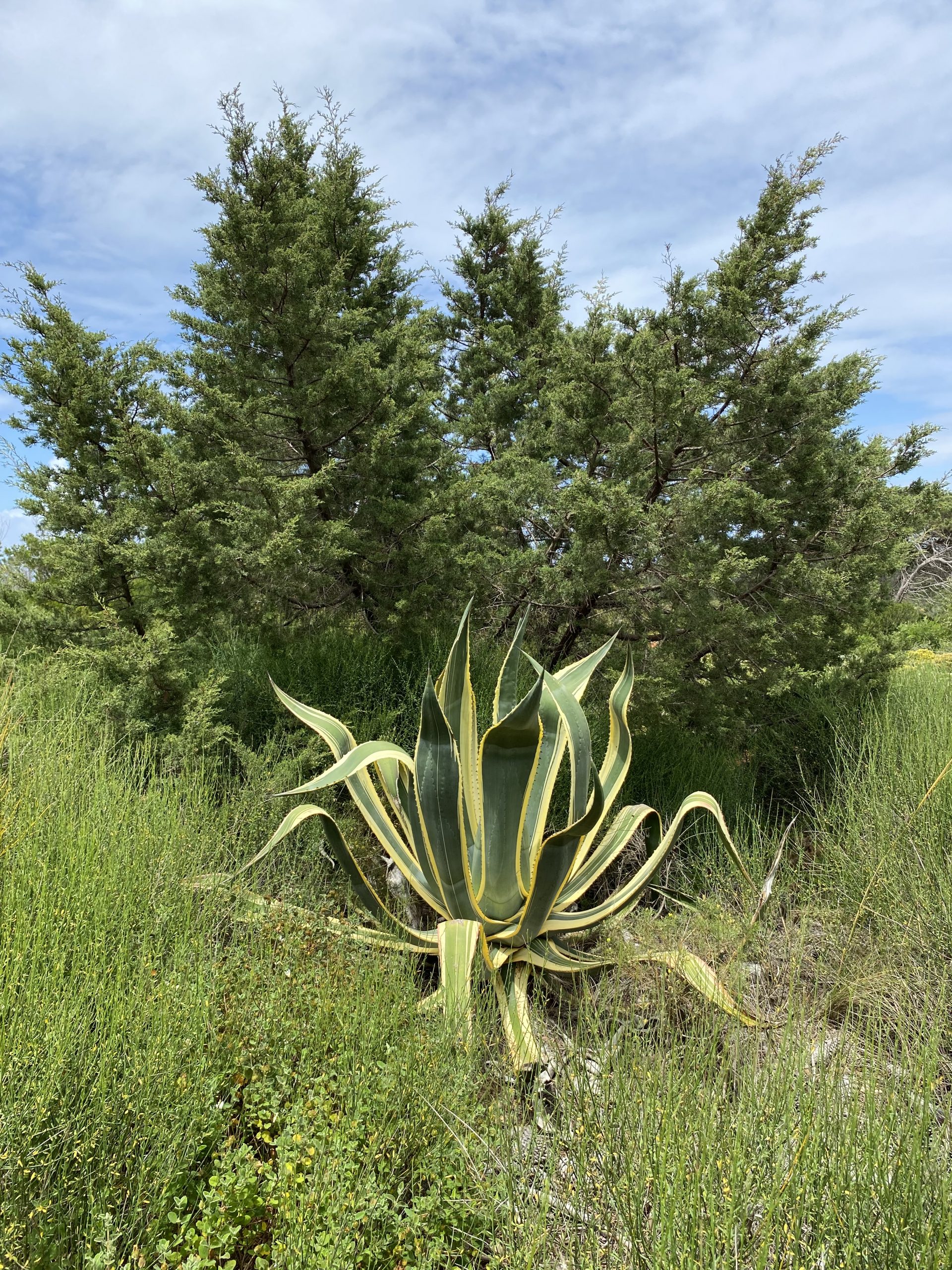
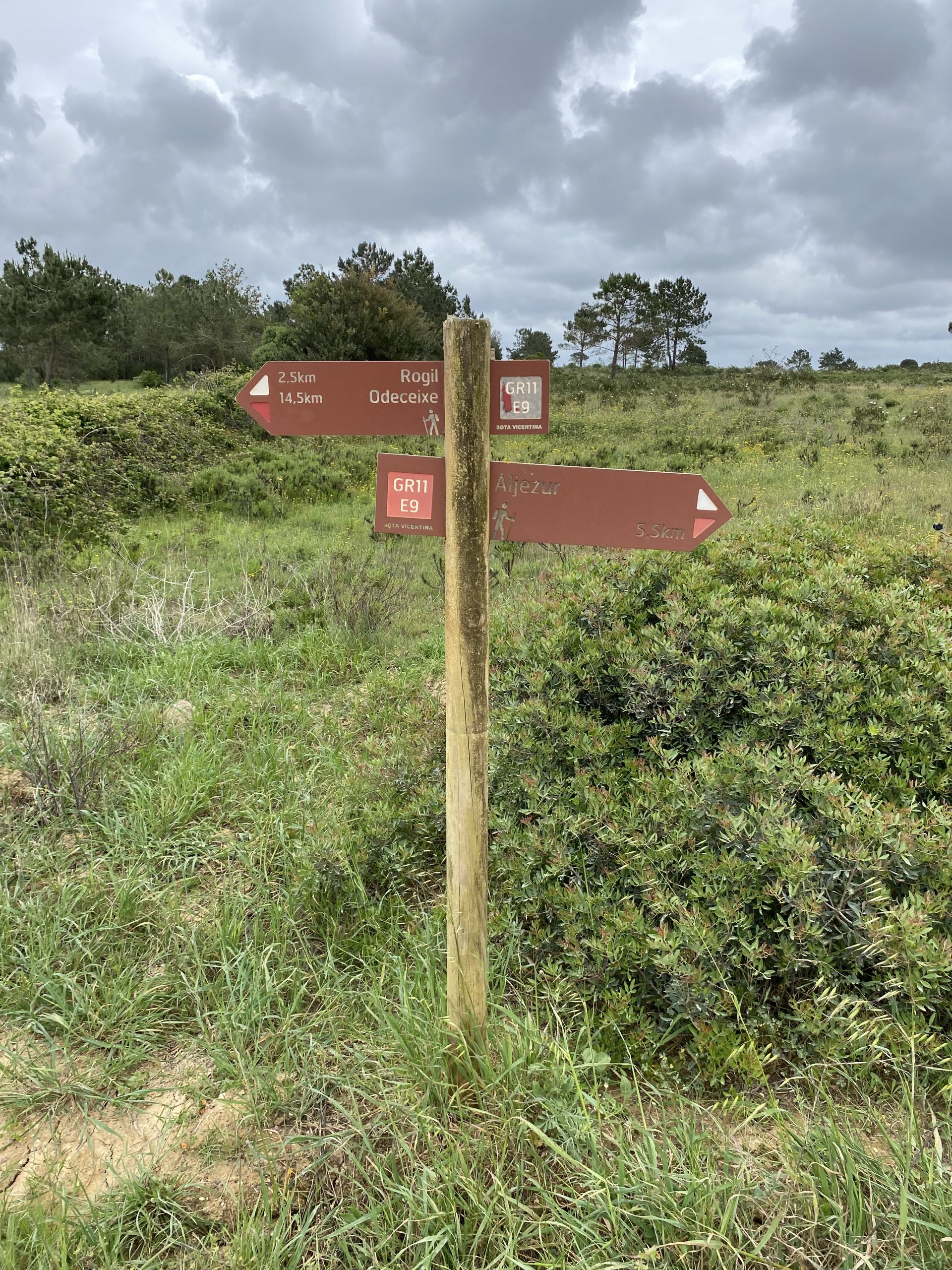
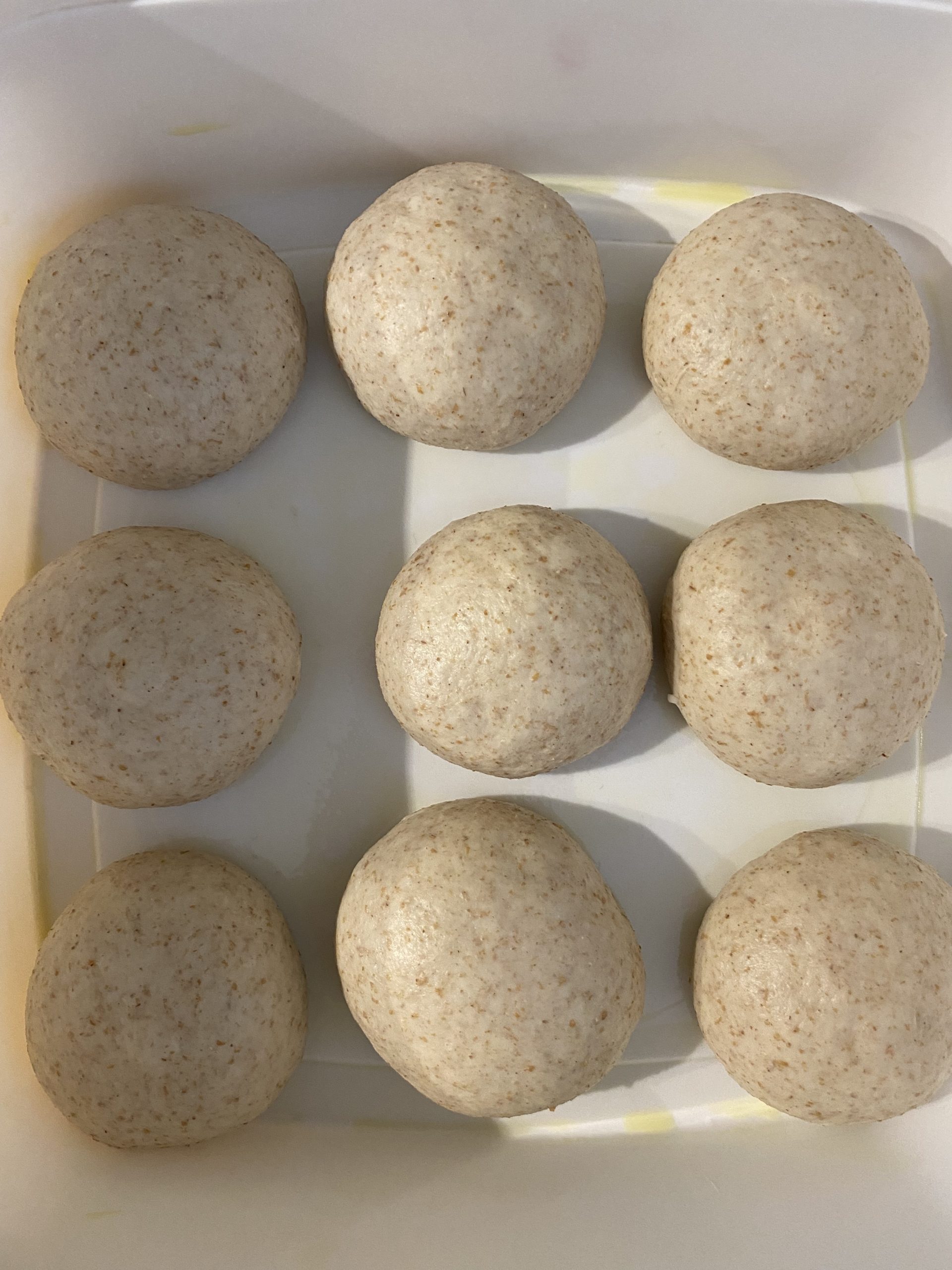
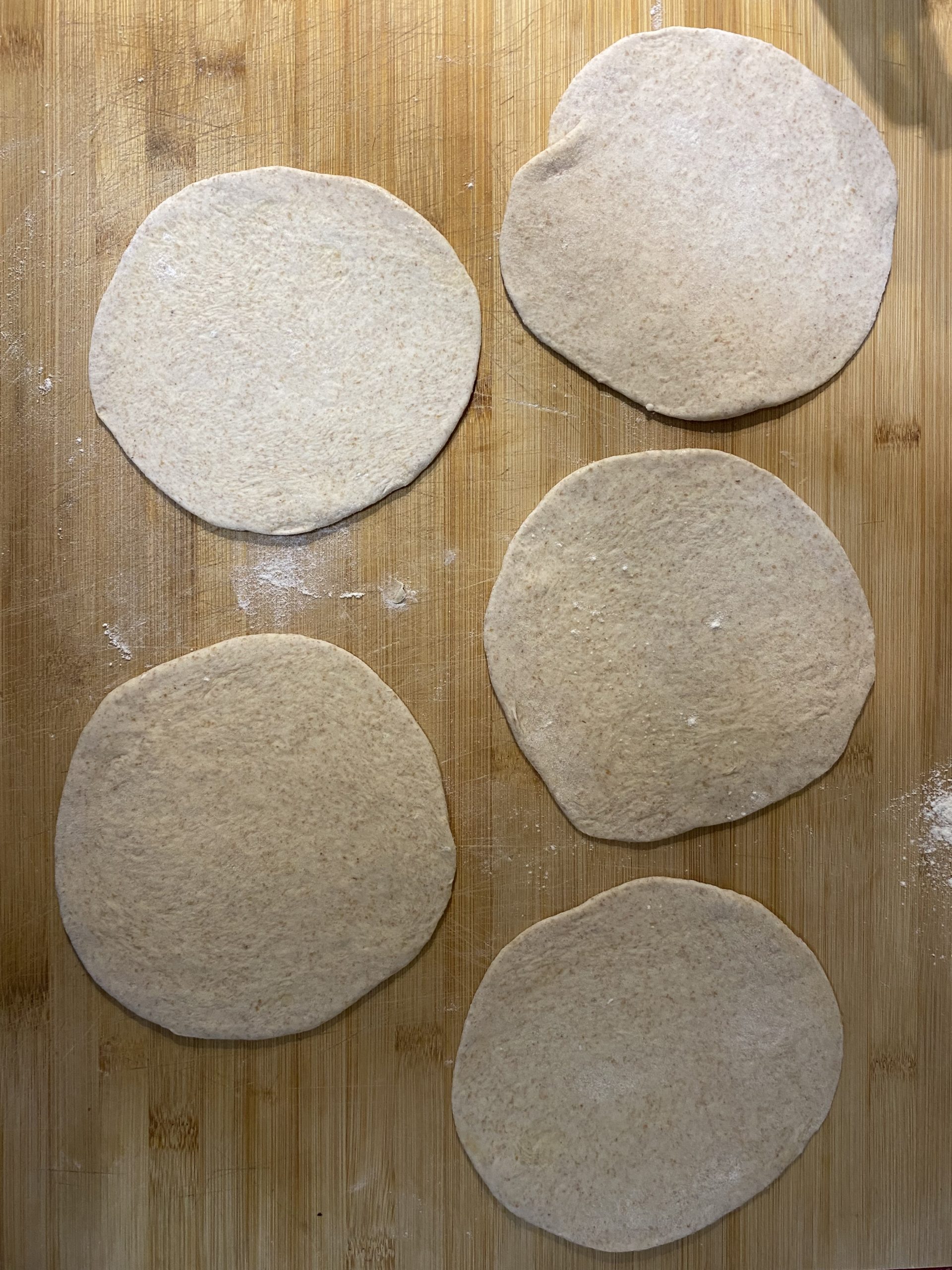
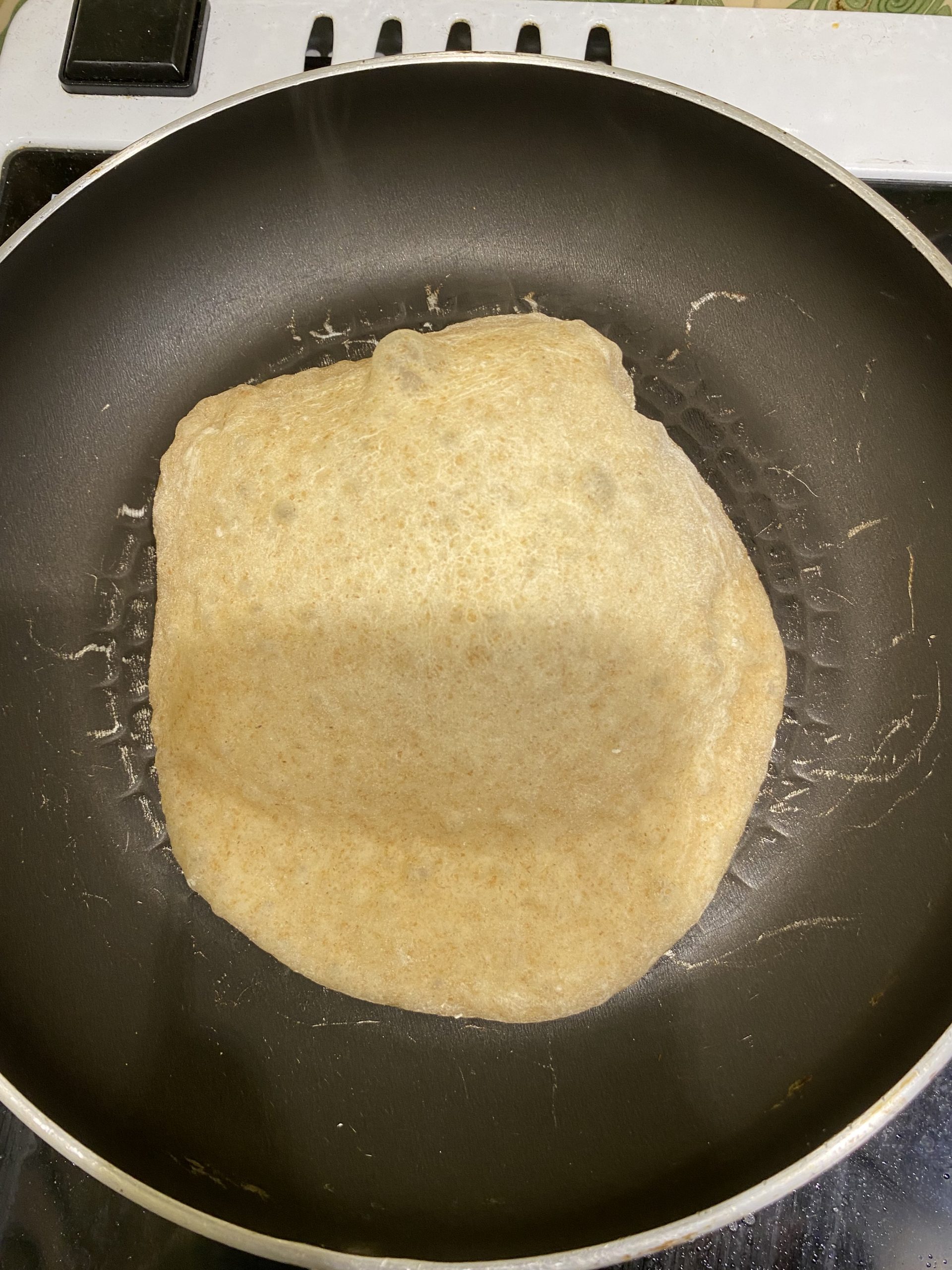
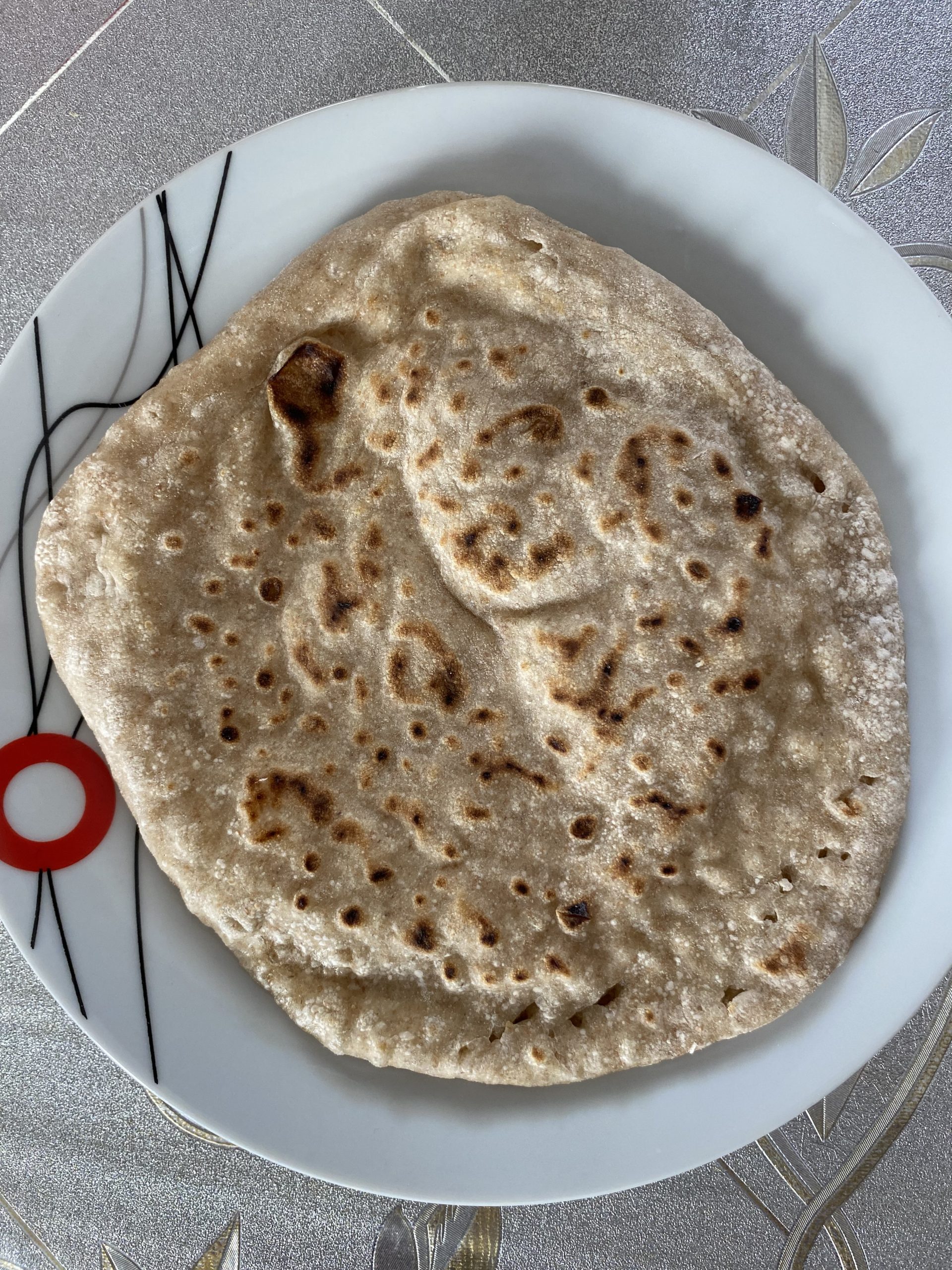
Still, I stuck to the plan. I selected a pita bread recipe from the Brot magazine. The challenge? A not-hot-enough oven. The solution? A frying pan. Baking the pita over direct heat worked beautifully, producing golden puffs that I filled with hummus, grilled vegetables, red beet, cheese, and carrot. Simple. Joyful. Delicious.
Vila Nova de Milfontes – Oats and River Calm
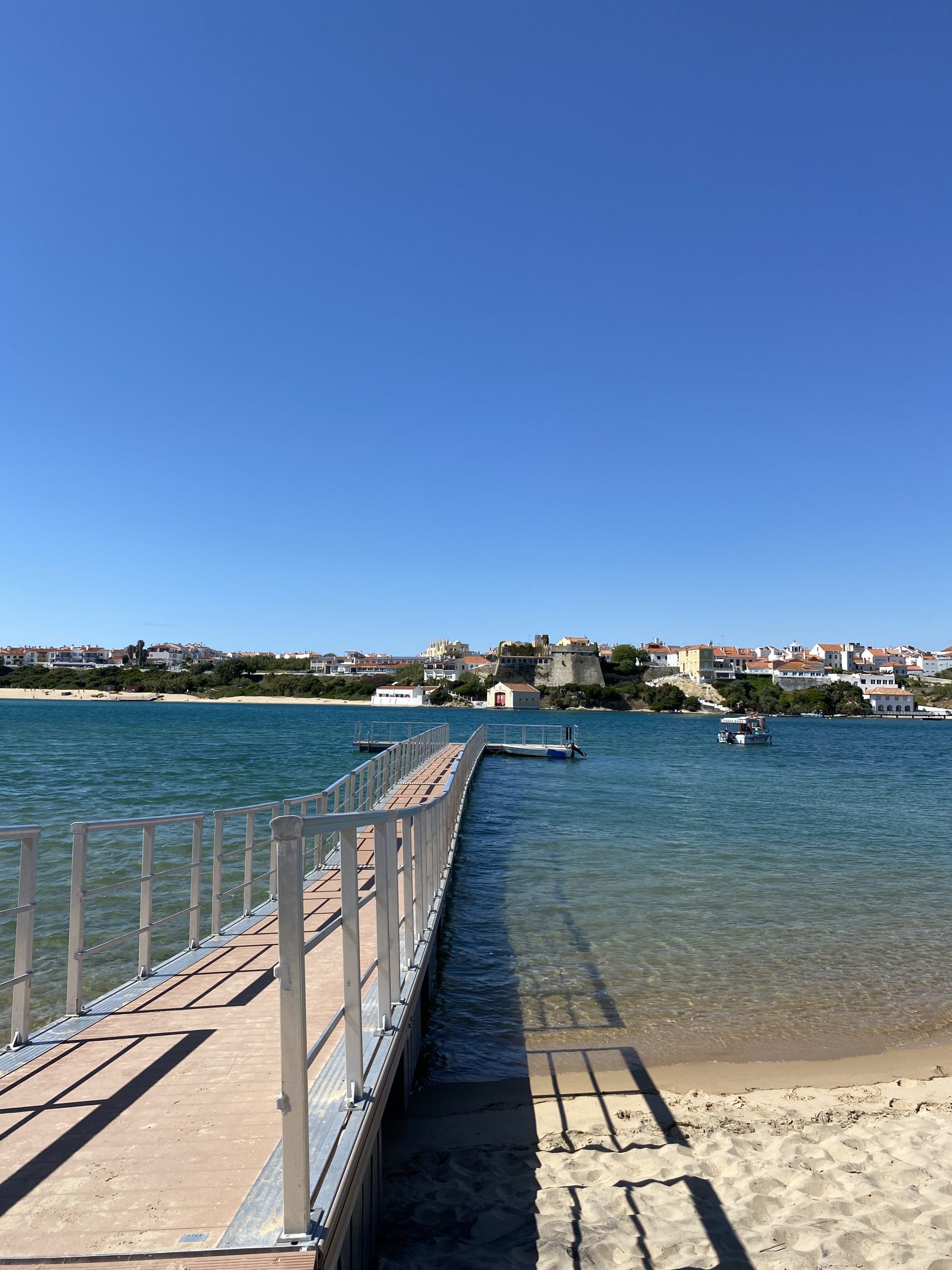
Heading north, I landed in Vila Nova de Milfontes, a charming town along the Mira River, where it meets the sea. The town is known for its relaxed vibe, a favorite with families and hikers following the Fishermen’s Trail, which runs through this part of the Alentejo coastline.
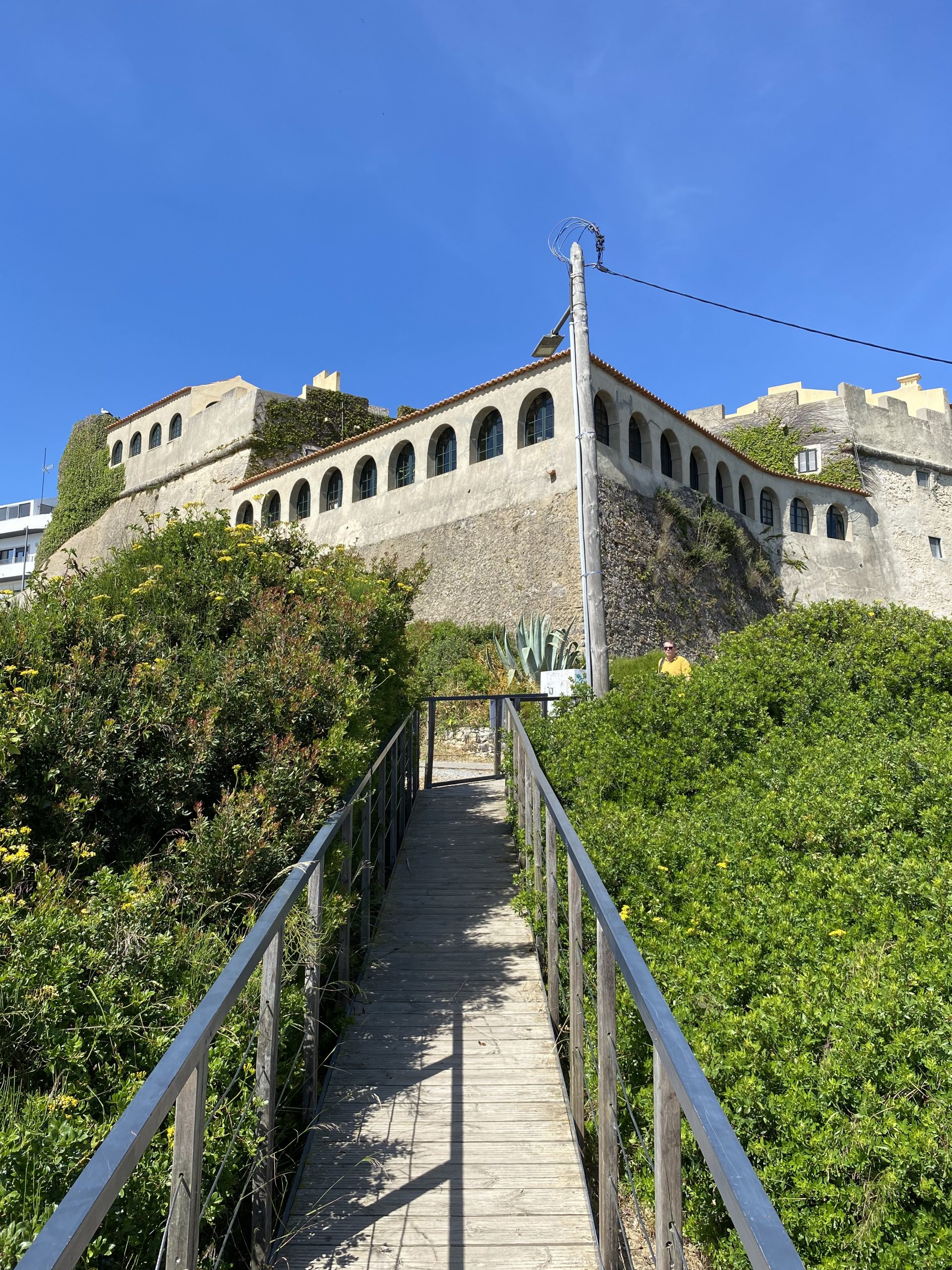
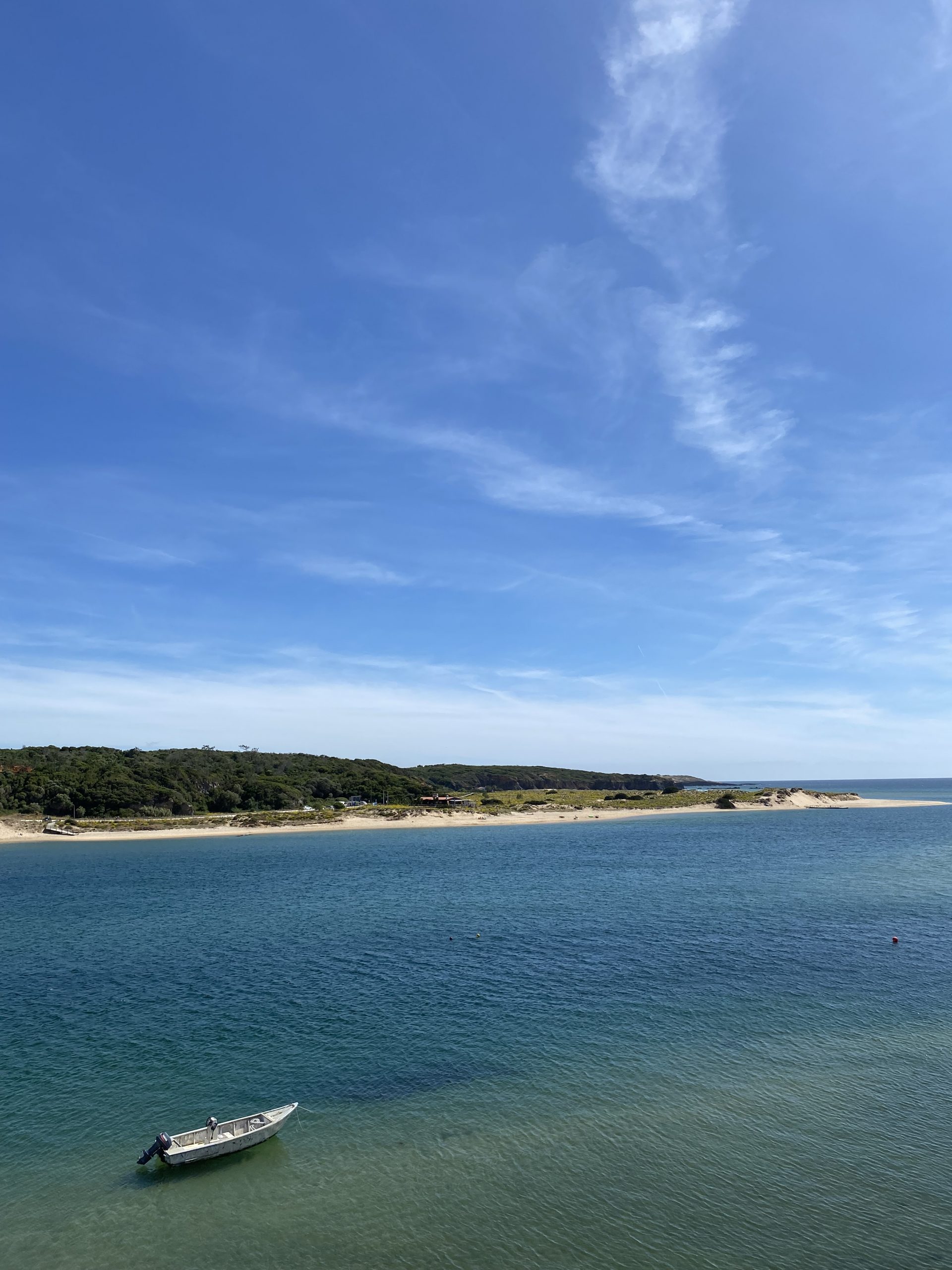
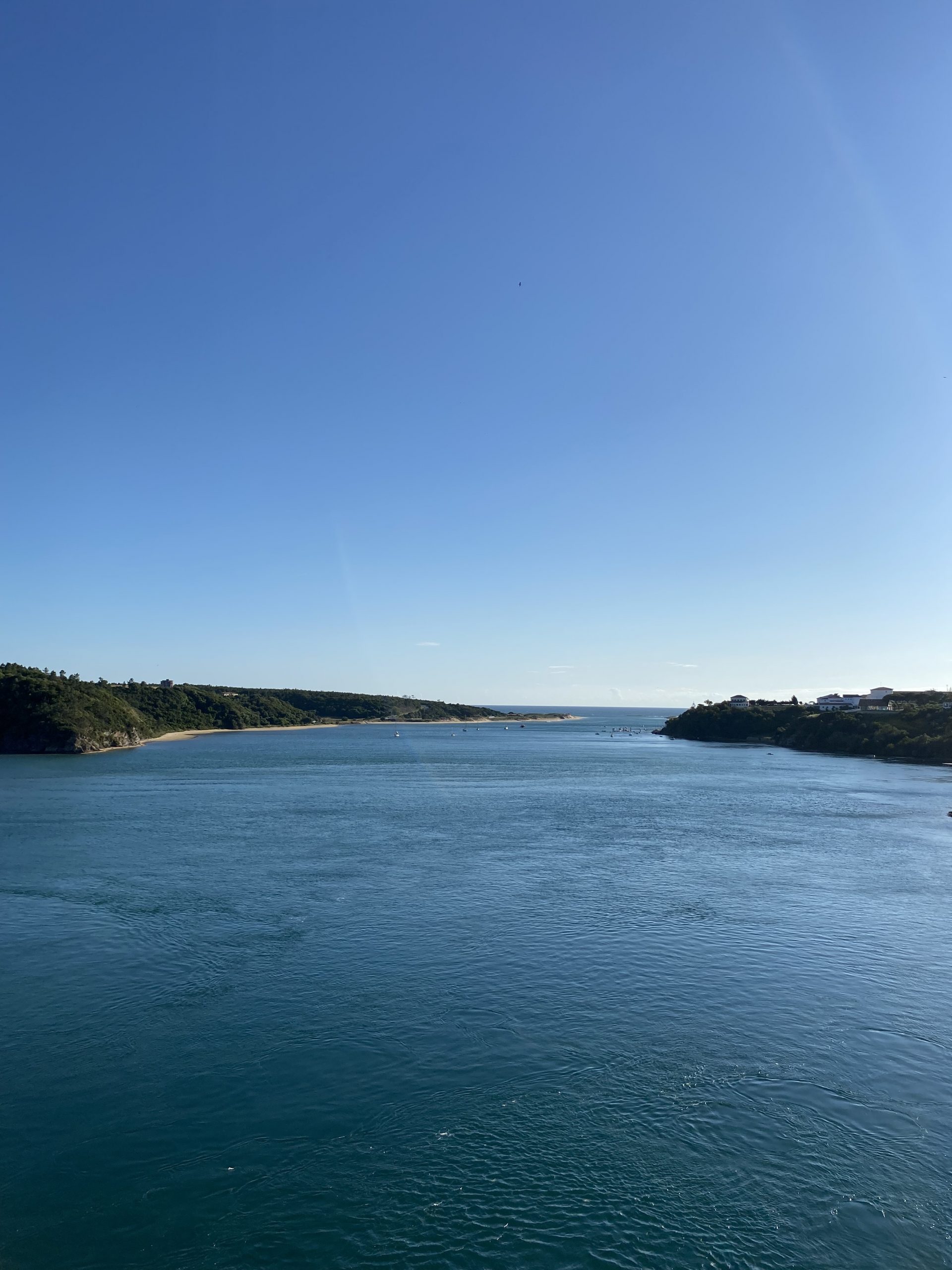
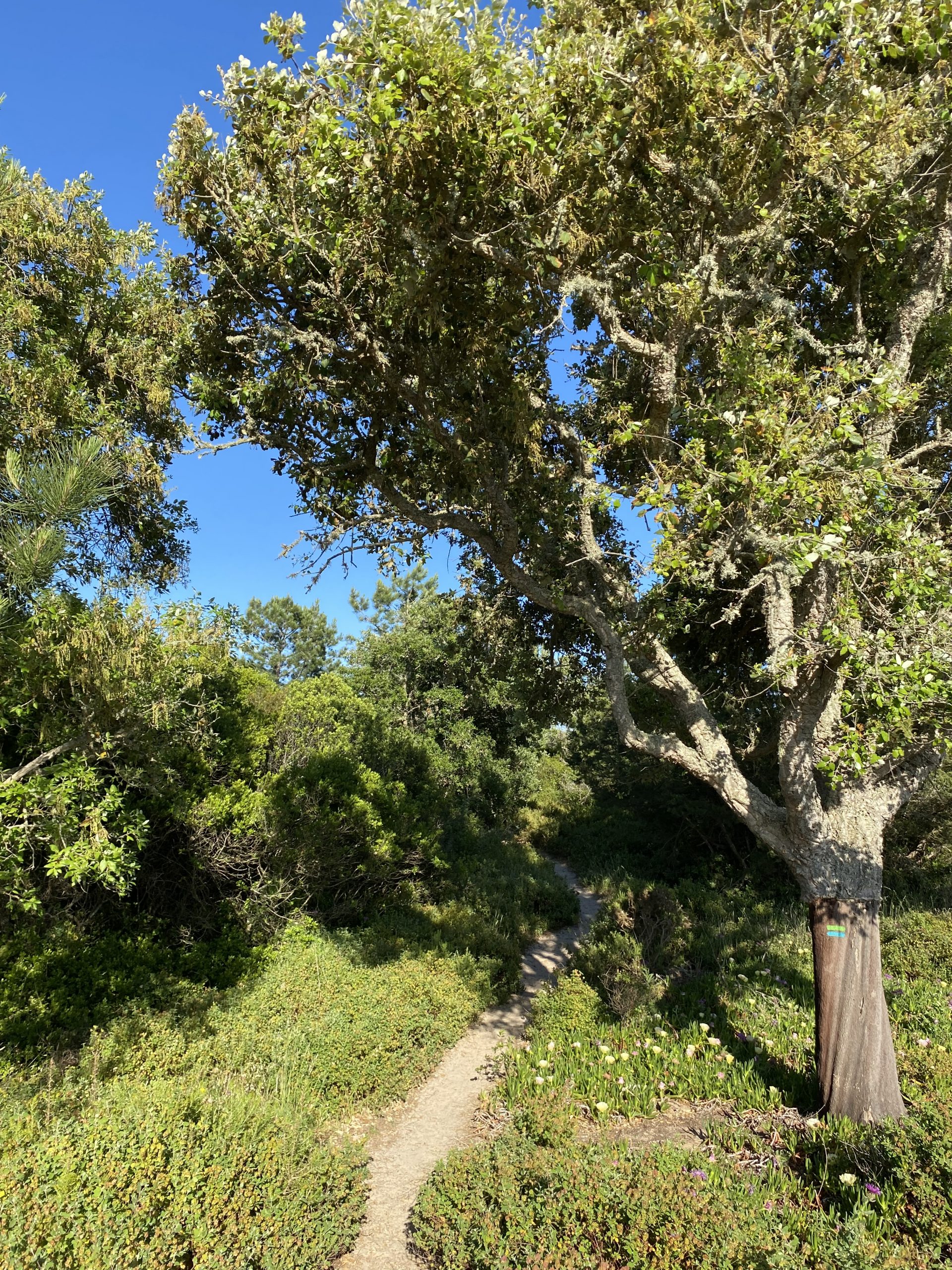
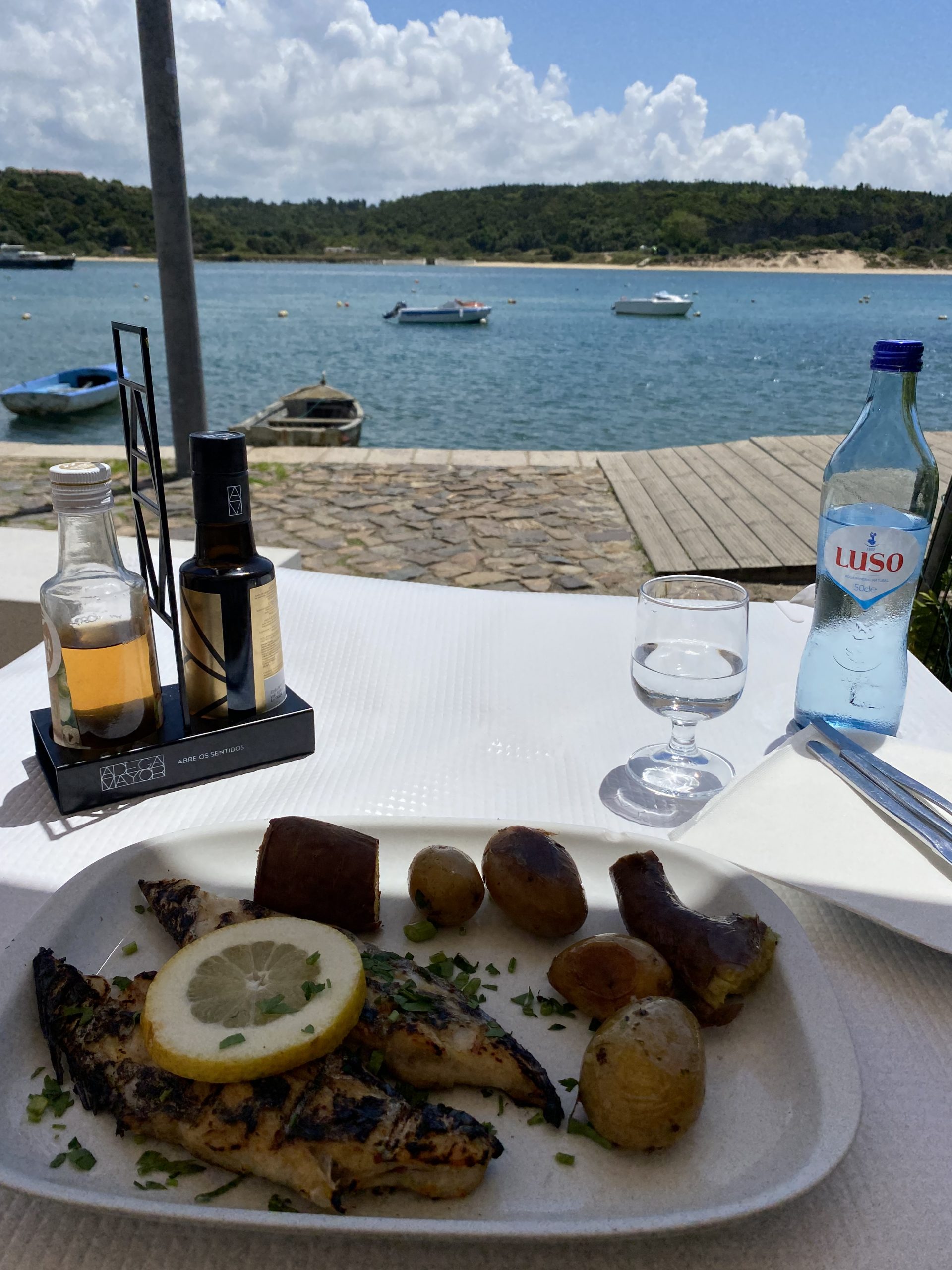
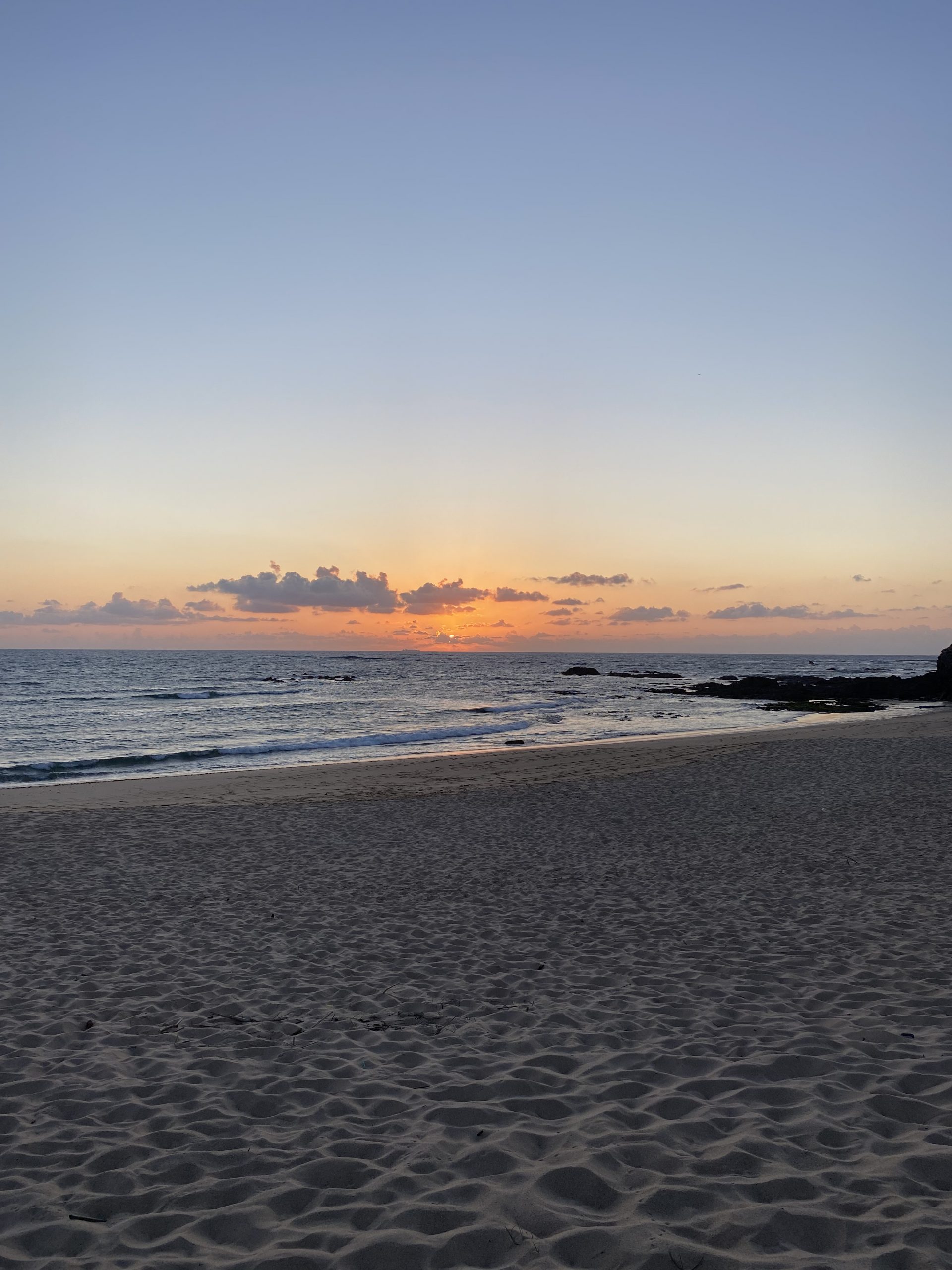
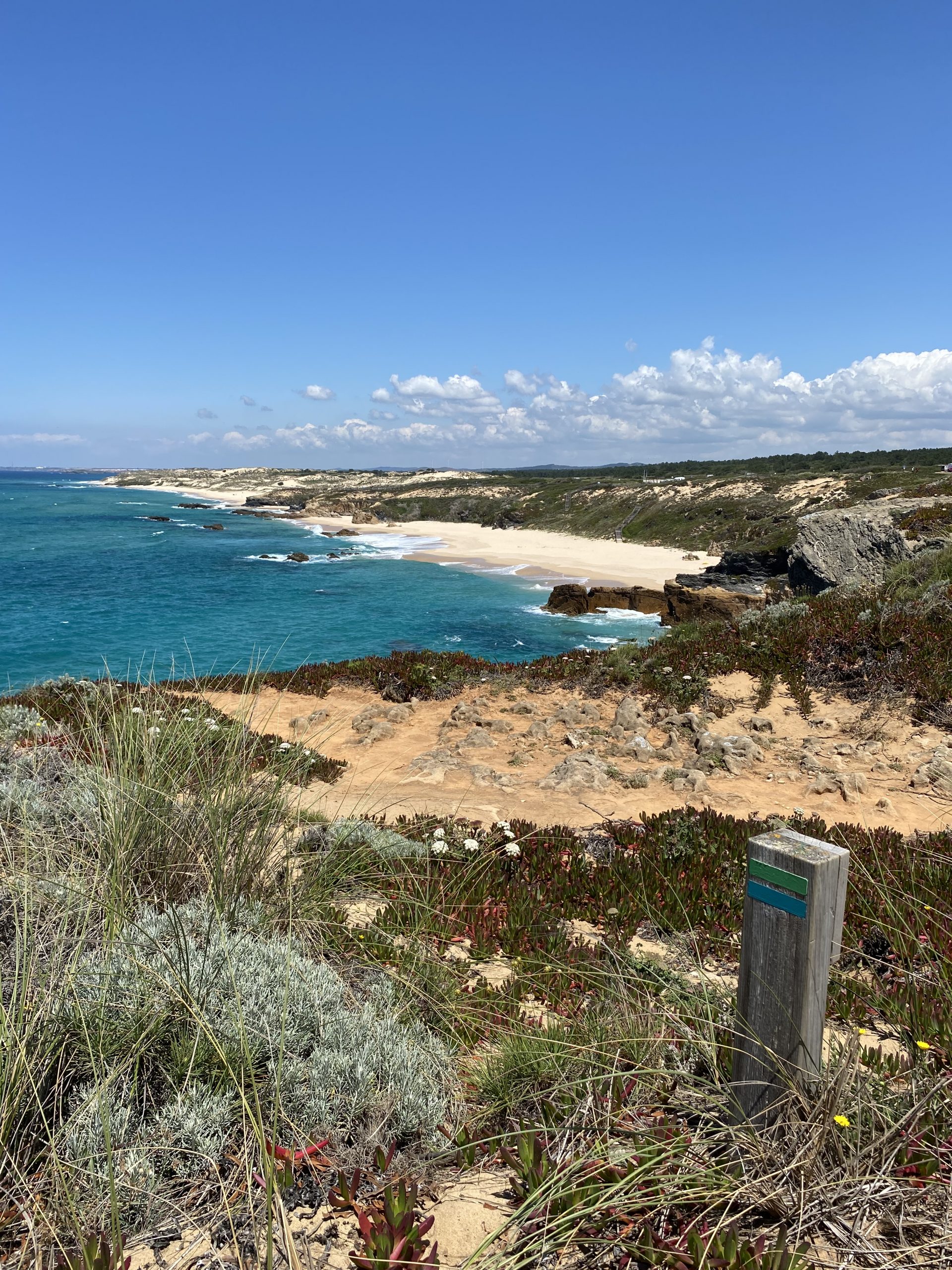
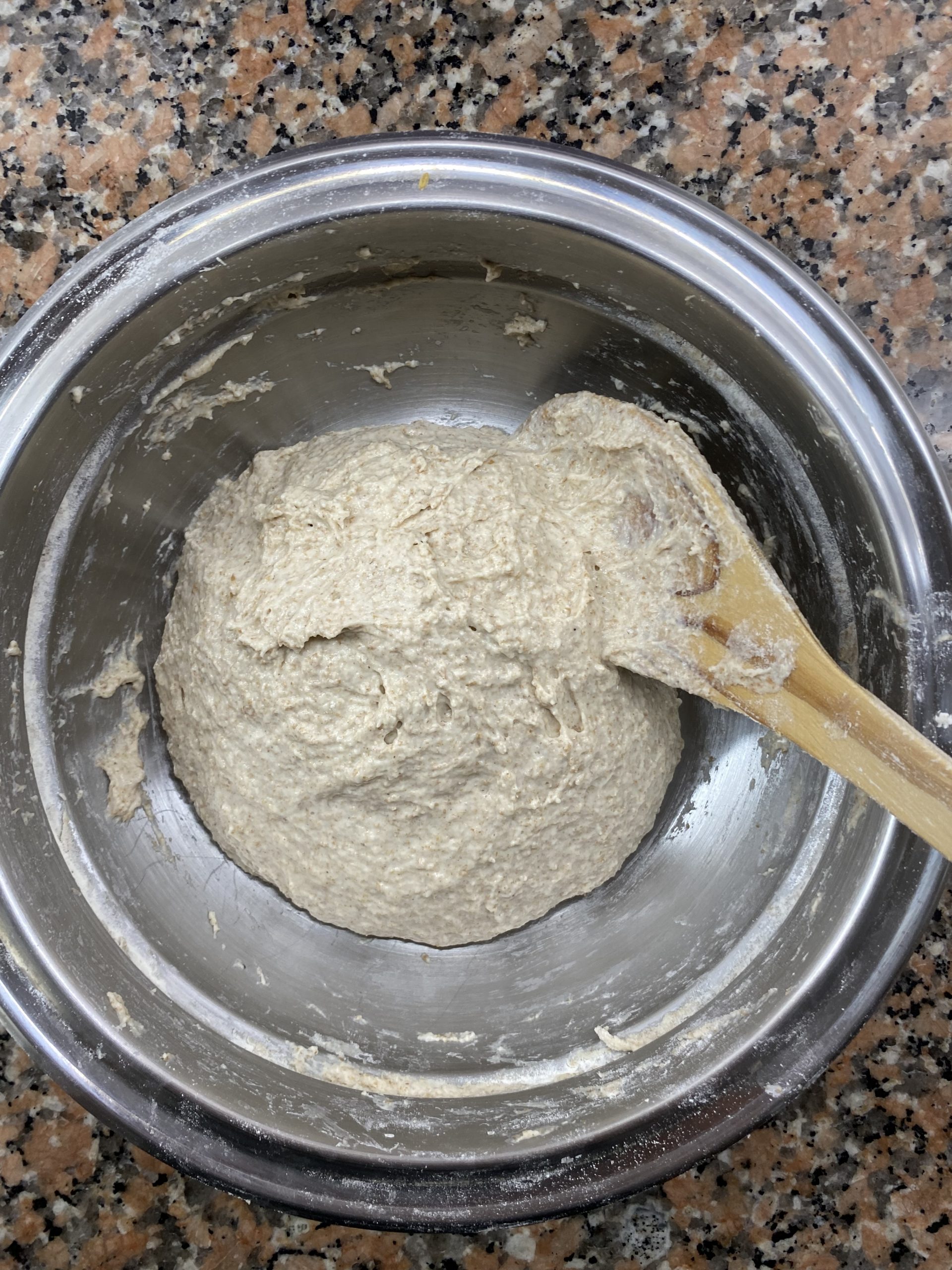
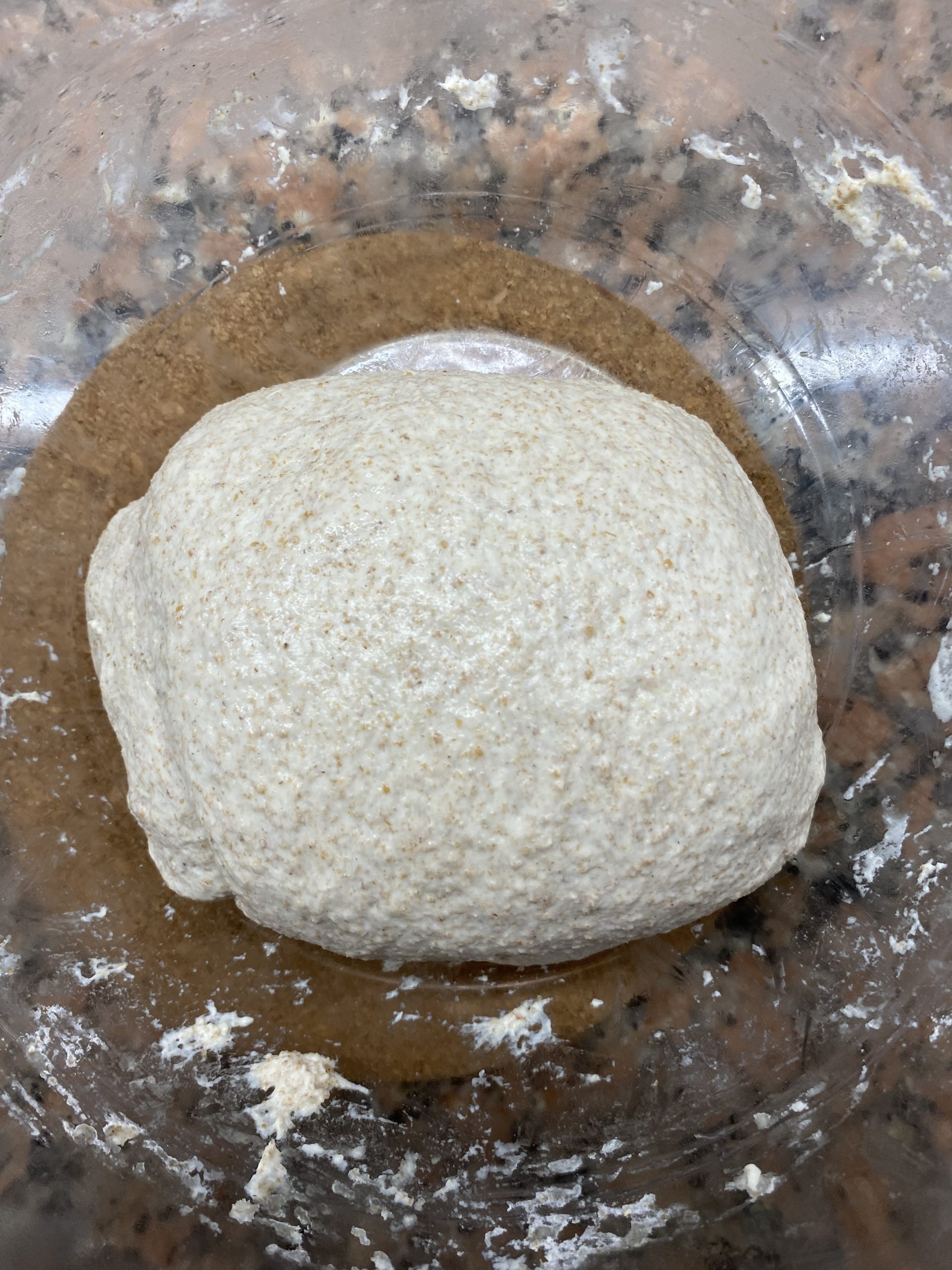
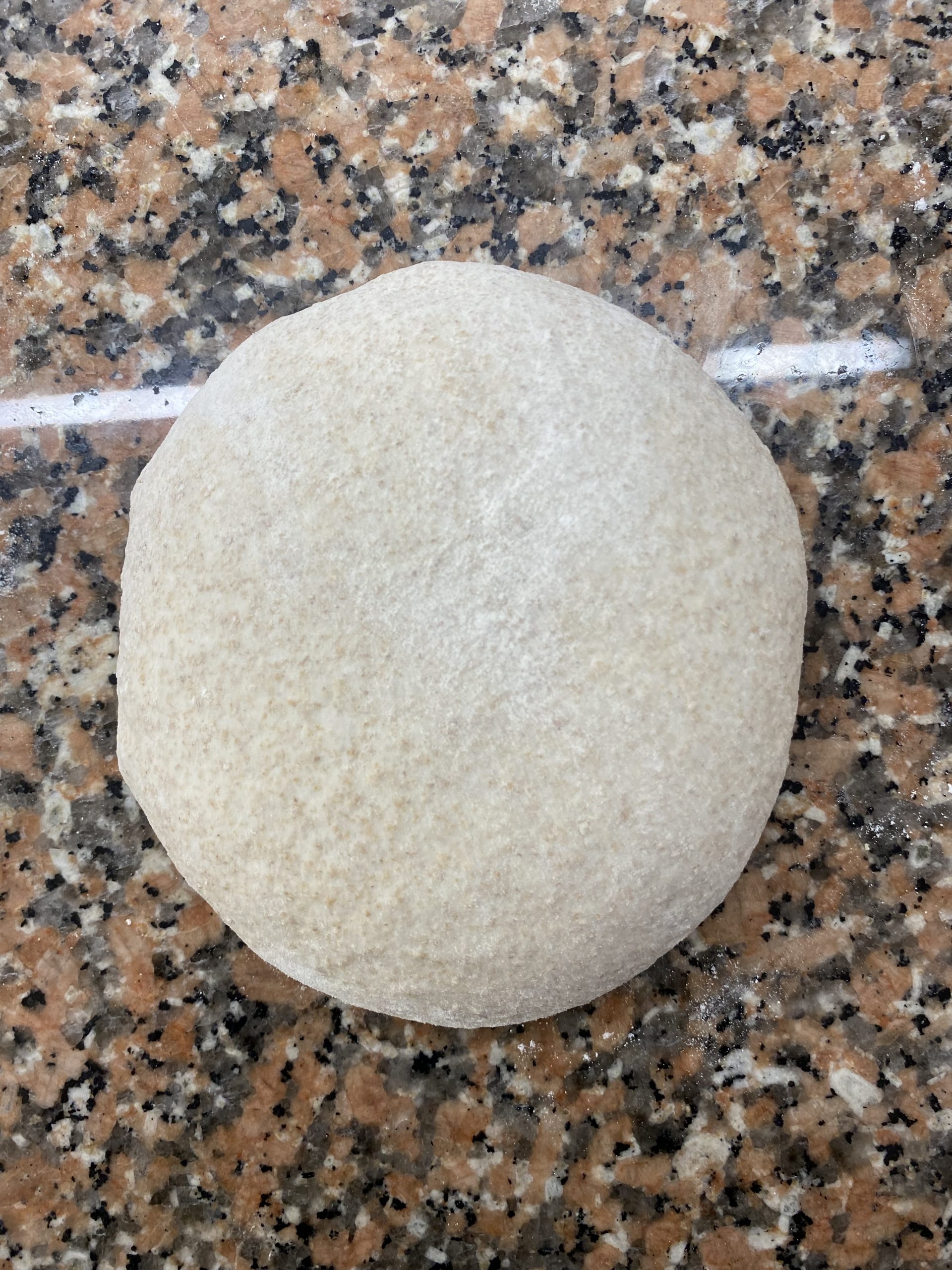
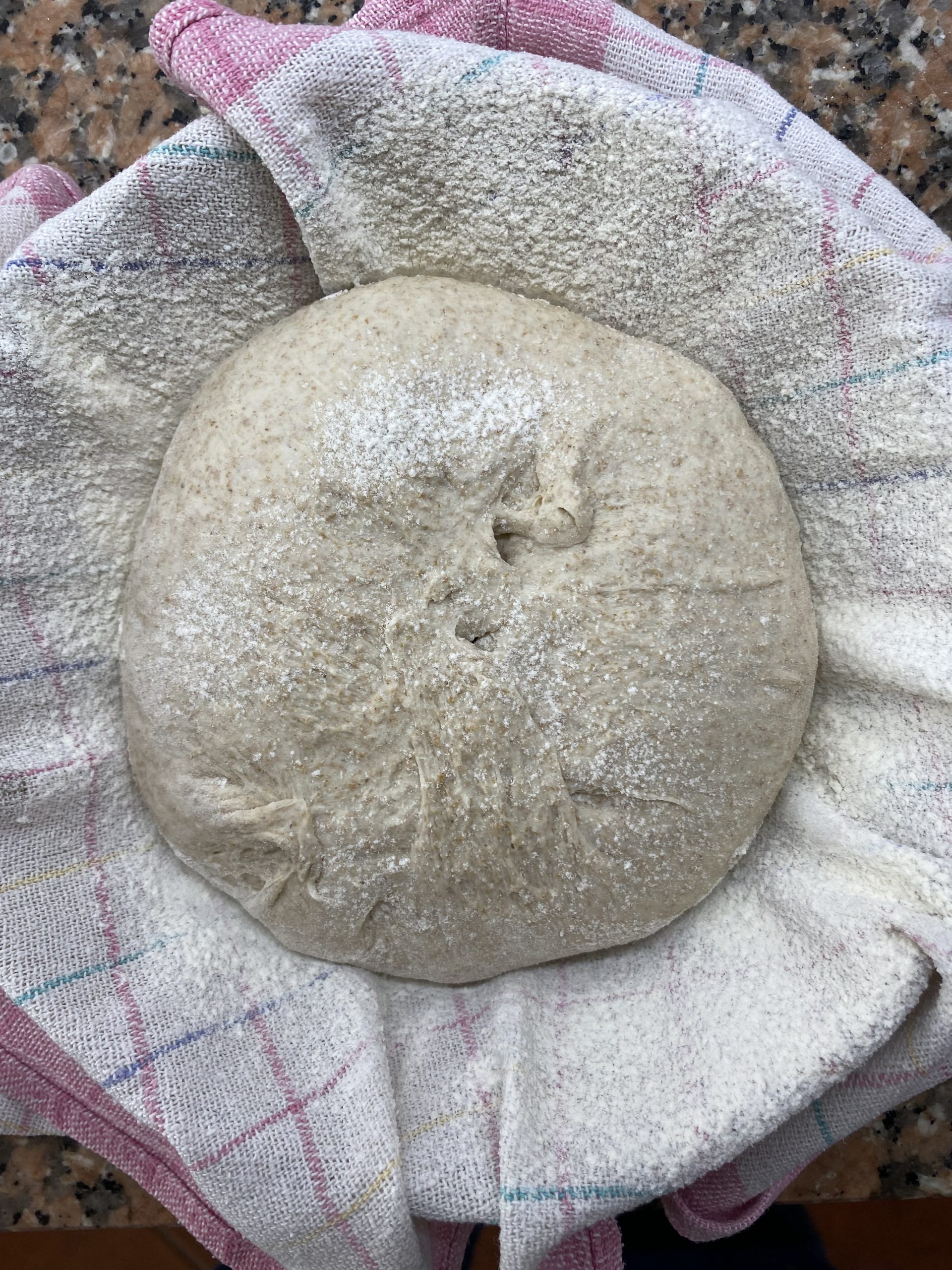
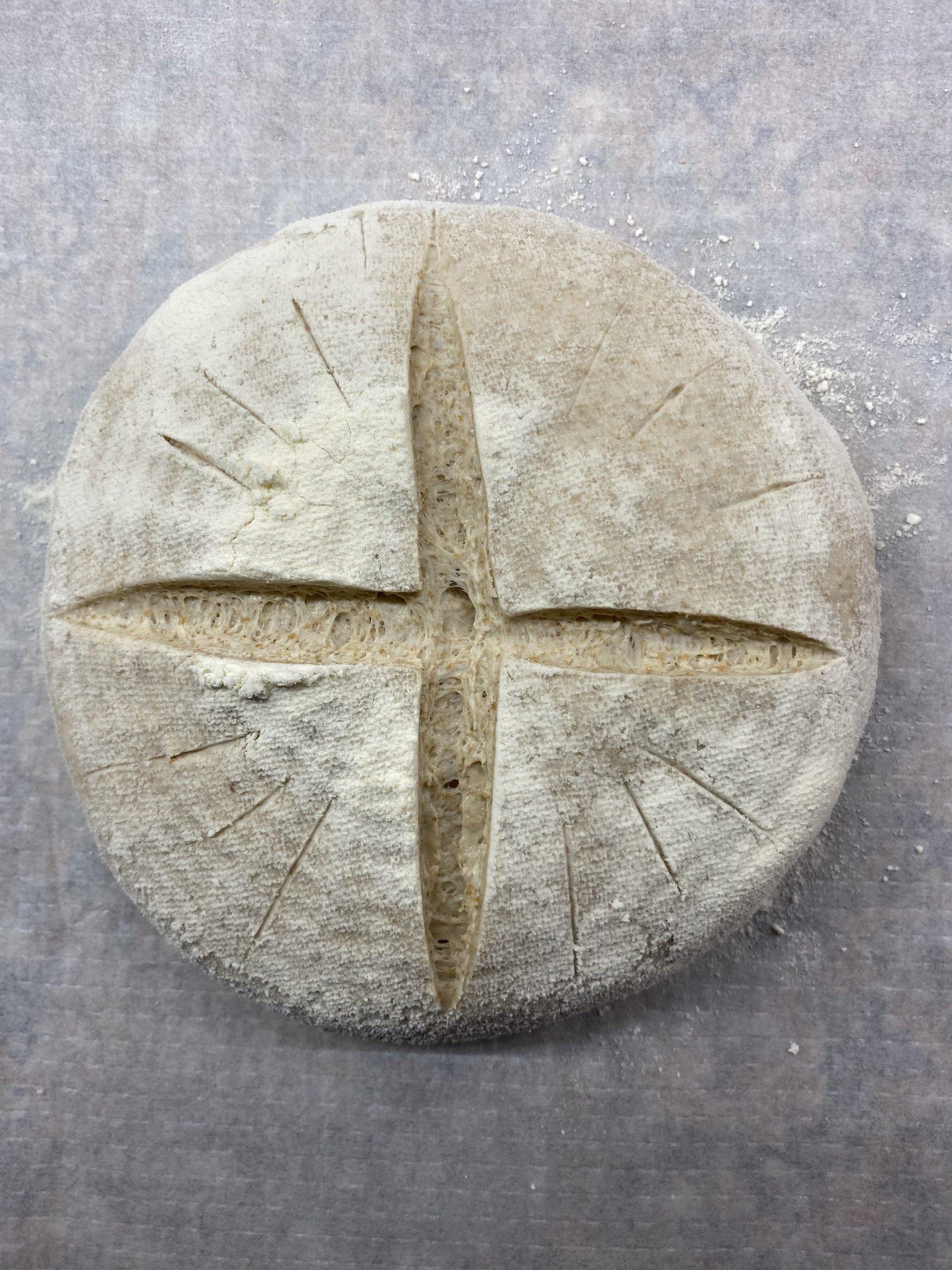
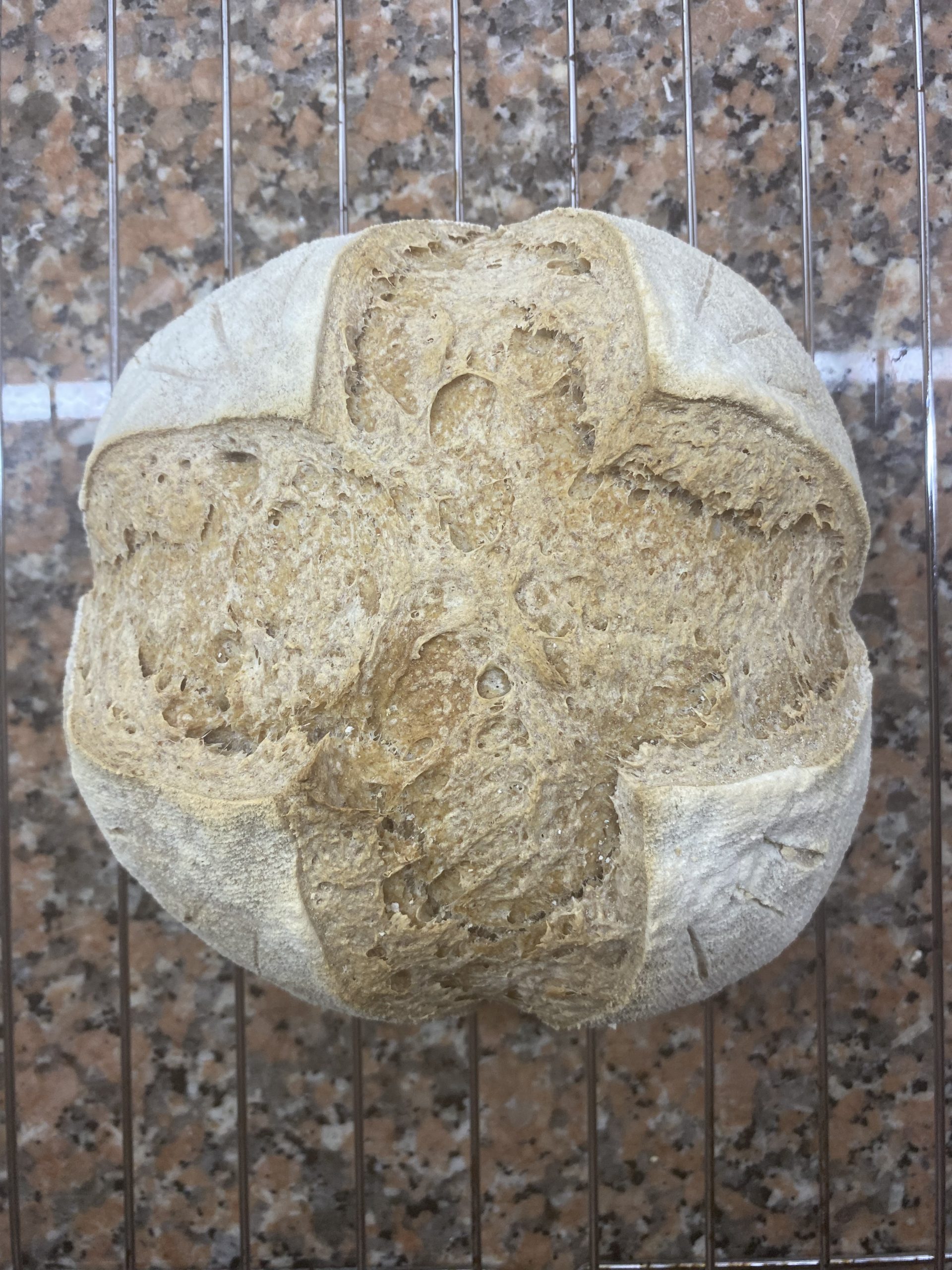
Here, I tried a recipe that used oat flakes soaked in oat milk, which gave the final bread a soft, almost cake-like moisture. Despite the minimal tools available—no bannetons, just bowls and towels—the bread came out with a gentle crust and hearty texture. It was excellent for breakfast, served with local raspberry jam and butter.
Lisbon – A Taste of Inspiration
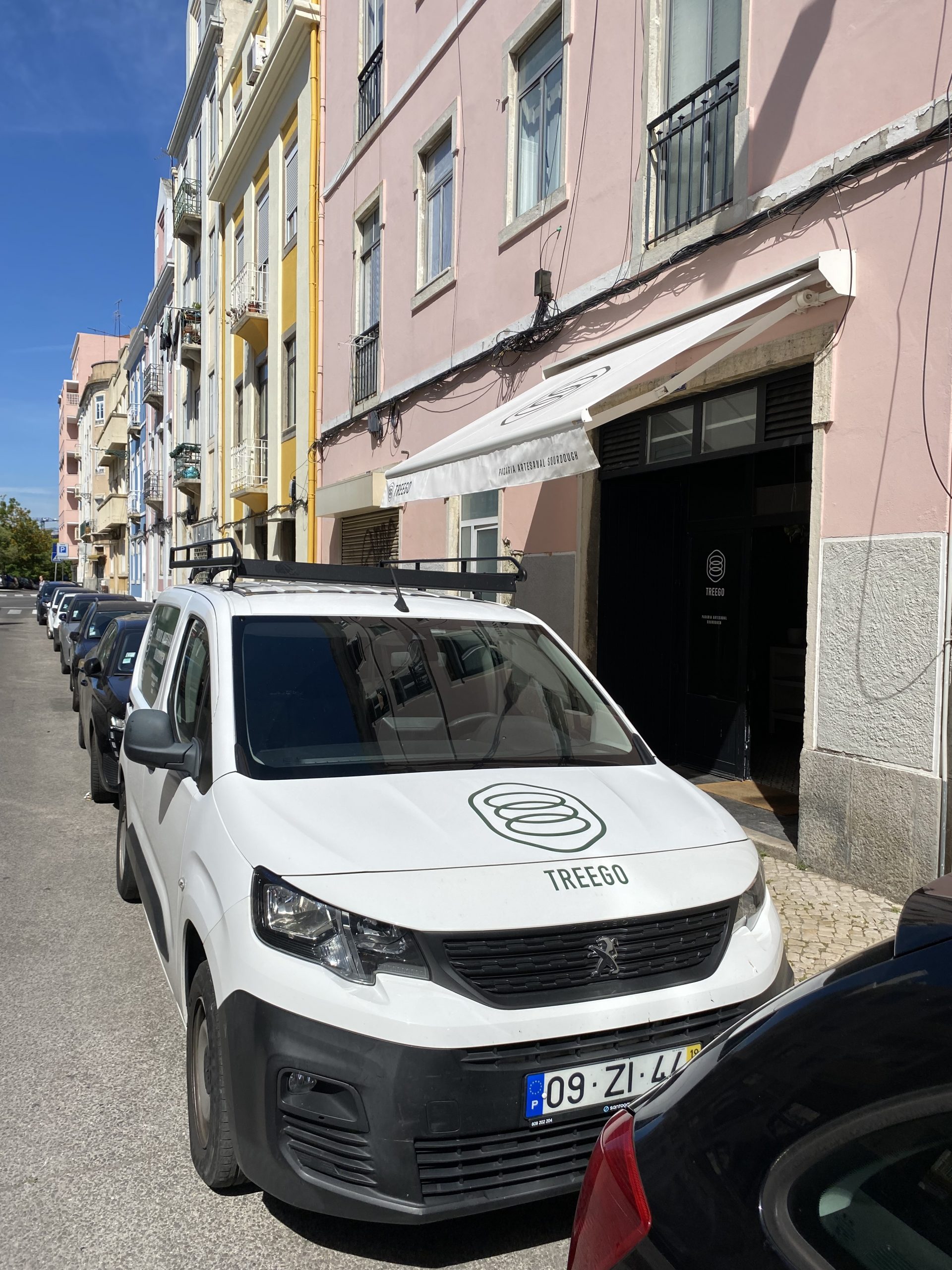
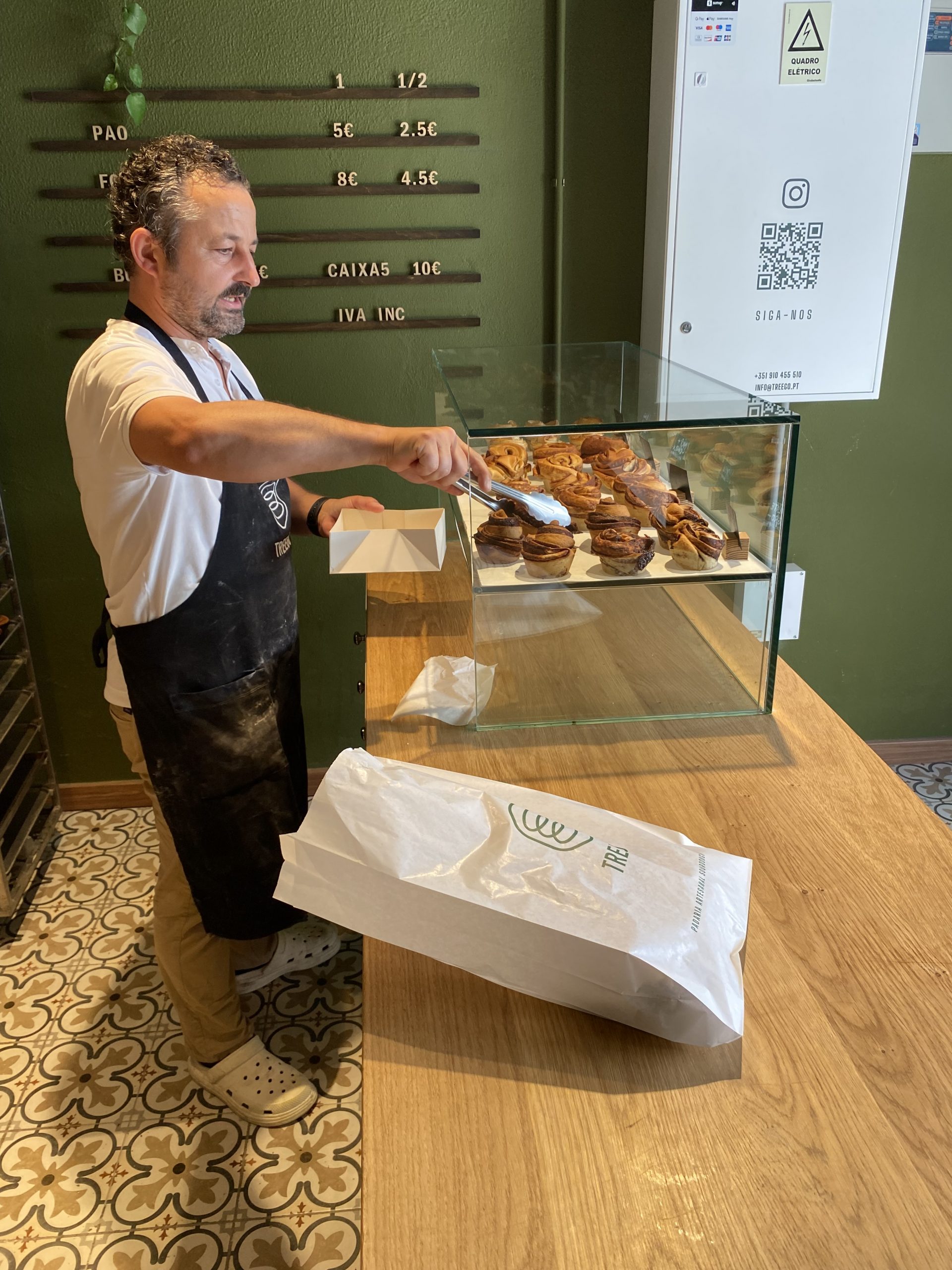
Finally, I arrived in Lisbon, my last stop before returning to Berlin. Since I was staying in a guesthouse, I didn’t have the chance to bake—but I did get something even better. I visited my friend Pedro, a Lisbon-based baker I first met in 2022.
At the time, he was just beginning his journey. He baked at home and was selling bread at local markets in Lisbon. Now, he owns a certified organic and vegan bakery in the city, where he continues to push boundaries with both flavor and ethics. It was incredibly inspiring to see how far he had come in such a short time.
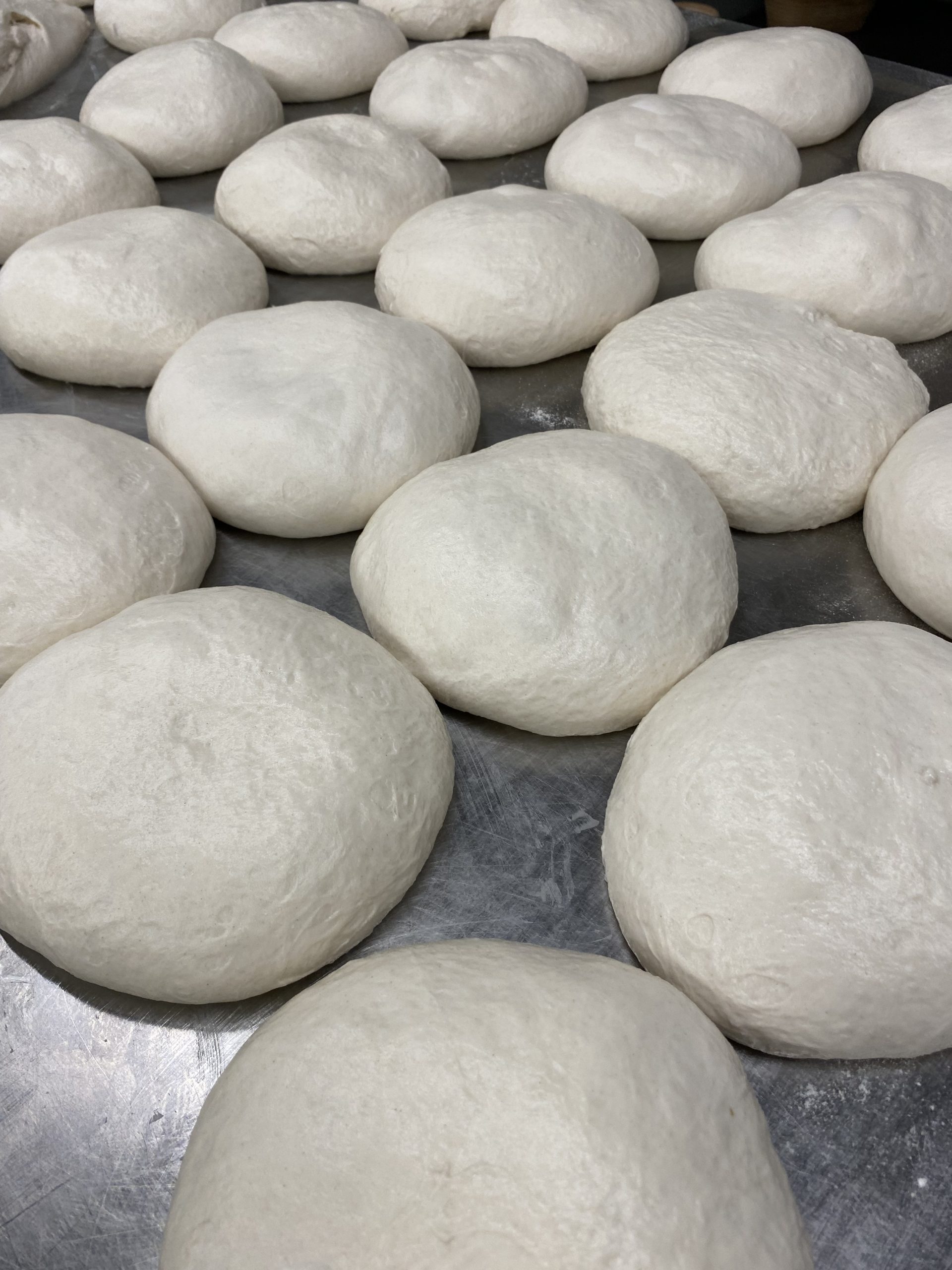
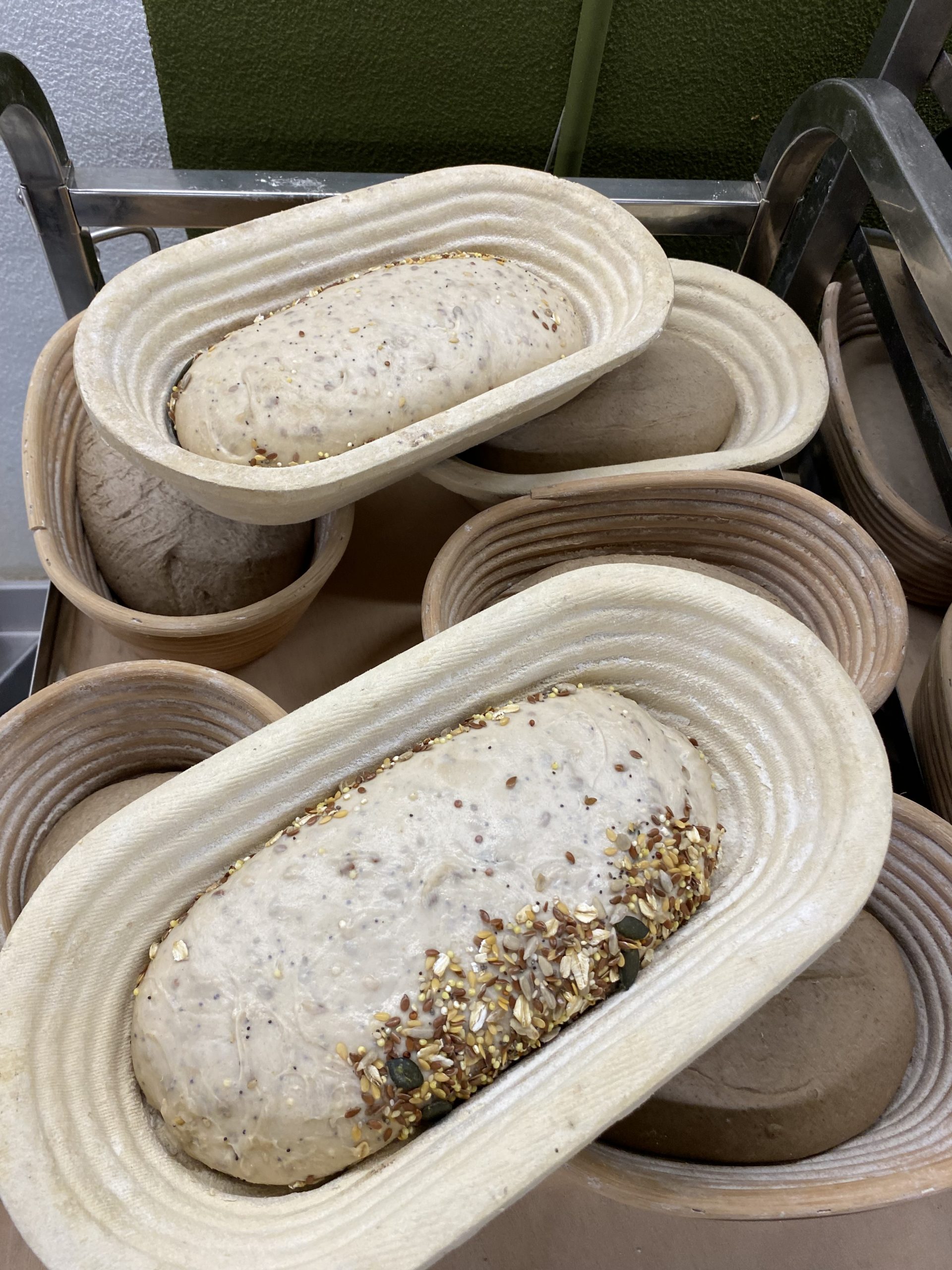
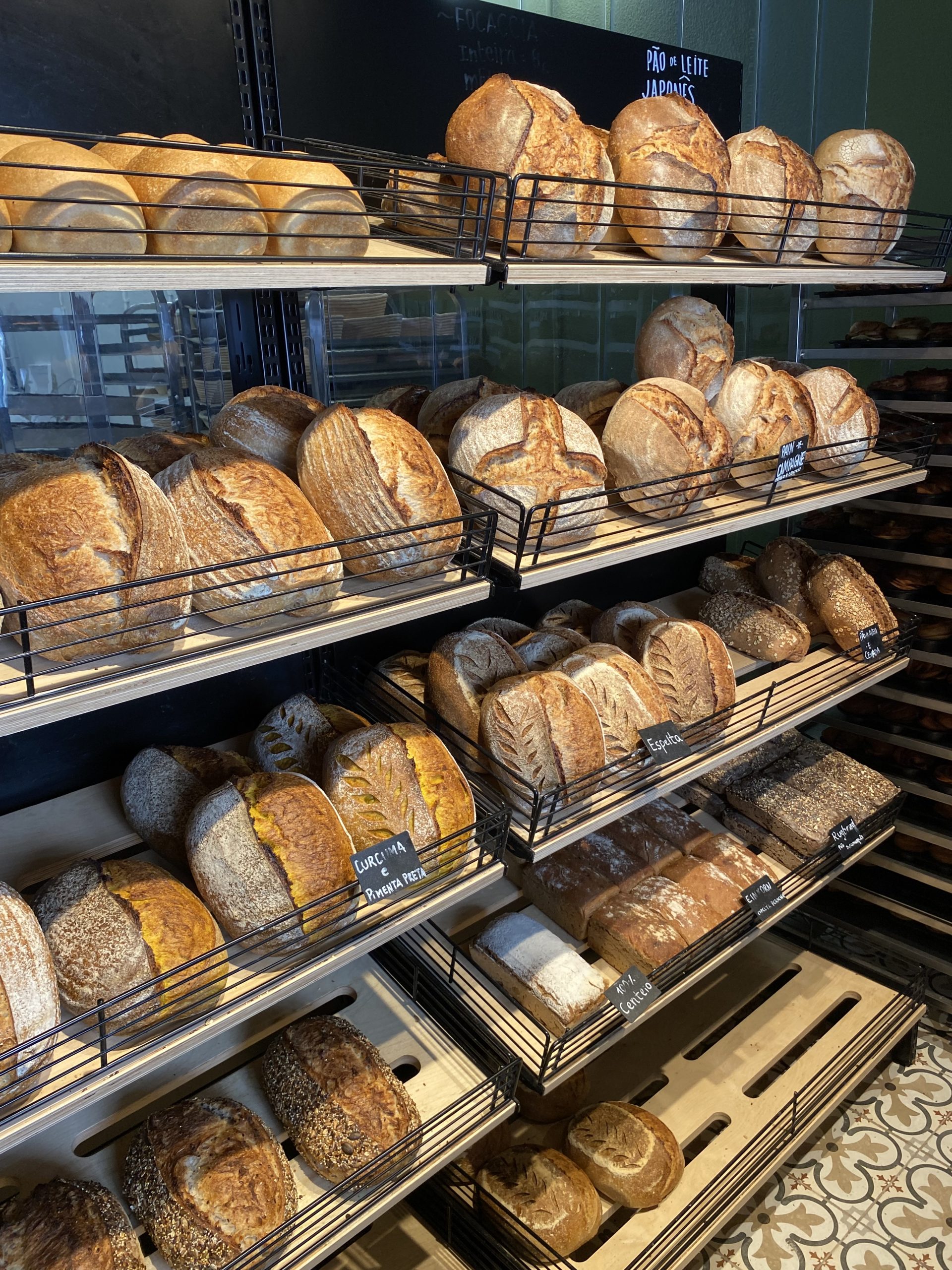
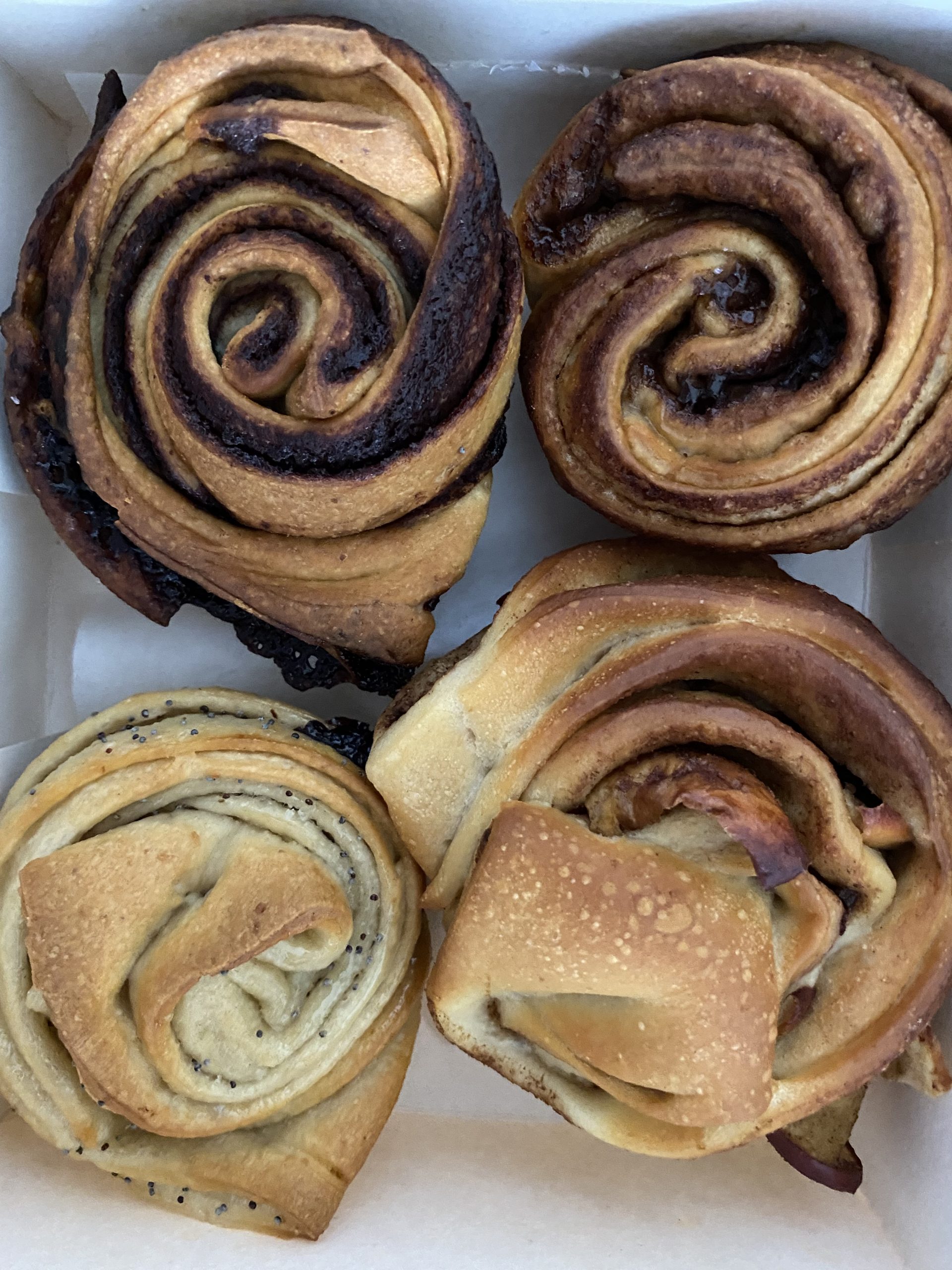
He generously shared some of his new creations with me. I could taste dense and nutritious loaves with malt, perfectly blistered sourdough crusts, and surprising (vegan!) pastries. If you’re ever in Lisbon, don’t miss the chance to visit his bakery Treego. It is a hidden gem that captures Lisbon’s modern food spirit.
Hopefully next time, we’ll have the chance to bake together.
What I Learned: Sourdough Is a Trusty Travel Companion
This trip confirmed it: with a resilient starter and a reliable scale, baking bread on the road is not only possible—it’s deeply rewarding. A few bowls, a skillet or pan, and access to a halfway-decent oven are all you need to keep baking alive, even while exploring unfamiliar territory.
My sourdough starter survived warm buses, blackout fridges, coastal winds, and busy travel schedules. It adapted, just like I did. And it reminded me that, with a little intention and flexibility, we can make something nourishing anywhere.
Have you ever baked bread while travelling? Feel free to tell me! I am looking forward to learn about your experience!