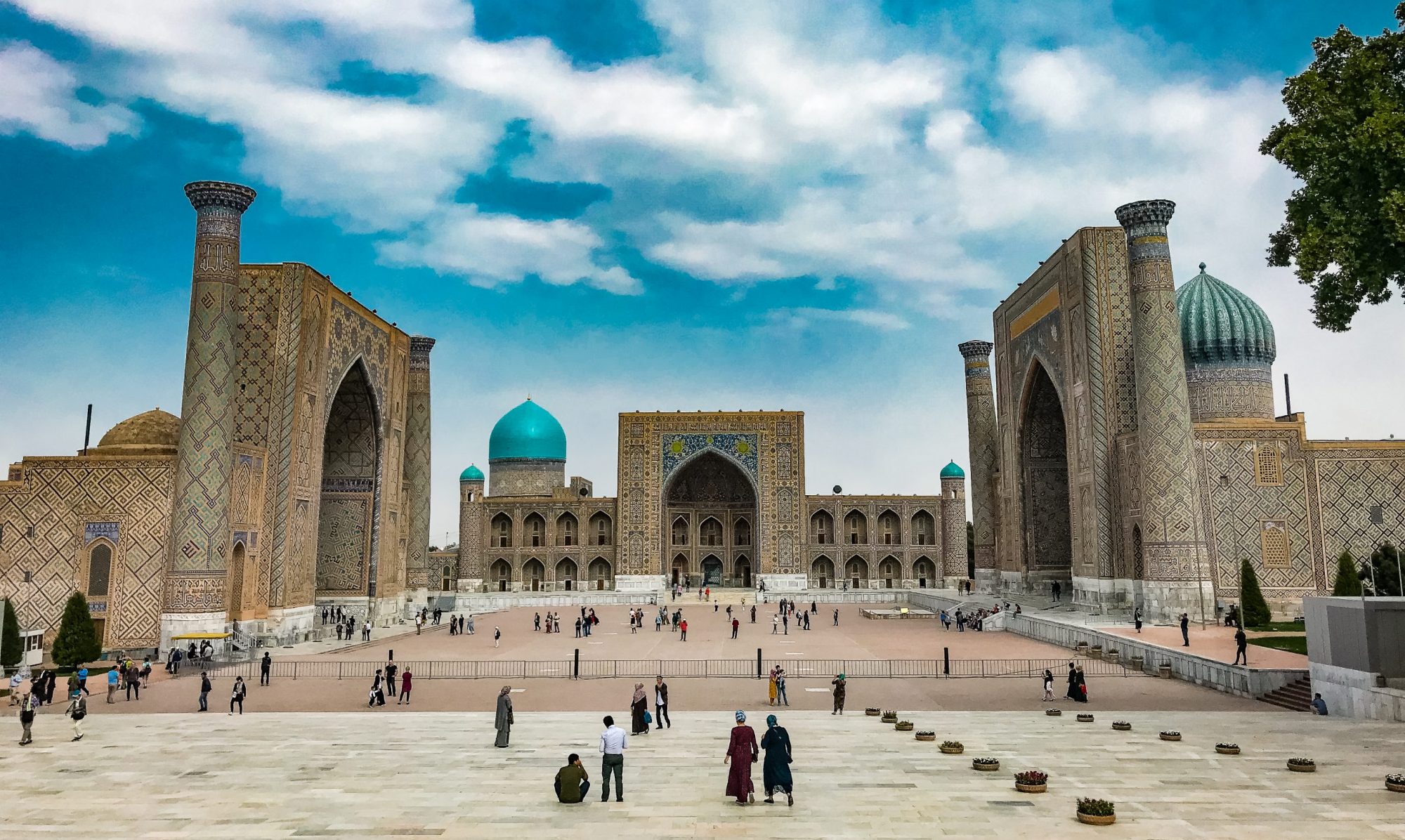
When the Uzbek Government lifted the entry requirements for a lot of countries in 2019, it was clear for me that this was my chance to travel into Central Asia for the first time. I would finally get to continue my journey along the Silk Road, which had started by visiting some of the beautiful cities in Iran alongside the Silk Road.
The Tragedy of the Aral Sea
Besides the Silk Road, another place of interest for me was the Aral Sea, formerly the fourth largest lake in the world, which is now disappearing because of the greatest ecological catastrophe caused by humans. The Aral Sea began shrinking in the 1960s after the rivers that fed it were diverted by Soviet irrigation projects mainly for huge cotton fields. By 2007, it had declined to 10% of its original size, splitting into several smaller lakes, and continuing to decrease with every year.
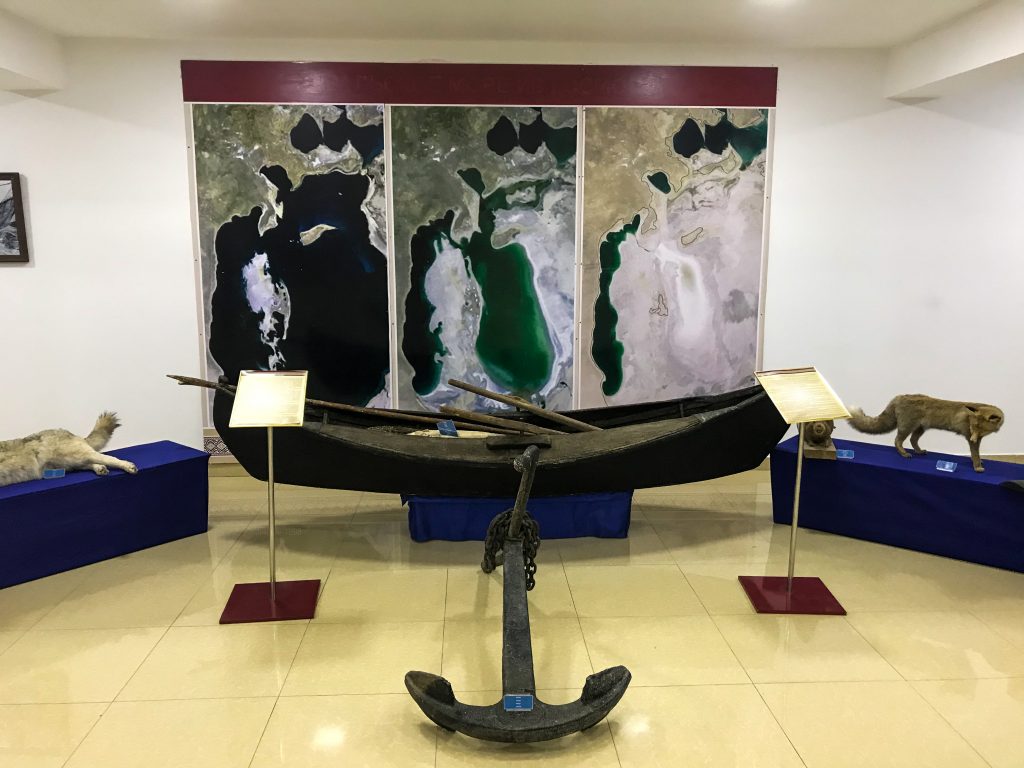
Mother Nature took millions of years to create the Aral Sea. Homo sapiens managed to destroy this unique ecosystem in just 50 years. The wealth, the health, the climate, and the cultural heritage of the whole region was sacrificed for economic and political interests. Once it provided communities with a range of significant ecosystem resources and services. This included fishing stocks, conservation of the local water and soil fertility, habitat of many endemic species and climate regulation.
Nowadays is a dead area and a source of health issues not just for the locals but also of global scale: winds are carrying the toxic dust all over the Earth, as remains of pesticides (i.e. DDT) and fertilizers used for the extensive cotton cultivation.
I wanted to see for myself the extent of this disaster but doing this on my own appeared almost impossible because of the huge distance from the capital Tashkent (about 1.500 km) and remoteness of the area. But eventually I found an agency that offered tours to the Aral Sea, so I booked it. If you are considering doing this tour or other adventures in Central Asia, I can recommend Advantour agency.
My trip to the Aral Sea
After a 2 hours early morning flight from the Uzbek capital Tashkent to Nukus, the capital of the autonomous Republic of Karakalpakstan, the tour started with two 4 by 4 vehicles. It was a small group of four adventurous people from all over the world: Canada, Italy, China and Germany, accompanied by two friendly guides, sharing a lot of stories on the long way to the sea.
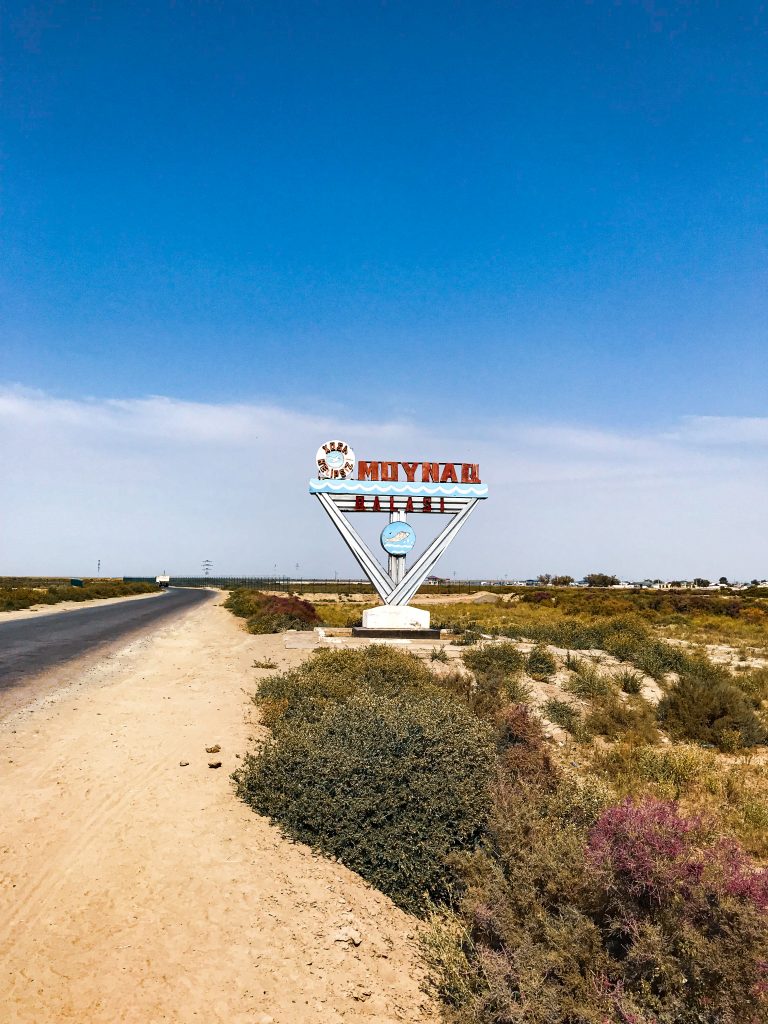
Our first stop was Muynak, a town which used to prosper on its fishing industry which used to produce enough to supply the entire Red Army with canned fish.
Today, Muynak is cut off from the remaining Aral Sea since the shoreline is now 150 km away from the former port. All you can observe today is the dried seabed, sprinkled with stranded fishing ships, only the wind whispering about the glorious and alive past. The Amu Darya (lat. Oxus) River, the Southern inflow river of the sea, formed a large delta in this area, while alimenting the Aral Sea.
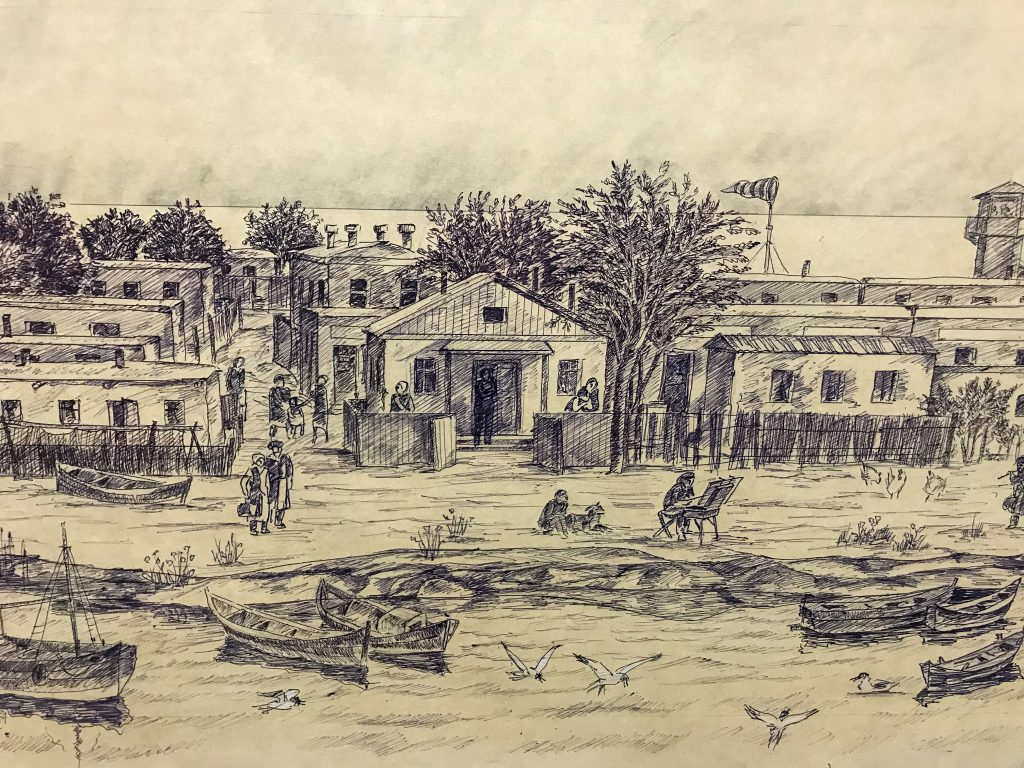
In the 1930s, the Soviet Union expanded its cotton industry and within a decade, with the help of mechanized agriculture Uzbekistan became major growers of cotton. This was possible only with the help of massive irrigation and diversion projects. Due to these projects, the water of the Amu Darya River did not reach and could not aliment the Aral Sea anymore and it simply evaporated.
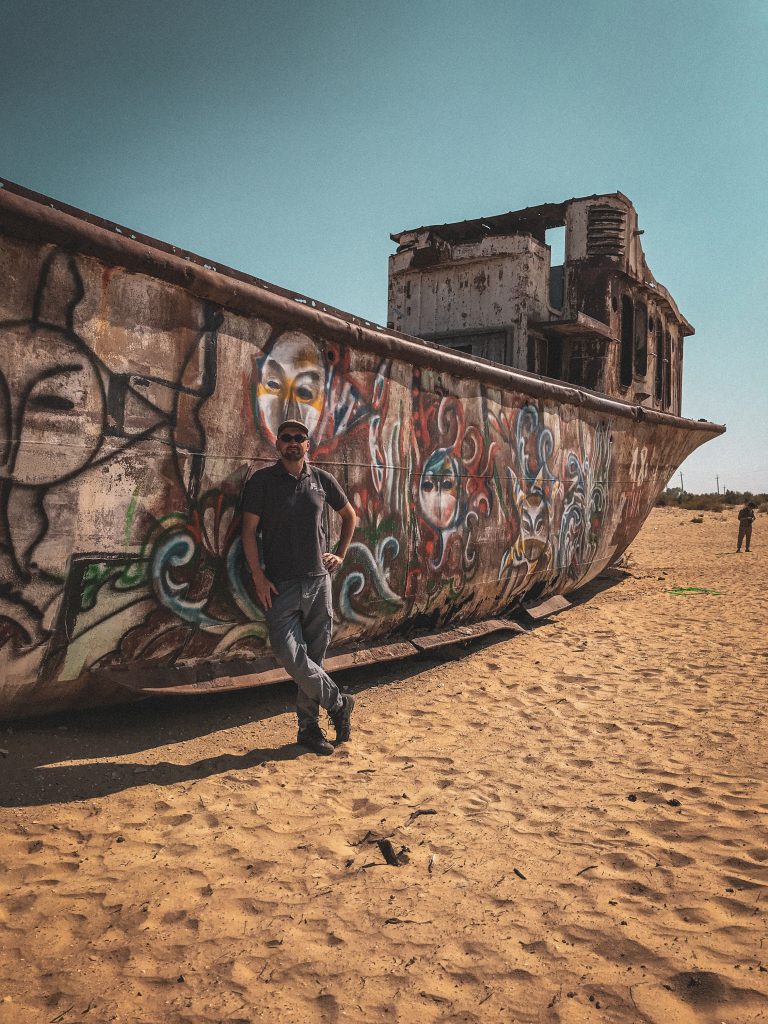
Taking a walk in the cemetery of ships and listening to the stories of our guide, who was bathing as a child in the water, where now is desert, really moved me and make me think about the ignorant and greedy human nature.
Looking back from the seabed to the coastline is just surreal, considering that only 50 years before we could have done this trip only in a submarine, that’s how deep the water was merely 200 meters from the shore!
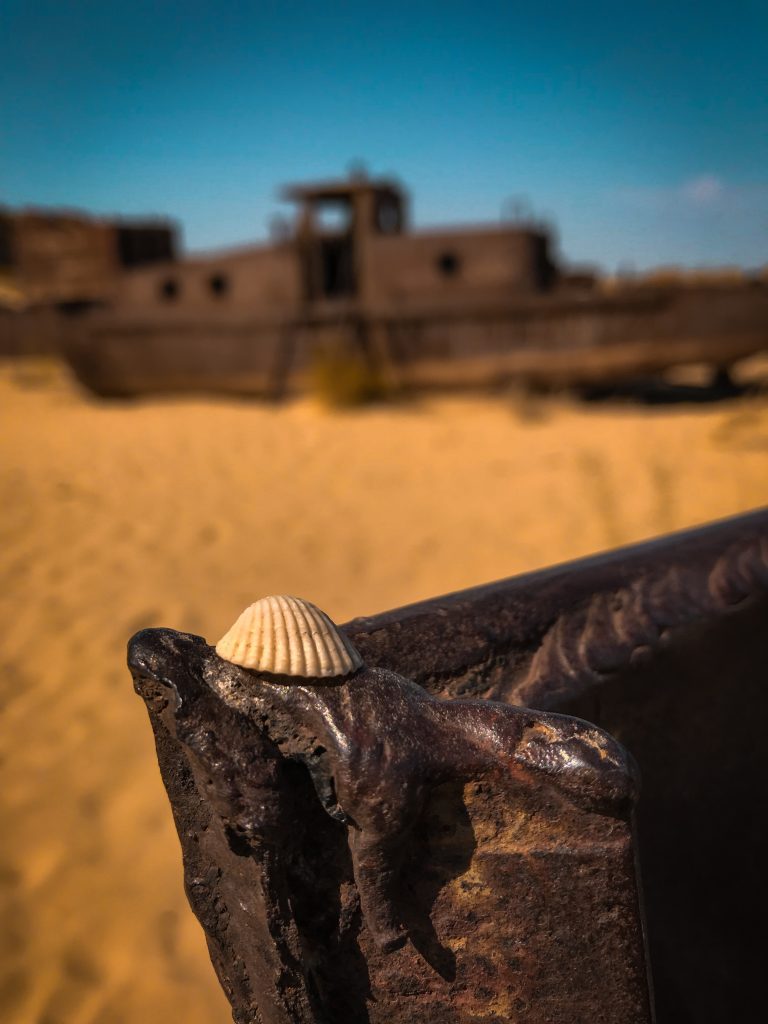
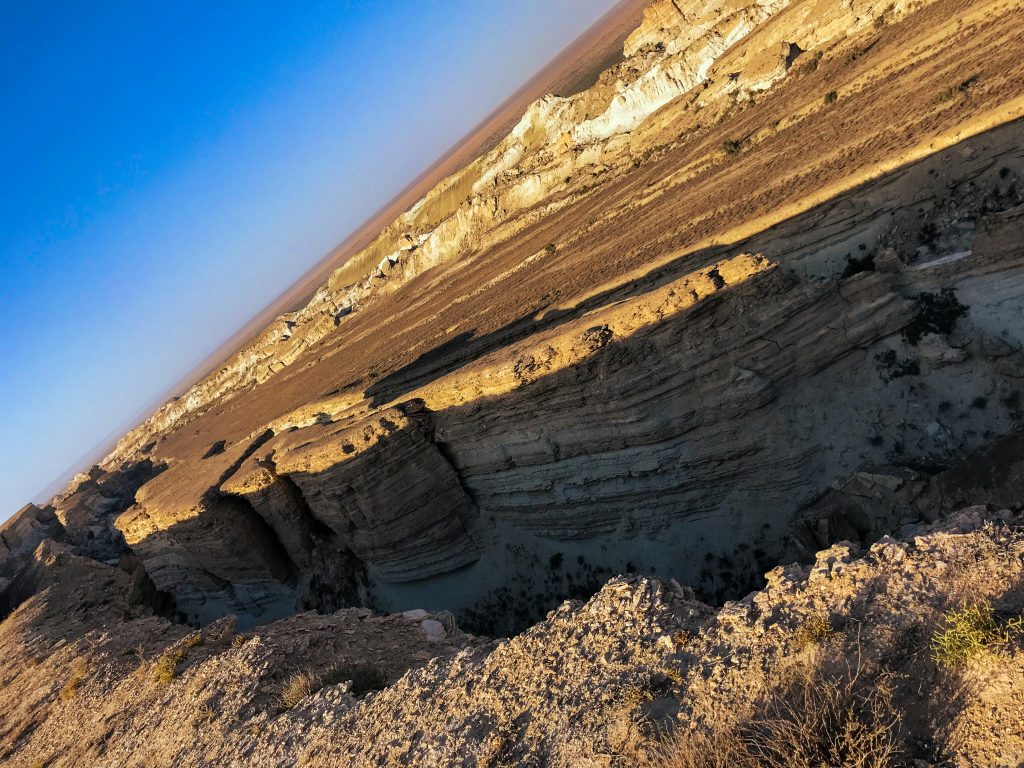
After hours of riding with our jeeps in the bottom of the sea which turned into desert, we reached the endless Ustyurt Plateau. Here the whole disaster becomes visible. All this land was water some decades ago, up to 60 m deep.
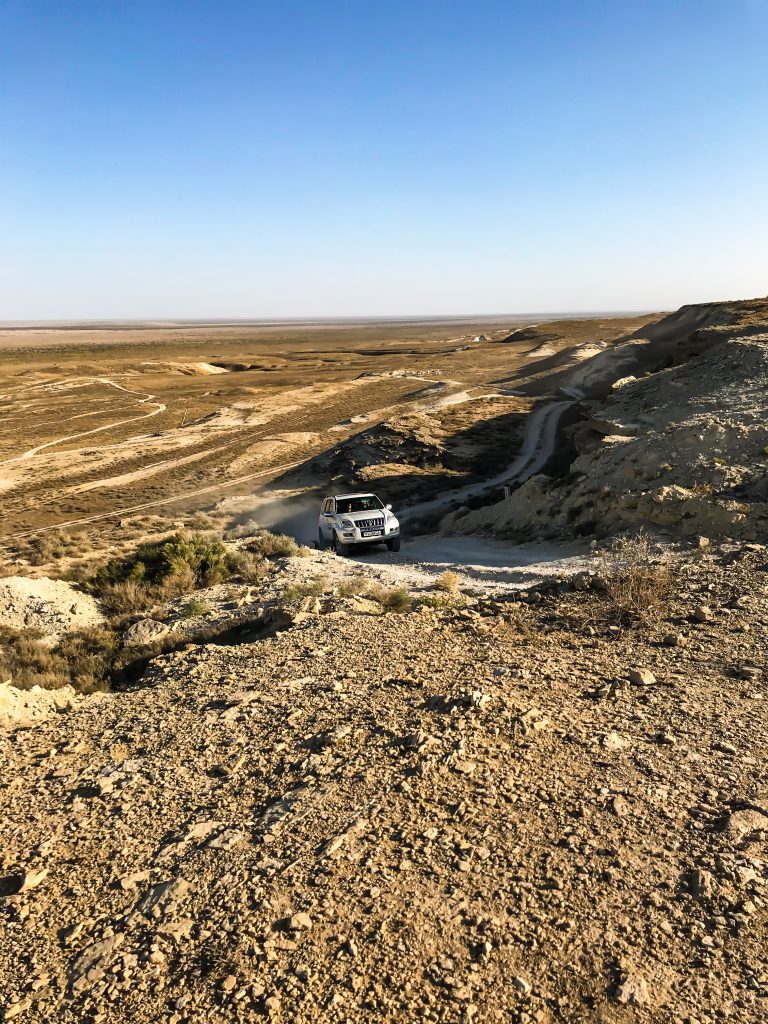
Everything is arid, unfriendly, and dusty that I just could not imagine, that for millions of years here was life and a pleasant environment for all living beings. It is an overwhelming feeling. But the fantasizing was soon over, since we had to continue the trip…
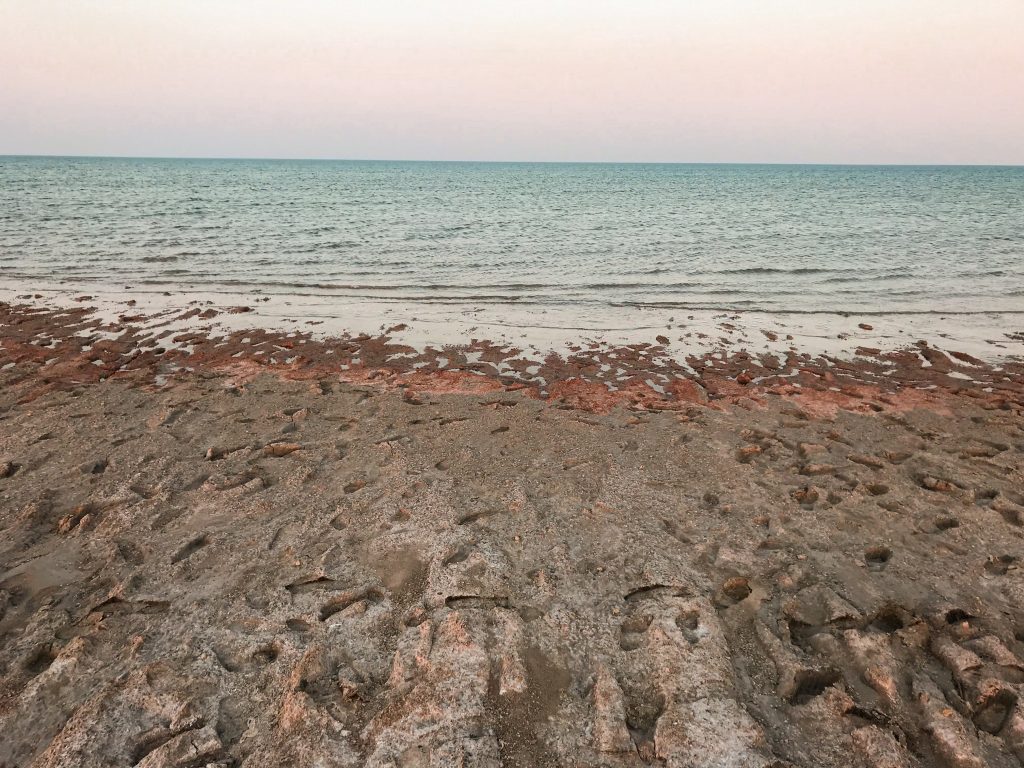
After a long drive on a bumpy road on the plateau we finally reached the actual Western shoreline of the South Aral Sea by the evening. The view of the water was another emotional moment of the day. Besides the wind, there is stillness and no sign and sounds of life. Also, we could literally observe the shrinking of the sea, comparing the actual water level with the last years: there was a visible difference of several meters.
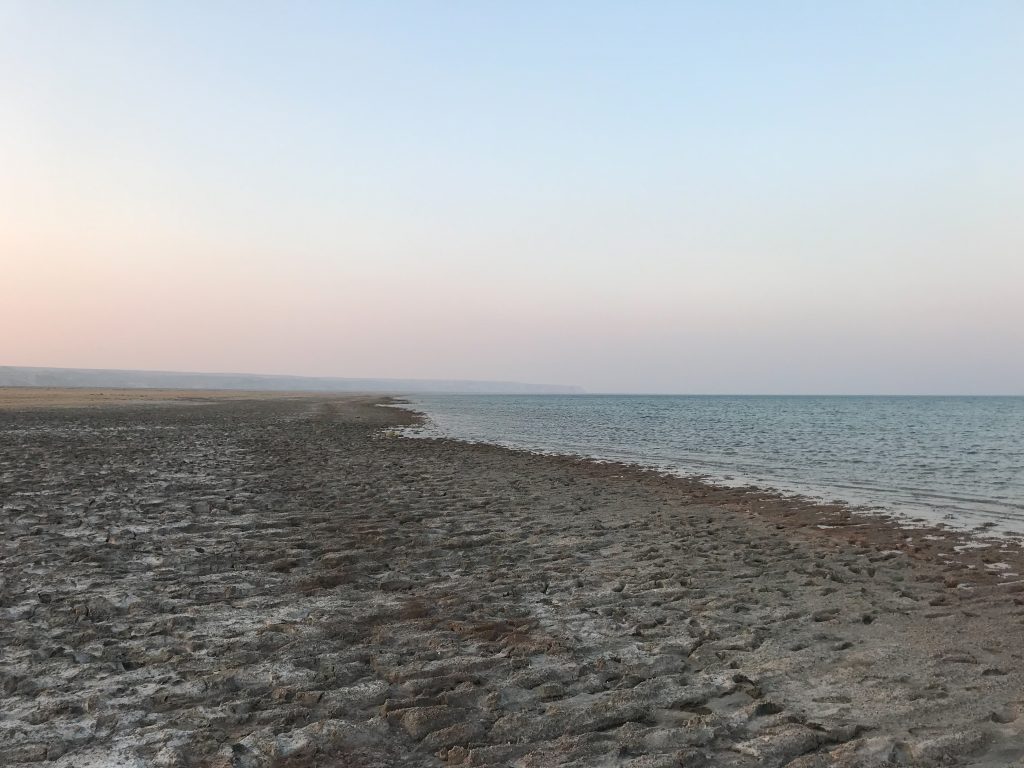
The sea is dead, salt concentration reaching higher levels than the Dead Sea. Not to mention the tons of chemicals, which ended up here from the cotton fields in the past 100 years. Because the Aral is a terminal lake, the pollutants never washed out, so that with the evaporating water their concentration is becoming higher and higher in the remaining water. Once exposed, salty contaminated dust blews off the exposed lakebed, estimated at about 40 million tons every year and settle onto fields, degrading surrounding soils. It turned into a public health hazard, causing respiratory illnesses and cancers.
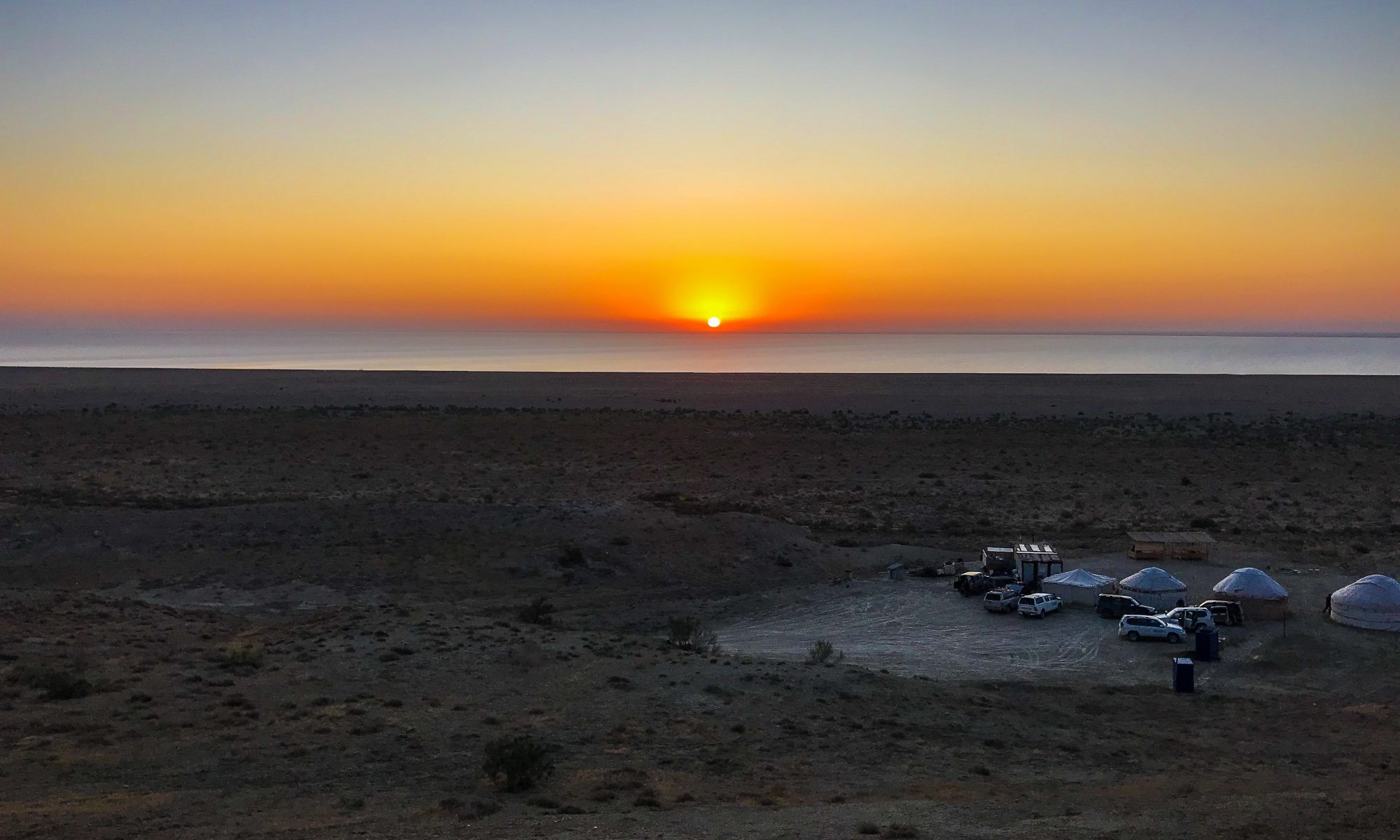
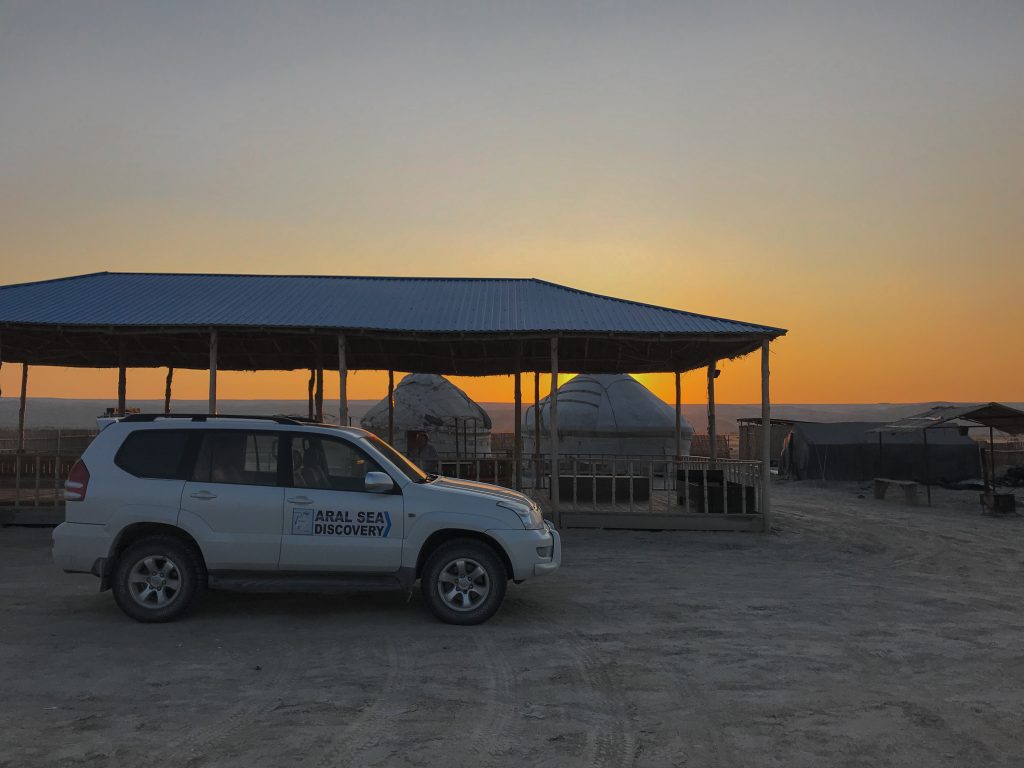
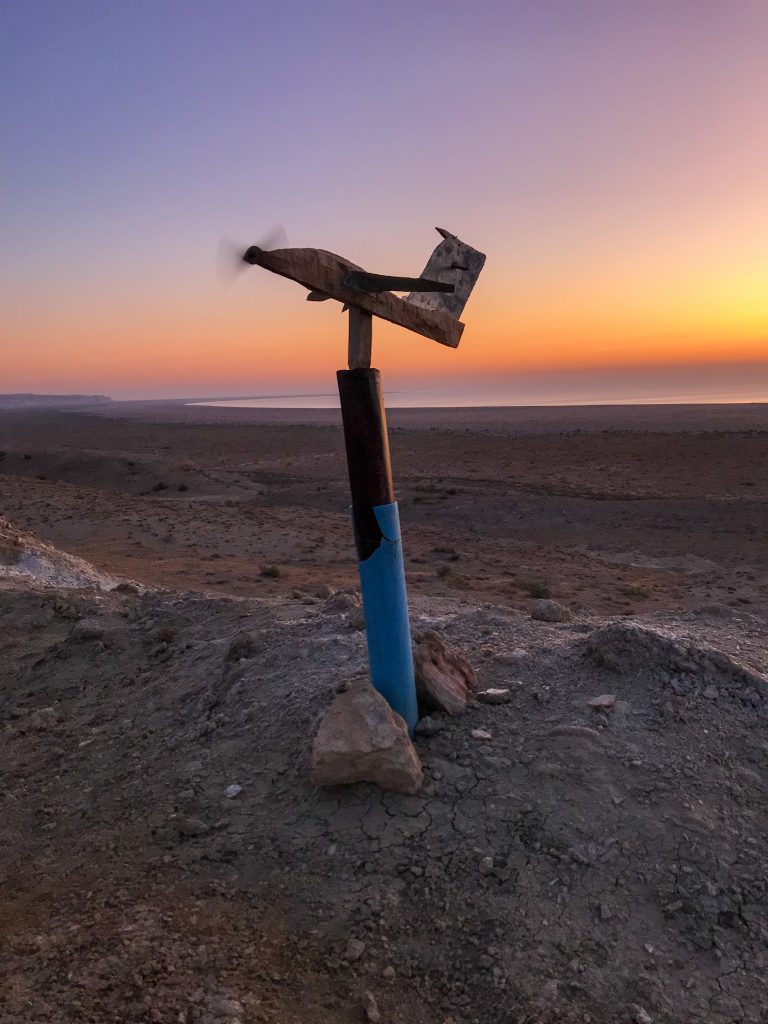
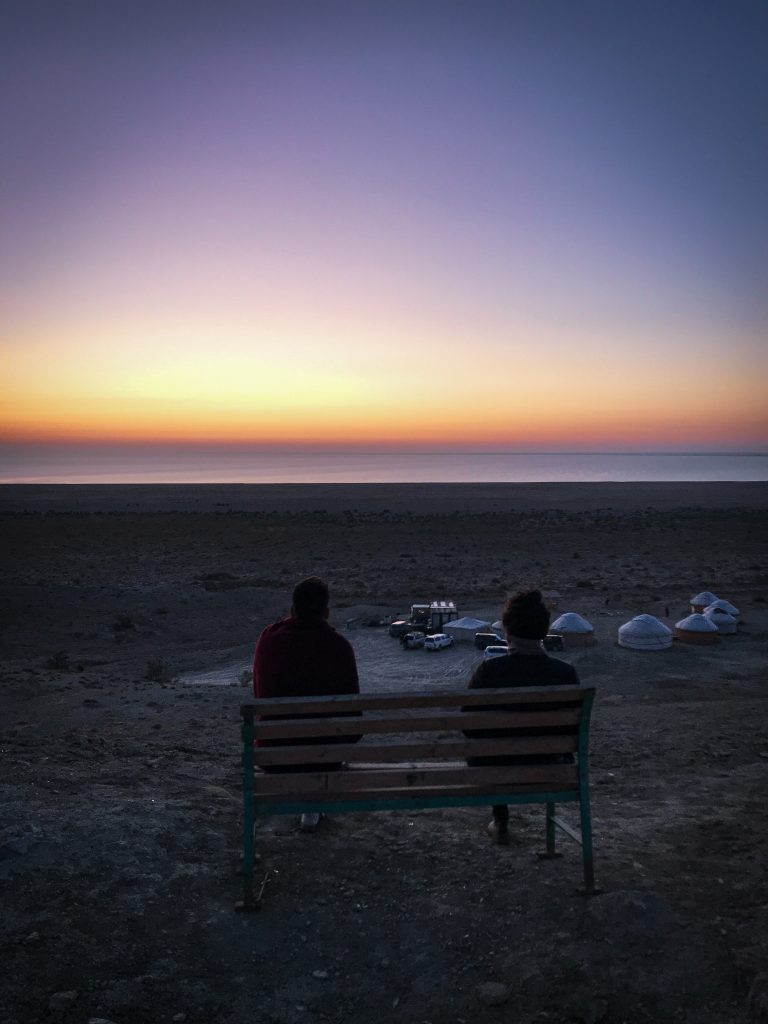
We stayed overnight in the yurt camp next to the sea, after having a delicious dinner prepared by our drivers and guides. The camp was basic and remined me of a human colony on the Mars, probably because of the lifeless and rusty toned colors of the sunset and sunrise.
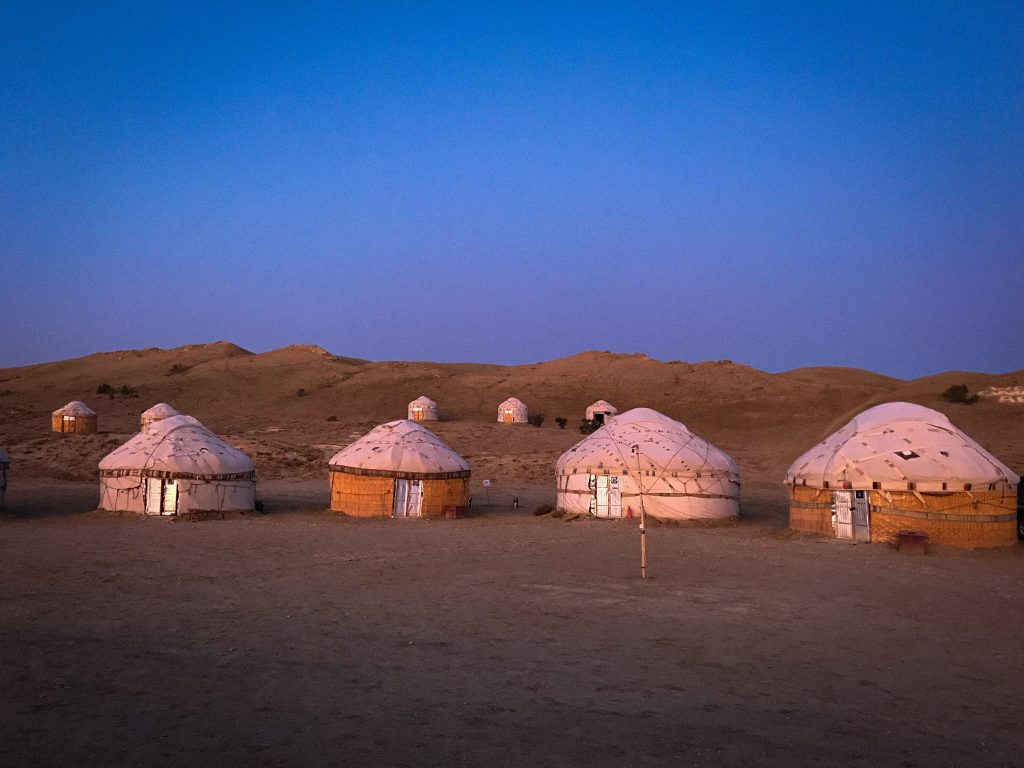
Sleeping was a bit challenging, because of the heavy wind and the barking of the camp dogs, bought there by the camp employees as watch dogs and company. They probably detected some foxes and went crazy.
We were rewarded with a stunning view in the morning of the sunrise over the dying sea. But still, there was this end of the world (“Weltuntergang”) feeling, like we were the last survivors of mankind in that hopeless landscape…
On the way back, we visited some farmers and abandoned places. The only spot of biodiversity can be found in an artificial sea close to Aral, supplied by drained water from the cotton fields. We saw flamingos there! A sing of hope in a hopeless place…
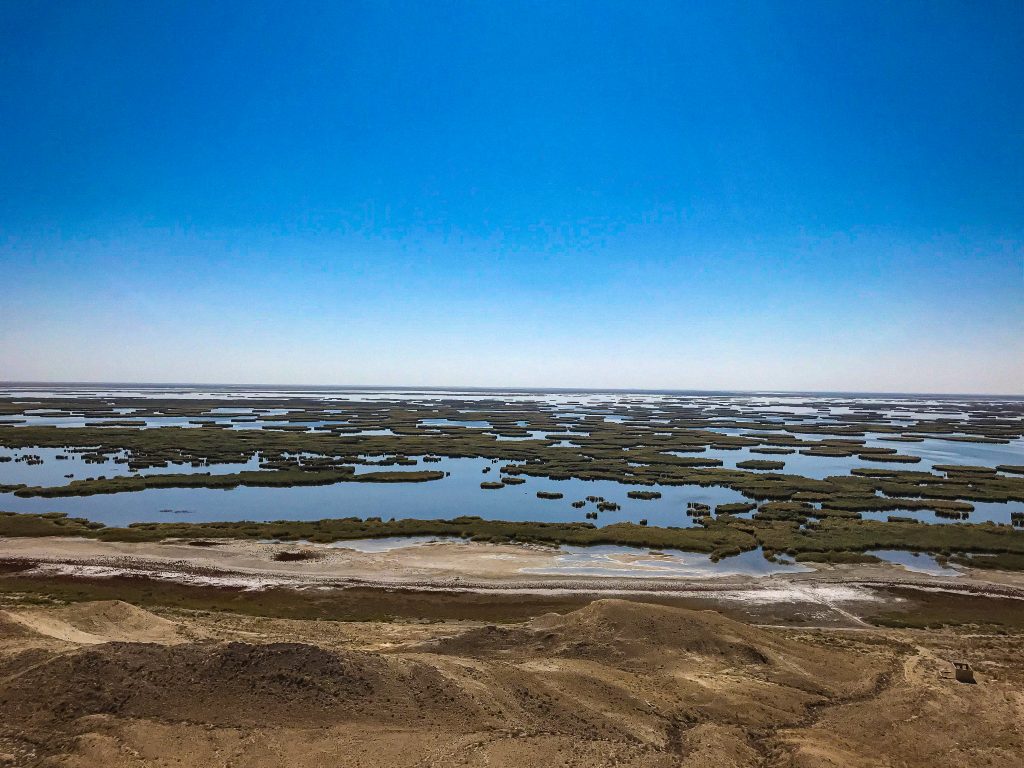
Let this sad history of the Aral Sea be another warning to act against climate change and destruction of biodiversity all over the world!
A special recommendation
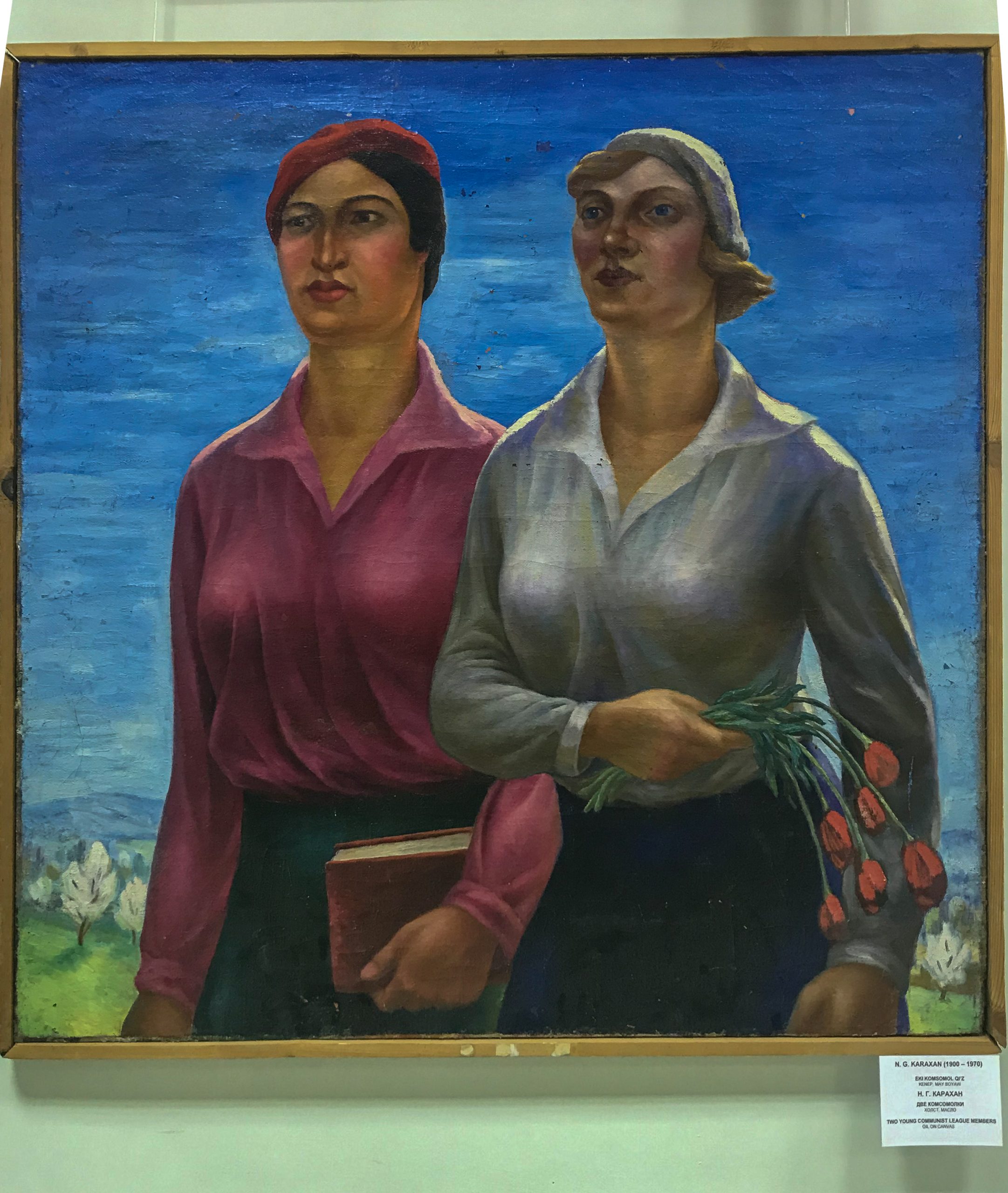
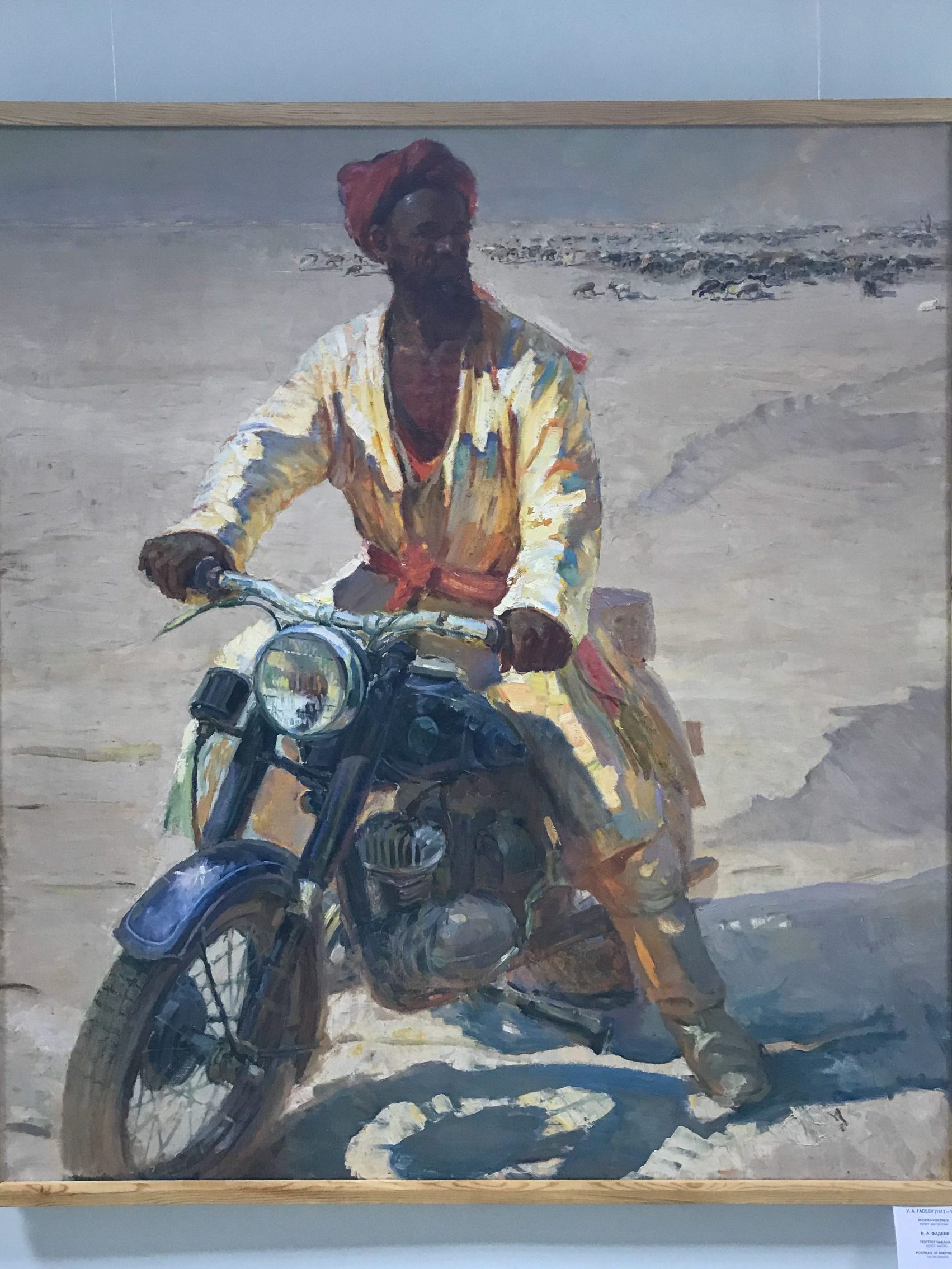
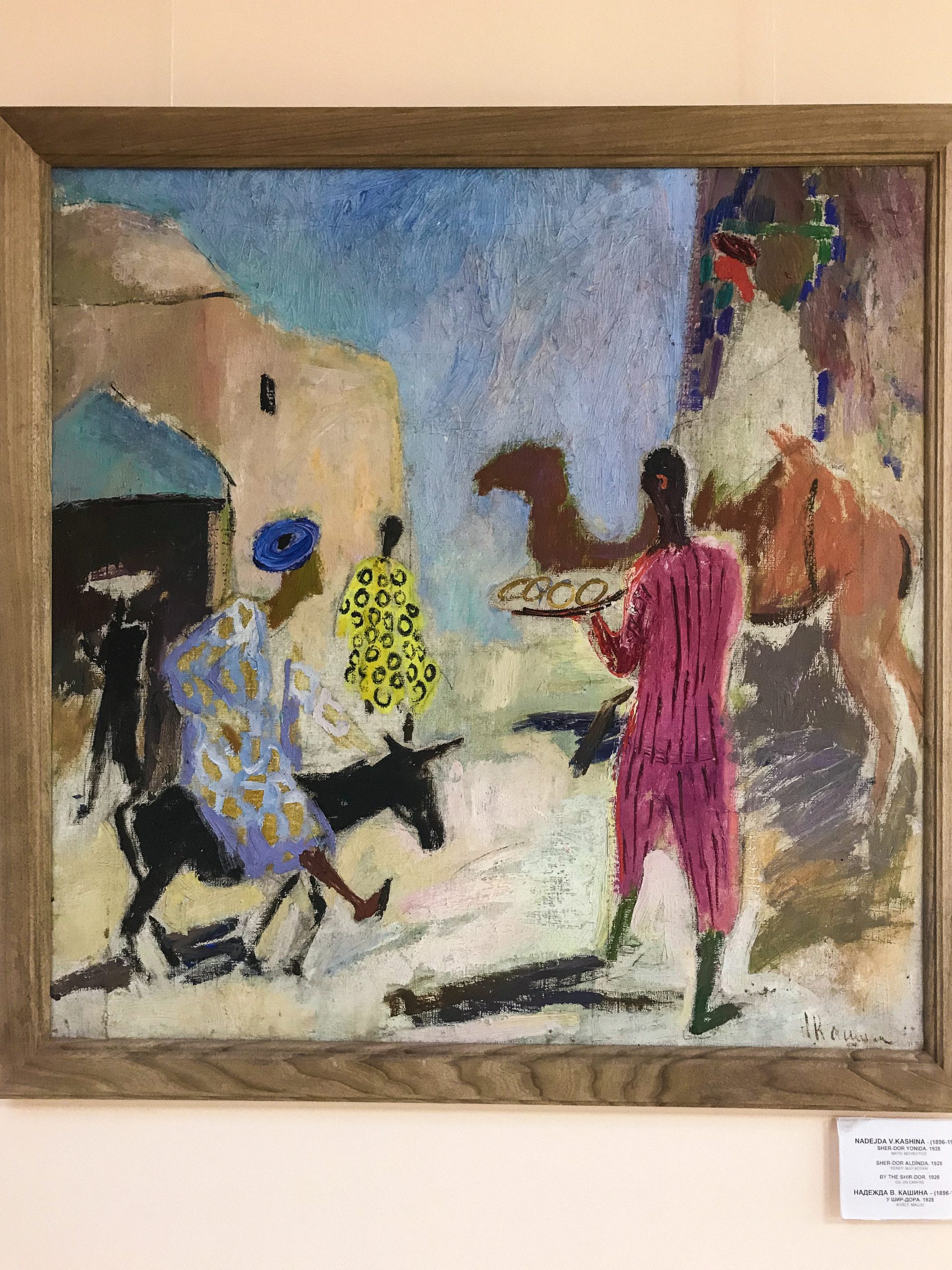
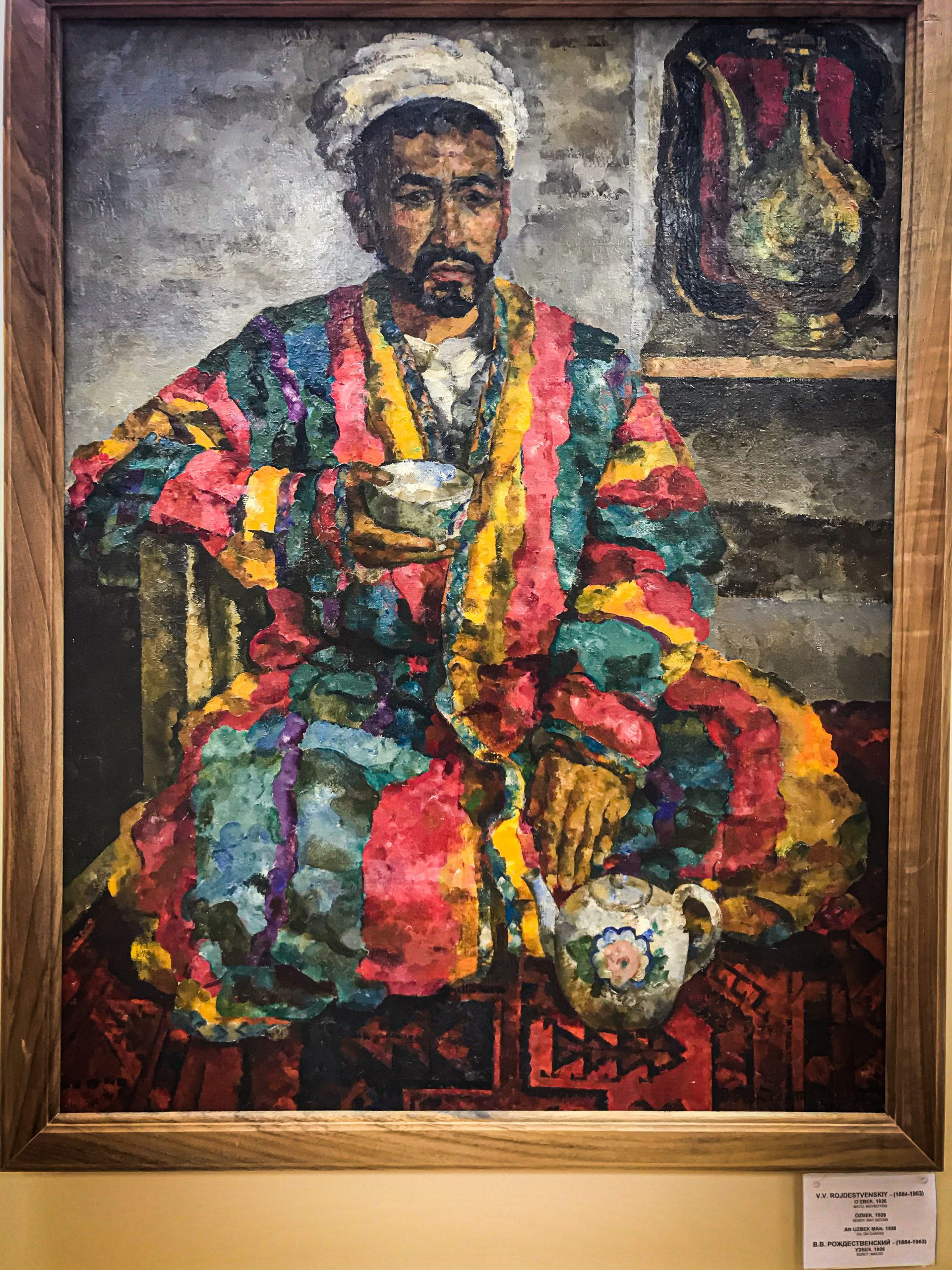
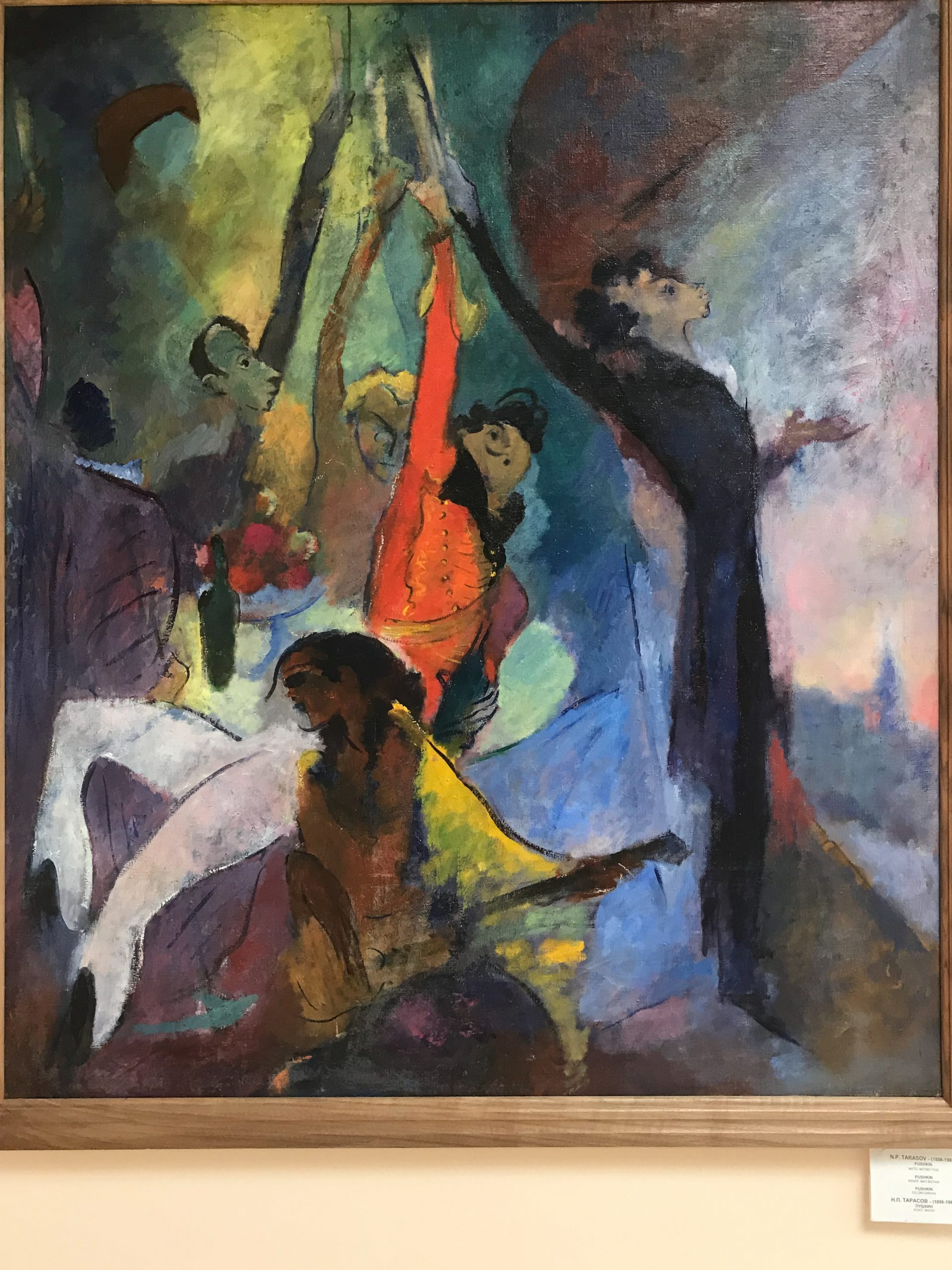
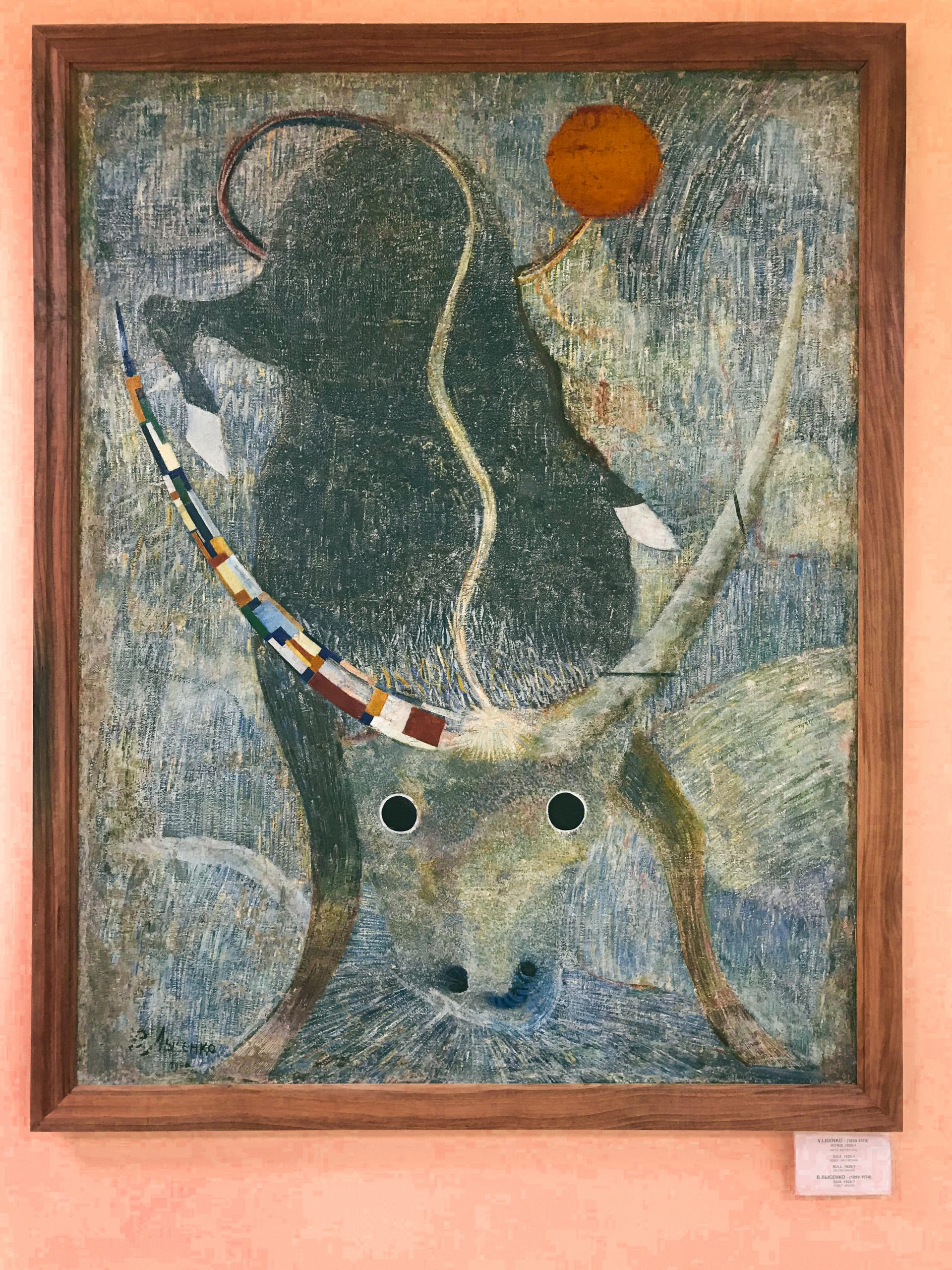
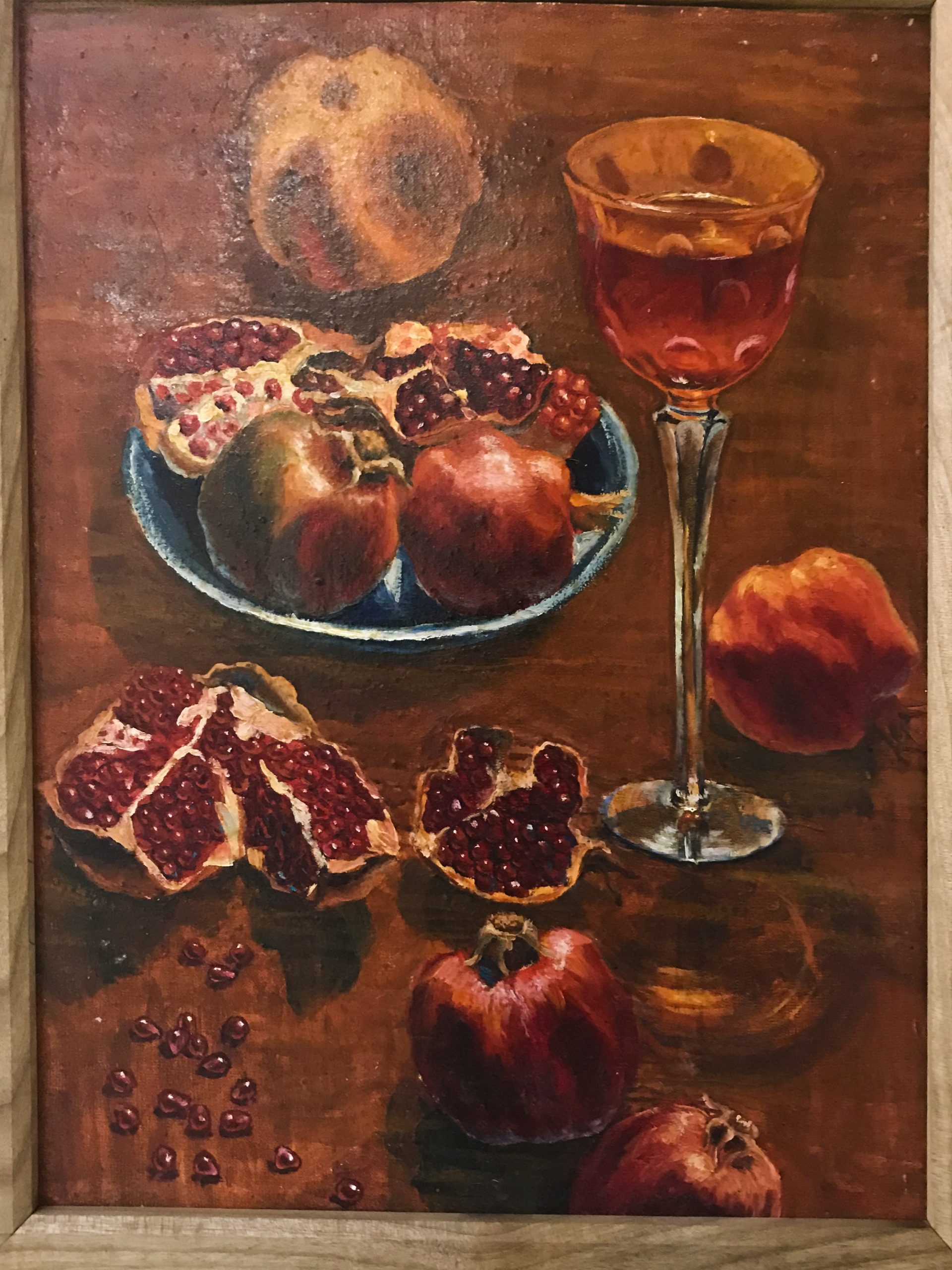
Once in Nukus again, do not leave the city without visiting the State Museum of Arts of the Republic of Karakalpakstan named after I.V. Savitsky! You can find here a world-class collection of Russian avantgarde art. You won’t be disappointed!